Three months by van across the West — the trip that showed me what was possible.
The trip that changed the map
In 1987 I took off for a three month trip around the USA. Backpacking throughout two dozen National Parks was the ultimate dream come true. This trip turned out to be the first of several; the next one in 1990 lasted five months.
The 1987 road trip did not begin because I hated the life I already had. In fact, my life in New England was pretty wonderful. I had mountains close enough to reach in a day, friends I loved spending time with, trails I knew well, and enough outdoor adventure to keep me happy most of the time. I was hiking, camping, fishing, exploring, and doing many of the things that already made me feel alive.
But I also knew there was a much bigger world beyond that circle I could reach from home. For years, New England had been my playground. I had climbed its mountains, wandered its trails, paddled its waters, and explored as much as I could within the limits of work, money, and time. Eventually I began to feel that I had seen much of what was close to me. Not everything, of course. You can never see everything. But enough to know that if I wanted a larger life, I had to make the circle bigger.
The question became pretty simple. What if I just kept driving? What if I drove four days west and reached the Rocky Mountains? What if I could do there what I had already been doing in New England, just hiking and backpacking and exploring the heck out of the place, but with an entirely new world spread out around me? And then, instead of driving home after one park, what if I bought a little more food, filled the van with gas, and drove to the next national park?
That was the idea that changed everything. I did not need hotels. I did not need restaurants. I did not need a strict itinerary. I had my van, my backpack, maps, guidebooks, camping gear, and enough experience to be comfortable alone in the mountains. I could sleep in the van, camp in national forests, or disappear into the backcountry for several days at a time.
The van and the open road
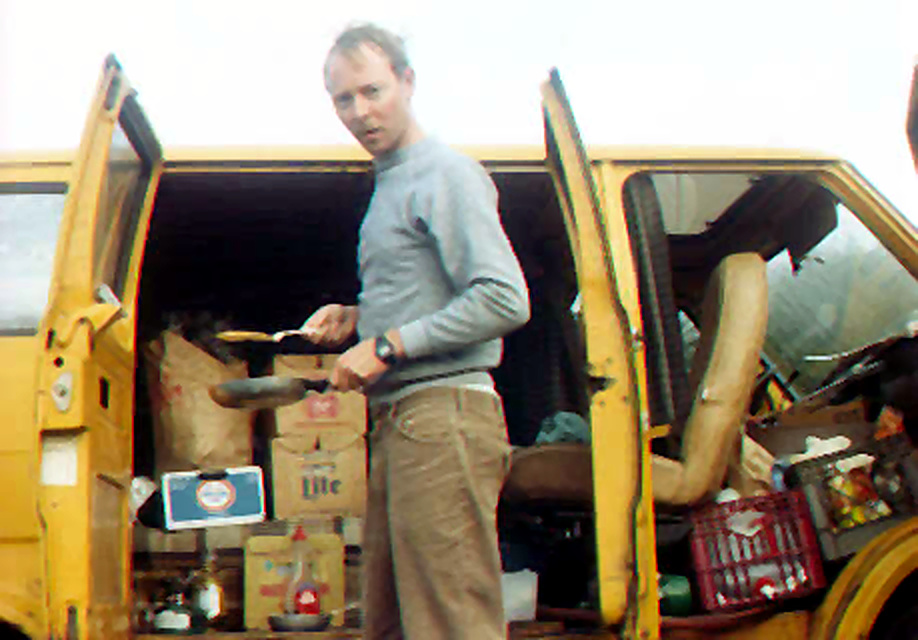
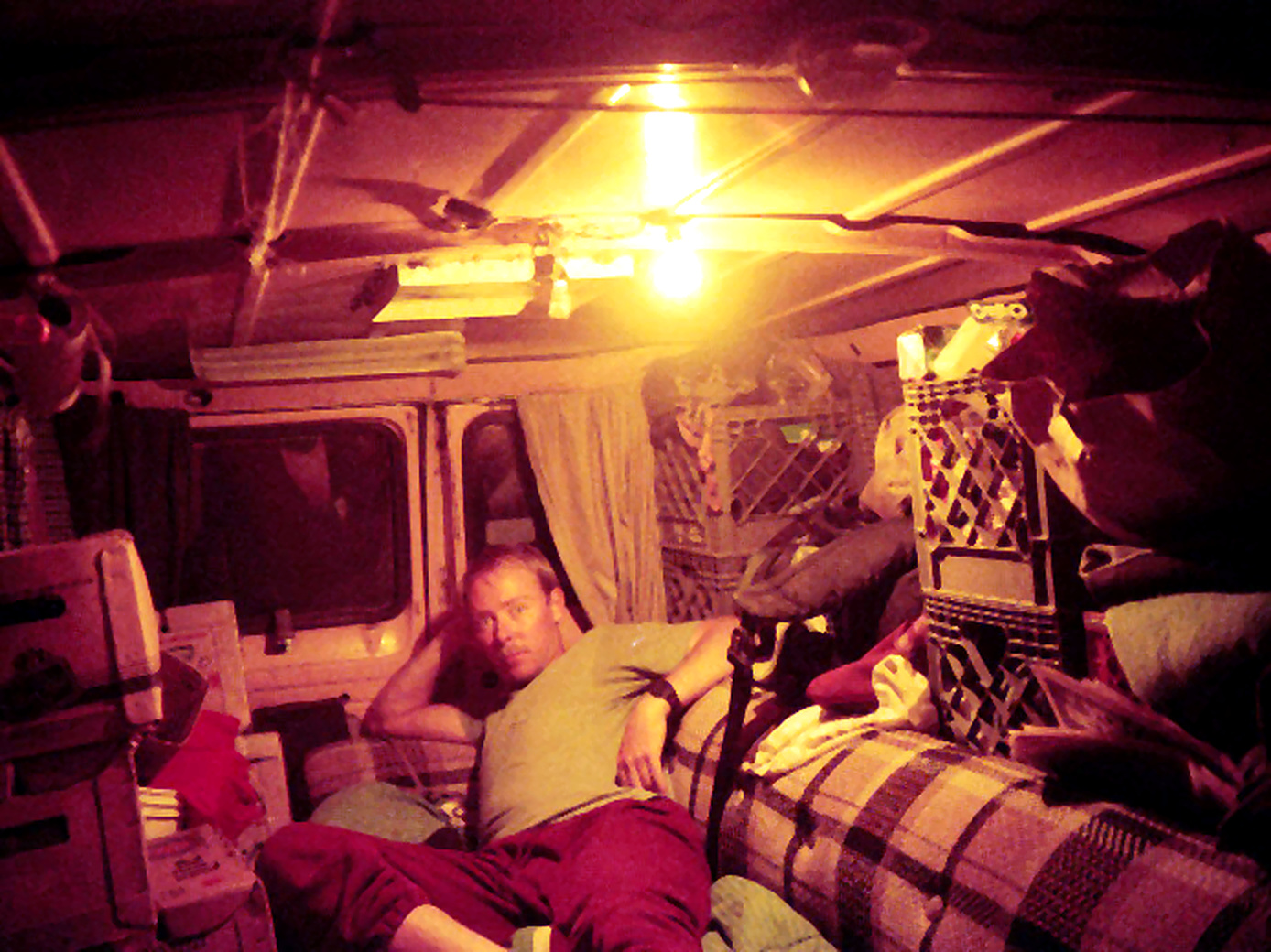
The old van — transportation, bedroom, pantry, gear closet, and freedom machine all in one.
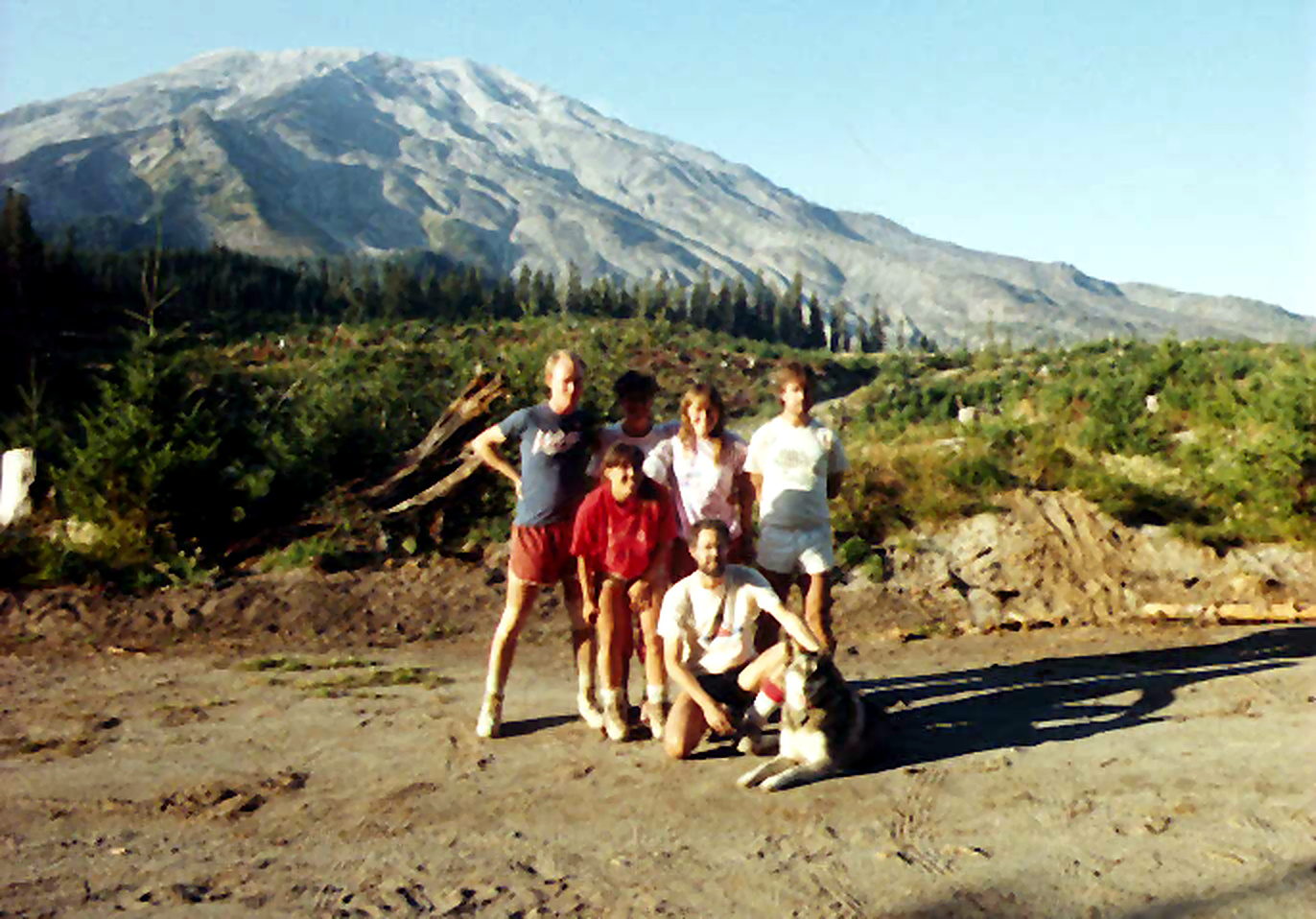
A $400 Ford window van and a whole country waiting outside the windshield.Mount Hood friends — one of those road-trip moments when strangers become part of the story.
Photos from the journey
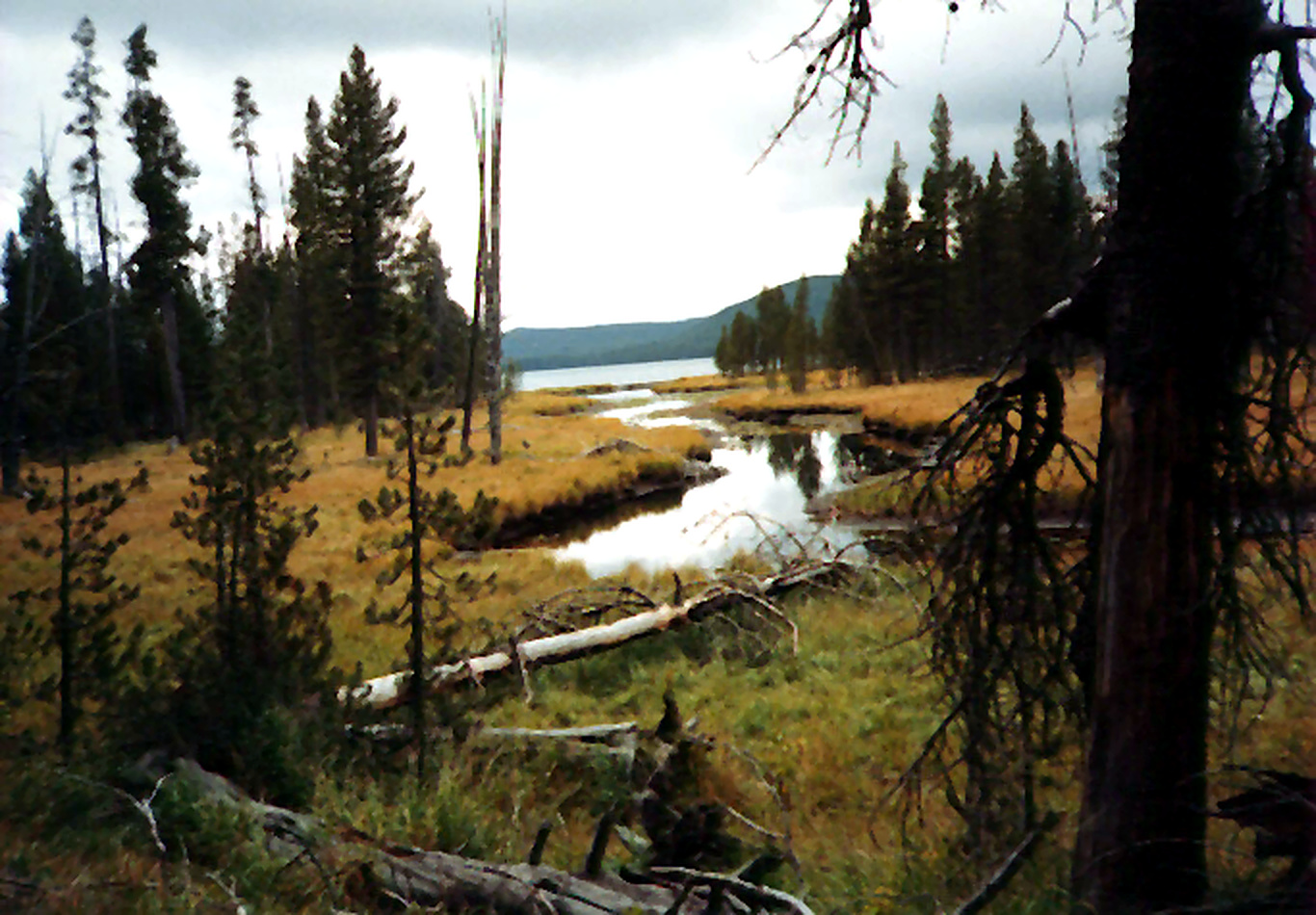
I headed west to Colorado, then visited most of the national parks in a counter-clockwise direction: Rocky Mountain, Grand Teton, Yellowstone, Glacier, the Cascades, Olympic, Mount Rainier, Mount Hood, Mount St. Helens, the Oregon Coast, Yosemite, Death Valley, the Utah parks, Grand Canyon, Carlsbad Caverns, and then home by late October.
The trip was awesome, but way too short — only three short months. Most of my time was spent backpacking and driving the back roads to the next national park. The van was transportation, resupply base, and emergency shelter, but the real home was the trail.
Olympic Coast and the Pacific Northwest
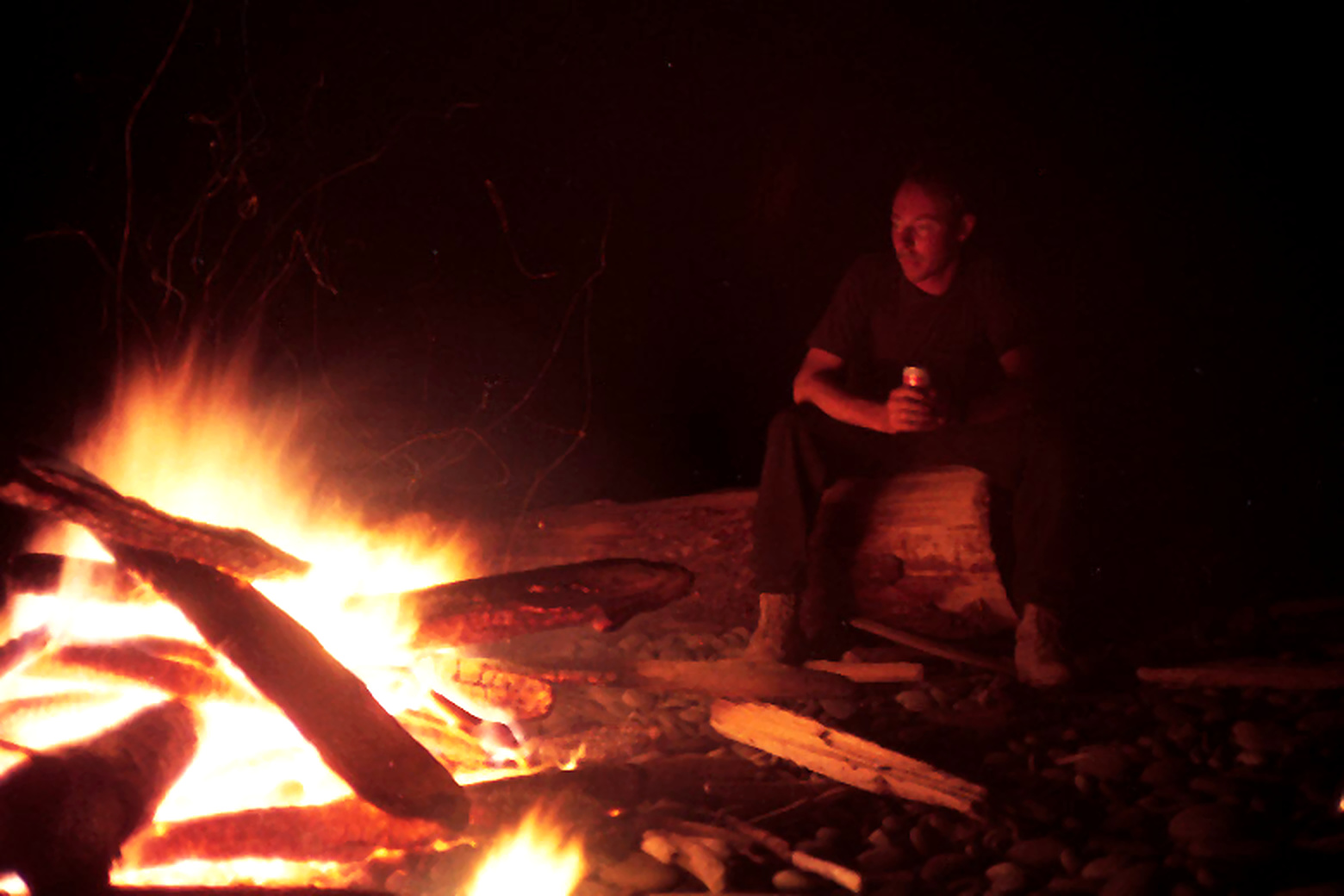
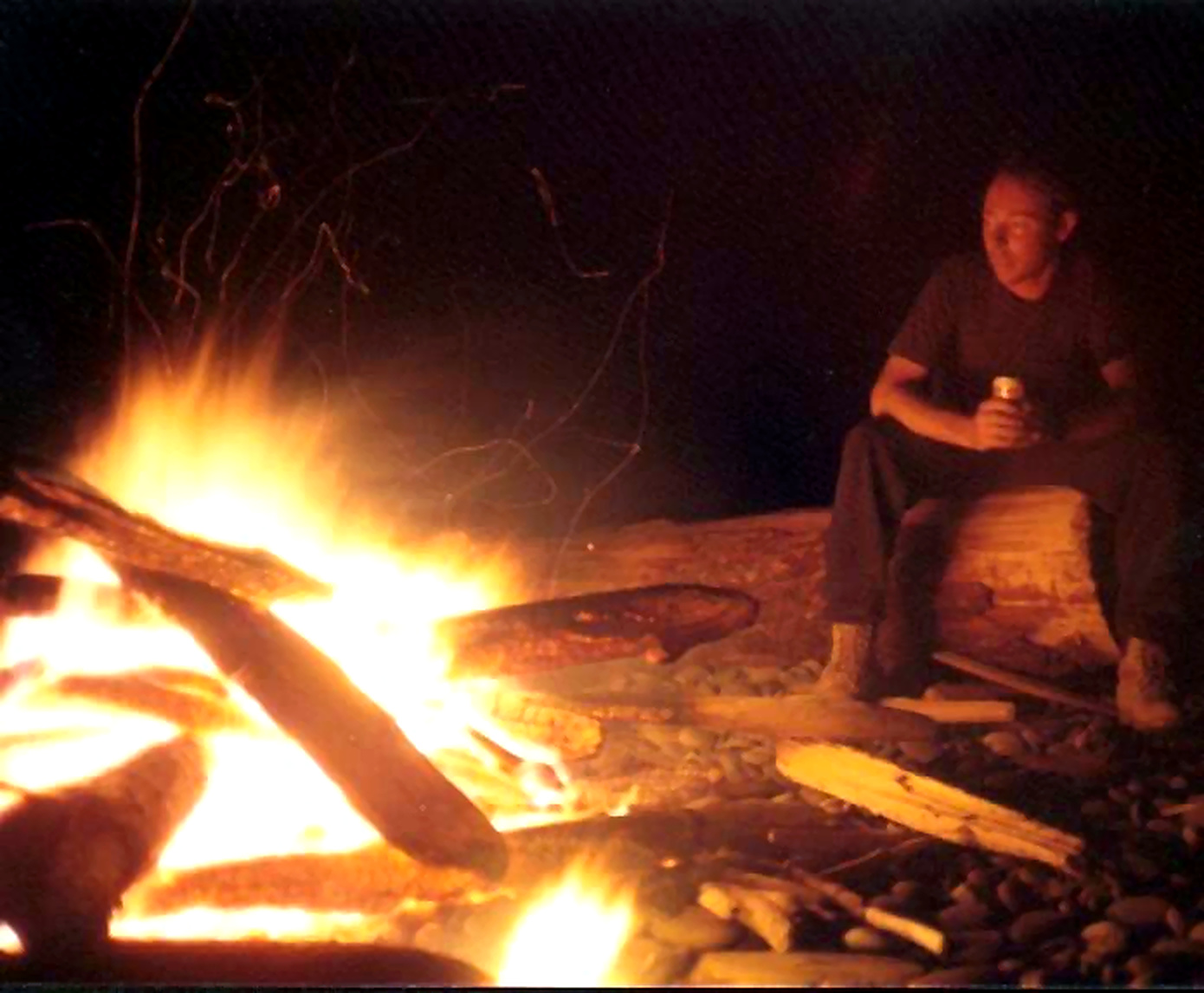
Campfire on the Olympic wilderness coast, where tide charts mattered and driftwood was everywhere.
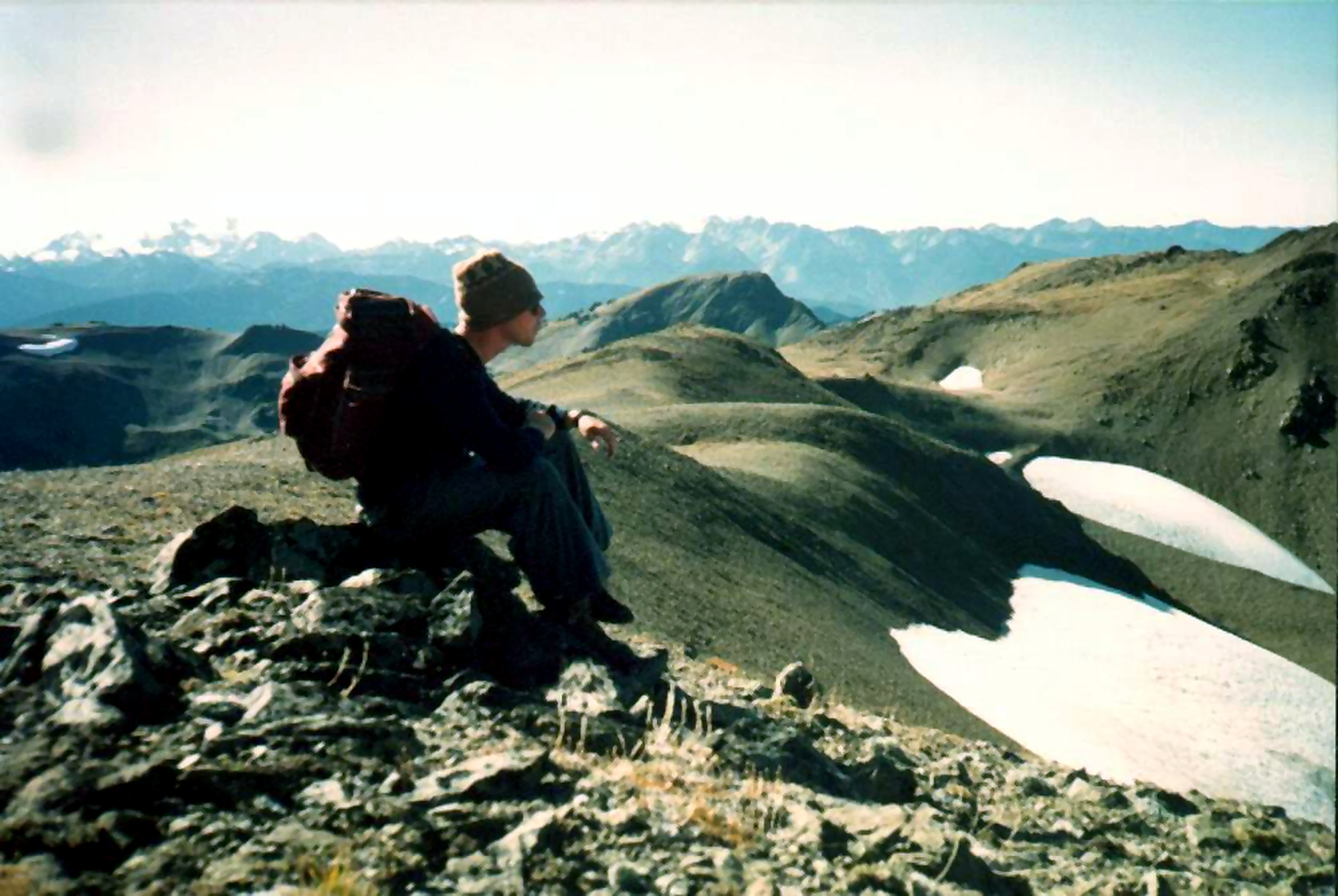
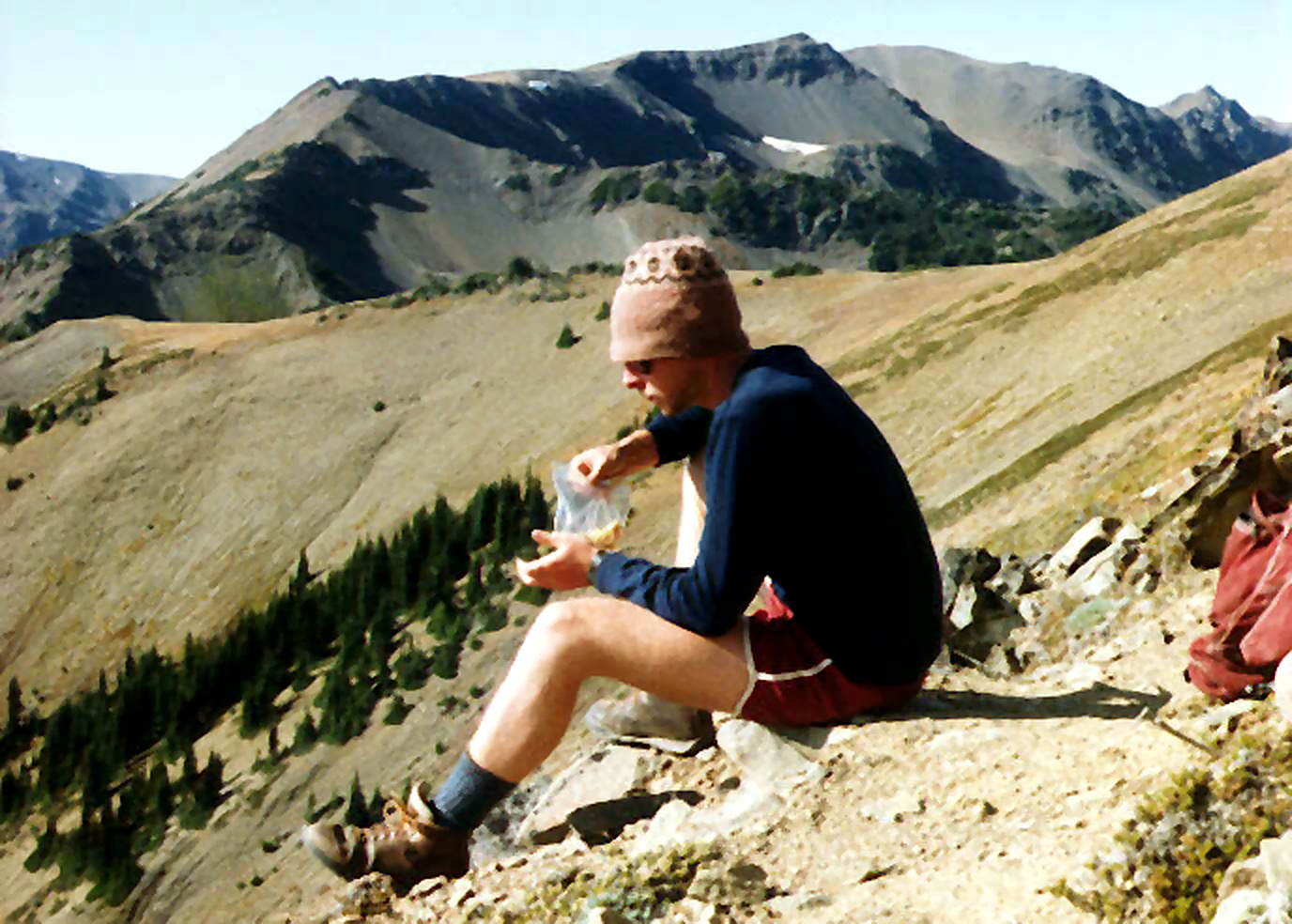
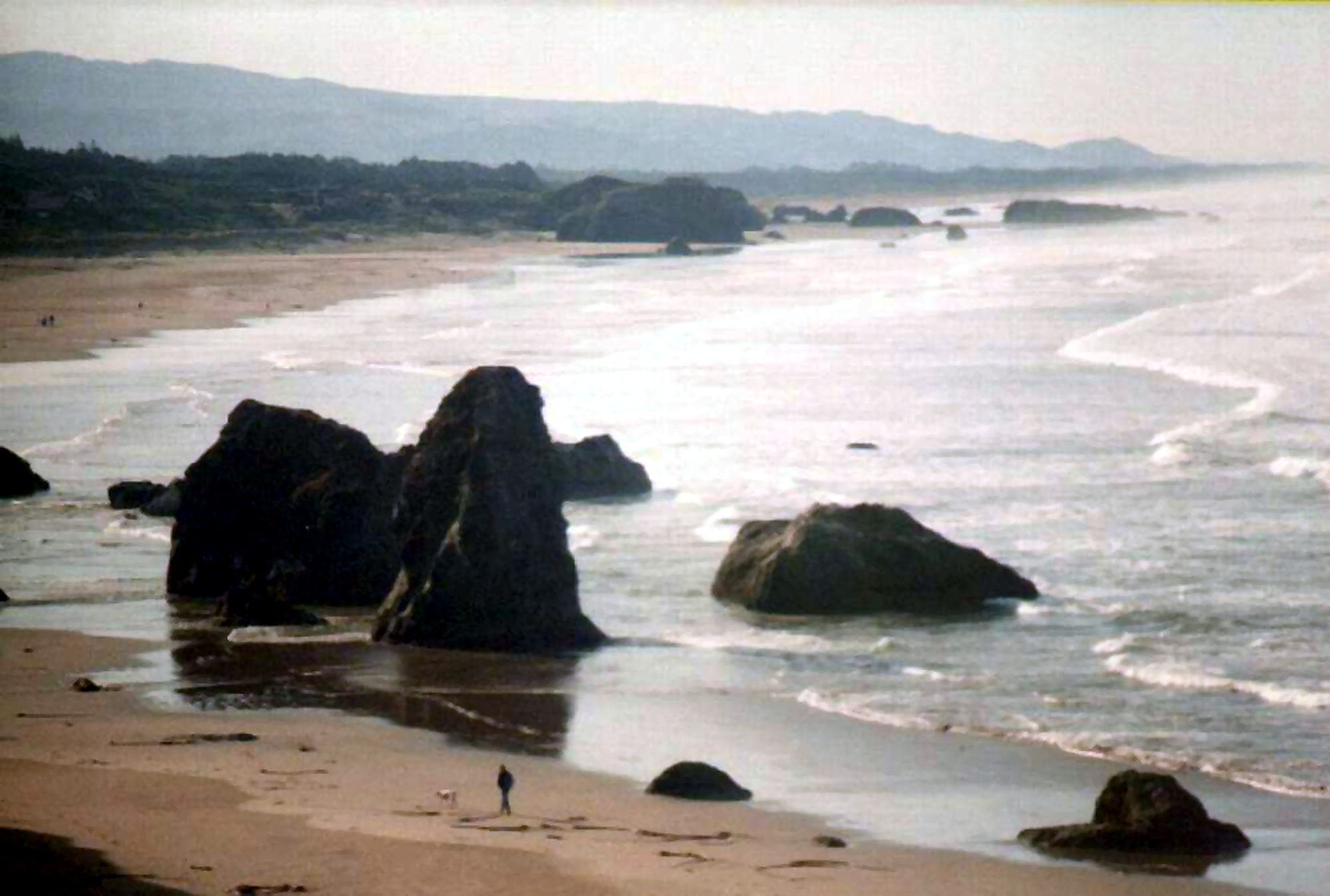
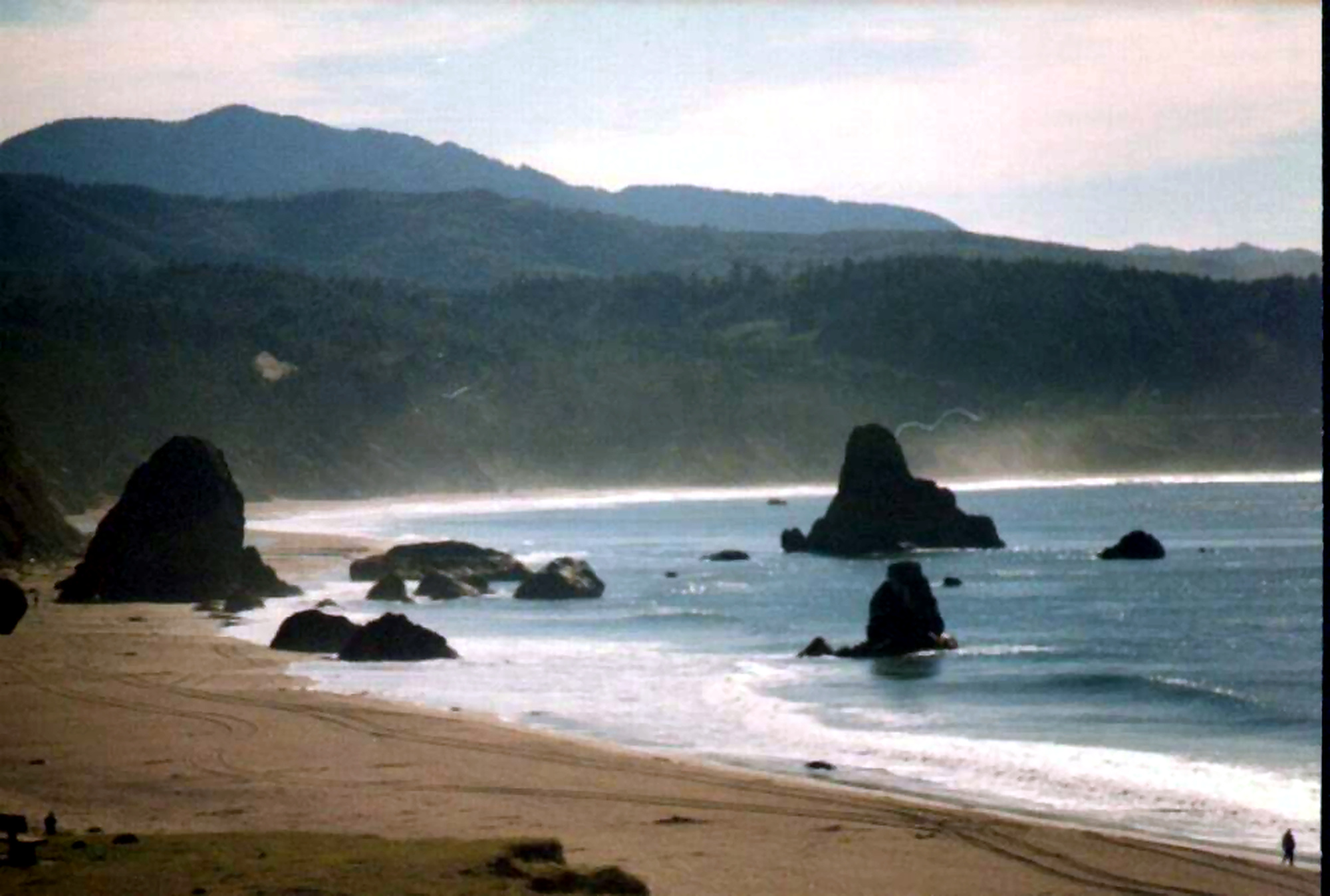
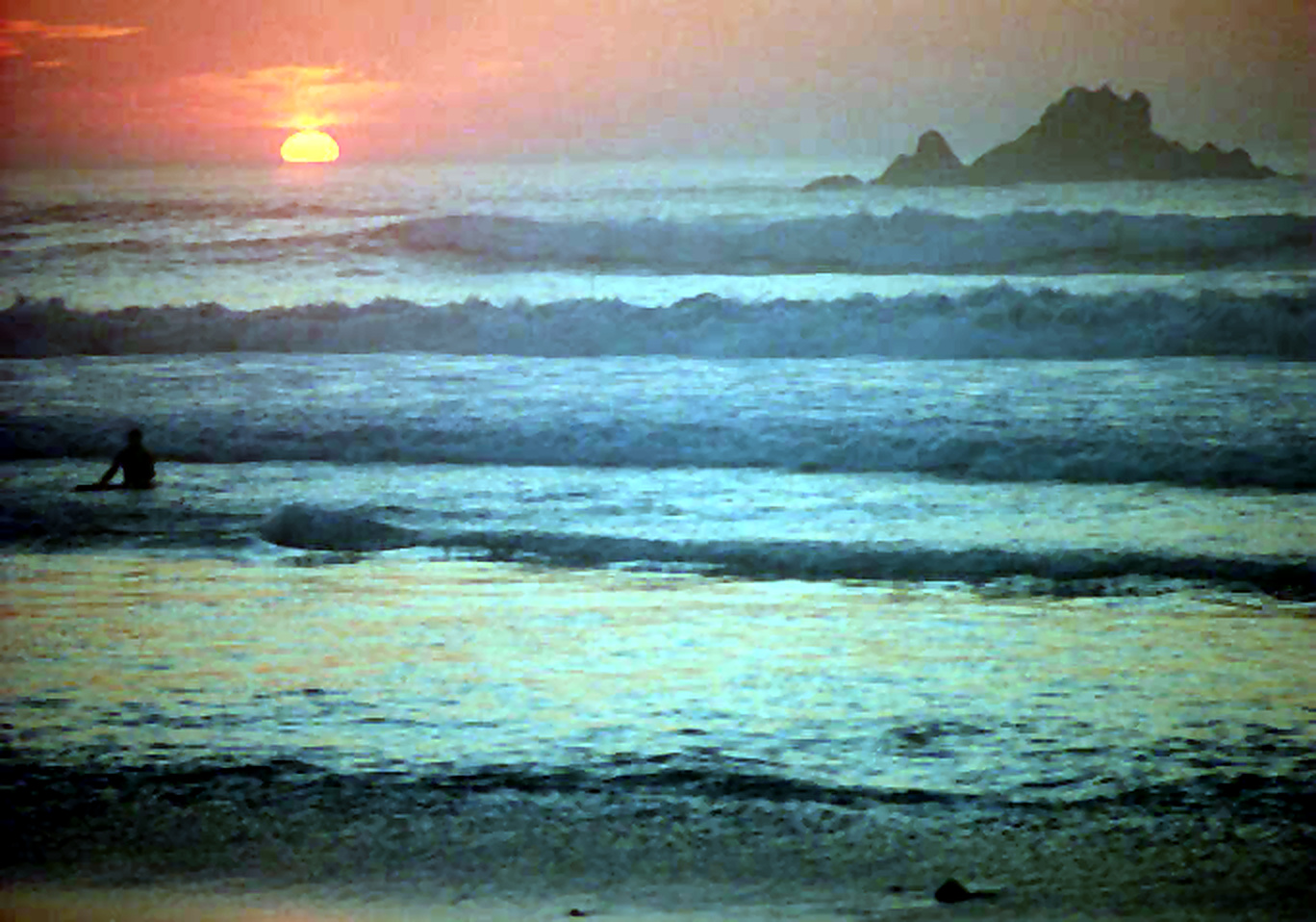
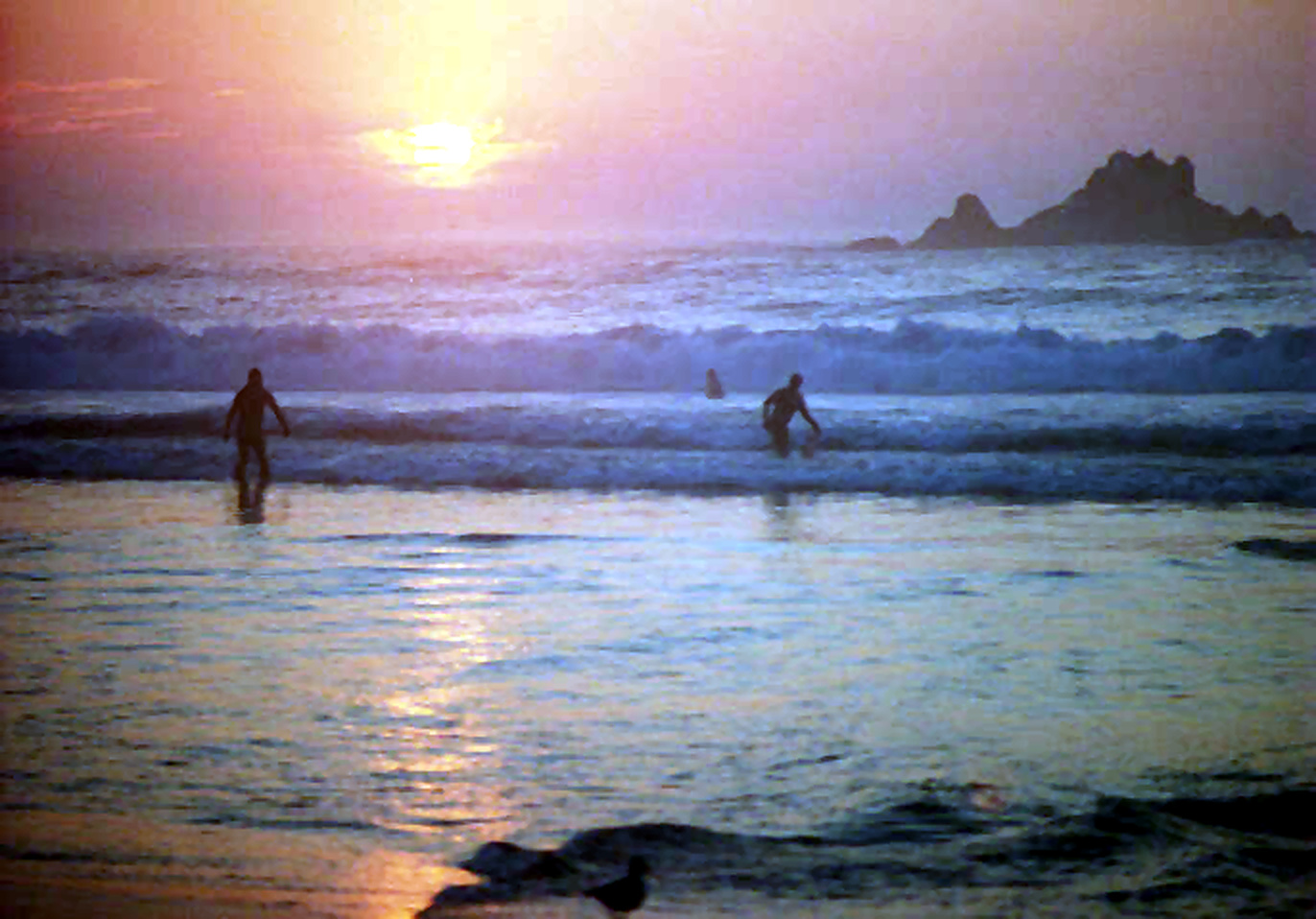
Tim at camp on the Olympic Coast — three days out and living exactly the way the trip was meant to be lived.Olympic National Park, where rainforest, mountains, and wild coastline all seem to collide.Lunch on the Desolation Trail — simple food, tired legs, and one more unforgettable place.The Oregon Coast doing what it does best: cliffs, surf, sea stacks, and a road bending south.Another Oregon Coast pullout, because some views are too good to drive past.Oregon sunset — the kind of evening that makes cheap travel feel priceless.Pacific surf at sunset, with the whole trip glowing for a few minutes before dark.
Learning to be alone
One thing I never expected from that 1987 trip was how much I would enjoy traveling by myself. Before then, I'd always done things with friends. We'd go fishing, hunting, hiking, camping, or to concerts together, and I just assumed that after a while I'd probably get lonely being out on the road for three months by myself. It turned out to be just the opposite.
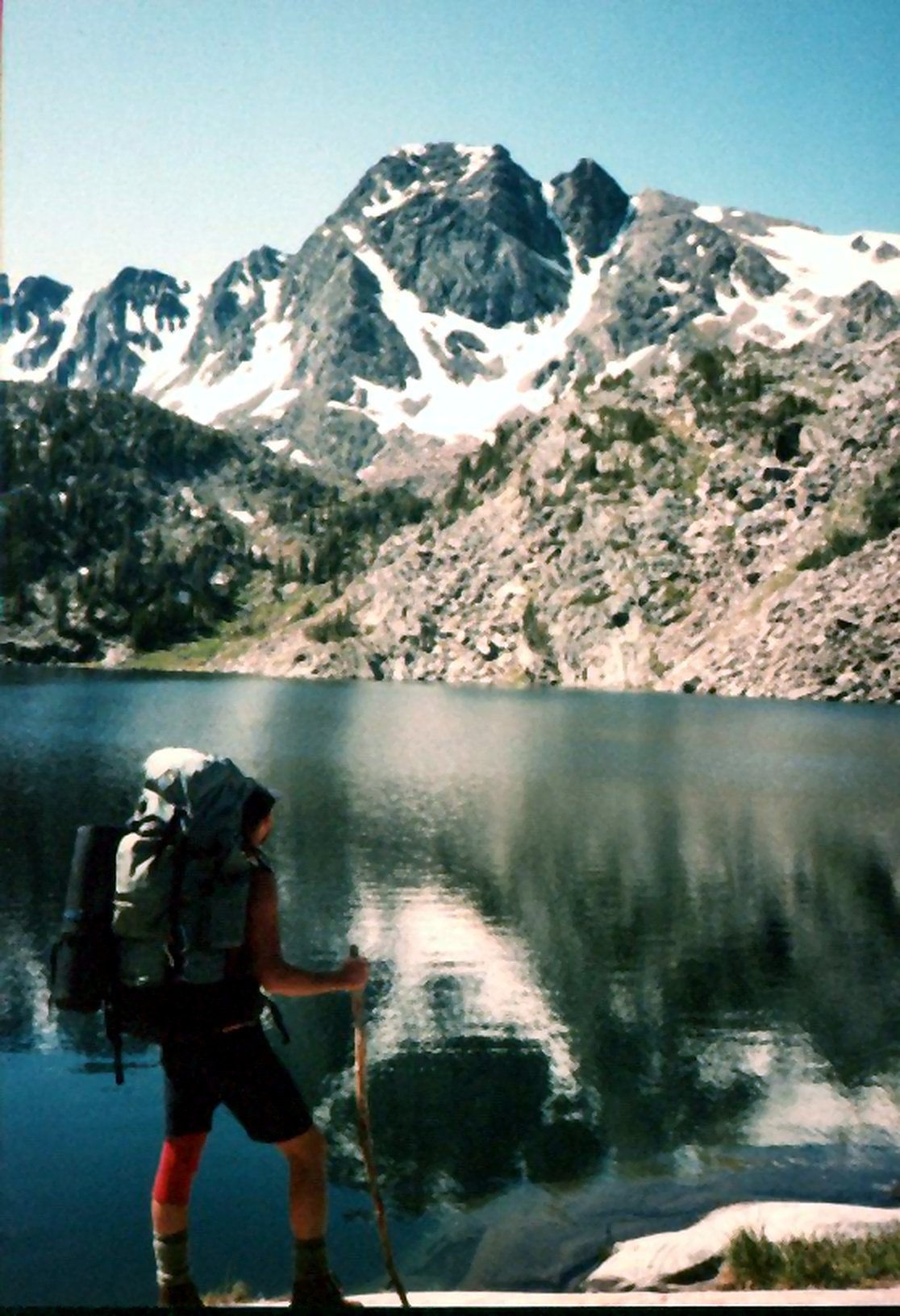
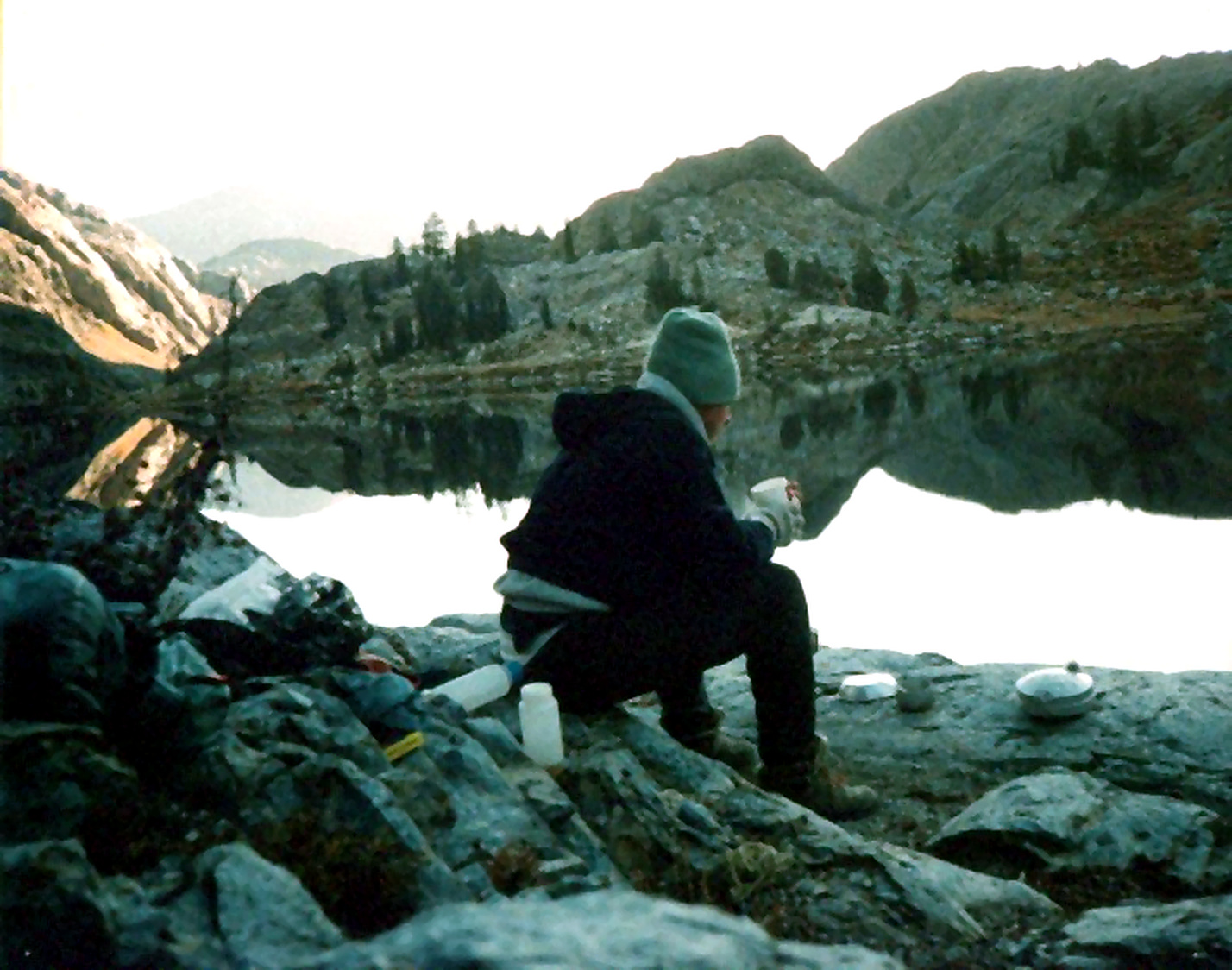
I found that I really liked having nobody else around. I'd hike all day without seeing another person, then stop beside an alpine lake, make myself some lunch on my little backpacking stove, and just sit there for an hour taking it all in. There wasn't any music, there wasn't anybody talking, and there wasn't any schedule. I wasn't trying to get anywhere or impress anybody. I was just enjoying being exactly where I was.
What surprised me was that I never got bored. In fact, I think my mind actually slowed down. Instead of thinking about work or money or all the things waiting for me back home, I'd find myself thinking about what kind of life I really wanted. Did I really want a big house someday? Did I really want to spend forty years working just so I could have nicer things? Or was there another way to live that would make me happier?
Those answers didn't come all at once. They came a little at a time, while I was hiking, or sitting beside a stream, or lying in my sleeping bag looking up at the stars. Looking back now, I think that's one of the reasons nature has always been so important to me. It wasn't just beautiful. It gave me the quiet that let me think. There wasn't anybody trying to sell me something or tell me how I should live. It was just me, the mountains, and enough silence to sort things out in my own head.
I also realized there was a big difference between being alone and being lonely. I was alone almost every day on that trip, but I honestly wasn't lonely very often. Later on, when I started staying in hostels, I'd spend two or three days by myself in the mountains and then suddenly be sitting around a kitchen table with people from Germany, Australia, England, or Japan, talking like we'd known each other for years. Then a day or two later we'd all head off in different directions, and I'd be alone again. I came to love that balance between solitude and meeting new people.
Even today, that's still one of my favorite ways to spend time. I enjoy paddling by myself around Caladesi or hiking with Buddy Boy because that's where I do my best thinking. I notice the birds, the tides, the way the light changes during the day, and I find myself thinking about life without even trying. I think everybody ought to spend at least a little time alone now and then, because sometimes you learn more about yourself during one quiet day in the woods than you do during weeks of your normal routine. That 1987 trip was the first time I discovered that, and it's a lesson that's stayed with me ever since.
Volcanoes, glaciers, and western mountains
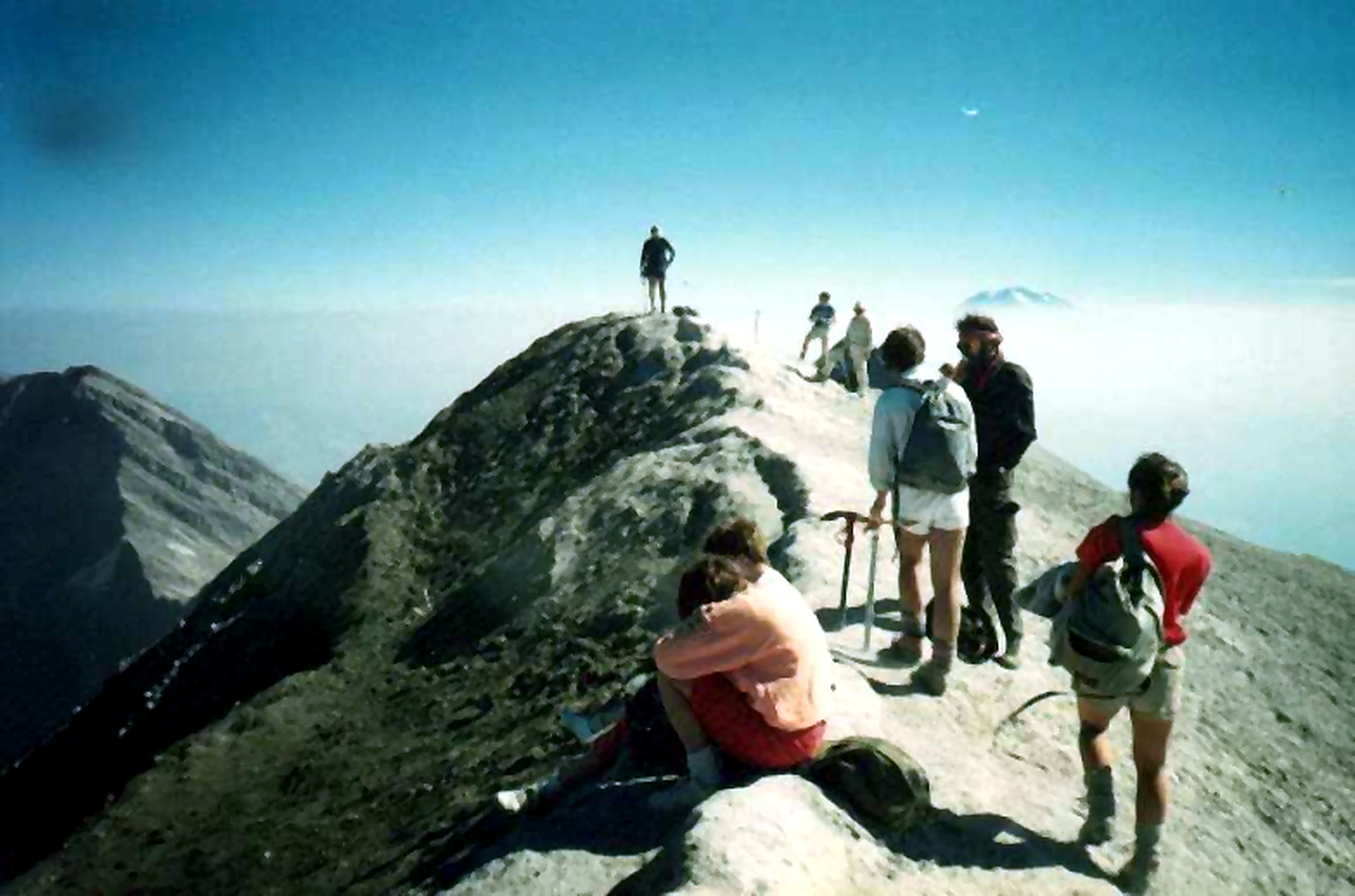
On the rim of Mount St. Helens, the first year it reopened to hikers after the eruption.
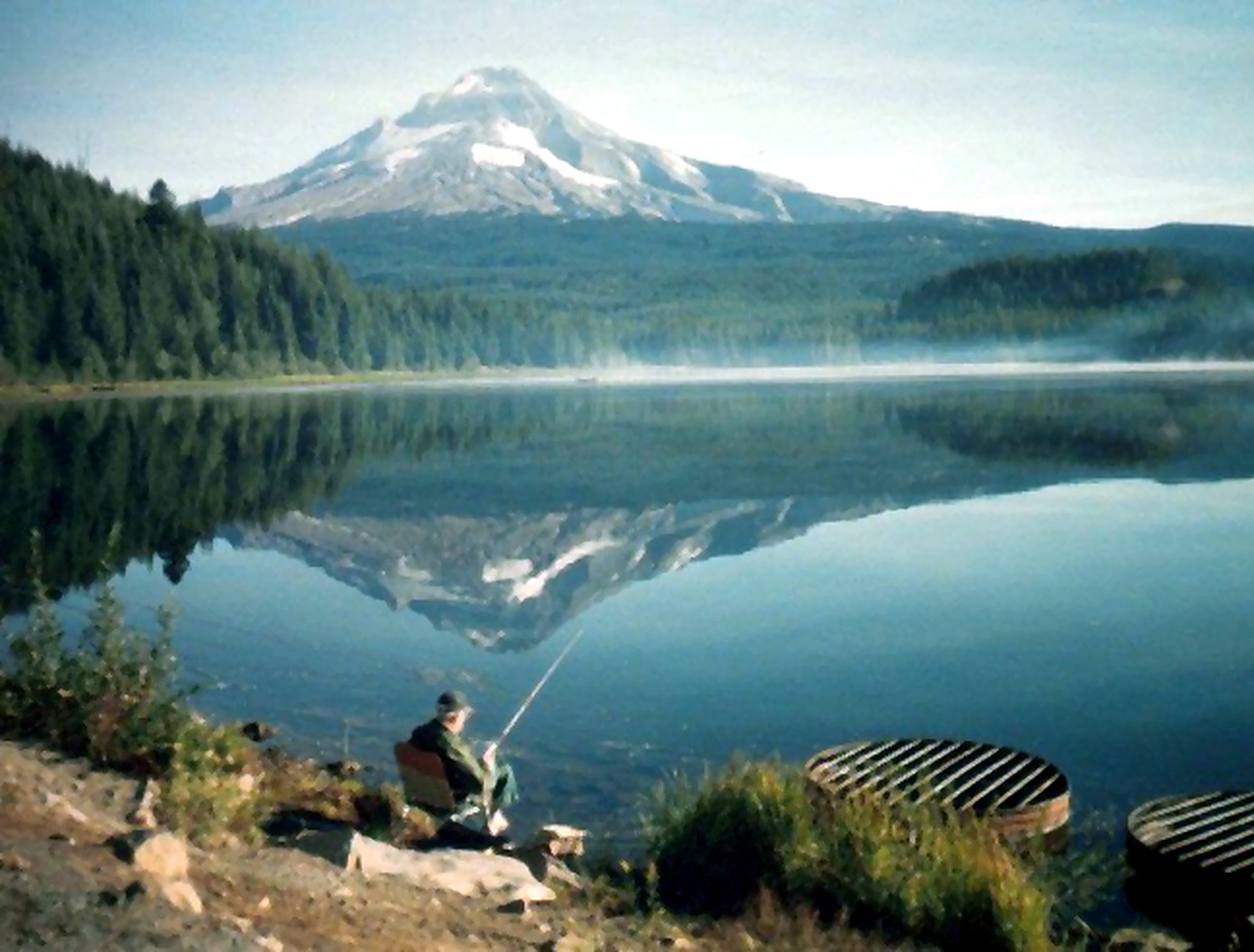
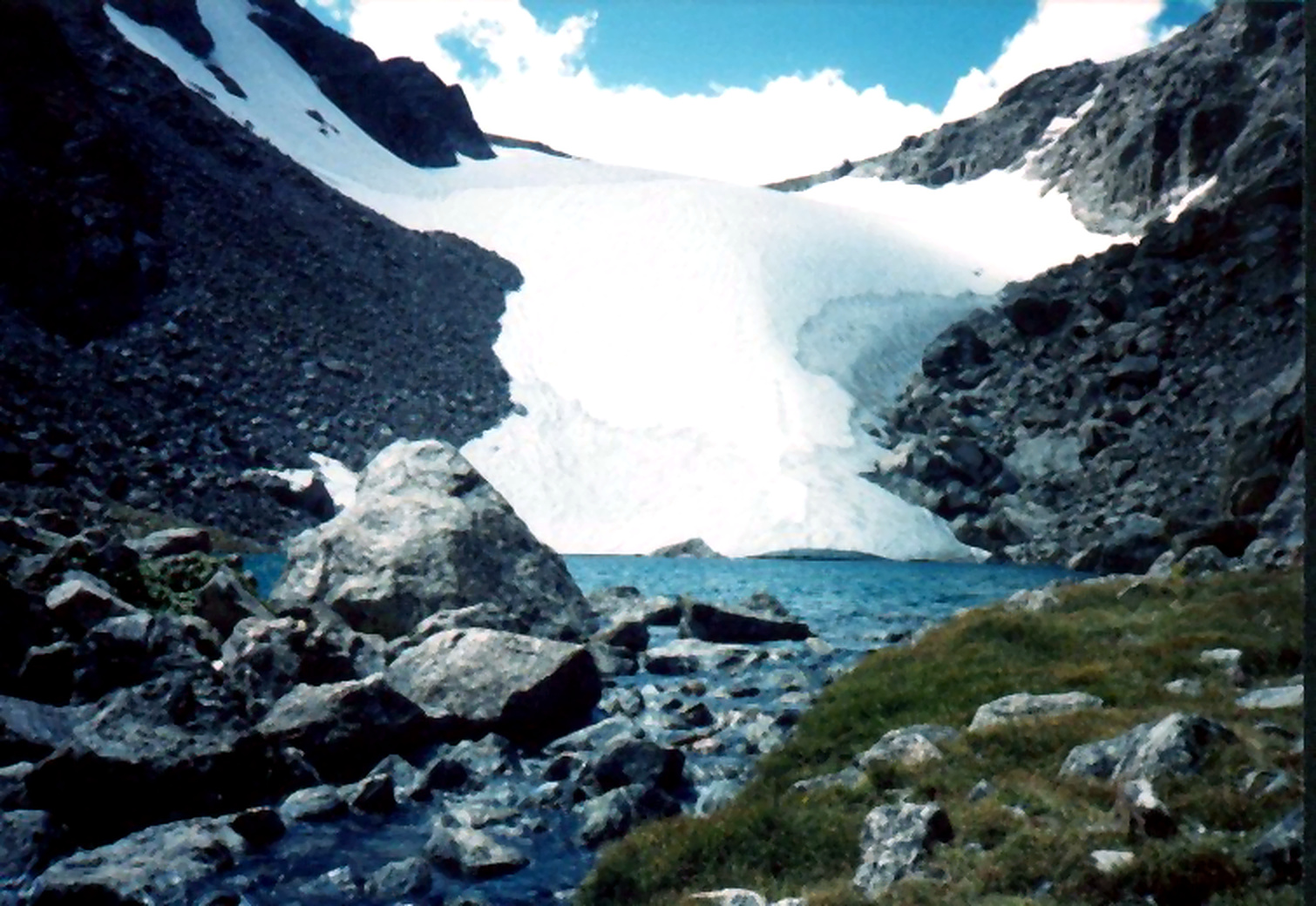
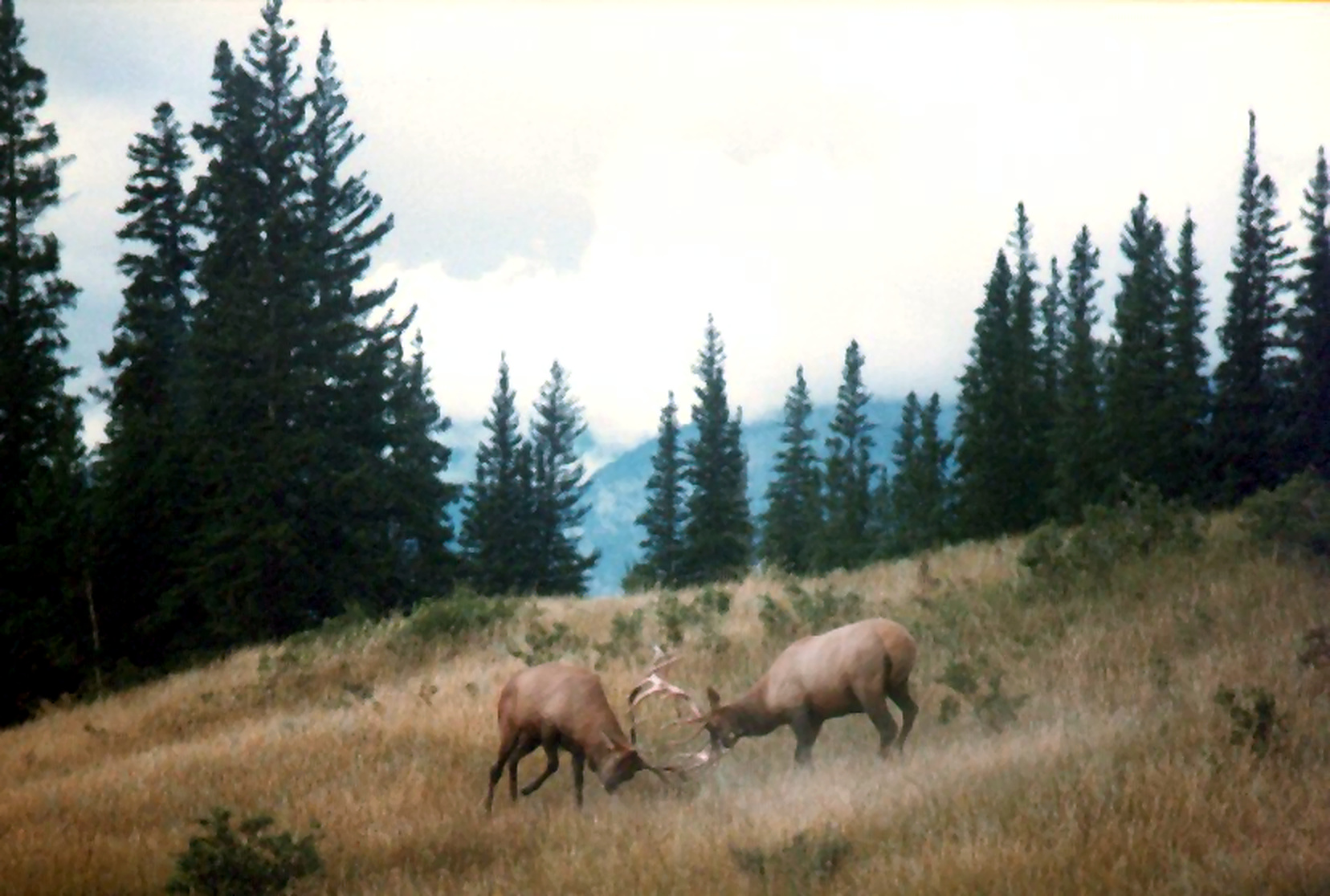
Mount Hood country — mountains, water, and one more reason not to hurry home.St. Andrews Glacier in Rocky Mountain National Park, where the mountains were quiet enough to think clearly.Montana wide-open country, the kind of landscape that makes the van feel small and the world feel huge.An elk along the way — one of those wildlife encounters that turns a travel day into a memory.Yellowstone in 1987, part of the big counter-clockwise sweep through the western parks.
Learning to travel cheap
Another thing that trip taught me was how little money it actually takes to have a pretty incredible adventure if you are willing to keep things simple. I slept in the van, camped in the backcountry, stayed in hostels when I could, and cooked most of my own meals. A grocery store became one of my favorite stops, because a little bread, peanut butter, fruit, cheese, pasta, or oatmeal could keep me going for days.
I didn't feel like I was sacrificing anything. It felt like the opposite. The less money I spent, the longer I could stay. Every unnecessary thing I didn't buy back home could become another week somewhere beautiful. Every dollar I saved could eventually become another trail, another mountain, another river, another hostel, or another conversation with someone from the other side of the world.
That was when I really began to understand that money wasn't the goal. Time was. People would sometimes ask how I could afford to travel so much, and the answer was pretty simple. I didn't buy many things. I drove used vehicles. I cooked my own food. I didn't care very much about impressing anyone. What I wanted was freedom, and the way to get freedom was to keep my life simple enough that I could leave again.
Looking back now, I don't remember what kind of clothes I packed or what brand of gear I had. I remember the mountains. I remember the people. I remember sitting beside alpine lakes wondering how I had gotten lucky enough to be there. The best investments I've ever made were never in things. They were in experiences, and those experiences are still paying me back all these years later.
Yosemite, El Capitan, and turning thirty
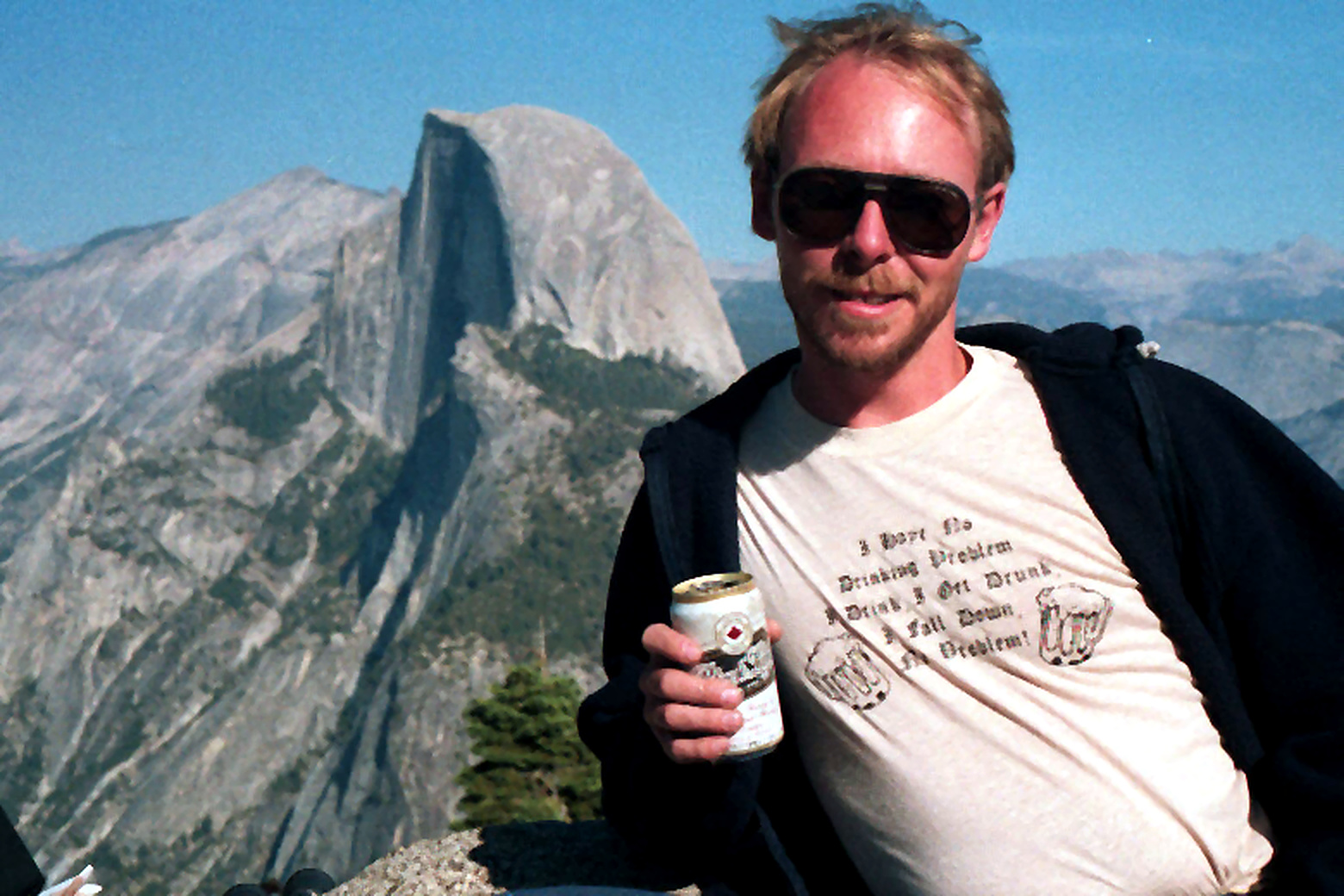
Half Dome in Yosemite — one of the great granite icons of the West.
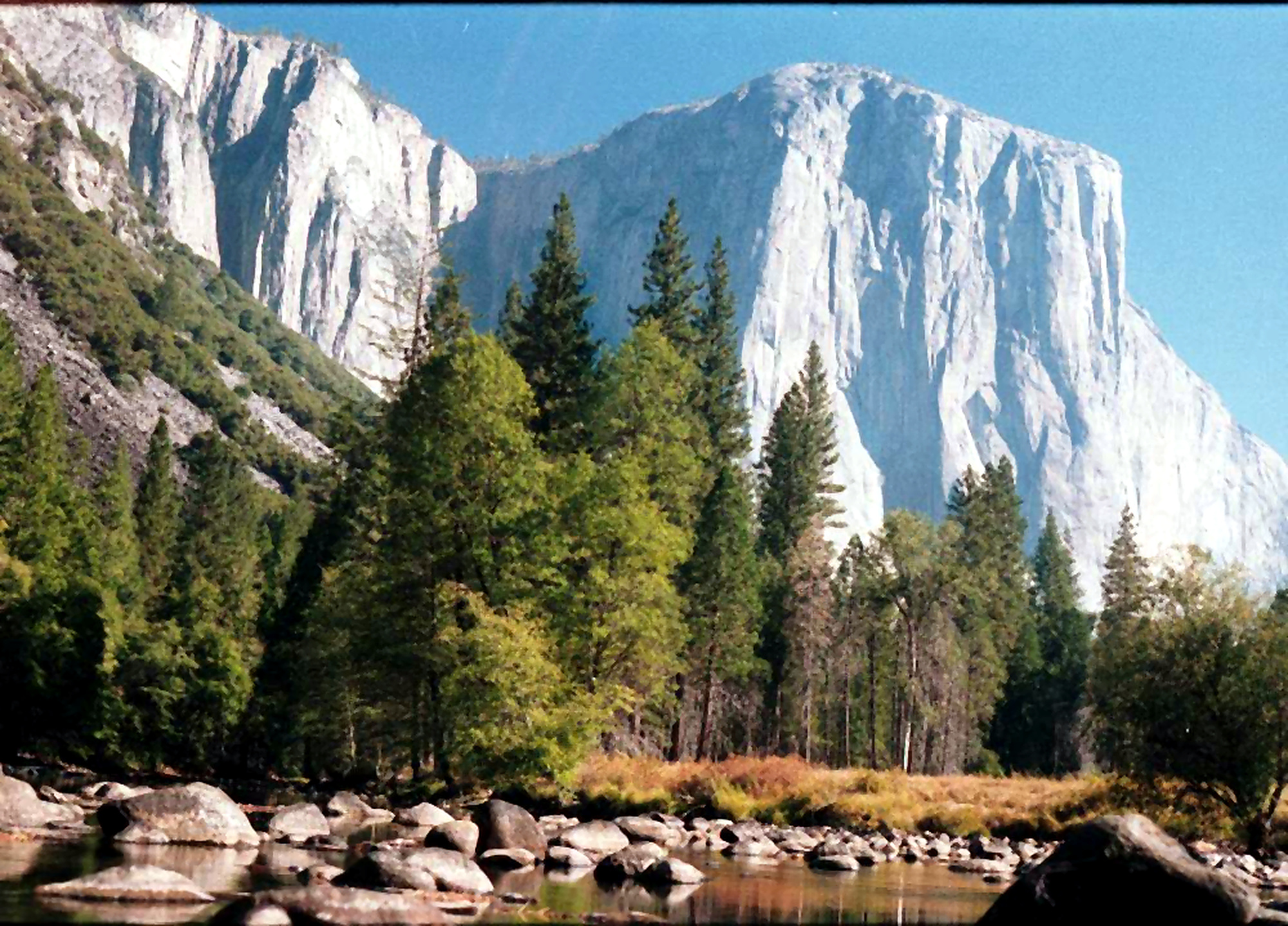
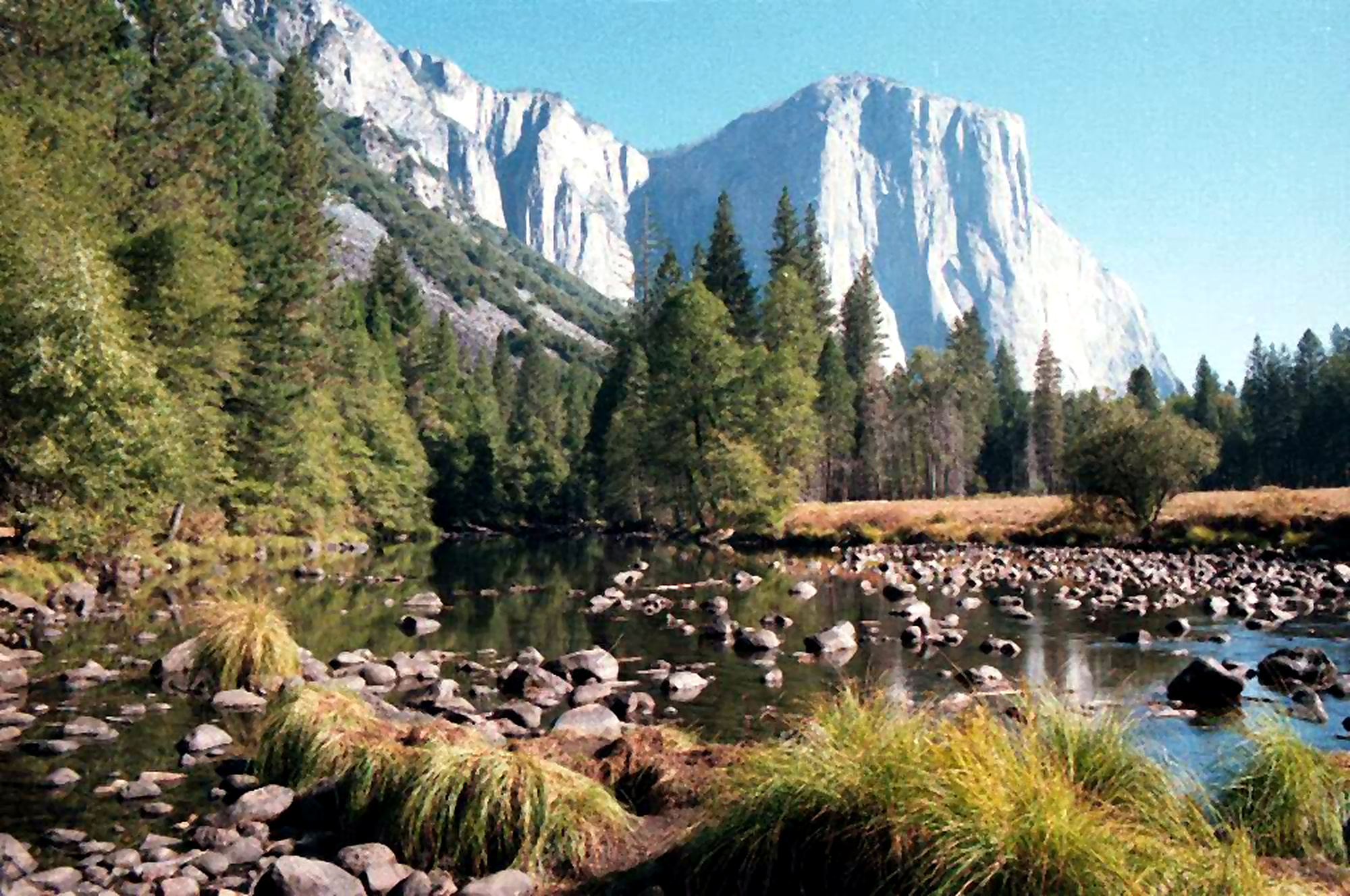
El Capitan rising from Yosemite Valley, big enough to stop every traveler in their tracks.Another look at El Capitan — one of those cliffs that makes you understand why climbers dream big.Turning thirty on the road, surrounded by western scenery instead of birthday decorations.
The last big hurrah
I wasn't in a hurry to settle down after that trip. I wasn't in a hurry to own more things, and I wasn't in a hurry to spend the next four decades living mainly for weekends and two weeks of vacation each year. The trip had shown me that I could live differently. I could work, save money, travel, come home, work again, and then go back out into the world.
I could build a life around experiences instead of possessions. I could choose work that supported the life I wanted rather than allowing work to become the whole purpose of life. That was a huge realization. I had left home thinking I was taking a break before beginning my future. Instead, that trip became the beginning of my future.
Before the trip, I thought I was taking one last chance to be free before real life began. By the end, I realized that maybe real life had already begun somewhere out on the road.
Desert country and the Grand Canyon
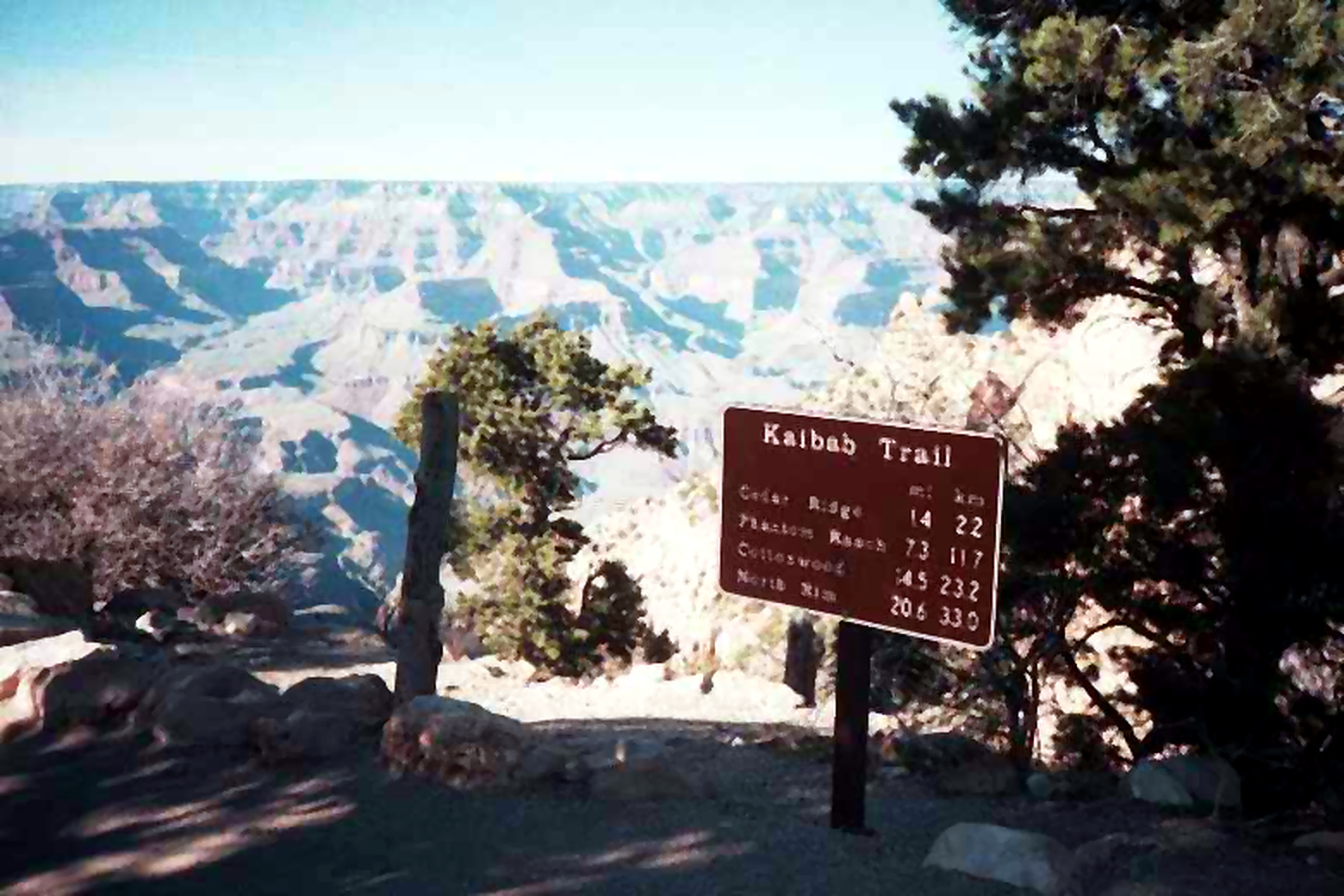
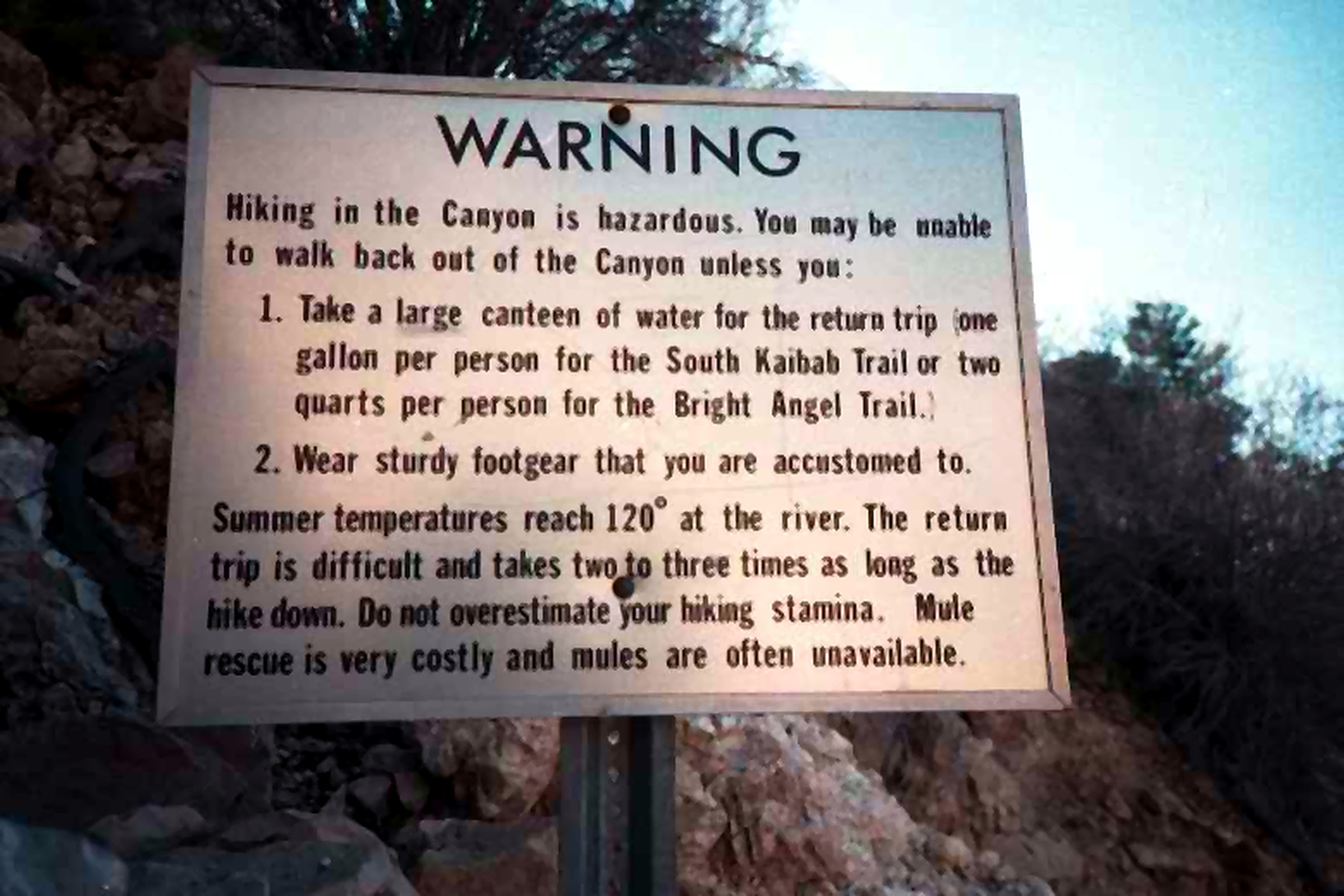
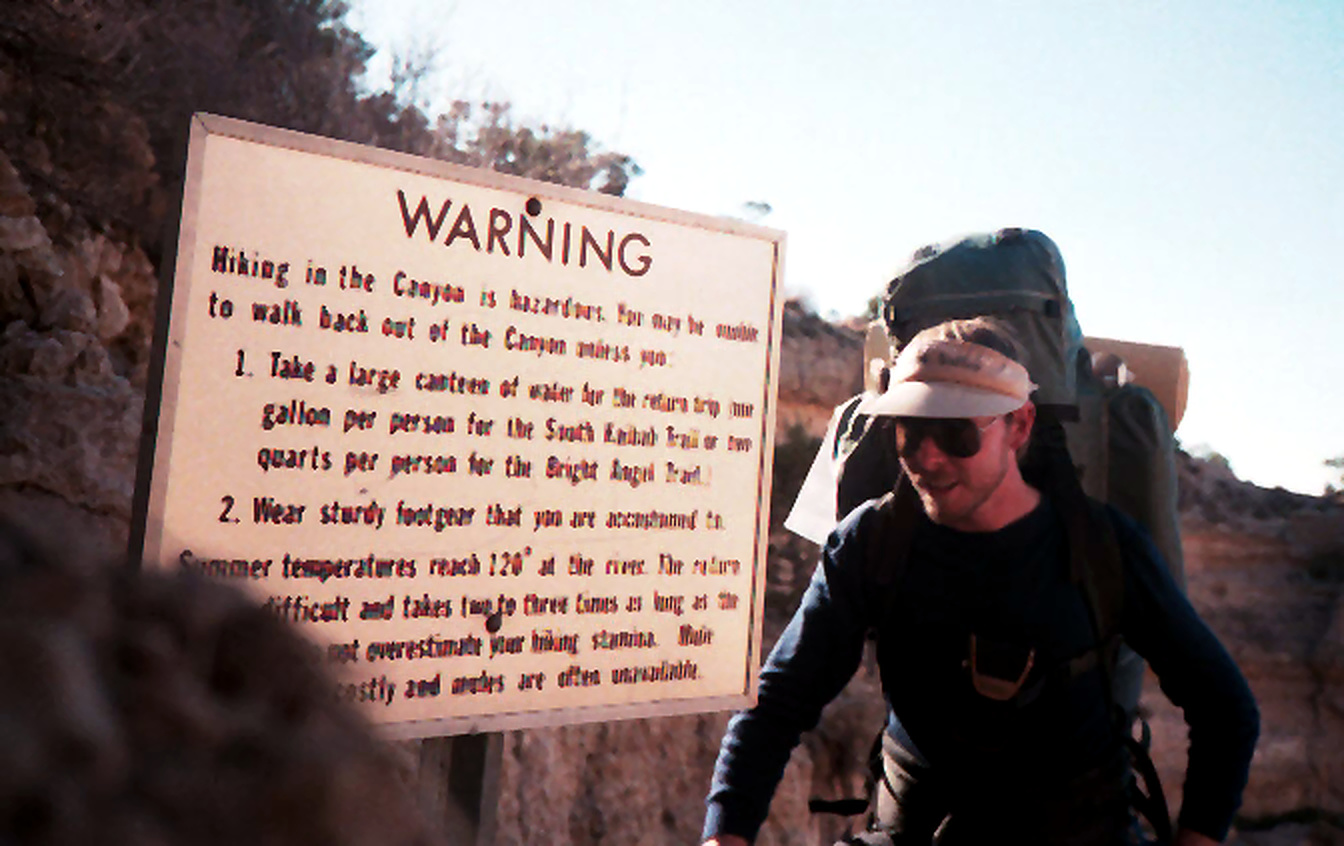
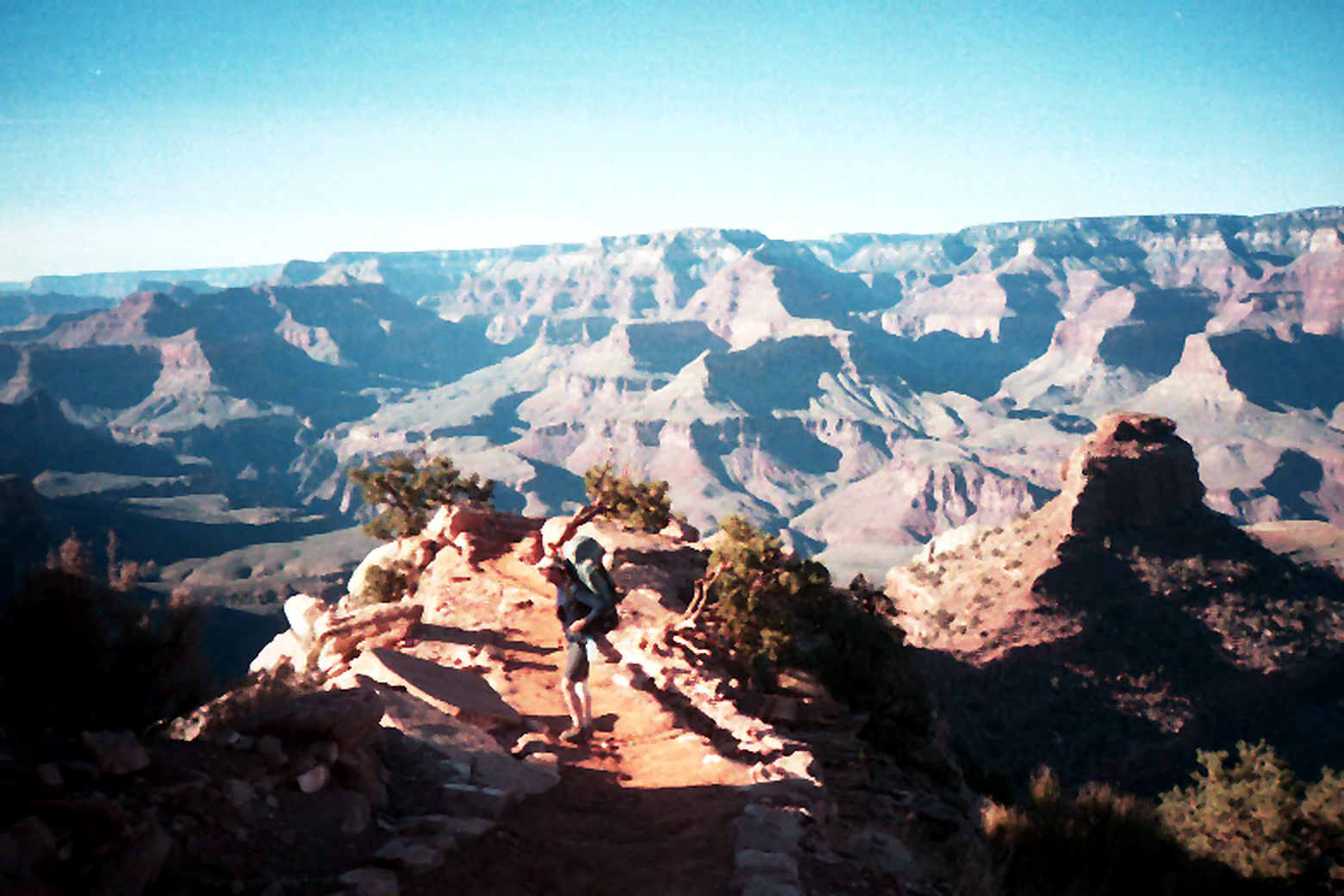
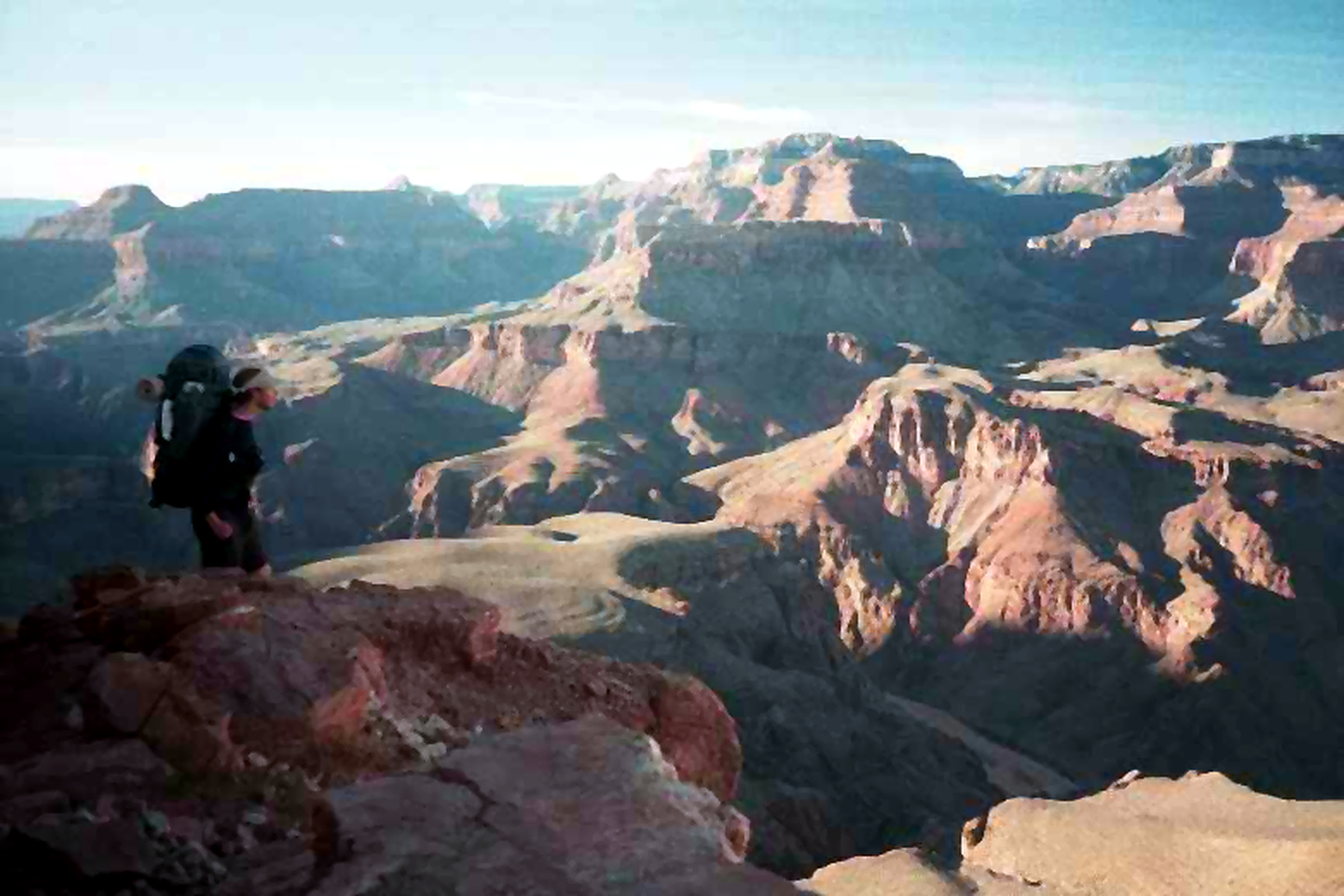
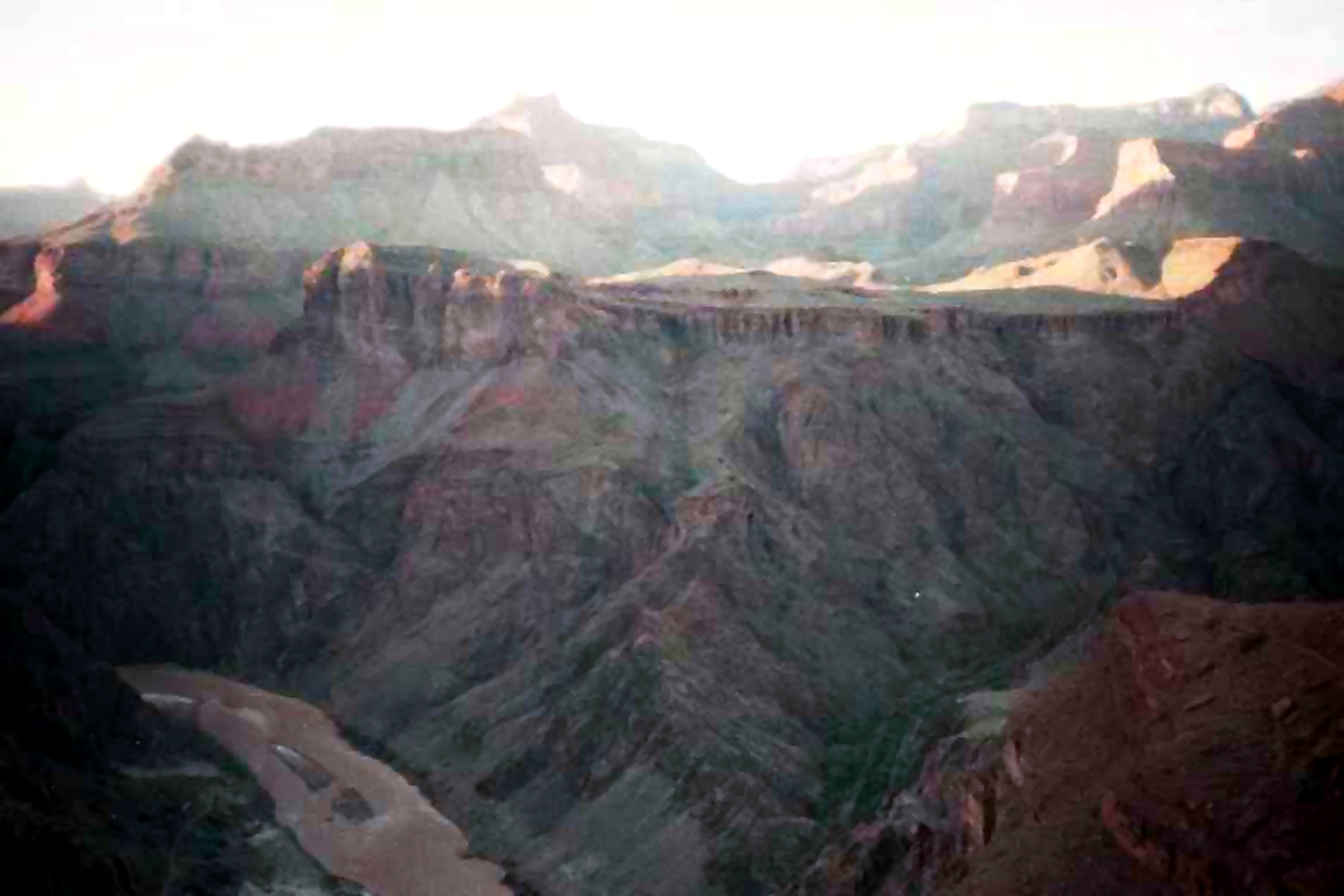
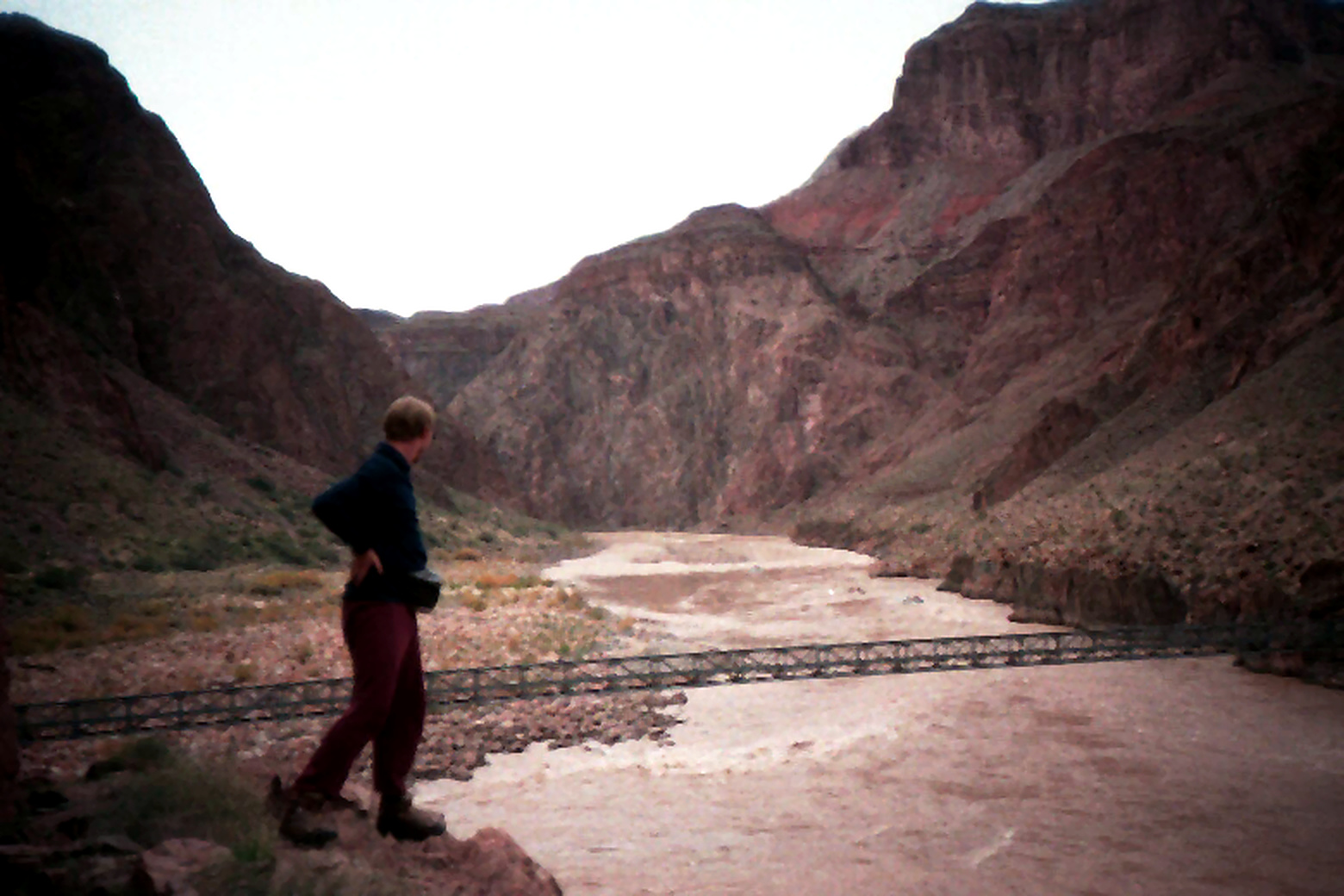
One of the highlights of the entire trip was hiking all the way down into the Grand Canyon to the Colorado River and spending two nights at the bottom. The first night I camped at the little campground right near the river. I had a beautiful afternoon just wandering around, exploring, and watching the canyon change as the sun went down.
I really wasn't ready to leave after one night, so I asked the rangers if there was any way I could stay another. They told me there was a bunkhouse with nine guys and, as luck would have it, one empty bed. I paid for the extra night and spent another day exploring the side trails and the canyon from the bottom. It was a completely different world down there than simply looking into the canyon from the rim.
In one of those funny travel coincidences, I ran into two people I had traveled with earlier from San Diego down into Tijuana for a couple of days. The woman, who was from Australia, had talked about traveling with me across the Salton Sea and along the back roads of Southern California. She eventually went with the other guy instead because he was headed to Las Vegas. I had already been to Las Vegas and had absolutely no interest in going back, so I kept to my own route. Somehow, later, there we all were again at the bottom of the Grand Canyon.
I hiked down into the canyon again a few years later, but that first trip to the river has always stayed with me. If you ever get the chance and are physically prepared for the hike, I highly recommend spending a night at the bottom near the Colorado River. Looking down from the rim is spectacular. Sleeping down there and exploring the canyon from the river is an entirely different experience.
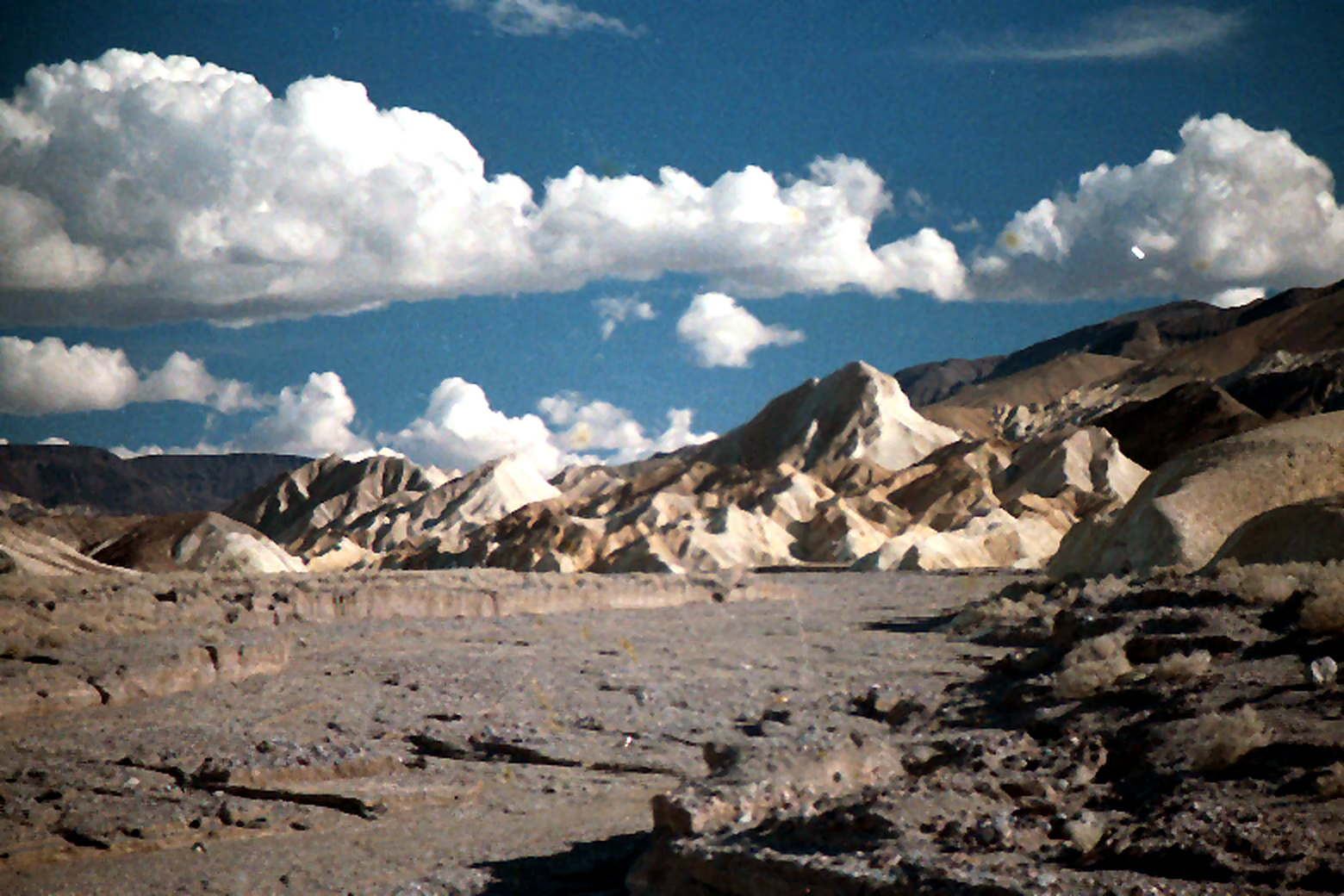
Death Valley country — heat, space, silence, and a landscape that feels almost lunar.
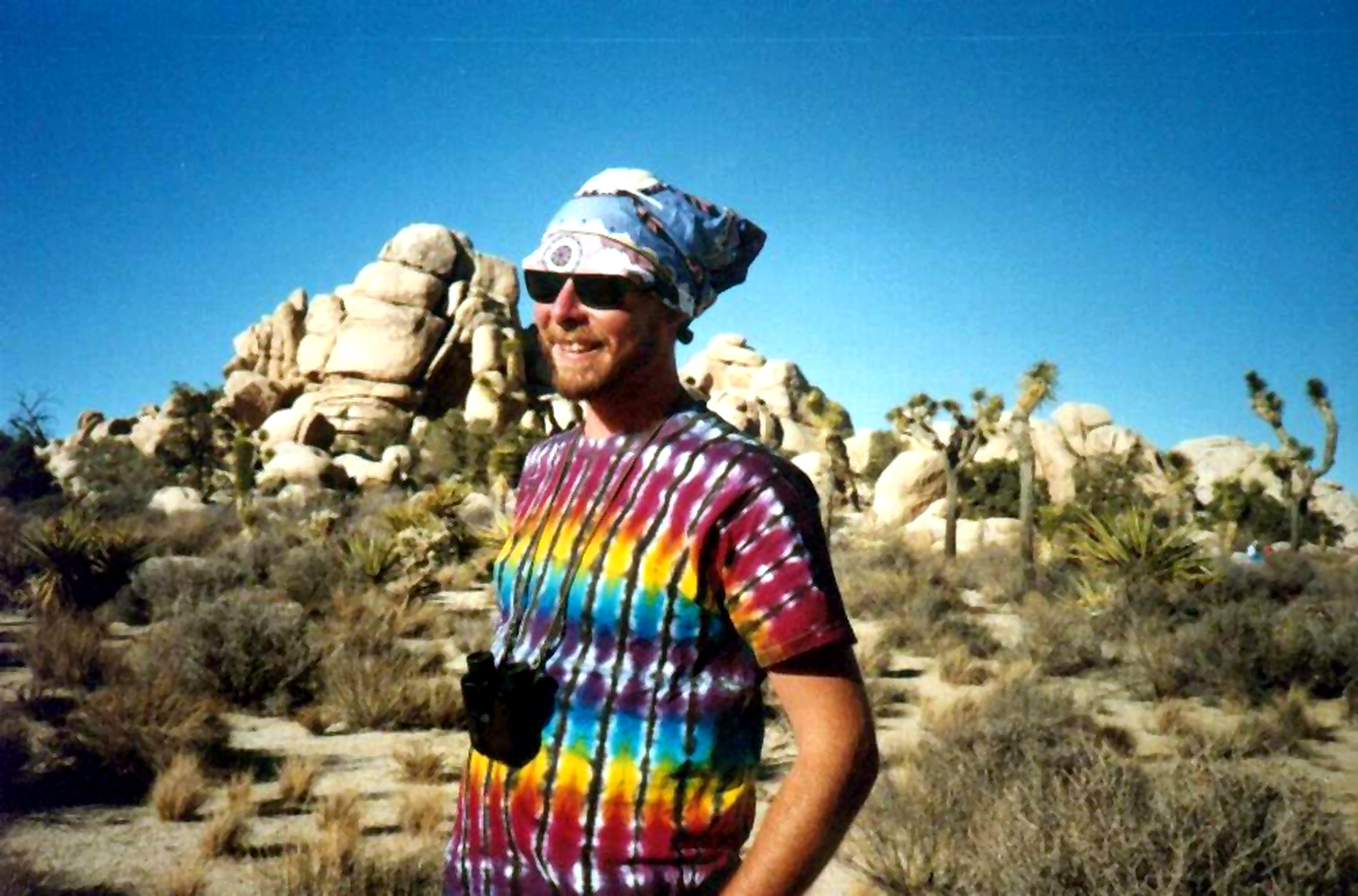
Joshua Tree, with desert shapes and odd little trees that look like they were invented for road trips.A western desert stop from the long loop — another frame from a country that felt completely different from New England.Grand Canyon hiking, where every switchback changes the view and reminds you how small you are.Another Grand Canyon trail scene from the 1987 loop through the western parks.Grand Canyon light and layers — mile after mile of stone, shadow, and time.Deep in the Grand Canyon, where the trail makes the map suddenly feel very real.Grand Canyon country, with the long walk revealing one layer at a time.Another canyon view from the trip — proof that no single photo can explain the place.The Grand Canyon doing what it always does: making everything else feel temporary.
The road home
Eventually, after three months on the road, it was time to head back to Massachusetts. I remember driving east, watching the miles disappear beneath the tires, and realizing I wasn't the same person who had left home. When I started the trip, I thought I was simply taking a long vacation. By the time I came home, I realized I had been building a new philosophy for living.
I had learned that I didn't need very much money to live an extraordinary life. I had learned that a used van could be a home, that a backpack could carry almost everything I truly needed, that strangers could become friends in less than an hour, and that being alone wasn't something to fear. In fact, some of the happiest moments of my life had happened when there wasn't another person around for miles.
Most of all, I had learned that freedom wasn't something you bought. Freedom was something you created by living simply, avoiding debt, resisting the temptation to buy things you didn't really need, and saving enough money to buy yourself something much more valuable than possessions. Time.
That lesson shaped almost every major decision I made afterward. When people bought bigger houses, I often thought about another month of traveling. When they bought expensive new vehicles, I saw another national park. When they worked overtime to buy more things, I wondered how many sunsets they were trading away. I wasn't judging them. I had simply discovered a different currency.
Looking back now, I don't think the greatest gift of that road trip was the mountains I climbed or the miles I drove. The greatest gift was permission. Permission to believe there wasn't only one way to live. I didn't have to spend my life chasing promotions, bigger houses, newer cars, or the things advertisements told me would make me happy. I could choose a different path.
Even now, nearly forty years later, I can trace so much of my life back to one simple decision. Instead of turning around and going home after one national park, I kept driving.
Freedom isn't something you find. It's something you choose.
Freedom isn't something you find. It's something you choose.