Five months around the USA and western Canada — a serious vacation, and a much bigger doorway into travel.
Five months on the road
In 1990 I took a five-month road trip all around the United States and much of western Canada. After the 1987 trip, I already knew that a used vehicle, a backpack, a tent, a few maps, and a willingness to keep things simple could open up an enormous amount of freedom. But the 1990 trip went even deeper. It was longer, looser, more social, and in many ways it introduced me to the travel style I would follow for years.
The old page summed it up perfectly: it was what I called a serious vacation. But it was more than a vacation. It was another reminder that a life does not have to be built only around work, possessions, and routines. It can also be built around time, curiosity, mountains, cheap meals, hostels, strangers who become friends, and the next good trail.
By then I had already learned that I did not need much to be happy on the road. A grocery stop, a place to sleep, a trailhead, and enough gas to get to the next park were often enough. The more simply I traveled, the longer I could stay out there.
Lake O'Hara and the Canadian Rockies
The Canadian Rockies became one of the defining parts of the 1990 trip. Lake O'Hara especially stood out. I backpacked there and did the famous Alpine Circuit, a route that circles the lake high above the water along ledges, ramps, cliffs, and open alpine country. It felt like walking through a place designed for people who love high mountain trails.
I stayed several nights at the Alpine Club of Canada huts, which gave the whole experience a completely different feeling from simply passing through. You could hike all day, come back tired, talk with other mountain people, and wake up already surrounded by the place you had come to see.
Backpacking at Lake O'Hara, doing the famous Alpine Circuit around the lake on ledges, ramps, and high cliffs.High above Lake O'Hara, trying to trace the trail as it climbs above treeline on the far side of the lake.
Mosquito Creek Hostel
The first hostel I ever stayed in was Mosquito Creek, in the Canadian Rockies. At first I was camping across the creek at the official campground. It cost seven dollars a night, and my campsite was right beside the stream. In the evening I could hear people on the other side laughing and talking. It sounded like they were coming out of a sauna and then soaking in the cold creek, and I remember thinking, whatever that place is, it sounds pretty interesting.
The next day I went over to take a look. It turned out to be a hostel, and it was only six dollars a night, cheaper than the campground. It also had bathrooms, showers, a kitchen, and a wood-burning sauna by the creek. So I packed up my campsite, went hiking for the day, and came back around five o'clock to check in.
When I walked inside, the place was full of people. Some were sitting on couches, some were in the kitchen, and some were talking and laughing as if they had known each other for years. I assumed they must all be part of one big group, maybe from a school or an outdoor club. Within about twenty seconds somebody came over and asked if I was looking for the warden. I said yes, and he said the warden was out but would be back soon. Then he told me to just pick out a bunk, throw my stuff down, and make myself at home.
I remember asking people how they all knew each other, and they laughed and said they had just met. That amazed me. They seemed like long-lost friends who had been traveling together forever, but most of them had only met that day or the day before. That changed something in me. Before that, most of my adventures had been solitary, which I loved, but Mosquito Creek showed me another kind of freedom. It showed me that strangers didn't have to stay strangers. All they needed was a common place, a shared kitchen, a few stories, and a willingness to be open.
After Mosquito Creek, I found out there were several more hostels in the same network throughout the Canadian Rockies. I bought a membership and got the guidebook, and I started staying at them whenever I could. Those hostels were not just cheap places to sleep. They were places where I met people who were living the same kind of life I was beginning to imagine for myself: people who traveled simply, valued mountains more than money, and could spend a whole day hiking and then come back and make dinner from groceries around a table with people they had just met.
Hostels, Liz, and the traveler world opening up
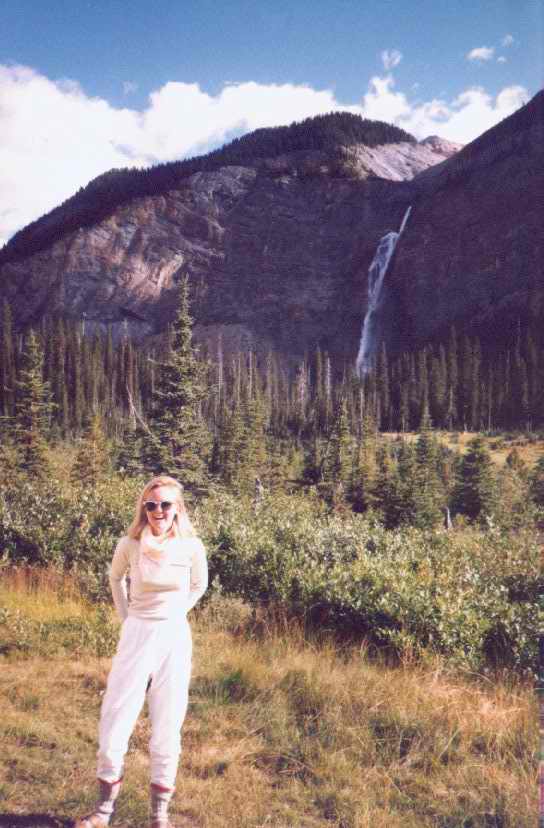
The 1990 trip also deepened my love of hostels. Places like Whiskey Jack Hostel in Yoho National Park were not just cheap beds. They were small communities that appeared each evening around shared kitchens, bunks, trail stories, wet boots, and people from everywhere. That was one of the great discoveries of this period of my life: you could spend days alone in the mountains, then suddenly sit down with travelers from all over the world and feel like you belonged there.
That rhythm became addictive in the best possible way. Hike, camp, wander, meet people, cook cheaply, trade stories, then move on. The road stayed open because the lifestyle stayed simple.
Elizabeth outside Whiskey Jack Youth Hostel in Yoho National Park — one of the places that made hostel travel feel like a discovery.Liz in Yoho National Park, part of the Canadian Rockies chapter of the trip.Liz on the road — part of the shared-travel side of the 1990 adventure.
The real discoveryHostels showed me that inexpensive travel was not second-rate travel. In many ways it was richer, because the shared kitchens, bunkrooms, and trail conversations brought people together in a way hotels almost never do.
Alpine meadows, Yellowstone, and Olympic country
The trip was not one single destination. It was a chain of landscapes: alpine meadows between Whistler and Blackcomb, Yellowstone backcountry, Olympic National Park, and all the little roads and trailheads in between. The joy of a long road trip is that the map slowly becomes personal. Places that were once only names become memories tied to weather, meals, campsites, people, and the way the light looked on a particular afternoon.
Backpacking in the alpine meadows between Whistler and Blackcomb, in British Columbia.Backcountry camping in Yellowstone, part of the western parks rhythm that carried from one trip to the next.Olympic National Park — rainforest, mountains, coast, rain, and one of the great wild corners of the country.
Grand Canyon, Yosemite, and the big western icons
The 1990 trip also brought me back through the classic western parks and landscapes that never get old. The Grand Canyon, Yosemite, El Capitan, and the Pacific states all reminded me that some places are worth returning to again and again. You can stand in the same national park years apart and still feel like it is showing you something new.
Yosemite, in particular, always had that effect. El Capitan is not just a rock wall. It is a presence. The Grand Canyon is the same way. You do not really look at it once and understand it. You keep moving, keep walking, keep turning around, and the place keeps changing.
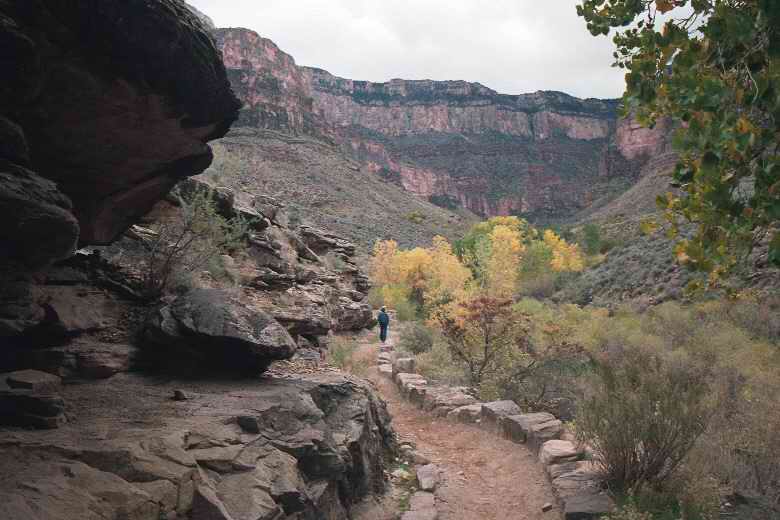
Camping in the Grand Canyon, where the canyon walls make the night feel deeper and older.
Grand Canyon country from the 1990 trip, another reminder that some places are worth returning to again and again.Another Grand Canyon view from the 1990 road trip, with layers of rock stacked like time itself.El Capitan in Yosemite — one of those granite walls that stops you in your tracks every time.Another view of El Capitan, because Yosemite never really fits into just one photograph.
The Pacific Coast, Big Sur, oysters, and rain
Part of the beauty of the 1990 trip was that it was not only about mountains. The Pacific Coast had its own rhythm: fog, cliffs, surf, campgrounds, cheap seafood, and long stretches of road where the ocean stayed beside you for hours. Big Sur was one of those places where the road itself becomes part of the experience.
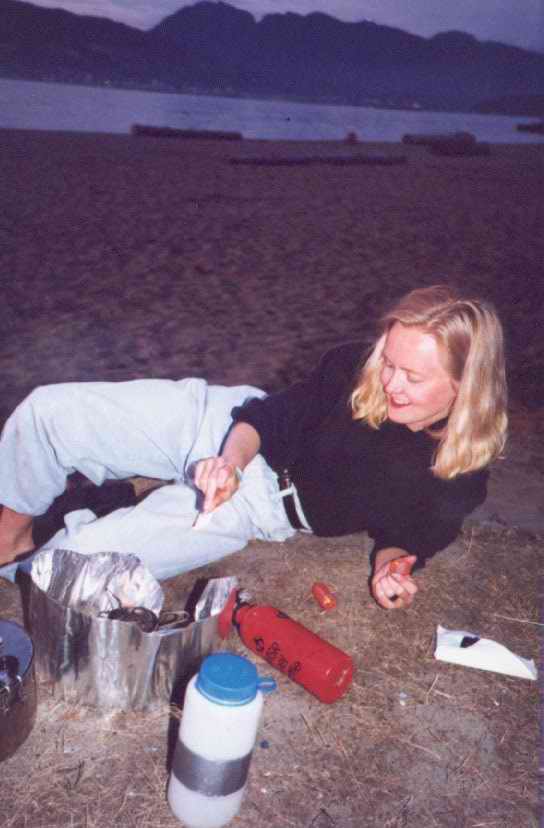
My old page remembered one Pacific Coast dinner perfectly: barbecued oysters for about $2.99 a dozen, grilled salmon, and a brew. That is exactly the kind of meal that made cheap travel feel abundant. It was not fancy. It was better than fancy.
And then there was Oregon, including three straight days of rain. That is part of the truth of long trips too. Some days are wet, inconvenient, and uncomfortable. But somehow, years later, those are often the ones that make the story feel real.
Pacific Coast dinner: barbecued oysters, grilled salmon, and a cold brew — simple, cheap, and absolutely perfect.
Big Sur on the California Coast, where the road seems to float between cliffs, surf, and sky.A road-trip frame from the long 1990 loop — five months of driving, hiking, camping, and seeing what the next bend in the road would bring.Camping in Oregon, damp but still free, with the van and the coast keeping the trip moving.Three days of rain in Oregon — not every travel day is postcard weather, but those are often the days you remember.
What the 1990 trip taught me
The 1987 road trip showed me that this kind of life was possible. The 1990 trip showed me that it could become a pattern. I could work, save, travel, return, and then go again. I could stay flexible, keep expenses low, listen to travelers, follow good weather when possible, and leave room for the unexpected.
More than thirty years later, those lessons still feel important. The richest experiences do not require a lot of money. Strangers can become friends quickly when you share trails, huts, kitchens, meals, ropes, weather, and stories. Mountains are not just scenery. They are classrooms, meeting places, confidence builders, and reminders that the world is much larger than our daily routines.
The 1990 trip was not just five months away from normal life. It was five months of learning how much larger normal life could become.