In the four decades I spent in New England, summer, fall, winter and spring each felt like a season of its own. I spent a lot of time outside in all of them, but the days I especially wanted to be out were the absolute coldest days of the year and the days when an ice storm was coming through. I wanted to see how the woods and everything living in them got through it.
When the woods iced over
By the time winter settled in, many of the plants had gone dormant. The trees had slowed down, and the animals that stayed had to get through the cold and find food whenever they could. An ice storm made that struggle easy to see. A quarter inch or even half an inch of ice could coat the branches. I’d watch young trees bend way over under the weight, and sometimes hear a branch snap or see a whole tree come down.
What I liked to watch was what happened as the storm began to let up. After a stretch when the woods seemed almost empty, birds and other animals would venture out for a little while and look for whatever food they could find. They had a short window, and they made use of it. I could stand in the same spot before and after the storm and see two very different scenes.
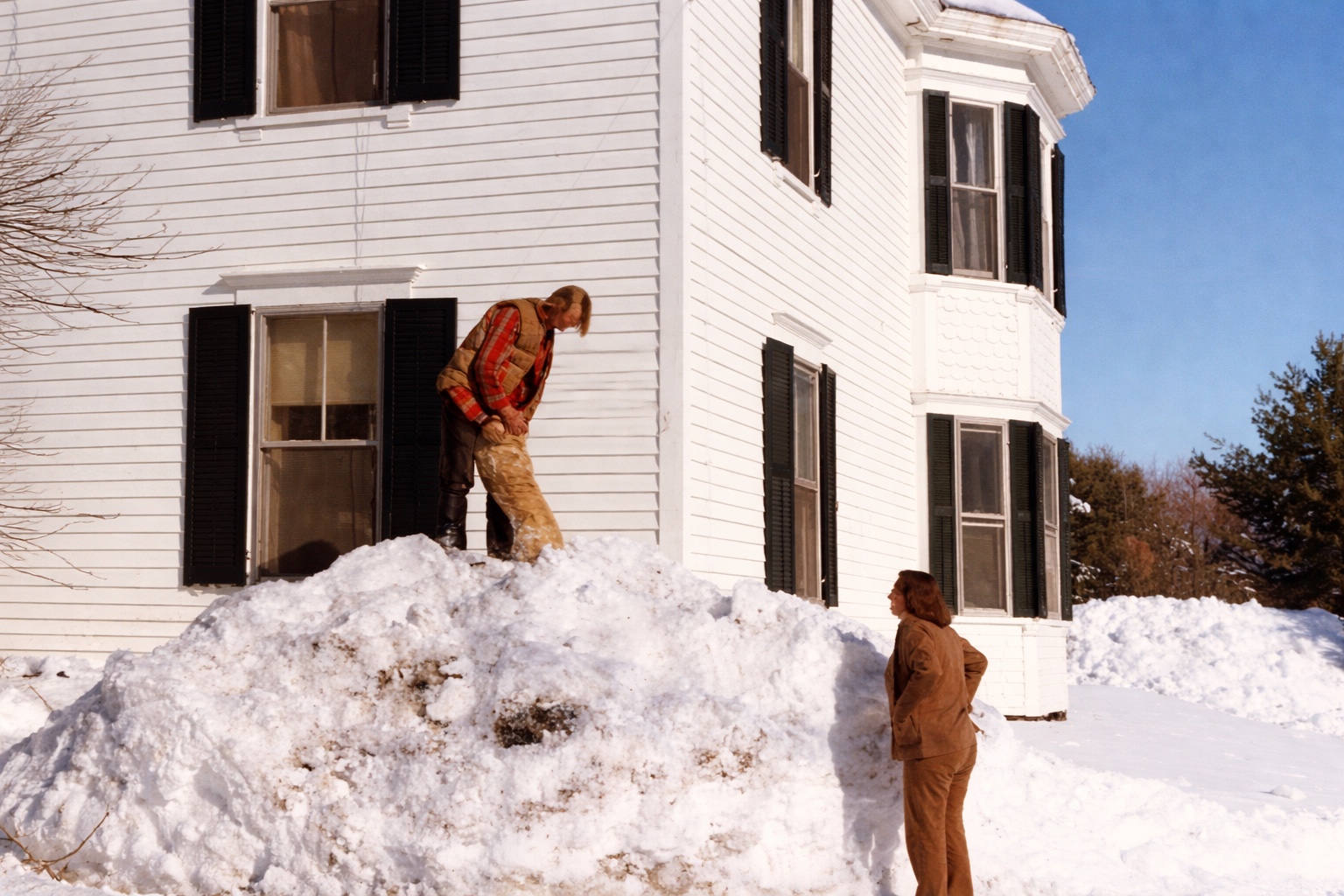
Digging out the cars
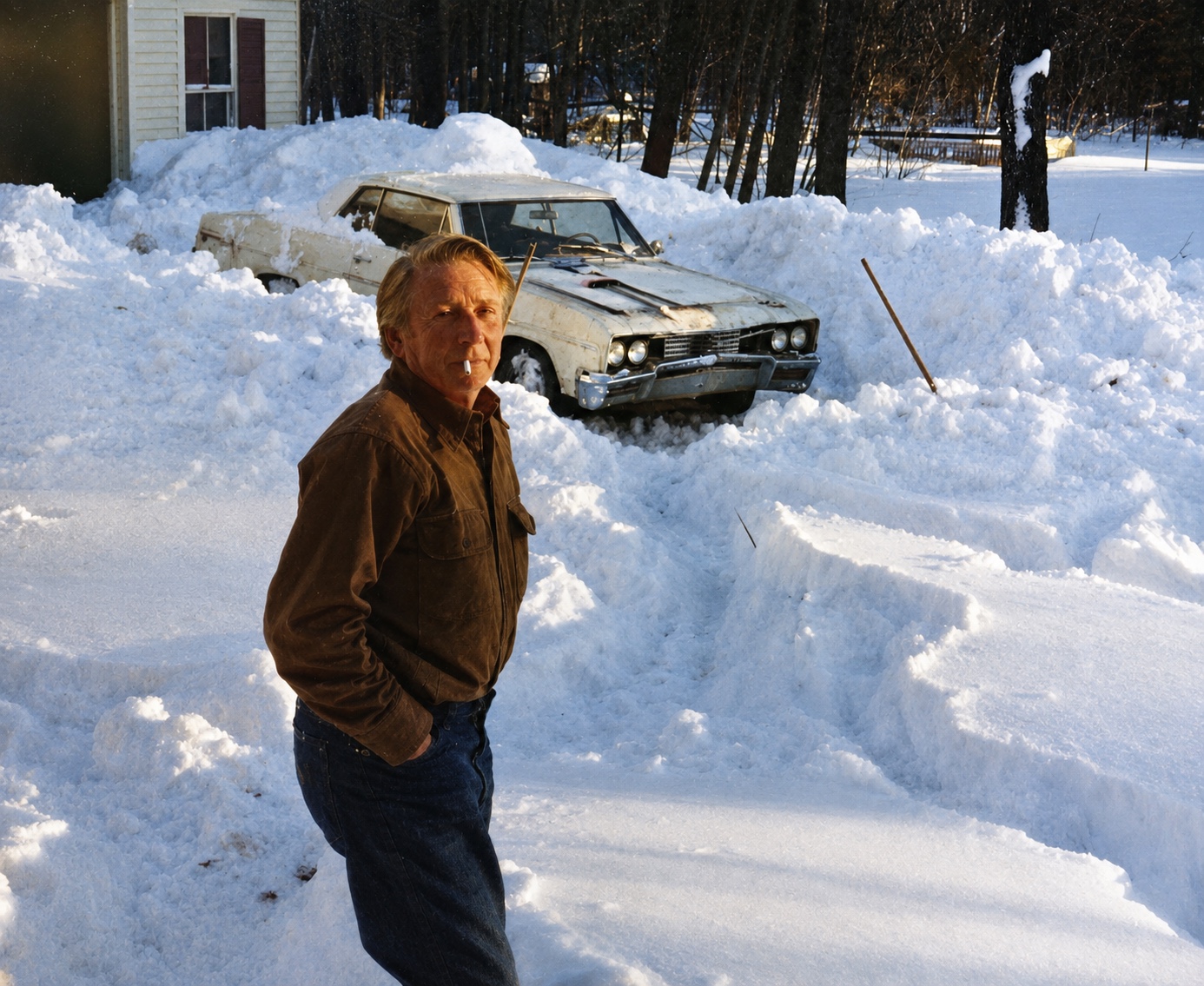
At home, a big snowstorm could leave all the cars buried in the driveway. My first car was an old ’64 Buick that cost me $25. That’s my dad in the picture, after I finally dug the Buick out. Then it was on to the next car. We could spend half the day just digging them all out.
Up near treeline in New Hampshire
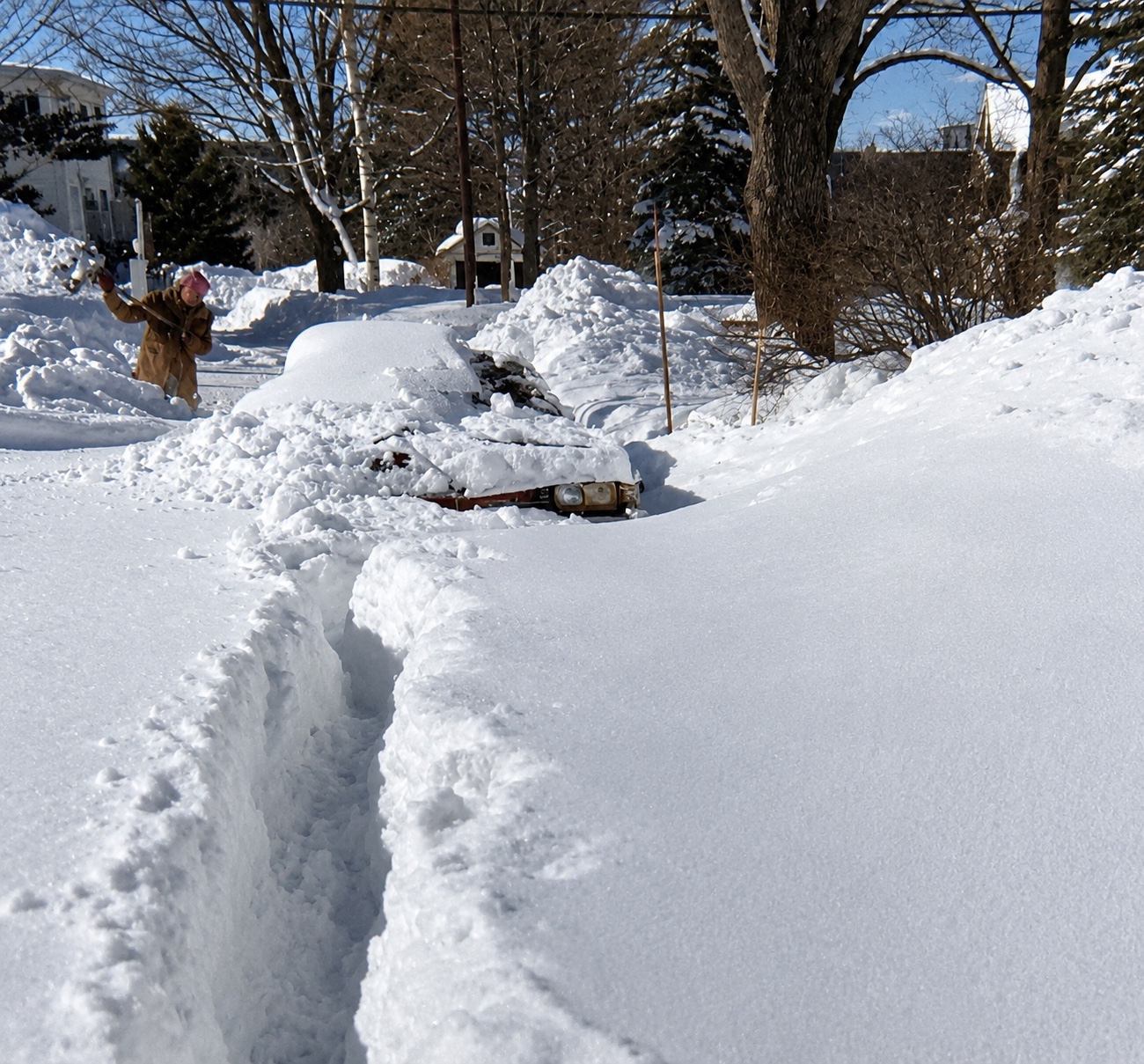
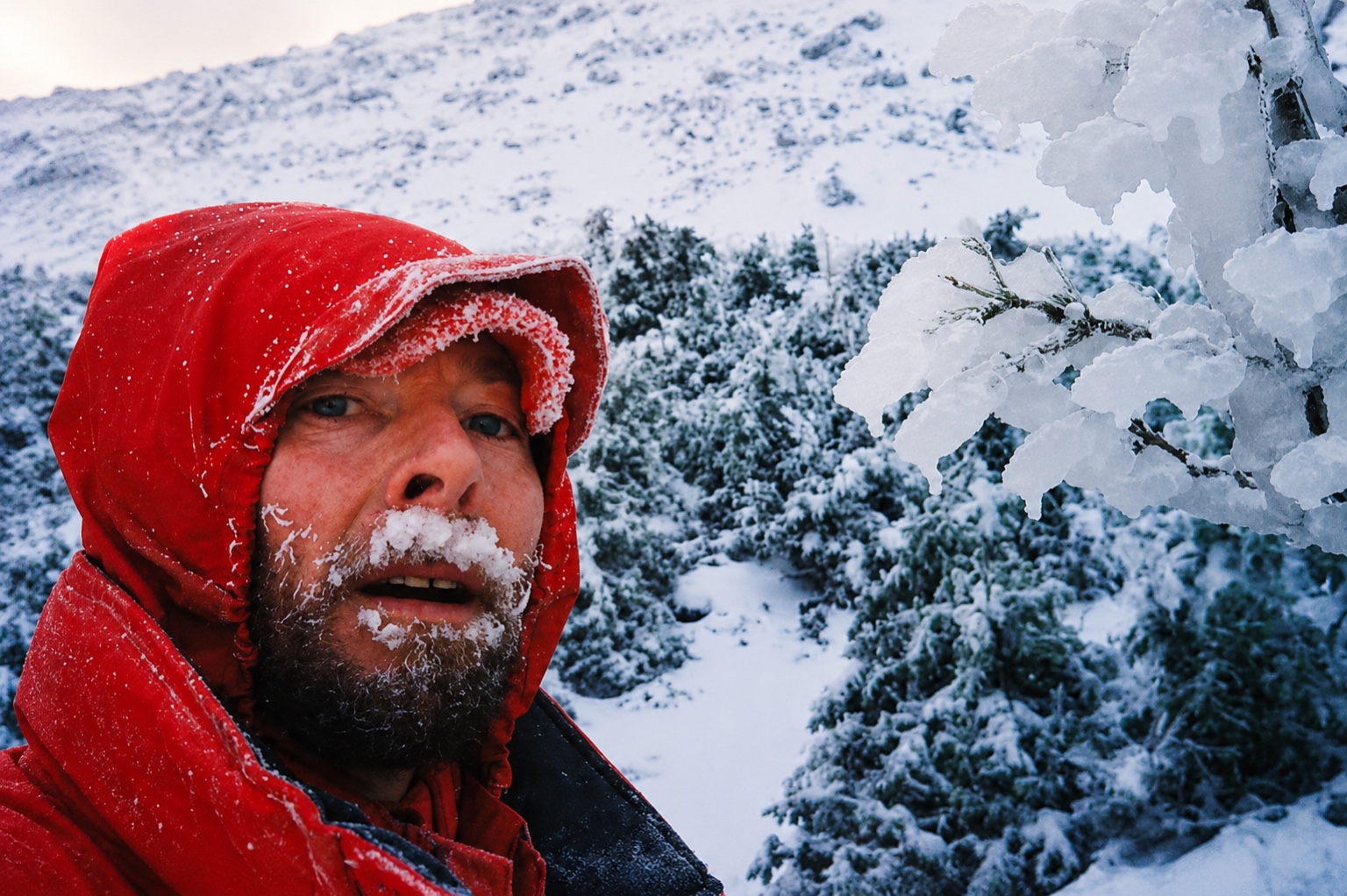
After some of those storms I’d take my pack up into the high mountains of New Hampshire and spend the night in a shelter near treeline. I remember trying to get a fire going when every branch I could find seemed to be coated in ice. It was one thing to see the woods covered in ice from down below. It was another to spend the night up there when everything you touched was frozen.
Sometimes I dug a snow cave to sleep in. I remember how much warmer it could feel inside than it did out in the open air. With the wind blocked and the snow around me, the difference was obvious as soon as I got inside.
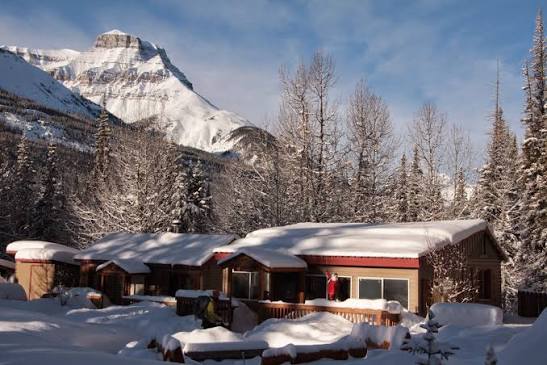
Other times I’d stay at a cabin or a lodge and spend my days exploring up high. On Mount Washington I’d walk around on the frozen tundra and look closely at the little plants tucked in among the rocks. I kept wondering how they managed to hang on up there, with the wind coming across the open slopes and so much of the ground frozen or covered in snow.
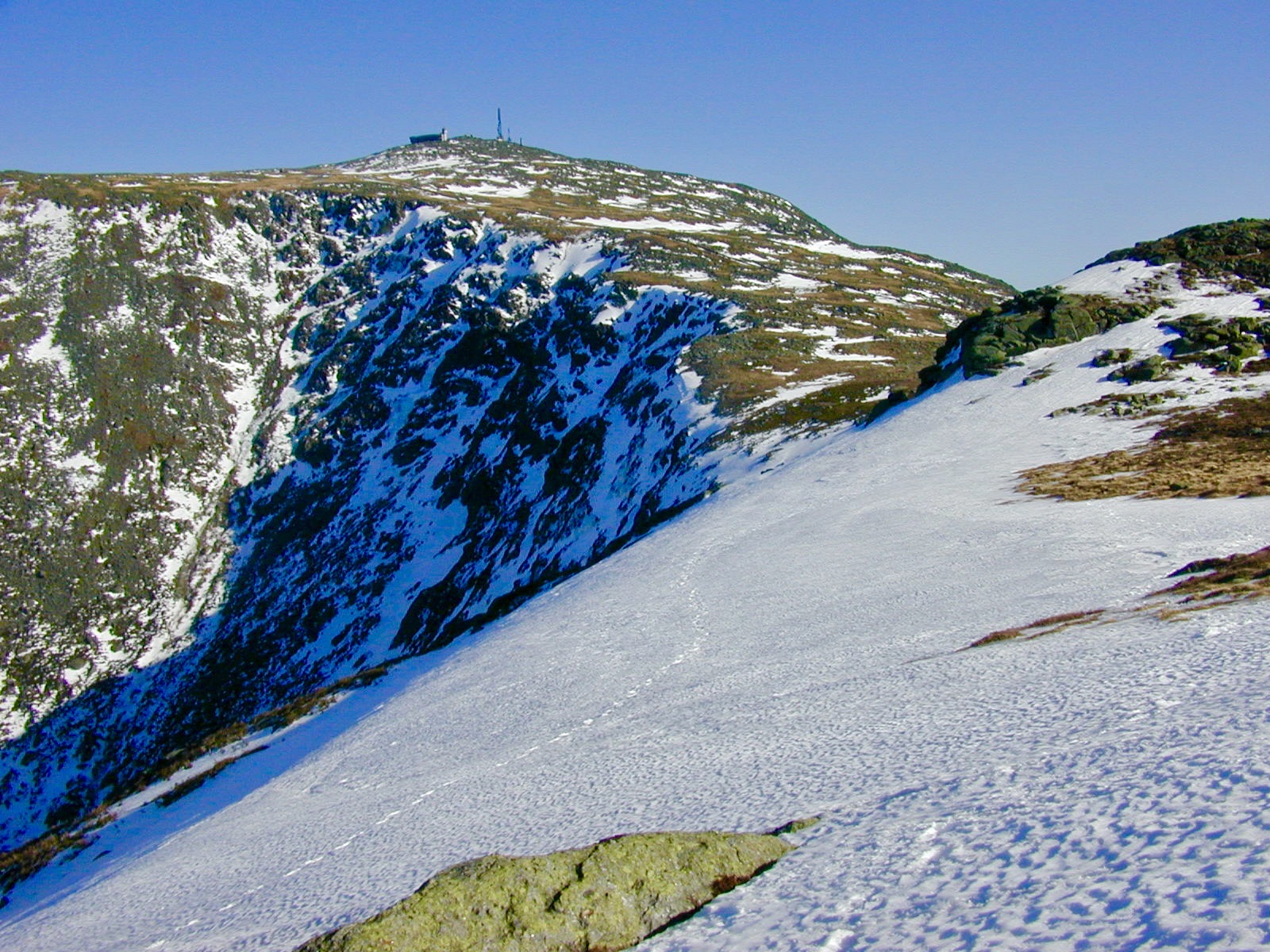
I used to climb all the way to the summit of Mount Washington in some of the worst conditions I’d ever seen. It felt almost like Antarctica up there. I’d spend entire weekends in the New Hampshire mountains climbing some of the toughest peaks, just to see what winter was like up high and how anything living there managed to get through it.
New Year’s Day on Mount Monadnock
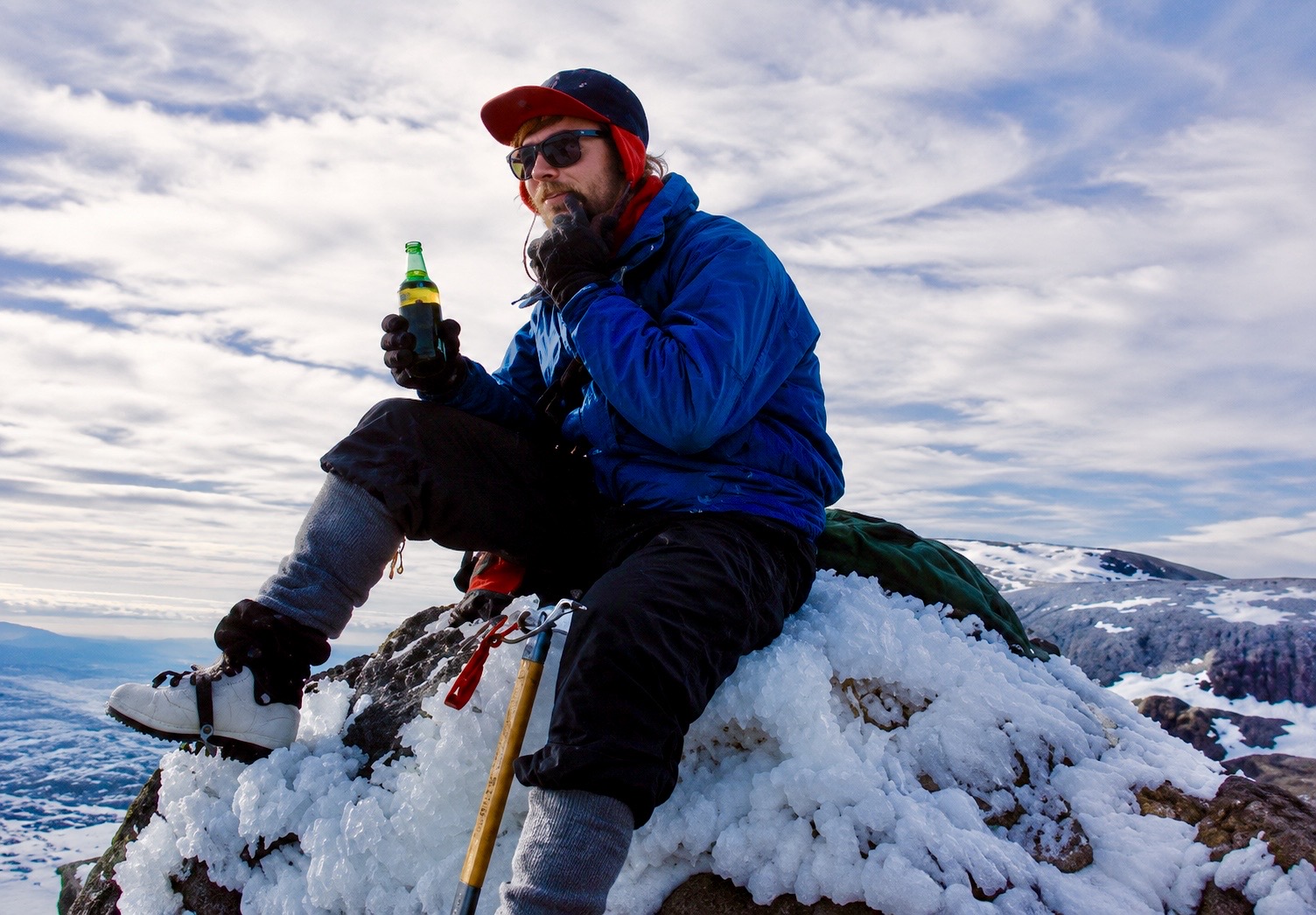
One of my winter traditions was to hike up Mount Monadnock on New Year’s Day with one beer in my pack. I’d go right to the highest point and try to drink it before it froze. Usually there were already plenty of ice crystals in it by the time I got to drink it. That’s a half-frozen Molson Ale in my hand.
Measuring the river under the ice
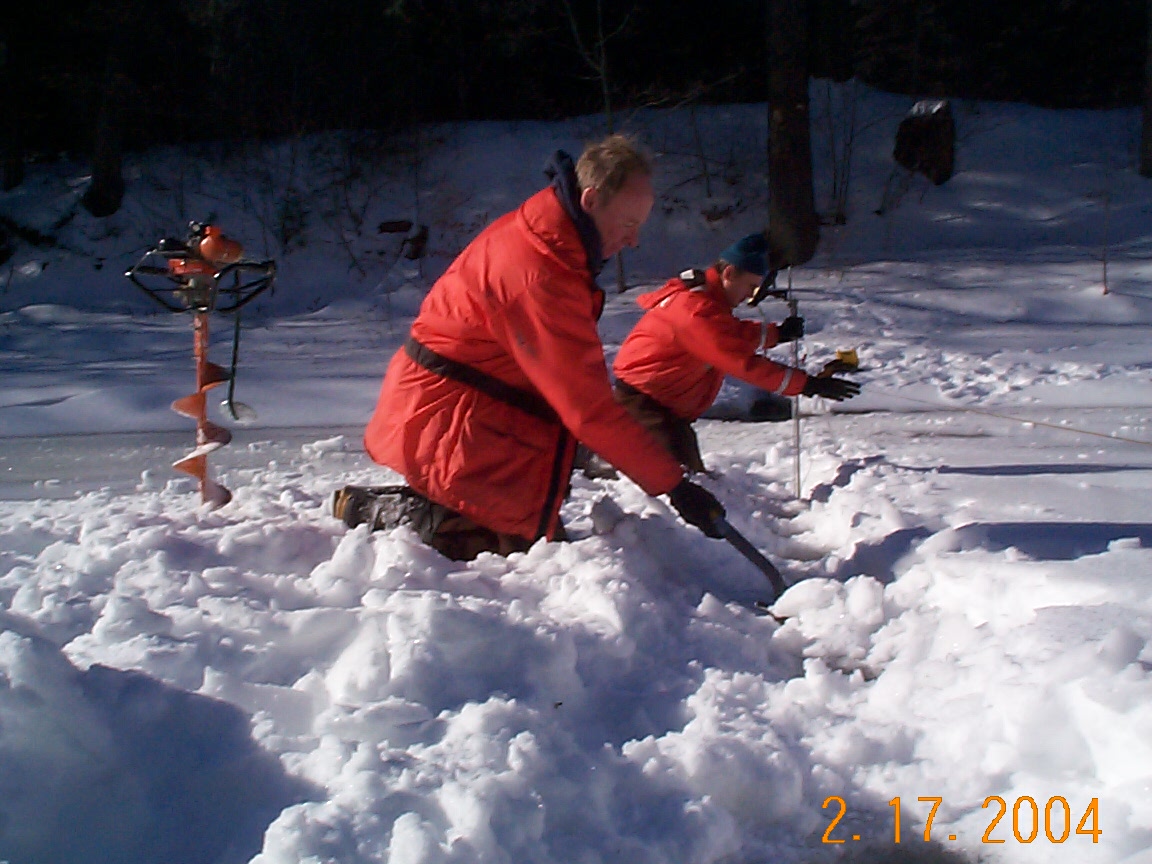
Winter also took me out onto frozen rivers for work. When I was a hydrologic technician with the USGS, we’d drill holes across a river to measure how much water was flowing underneath. You could stand on a snow-covered river that looked completely still. Once we opened a hole, there was the same river, still moving under our feet.
When winter ran into the rivers
Then spring would come, the snow and ice would start melting, and all that water would make its way down out of the mountains. The rivers came up with the heavy snowmelt. After a winter spent watching water pile up as snow or hang from the trees as ice, I couldn’t wait to get out and play in it. For me, that meant getting into my whitewater kayak and spending as much time as I could on the rivers.
A $50 car on Bare Hill Pond
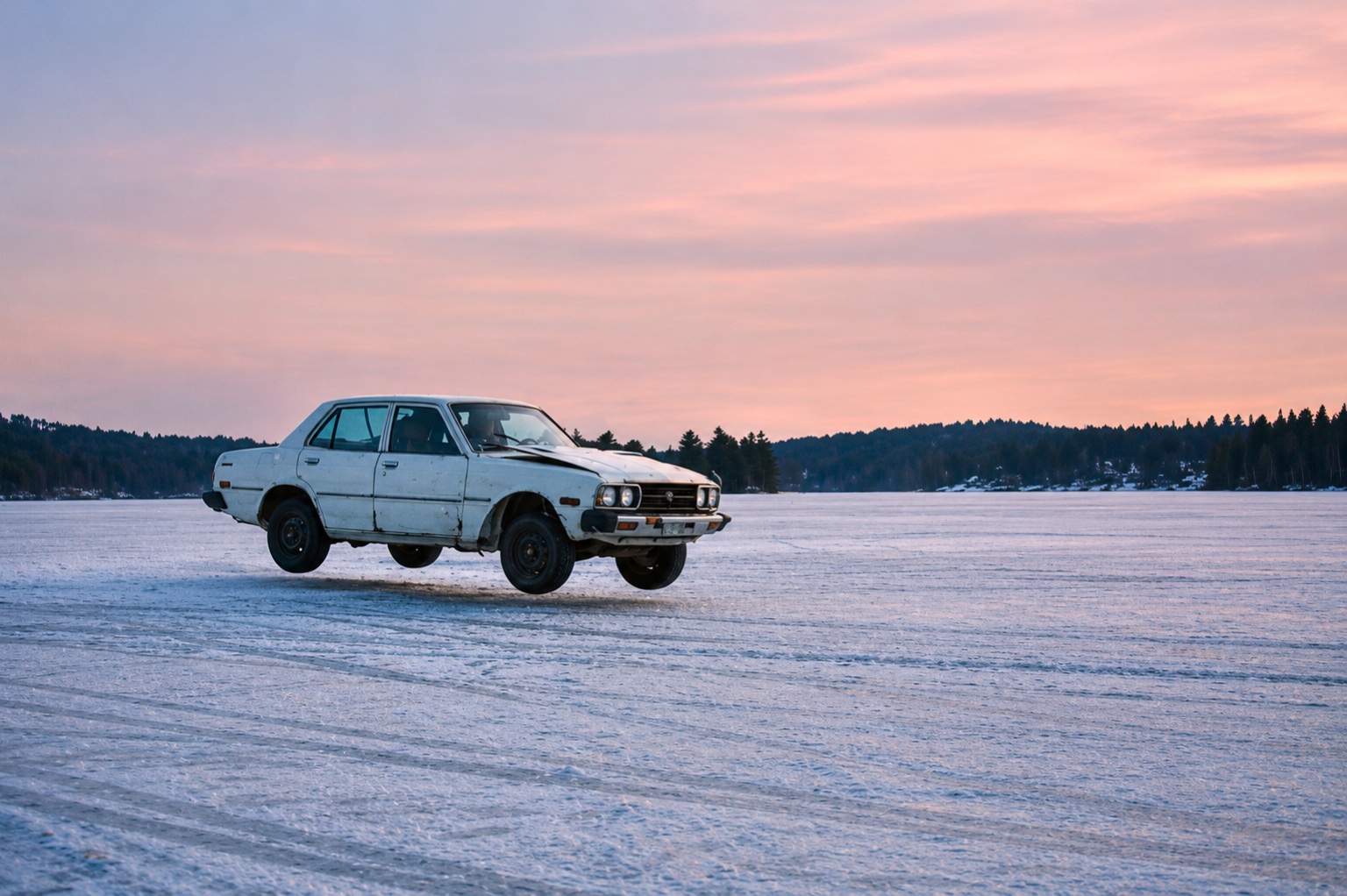
I lived on Bare Hill Pond in Harvard, Massachusetts, for three years. One winter we bought a car with a cracked frame and a busted hood. We couldn’t register it for the road anymore, but for fifty dollars we had a toy to race around on the frozen pond. We kept it out there all winter and moved it off before the ice went out.
Snow and ice in Ecuador
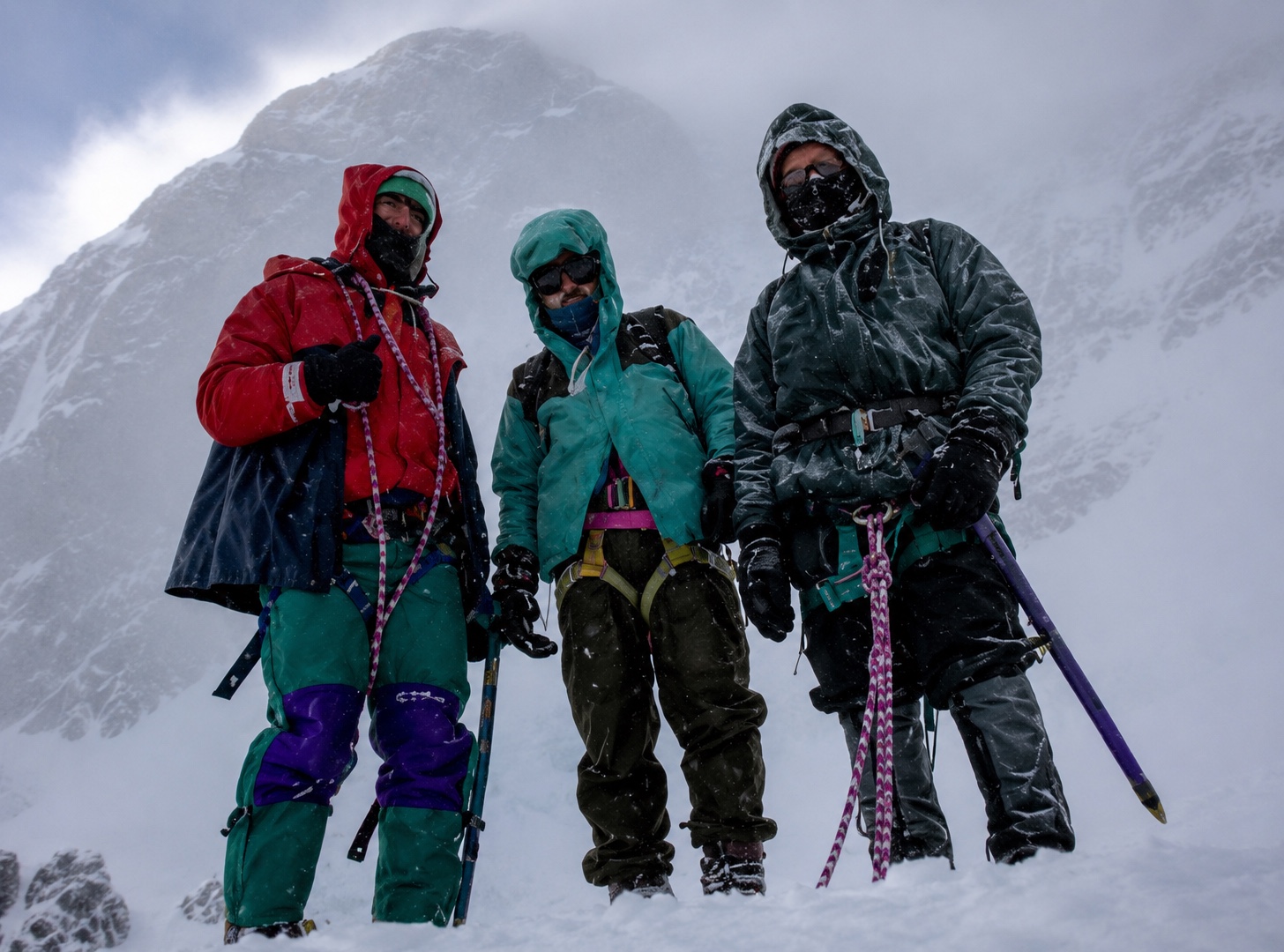
I got another taste of that high-mountain cold on Cotopaxi in Ecuador. There were three of us working our way up toward the summit. Looking at this picture now, I remember how bundled up we were just to keep moving up there.
A quieter winter in Florida
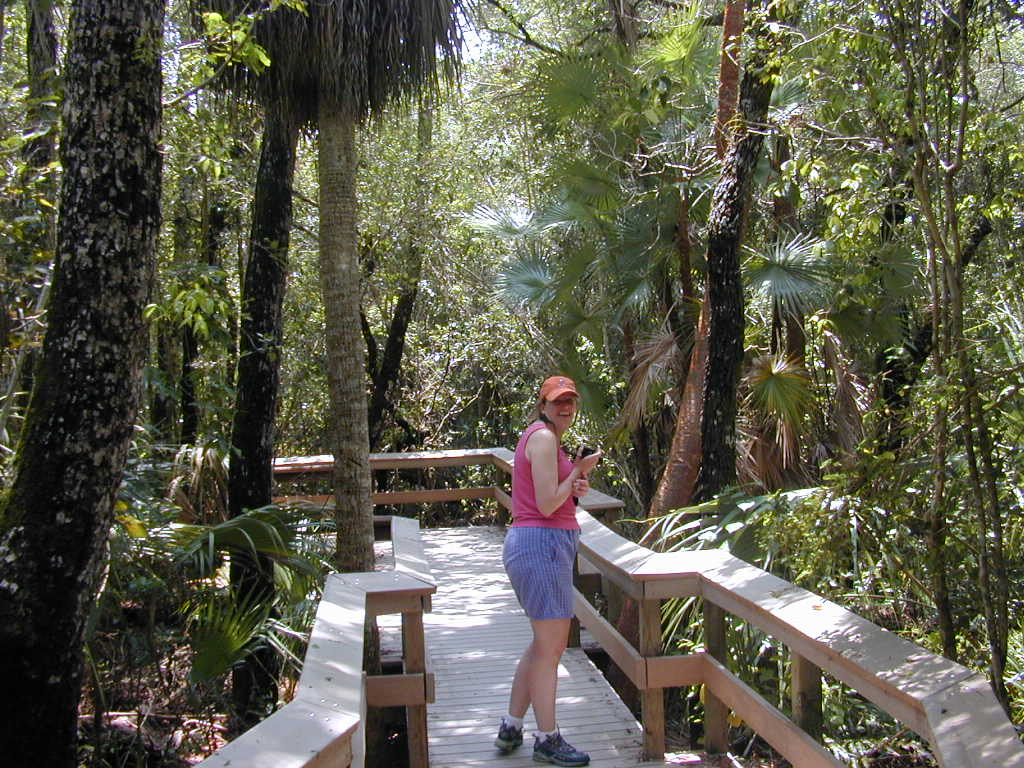
Every winter we’d go down to Florida, and I liked seeing how plants and wildlife got through the season there. We’d take walks like this one on a boardwalk in Everglades National Park. After coming down from New England, I was used to looking at snow and ice. In the Everglades, I learned to look at how much water was left.
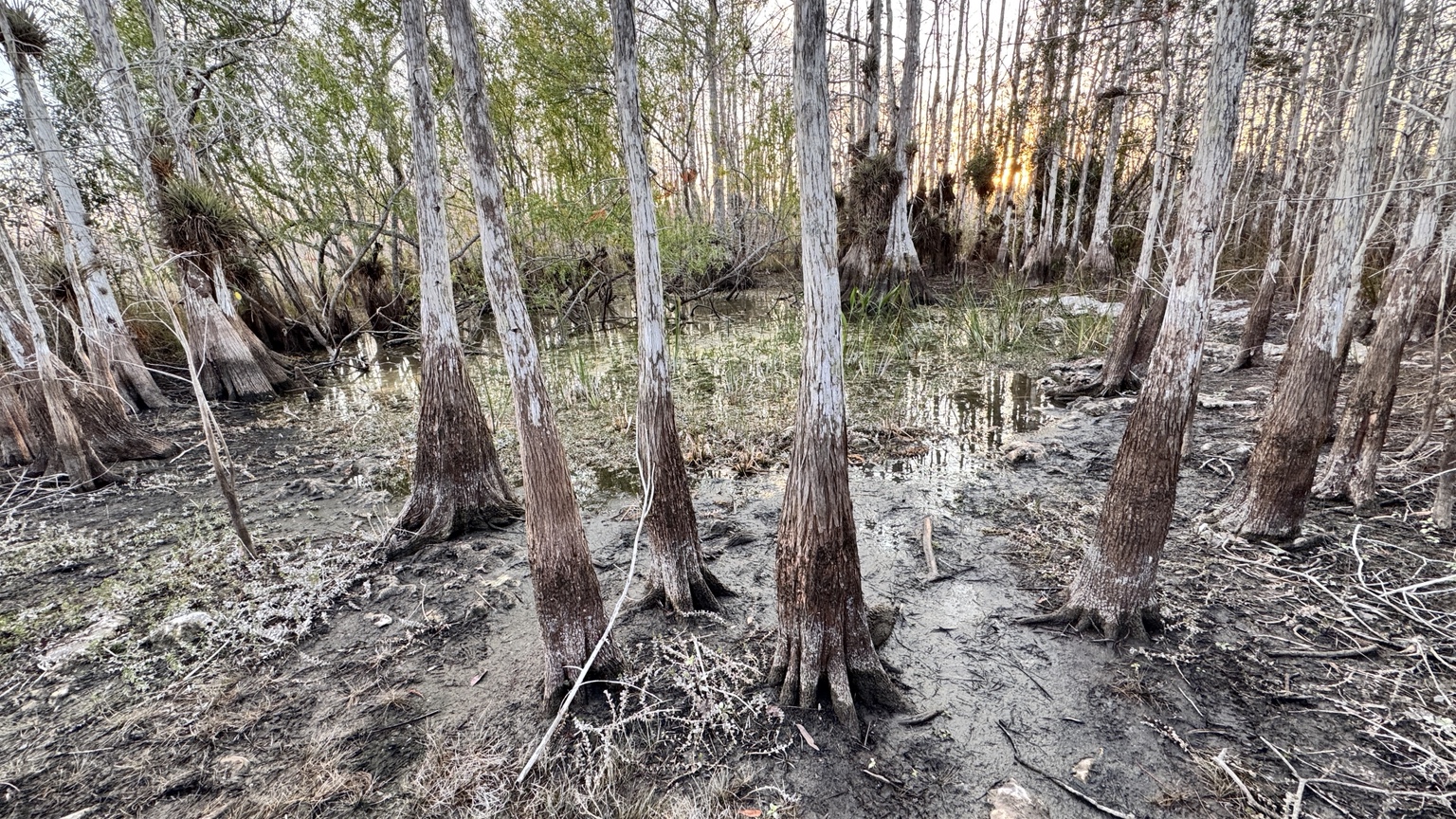
I see a version of that seasonal slowdown in Florida, too. Summer here is rainy, damp and lush. Look around after a stretch of summer rain and it seems like everything is growing. In most winters where I live, there’s a lot less rain, and I notice the trees and other plants slowing down as conditions change.
I spent a lot of time exploring cypress domes and alligator holes in winter. As the water went down, mud showed around the bases of the cypress trees, and I could see where water was still collecting in the deeper spots. Out on the marsh prairie I watched the same dry season play out across a much bigger stretch of country. Over those six or seven months with less rain, places that had held water in summer could look like dry grassland.
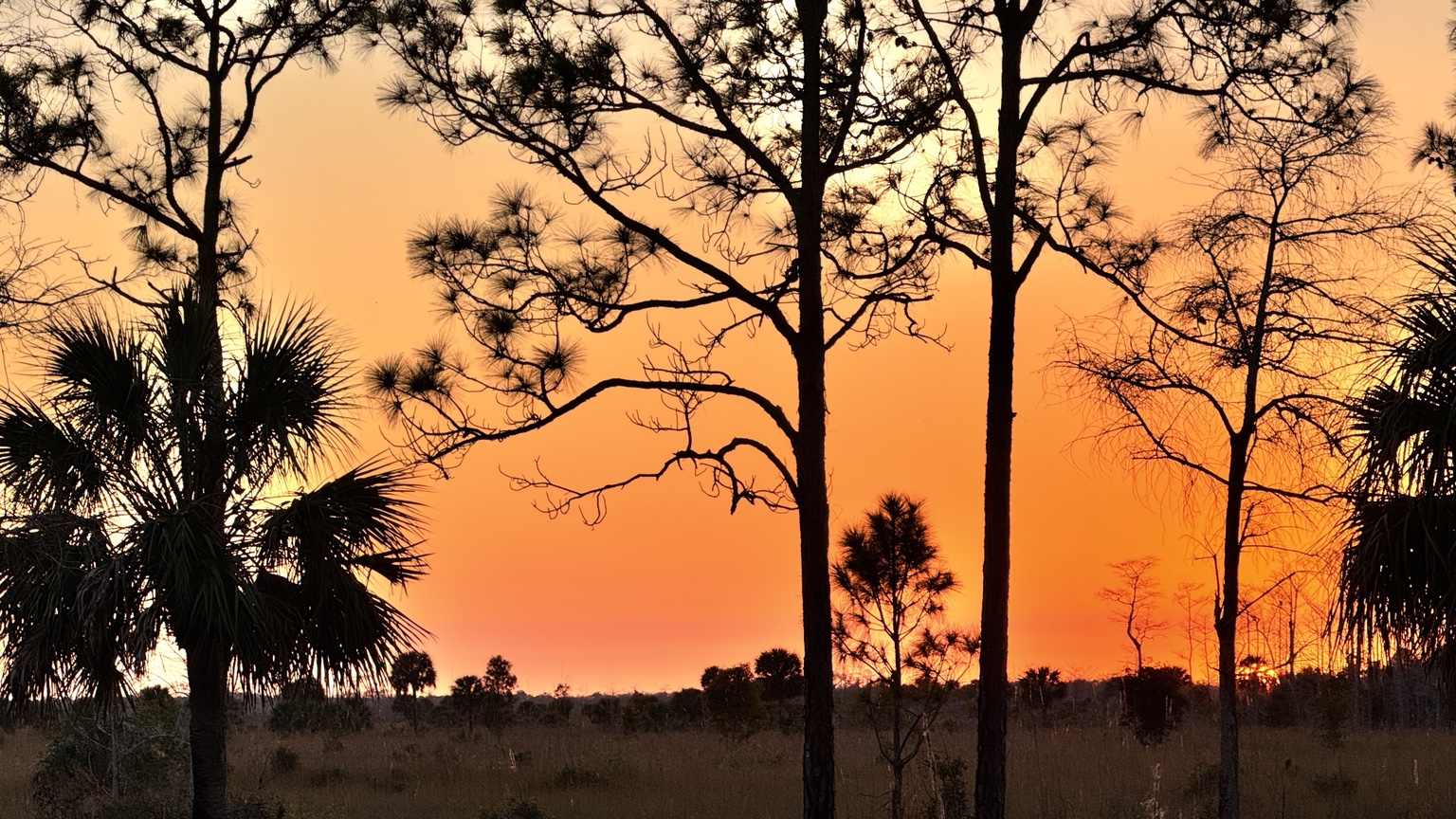
Meanwhile, we get a whole new set of neighbors. Birds that spent the warmer months up north come down to spend the winter where it’s much milder. Some of the kinds of birds I think of as winter visitors can be seen here year-round, too. The human snowbirds do something similar. A lot come down for winter and eventually decide to stay. I sometimes joke that those of us who settled here are starting to look like an invasive species ourselves. I came back to Florida and stayed, so I’m including myself in that crowd.
I still like to get outside and notice what’s changing. In New England I watched the woods go quiet under a coat of ice and the rivers come alive with snowmelt. In Florida I look for the winter birds and watch the vegetation change as the rains taper off. There’s plenty going on in either place if you spend enough time outside to see it.
Winter photo gallery
Select any photo to open it at full size.