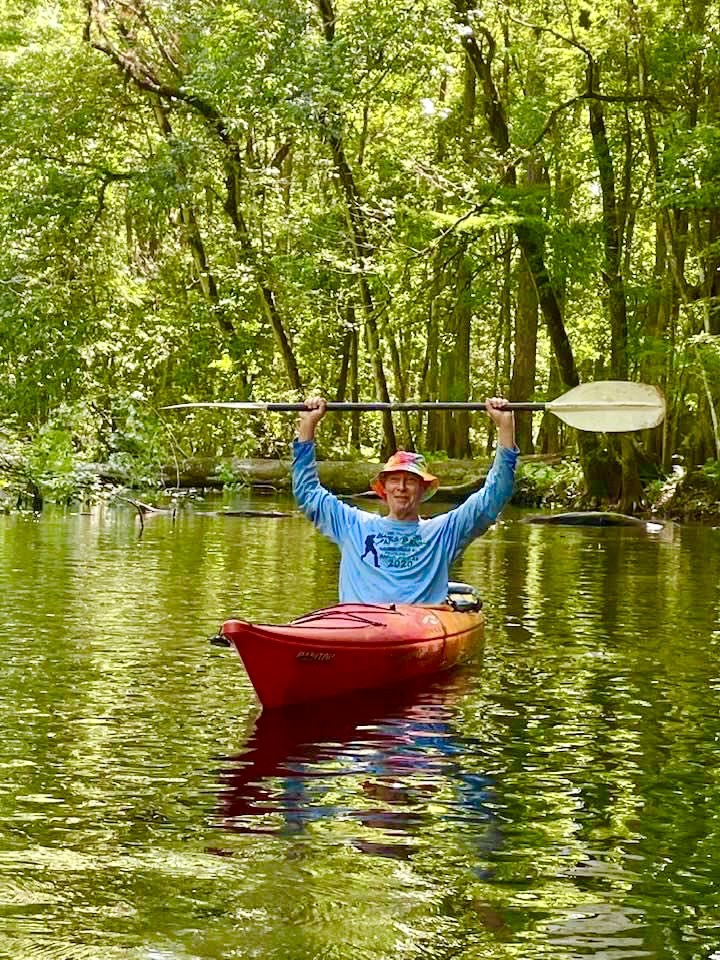
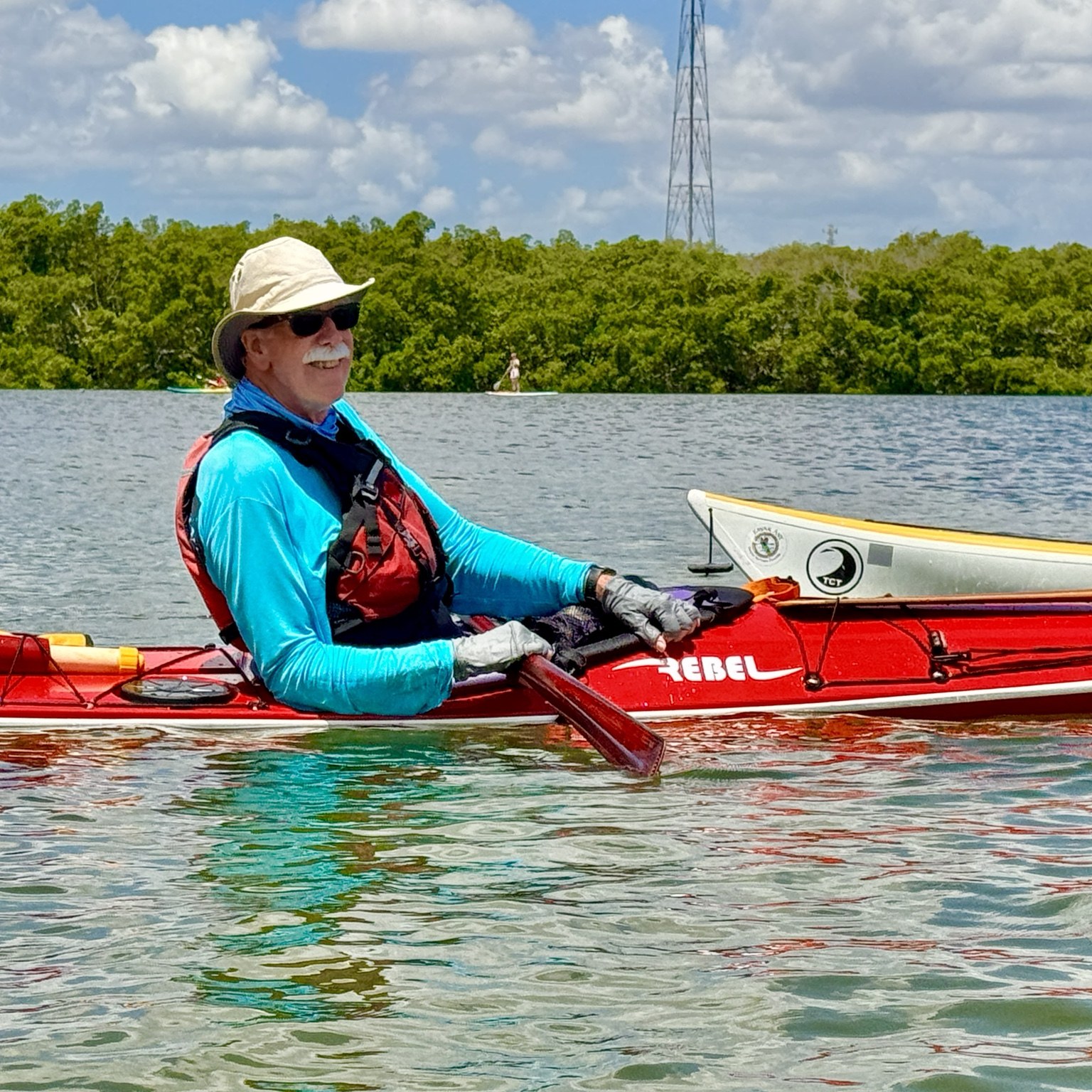
Paddling has been one of the defining passions of my life. From quiet New England lakes to whitewater rivers, the Green River through Utah's canyon country, the Snake River in the Tetons, and the mangrove tunnels and Gulf waters of Florida, a canoe or kayak has almost always been close at hand. Whether for recreation, scientific field work with the U.S. Geological Survey, teaching others, leading group trips, or simply exploring somewhere new, paddling has taken me to places that few people ever experience from the water.
Early yearsFamily canoeing and exploring local water.
1987A western trip sparks my determination to learn whitewater.
1988 onwardAMC canoe instruction, New England rivers, then whitewater kayaking.
1994Four months roaming the West with a canoe and bicycle.
USGS yearsCanoes and kayaks become tools for science and river work.
FloridaPinellas Paddlers, group leadership, springs, Gulf water, and Buddyboy.
2026Veterans paddling outreach and continuing rescue and leadership training.
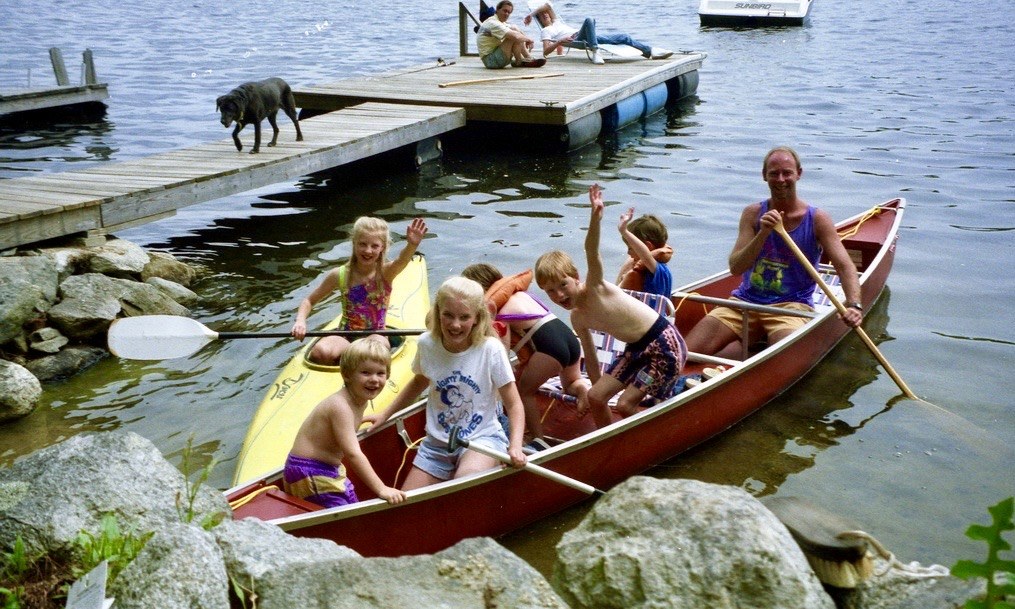
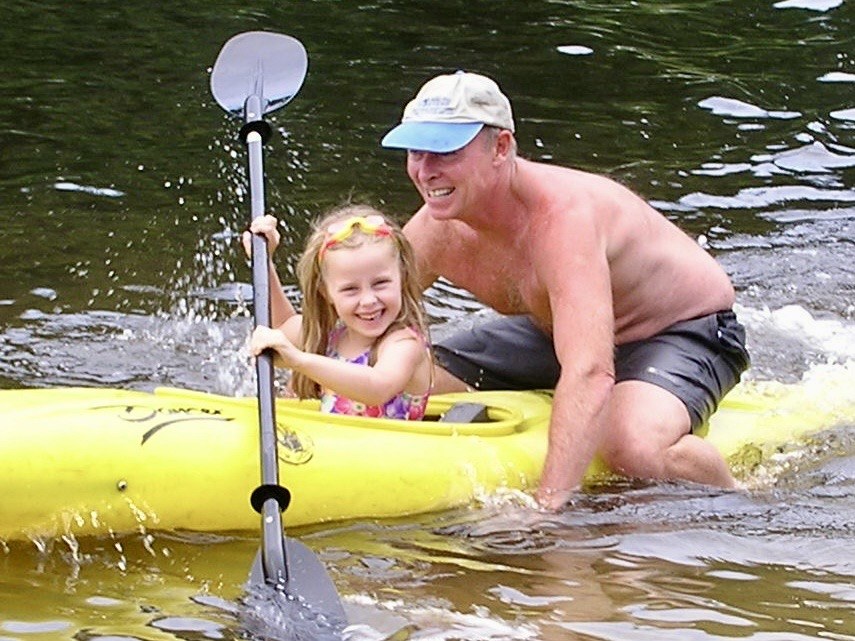
Family Canoeing and Sharing the Water
Because I have lived on or near water for much of my life, boats have accumulated naturally. Today I have about seven or eight kayaks, along with paddles and other boats, so when family or friends visit there is usually enough equipment for everyone. Some of the best days have simply been introducing another person—young or old—to the freedom of moving across the water under their own power.
Discovering Whitewater
Where it began; Vancouver Island in British Columbia
My first western trip in 1987 sparked my interest in whitewater. I had rafted with college roommates before through the famous Cribworks on the Penobscot River in Maine, but I had never paddled a canoe or kayak. My first time ever in a kayak was at Nanaimo in British Columbia, where I rented one for a sunset whale-watching paddle out around the San Juan Islands. Along the vertical walls of the coves, we counted five different kinds of starfish, and I was hooked. Seeing rafting and kayaking out West made me want to learn.
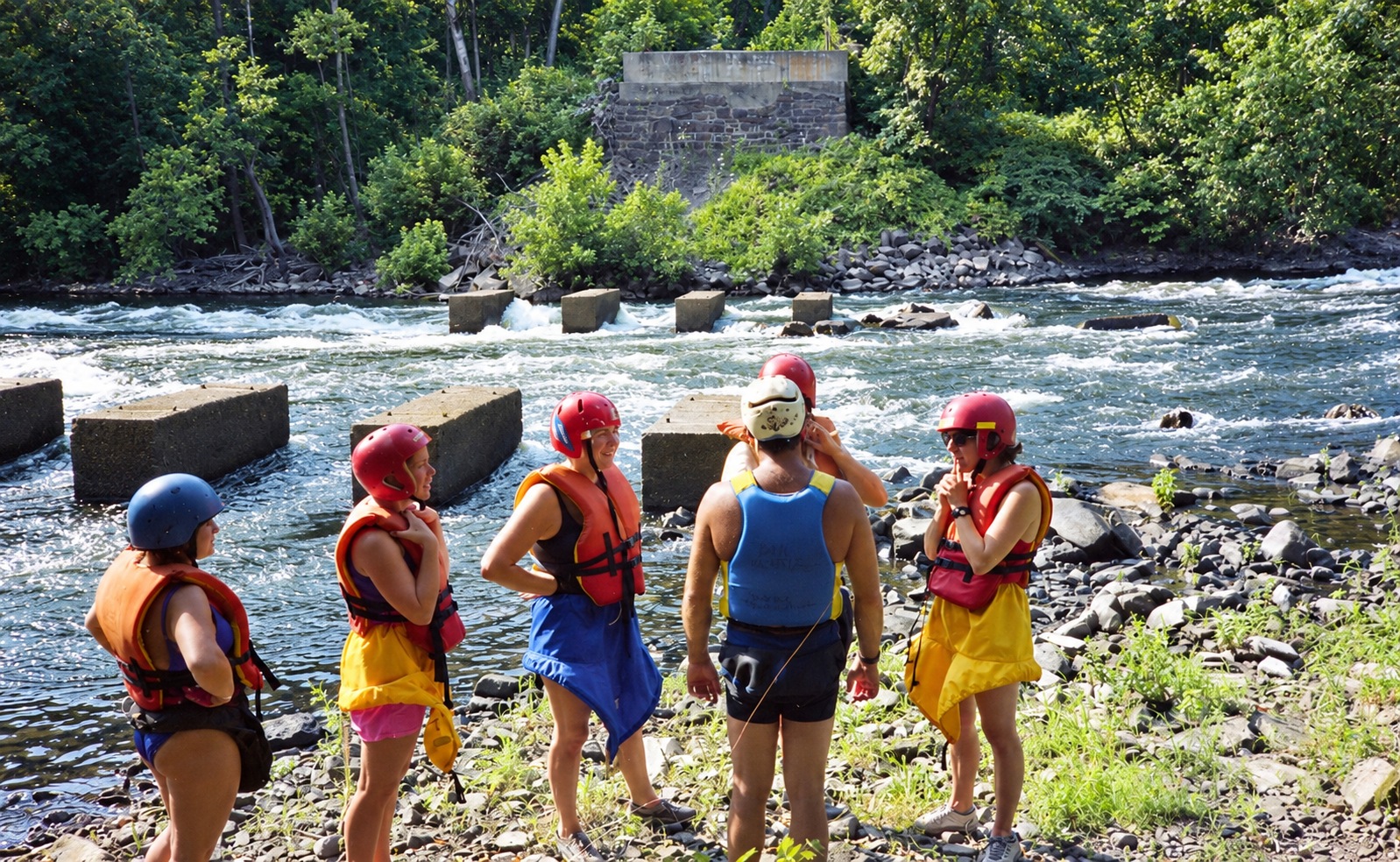
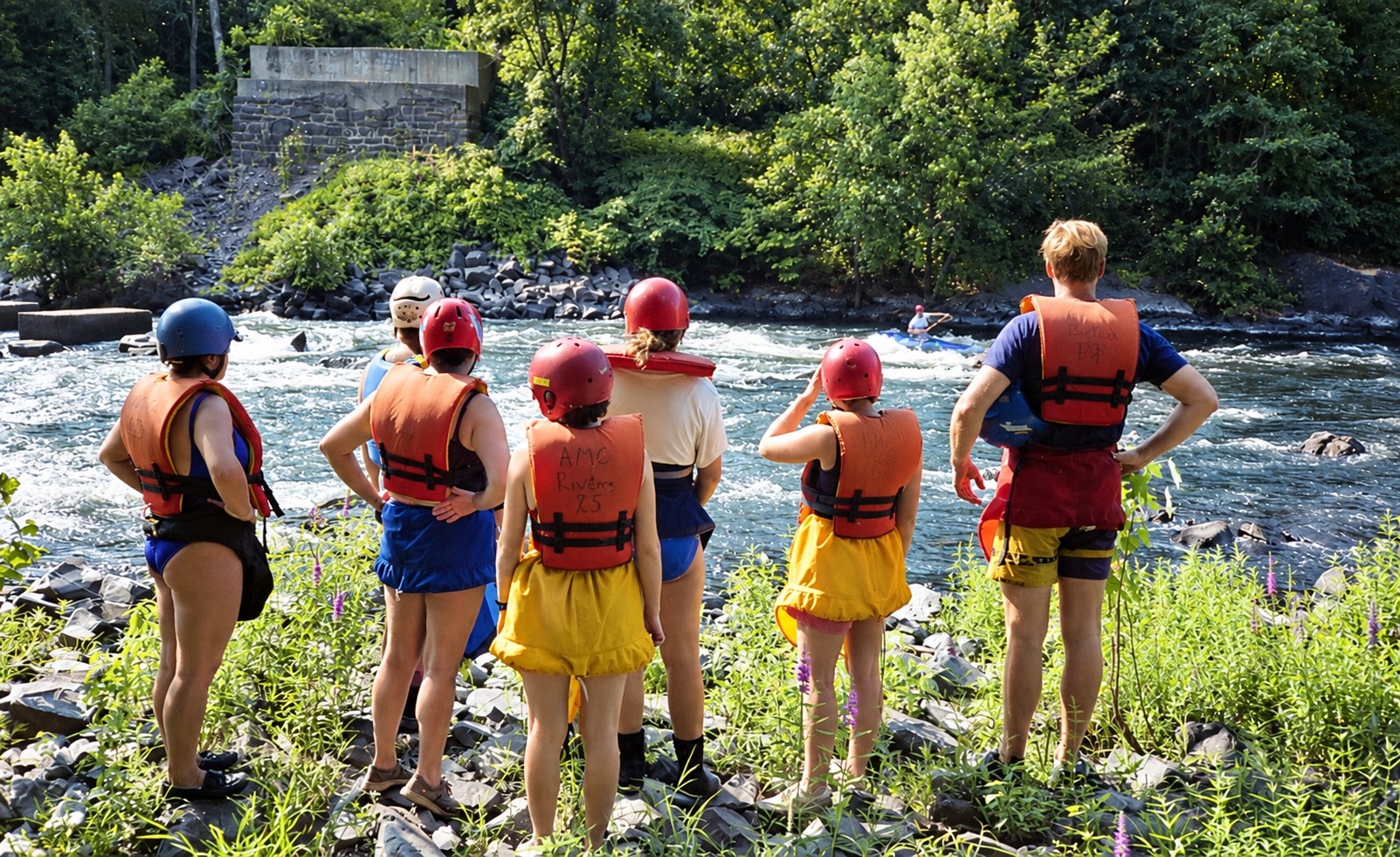
Back in New England, I took whitewater canoeing instruction through the Appalachian Mountain Club in 1988, as soon as I got back from that ’87 road trip. A year later, because it looked like a whole lot more fun, I enrolled in several courses for whitewater kayaking instruction. We spent a lot of time on lakes practicing strokes, wet exits, and other basic skills before moving on to a weekend on the river. That was where I really got hooked.
Weekends on New England rivers
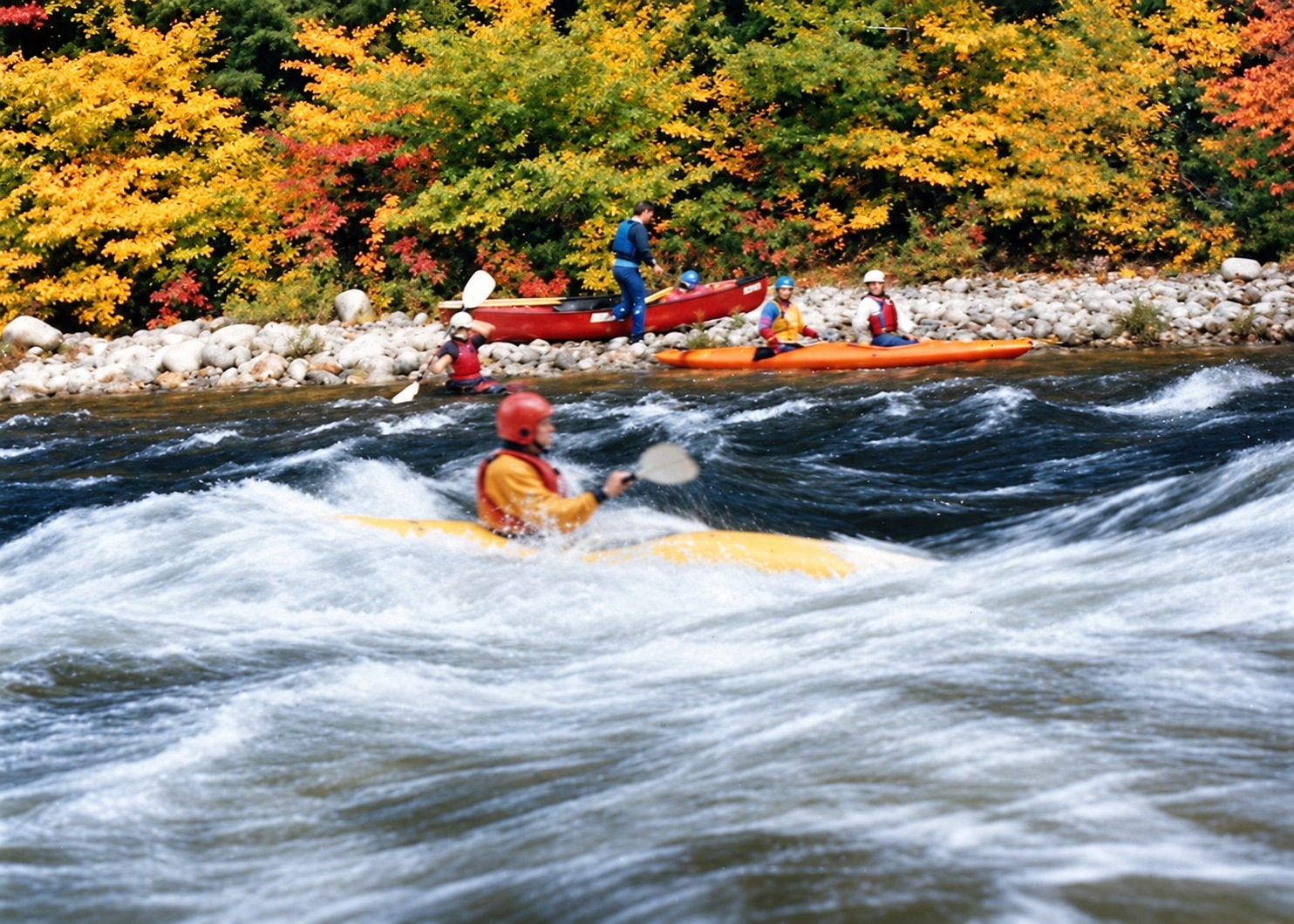
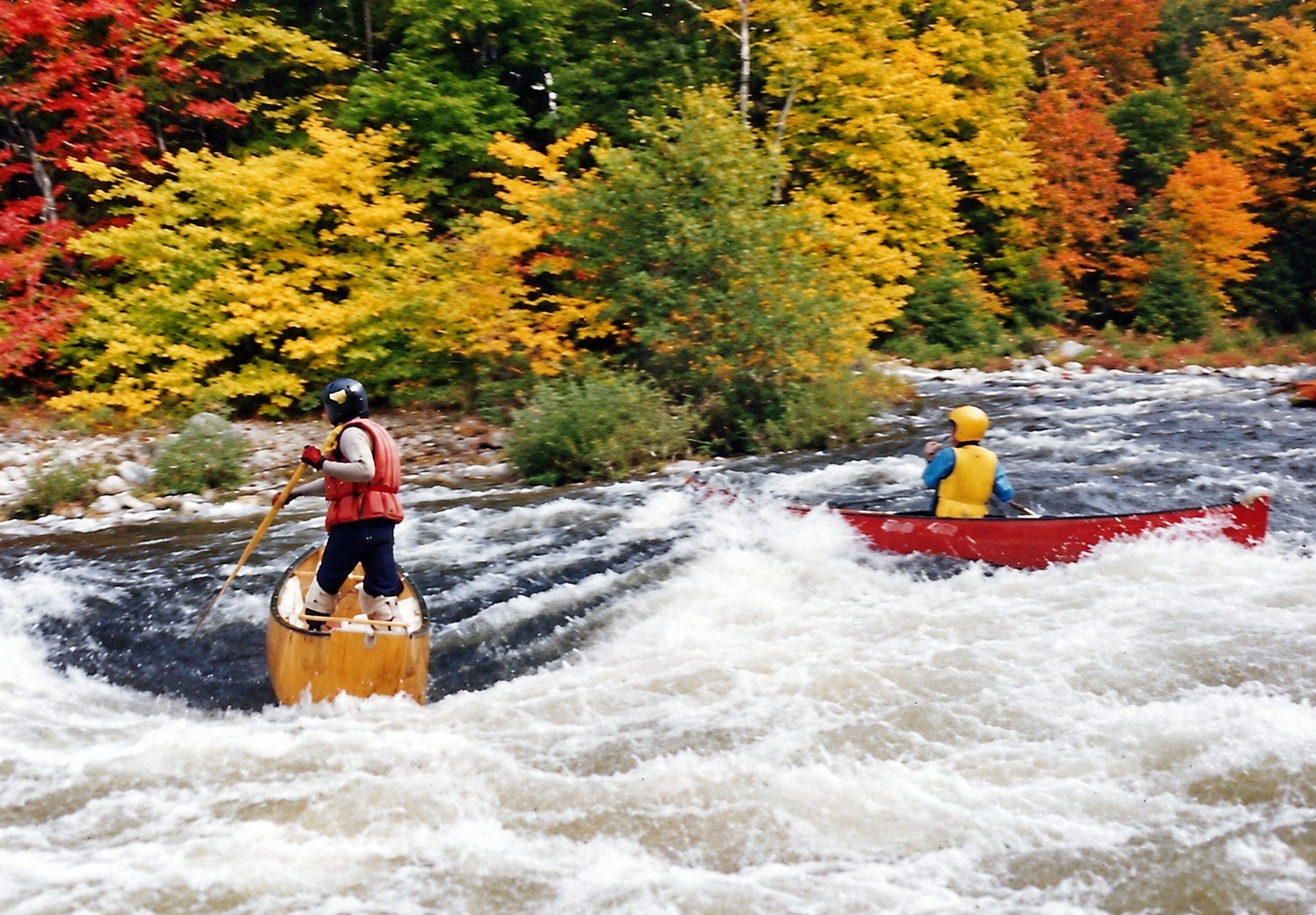
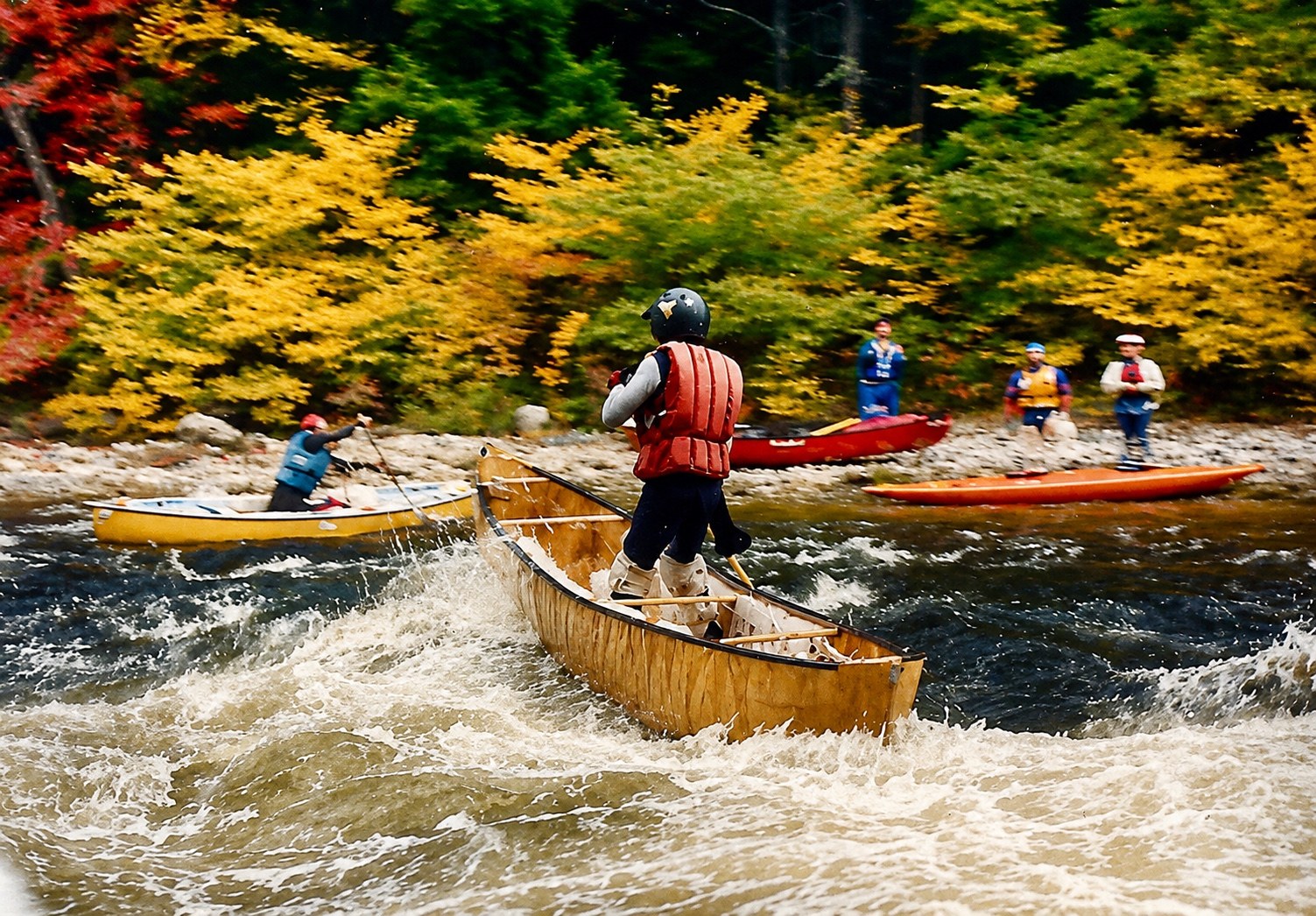
During the 1990s, I went whitewater paddling with the AMC almost every weekend, traveling through New Hampshire, Vermont, Connecticut, and Maine. Among the rivers I remember paddling were the Saco in New Hampshire and Maine and the Androscoggin around Berlin, along with many others nearby.
We always paddled the West River dam release on the first weekend in October. It was incredible, with warm water coming out of the reservoirs as they were drawn down to make room for winter precipitation storage. The fall colors that first week of October were always spectacular. We all camped at Jamaica State Park, sharing incredibly fun campfires and evenings together along with amazing days on the river.
A lot of the best paddling in New England was during the March and April snowmelt, which was generally freezing cold. We often wore 5-millimeter diving wetsuits from head to toe to protect ourselves from the cold. I remember bringing gallon jugs of very warm water from home and pouring it into our wetsuits at the launch before getting into our boats, just to start off a little warm. We would soon be soaked to the bone, especially anyone who was really pushing themselves.
Learning, then helping others
I became an AMC whitewater instructor and volunteered as a rear safety boater for beginners. Following behind the group meant helping new paddlers and rescuing people when things went wrong. Those weekends brought many friendships and taught me skills that have stayed with me throughout my paddling life.
From canoe to kayak
I eventually switched from whitewater canoeing to kayaking because finding a canoe partner was difficult, especially when I had weekdays available. A kayak gave me more flexibility to choose my own lines, try more challenging water, and develop my skills.
A volunteer community
The AMC program was run by volunteers, with essentially no fees. The people receiving instruction covered the volunteers’ meals and accommodations. It was a way to spend weekends paddling, share what we had learned, and help others discover the rivers.
By the end of the summer of 1989, I had become a volunteer safety boater, which meant I could join all the weekend trips for free.
The 1994 Four-Month Western Road Trip
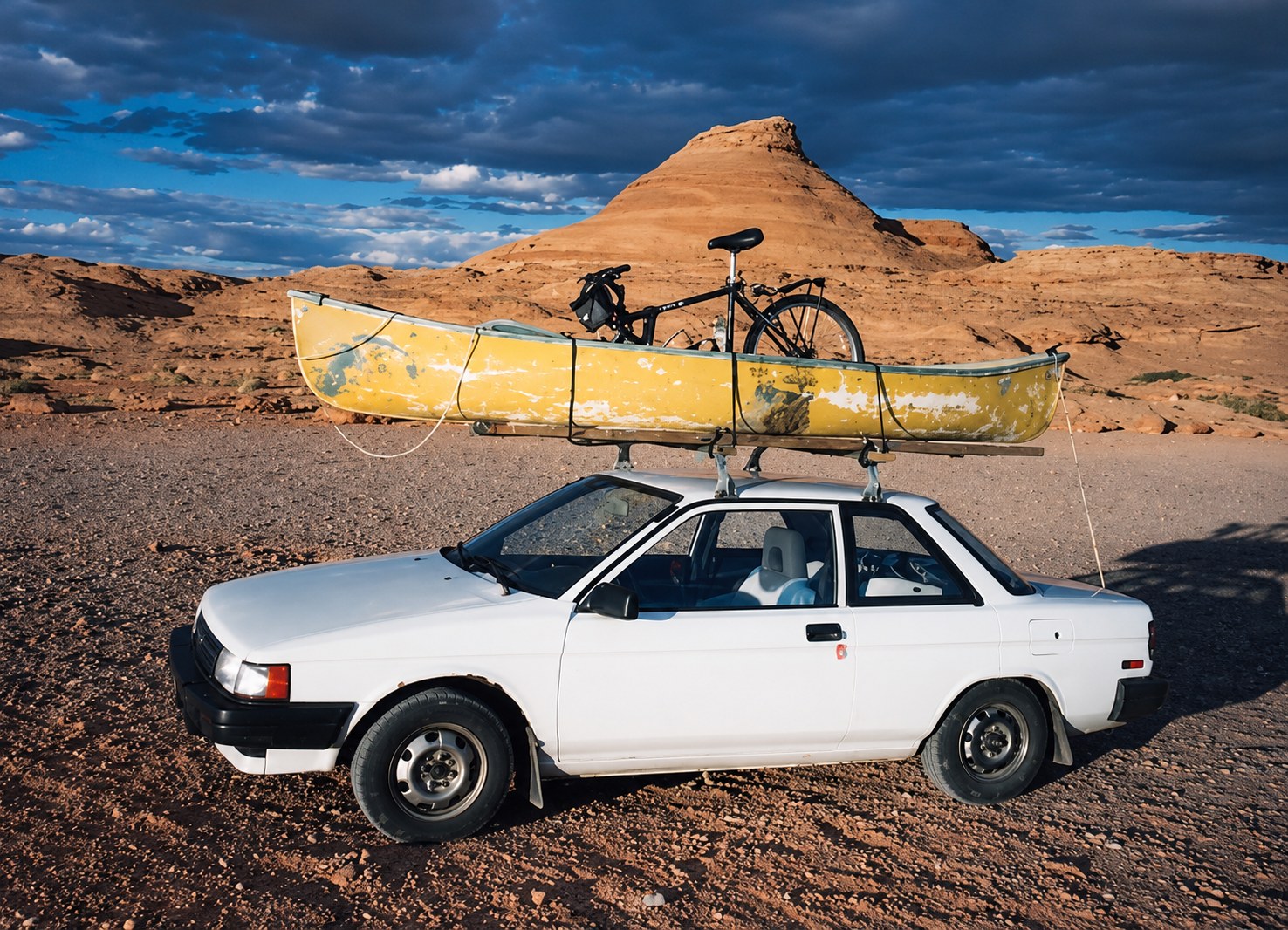
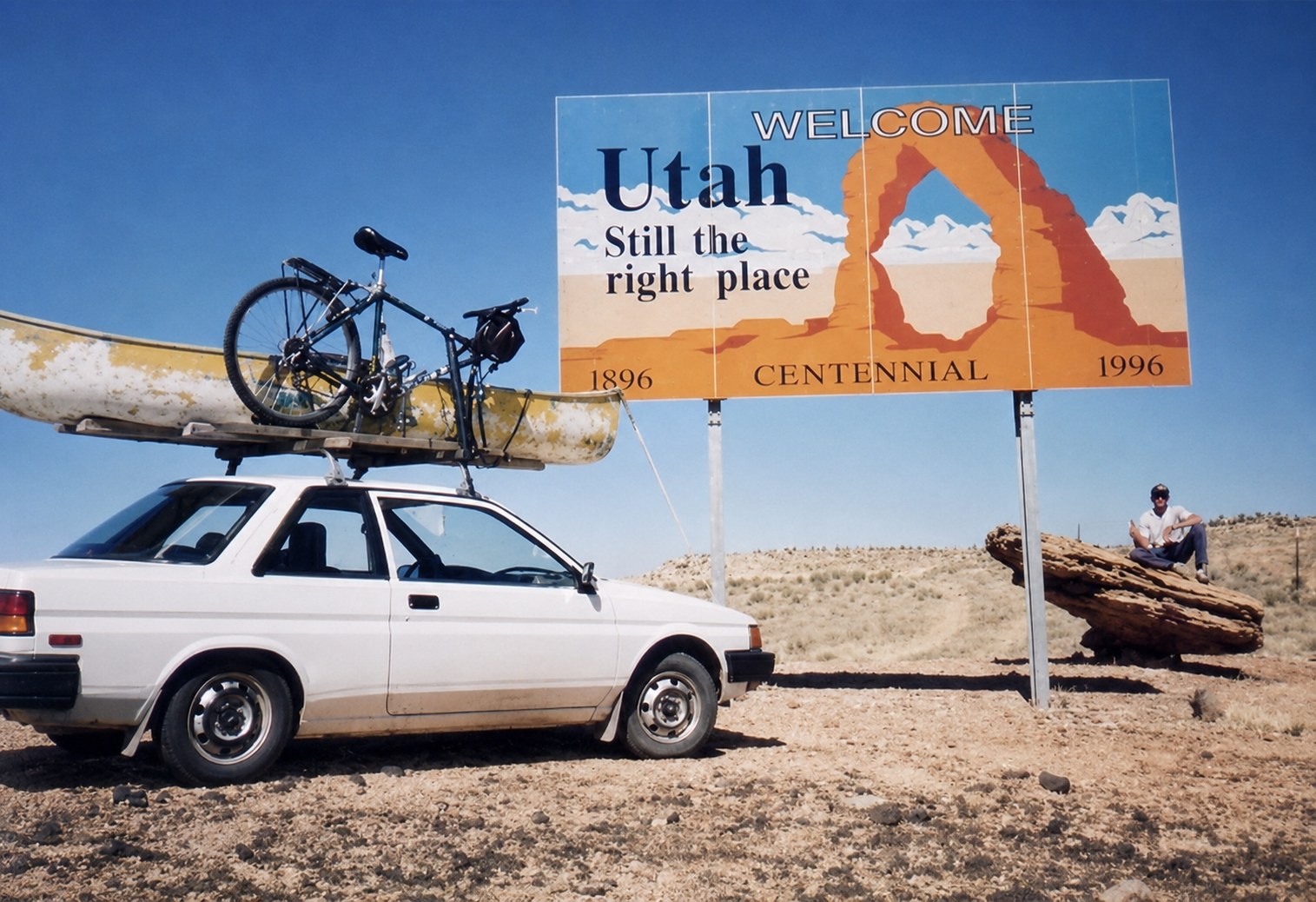
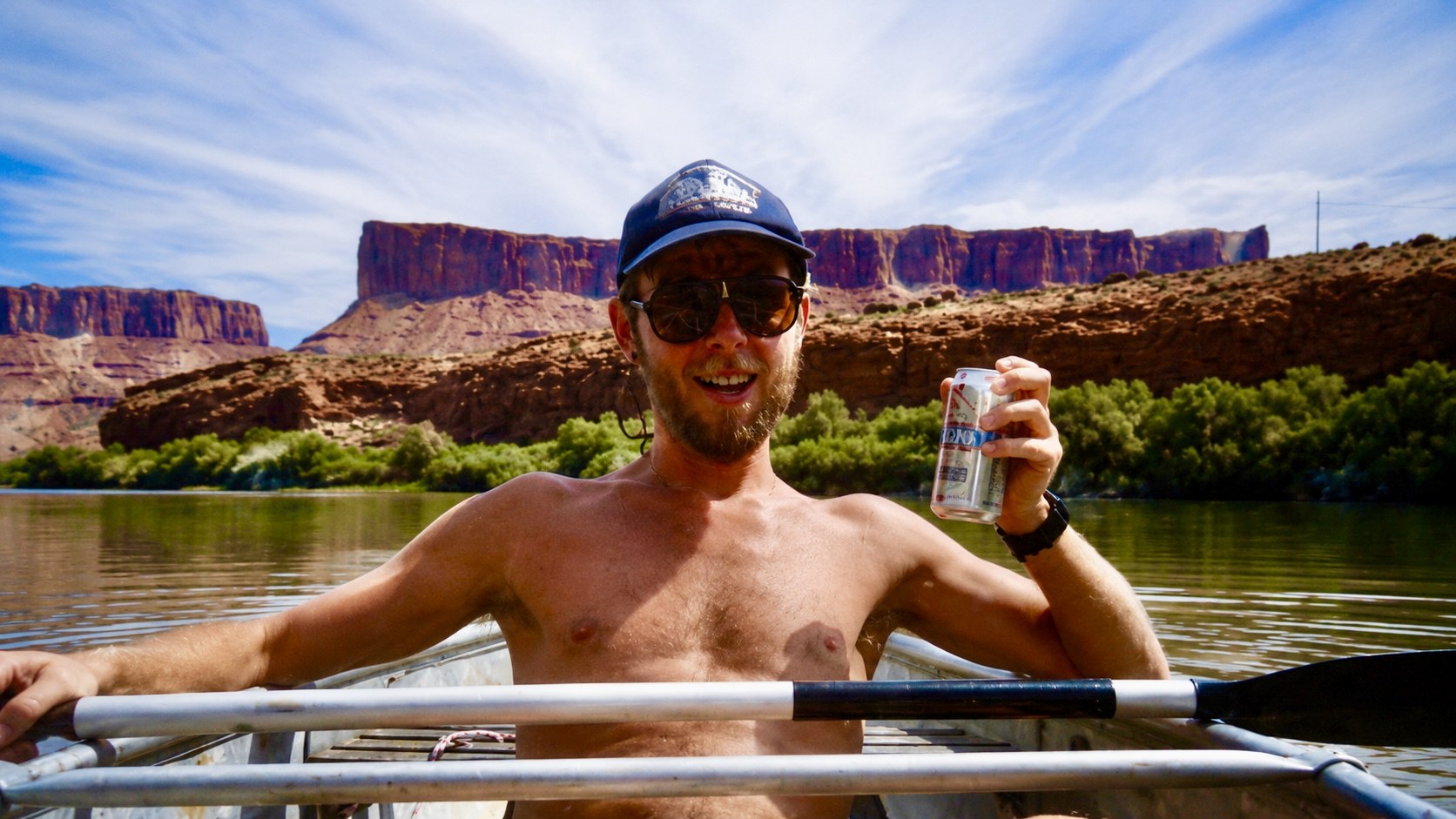
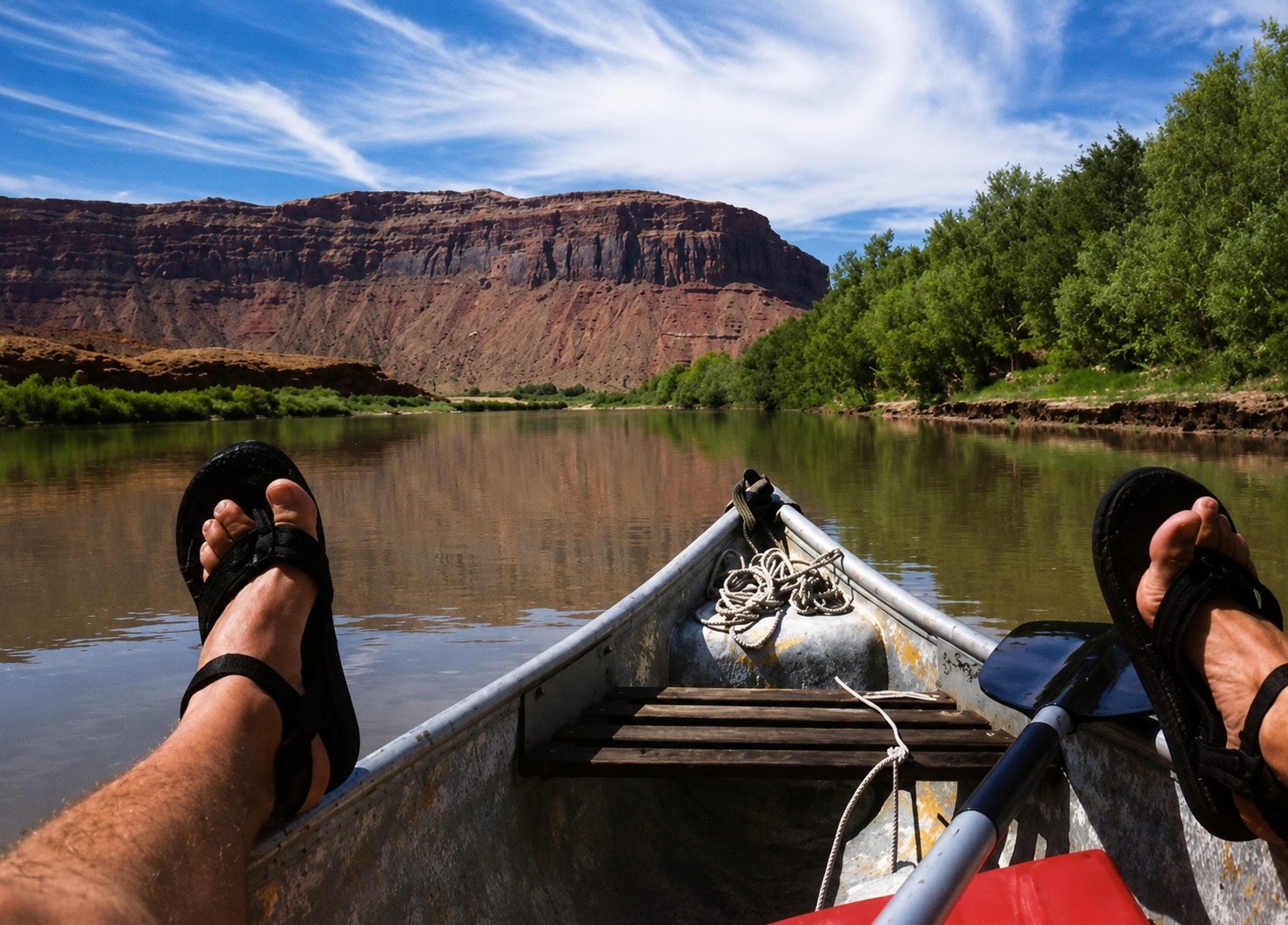
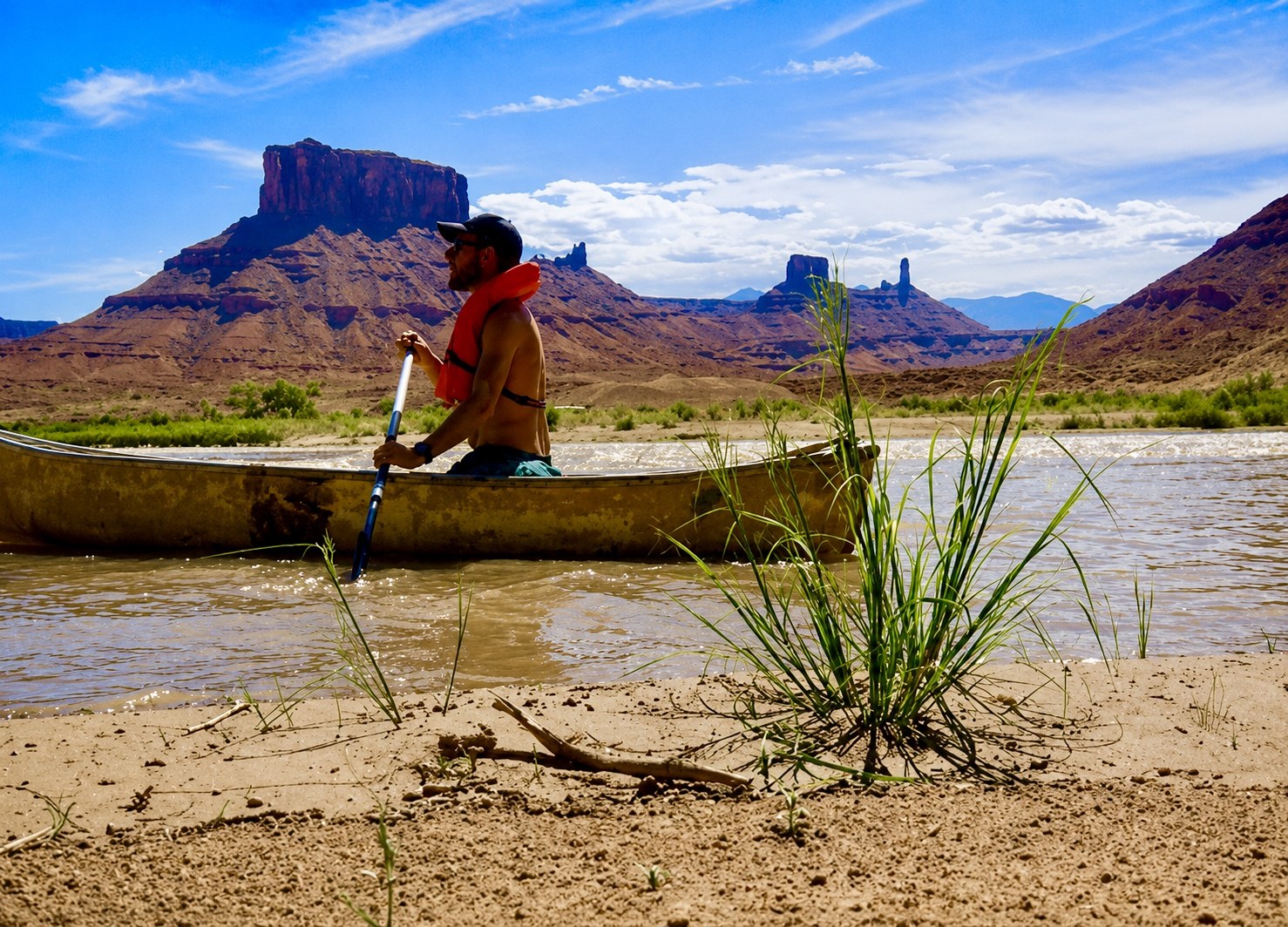
In 1994 I set out for my annual four month roadtrip with a canoe and bicycle strapped to my Toyota. I wandered across the country and paddled wherever I could. I explored the Green River and the Snake River, but the trip was never just about famous names. Any river, lake, reservoir, or other patch of water that looked inviting was a reason to unload the canoe and see the landscape from a different perspective.
The canoe gave me access to quiet corners of the West that a road alone could never reveal. Some days were long wilderness journeys beneath immense canyon walls; others were spontaneous paddles found simply because I happened to pass water and had a boat on the roof.
Paddling with the U.S. Geological Survey
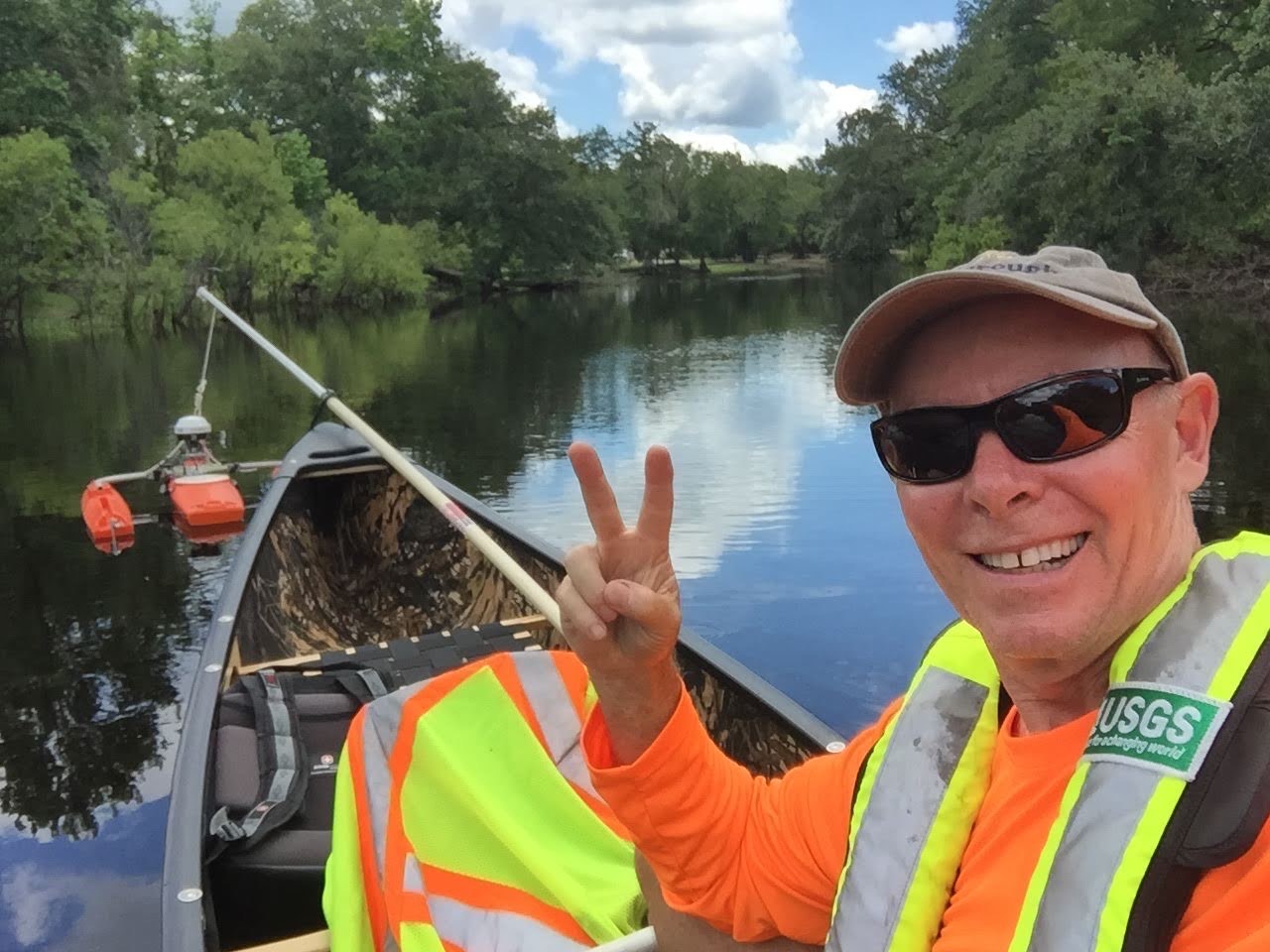
Paddling eventually became part of my profession as well as my recreation. During my 21-year career with the U.S. Geological Survey, canoes, kayaks and porerboats helped us reach stream-gaging locations, make river-discharge measurements, carry field equipment, complete biological work, and operate hydroacoustic instruments. Some of my favorite workdays combined scientific fieldwork with the river skills I had developed over many years. I never thought I would be getting paid to spend my days in a canoe! One bonus was the extensive safety training we received, including rescue practice, PFD use, and full days in the pool learning what it was like to float or swim while wearing waders. I learned a great deal of my safety consciousness from that training.
Pinellas Paddlers, Friendship, and Leading Trips
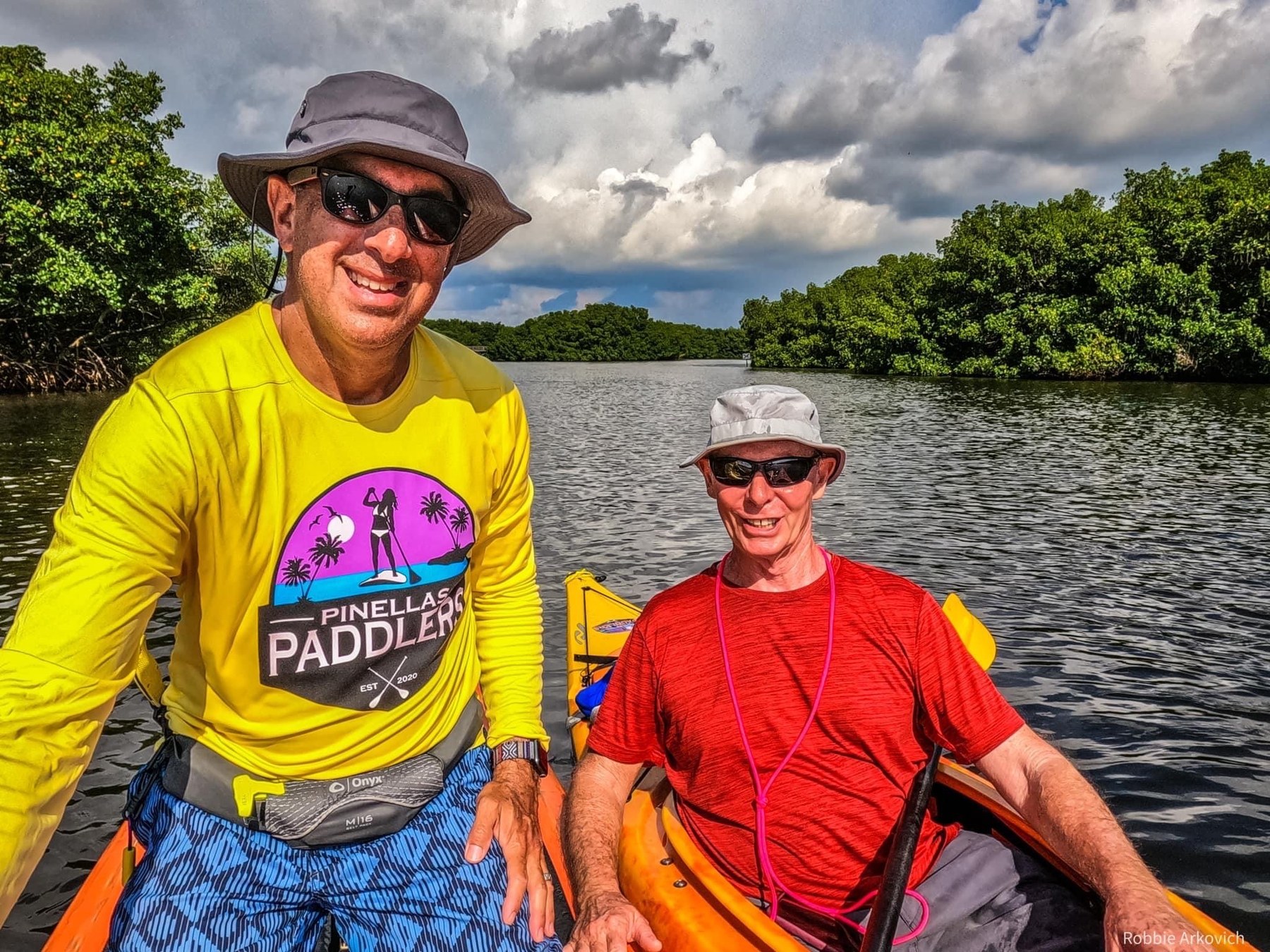
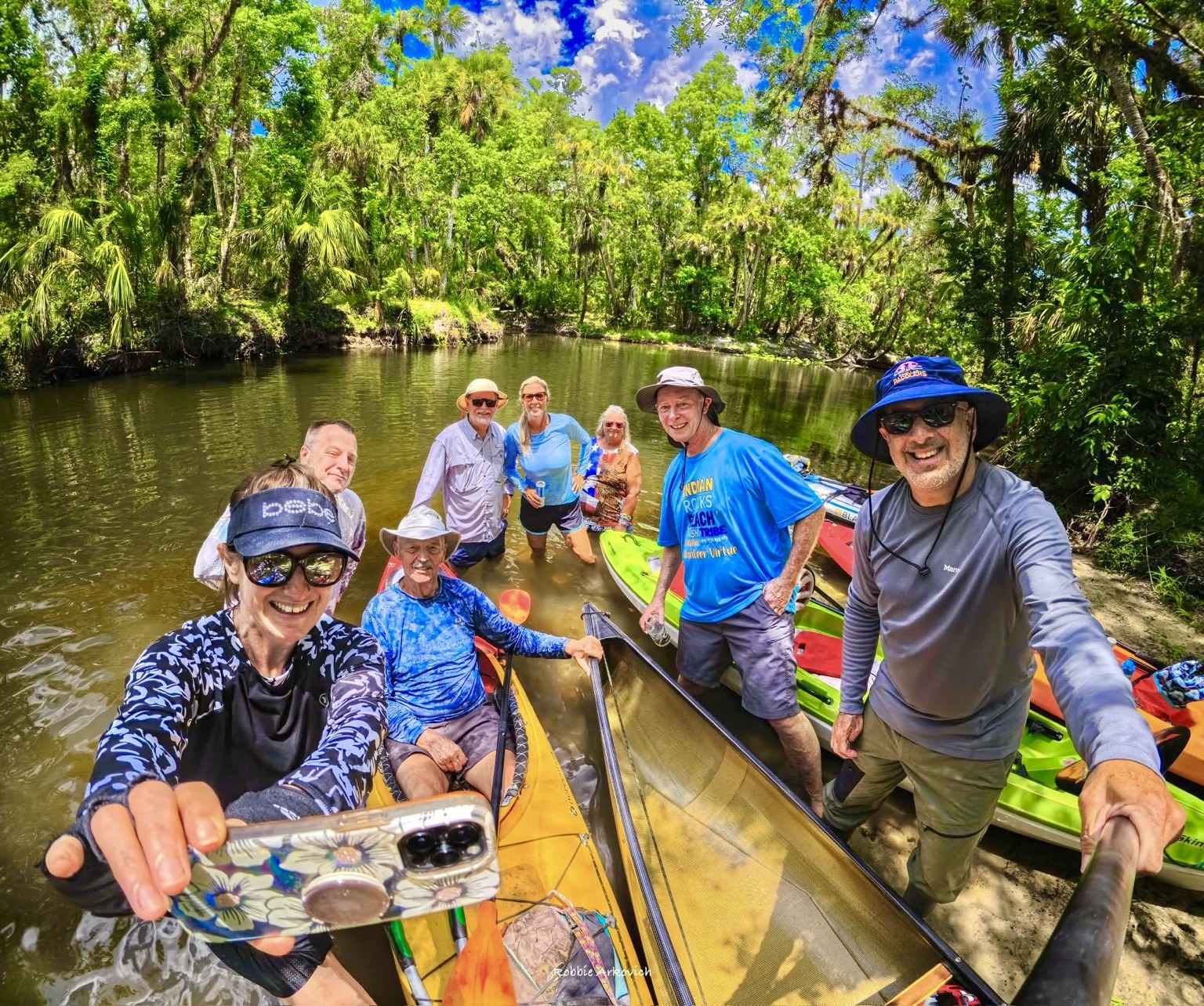
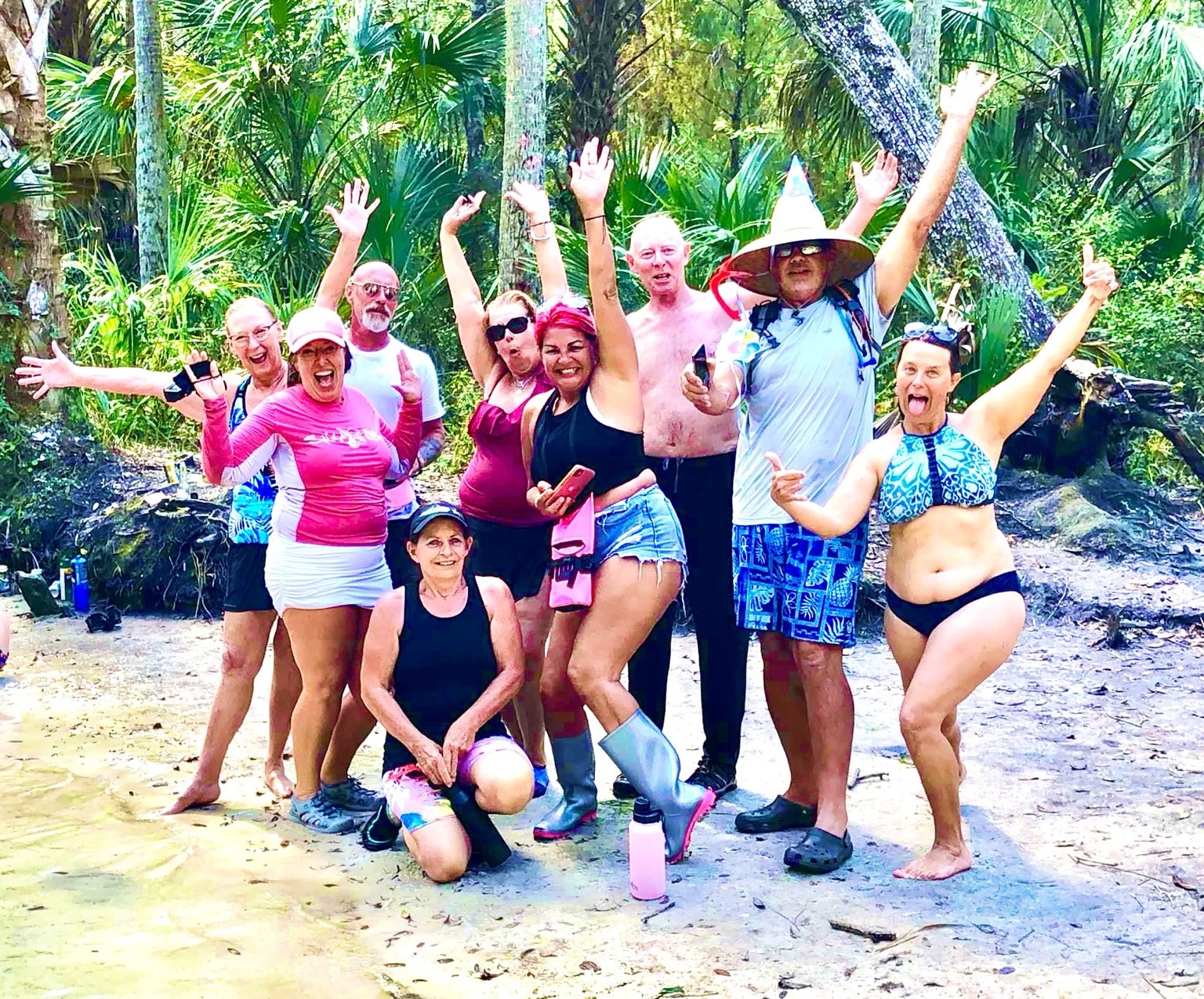
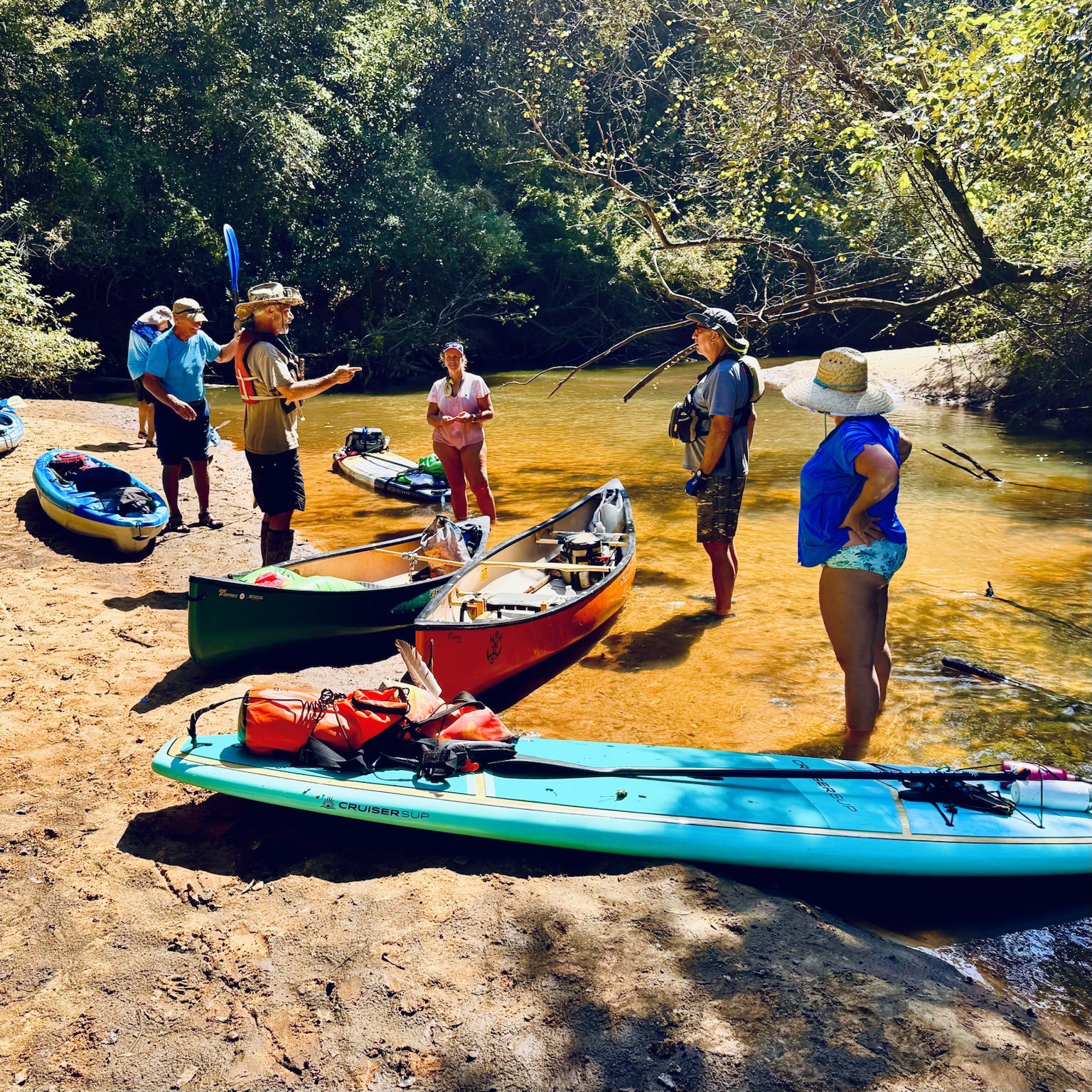
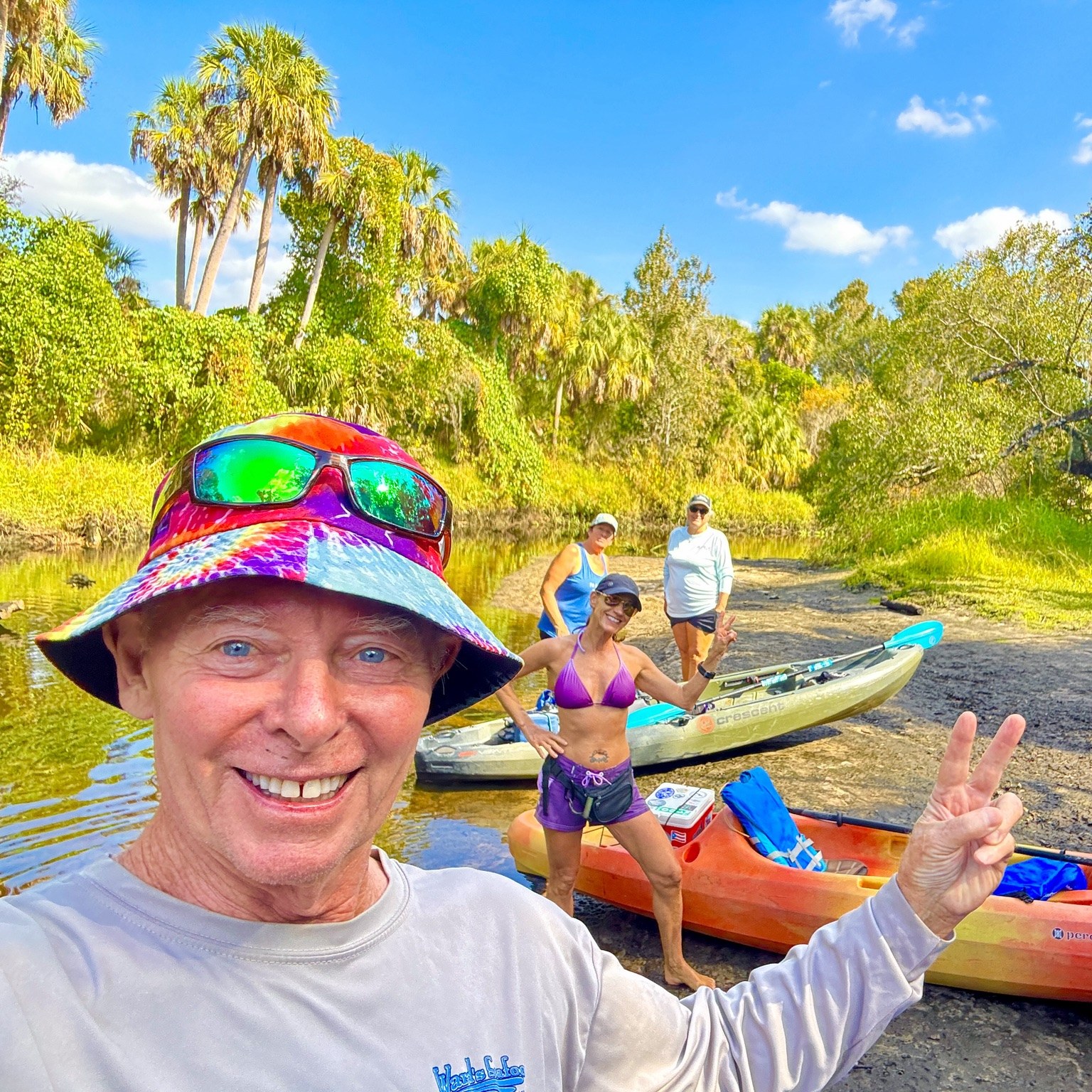
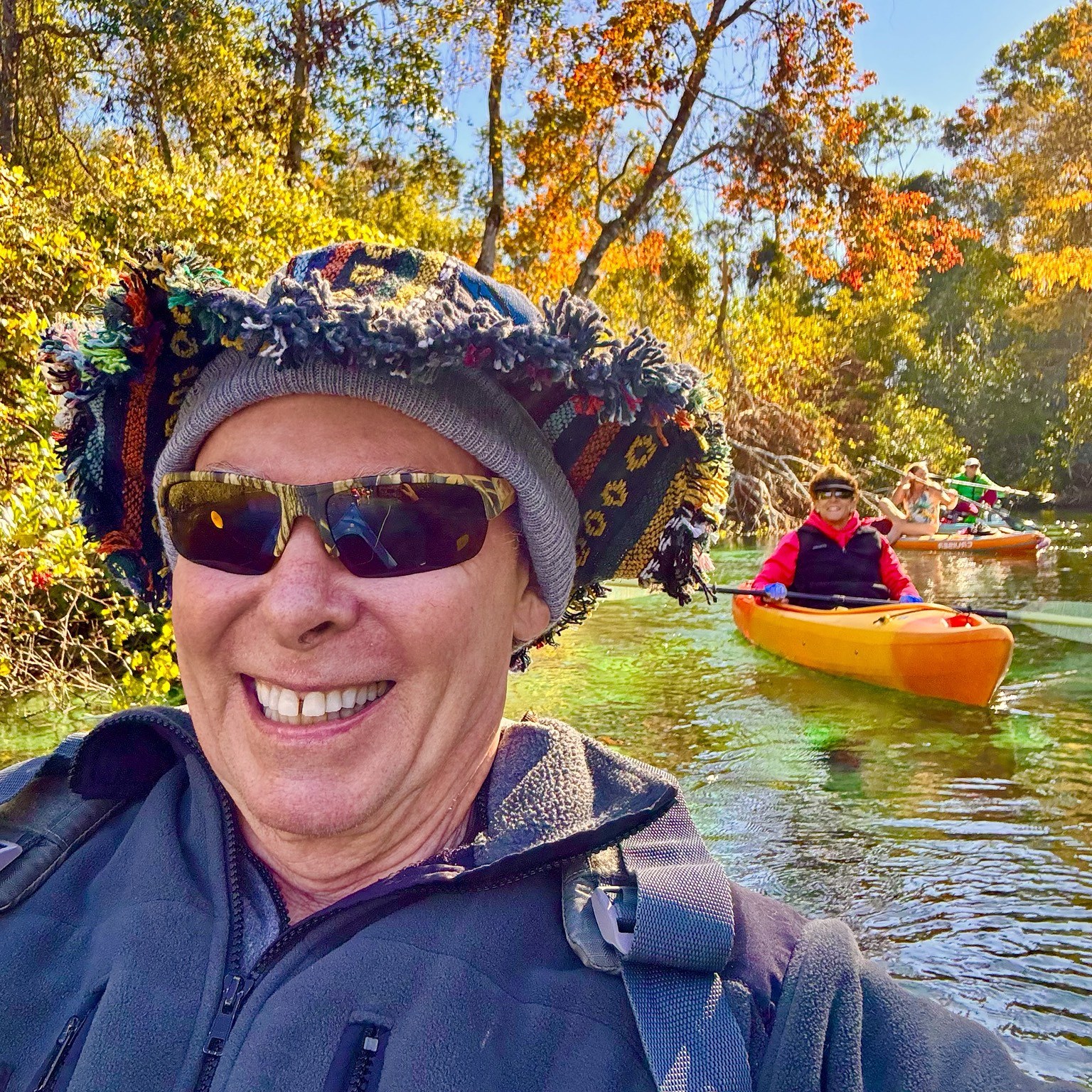
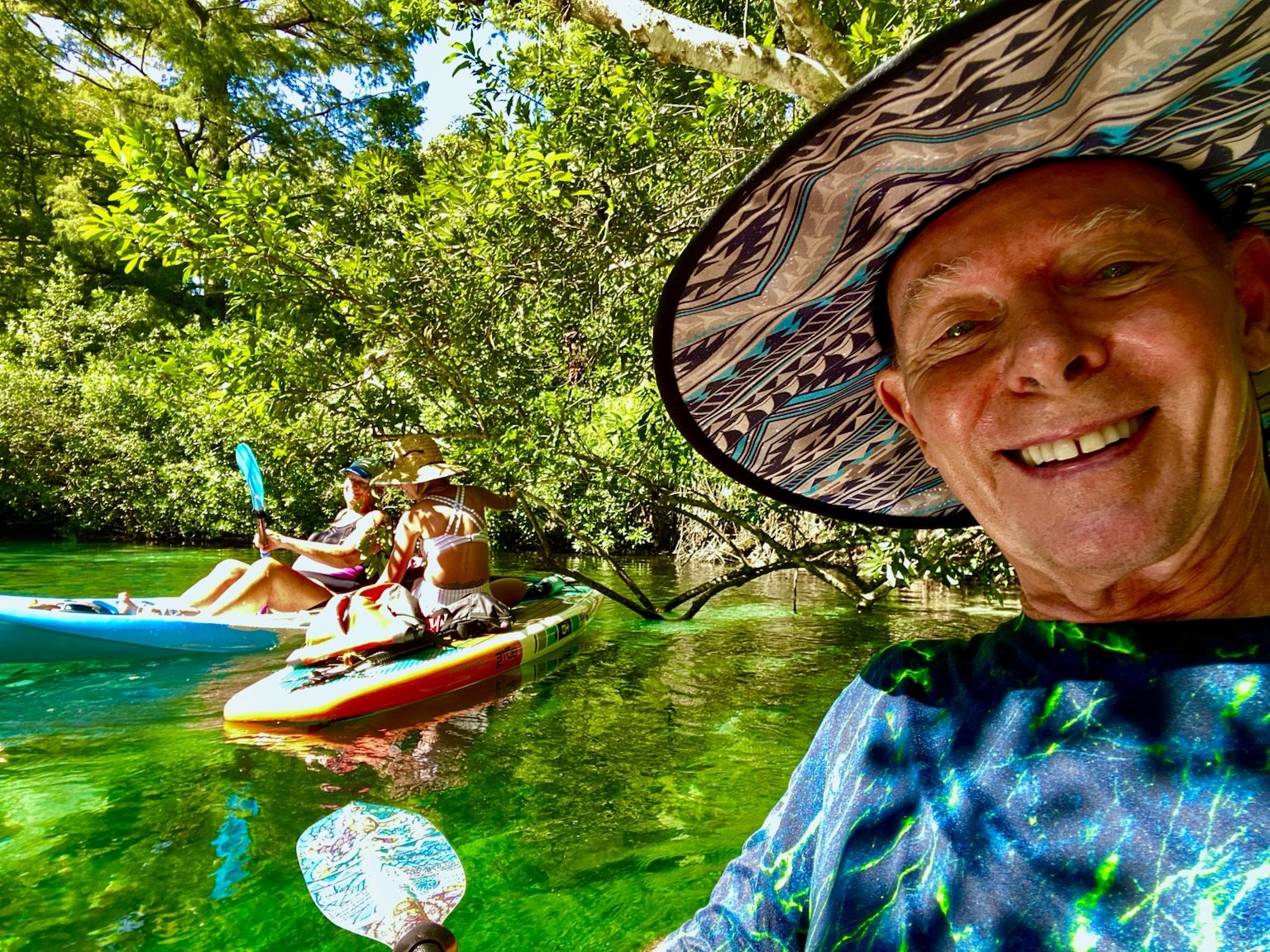
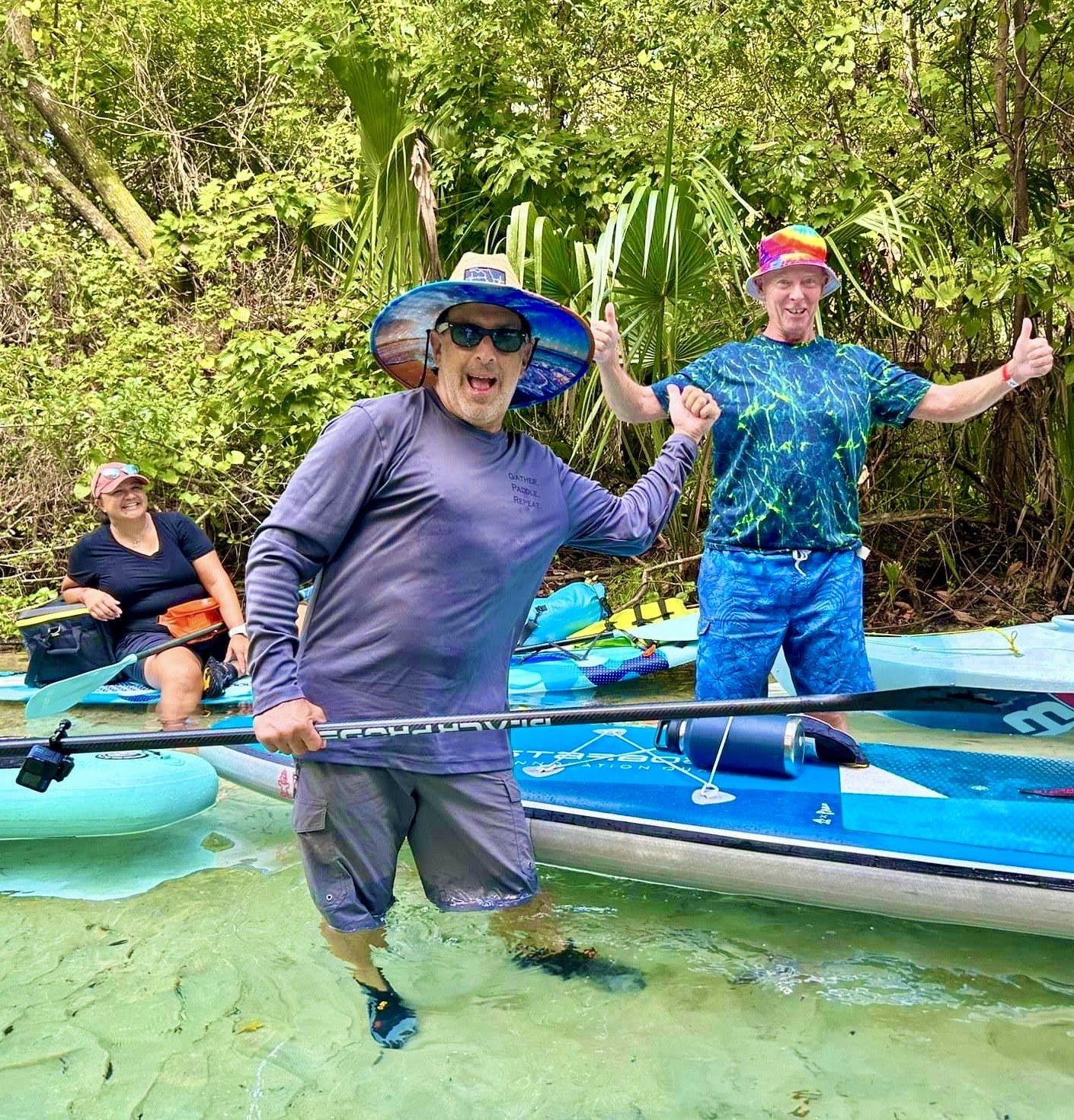
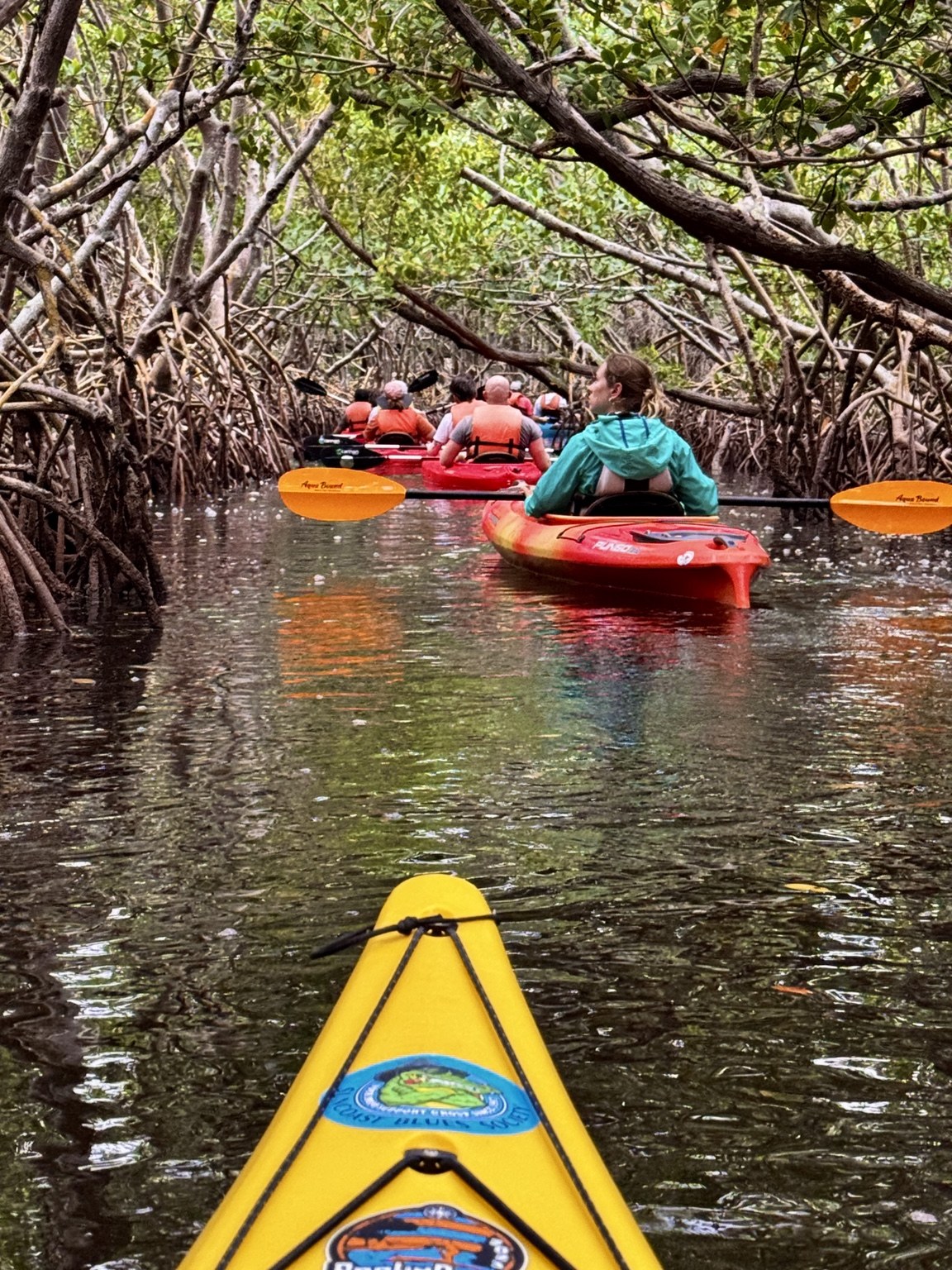
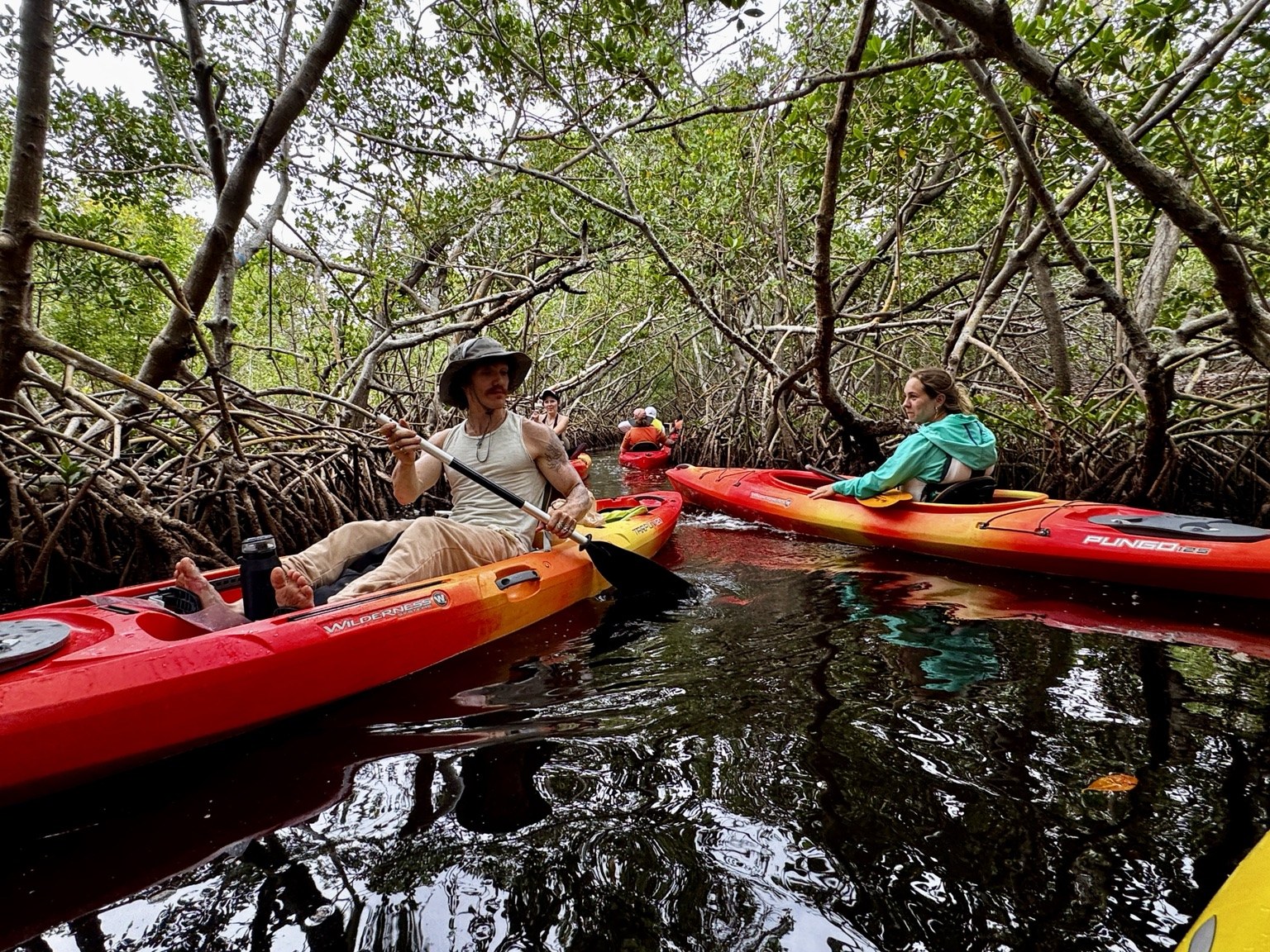
I have organized and led many paddling trips for different groups, especially Pinellas Paddlers in the Tampa Bay area. I have always enjoyed helping newer paddlers develop confidence, learn safe habits, and discover places they might never have explored alone. Robbie Arkovich, one of the founders of Pinellas Paddlers, became a very close friend, and we have shared many memorable days on springs, rivers, mangrove trails, and coastal water.
Giving Back Through Veterans Paddling
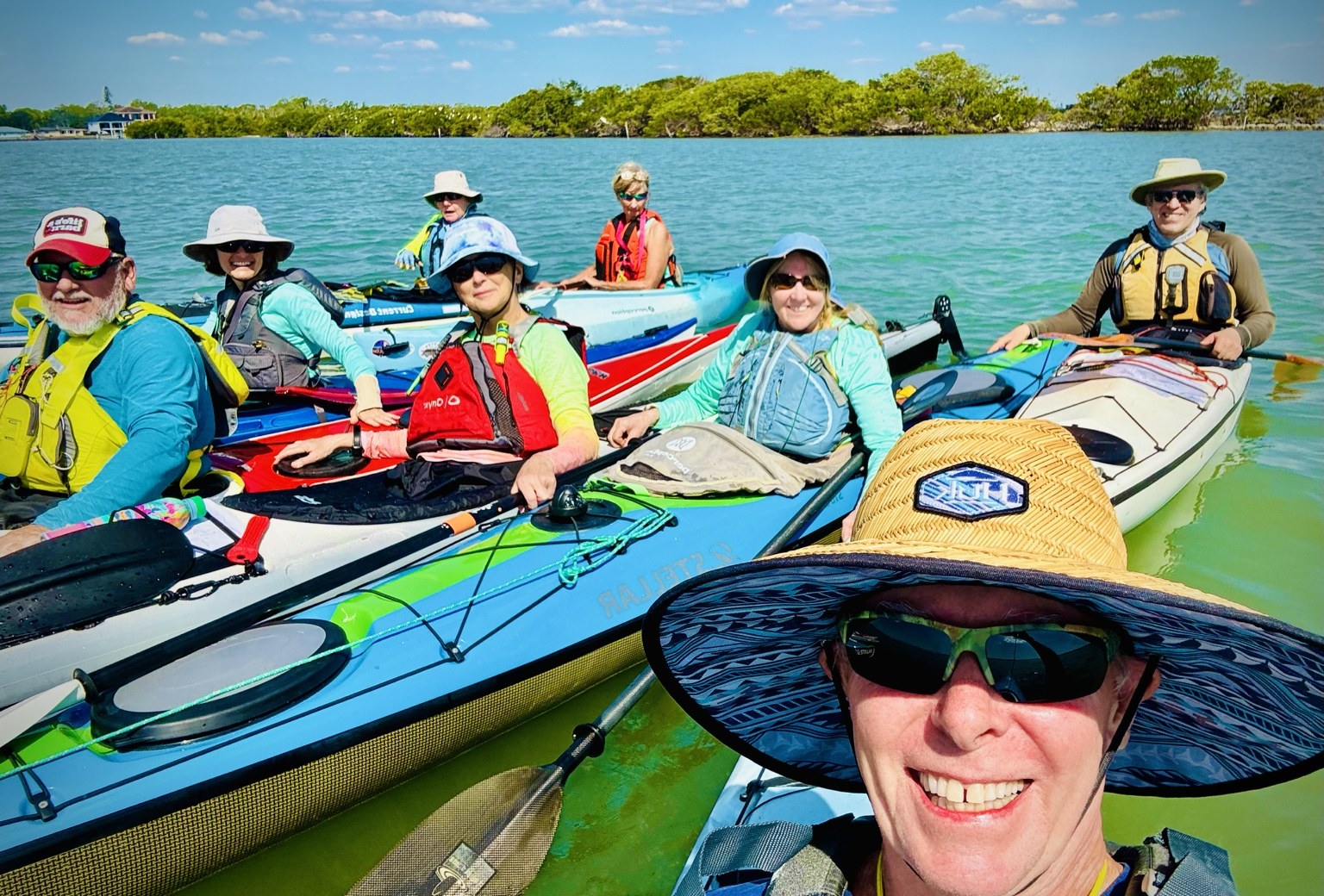
In 2026 I began helping with a Veterans Administration hospital program that introduces veterans living with PTSD to activities such as kayaking. Without the guidance of a dedicated group of volunteers, some participants might never have the opportunity to experience the quiet confidence, companionship, and sense of freedom that can come from moving through nature under their own power.
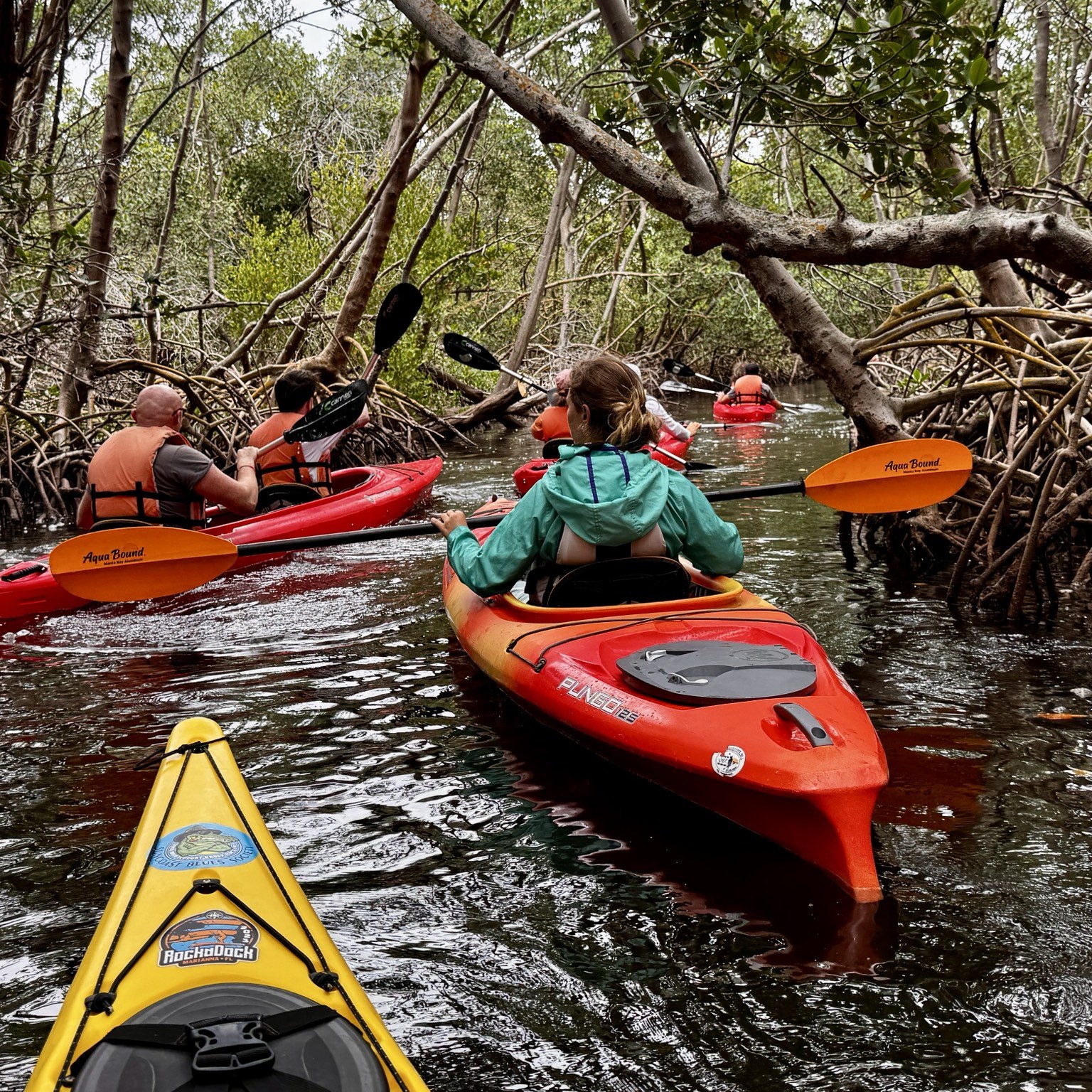
The volunteers do far more than simply provide boats. We help participants learn basic skills, feel secure on the water, navigate narrow mangrove trails, and discover that an unfamiliar activity can become something peaceful and rewarding. Watching someone begin the day uncertain and finish with a smile is one of the richest rewards paddling has ever given me.
Giving back has become an important part of the journey. So many people have shared their time, knowledge, friendship, and encouragement with me over the years. Helping within the community wherever I can is one way of returning some of that generosity.
Teaching Kayaking and Canoeing
Teaching has been a natural extension of my own paddling education. From my Appalachian Mountain Club whitewater kayak instruction 'safety boater' days, to helping beginners on Florida rivers and coastal water, I have always enjoyed passing along practical skills, sound judgment, and the confidence to make good decisions. Good instruction is not about showing how much the instructor knows; it is about helping each paddler become safer, calmer, and more confident and independent.
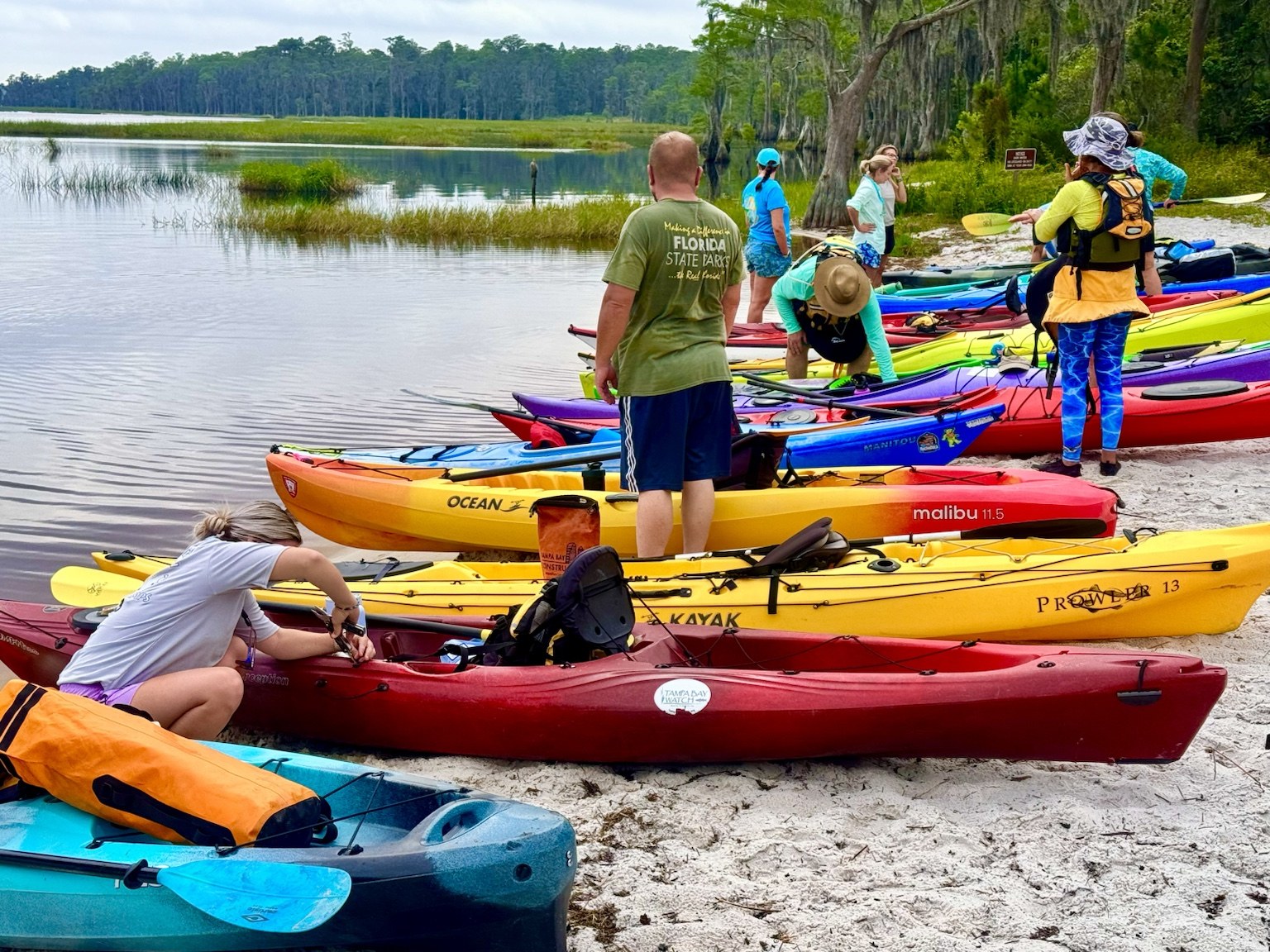
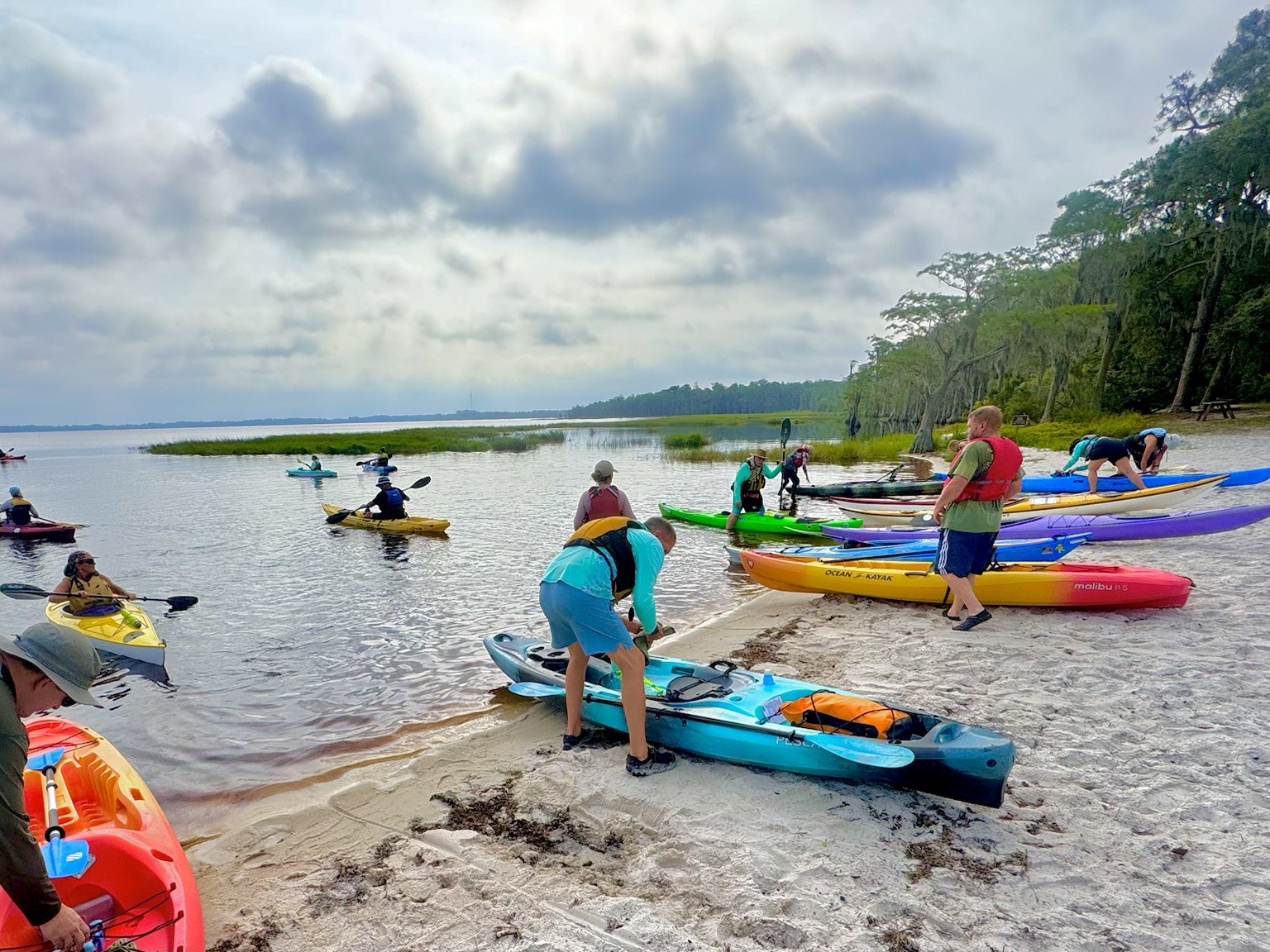
That philosophy also guides the trips I organize and lead. Safe leadership begins before anyone launches: choosing appropriate water, discussing weather and tides, fitting safety equipment, establishing communication, and making sure every participant understands the plan.
Annual Refresher Training Helps Me Live to Paddle Another Day
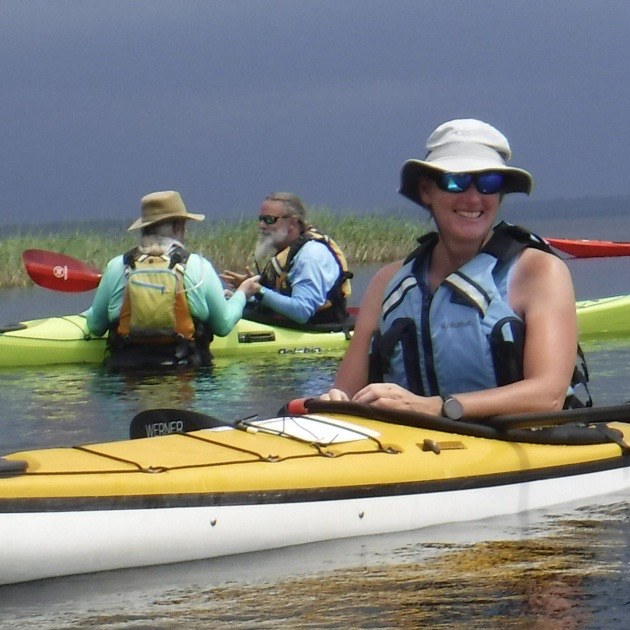
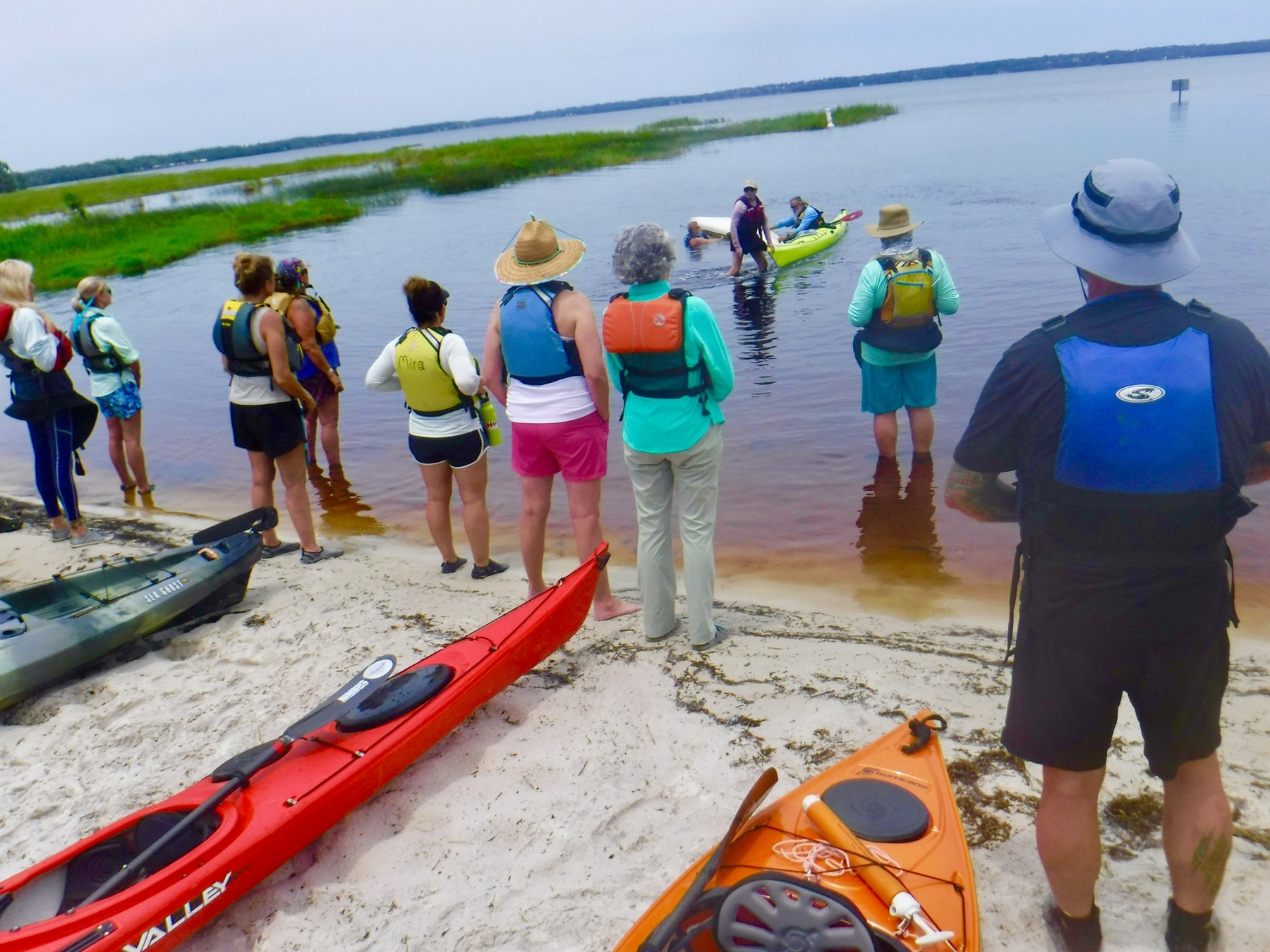
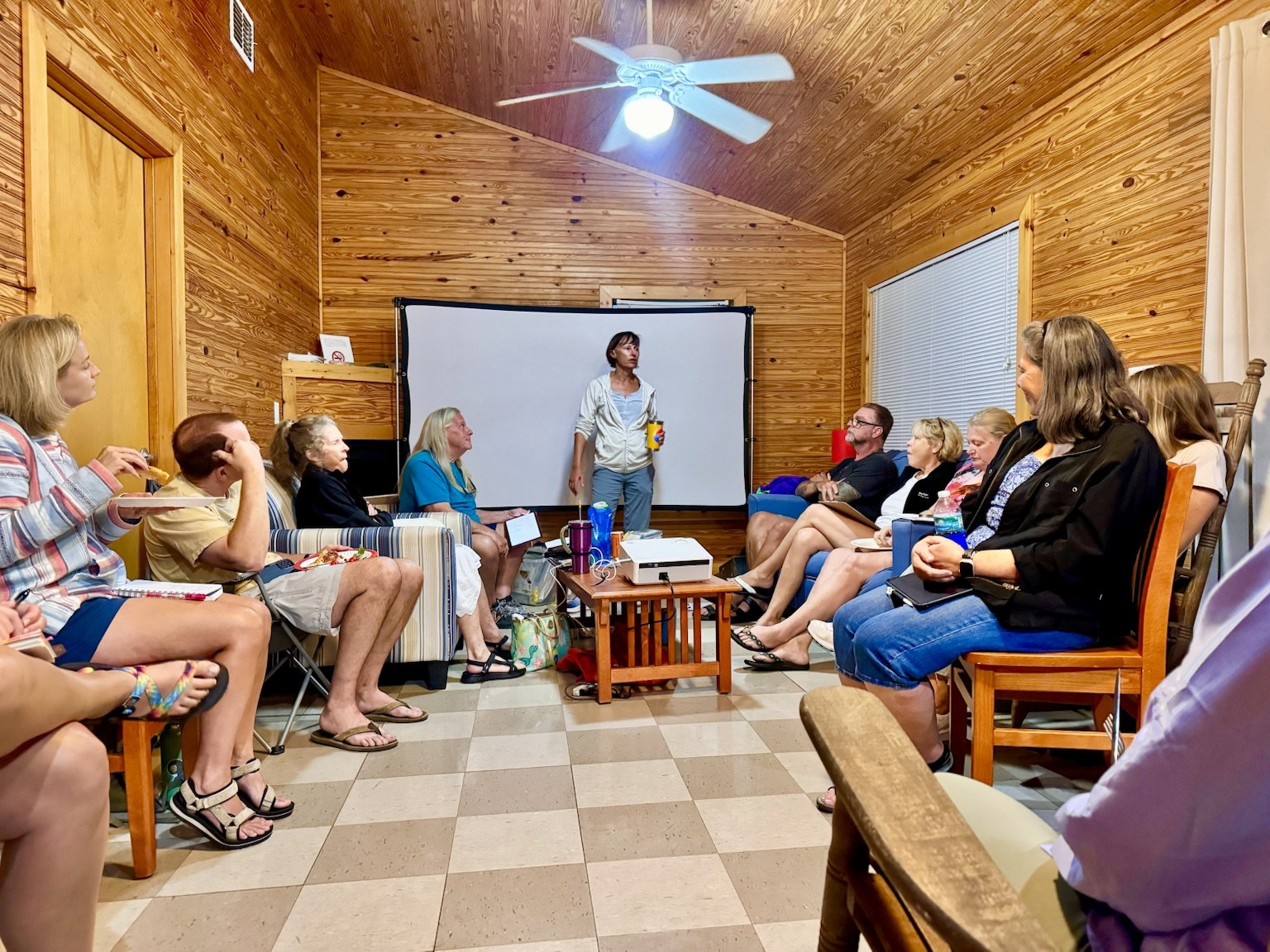
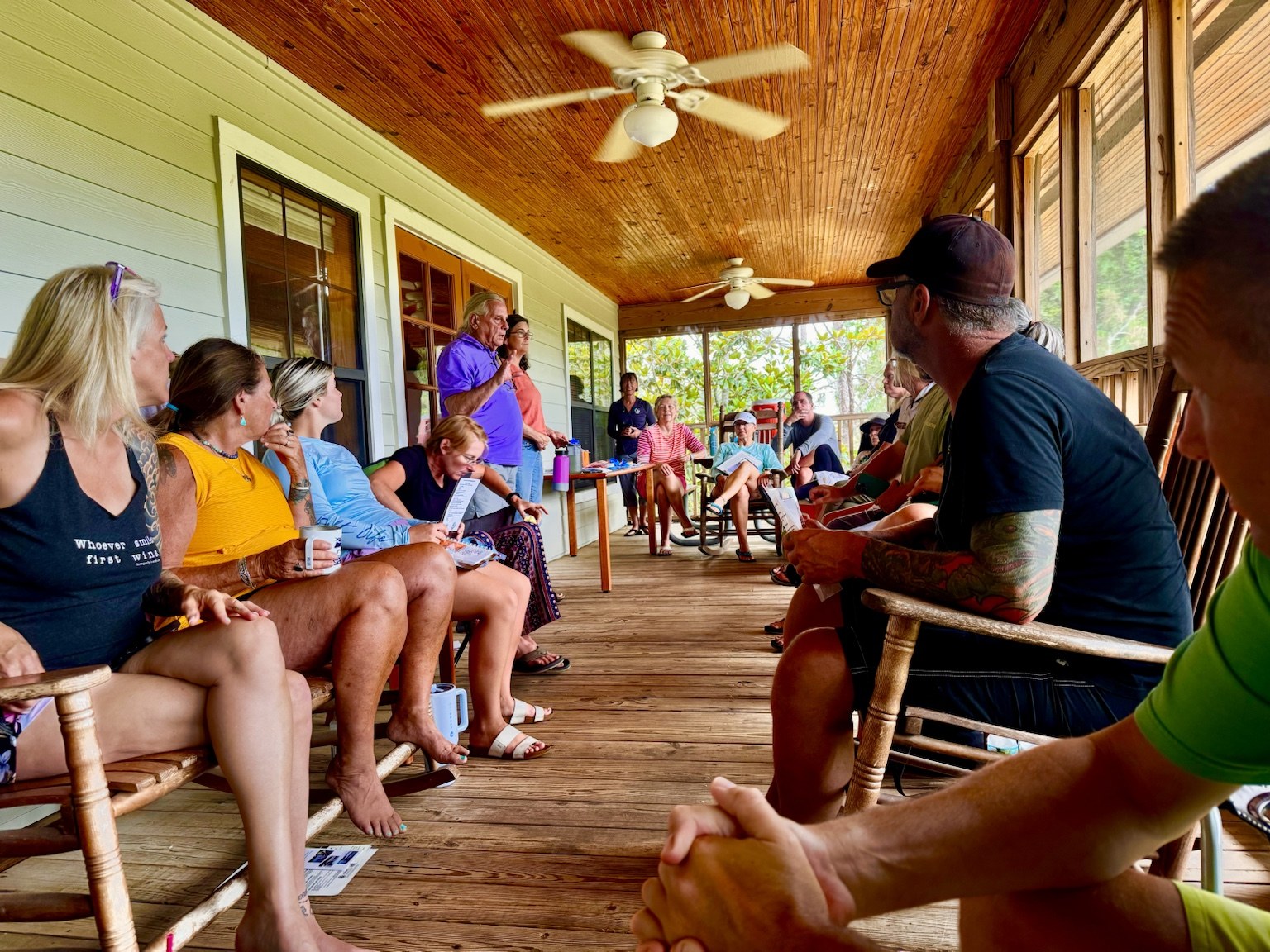
No matter how many years someone has spent on the water, rescue and leadership skills fade unless they are practiced. One of my most valuable continuing-education experiences recently was an intensive four-day program sponsored by the Florida Department of Environmental Protection and partner agencies. The course provided advanced rescue, leadership, risk-assessment, group-management, and emergency decision-making instruction for experienced paddlers and trip leaders.
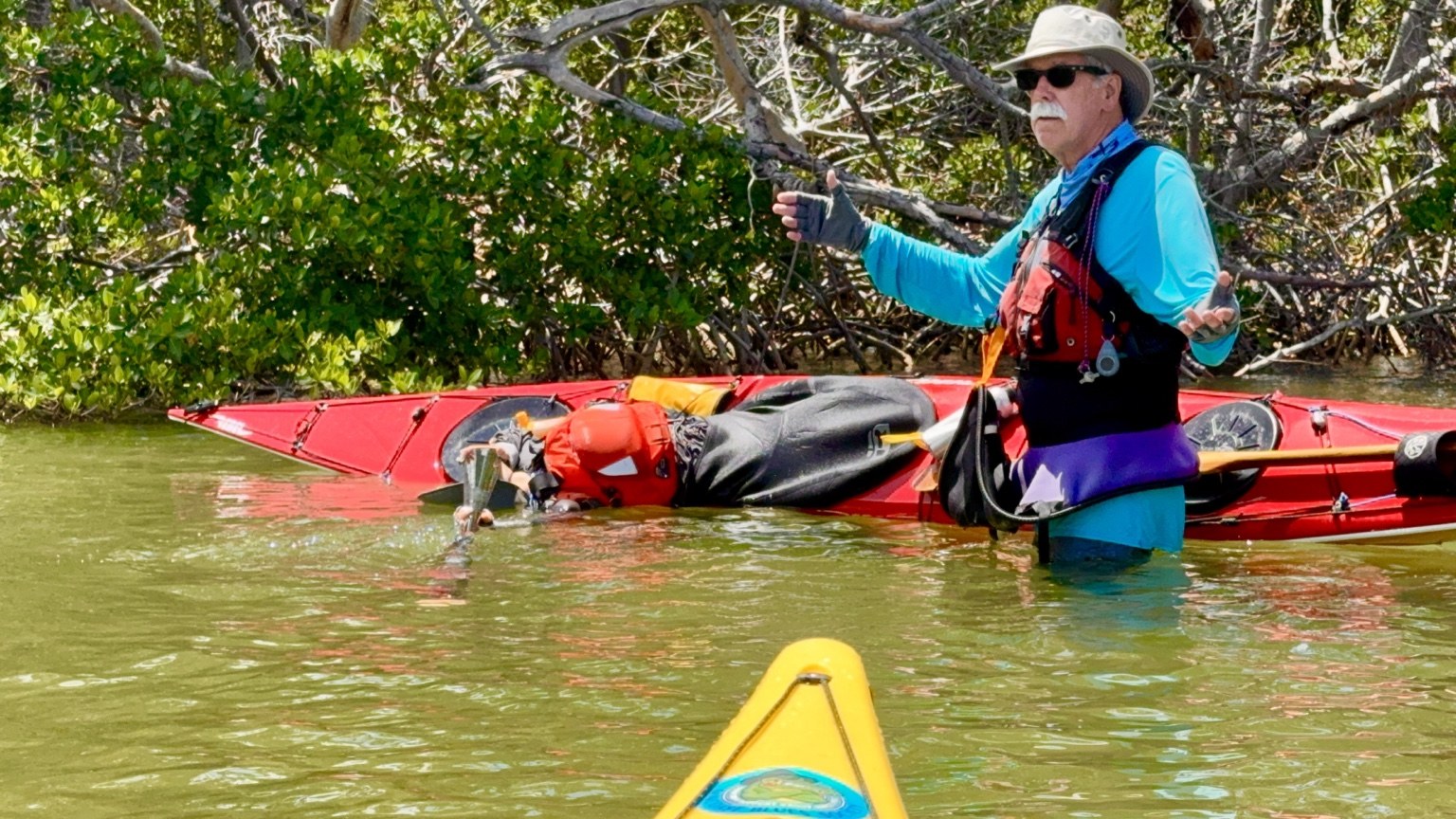
I also take part in monthly instructional weekends organized by volunteers with the Tampa Bay Sea Kayakers. These sessions provide a supportive place to practice assisted rescues, self-rescues, towing, re-entry techniques, boat handling, communication, and leadership. Repeating these skills under controlled conditions makes it much more likely that they will be available when a real problem develops. Definitely join this group if you want to improve both your skills and your level of safety.
The best paddlers remain students. Refresher training helps me protect myself, assist others, lead more responsibly, and—most importantly—live to paddle another day.
Buddyboy—My Favorite Deckhand
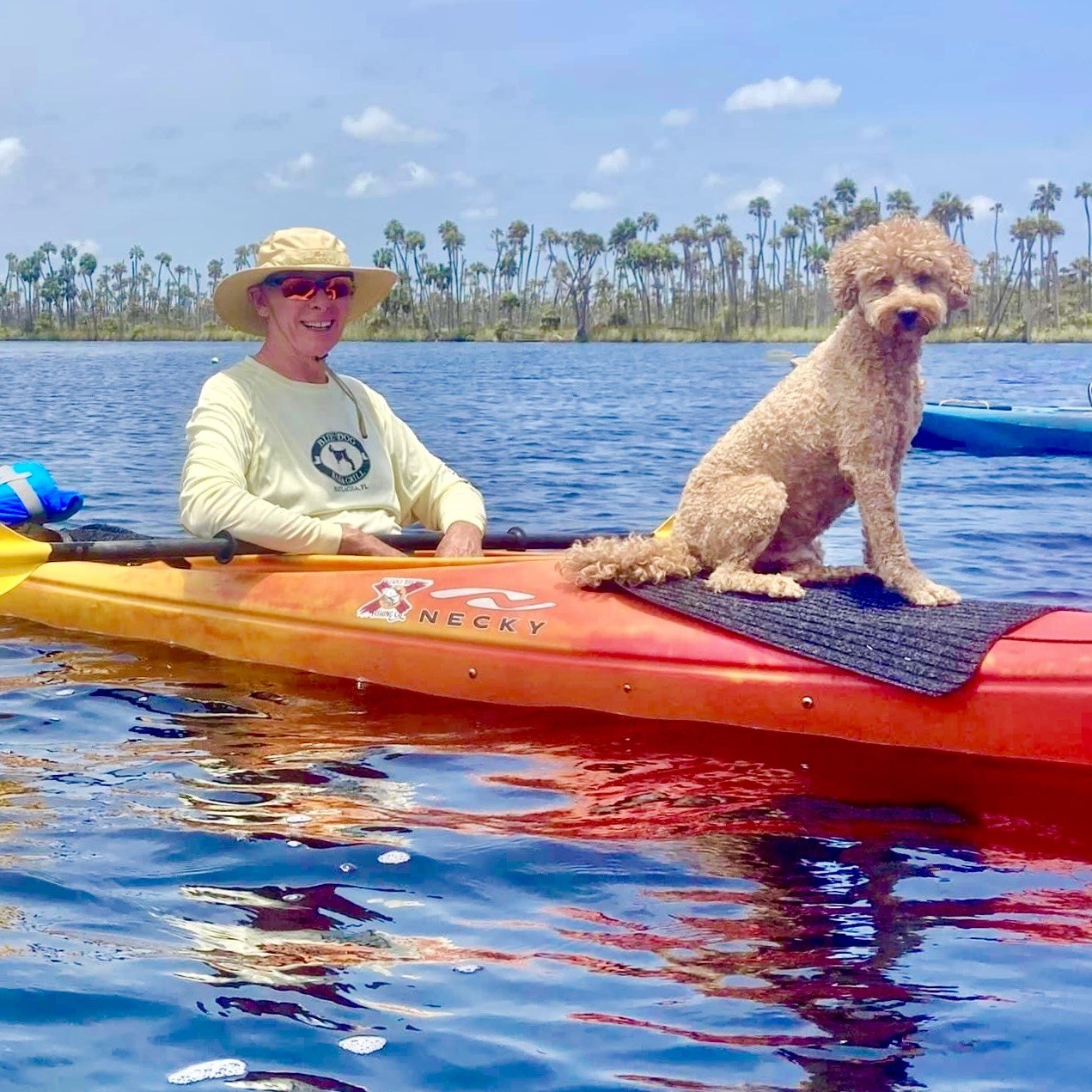
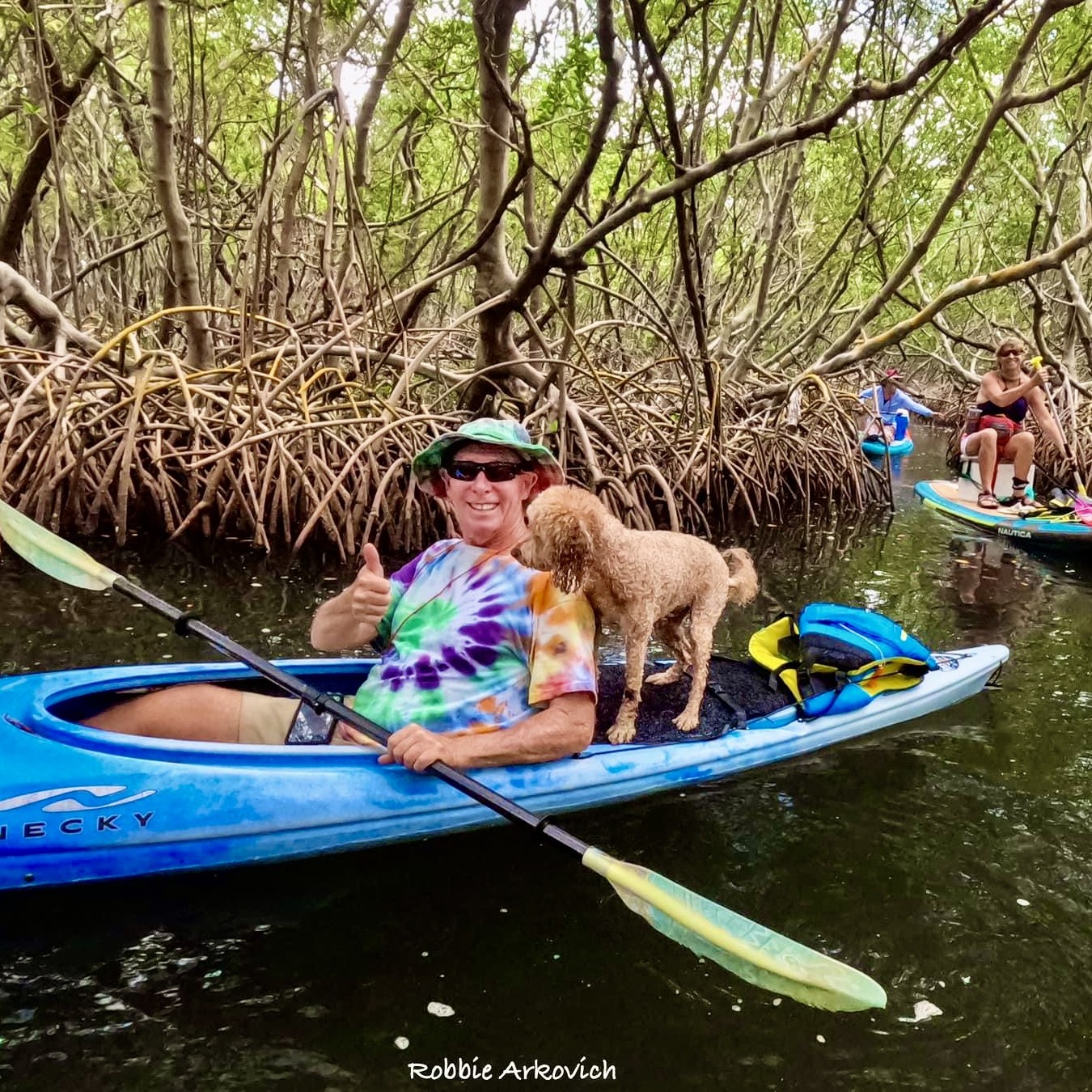
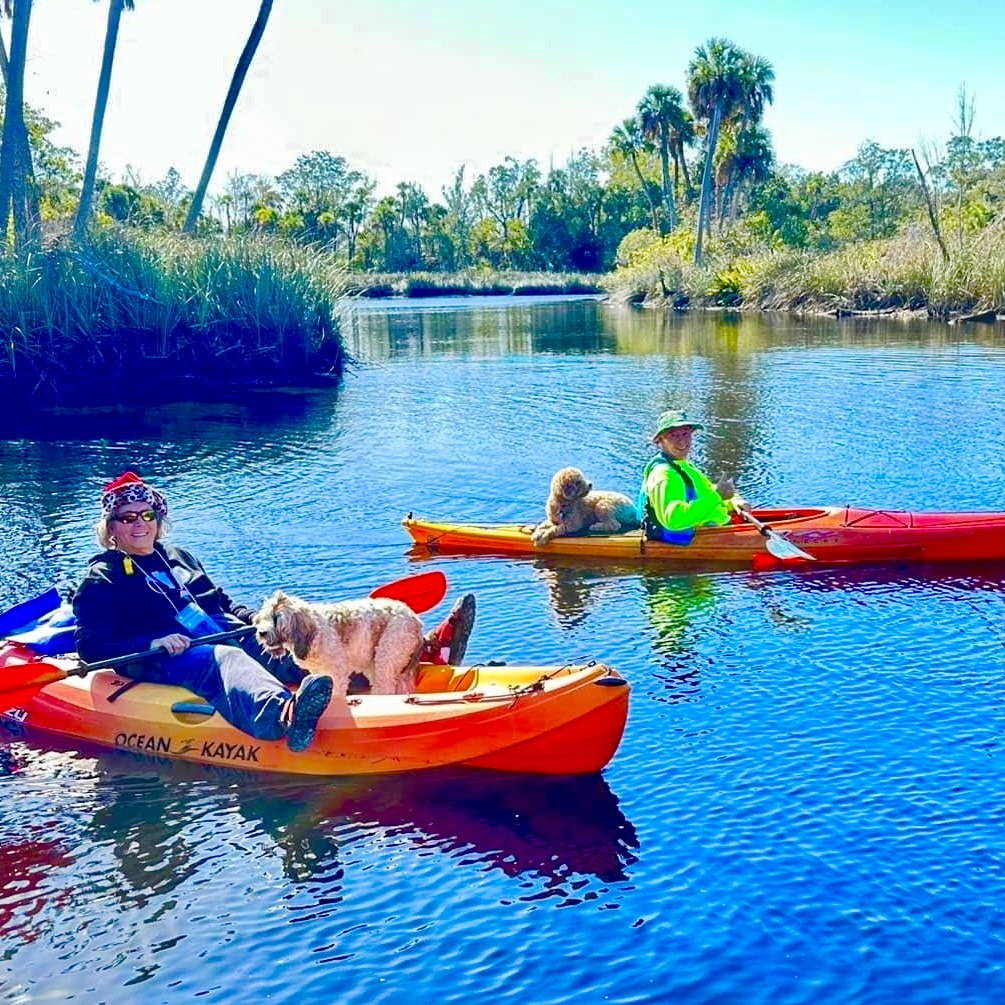
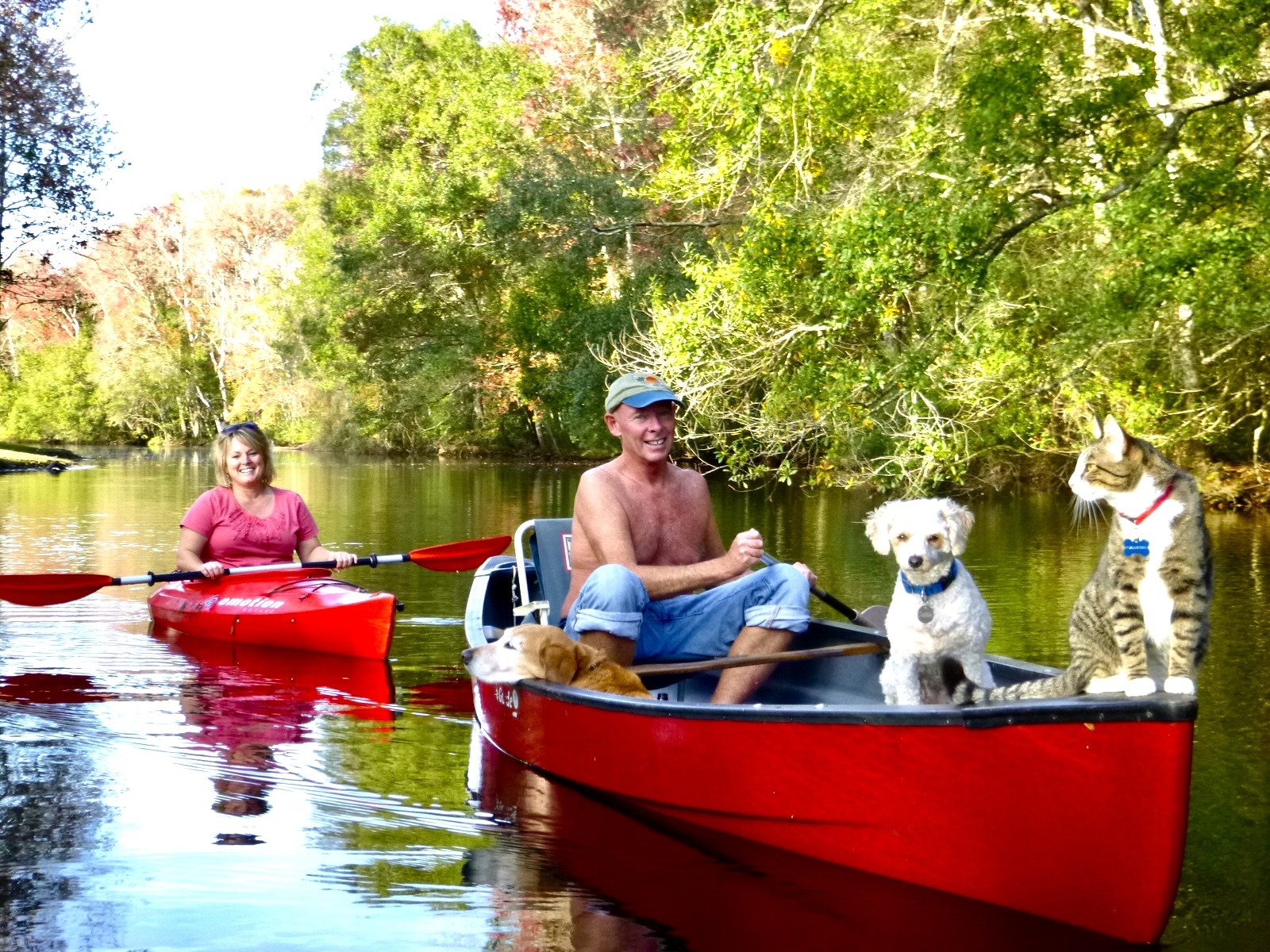
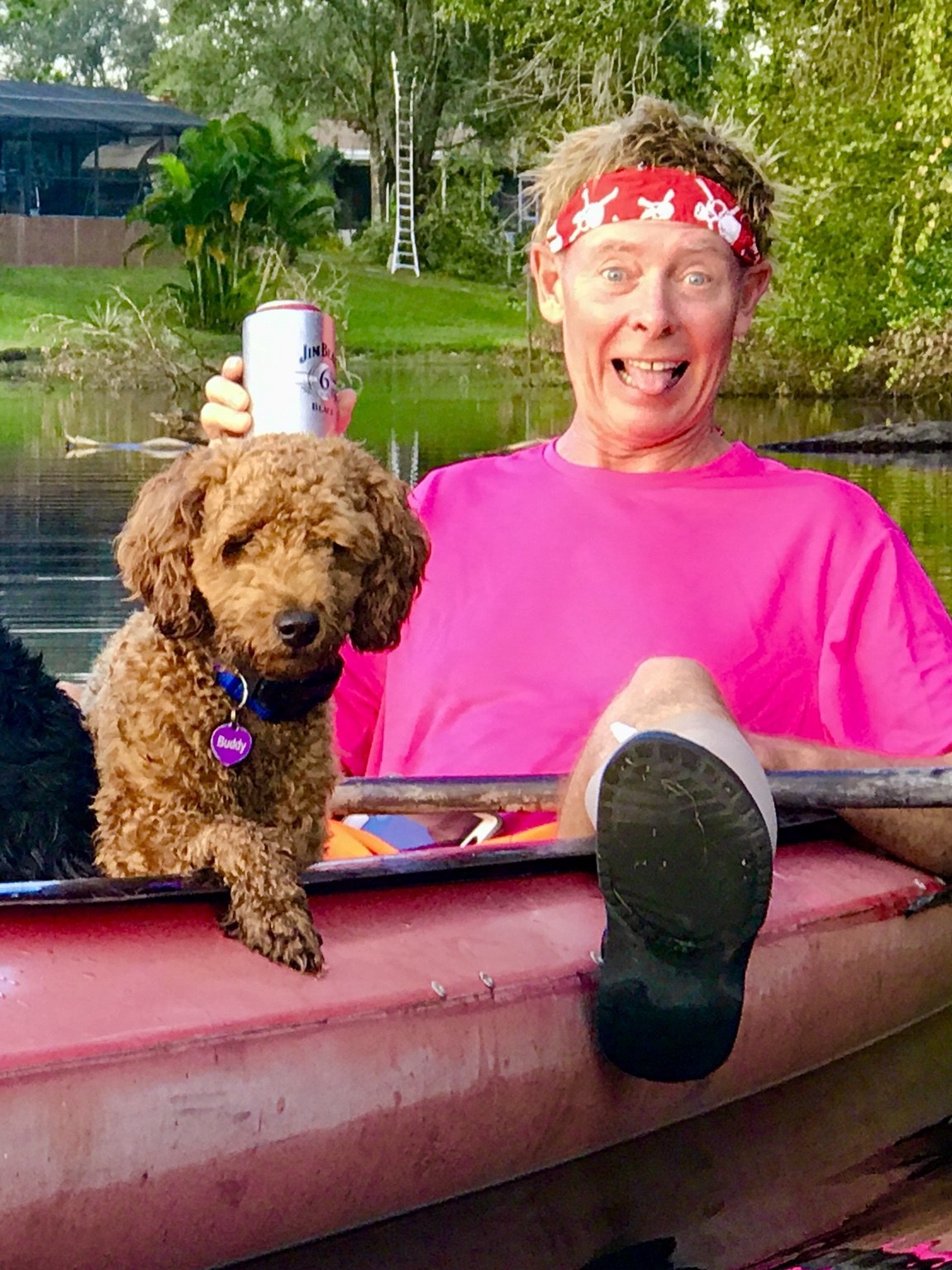
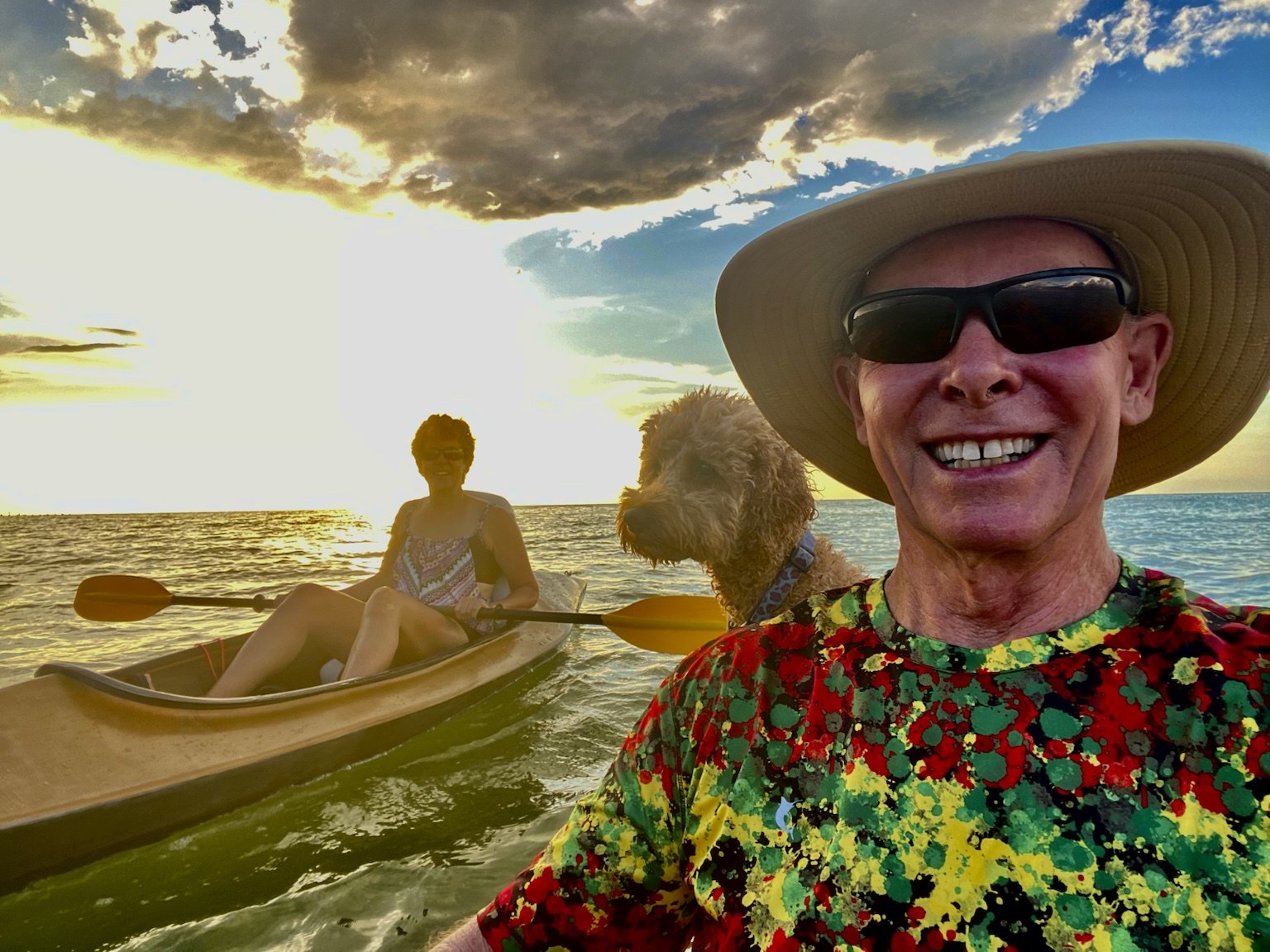
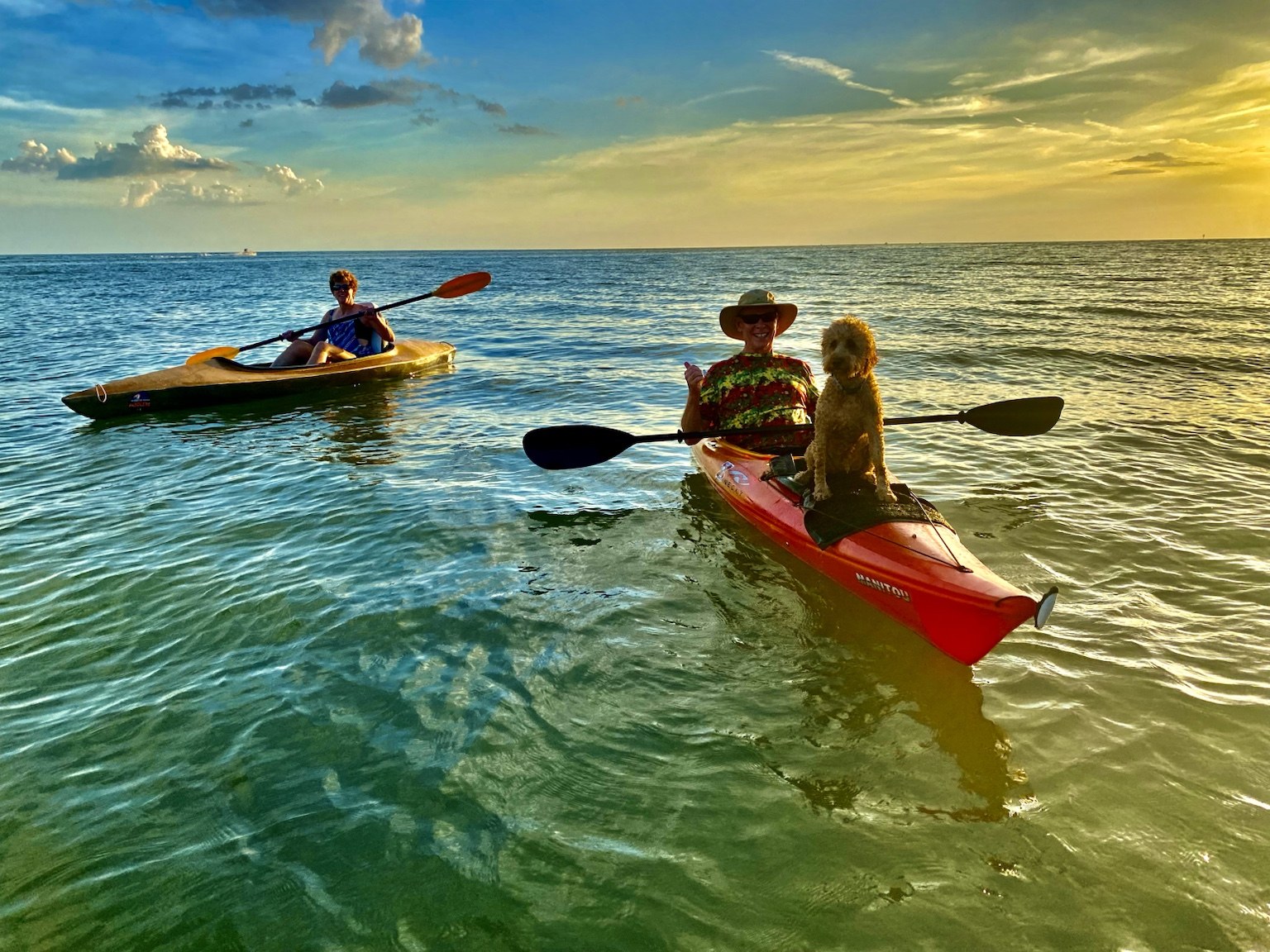
Buddyboy has become an enthusiastic part of the paddling story. He rides on kayak decks and canoe floors, explores beaches, watches wildlife, and seems perfectly content whenever the boat begins moving. His presence turns even a familiar local paddle into a shared adventure.
Florida Water and the Traveling Boat Yard
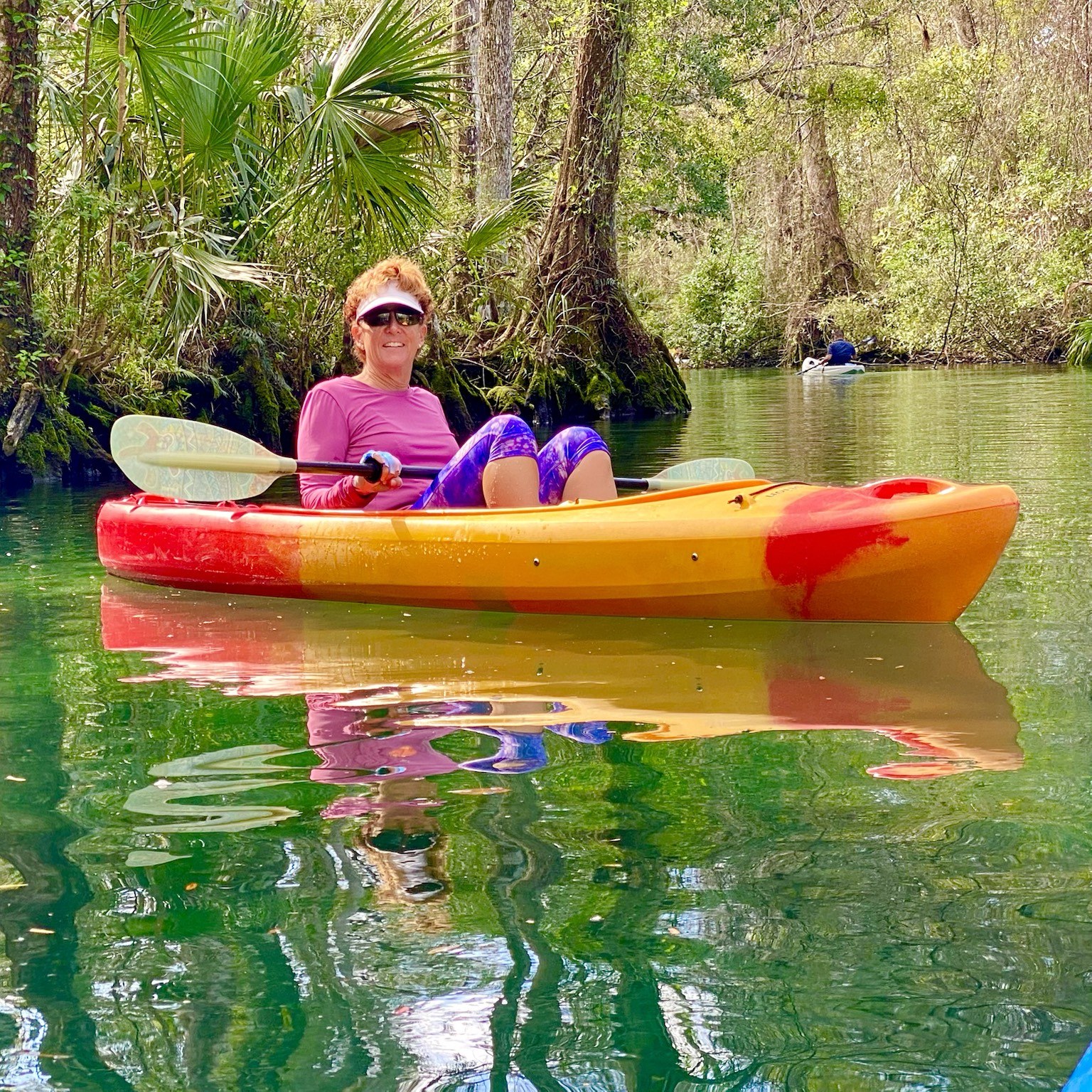
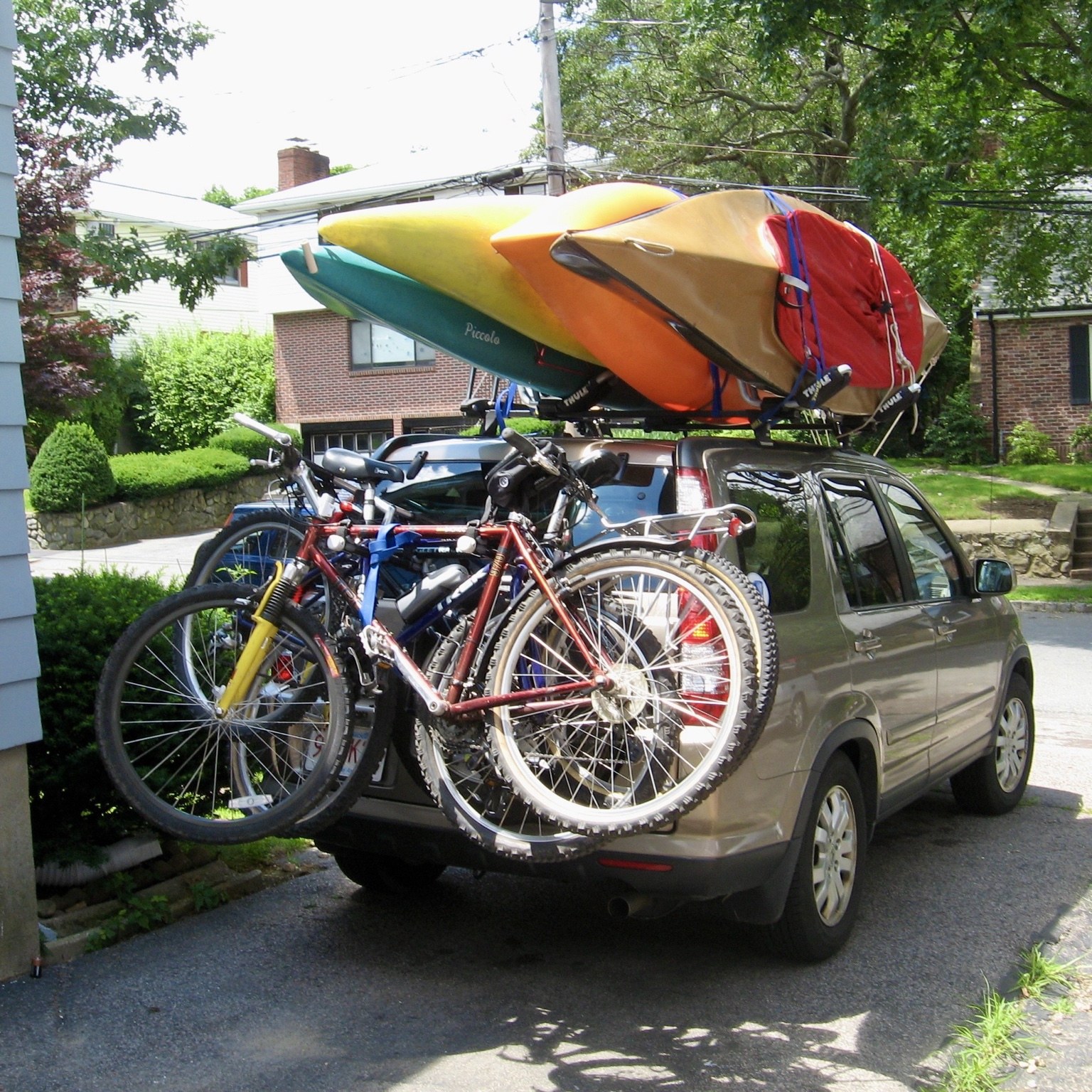
Florida opened an entirely new world of clear springs, mangrove tunnels, tidal passes, Gulf beaches, and subtropical rivers. Whether the vehicle carried one boat or looked like a traveling boat yard, the goal remained the same: get outside, put a paddle in the water, and see what was around the next bend.
RockADock
RockADock is a week-long paddling festival held each September at Florida Caverns State Park. Paddlers from throughout Florida and across the East Coast gather at the campground for a relaxed week of paddling, camping, music, friendship, and fun.
There is no single large organized paddle. Instead, people form small groups each morning and head out to a different river, spring, creek, or mill pond. Some trips are easy and leisurely, while others are longer or more adventurous. Because everyone shares the same campground for the week, the friendships continue long after the boats are put away. Many lifelong friendships have begun around the campfires, on the river, and during the evening gatherings.
One campground, many rivers, and a new adventure every day. RockADock has grown into one of the highlights of my paddling year and one of the most enjoyable paddling communities I have ever known.
Places That Shaped My Paddling Life
This map highlights a selection of western rivers, New England whitewater, Florida springs, local coastal routes, and group-trip destinations. It is not every place I have paddled—only a beginning.
Featured stories include the Green River, Snake River, New England whitewater, Weeki Wachee, Hurricane Pass, Caladesi Island, Honeymoon Island, Robinson Preserve, the Little Manatee River, Holmes Creek, Merritt's Mill Pond, and the Santa Fe River.
More Paddling Photographs
Every photograph on this page is clickable for a larger view.