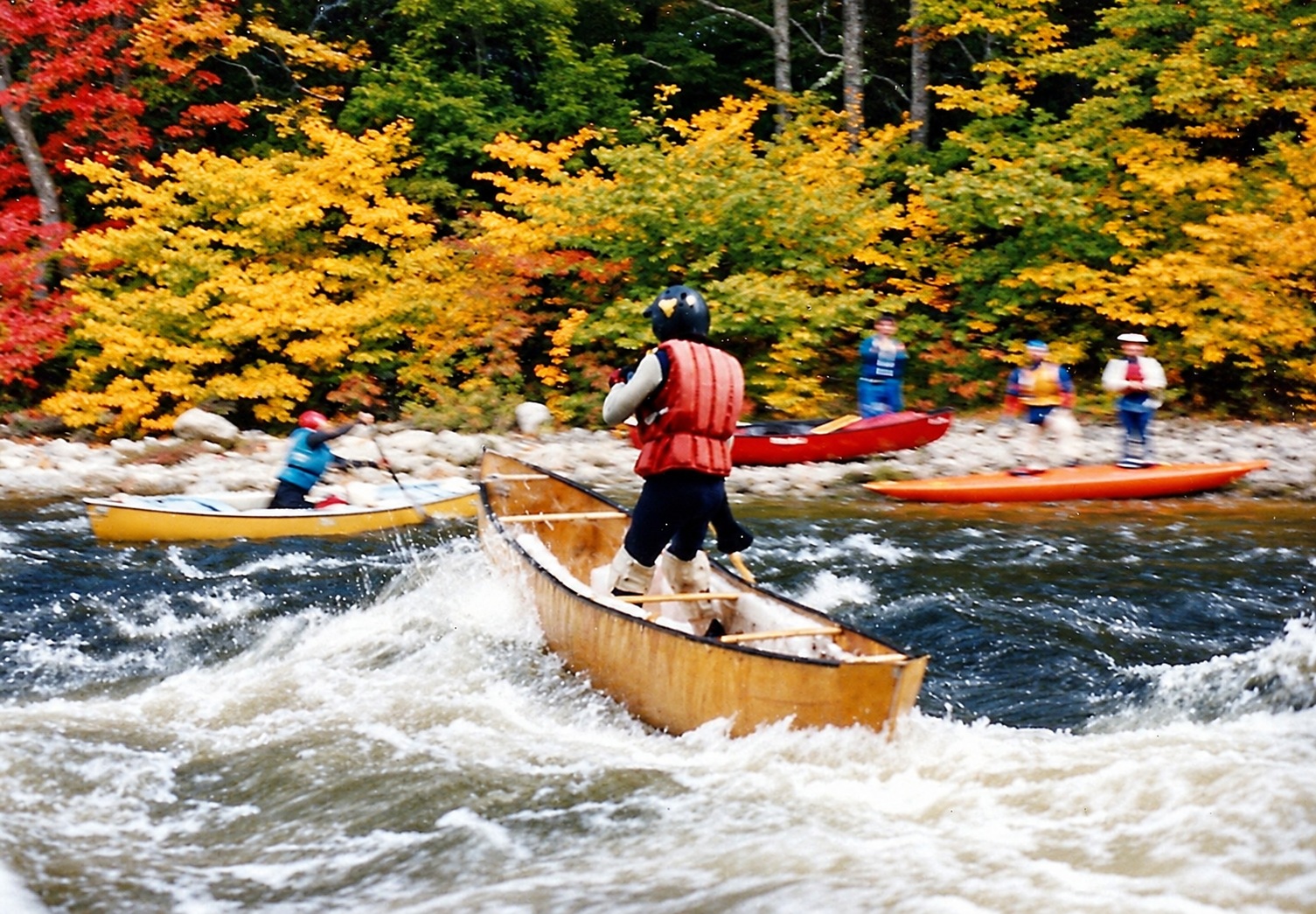
Where it began; Vancouver Island in British Columbia
My first western trip in 1987 sparked my interest in whitewater. I had rafted with college roommates before through the famous Cribworks on the Penobscot River in Maine, but I had never paddled a canoe or kayak. My first time ever in a kayak was at Nanaimo in British Columbia, where I rented one for a sunset whale-watching paddle out around the San Juan Islands. Along the vertical walls of the coves, we counted five different kinds of starfish, and I was hooked. Seeing rafting and kayaking out West made me want to learn.
Back in New England, I took whitewater canoeing instruction through the Appalachian Mountain Club in 1988, as soon as I got back from that ’87 road trip. A year later, because it looked like a whole lot more fun, I enrolled in several courses for whitewater kayaking instruction. We spent a lot of time on lakes practicing strokes, wet exits, and other basic skills before moving on to a weekend on the river. That was where I really got hooked.
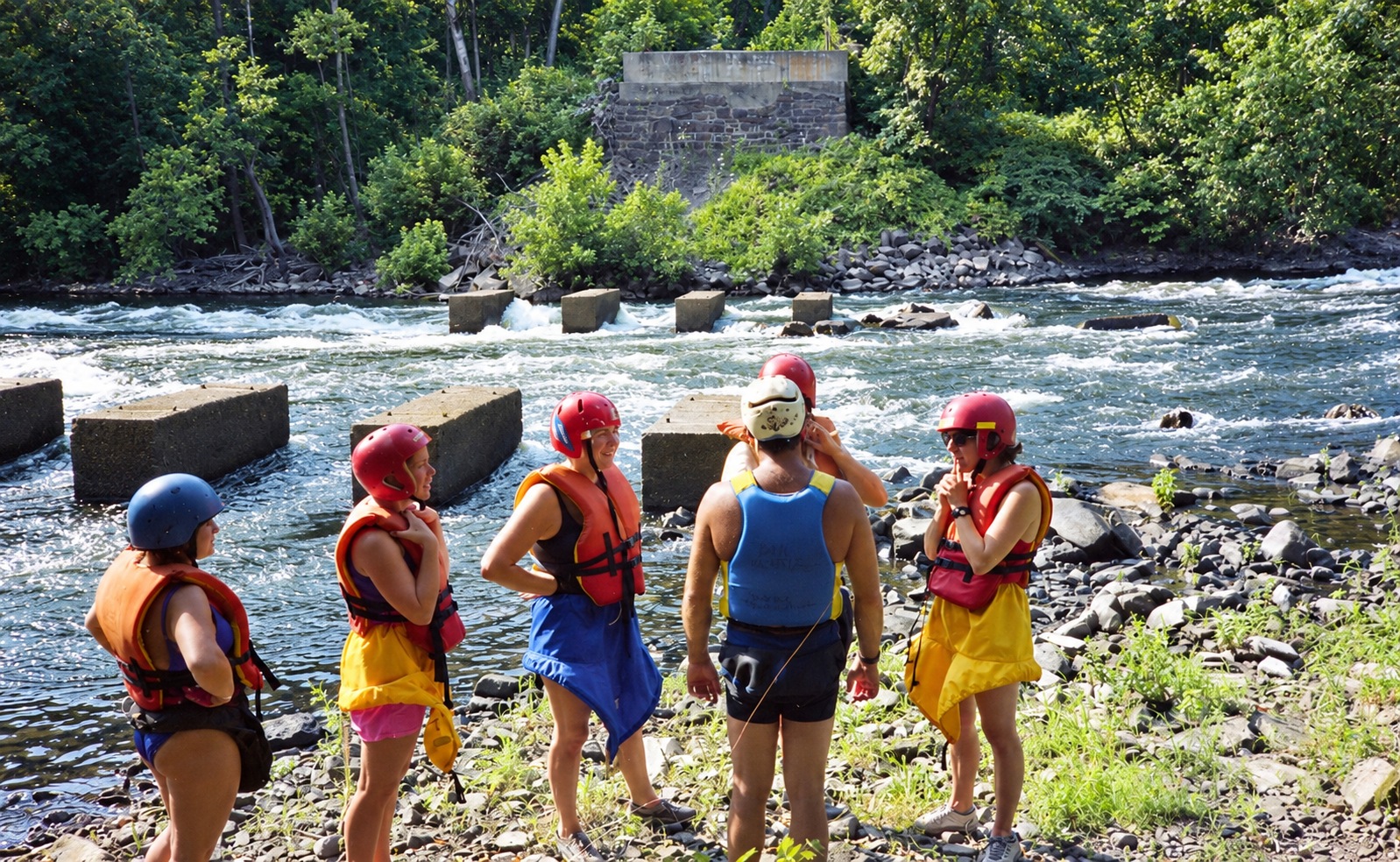
Weekends on New England rivers
During the 1990s, I went whitewater paddling with the AMC almost every weekend, traveling through New Hampshire, Vermont, Connecticut, and Maine. Among the rivers I remember paddling were the Saco in New Hampshire and Maine and the Androscoggin around Berlin, along with many others nearby.
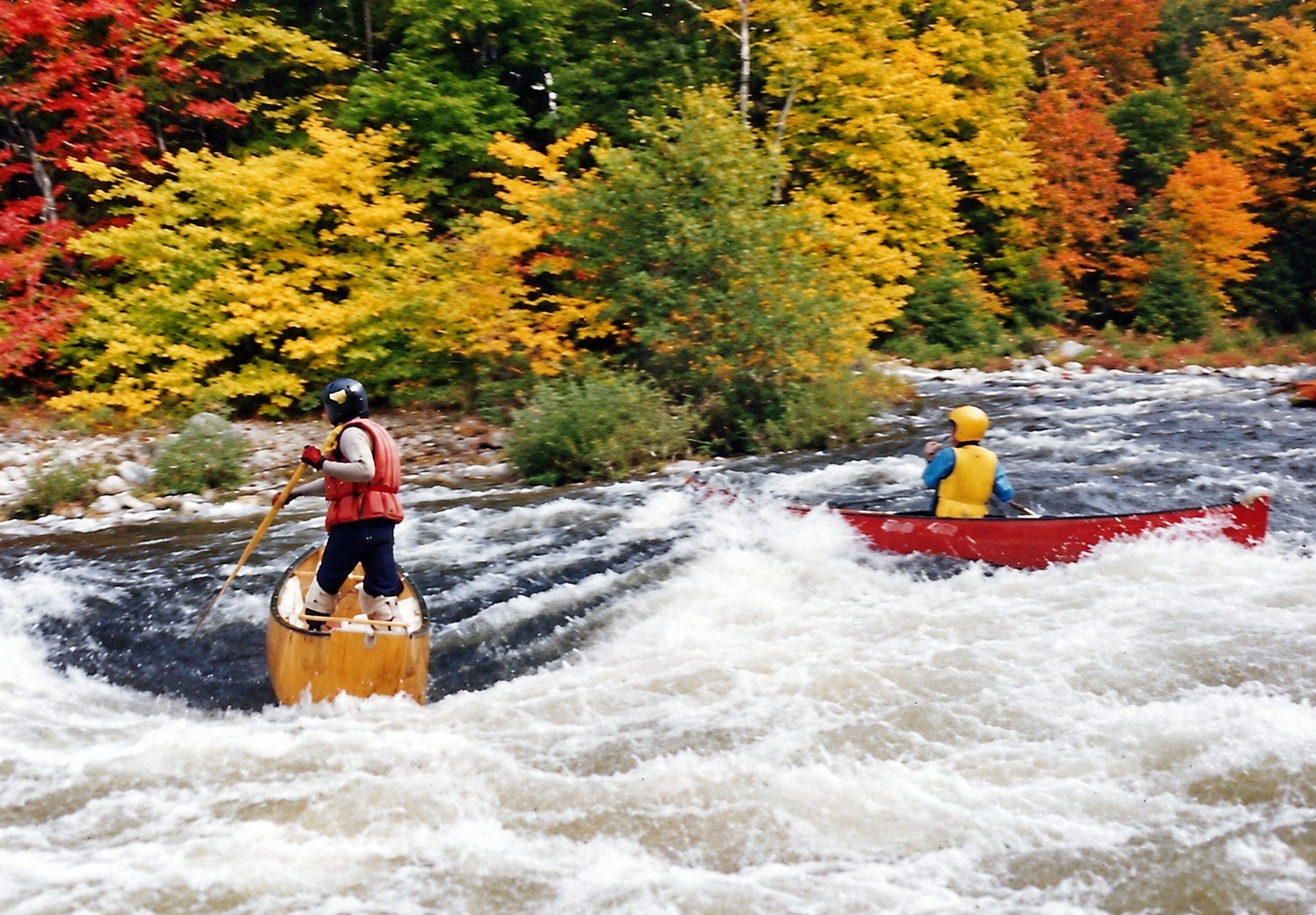
We always paddled the West River dam release on the first weekend in October. It was incredible, with warm water coming out of the reservoirs as they were drawn down to make room for winter precipitation storage. The fall colors that first week of October were always spectacular. We all camped at Jamaica State Park, sharing incredibly fun campfires and evenings together along with amazing days on the river.
A lot of the best paddling in New England was during the March and April snowmelt, which was generally freezing cold. We often wore 5-millimeter diving wetsuits from head to toe to protect ourselves from the cold. I remember bringing gallon jugs of very warm water from home and pouring it into our wetsuits at the launch before getting into our boats, just to start off a little warm. We would soon be soaked to the bone, especially anyone who was really pushing themselves.
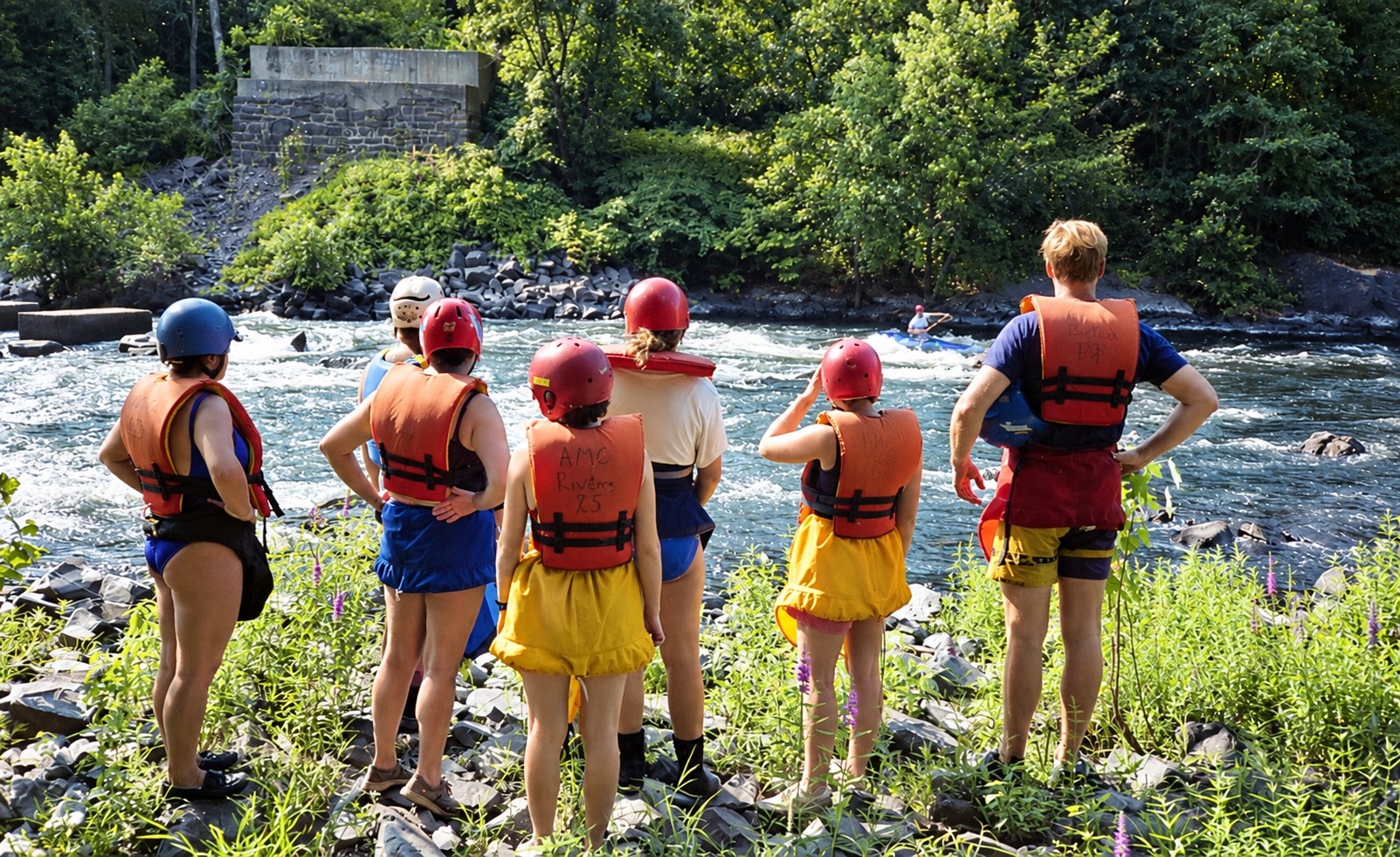
Learning, then helping others
I became an AMC whitewater instructor and volunteered as a rear safety boater for beginners. Following behind the group meant helping new paddlers and rescuing people when things went wrong. Those weekends brought many friendships and taught me skills that have stayed with me throughout my paddling life.
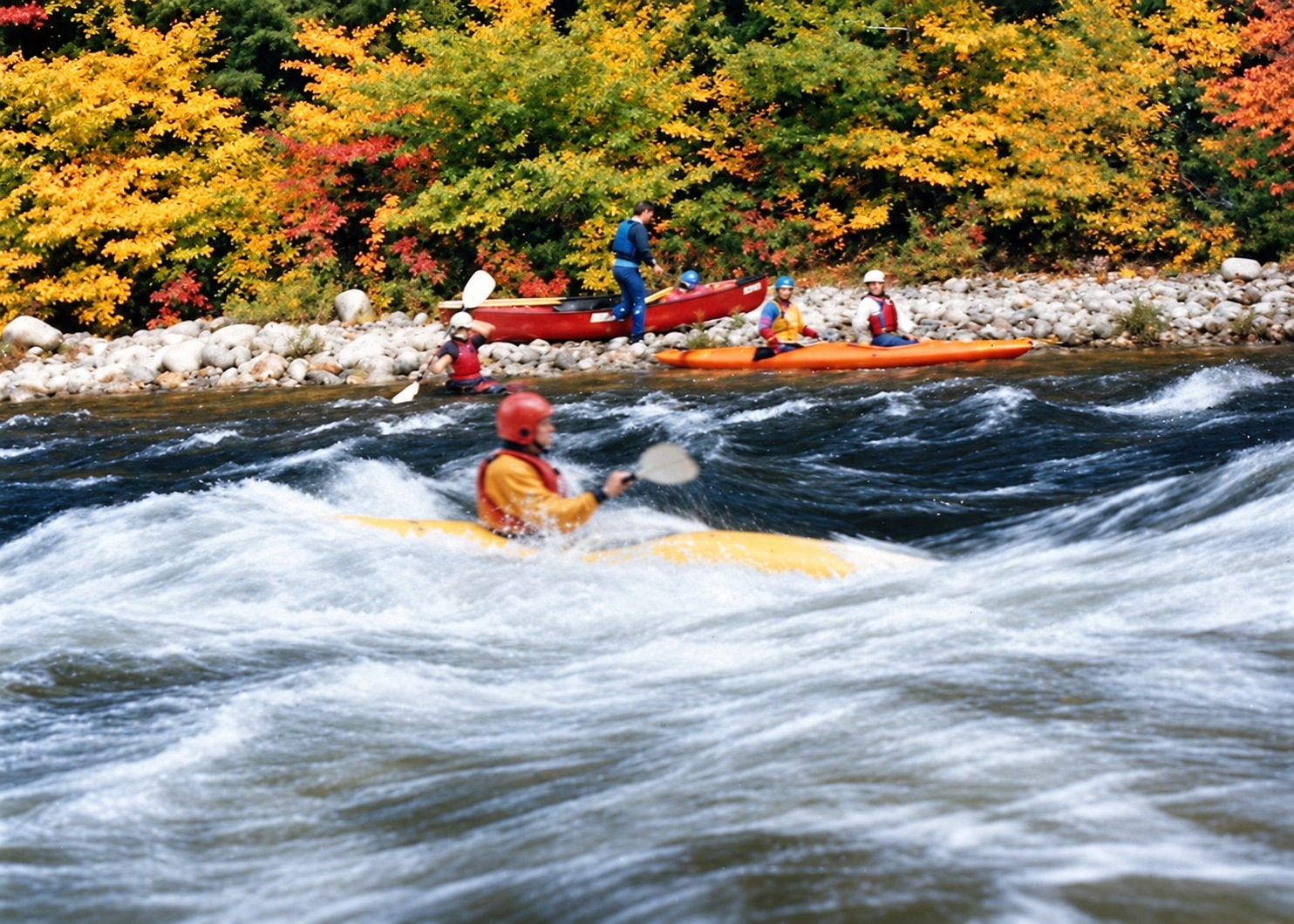
From canoe to kayak
I eventually switched from whitewater canoeing to kayaking because finding a canoe partner was difficult, especially when I had weekdays available. A kayak gave me more flexibility to choose my own lines, try more challenging water, and develop my skills.
A volunteer community
The AMC program was run by volunteers, with essentially no fees. The people receiving instruction covered the volunteers’ meals and accommodations. It was a way to spend weekends paddling, share what we had learned, and help others discover the rivers.