Home to a Little A-Frame
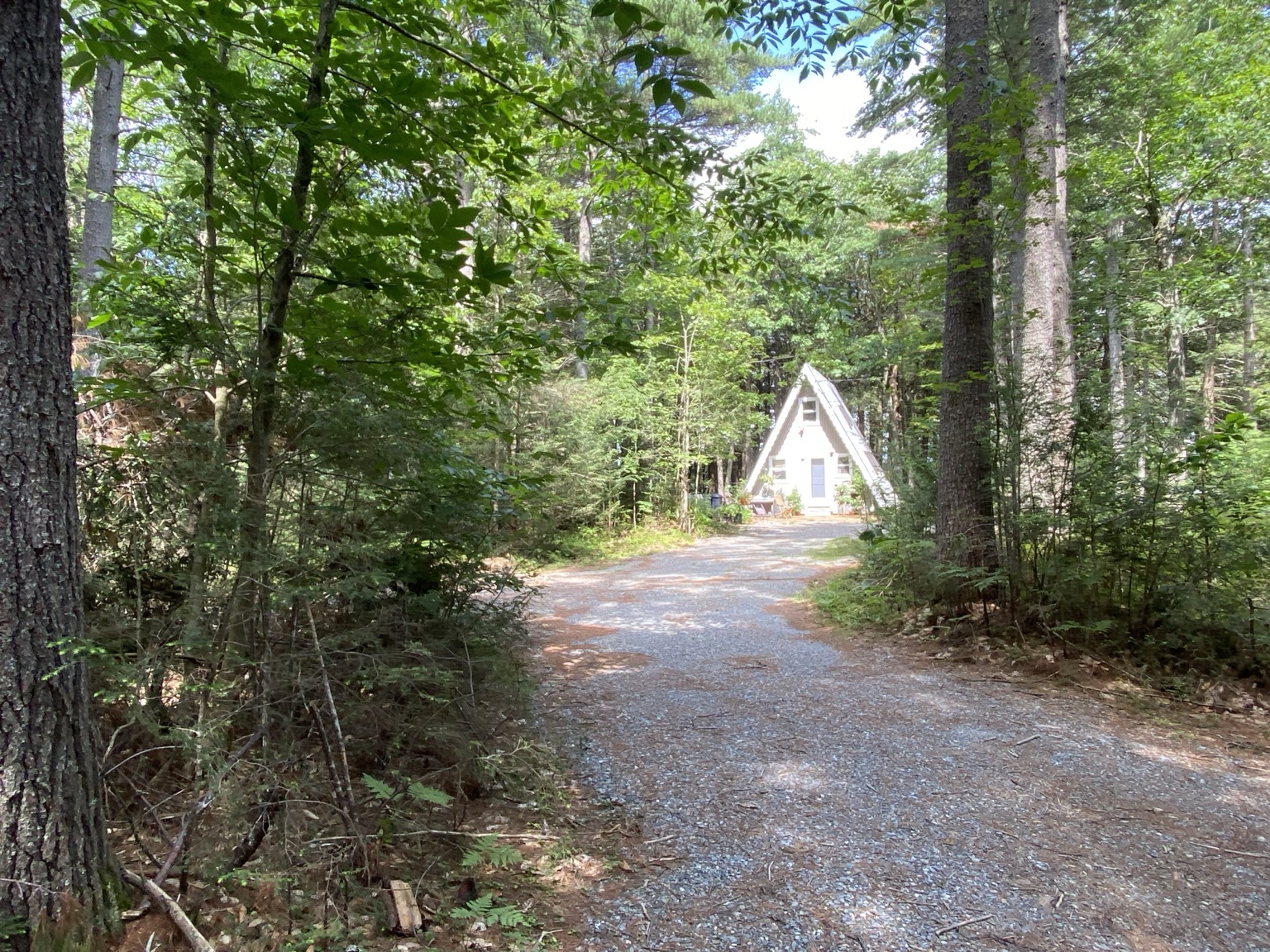
I was not looking for a grand house. I wanted water, woods, mountains, and quiet. The small A-frame at Billy Ward Pond offered all of that, along with a dirt road, a wooded driveway, and enough space to live simply and well. It was exactly what I wanted, and it turned out to be exactly what I needed.
A friend introduced me to the place, owned by Bruce Marble, a local builder who took good care of the property and the surrounding land. The first time I drove down the dirt road and saw the pond through the trees, I knew it was different. Mount Watatic rose nearby. A breeze moved across the water. The whole setting simply felt right.
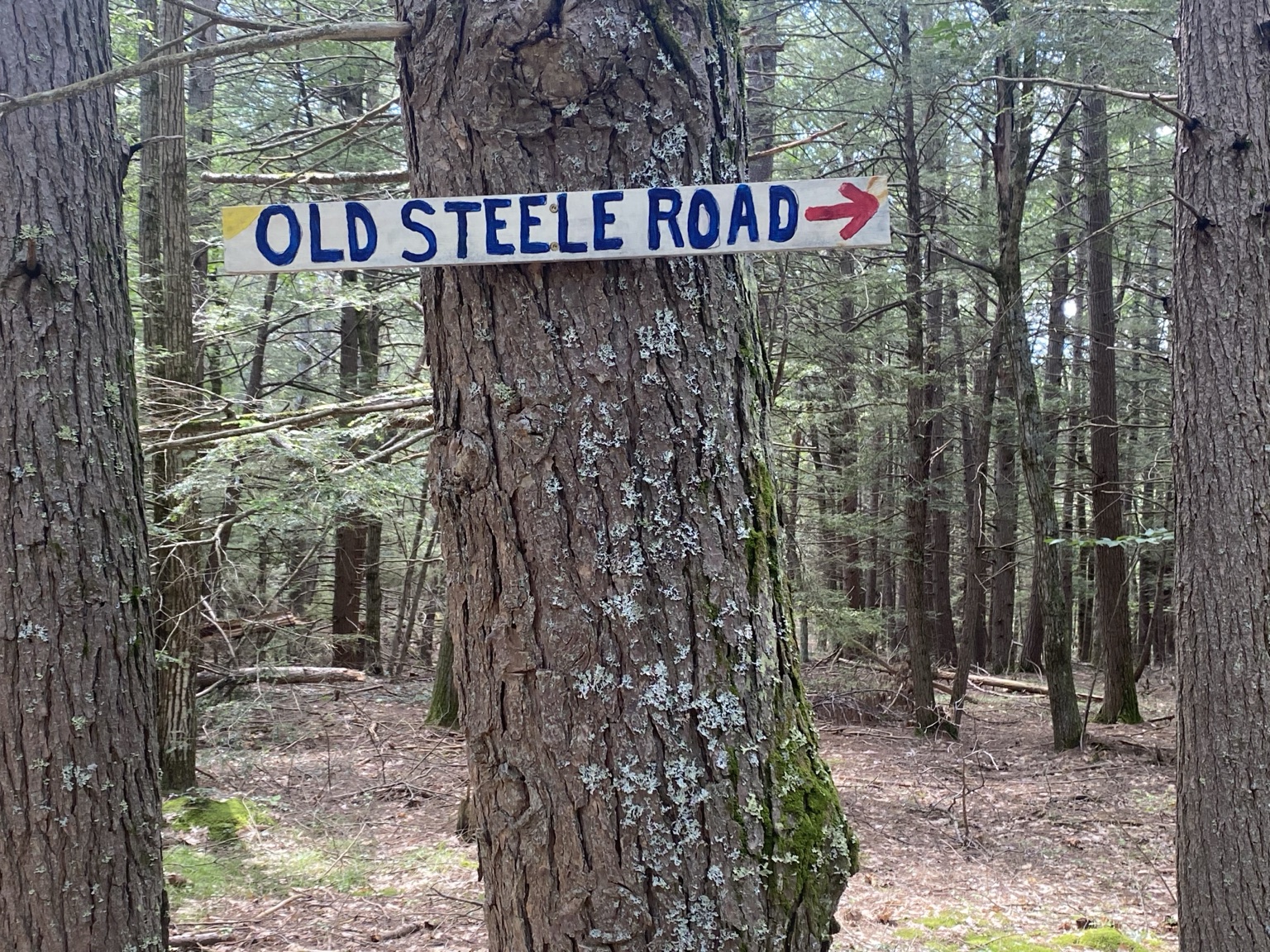
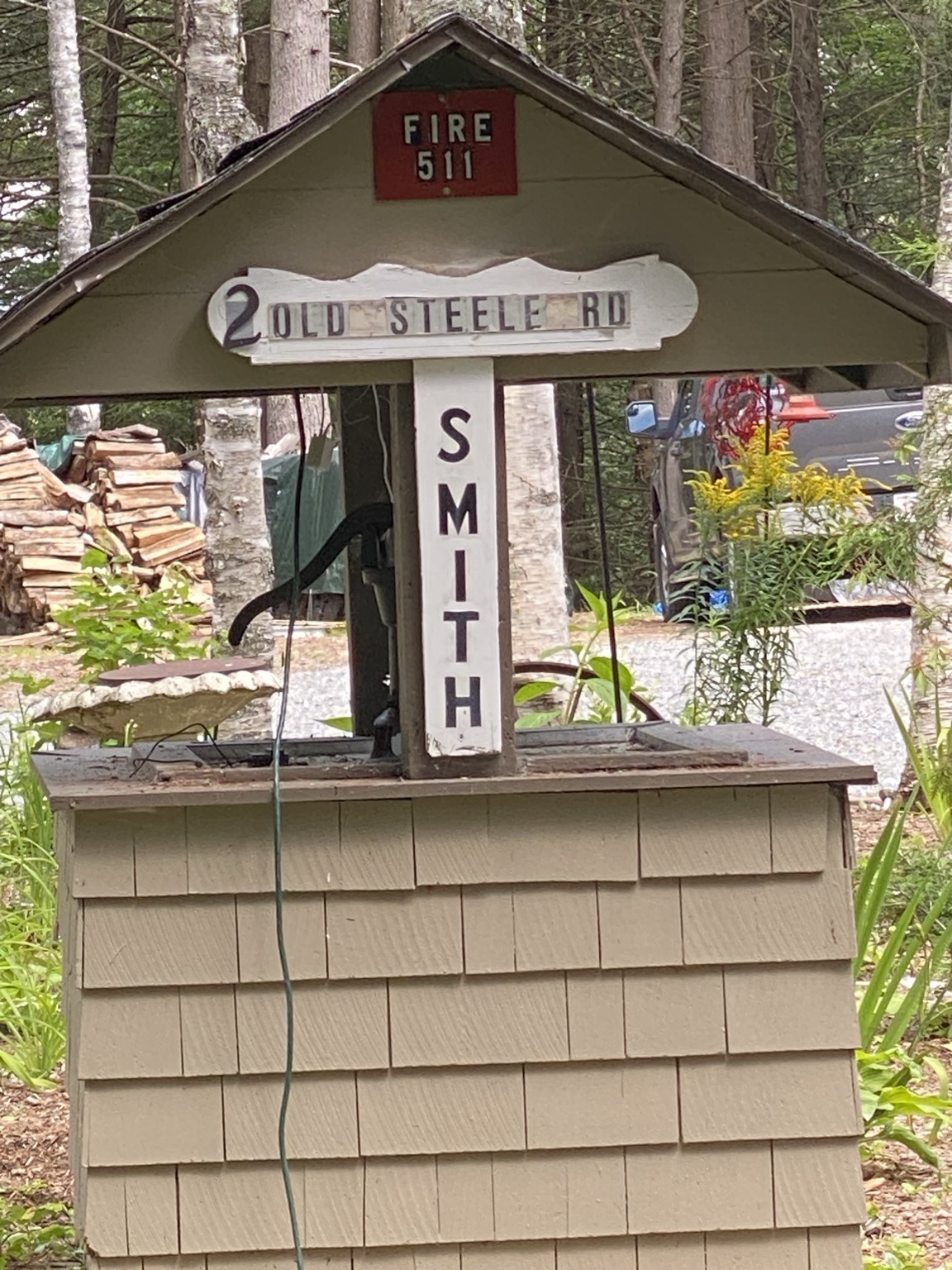
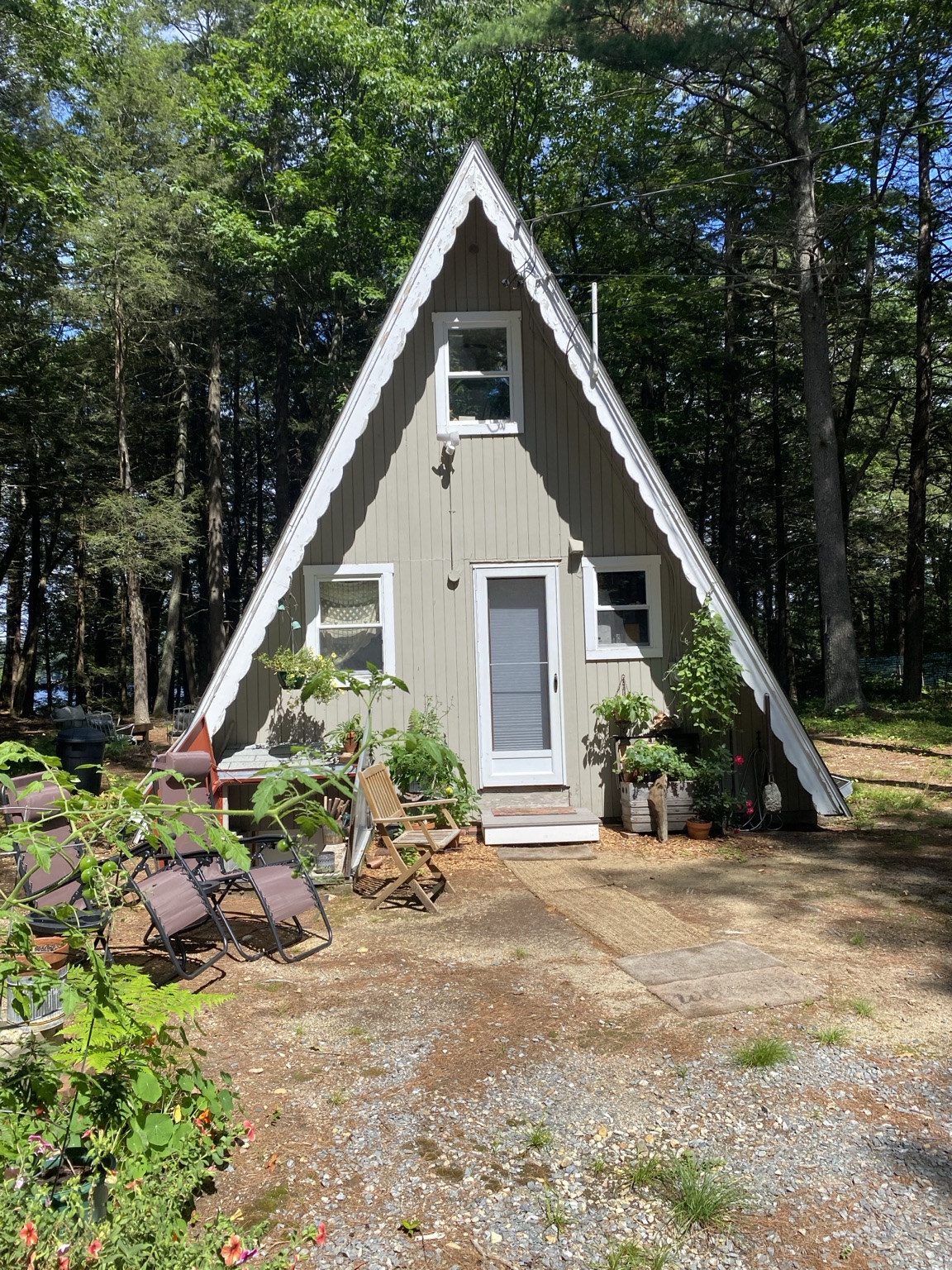
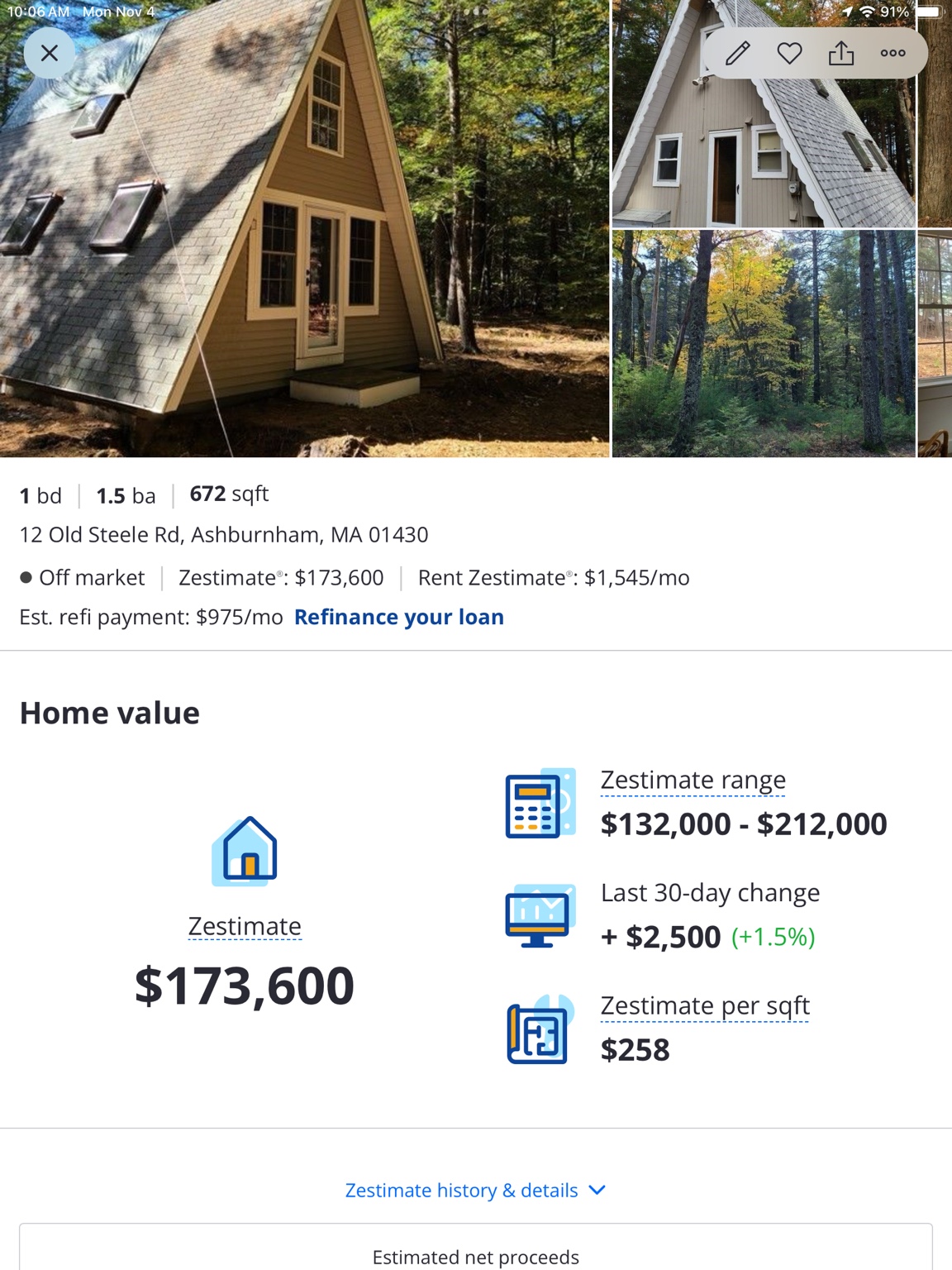
The house itself was tiny, only about 672 square feet, but it never felt inadequate. The steep roof, loft space, woods outside every window, and the pond just beyond the trees made the world around the house feel like additional living space.
Life on the Water
Everything about life there revolved around the pond. I swam almost every day during warm weather. I paddled at sunrise, at sunset, and beneath full moons. Sometimes the pond was mirror-flat; sometimes wind rattled the trees and pushed little waves toward shore. Fog could erase the opposite bank and make a familiar place feel mysterious.
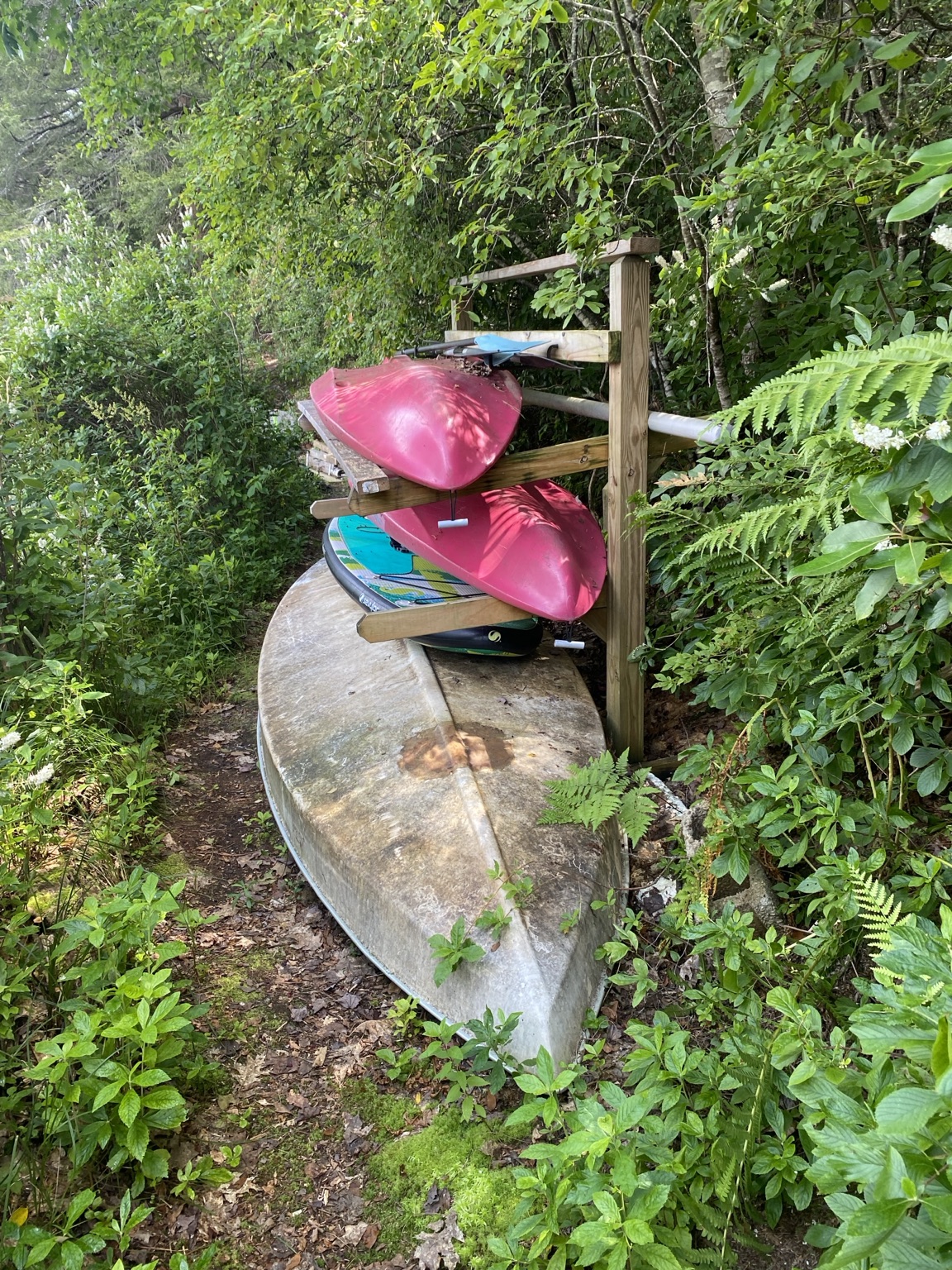
I kept boats close to the water because paddling was not an expedition—it was simply part of life. I could carry a kayak down the path and be afloat in minutes. Some of my clearest thinking happened alone in a small boat with only the sound of a paddle, birds, frogs, and wind.
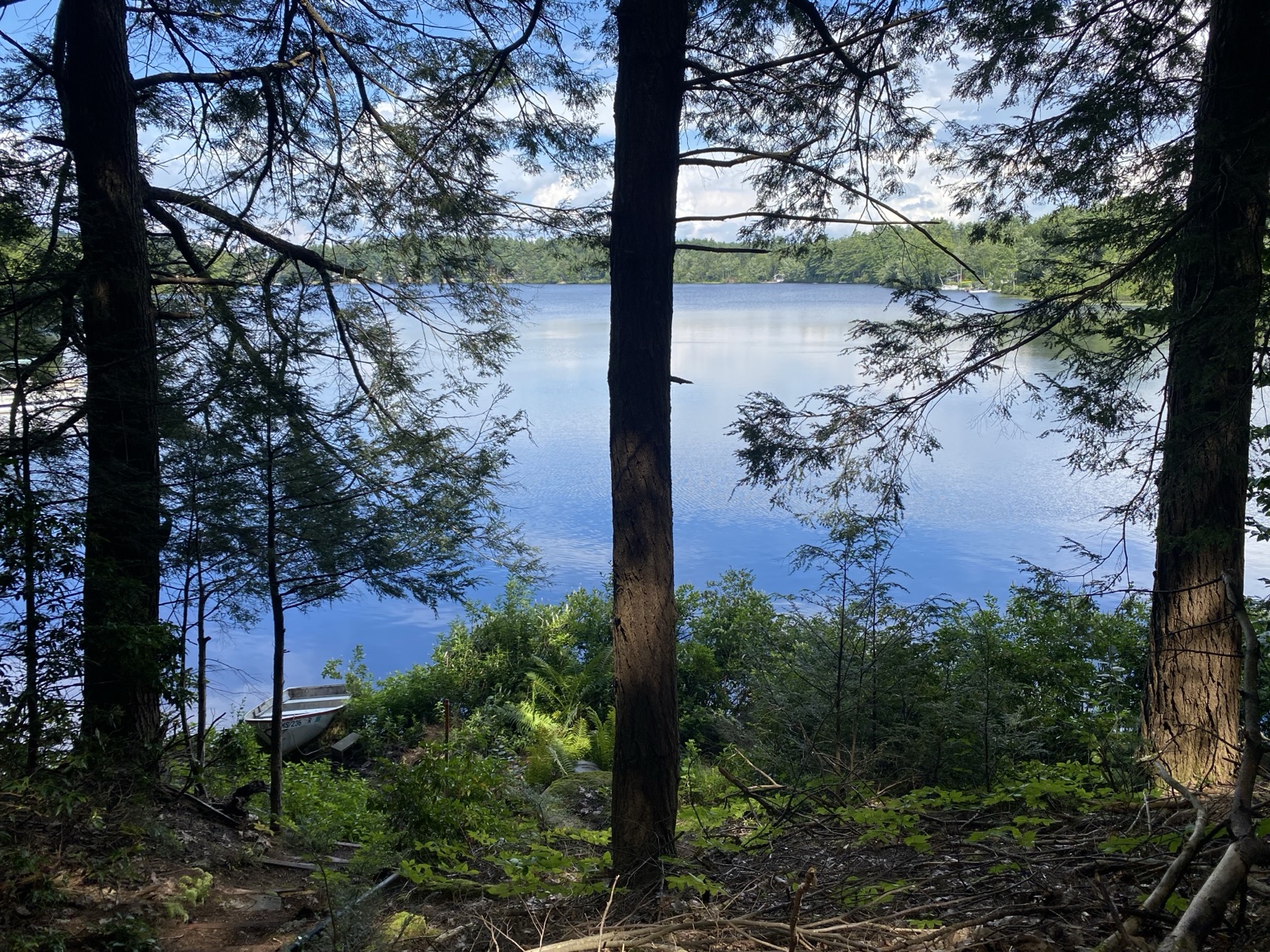
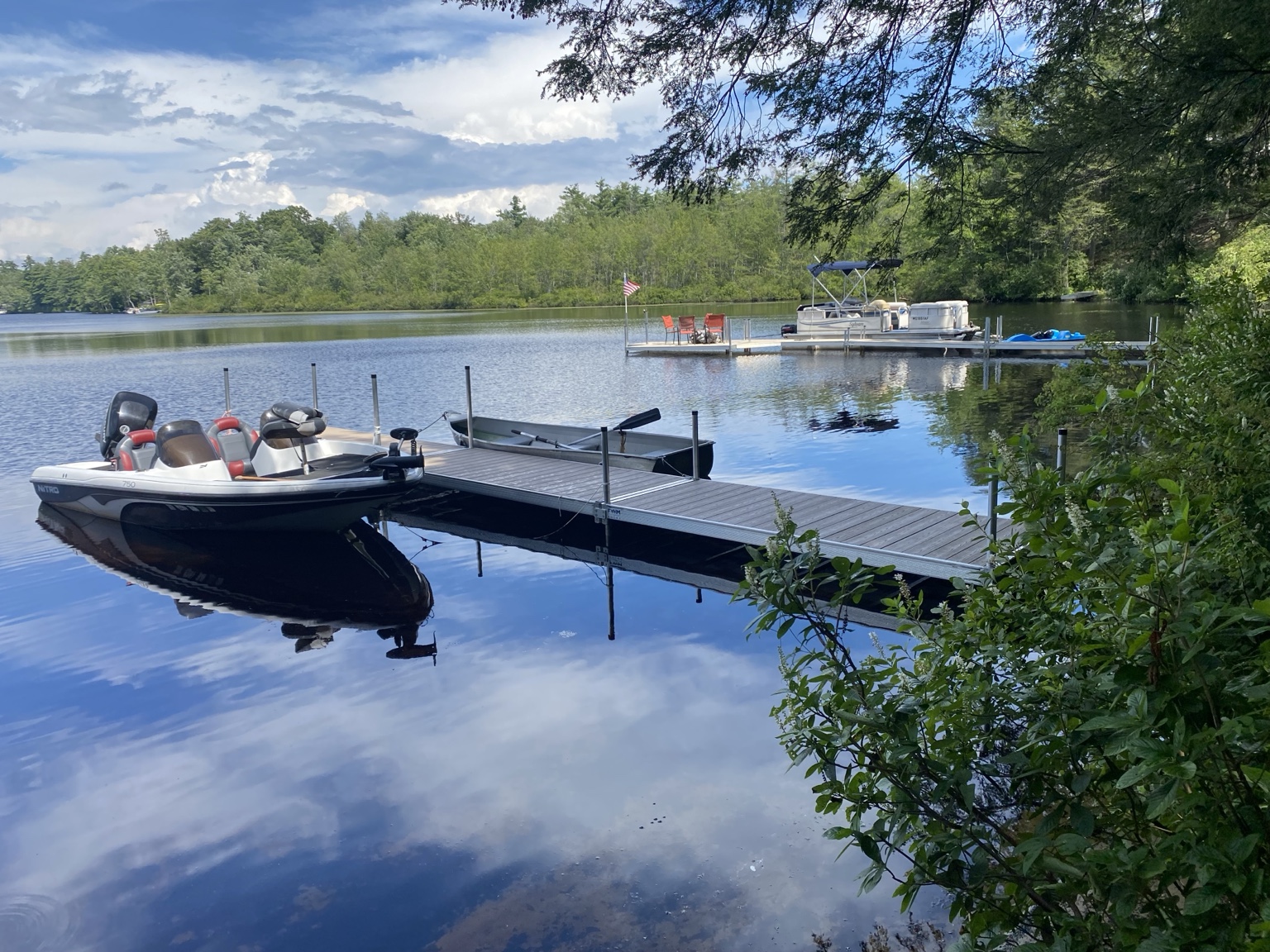
The pond was my playground, my gym, my retreat, and often my church.
Living with the Seasons
New England seasons did more than alter the scenery; they changed the way we lived. Spring meant ice-out, mud, peepers, returning birds, and the first tentative paddles. Summer meant swimming, long evenings, open windows, and sleeping outdoors on warm nights. Autumn surrounded the pond with red, orange, yellow, and deep green, often doubled in the reflection. Winter transformed open water into a broad white trail for skating, skiing, and snowshoeing.
Practical New England Ingenuity
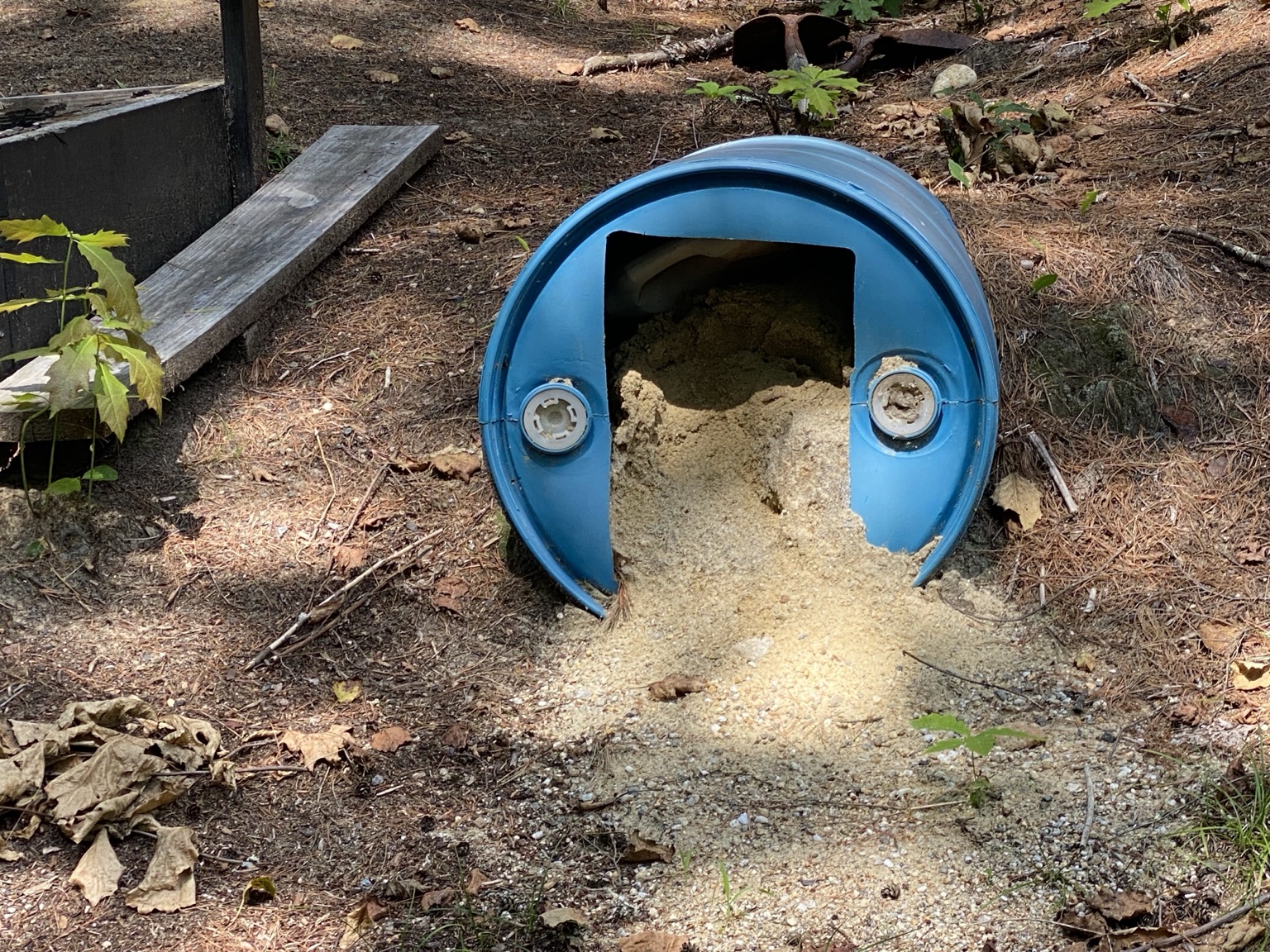
Life in the woods also meant dealing with ice, snow, firewood, and a long driveway. The homemade sand barrel is exactly the kind of simple, practical solution that belonged there: fill a barrel with sand, cut an opening, and make it easy to spread traction material when winter turned the driveway slick.
Mountains, Trails, and Adventures from the Door
Mount Watatic was only about two miles away. I could walk there from home, and the surrounding network of old roads, woods, ponds, and trails made the entire area feel like one enormous outdoor playground. Nutting Hill, Crow Hill, Muddy Pond, Ashburnham State Forest, and the Mid-State Trail were all part of the larger landscape of daily life.
The Mid-State Trail passed close enough that I could shoulder a backpack and head north without first getting into a car. Mountain biking was another passion. I explored gravel roads, logging roads, forgotten tracks, and every back corner of Ashburnham I could find.
A Place Shared with Wildlife
The pond and forest were never empty. Herons, kingfishers, beavers, turtles, frogs, owls, deer, foxes, and countless smaller creatures occupied the same landscape. Living there year after year made it possible to learn patterns a visitor would miss: where birds perched, where animals crossed, when frogs began calling, where ice formed first, and how the water changed with weather and season.
The longer I lived there, the more clearly I understood that we were residents of a larger community, not owners of an empty landscape.
From Loving Ashburnham to Helping Protect It
Living in such an intact landscape made conservation personal. Woods, wetlands, shorelines, wildlife corridors, and quiet back roads can disappear quickly unless people make a deliberate effort to protect them. I served on the Ashburnham Conservation Commission, eventually becoming chair, and helped establish the Ashburnham Conservation Trust in 2000 with Jim Dehner.
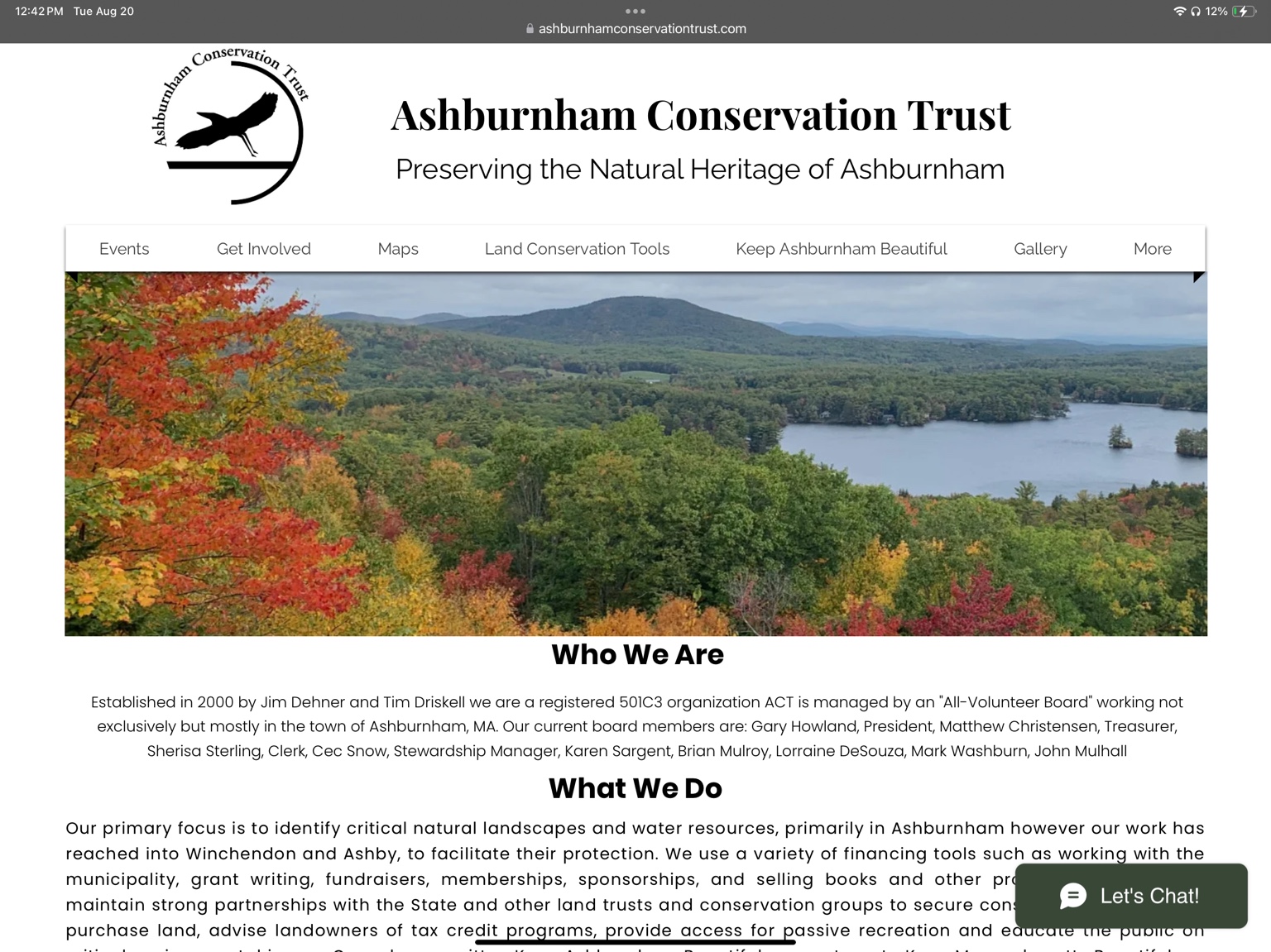
The Trust has always depended on volunteers, landowners, supporters, partner organizations, and public agencies working together. Gary and Lorraine deserve special recognition. They joined only a couple of years after the Trust was founded and have remained central to its work for decades. Their persistence, along with the dedication of many other volunteers, has helped protect an extraordinary amount of land.
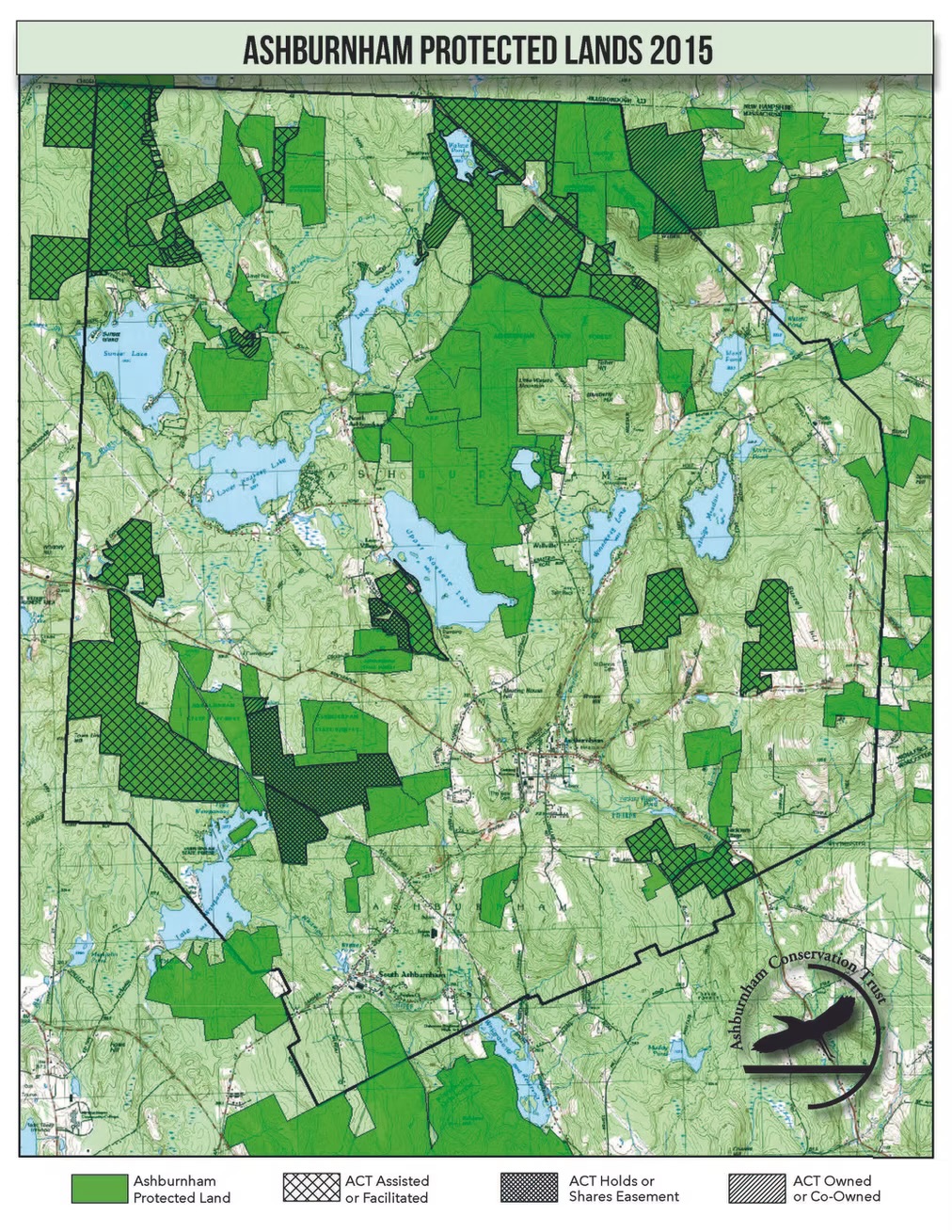
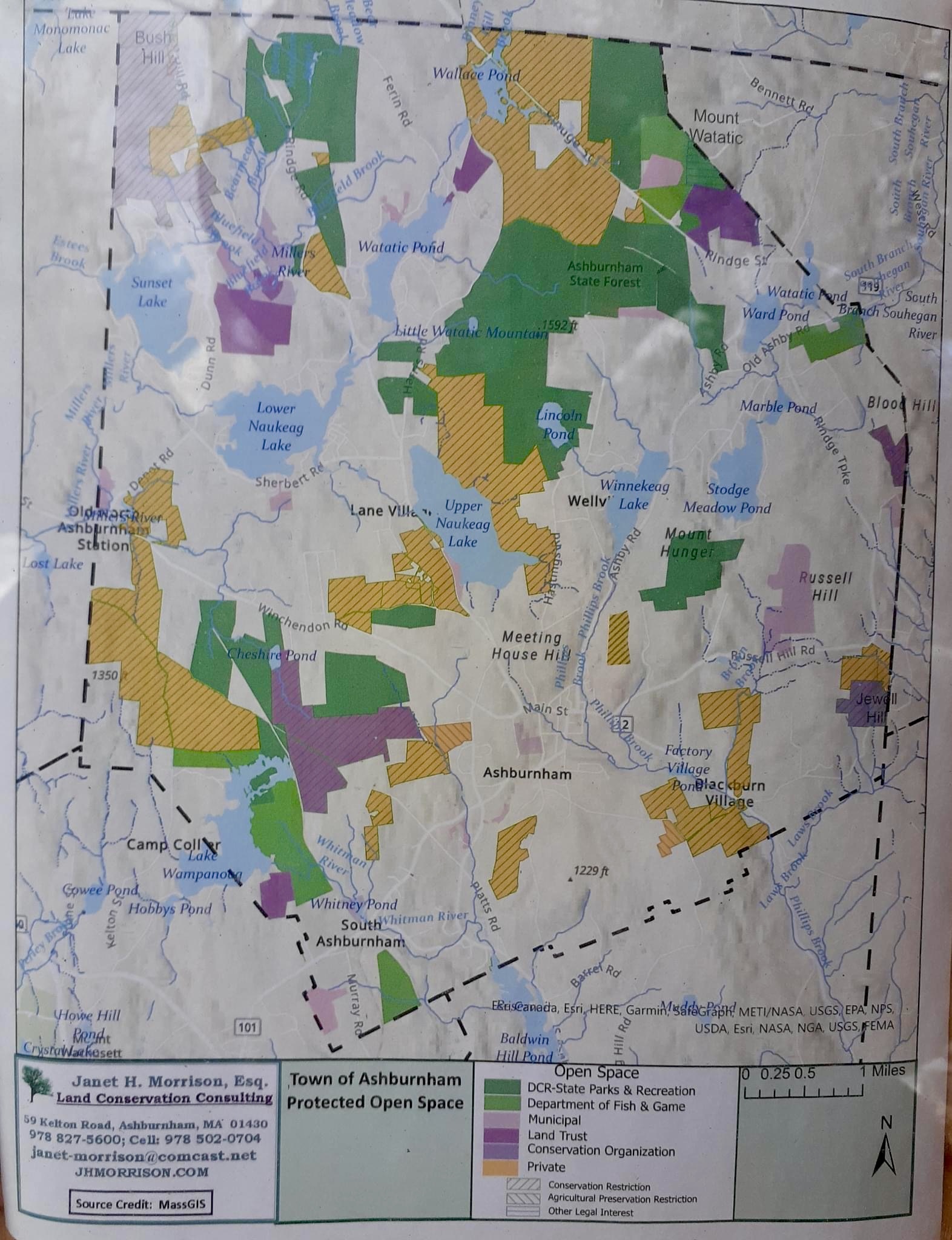
Even by 2015, the protected lands covered an impressive portion of the town. In the eleven years since then, volunteers and partner organizations have protected still more. The result is a town with unusually high ecological integrity—a connected landscape of forests, wetlands, lakes, ponds, streams, wildlife habitat, and outdoor recreation.
Returning Years Later
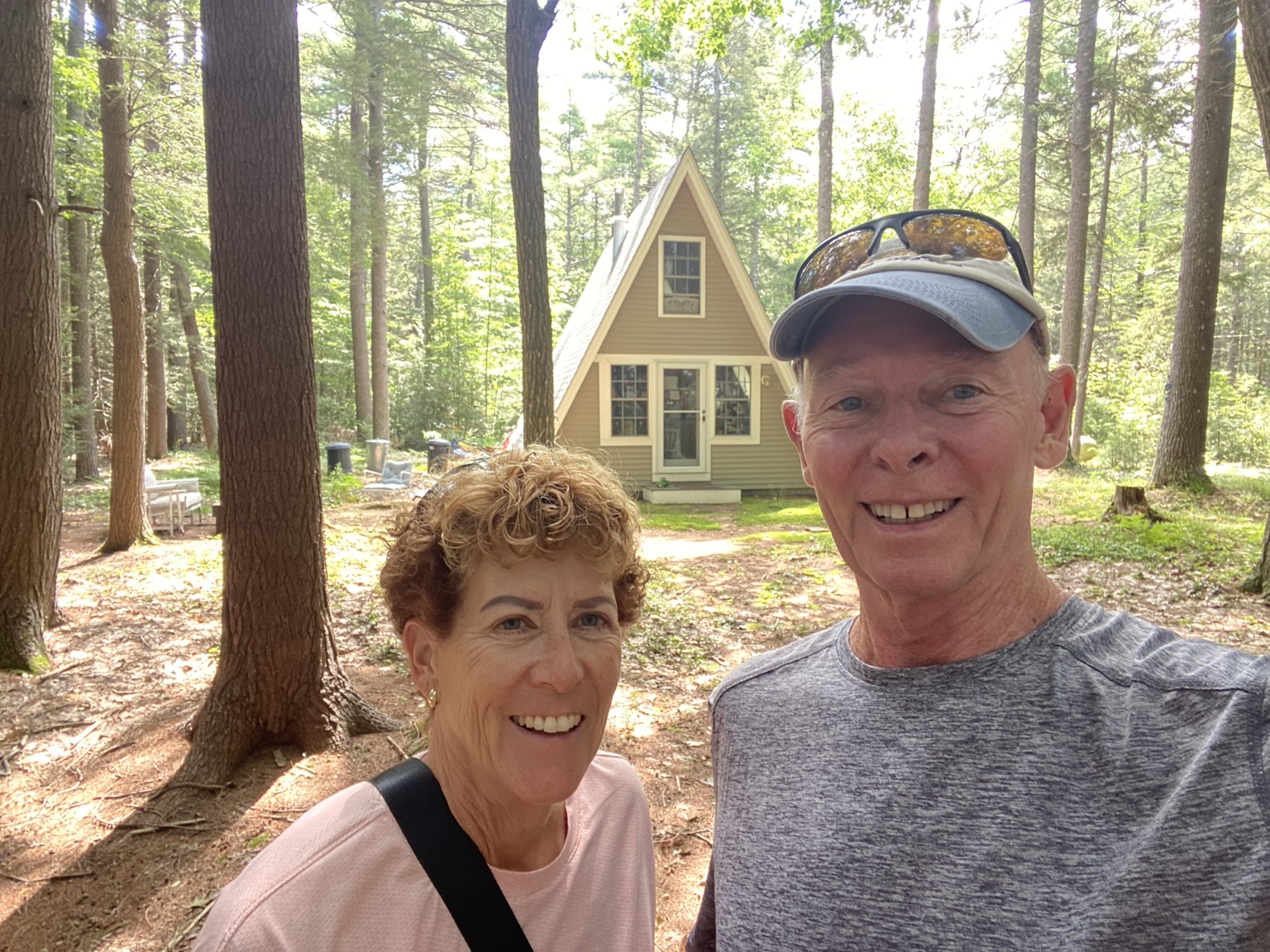
After leaving Massachusetts, I continued to travel, paddle, hike, and build a new life in Florida. But returning to Billy Ward Pond still carries an emotional weight. The A-frame remains tucked into the woods, and walking around the property brings back nineteen years of memories almost at once.
The Place I Still Think of as Home
I have lived in many places and traveled through much of North America and beyond. I have backpacked in the Rockies, paddled Florida springs and rivers, climbed mountains across New England, explored coastlines, and traveled through Central and South America. Every place added something to my life.
Yet when someone asks where I most think of as home, Billy Ward Pond is still the place that comes to mind. It was not merely beautiful. I knew it deeply. I watched it change every day for nineteen years. It shaped my love of paddling, hiking, photography, science, conservation, and simple outdoor living.
After all the miles, mountains, rivers, coastlines, and countries, home still looks like a little A-frame in the woods beside Billy Ward Pond, with Mount Watatic nearby.