I've spent decades hiking mountains, ridges, forests, coastlines and swamps. Hiking became exercise, exploration, friendship, travel and, in many ways, part of how I learned who I was. I never cared much about polished itineraries or collecting every summit on a list. I simply loved being out there—and once I discovered the mountains, I kept wanting to see what was farther up the trail.
Where it really began
One of the most important days of my outdoor life came on Columbus Day weekend in 1985. Dann and I were in New Hampshire with our wives. While they went shopping, the two of us decided to hike Mount Lafayette.
We were still very much beginners. We climbed the Old Bridle Path, stopped at Greenleaf Hut and kept going. I remember sitting on a flat rock high above Franconia Notch and looking out across the mountains. Something clicked. I knew, very clearly, that nature was where I belonged.
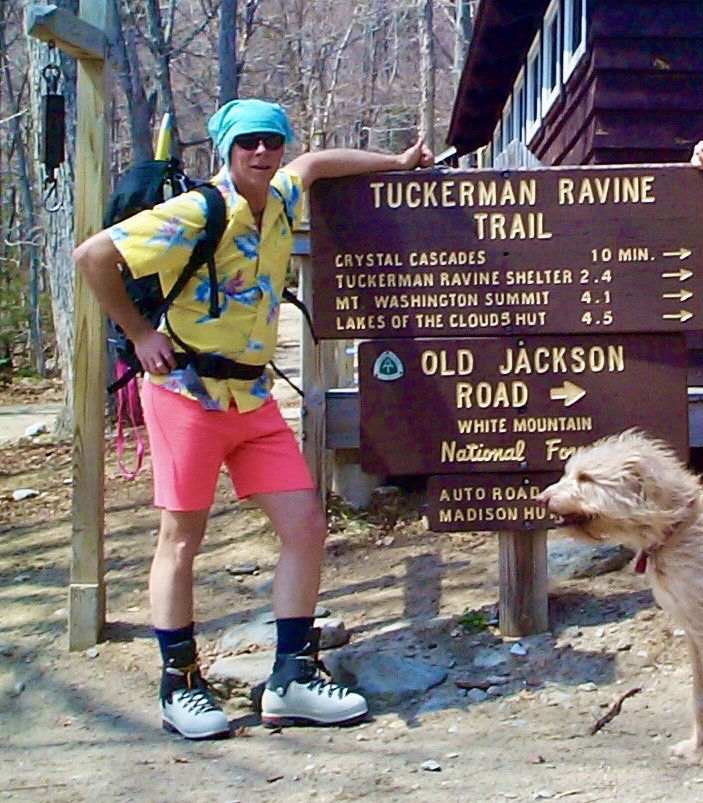
That winter, Dann and I went backpacking almost every weekend—probably ten of the next twelve weekends. We learned fast, sometimes the hard way. Before long, the White Mountains had become our playground.
The mountains became my playground
I eventually climbed 47 of New Hampshire's 48 4,000-foot peaks. Owl's Head remained unfinished. I could have chased the final number, but there were always too many other trails, mountains and wild places calling me. That probably says more about my hiking style than any completed list ever could.
The Presidential Range, Franconia Ridge, Tuckerman Ravine, the Sandwich Range, remote lean-tos and winter trails all became familiar places. I loved comparing routes and returning to favorite trails. I ranked them in my mind and learned which approach I liked best.
Mount Monadnock was almost a backyard mountain. I climbed it by many routes—White Arrow, Spellman, Red Spot, Pumpelly and Marlboro among them. I climbed it on New Year's Day 1997 when it was four degrees. On September 11, 2001, after work shut down when the towers fell, I drove straight to Monadnock and spent the day hiking. Mountains were often where I went when I needed to think and try to figure stuff out.
The Midstate Trail and the woods around Billy Ward Pond were just as important in a different way. I could leave home and quickly be on trails. In winter I could head out on snowshoes or skis. Not every good hike needed a famous summit.
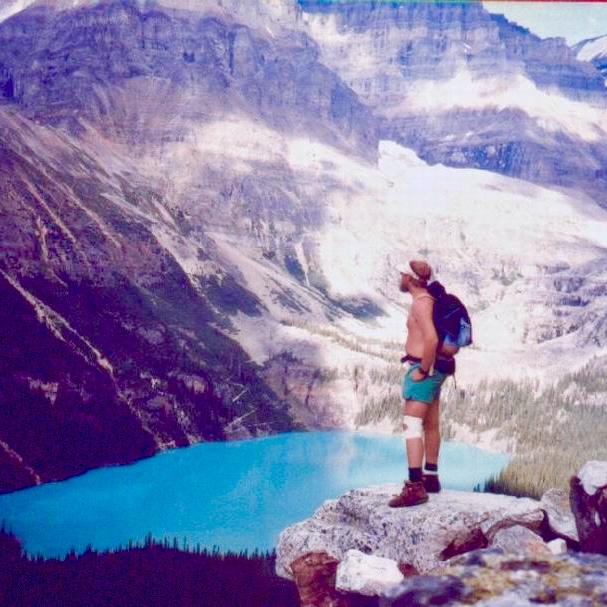
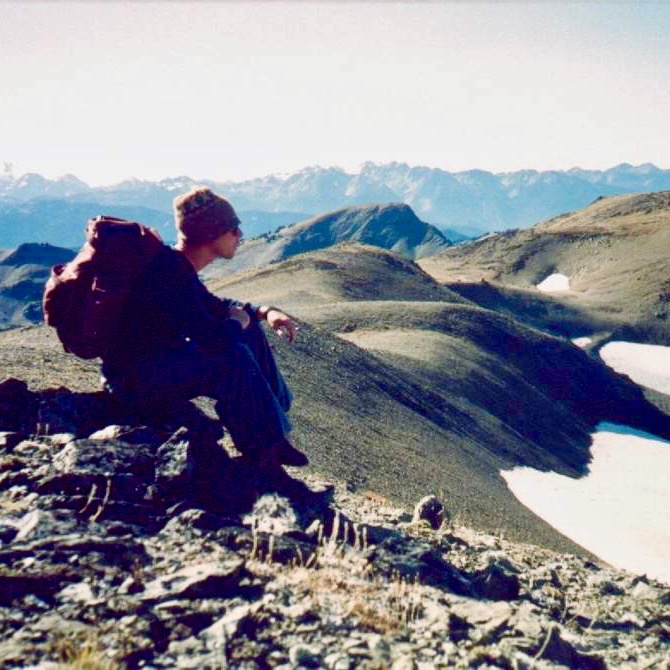
Winter taught me respect
Dann and I became serious winter hikers and backpackers. We spent winter nights in lean-tos around Heart Lake and Marcy Dam and hiked for days at a time in cold weather. Some of those trips became life lessons rather than simple adventures.
Camp Rich. Camp Shehadi. Two frightening hypothermia experiences when Dann effectively saved my life, several weeks apart. Getting lost in Tuckerman Ravine on Mount Washington with Ricky. Lightning in exposed alpine terrain. Wet clothes, darkness and cold taught me lessons that no book could teach quite the same way.
I became much more careful. Eventually I carried a bivy sack and a flashlight even on relatively short day hikes. My own collection of lessons could easily be called Don't Die on the Mountain.
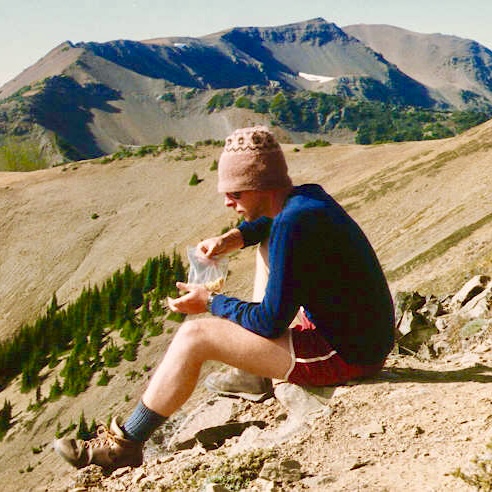
Thirty days on Vermont's Long Trail
In September 1991, I spent about 30 days in September hiking Vermont's Long Trail. I covered most of the trail—more than 200 miles—sleeping in lean-tos and meeting backpackers and Appalachian Trail thru-hikers along the way.
I had once thought seriously about thru-hiking the entire Appalachian Trail. I bought the books, maps and guide. But I eventually realized that spending months on one single trail was not really what I wanted. I wanted to explore everywhere.
Even on the Long Trail, when I had covered most of it, I was comfortable changing the plan. I headed to Baxter State Park rather than obsessing over every final mile of the Long Trail. The trip always mattered more to me than the checklist.
Baxter, Katahdin and the Adirondacks
I spent roughly two weeks hiking and camping in Baxter State Park in early October and climbed Katahdin from three different approaches. Baxter remains one of my favorite places in the Northeast. I also climbed the 12 highest peaks in Maine.
In New York, I spent years hiking the Adirondacks, often with Dann and Bob. I climbed about 20 of the High Peaks, most of them several times, including trips around Mount Marcy, Algonquin, Heart Lake and Marcy Dam. One of my favorite bivouac memories came on Mount Haystack, where a tiny pack and a bivy sack were enough for a night high in the mountains, but where I nearly bought the farm, as they say😳
Acadia — ocean, granite and trails
Acadia National Park was another one of my recurring hiking homes. For years I would make the long 6-hour drive to Mount Desert Island two or three times a year, often in spring and fall, when the park felt especially alive and the trails were cooler and quieter.
During some of my college years, I went to Acadia with my housemates or classmates every spring and fall. Those were years when I was hiking, camping and exploring constantly, and I have often thought of them as some of the best years of my life up to that point.
I also spent roughly two weeks at a time in the old hostel at the Episcopal church in Bar Harbor next to the fire station, using it as a simple base camp for days of hiking all over the park. Acadia had exactly the kind of hiking I loved: granite ridges, steep trails, open rock, ocean views, fog, cliffs, changing weather and constant variety.
I hiked the trails, climbed at Otter Cliffs, biked Park Loop Road, wandered around Sand Beach and explored places like Anemone Cave. Acadia was never just another national park to me. It was one of the great outdoor classrooms of my life, where ocean, rock and trail all came together.
High places and simple camps
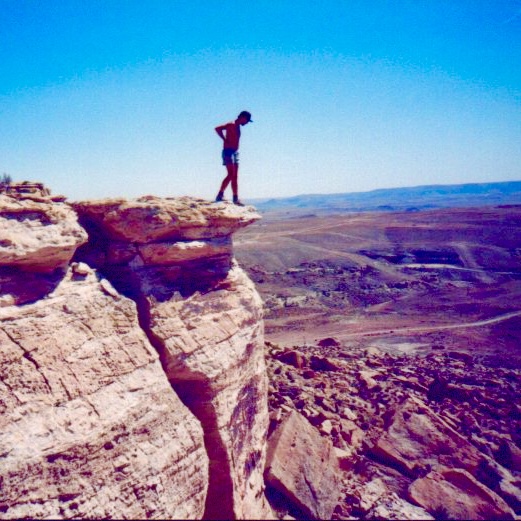
One pattern runs through much of my hiking life: I loved getting high into the mountains and staying there.
A small pack. A bivy sack, just in case. Minimal equipment. Sunset. Stars. Sunrise.
There was something wonderful about watching most of the day hikers disappear back down into the valley while I stayed high on the mountain. I learned that I didn't always need a tent, a campground or an elaborate plan to have an extraordinary night outdoors.
Those bivouacs became some of my most vivid mountain memories. They were simple, sometimes cold, occasionally uncomfortable—and absolutely unforgettable.
Then I discovered the West
Instead of spending the summer of 1087 hiking the Appalachian Trail, I began taking three-, four- and five-month road trips throughout the western United States every chance that I got. That decision opened up an entirely different hiking world.
I spent months hiking and backpacking in Montana, Idaho, Washington, Wyoming, Oregon, California, Arizona, New Mexico and Colorado. Over the years I explored roughly three dozen National Parks and National Forests.
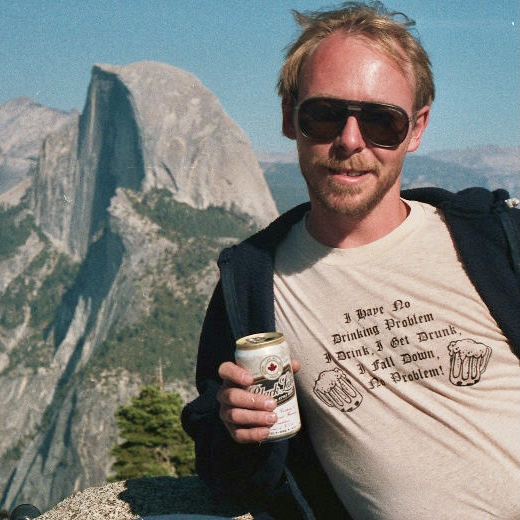
The Tetons were especially important. During my 1992 road trip with Ricky, we spent substantial time hiking and climbing there. We had permits involving the Grand, Middle and South Tetons and summited two of the three. There was also a memorable bivouac after what we jokingly called the Driskell-Johnson Death Gully that we somehow survived, but aren't really sure how.
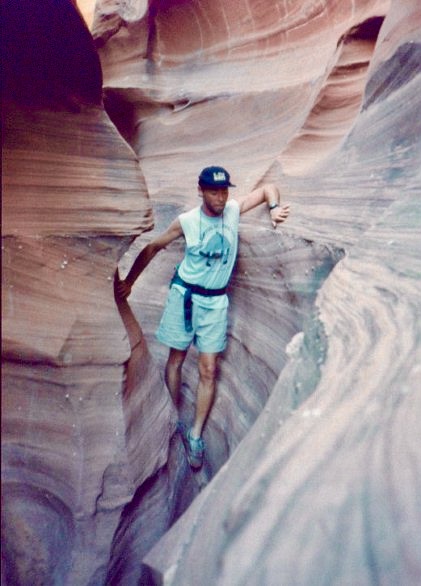
The West reinforced something I already knew: I liked terrain that made me participate. Ridges, winter trails, wild coastlines and complicated routes interested me far more than manicured paths.
Farther from home
The Canadian Rockies may be my favorite mountain region in North America. I spent considerable time around Banff, Jasper and the Bugaboos. Mosquito Creek became my first hostel experience in 1990, and I quickly learned that the Canadian hostel system made an inexpensive and wonderful base for hiking mountain after mountain.
I also hiked a big chunk of the wild an incredible West Coast Trail in British Columbia, another wild route that was actually a life-saving trail for sailers who survived shipwrecks, and where the trail itself demanded attention to avoid becoming just another statistic.
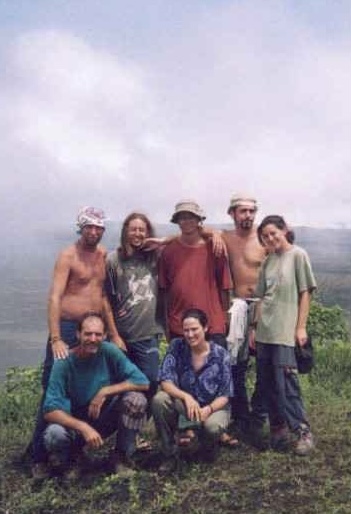
By 1995 and 1996, my hiking and travel had expanded into Central and South America. I explored Belize, Guatemala, Nicaragua, Costa Rica, Panama and Honduras, including tropical forests, volcanoes and time in Corcovado National Park.
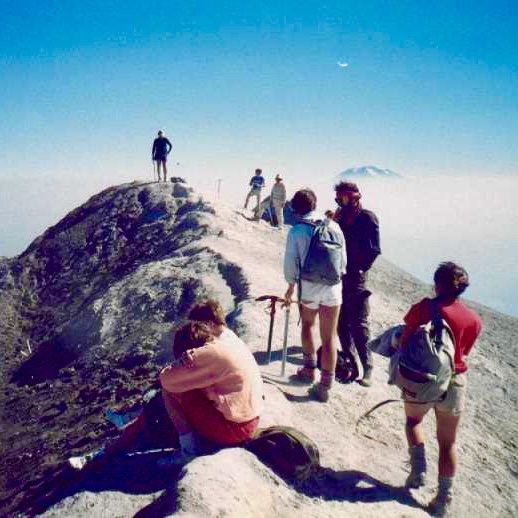
In Peru and Ecuador I hiked in high mountain country and climbed Cotopaxi to roughly 19,000 feet. I also spent about three weeks exploring the Galápagos Islands. By then, hiking was no longer something I associated only with New England mountains. It had become one of my favorite ways to experience almost any new place.
My love of hiking has taken me to national parks and wild places all over the United States, throughout Mexico and across Latin America. I have especially loved places where the trails lead into real wildlife habitat—cloud forest, rainforest, desert, high mountains, jungle and coast.
I have hiked for days at a time in places like Peru, Colombia, Costa Rica and Ecuador, especially when I could find national parks or protected areas full of birds, mammals, reptiles, insects and plants. Wildlife has always made hiking richer for me. A trail is good when it leads to a summit or a view, but it is even better when it also leads through living, breathing natural history.
The trail changes, but the curiosity doesn't
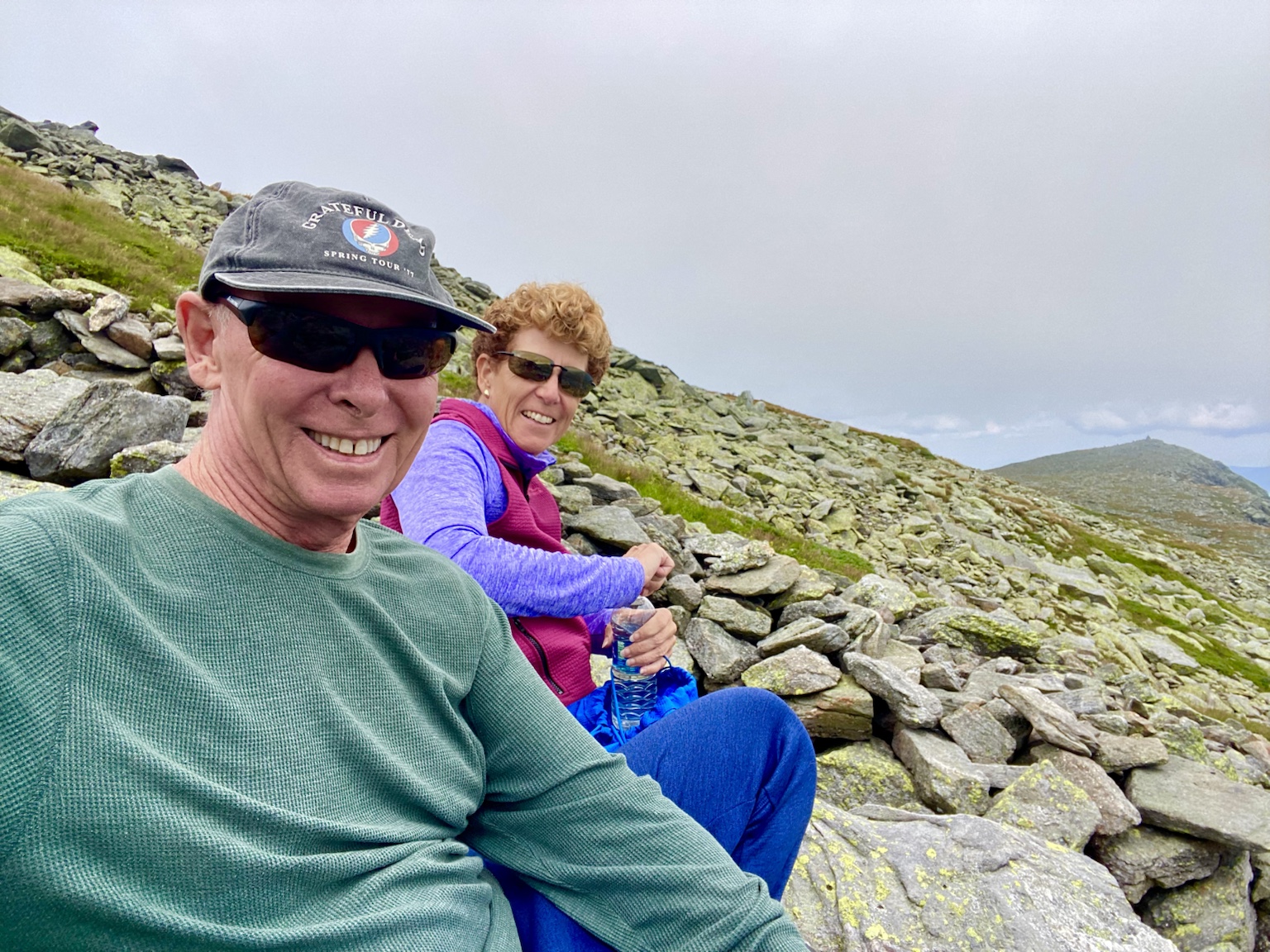
I don't hike today exactly the way I did in my thirties and forties. I generally prefer day hikes now. But I still hike for the same reasons: exercise, exploration and curiosity about what is around the next bend.
Florida changed my definition of hiking. Here, some of my favorite walks are wet walks through the Everglades, Big Cypress and Fakahatchee Strand. Instead of climbing above treeline, I may be walking through water and swamp, waiting for a winter cold front when the mosquitoes settle down and the migratory birds arrive.
It is completely different terrain, but it fits me perfectly. I have always loved wild places, unusual routes and landscapes that require you to pay attention.
The accident clarified everything
After a serious car accident in 2002, when my pelvis and hip were badly damaged and my mobility was suddenly no longer something I could take for granted, I had to face the possibility that some of my outdoor life might be over.
Rock climbing was never the same after that. Backpacking became harder. I had to rethink what my body could do and what I could realistically expect from it.
But the accident also clarified something for me. Even if I had to give up climbing, long backpacking trips and some of the harder pursuits, the one thing I wanted most to keep doing was hiking. Of all my outdoor pursuits, hiking was the one that felt most essential.
I could still move through the world under my own power. I could still follow a trail, climb slowly, stop often, look around, listen, learn and keep going. Hiking was not just a sport. It was freedom, curiosity and a way of staying connected to the natural world.
Why I hike
I like wild places more than developed ones. I love mountains, ridges and high alpine terrain, but I am just as curious about a remote coastline, a swamp or a trail leaving from my own neighborhood. I enjoy hiking alone and I enjoy a small group of good companions. I like returning to favorite trails and learning them intimately.
Hiking is completely different from backpacking. It is so much simpler. Without a tent, sleeping bag, food and all the other overnight gear on your back, you can go almost anywhere and move much more freely. Of course, there is one important thing you always have to remember: at the end of the hike, you still have to turn around and come all the way back out.
I kept track of peaks, but I was never much of a list checker. The route mattered. The weather mattered. The people I met mattered. The night in the bivy sack mattered. Sometimes changing the plan was the best part of the trip.
More than forty years later, I still do.