John Chestnut Sr. Park launch map
This Pinellas County park map shows the Lake Tarpon shoreline, park roads, parking areas and the boat-ramp area used as the starting point for this Brooker Creek paddle.
(All photos by Tim, and all are clickable for the full-size image)
This Pinellas County park map shows the Lake Tarpon shoreline, park roads, parking areas and the boat-ramp area used as the starting point for this Brooker Creek paddle.
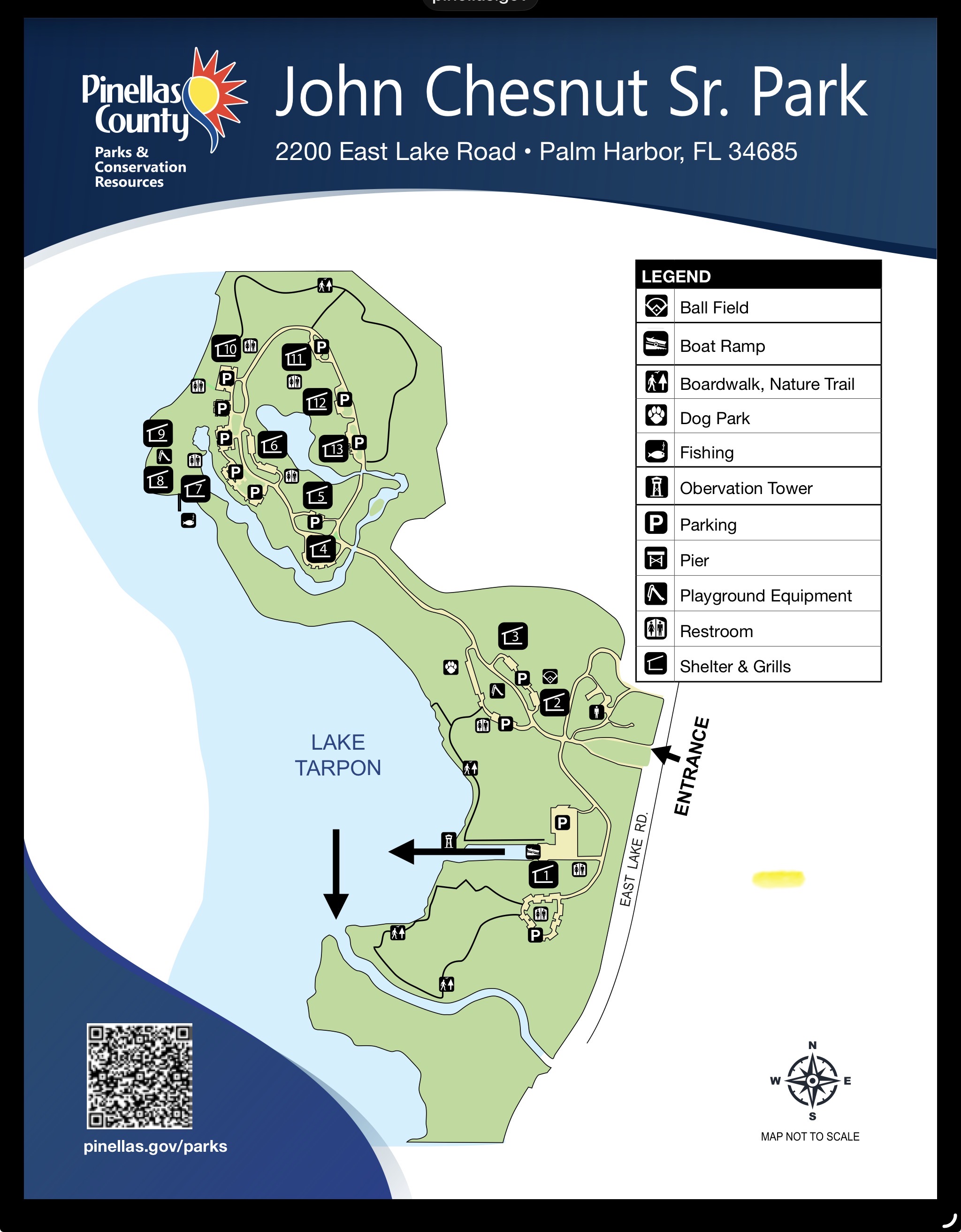
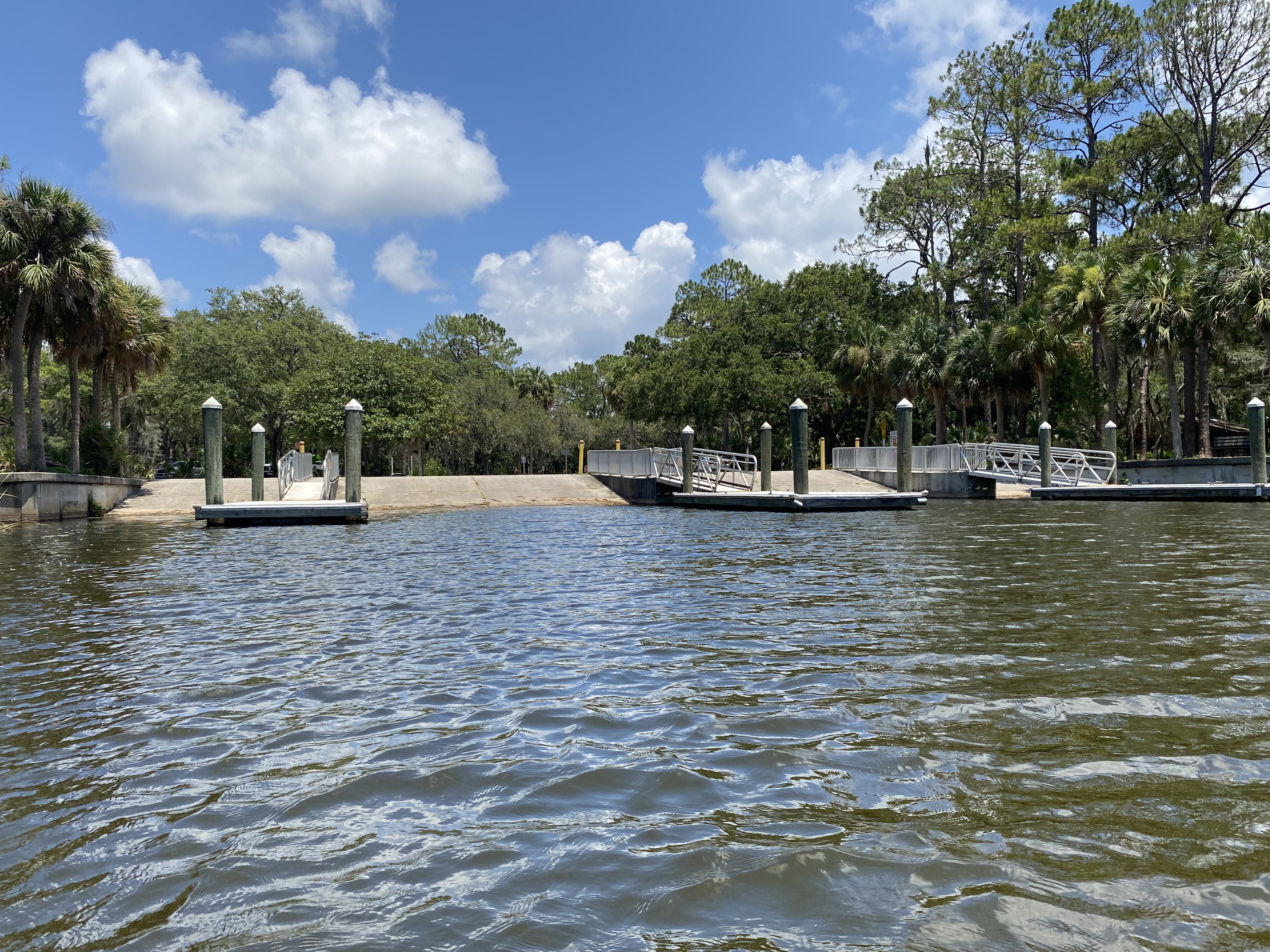
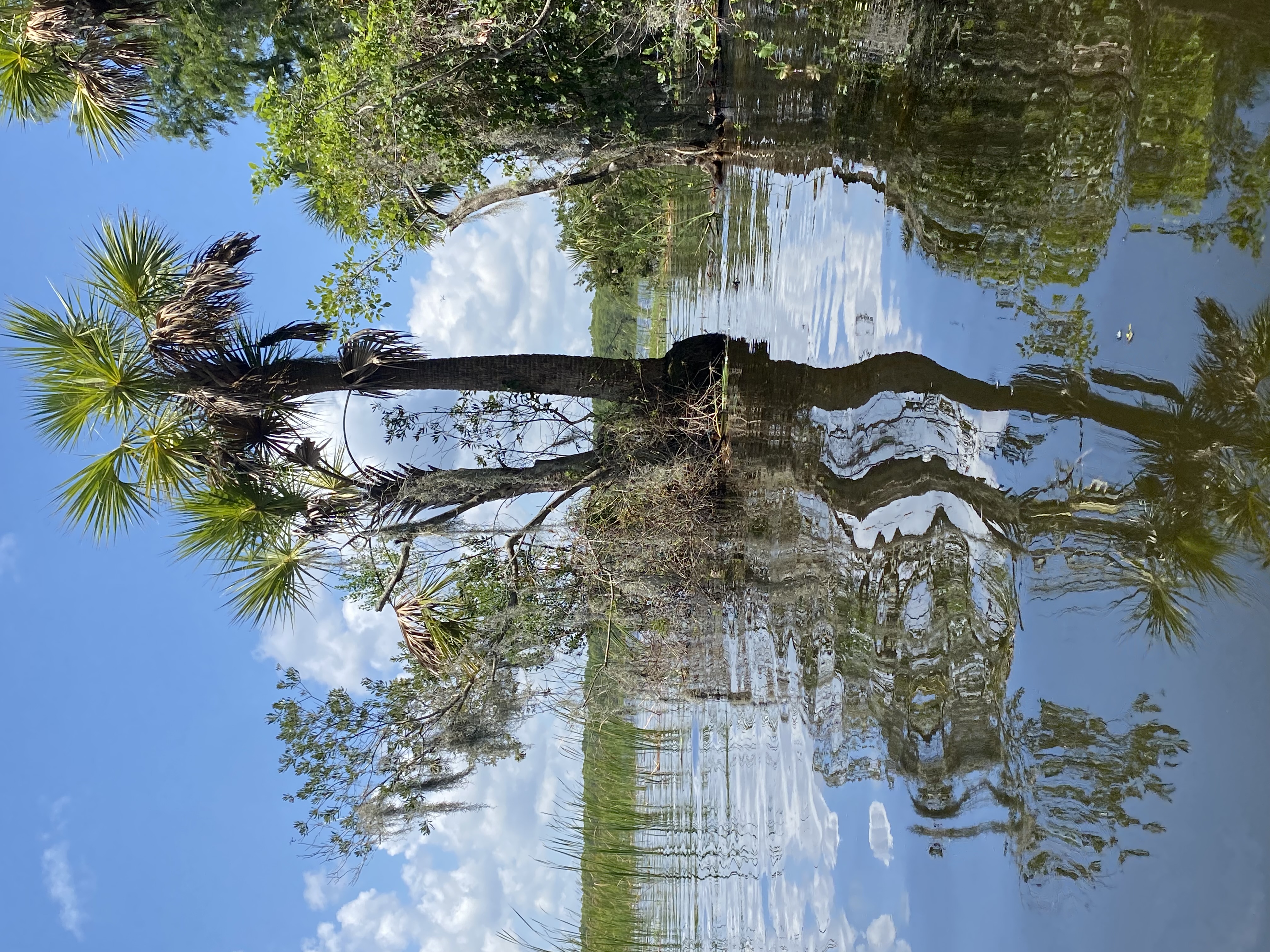
The trip begins at the kayak launch at John Chestnut Sr. Park. From there I turn left and follow the edge of Lake Tarpon until I reach Brooker Creek. The lake portion gives you open sky and a little exposure to wind, but once you enter the creek the whole character of the paddle changes almost immediately.
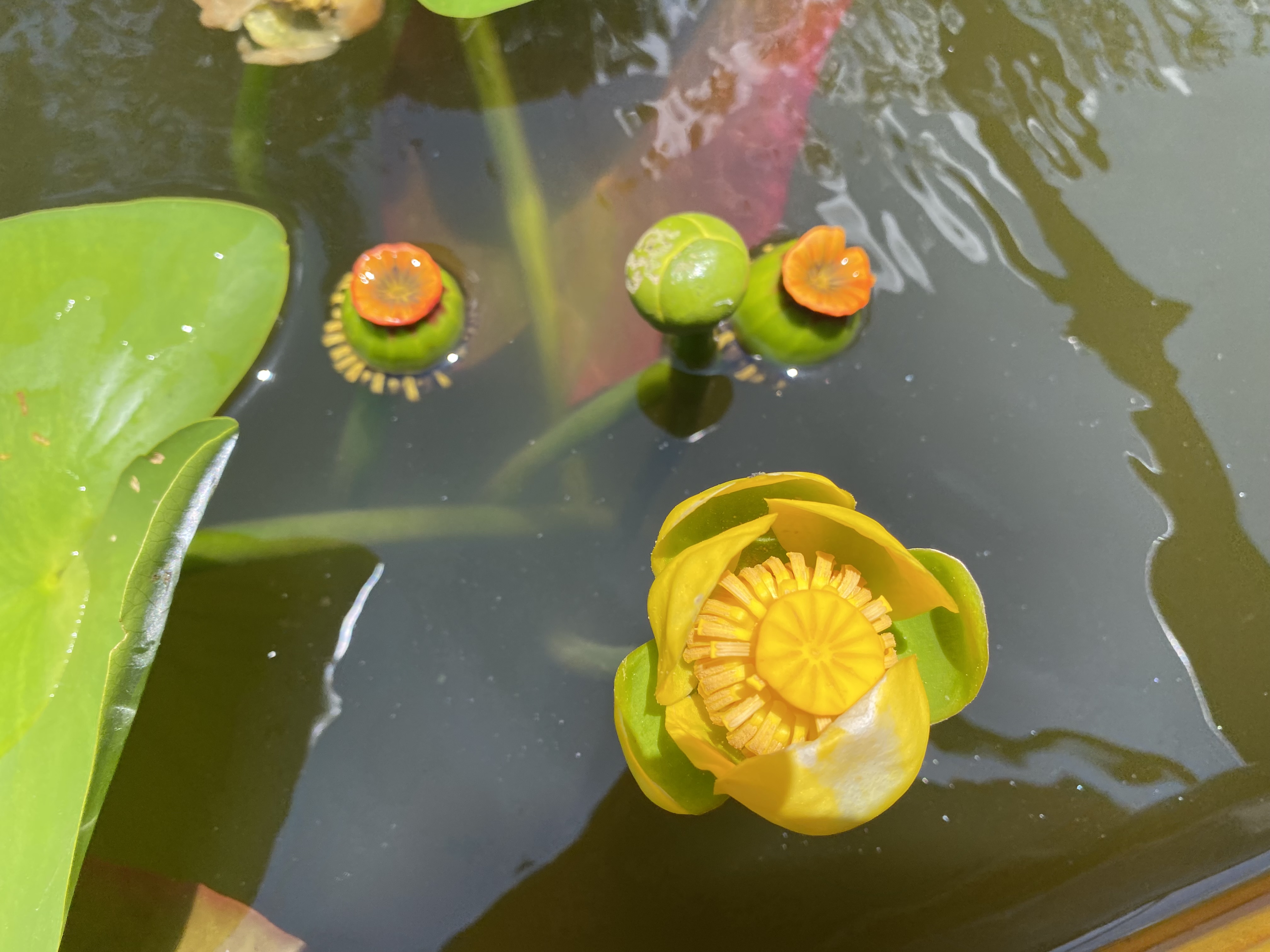
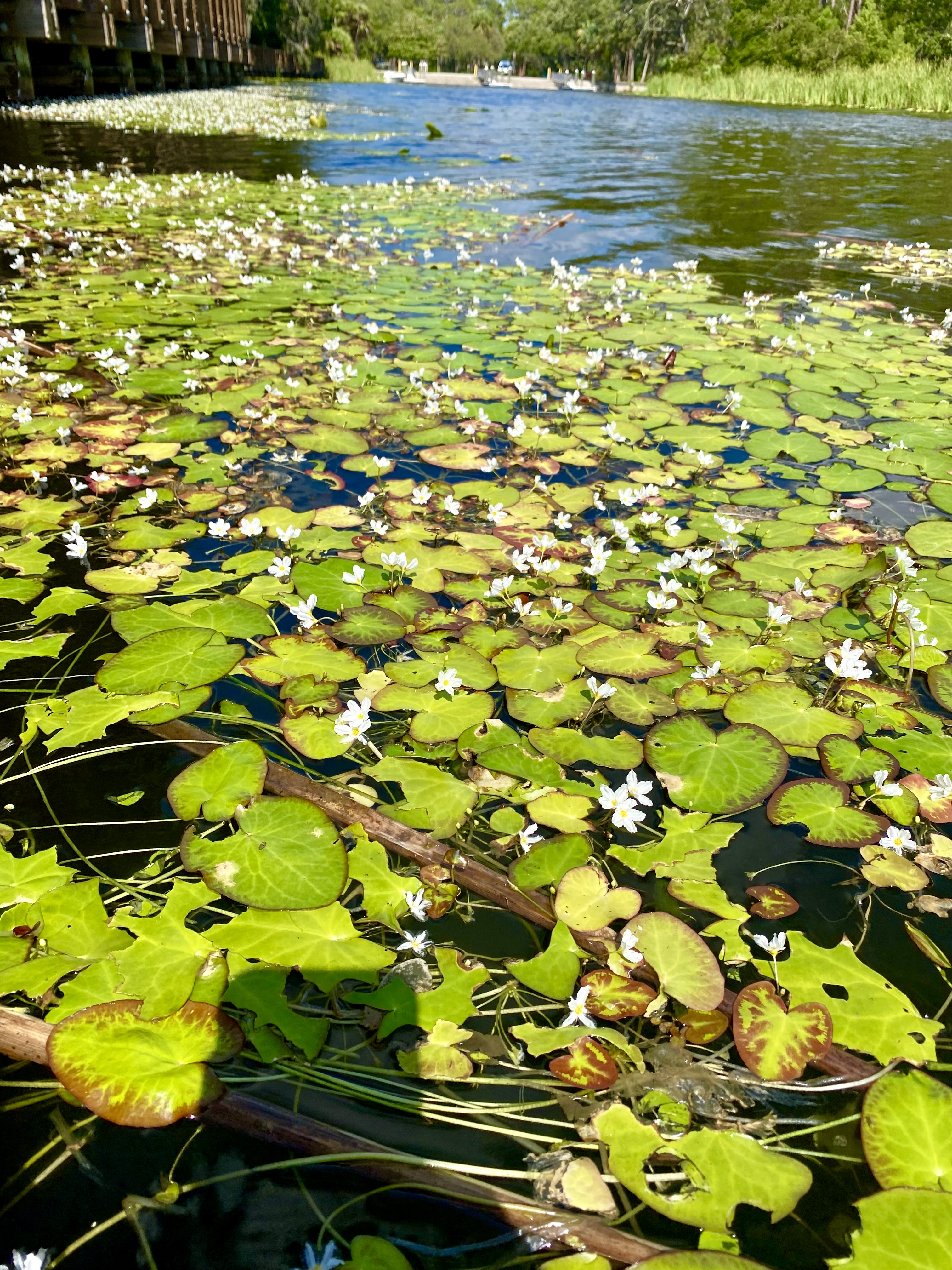
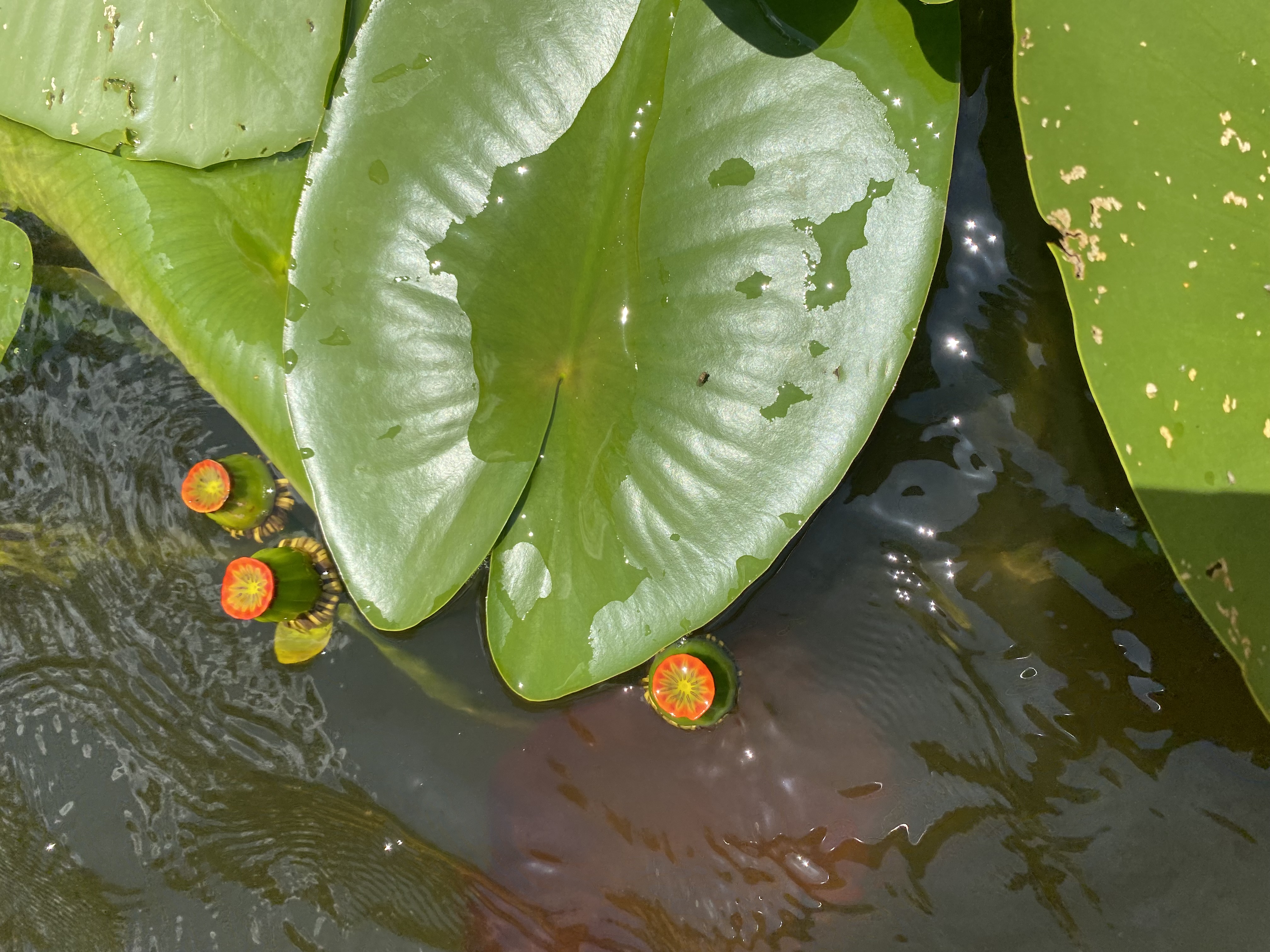
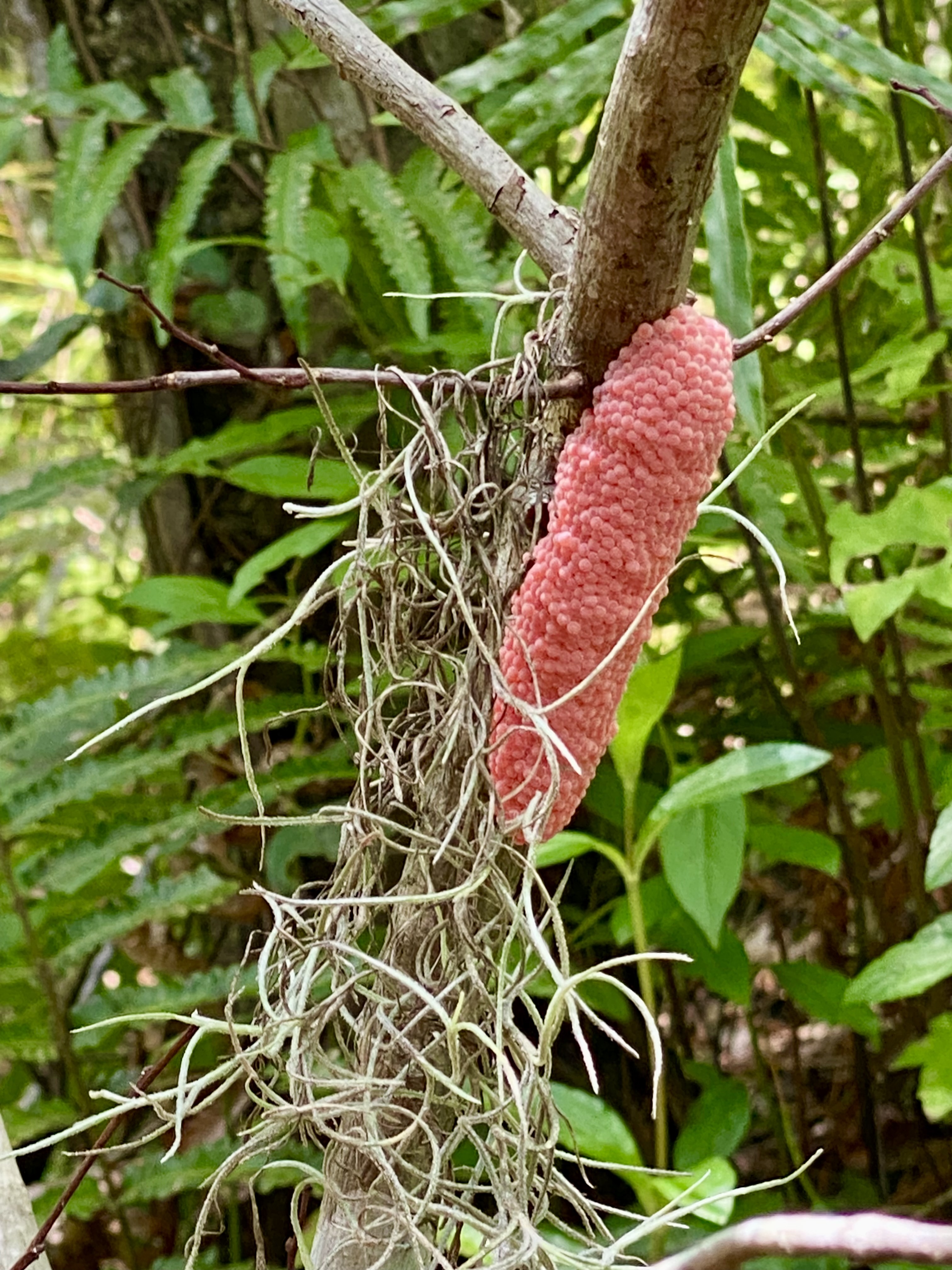
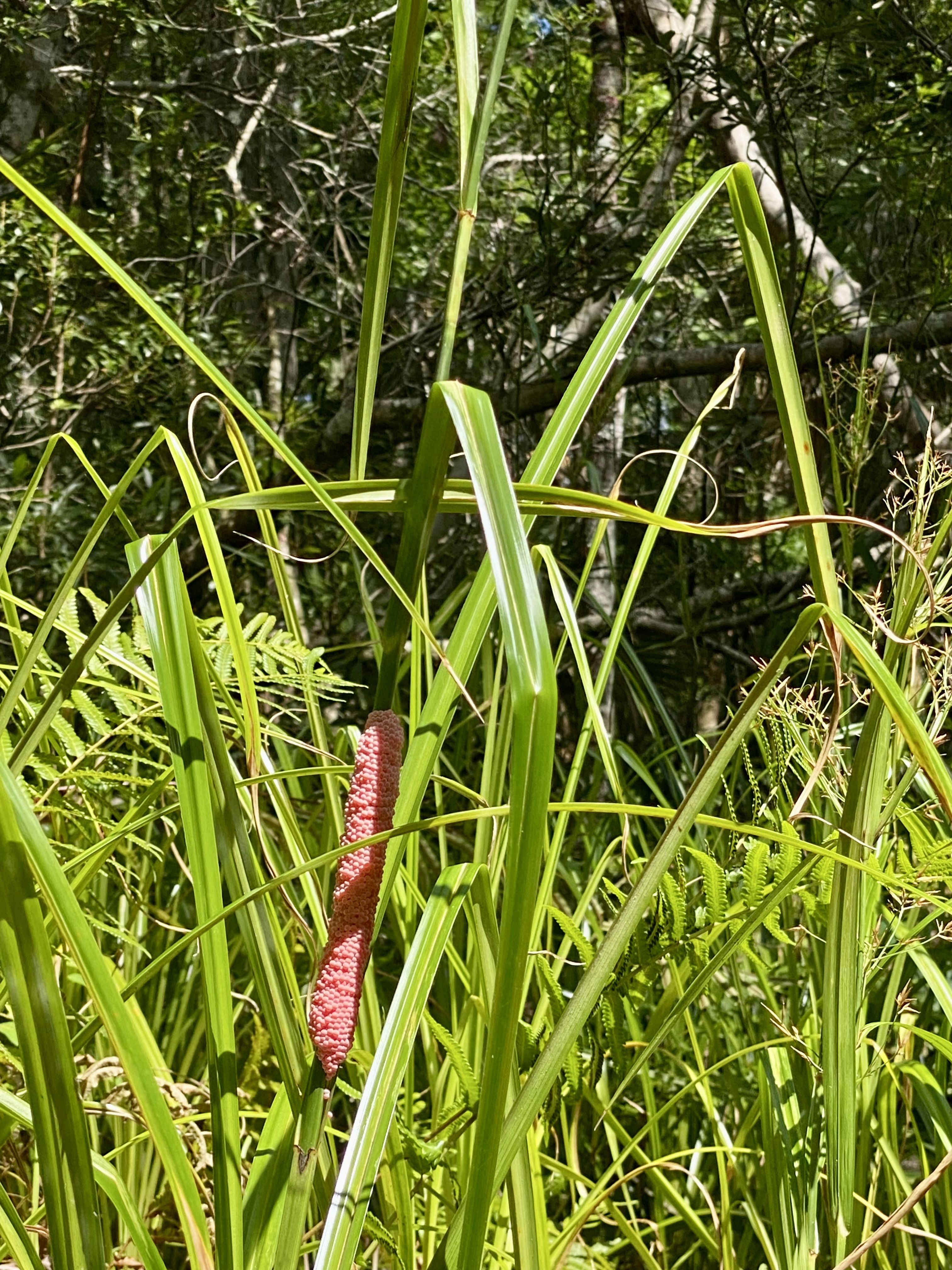
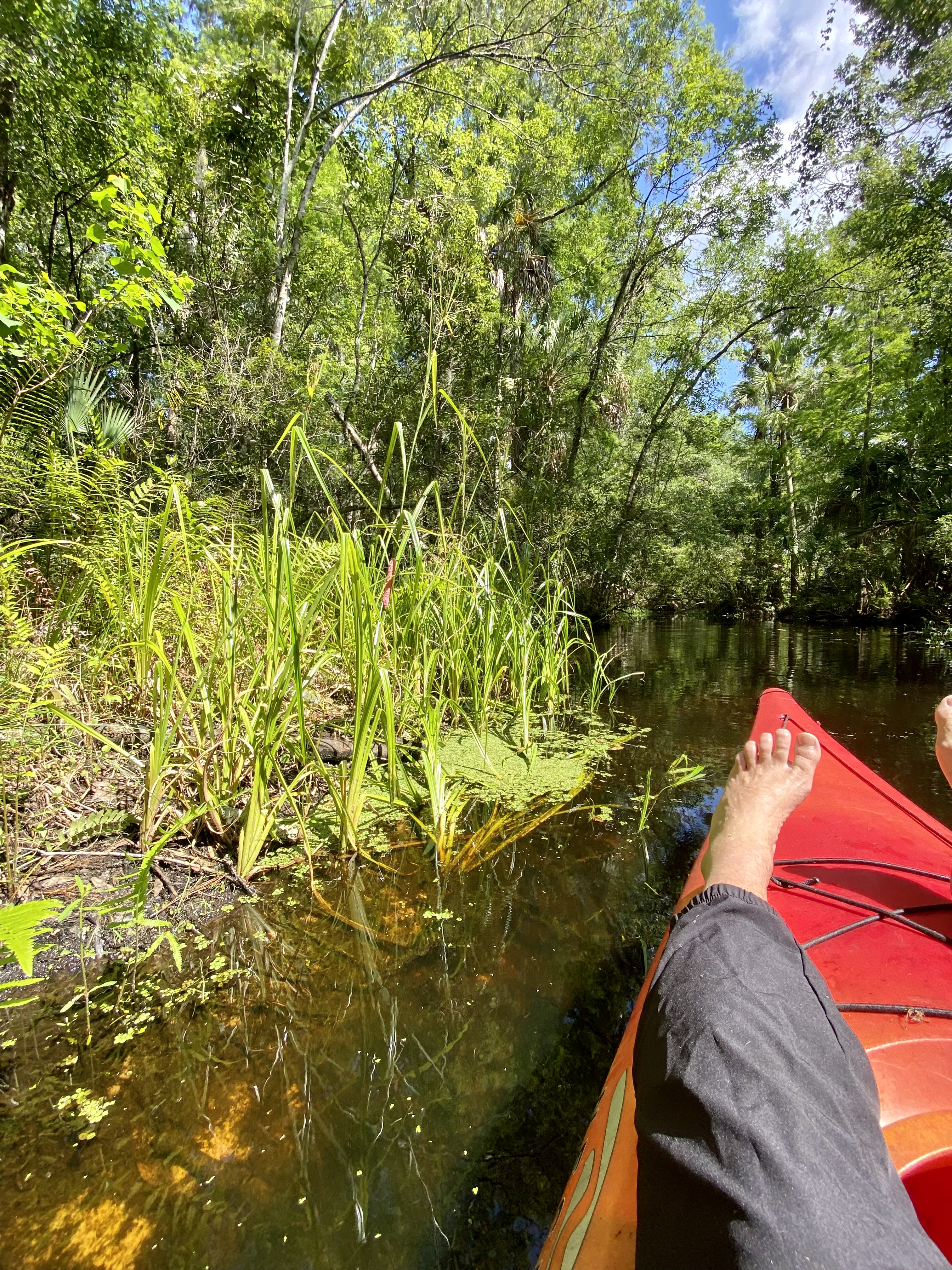
In late June the shoreline is alive with color and growth. Even before getting very far upstream there were aquatic flowers, cattails, pond lilies and the unmistakable bright pink egg clusters of apple snails attached above the waterline.
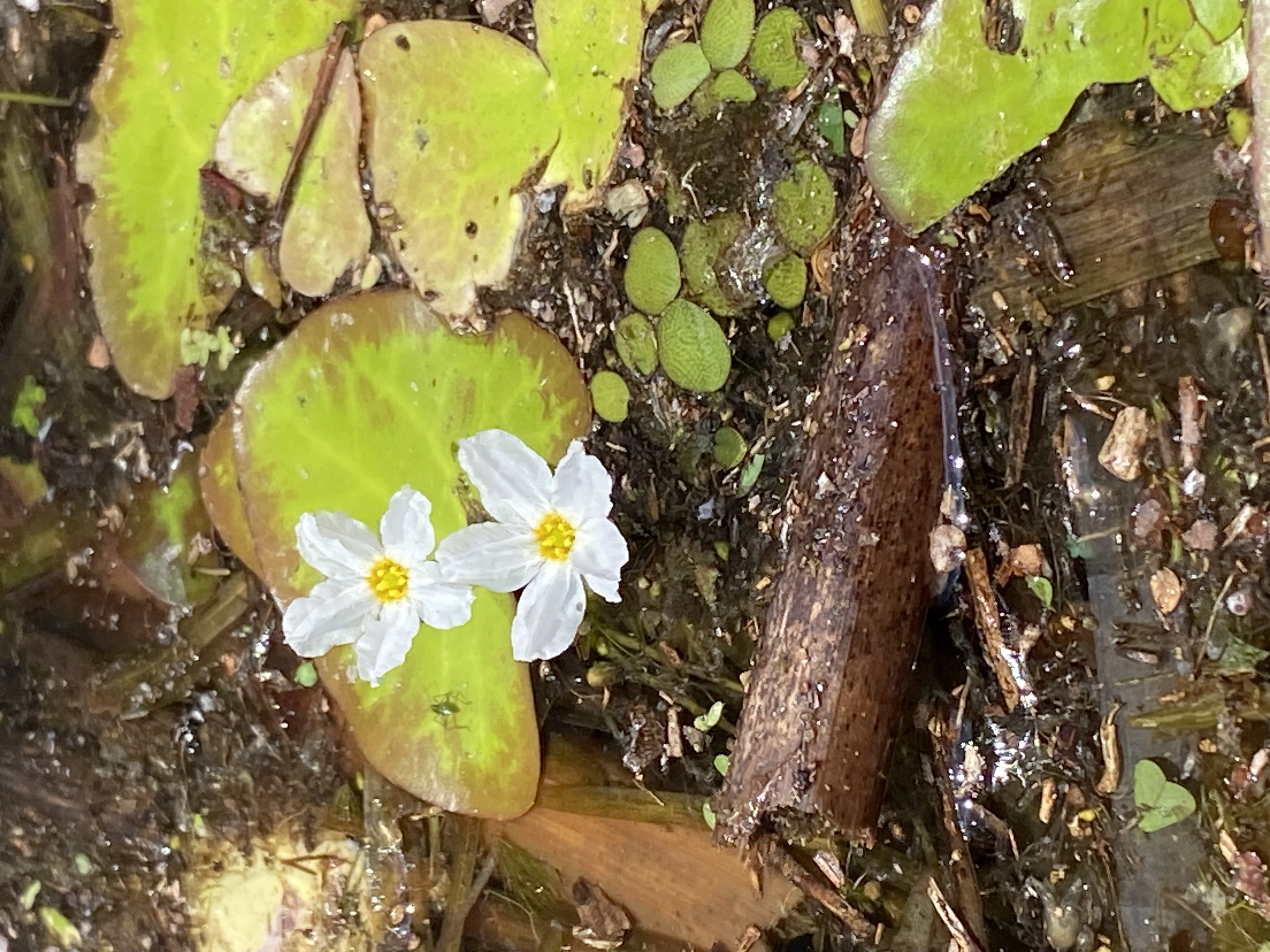
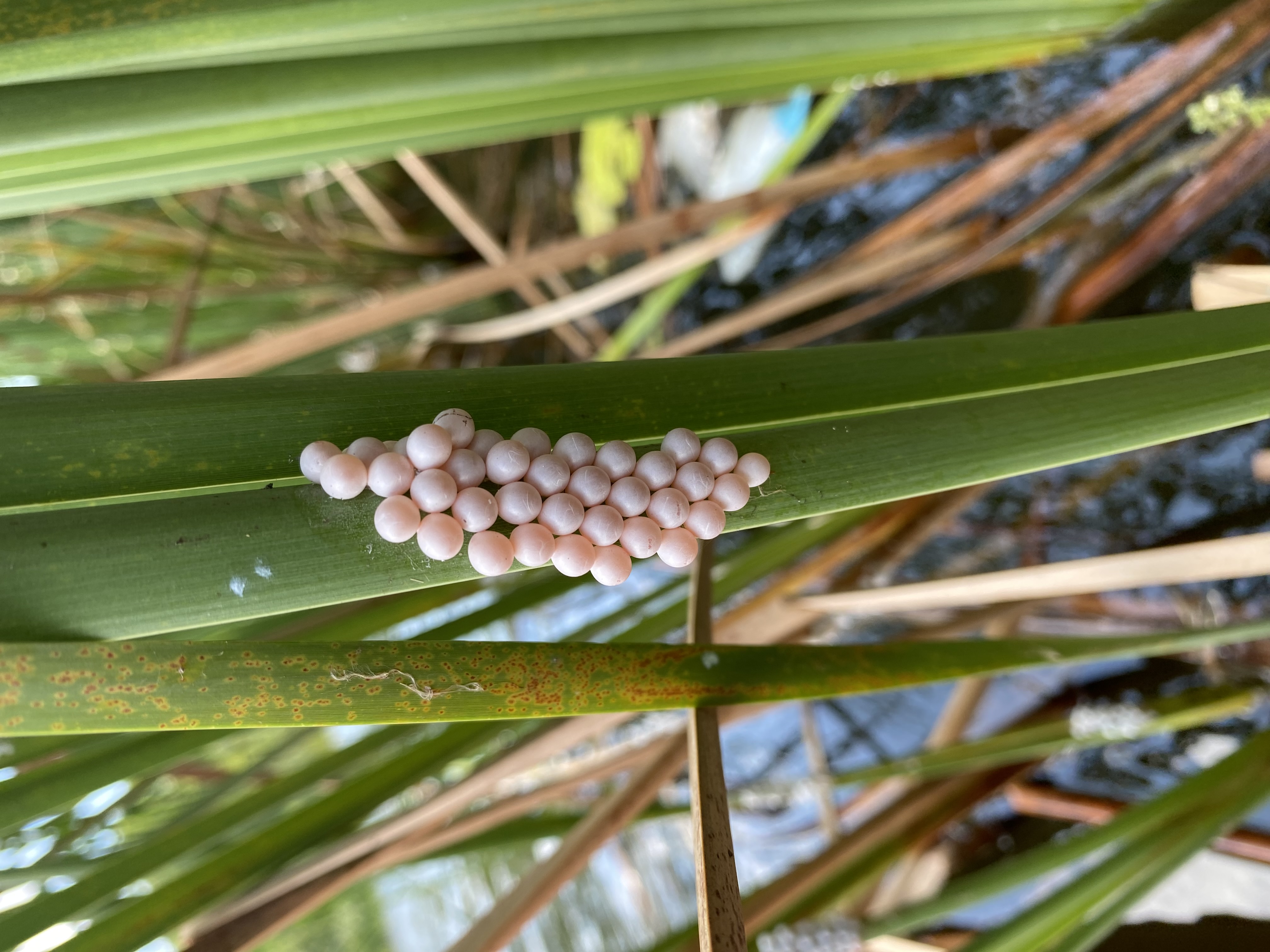
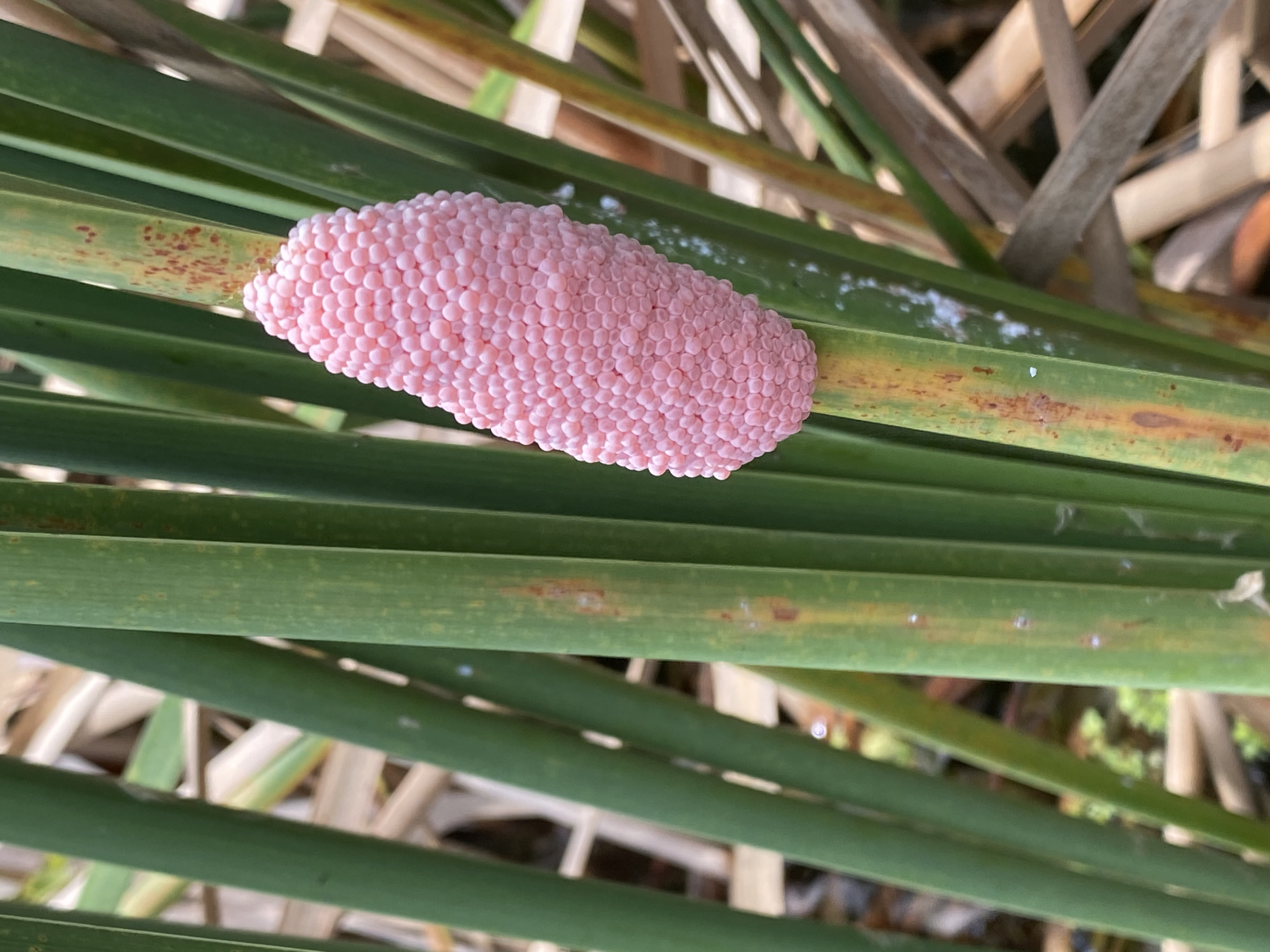
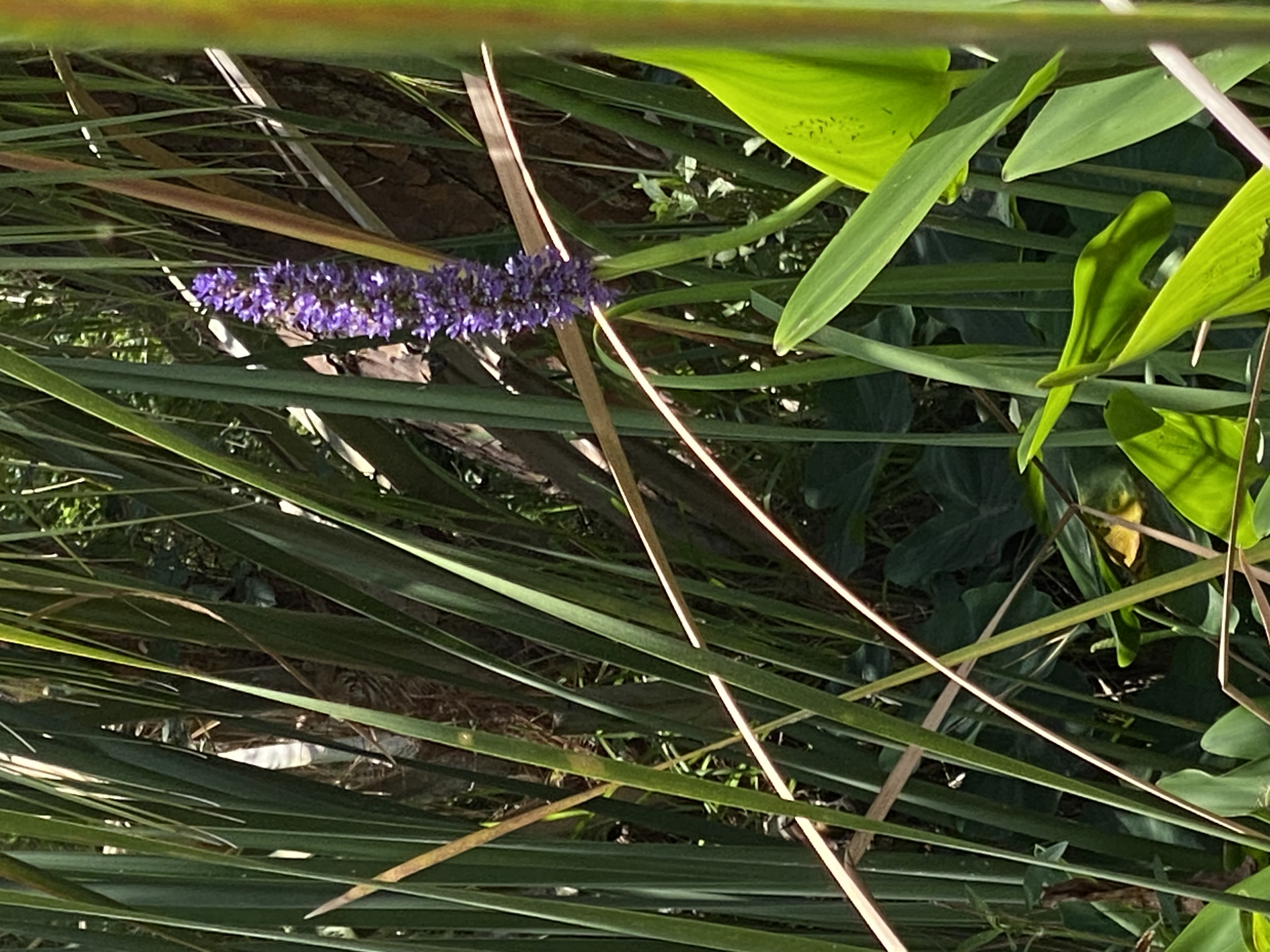
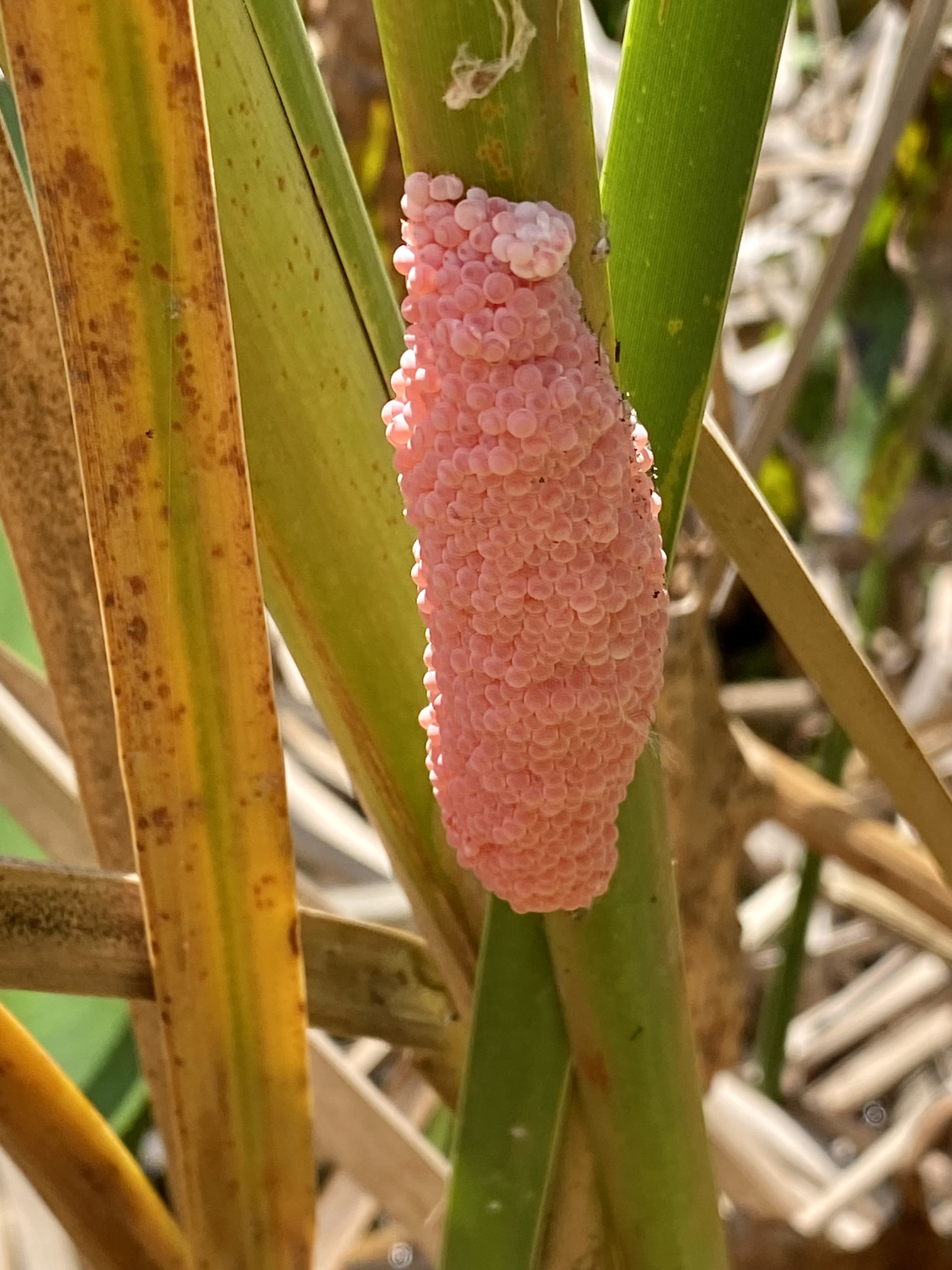
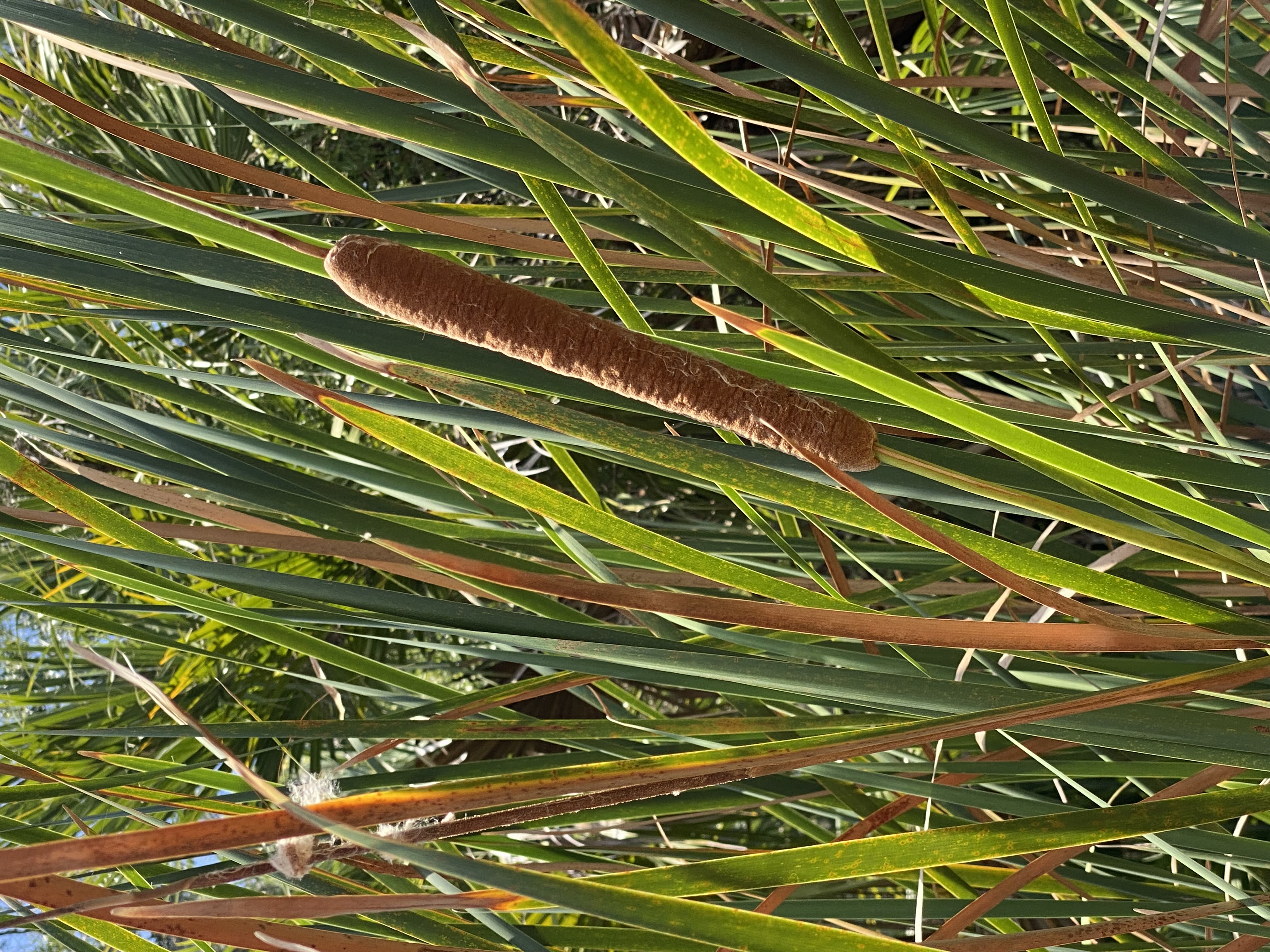
This is not a paddle where the attraction is one dramatic destination. The fun is in slowing down and noticing what is growing and living along the banks. Yellow pond lilies, floating leaves, purple blooms and tiny details along the reeds make the creek especially interesting in summer.
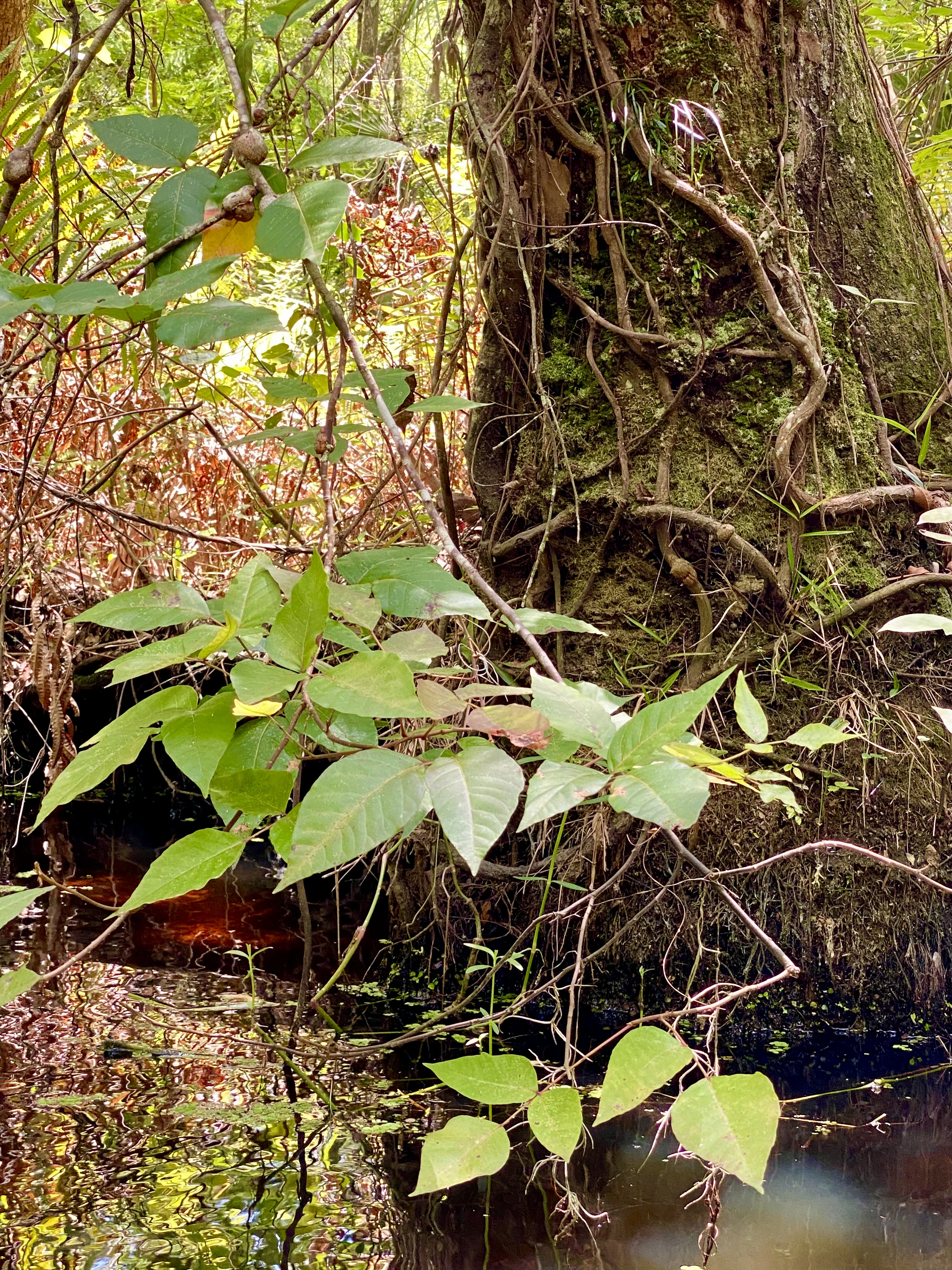
The water can be dark and tea-colored beneath the trees, while patches of direct sun turn the vegetation almost fluorescent green. It is a very different feeling from the broad lake only a short distance away.
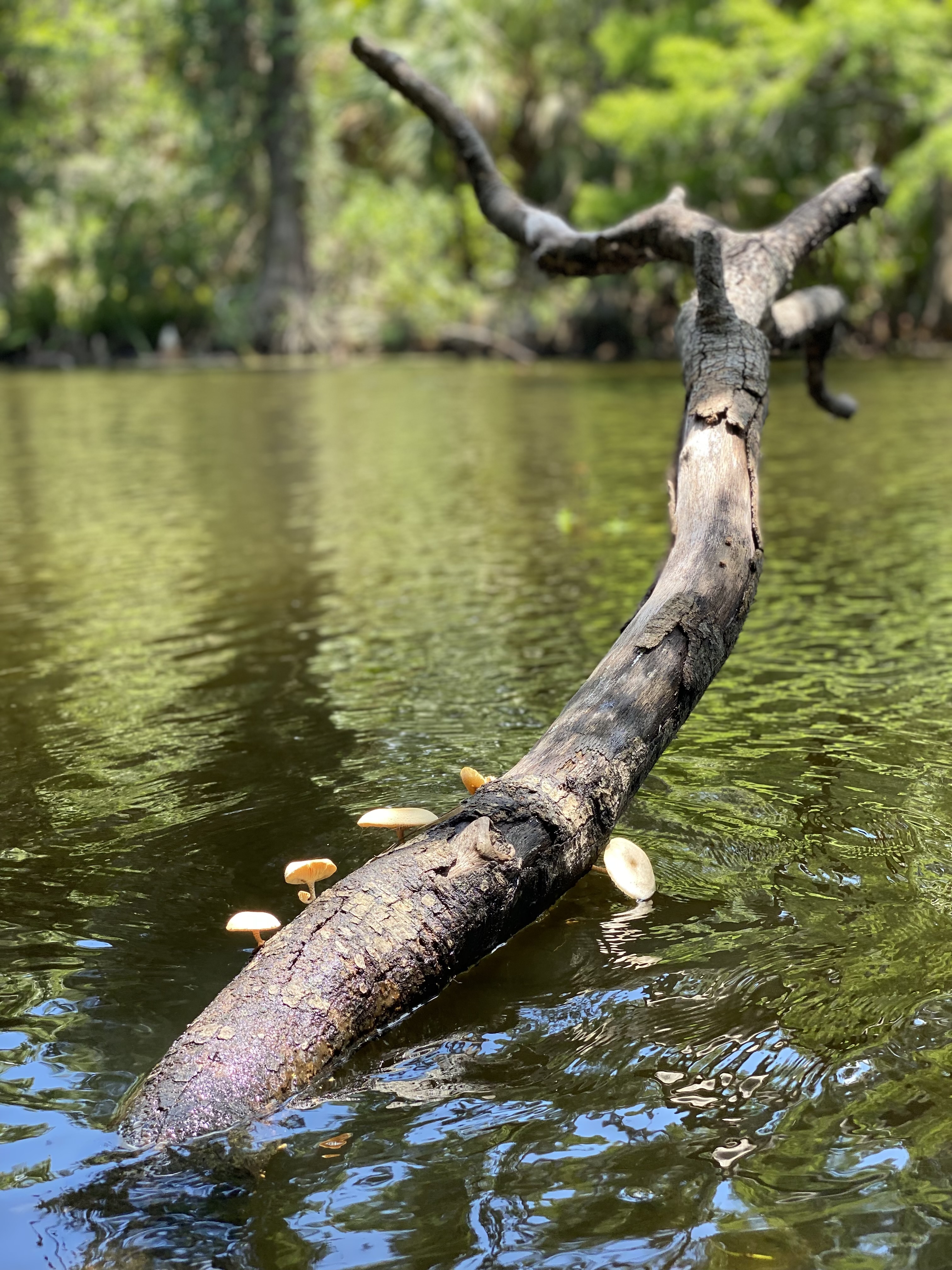
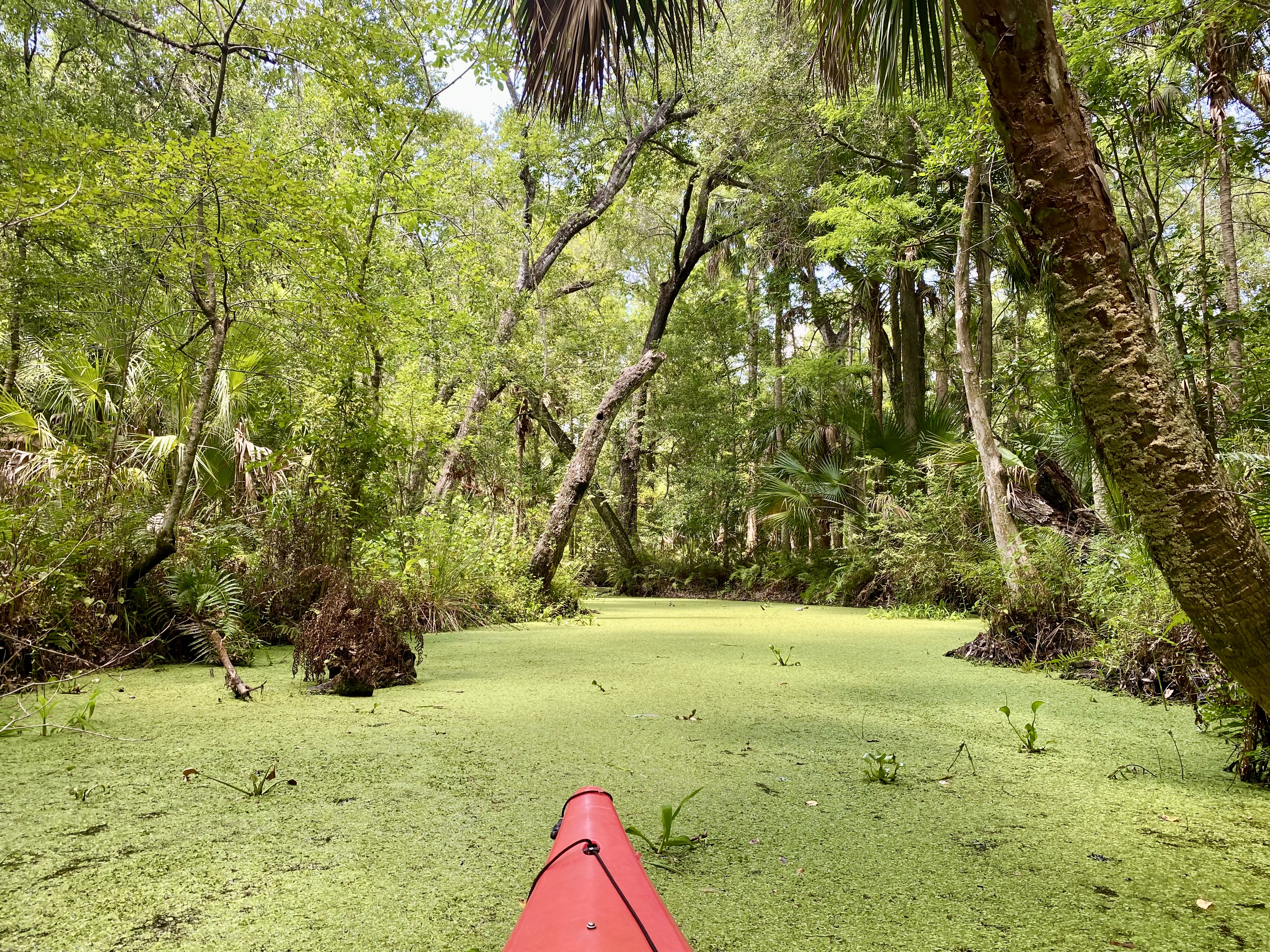
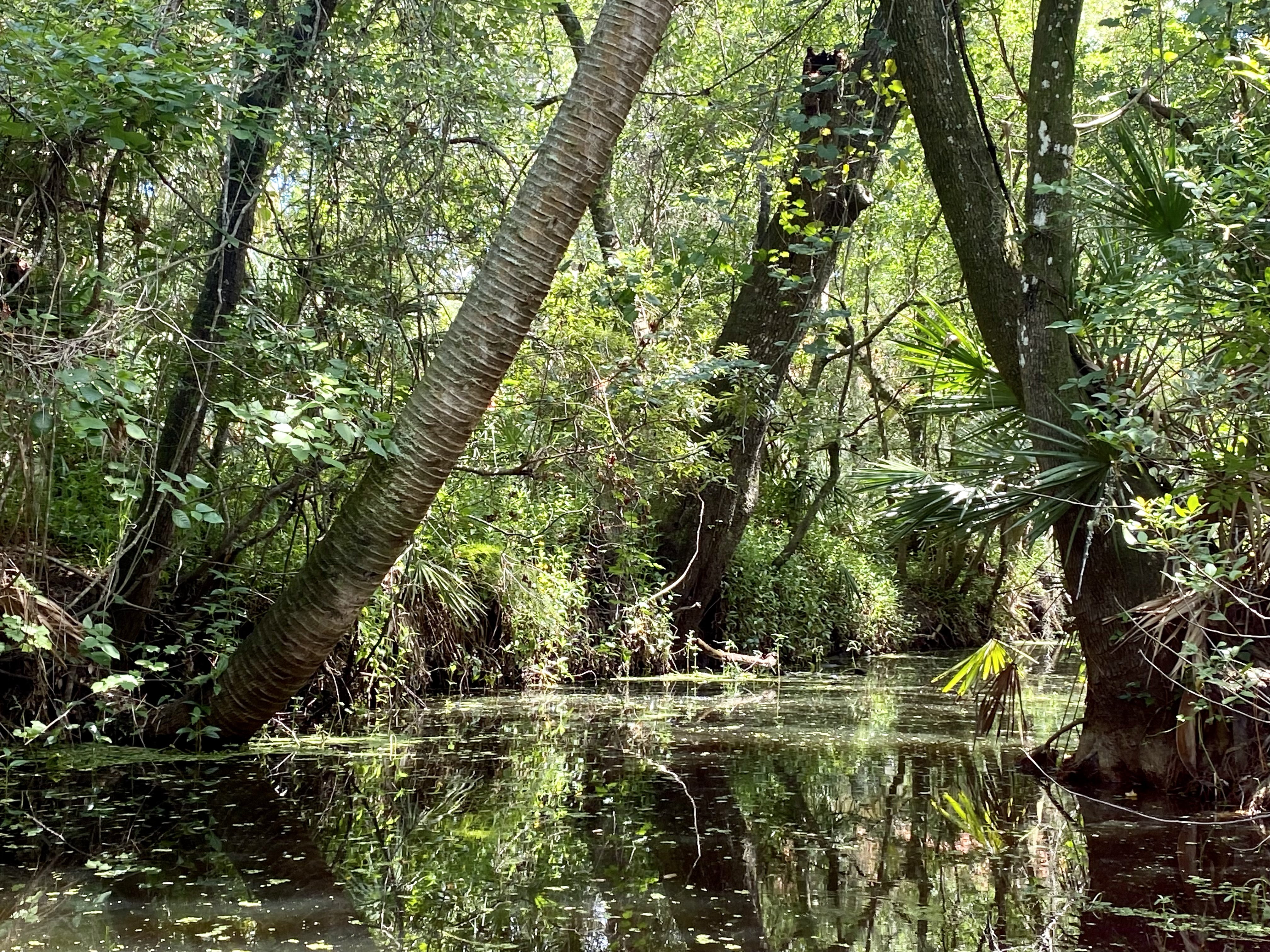
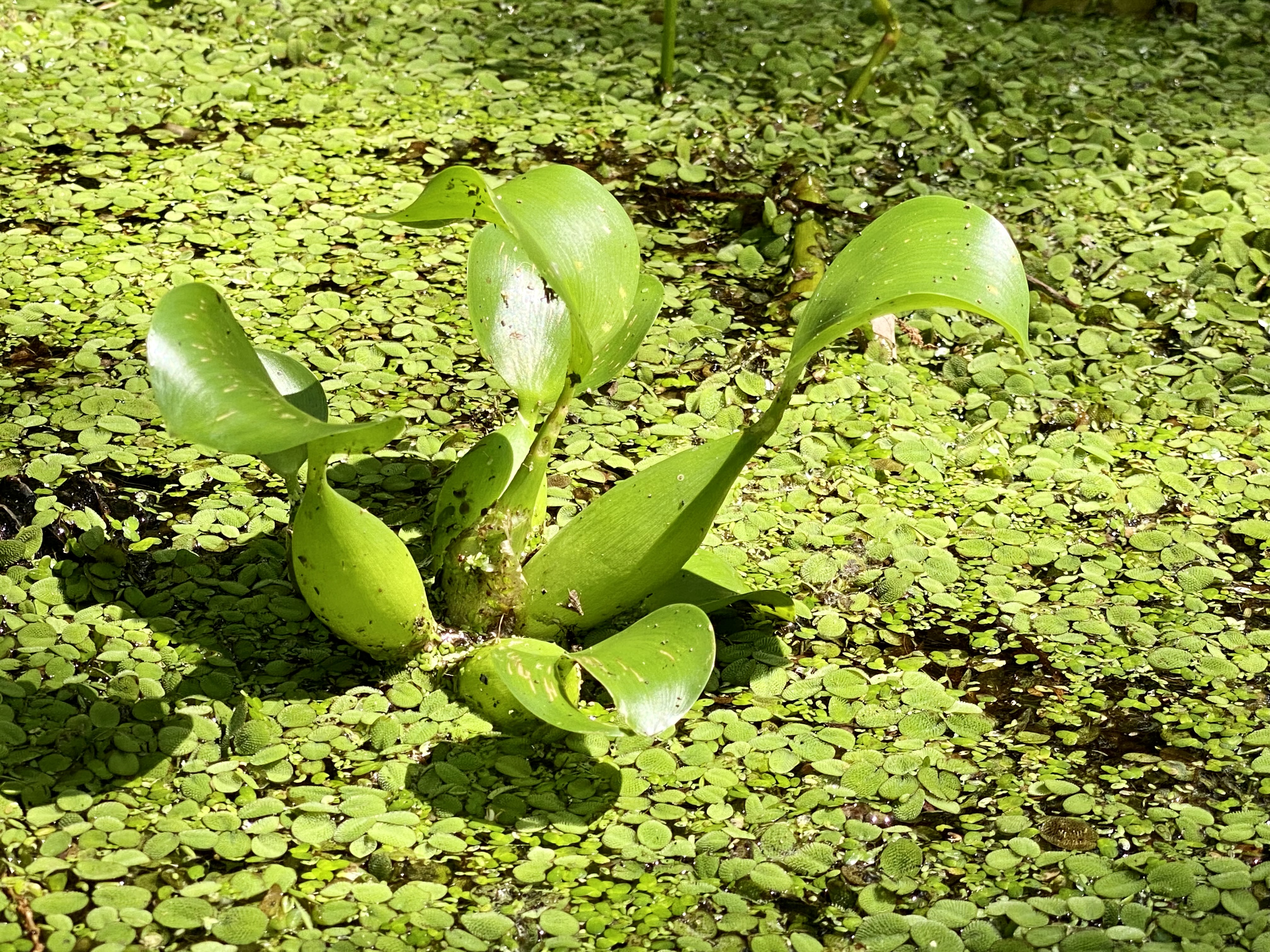
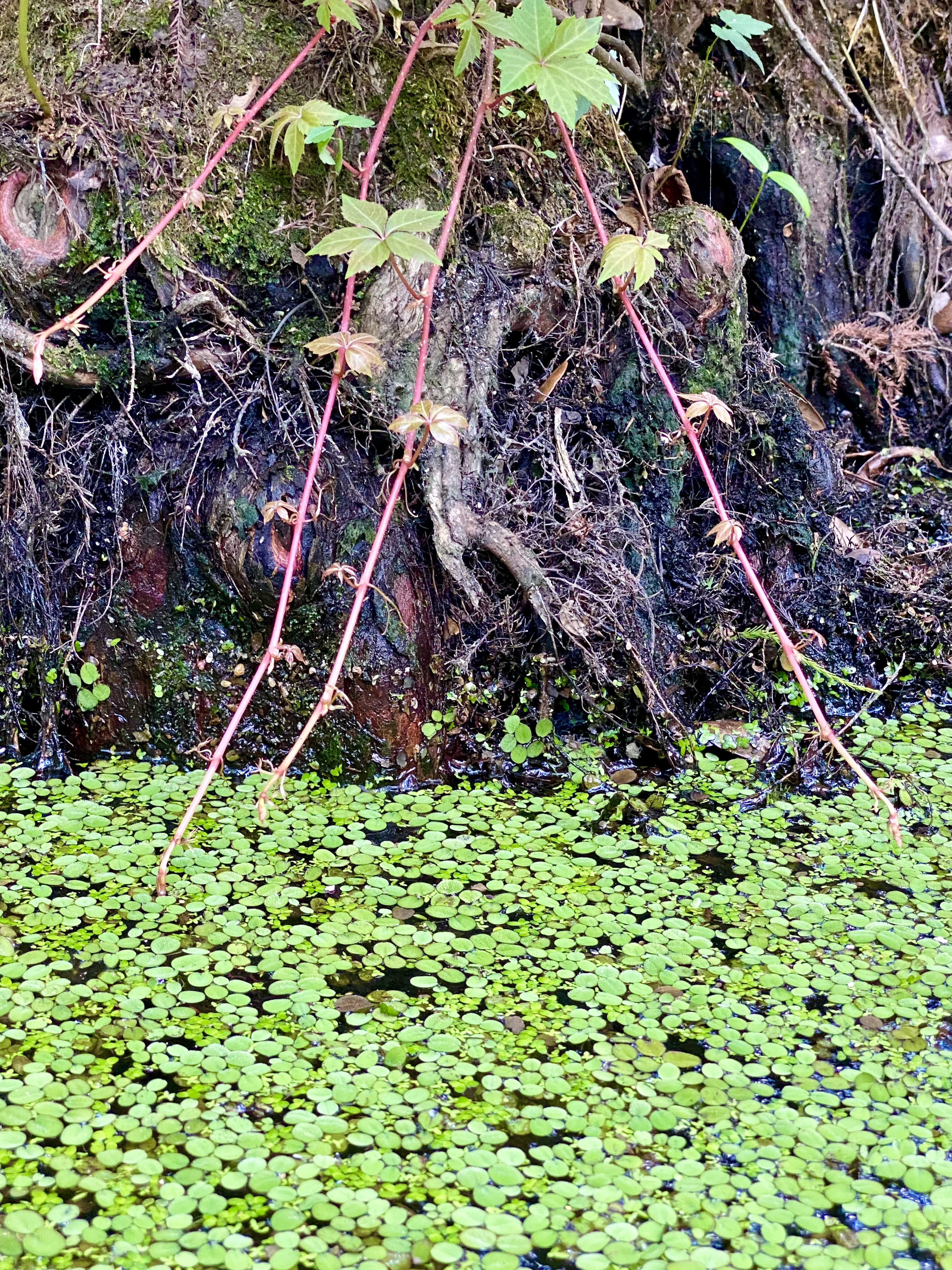
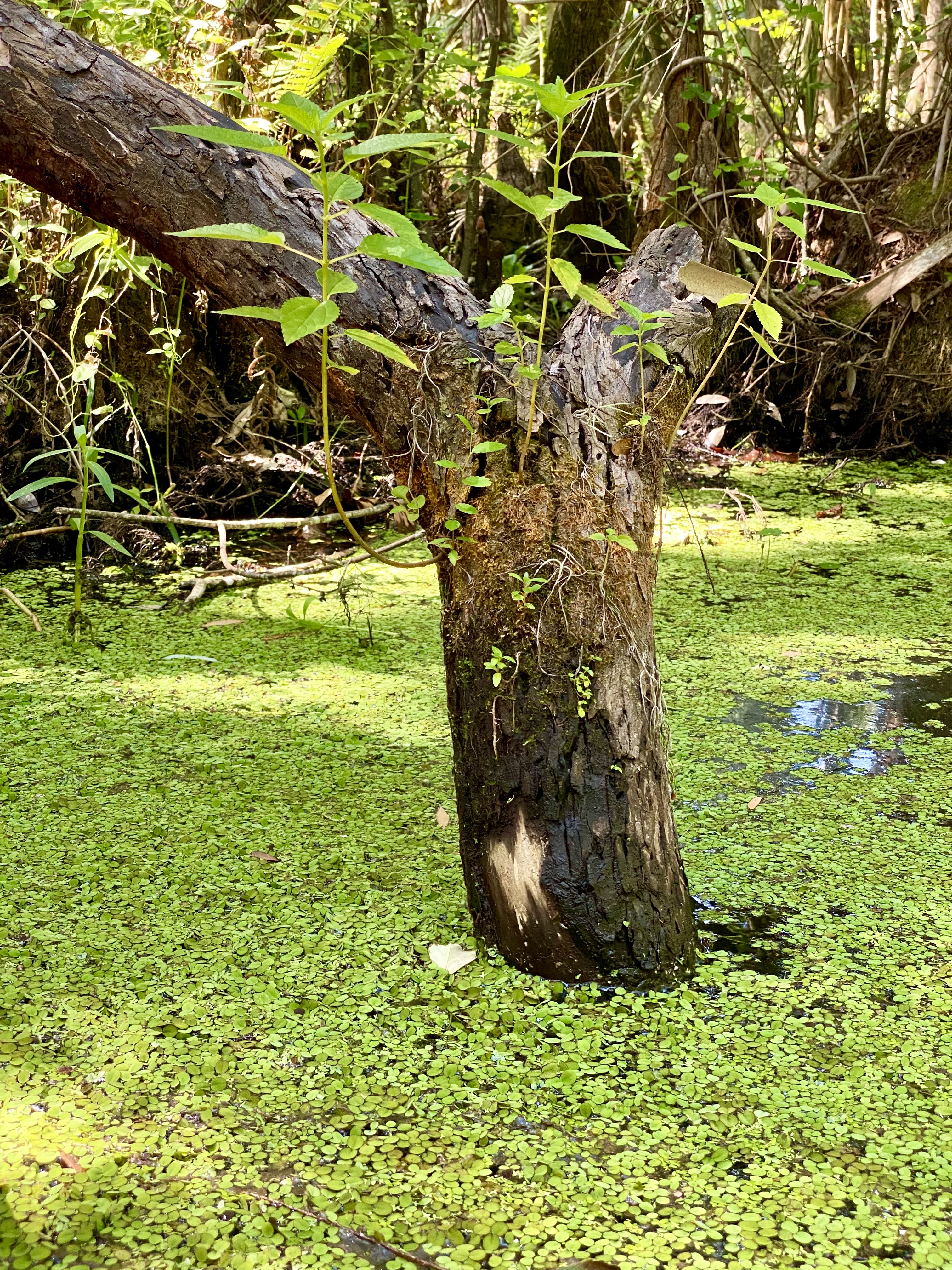
Farther into Brooker Creek the channel narrows, duckweed collects on the surface, and the bow of the kayak seems to disappear into a green corridor. Fallen logs and branches are part of the experience. Depending on recent storms and water levels, a tree can turn an easy upstream paddle into a turnaround point.
That changing nature is part of what makes the creek interesting. You never know exactly how far you will be able to get on a given trip, and higher water can open stretches that are difficult or impossible during dry periods.
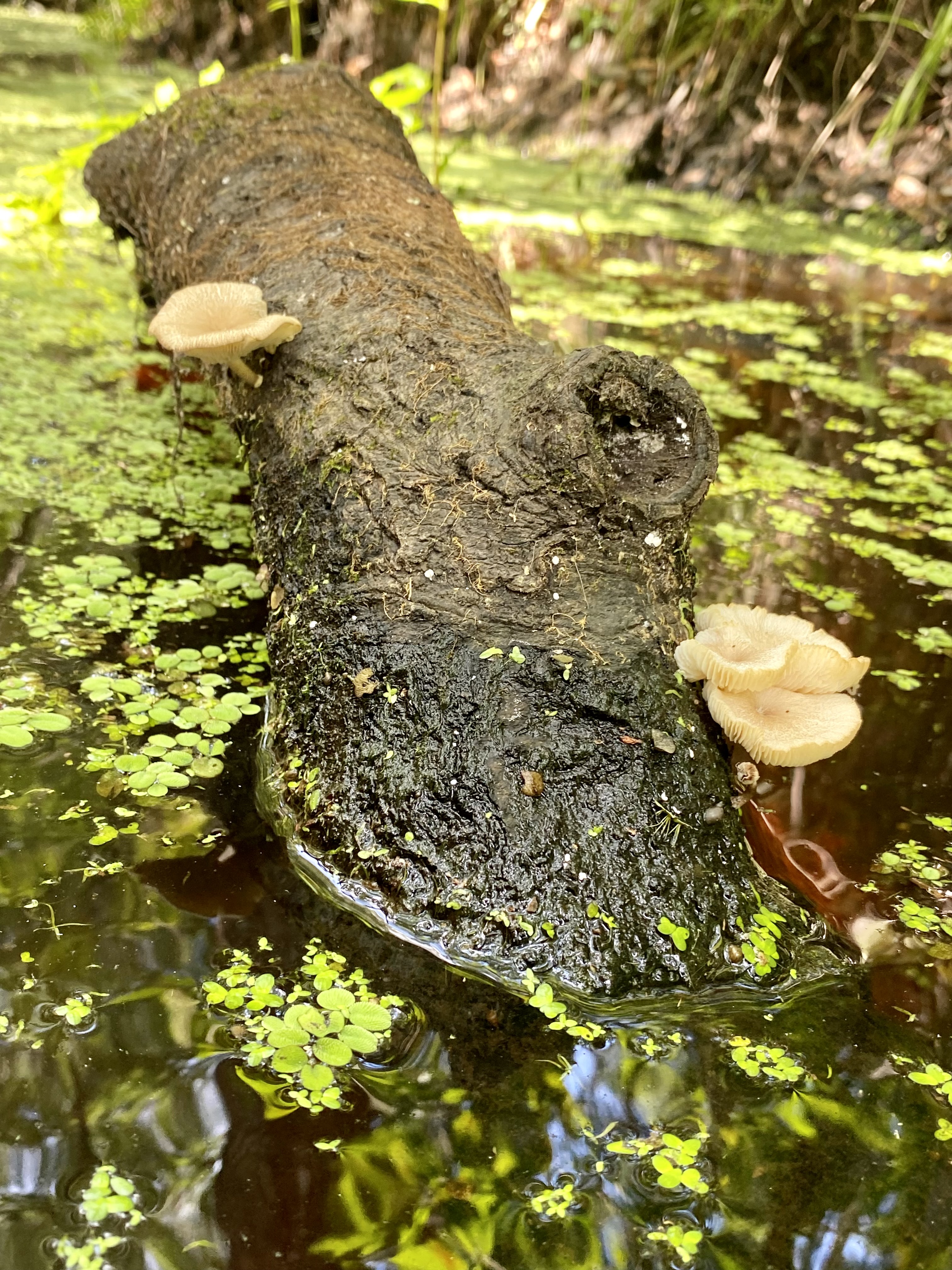
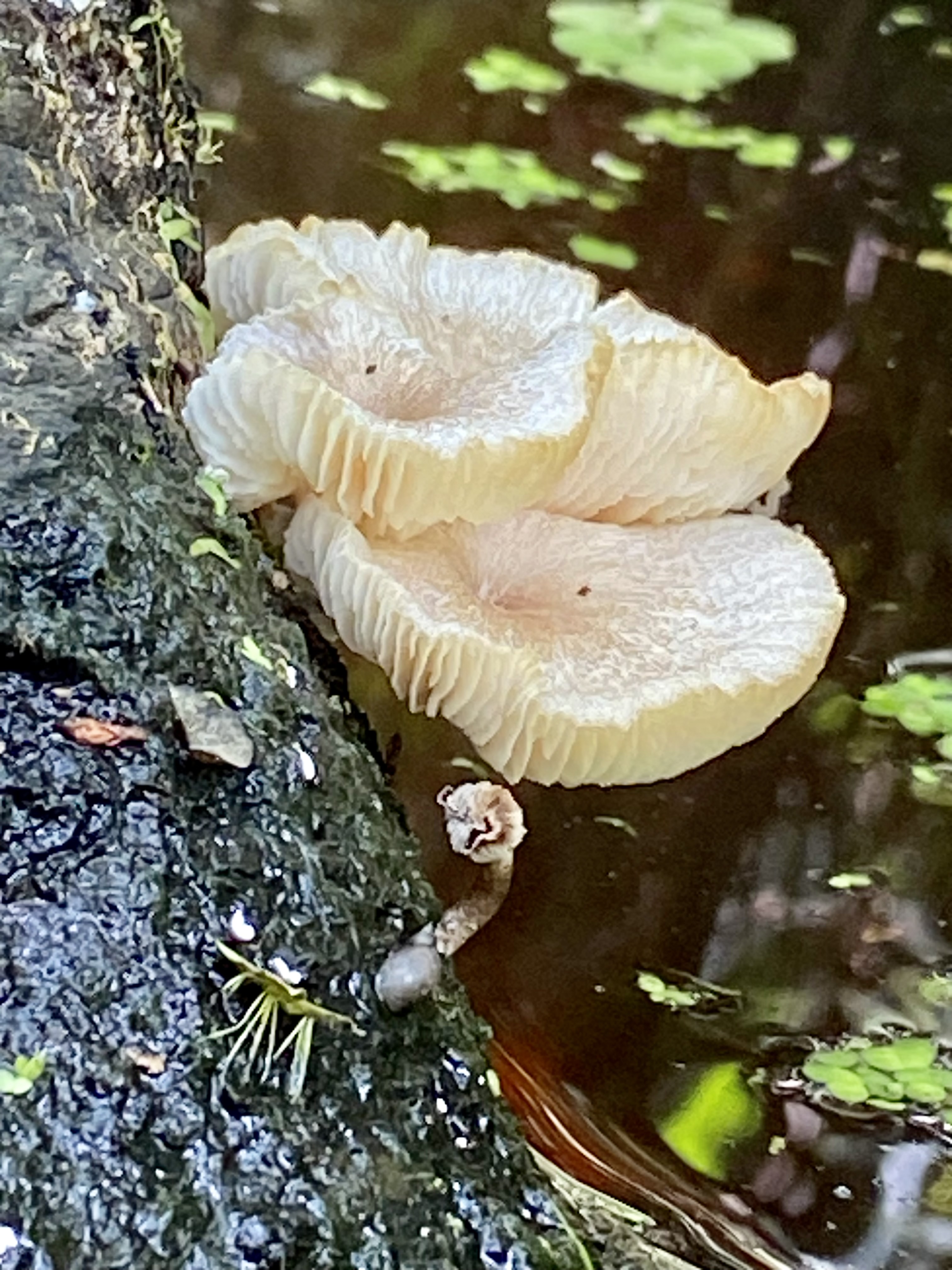
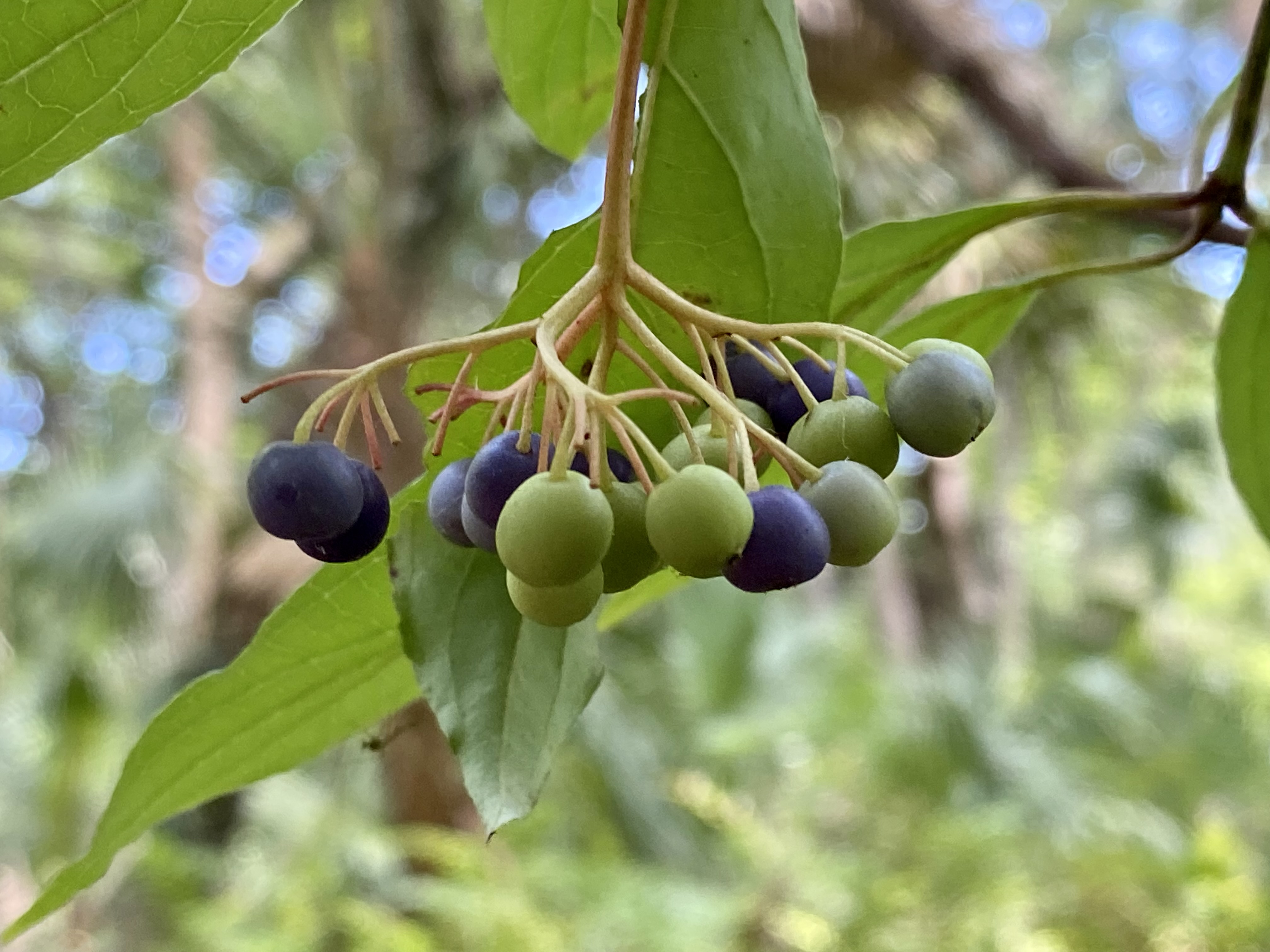
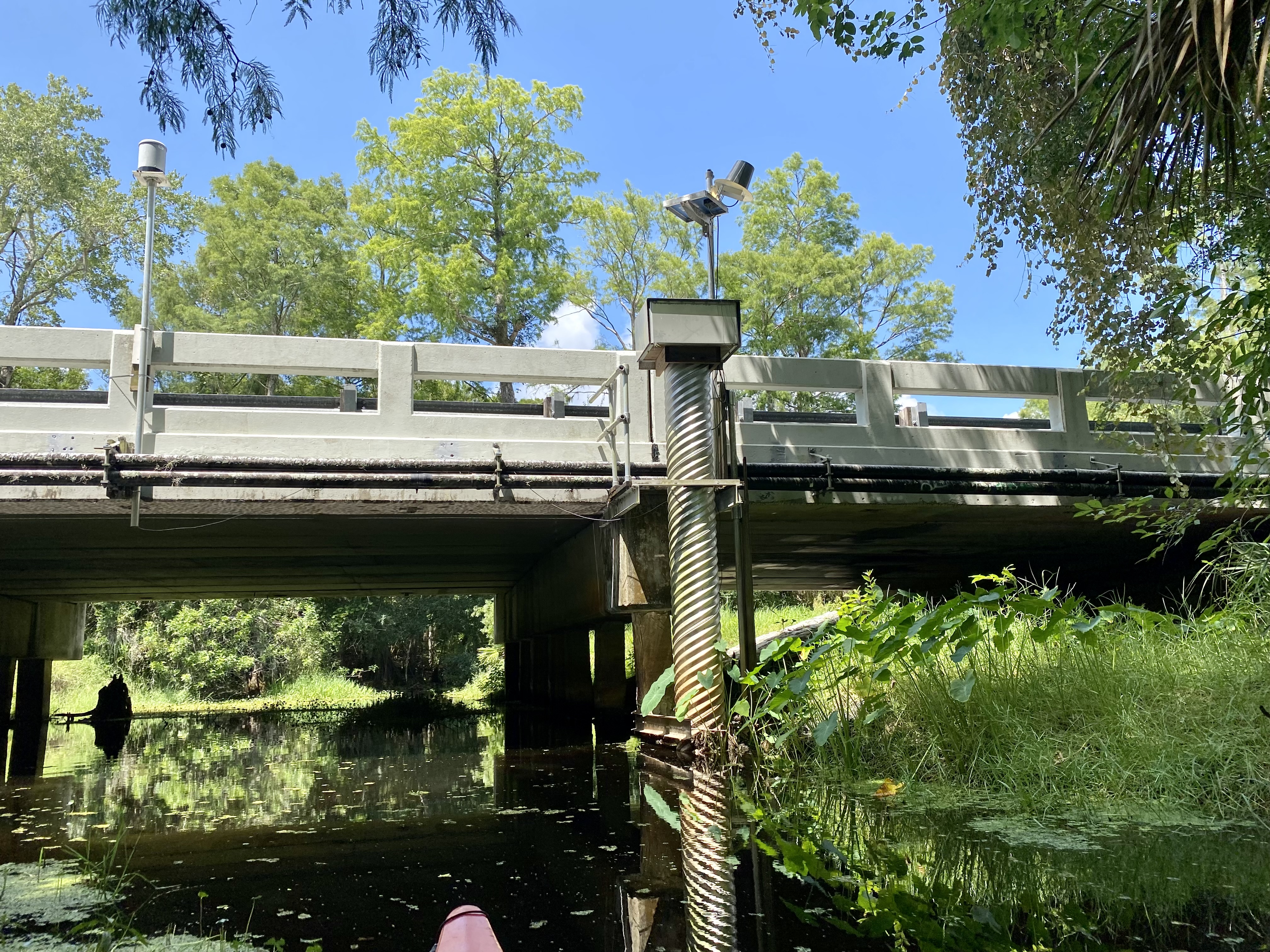
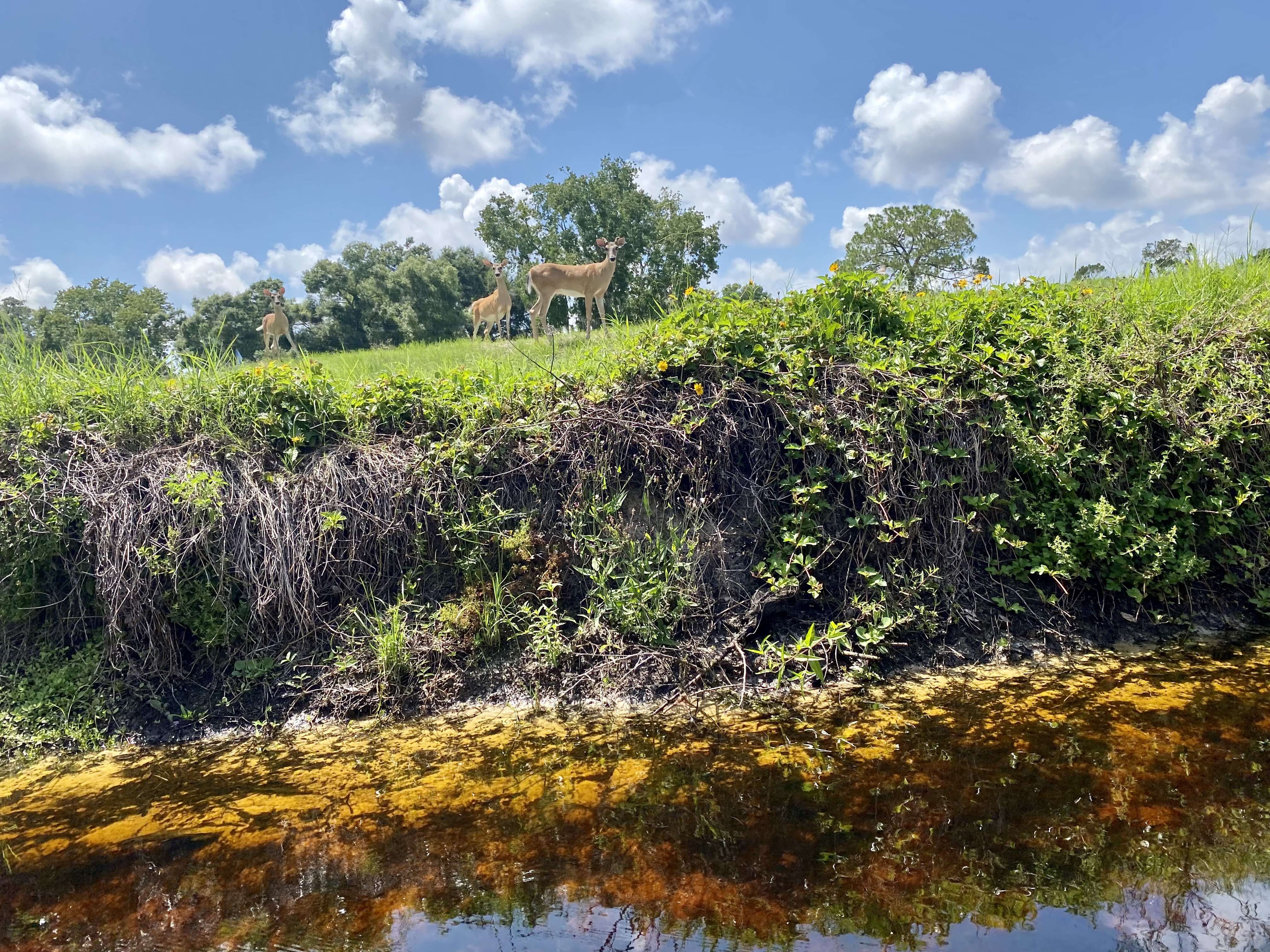
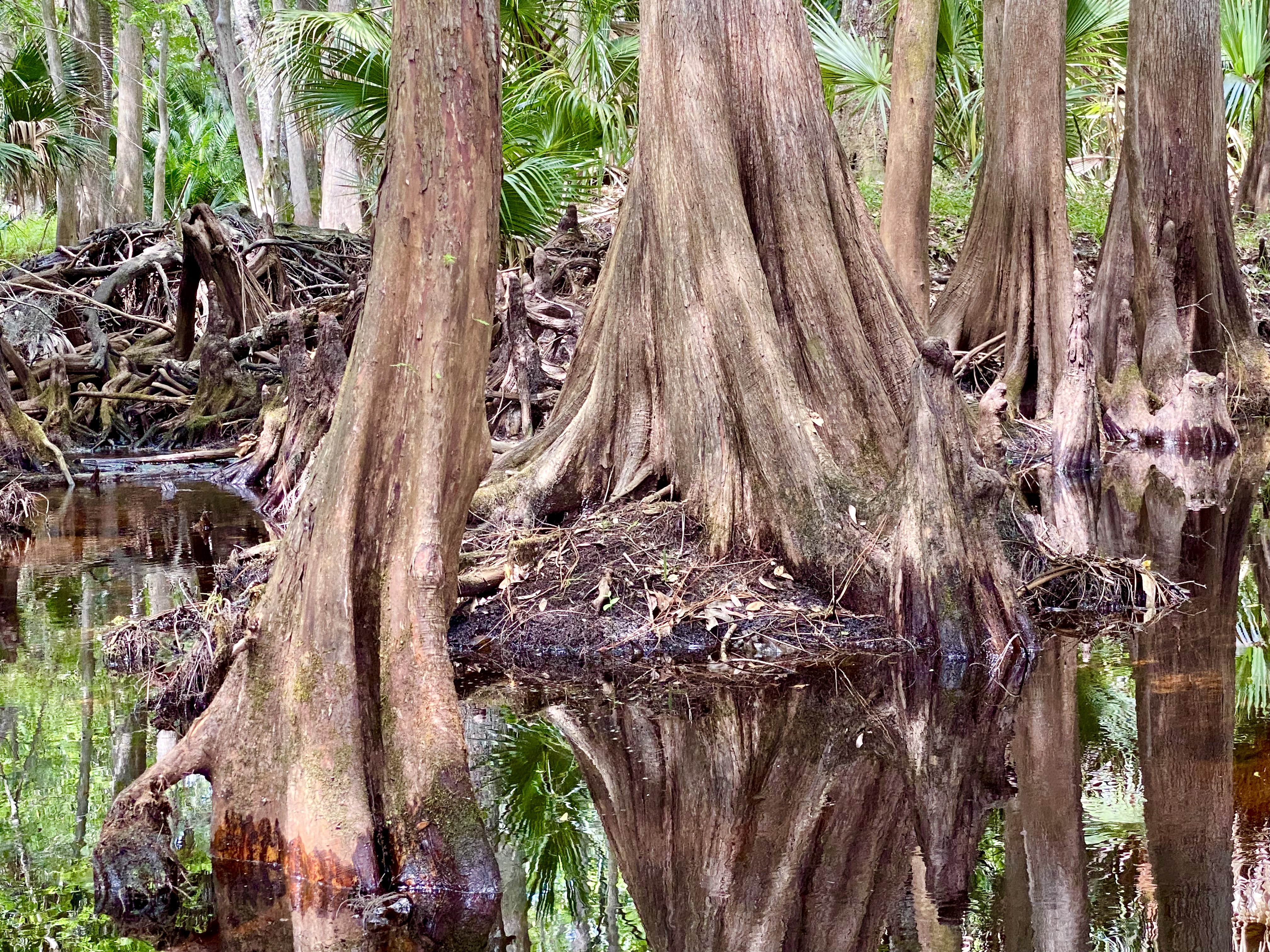
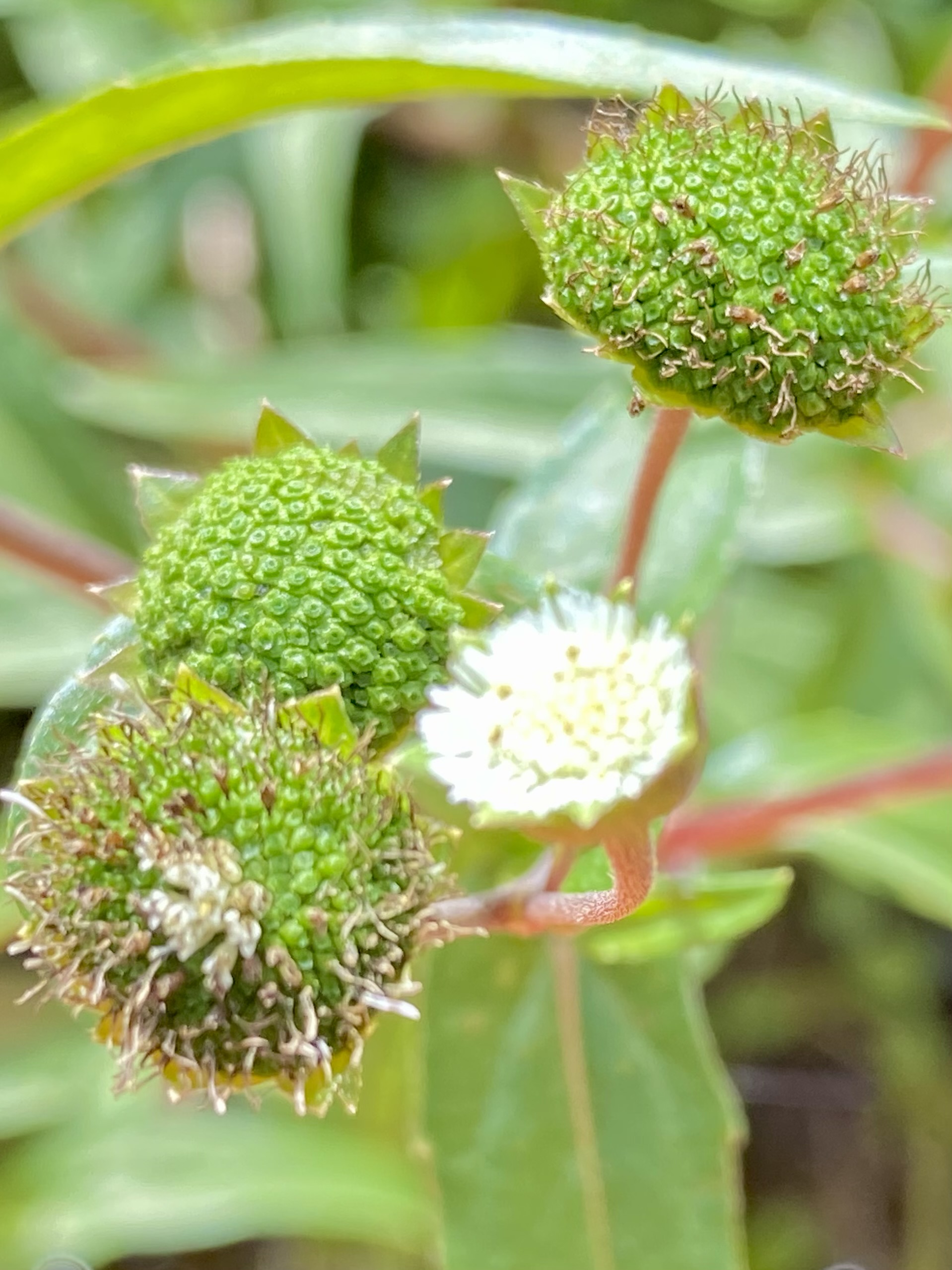
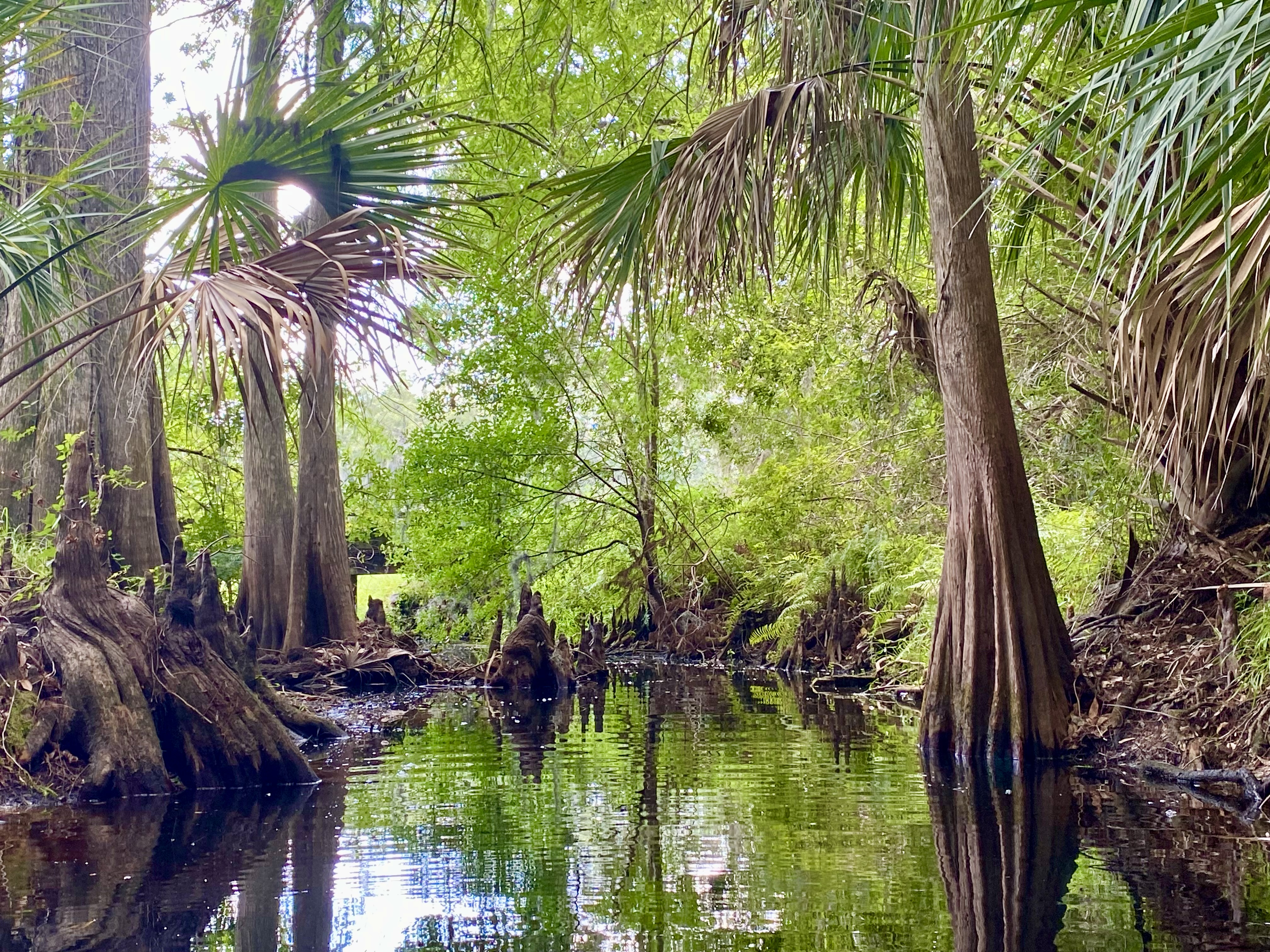
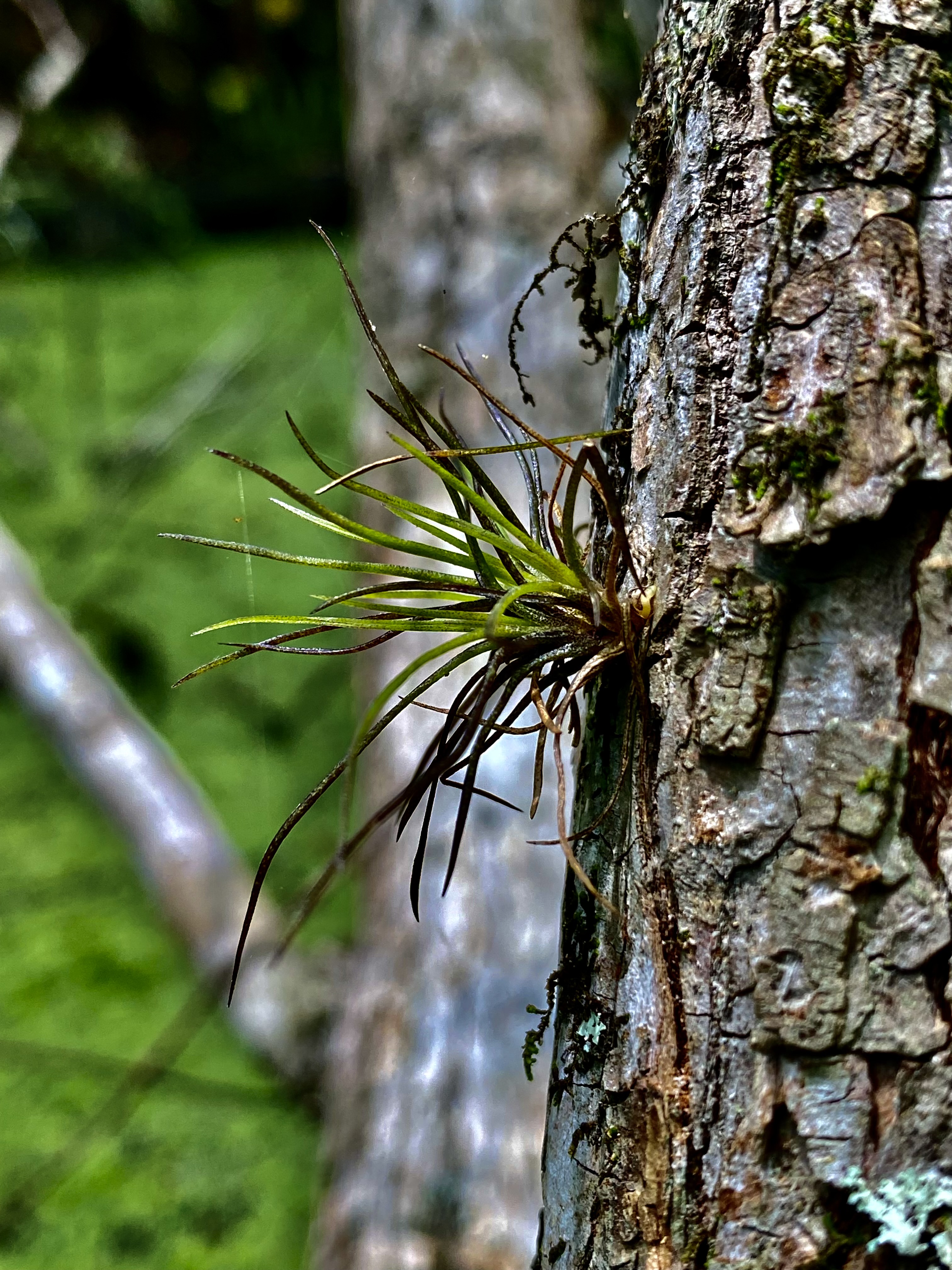
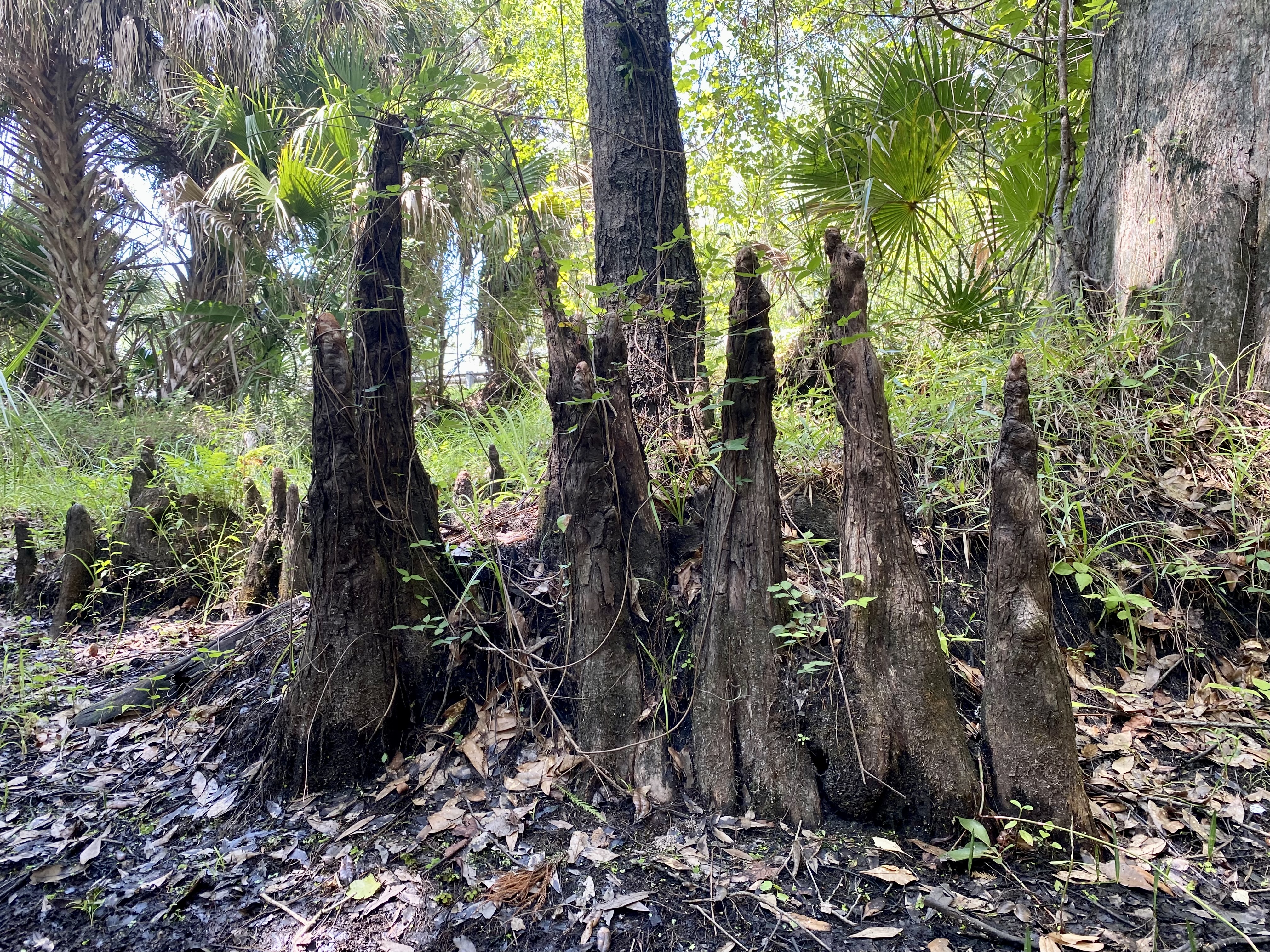
This is where Brooker Creek really starts to feel remote. Cypress trunks stand right at the waterline, knees rise from the saturated floodplain, and palms, ferns, vines and air plants crowd every available space. Even though the creek is surrounded by one of the most populated parts of Pinellas County, there are sections where the view from the kayak looks like deep backcountry Florida.
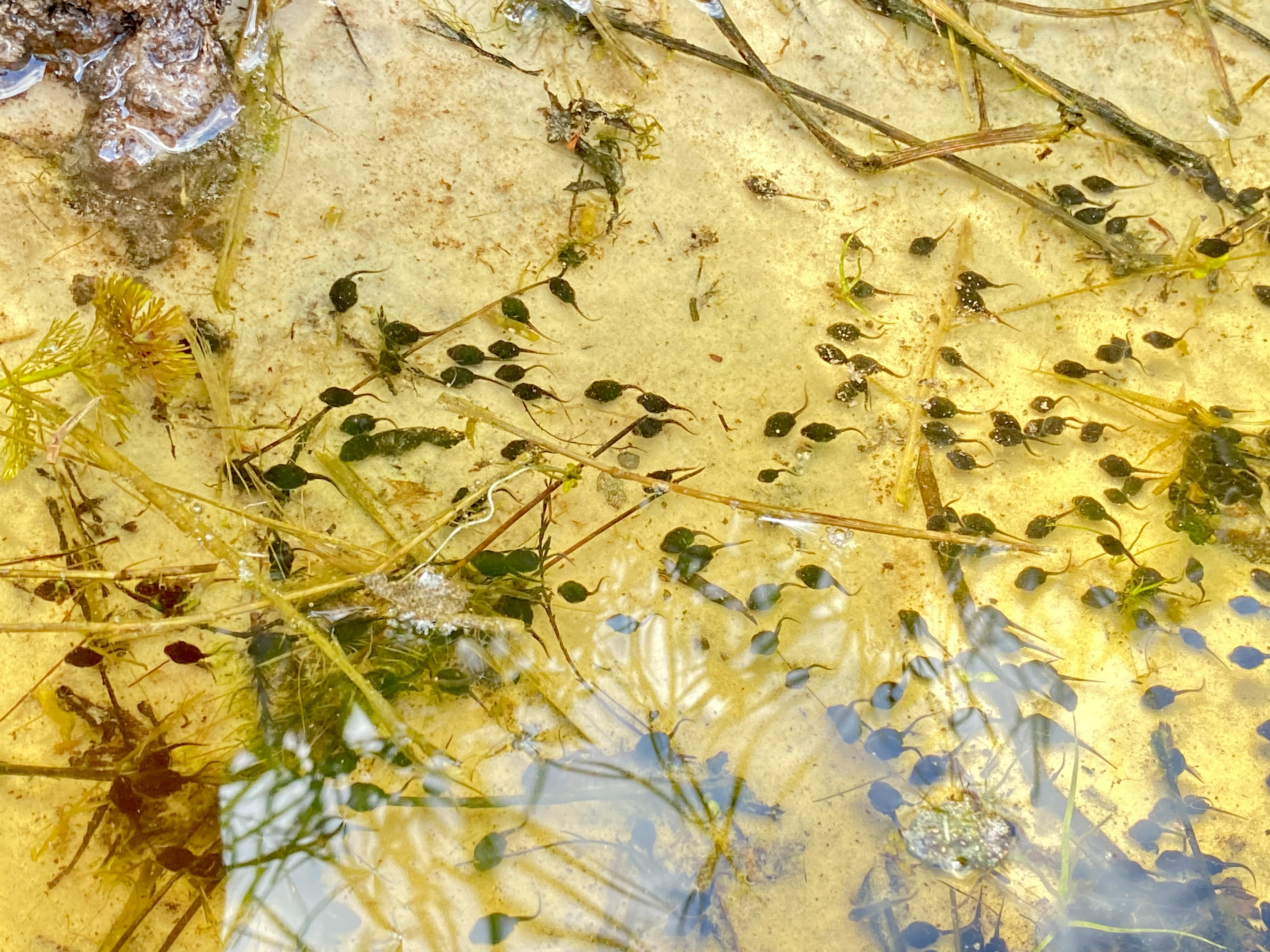
Paddling quietly also makes it easier to notice the small wildlife. In one shallow pocket I could see tiny tadpoles in the water, while buttonbush flowers and other creekside plants attracted insects along the banks.
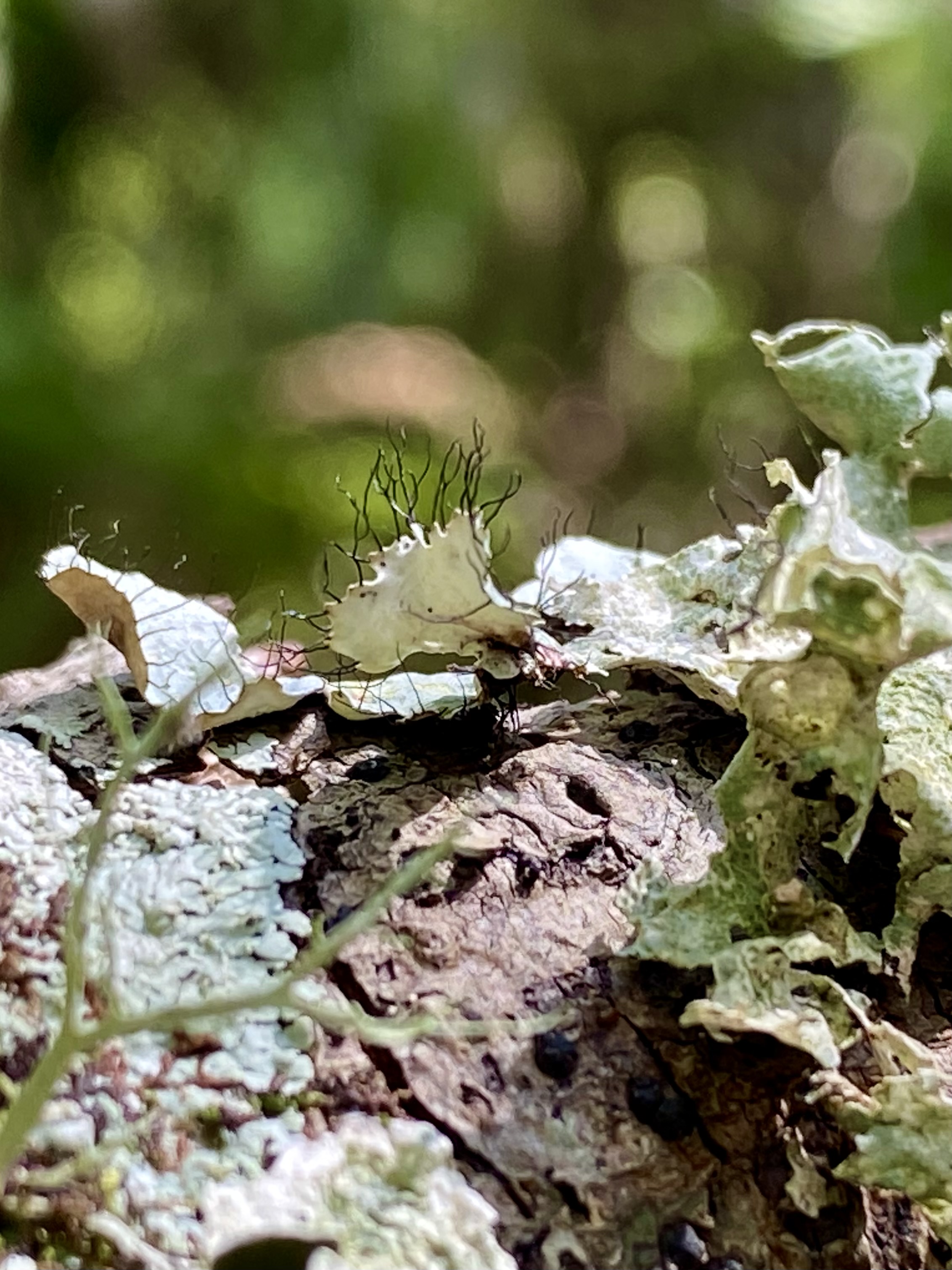
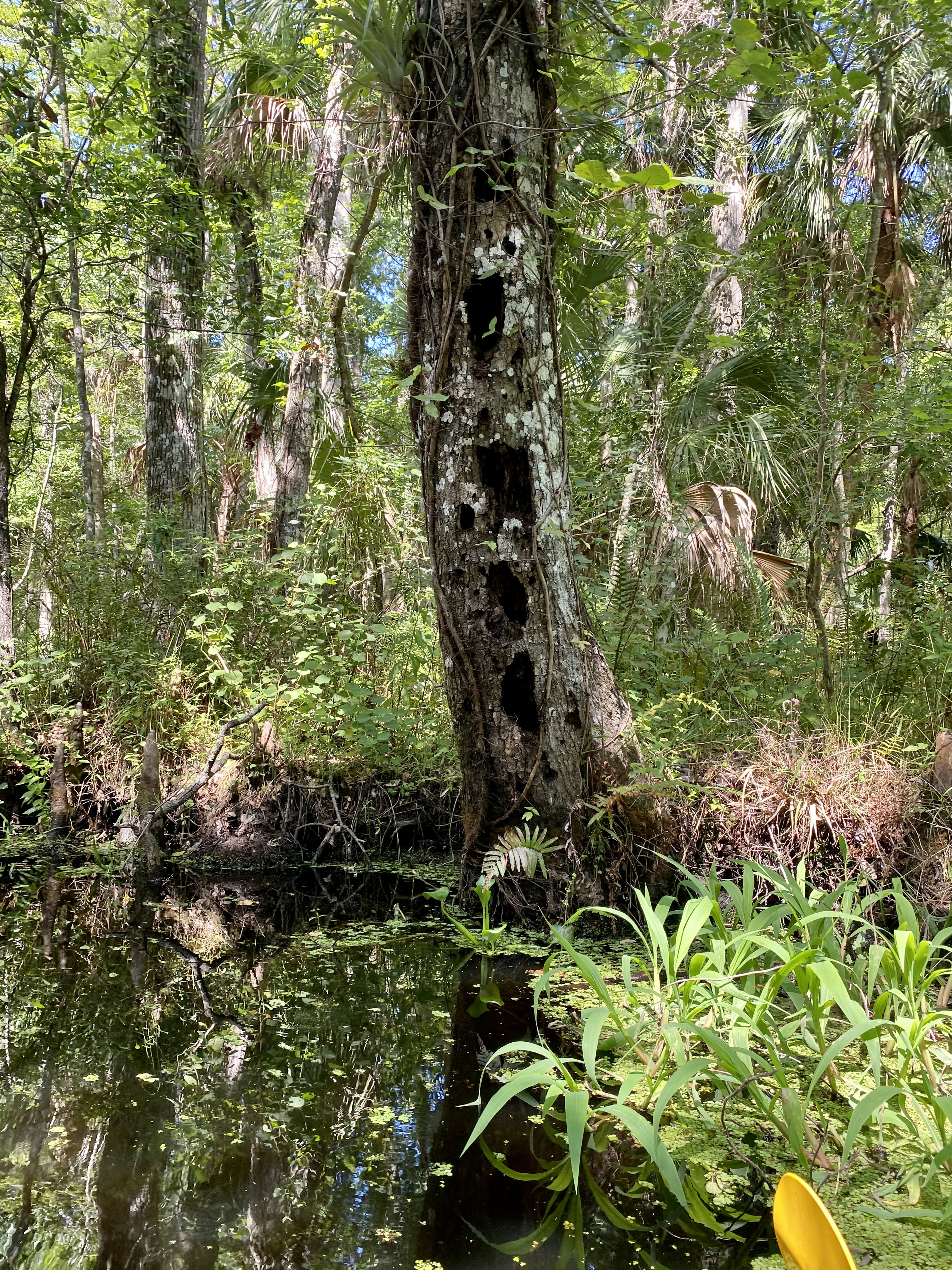
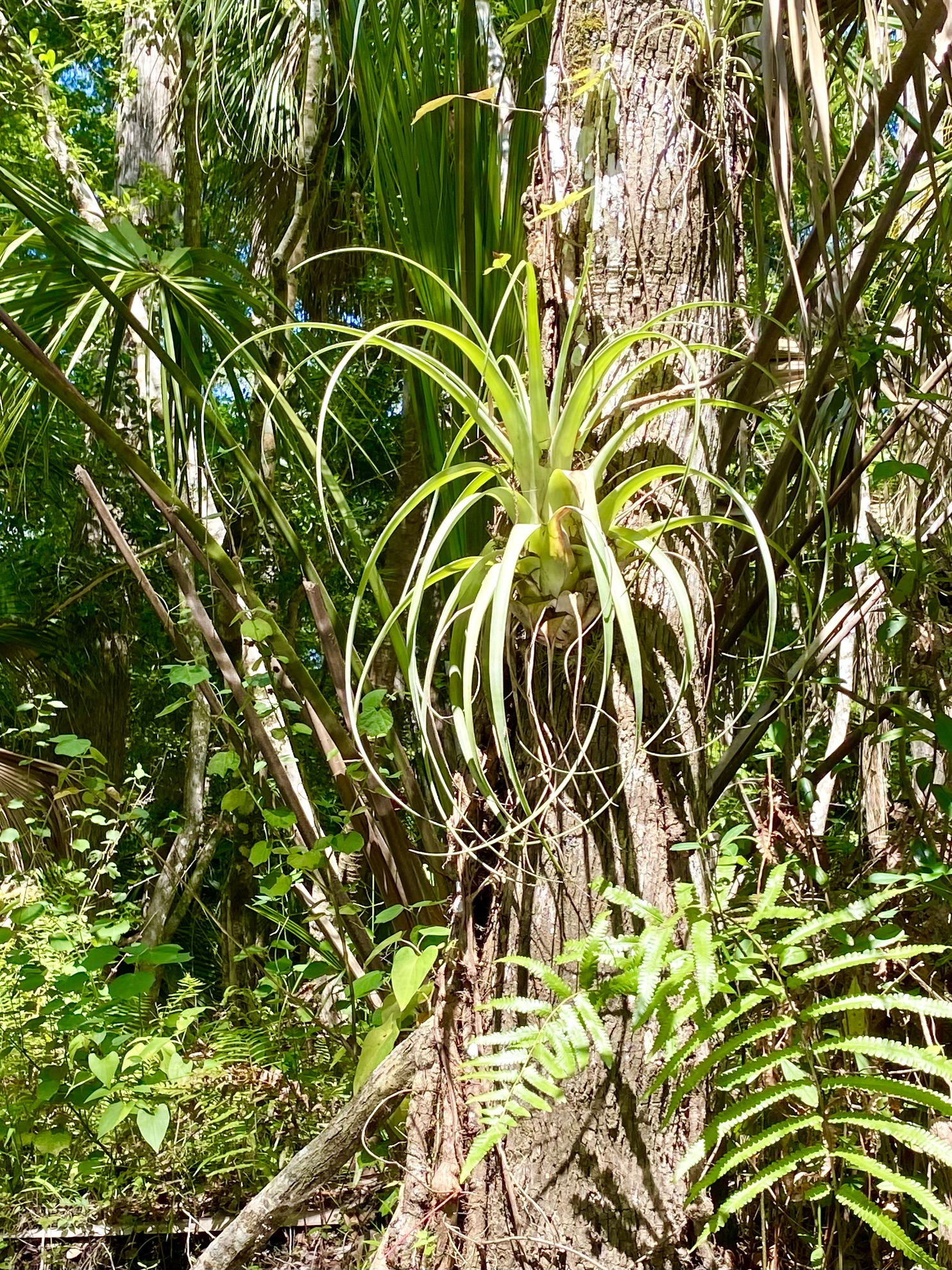
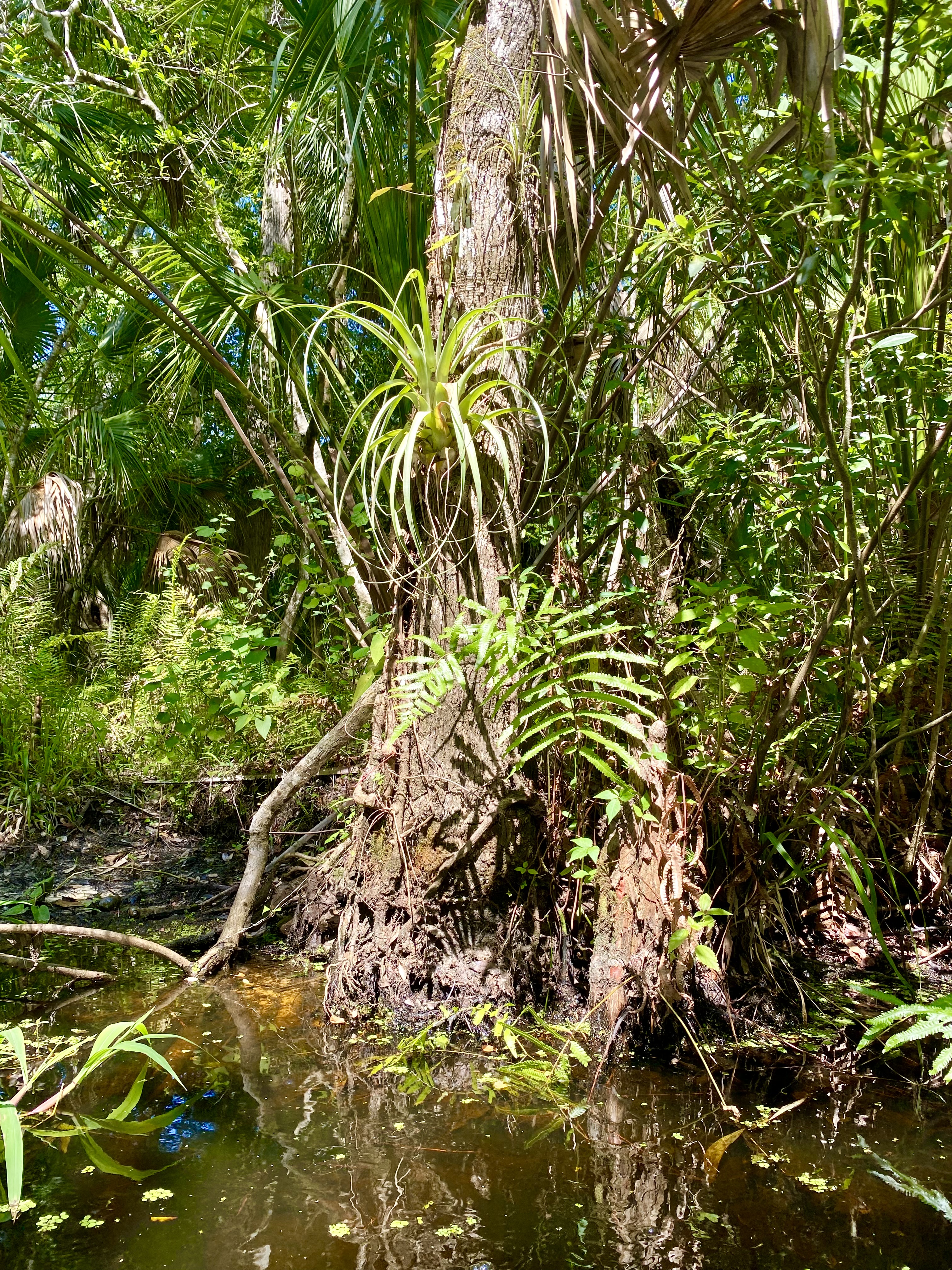
The best parts of the paddle are often the simplest: a dark bend in the creek, reflections under the trees, the soft sound of the kayak moving through floating vegetation, and almost no sense that Lake Tarpon is nearby. Light wind is helpful because the open lake near the launch can get choppy, but inside the creek the forest provides considerable protection.
Brooker Creek is not a long expedition. It is more of an exploration — a place to poke along, look at plants and wildlife, and see how far the water and fallen trees will let you go.
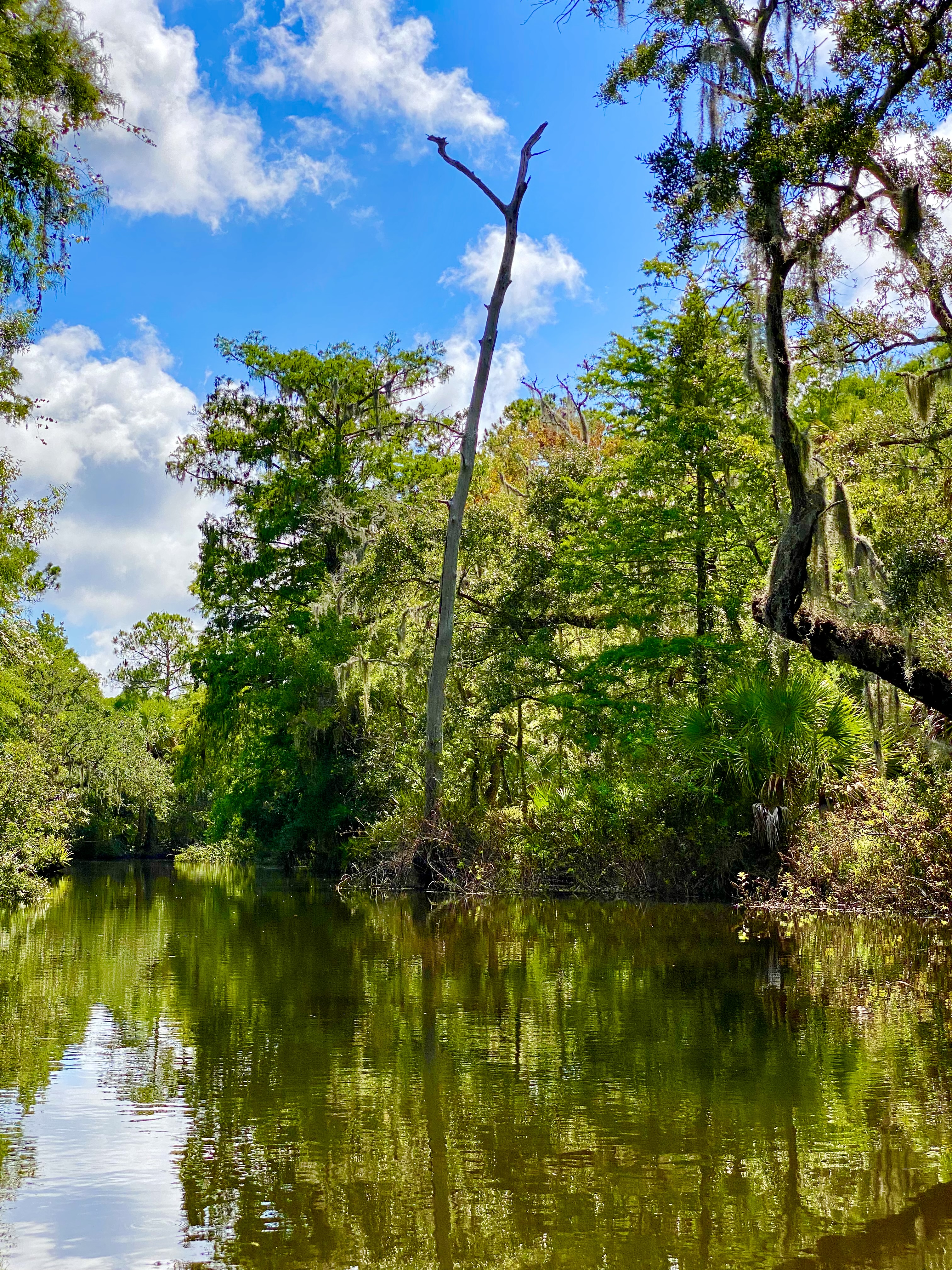
Eventually I turned around and worked my way back downstream. As the canopy begins to open, blue sky returns and the creek gradually transitions back toward the broader water of Lake Tarpon.
The return trip is never quite the same visually. Looking in the opposite direction reveals different reflections, tree shapes and pockets of sunlight, and by late afternoon the floating vegetation near the lake can be especially colorful.
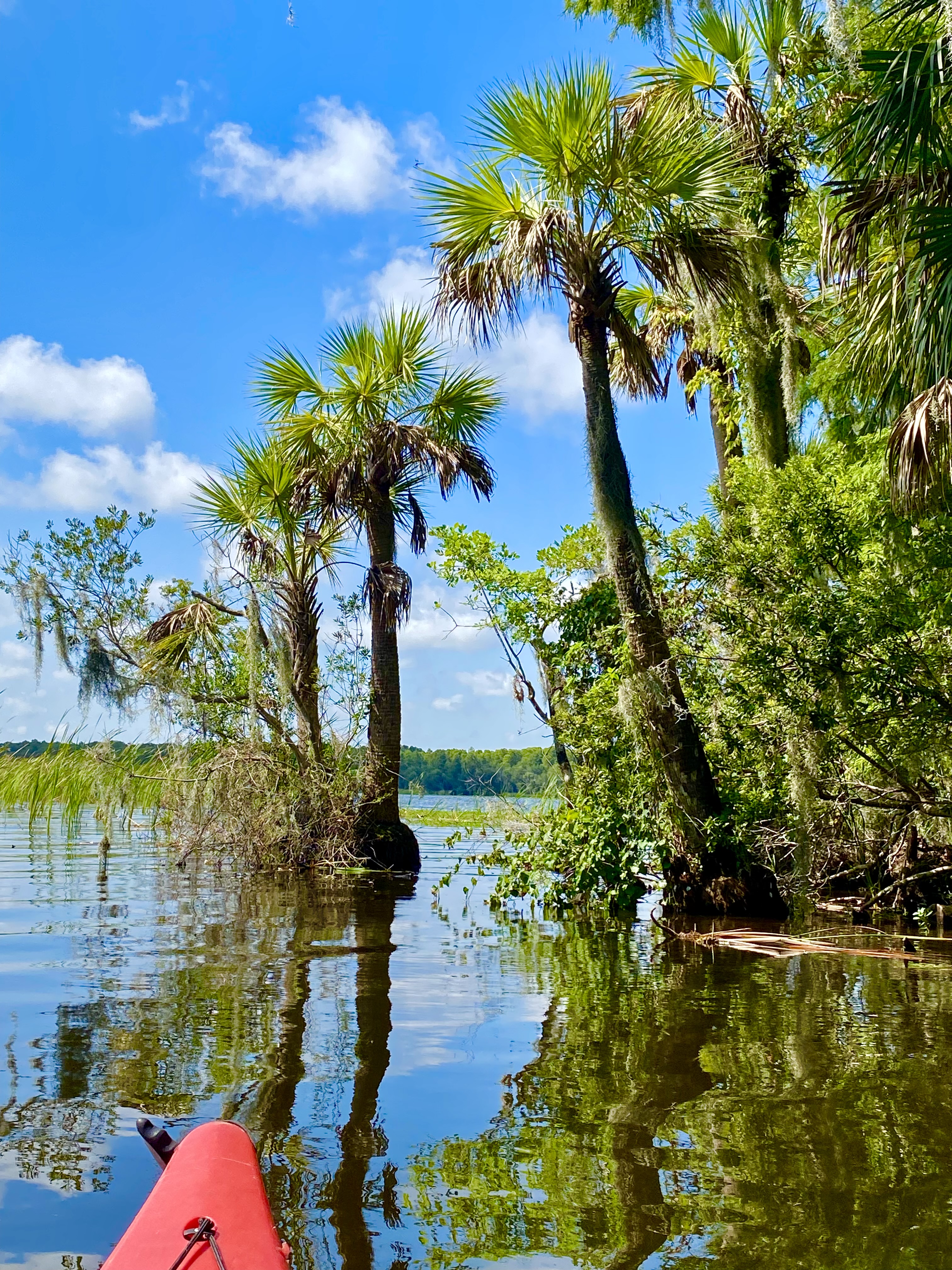
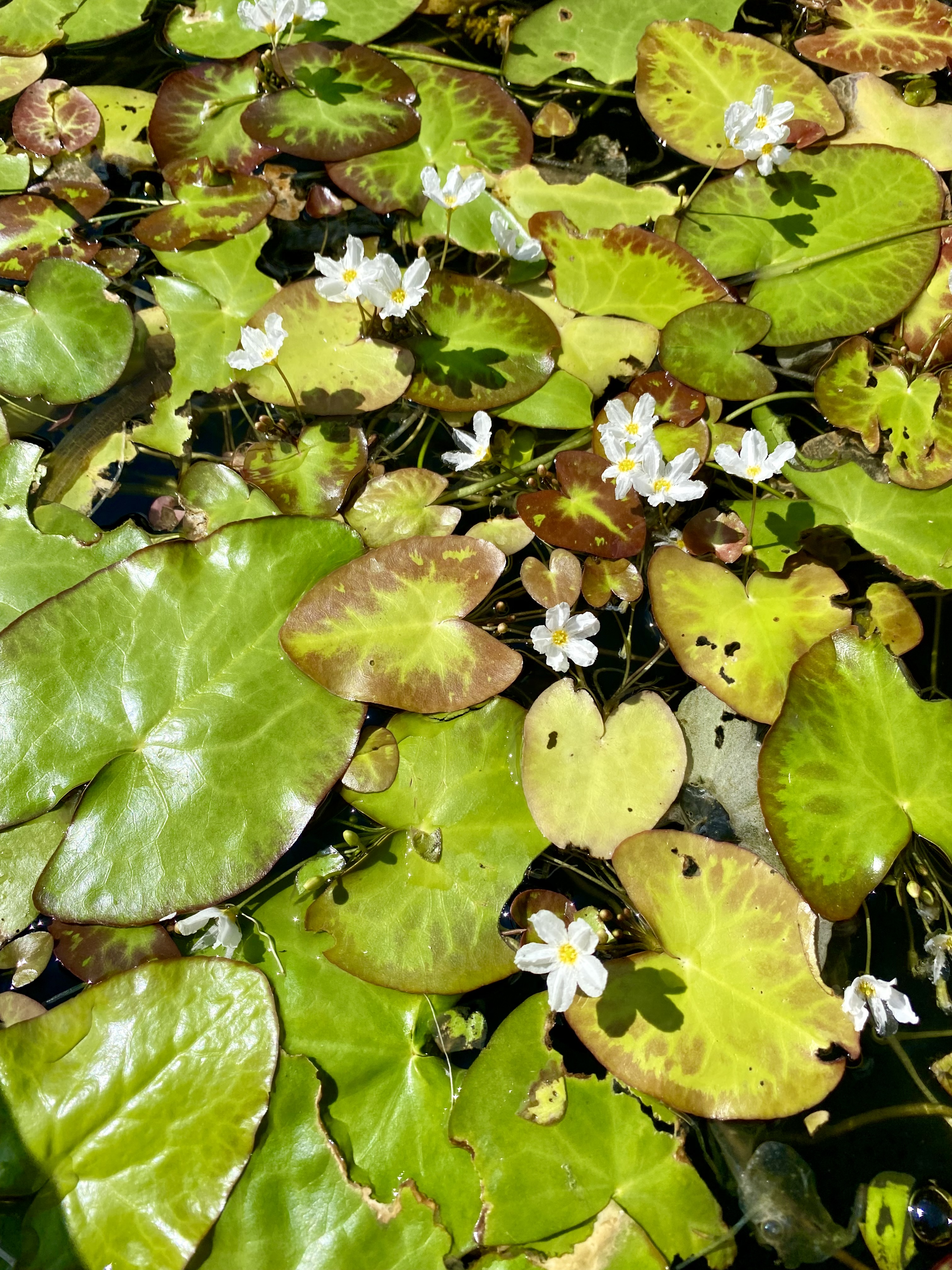
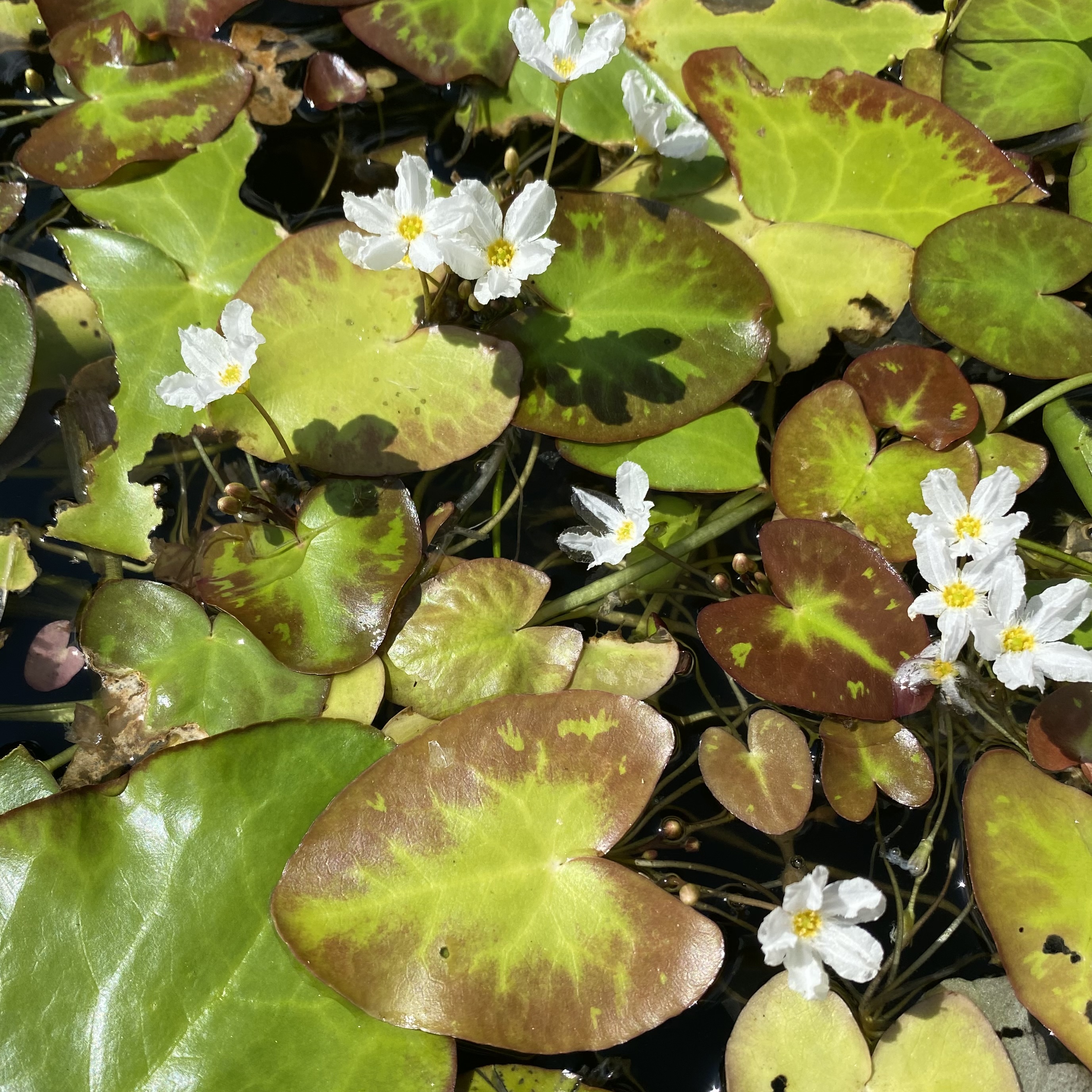
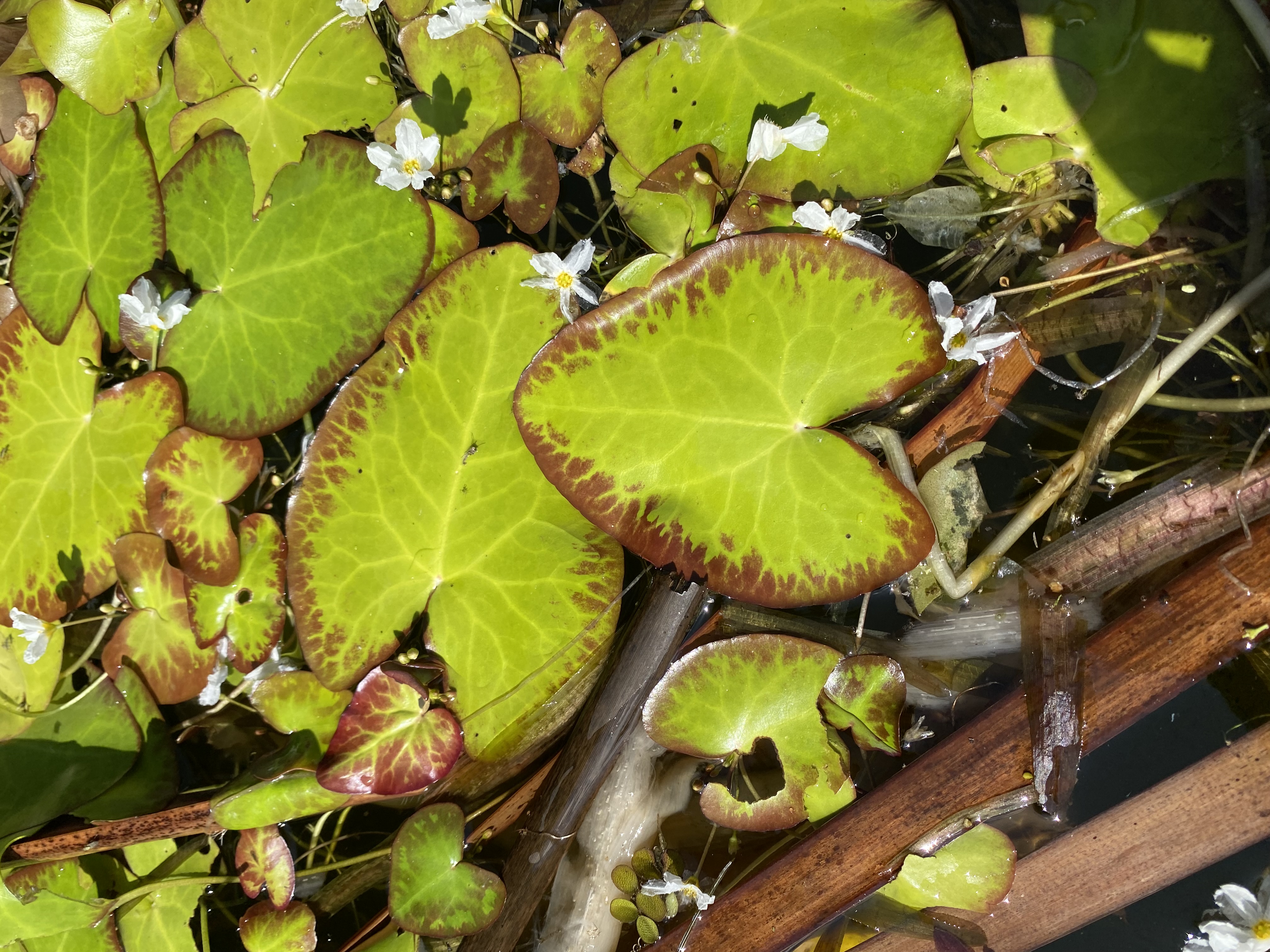
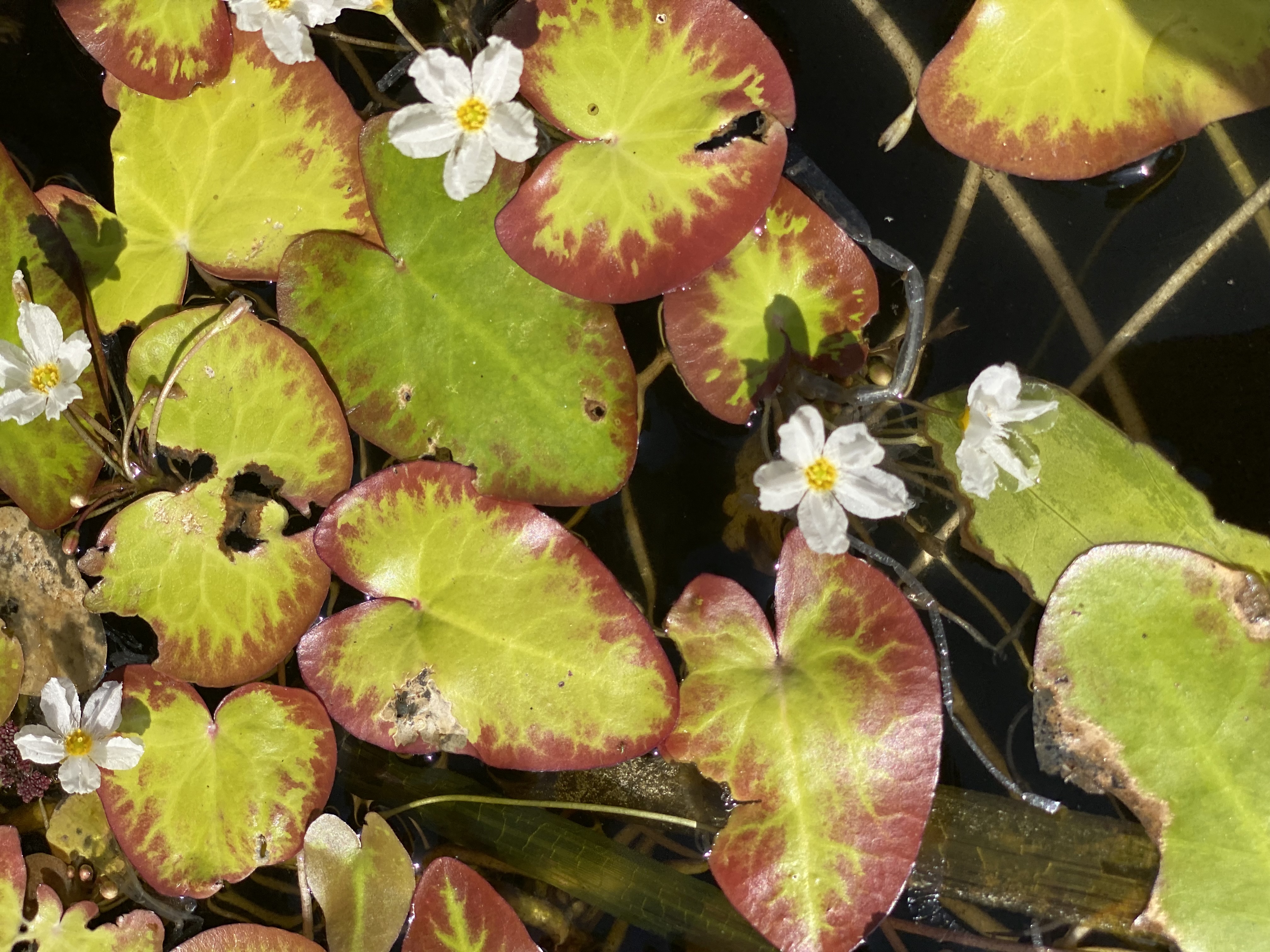
Brooker Creek is a cool little trip because it delivers so much variety in a relatively short distance: open Lake Tarpon, narrow shaded creek, cypress swamp, aquatic flowers, floating plants, fungi, snail eggs, tadpoles and dense old-Florida vegetation. It is a good reminder that a paddle does not have to be long or difficult to be interesting.
Water level and fallen trees will always determine how far upstream you can go, and wind matters on the lake portion. But when conditions line up, it is an easy place to spend a few unhurried hours exploring one of Pinellas County's quieter waterways.