Bivouacs and Bivy Sacks
For much of my mountain life, a bivy sack was more than a piece of emergency gear. It was a tiny shelter, a backup plan, a confidence builder, and sometimes the difference between a cold inconvenience and a serious mountain problem. Over the years I spent many nights in bivy sacks, from planned high camps in the alpine zone to long winter days that stretched into darkness and uncertainty.
A bivy is not glamorous. There is no roomy tent, no vestibule, no camp chair, and no sense that you have built a little home in the woods. It is closer to a cocoon. You crawl in, pull the world close around you, listen to the wind, and hope that the decisions you made during the day were good enough to get you comfortably through the night.
Learning the Difference Between Light and Foolish
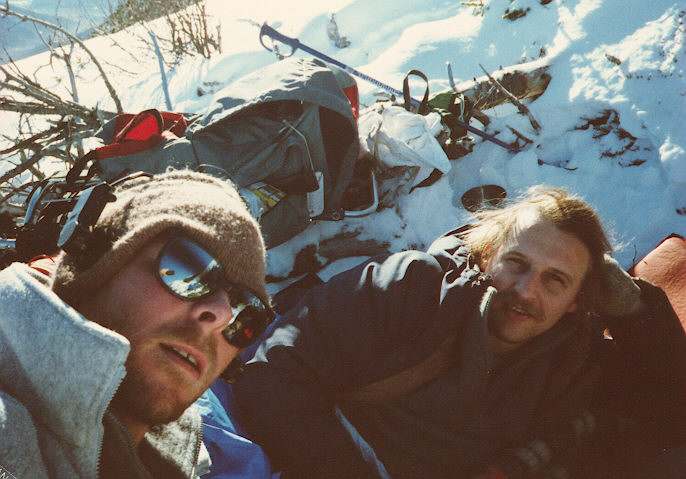
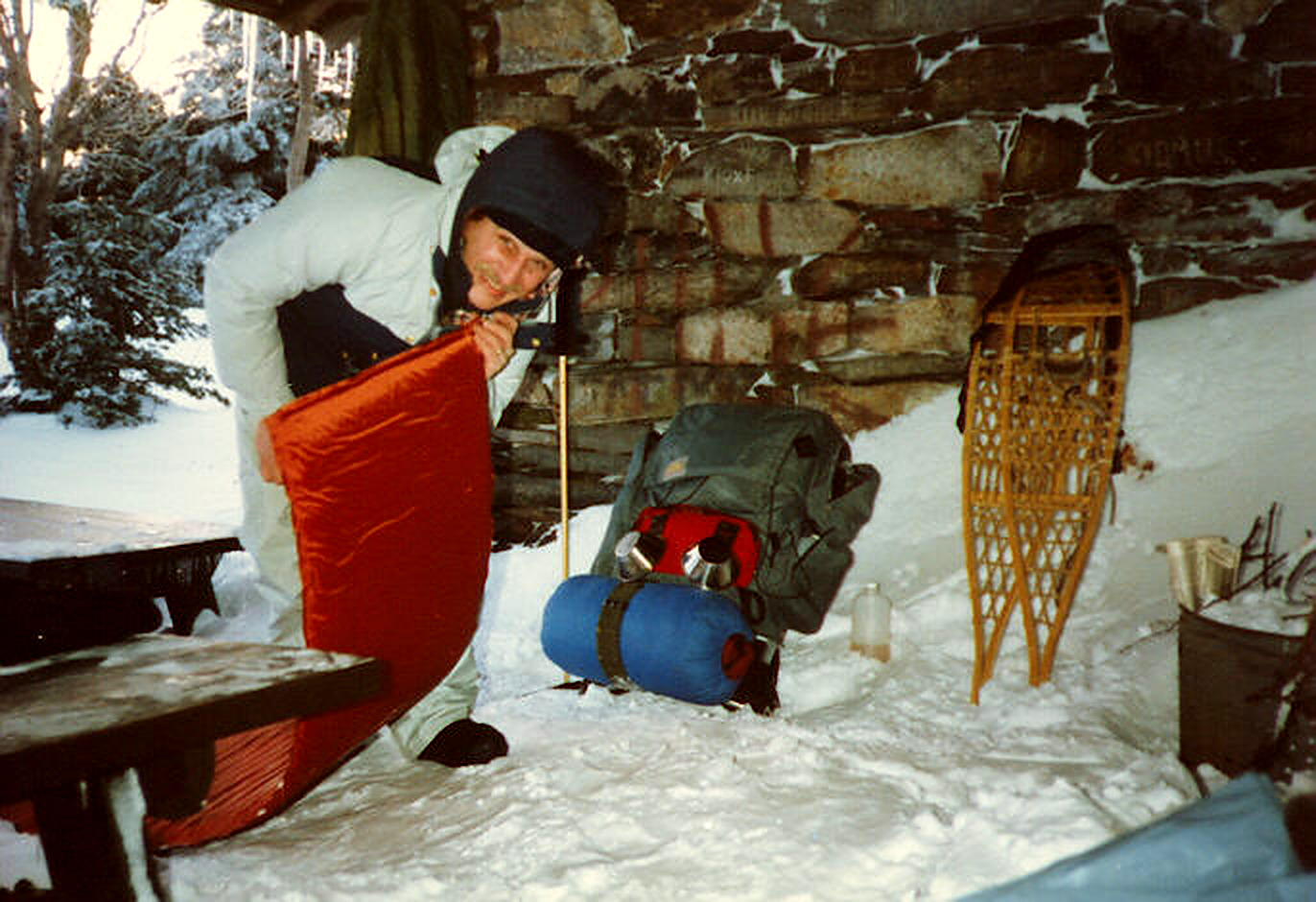
My earliest mountain years included some hard lessons about cold, cotton, wet clothing, poor sleeping bags, and just how quickly a good adventure can turn into a dangerous one. Those early winter trips with Dann, including the hypothermia episodes near Camp Rich and Camp Shattuck, changed the way I thought about gear forever.
Later, when I carried a bivy sack into the mountains, it was with much more respect. I had learned that going light was only smart when the essentials were still covered: insulation, a dry layer, food, headlamp, judgment, and a realistic sense of what the weather could do. A bivy sack became part of a system, not a magic shield.
Mount Washington Nights
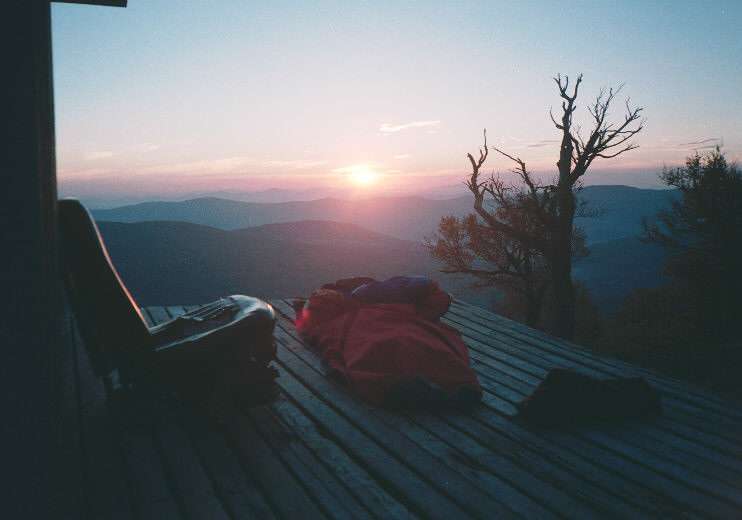
Mount Washington was one of the great stages for those bivy memories. I remember spending nights near the summit or high on the mountain five or six different times. Sometimes these were deliberate nights out in the alpine world, the kind of experience where you climb high, find a protected place, crawl into the bivy, and wake up already above treeline.
These nights were not just about sleeping. They were about being up there when the crowds were gone, when the wind moved across the rocks, when the weather had the final say, and when the mountain felt enormous. A bivy sack made that possible in a way that a normal backpacking trip often did not.
Fog, Clouds, and Finding Treeline
Not every Mount Washington bivy was calm or romantic. One trip with Dann and Ricky became much more serious when clouds and fog moved in below the summit cone. In the alpine zone, losing visibility can change everything. The rocks all begin to look the same. Distance becomes hard to judge. Landmarks disappear. Even familiar ground can feel strange and threatening.
We eventually had to work our way down toward treeline, using the Edmands Path area as our escape back into the relative shelter of the forest. It was the kind of experience that reminds you that above treeline, navigation is never casual. A compass, map, headlamp, and the willingness to turn around are not accessories. They are survival tools.
Tuckerman Ravine After Dark
Another memory involved climbing a gully in Tuckerman Ravine with Ricky and then wandering around in winter conditions long after the simple version of the plan had disappeared. At one point, things were serious enough that we talked about both of us getting into Ricky's bivy sack together just to get through the night.
We eventually made it back to Pinkham Notch after midnight, tired, cold, and very aware that we had been operating close to the edge. Those are the experiences that stay with you. They are partly adventure stories, but they are also warnings: darkness comes quickly, winter mountains do not care about your schedule, and a bivy sack is sometimes the last thin line between a rough night and a crisis.


The Haystack Thunderstorm Bivy
One of the most memorable bivys was on Mount Haystack in the Adirondacks. I intentionally spent the night high on the mountain with only my bivy sack, tucked into a small protected place among the krummholz. It was the kind of spot that seemed just good enough: low, sheltered, and close to the alpine world I loved.
Then the thunderstorms came across the High Peaks. Wind, rain, hail, and lightning turned the night into something far more serious. Lying high on an exposed mountain during a storm is an unforgettable feeling. You become very aware of how little separates you from the sky, the rock, and the electricity moving around the ridges.
Running for Treeline
Around four in the morning, the Haystack storm became intense enough that staying put no longer felt like the best choice. I abandoned the bivy spot and headed down toward treeline through rain and hail. It was not elegant. It was just the simple mountain decision: get lower, get out of the exposed zone, and reduce the risk.
And then, as so often happens in the mountains, the fear and discomfort eventually gave way to beauty. After the storm, the day opened into the High Peaks, with sunrise near Mount Marcy and more miles ahead, including the Gray Peak bushwhack. That contrast is part of why these memories remain so powerful. The same mountains that can scare you badly can also give you some of the most beautiful mornings of your life.
A Shelter Small Enough to Carry Anywhere
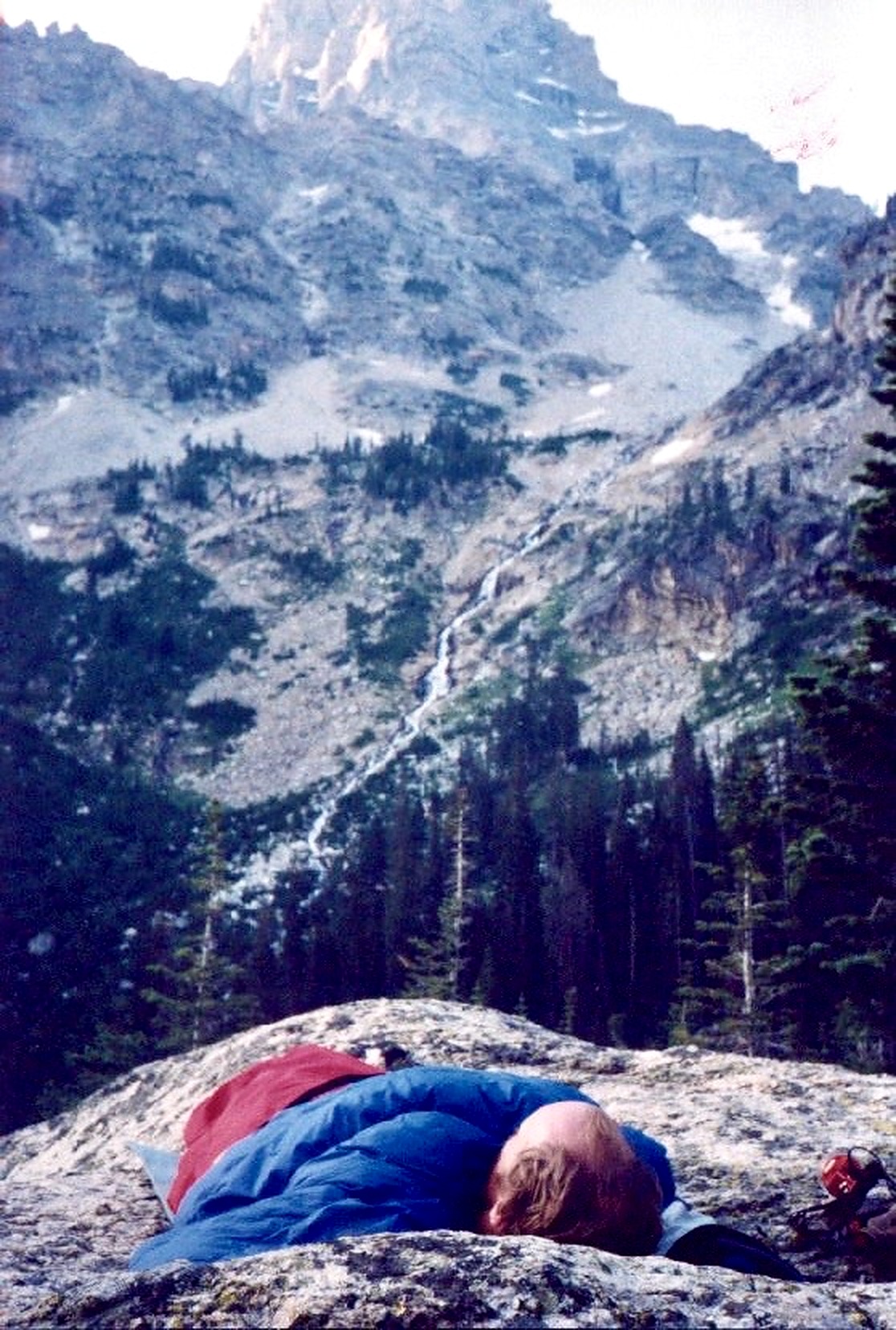
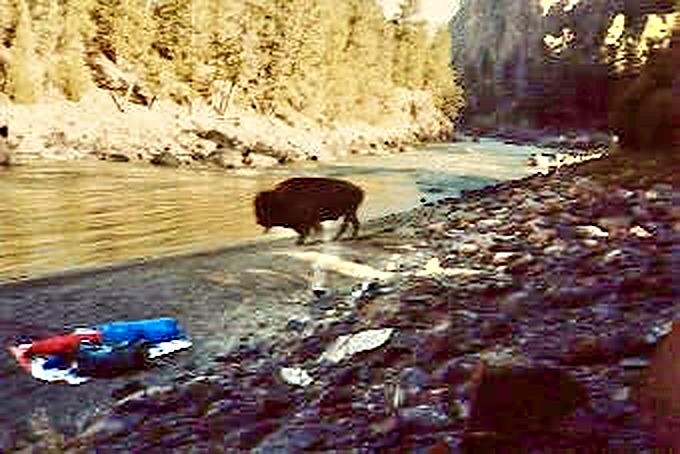
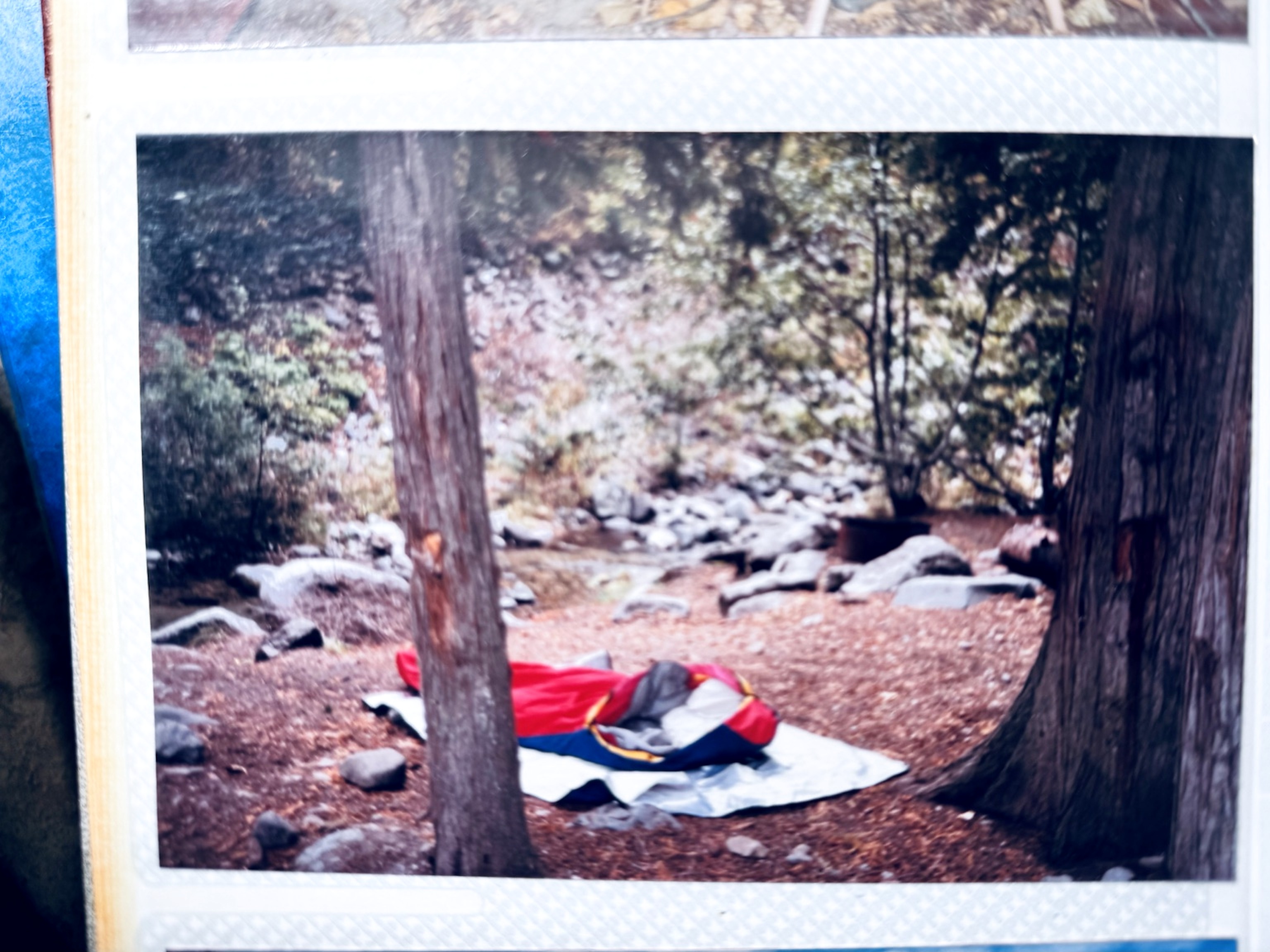
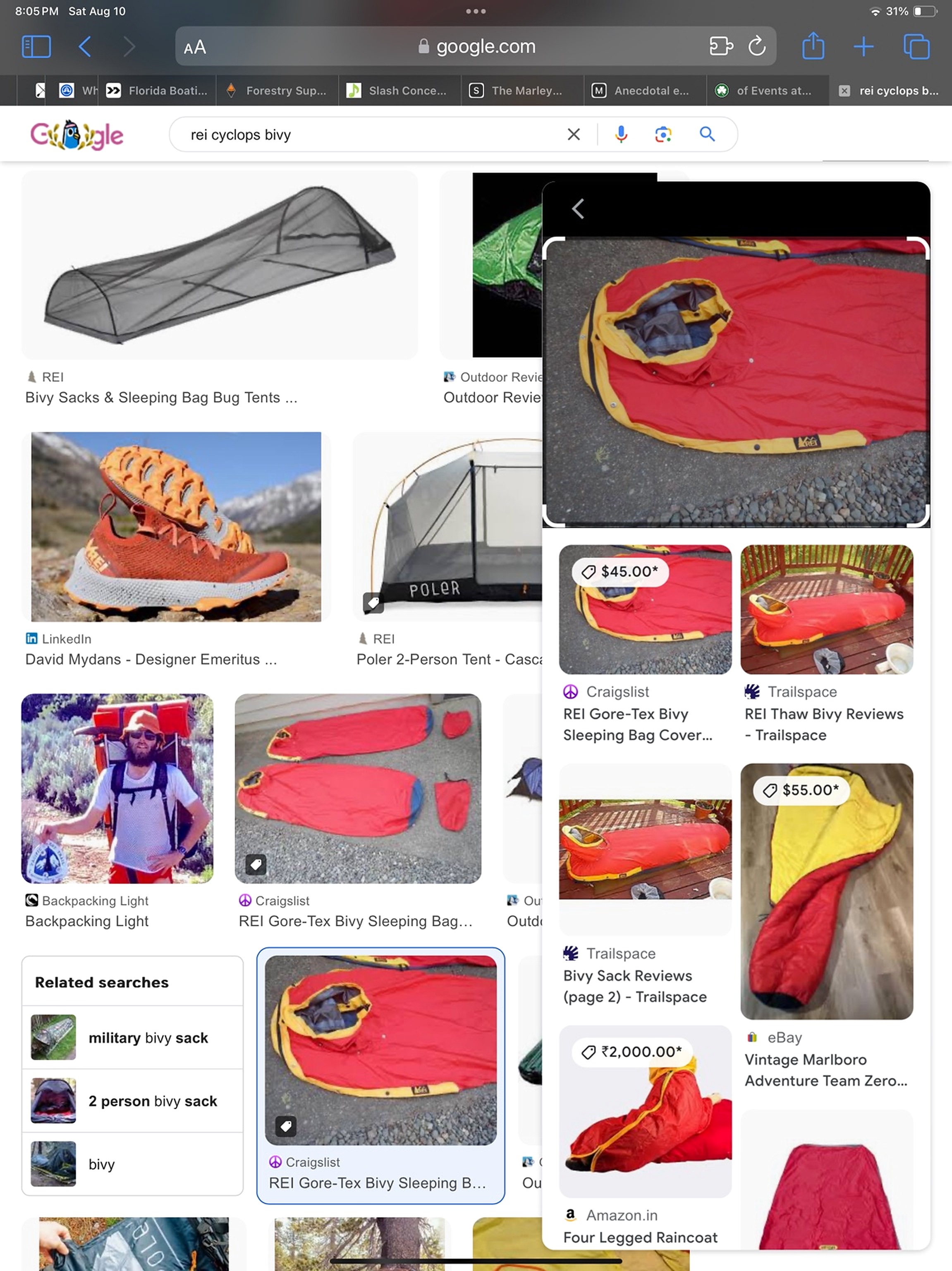
A bivy sack opened up possibilities that would have been awkward with a tent. I could settle onto a slab of rock, tuck into the trees, or stop wherever darkness and fatigue finally caught up with me.
Why These Nights Still Matter
Looking back, the bivy stories are not just about toughness or adventure. They are about judgment. They show the long arc from early mistakes to better preparation, from enthusiasm to experience, from simply wanting to be in the mountains to understanding the responsibility that comes with being there.
A bivy sack taught me humility. It made the mountains feel close, immediate, and alive. It also reminded me that nature is not a backdrop for adventure. It is the real thing. The wind, the cold, the dark, the lightning, the sunrise, and the long walk out are all part of the same lesson.