Tim Driskell's Adventures

Vernal Pools in Massachusetts

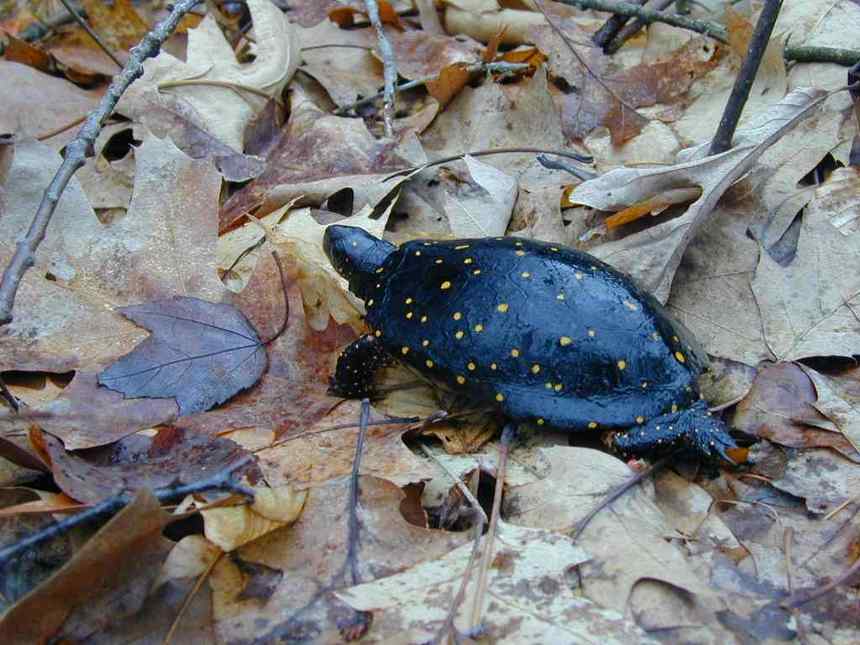
Seasonal woodland wetlands, salamander and wood frog eggs, fairy shrimp, spotted turtles, and the quiet spring habitats that make their survival possible.

Small Pools, Remarkable Life

Vernal pools may look temporary and unassuming, but each spring they become critical breeding habitat for amphibians and other wildlife. Because these pools usually dry later in the year, they often lack fish, allowing salamanders, wood frogs, fairy shrimp, and other species to reproduce with fewer aquatic predators.

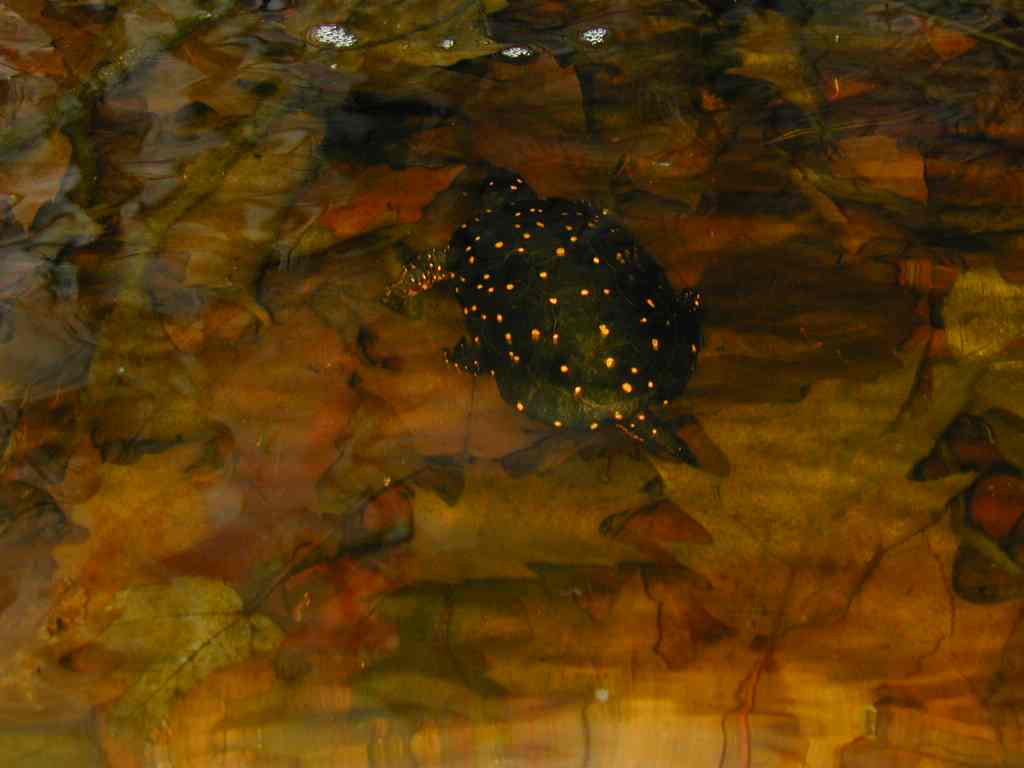
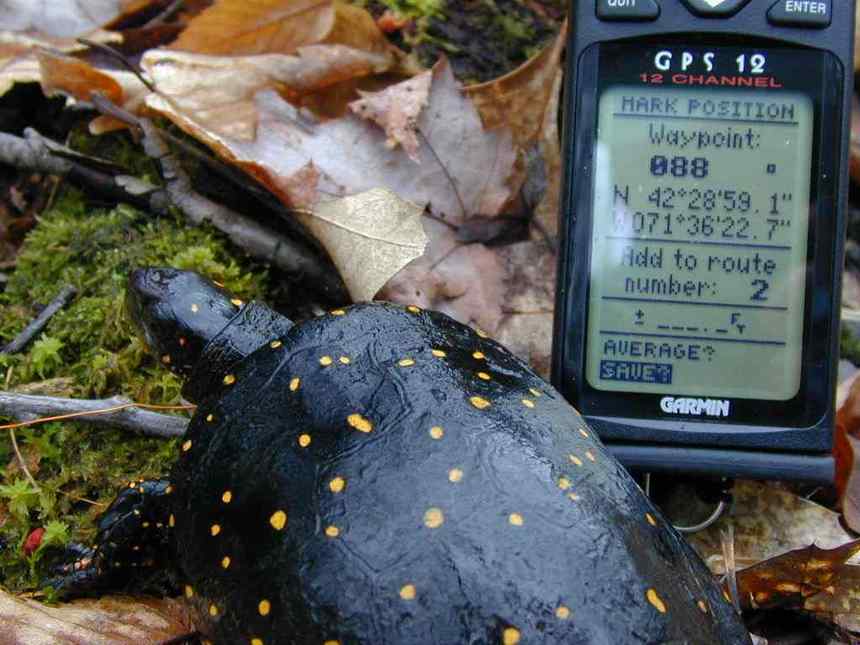
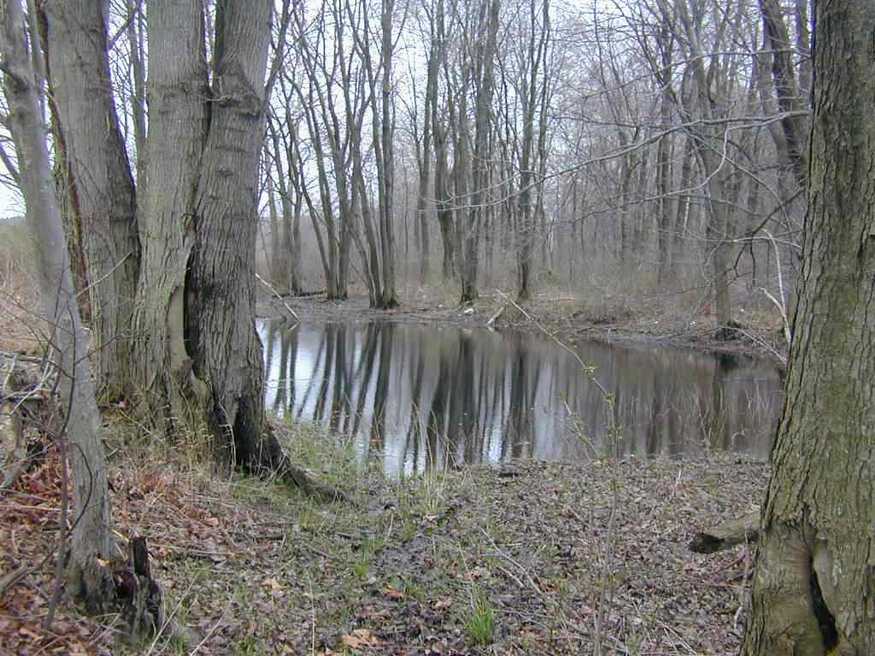
These photographs document local Massachusetts pools and nearby wetland habitat around Wachusett Meadows Audubon, Ashburnham, Lancaster, Still River, Wallace Pond, Cheshire Pond, and other field locations. Many of the original notes include dates, observations, landmarks, and species records from the spring of 2000. THIS was my first of many volunteer gigs over the decades!

(Click any photograph to open the original full-size .JPG image)

My First Volunteer Project with Audubon

My first real volunteer conservation project was with Massachusetts Audubon in my late teens, and it centered on vernal pools. I had already been fascinated by the woods and wetlands, but this was one of the first times I became involved in organized fieldwork and began to understand how much could be learned from carefully observing one small place over time.

The project grew out of spring amphibian activity and the remarkable nighttime migrations that take place during the first warm rains of the season. Frogs and salamanders emerge from the surrounding forest and make their way toward the temporary pools where they breed.
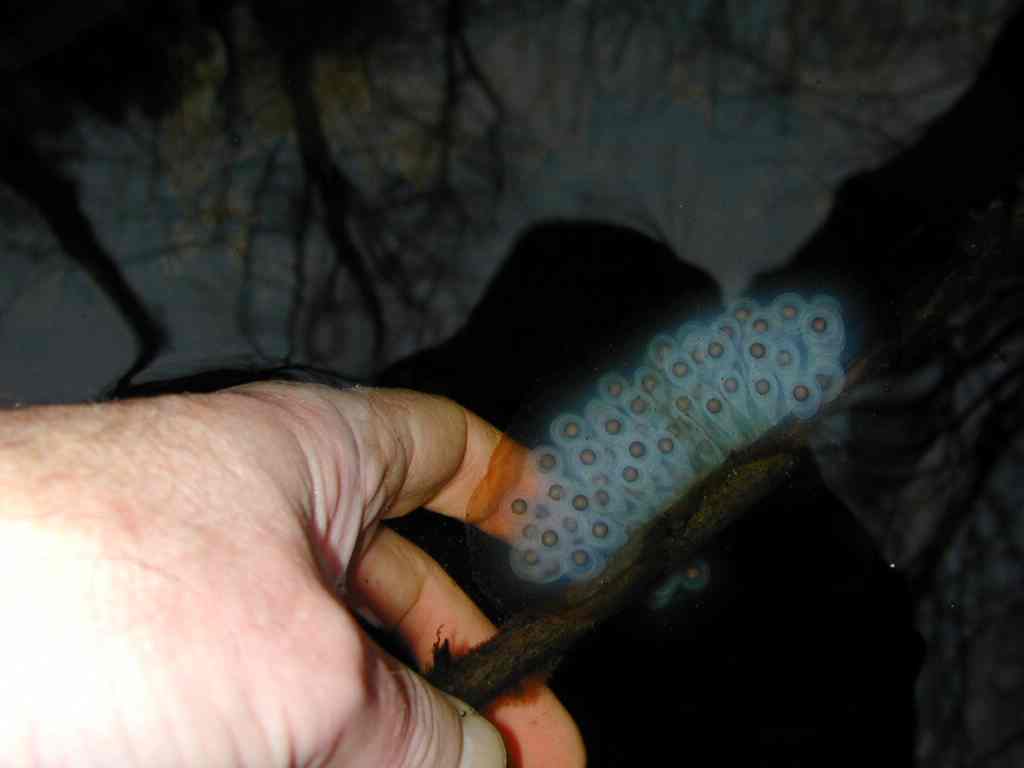
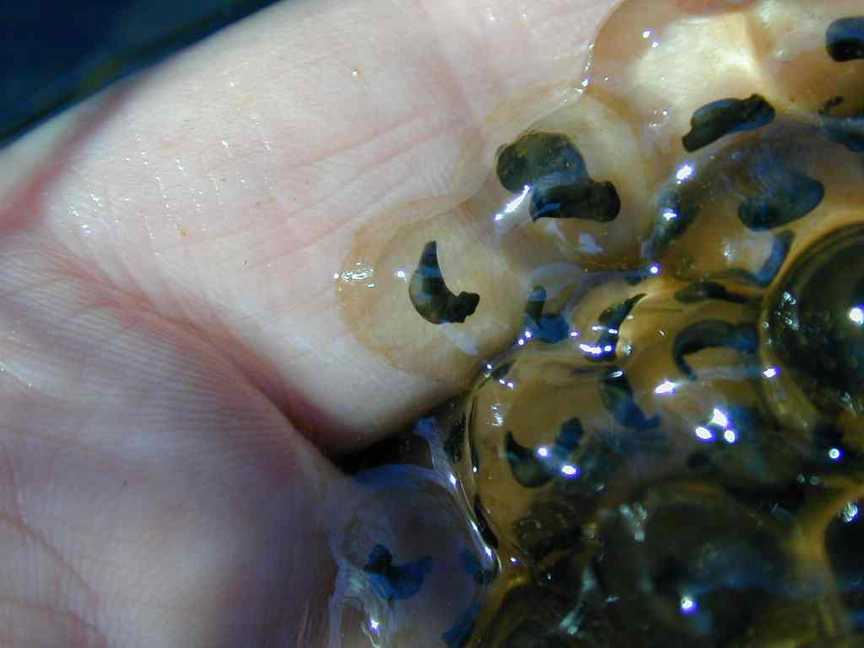
Mole salamander eggs in a vernal pool near Cheshire Pond in Ashburnham
Mole salamander eggs in a vernal pool near Cheshire Pond in Ashburnham.

Studying a Troubling Pattern

The director noticed a disturbing pattern; many salamander embryos appeared to develop almost completely and then die just before hatching. There was concern that acid rain might be affecting the water chemistry and interfering with the development of the eggs. I asked if I could somehow get involved to try to figure out why.

Together we put together a proposal and hypothesis. My role involved returning to several pools, several times a week, examining salamander eggs and larvae, comparing their development with charts and photographs, and keeping careful notes about what I saw. I spent many hours around those pools, learning how much patience, repetition, and close attention field biology requires, along keeping pertinent documentation and photos. 

Close view of salamander egg masses in a Massachusetts vernal pool
Salamander egg masses provided a close look at embryonic development in the pool.

Learning to Share the Science

At the end of the project, I organize the findings and presented them to other volunteers and members of the public. I was extremely nervous during my presentation. Public speaking did not come naturally to me, especially then at a young age, but it was an important early lesson: gathering information was only part of conservation. Sharing what we learned was just as important.

Looking back, that Audubon project was a turning point for me. It brought together field biology, conservation volunteering, and public education themes that continued through much of my life.

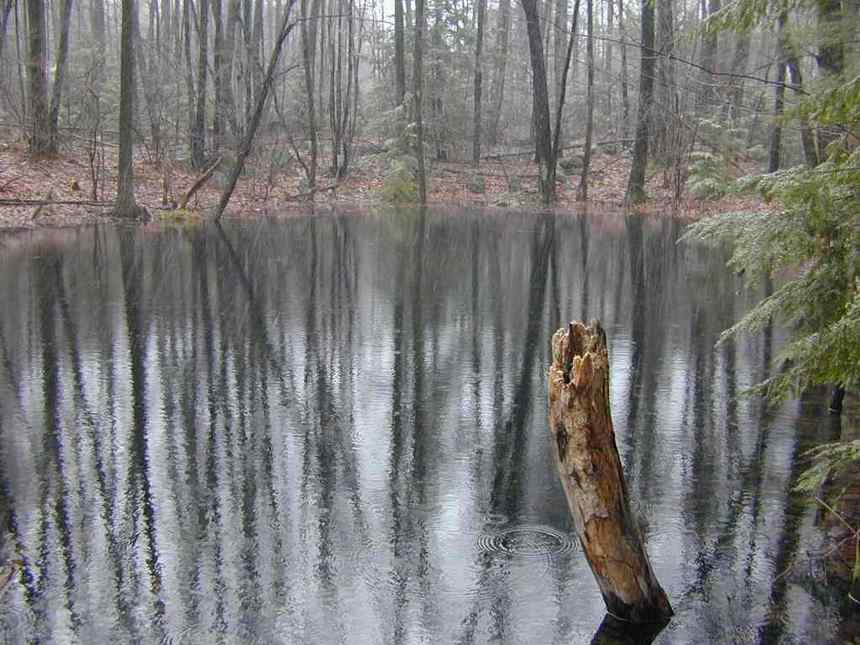
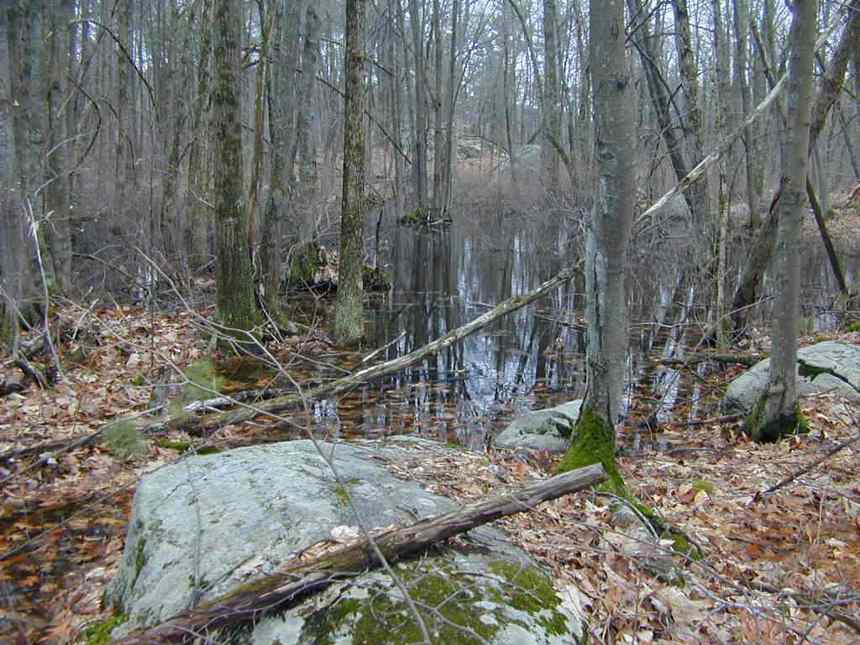
Vernal pool habitat at the edge of the woods in Ashburnham
Vernal pool habitat at the edge of the woods in Ashburnham.

A Beginning That Shaped My Life

That first experience helped lead me toward later work with watershed groups, conservation commissions, land protection, the Ashburnham Conservation Trust, and eventually my career with the U.S. Geological Survey.

These photographs are not just pictures of temporary woodland pools. They represent the kind of place where my lifelong conservation journey really began, and they remind me how one small volunteer project can open the door to decades of learning, service, and gratitude for the natural world.

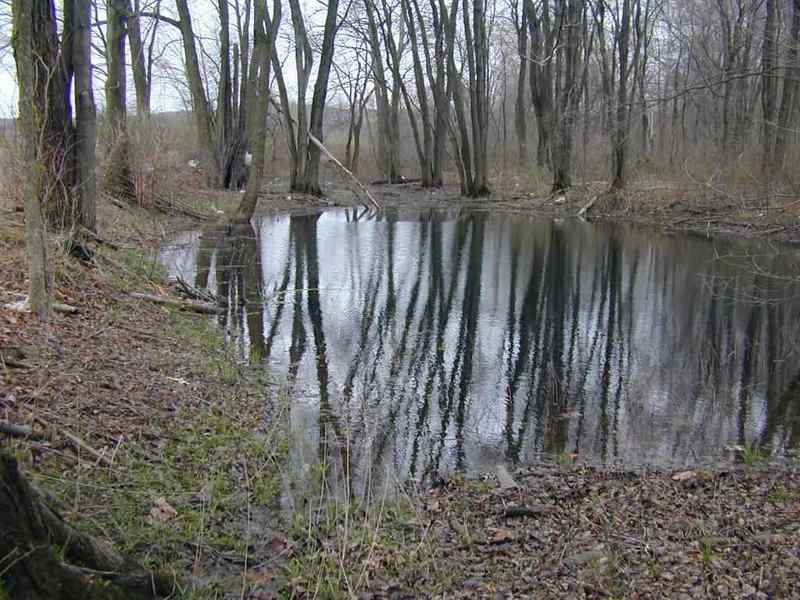
Vernal pool at Wallace Pond in Massachusetts
Vernal pool at Wallace Pond, photographed during the spring breeding season.

Surprise Me