A childhood memory that never left me
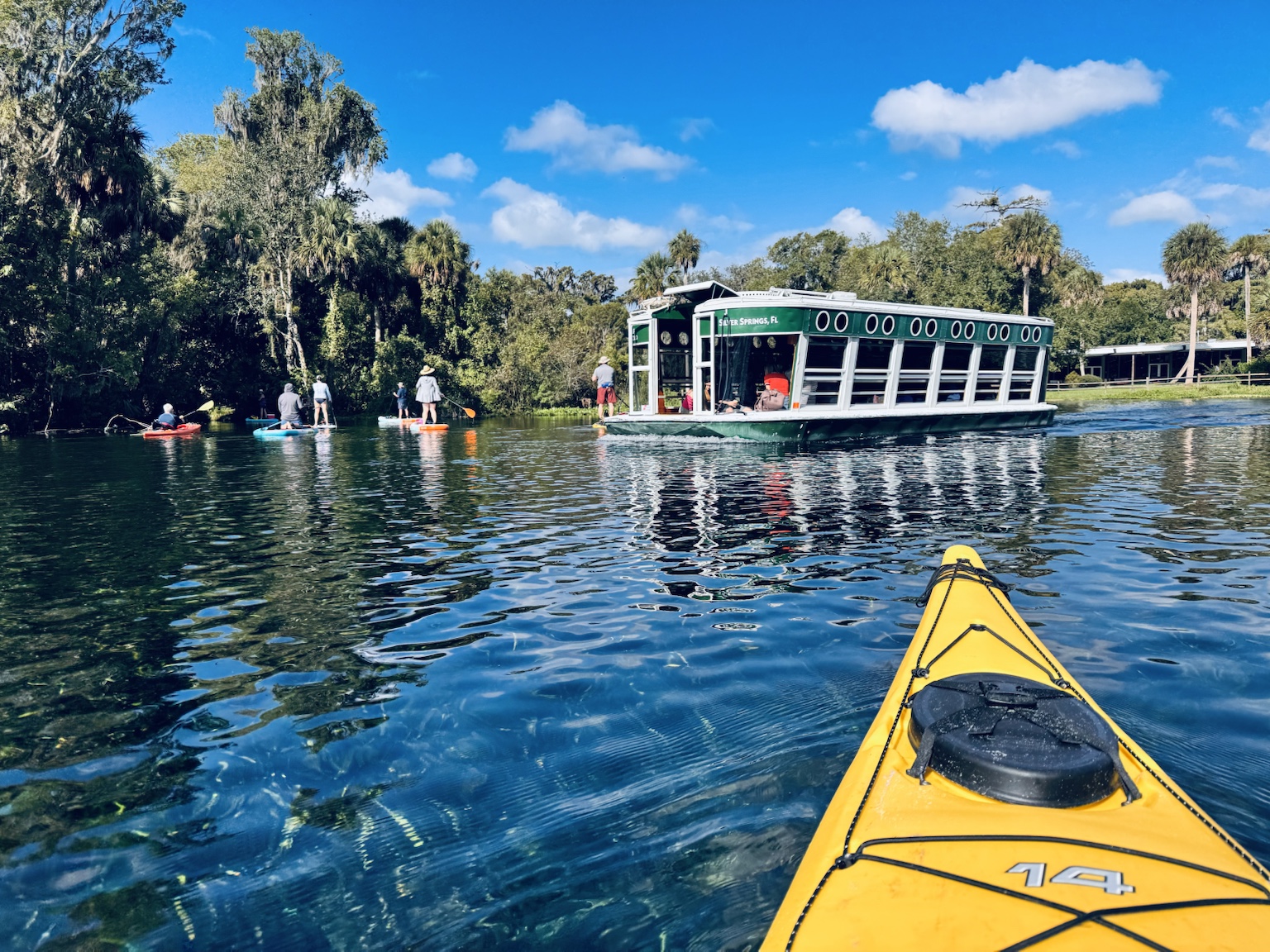
My first memory of Silver Springs goes back to when I was probably three or four years old. I was there with my family and grandparents, riding one of the famous glass-bottom boats and staring through the floor at more fish than I could possibly imagine.
To a little kid, the whole thing seemed impossible. There was glass beneath my feet, water below the glass, fish everywhere, and somehow the boat still floated. I remember being told that there was no way the glass could break. Naturally, I tried stomping on it to test that claim for myself.
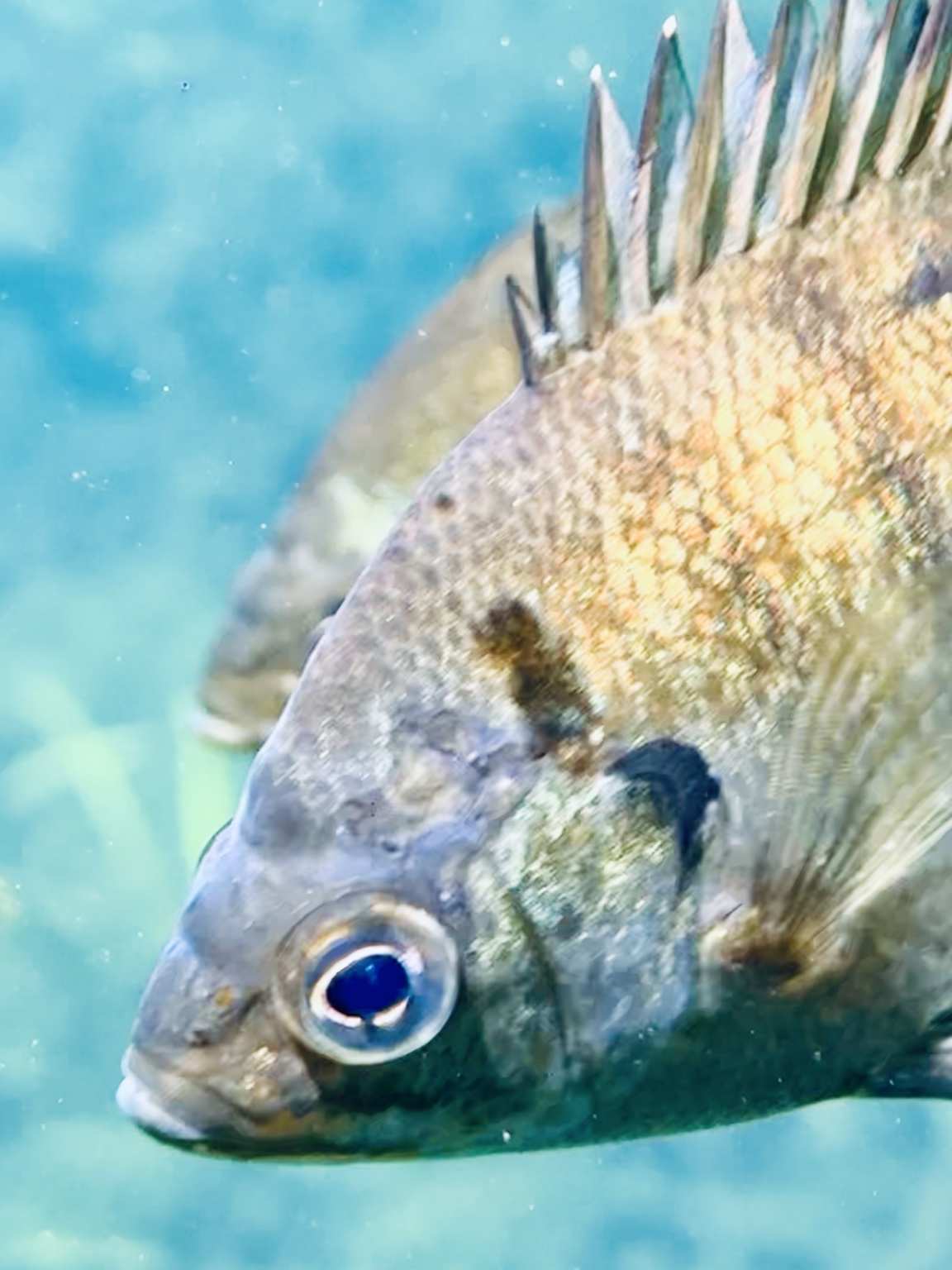
The most powerful part of that memory was the underwater world. The water was so clear, and there were so many fish, that it felt like being suspended above another universe. Long before I studied ecology, worked on rivers, or owned a fleet of kayaks, Silver Springs helped teach me that what happens beneath the water can be just as fascinating as what happens above it.

Old Florida before the giant theme parks
Silver Springs belonged to an older kind of Florida tourism. Before Disney World changed the state’s identity, families traveled to places like Silver Springs, Marineland, Monkey Jungle, the Miami Seaquarium, Lion Country Safari, roadside reptile attractions, and all kinds of strange little jungle parks.
Those places were smaller, less polished, and often wonderfully odd. They mixed natural beauty, wildlife, local stories, movie history, and roadside showmanship. Silver Springs was one of the grandest of them because the attraction was built around something genuinely extraordinary: a massive flow of clear spring water.
Returning decades later by kayak
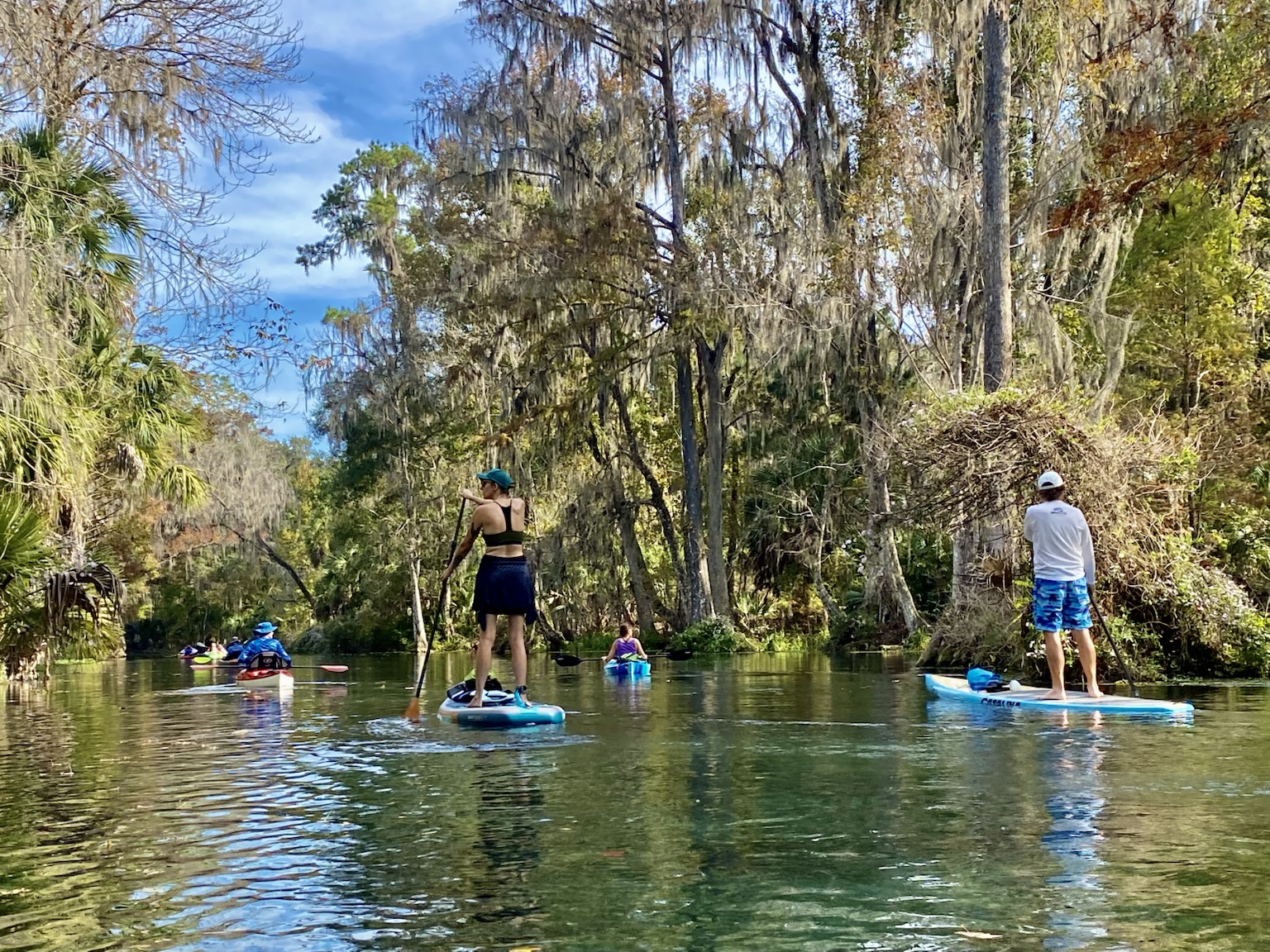
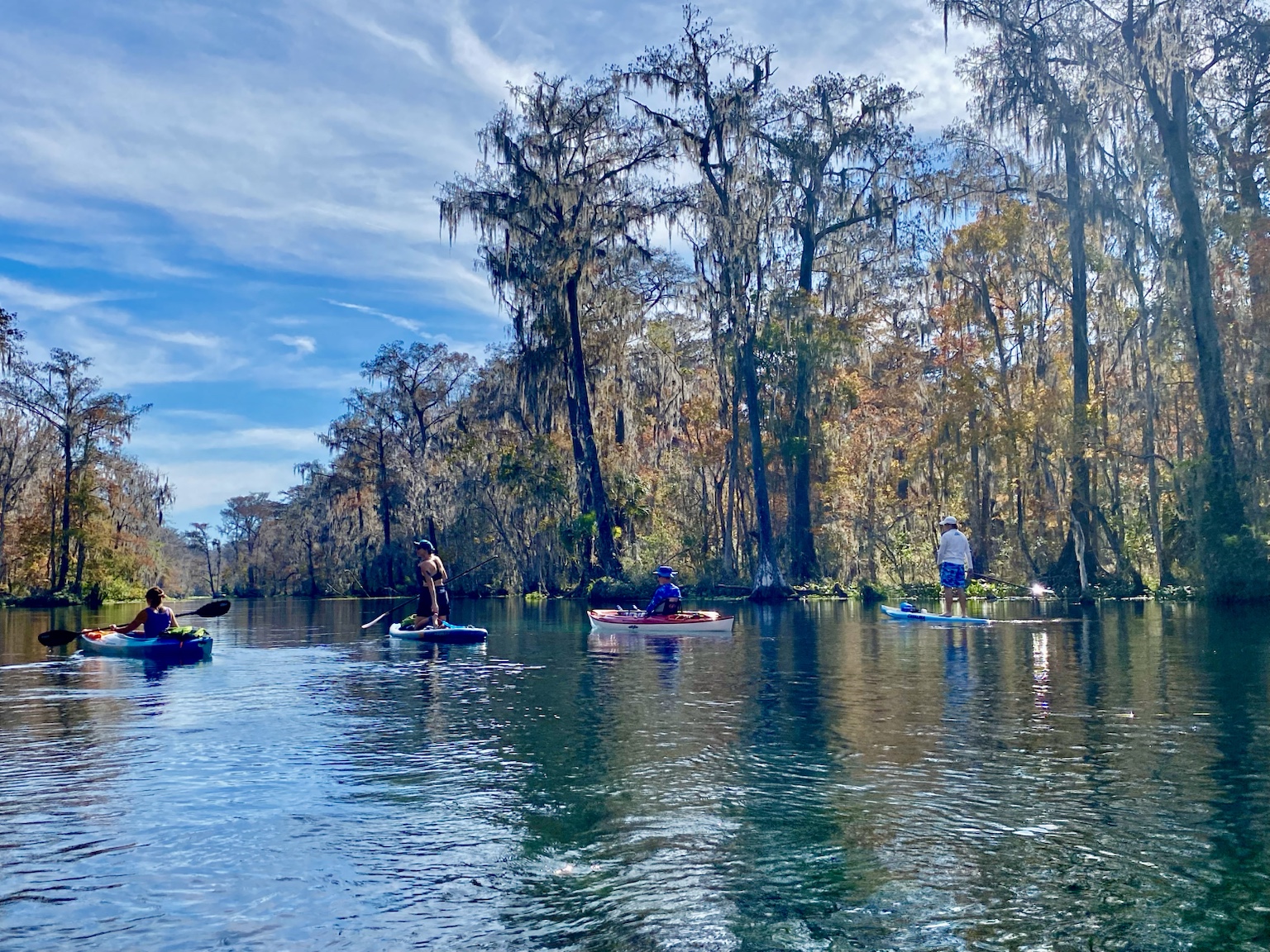
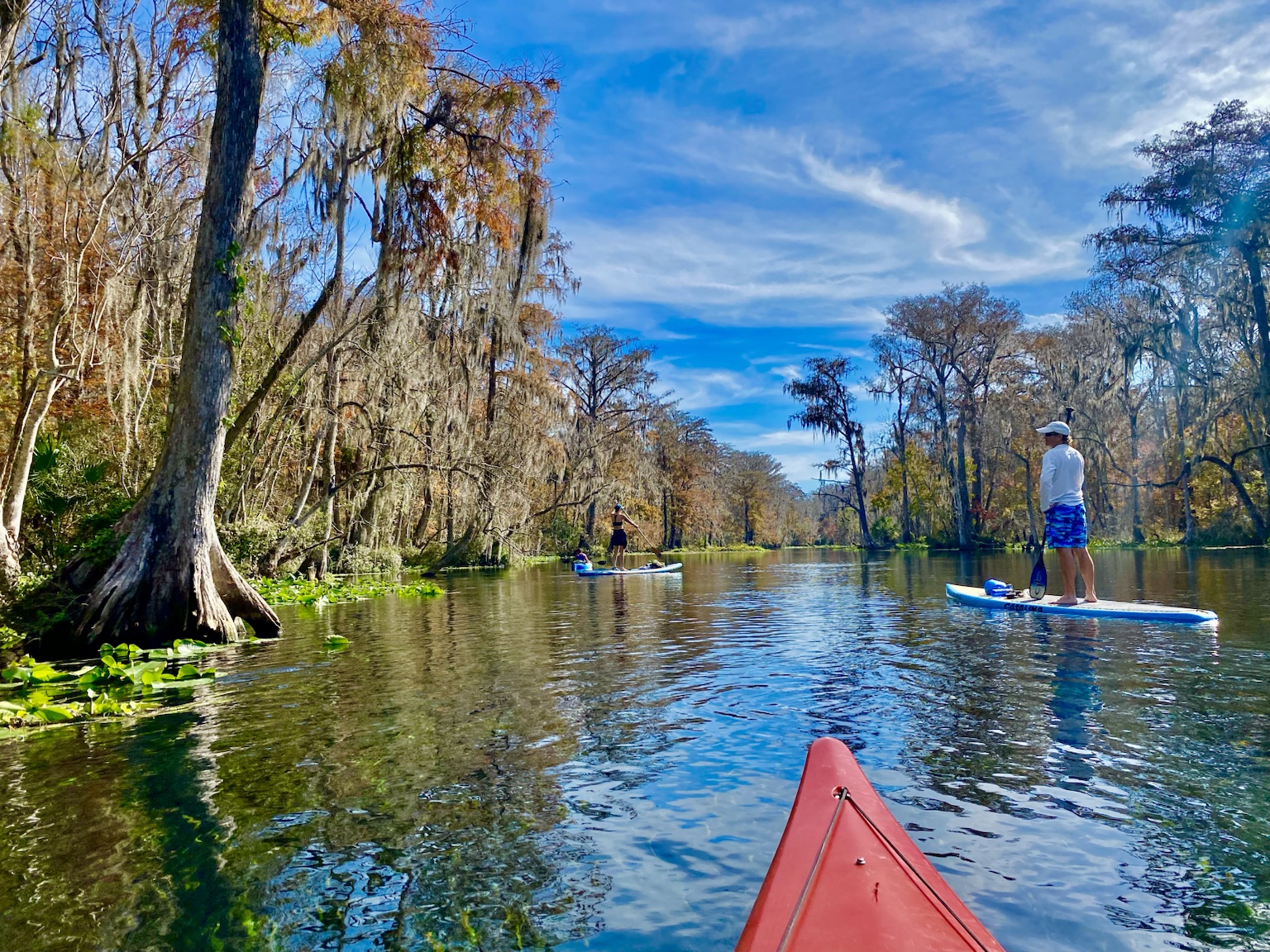
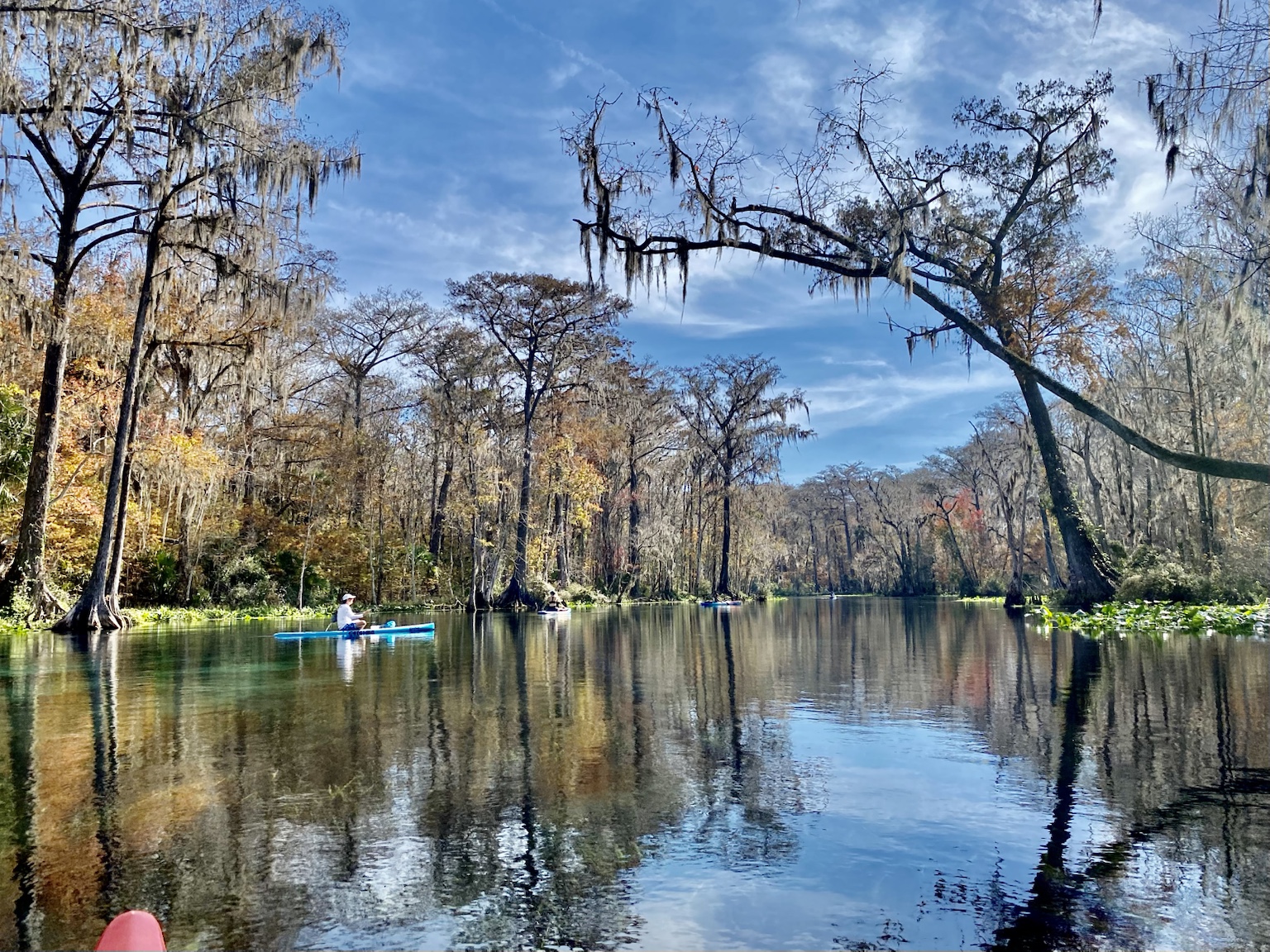
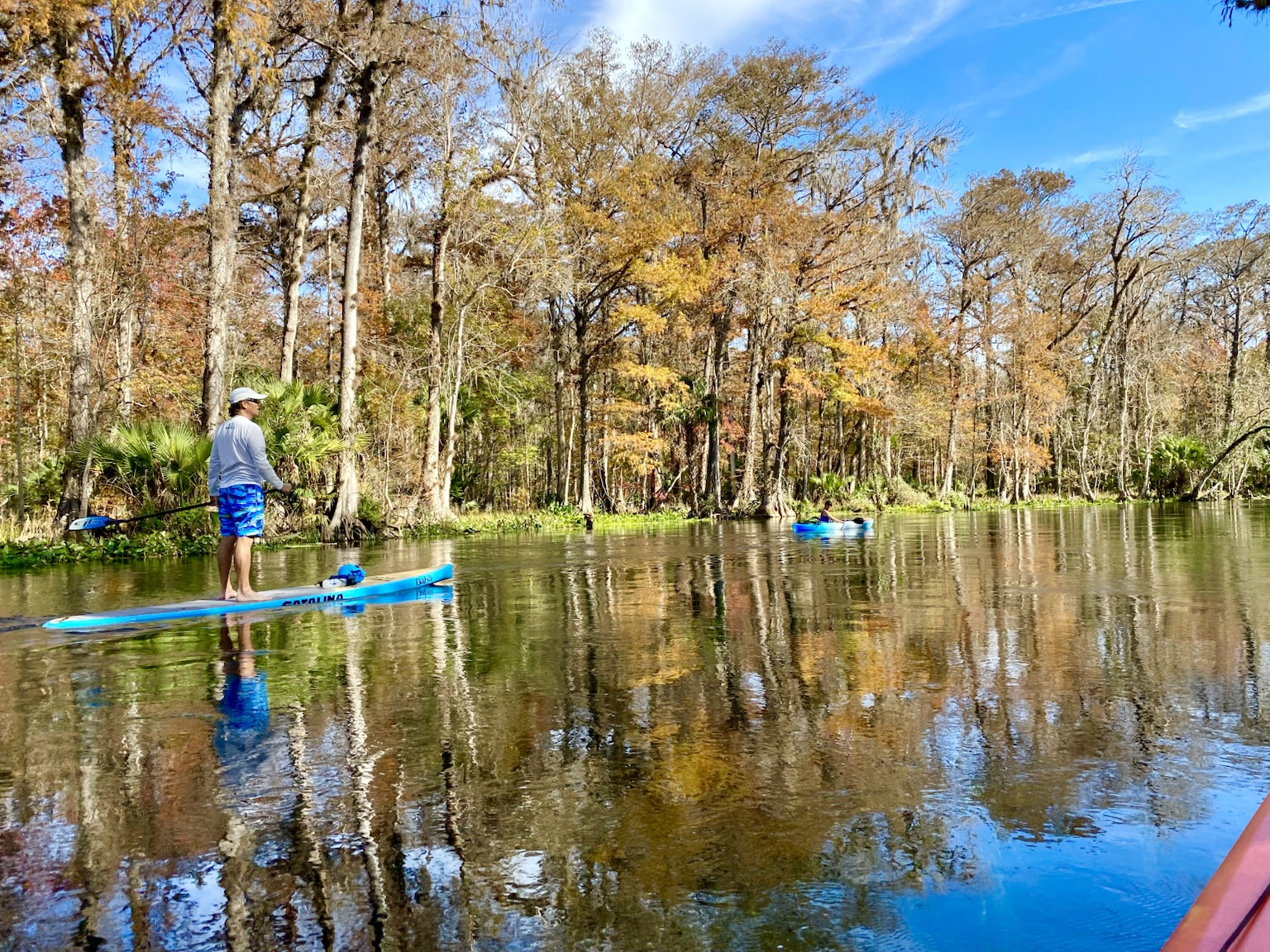
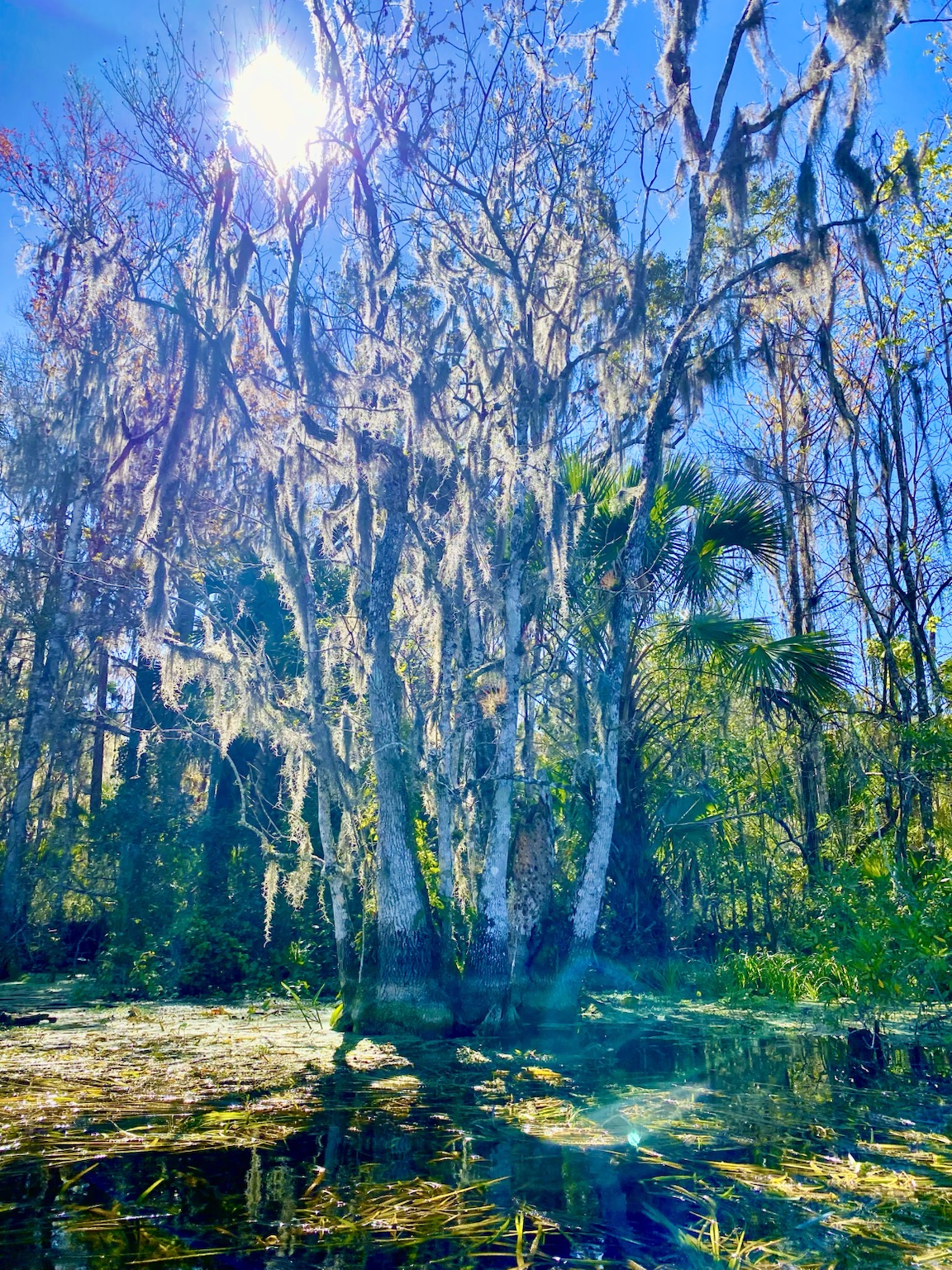
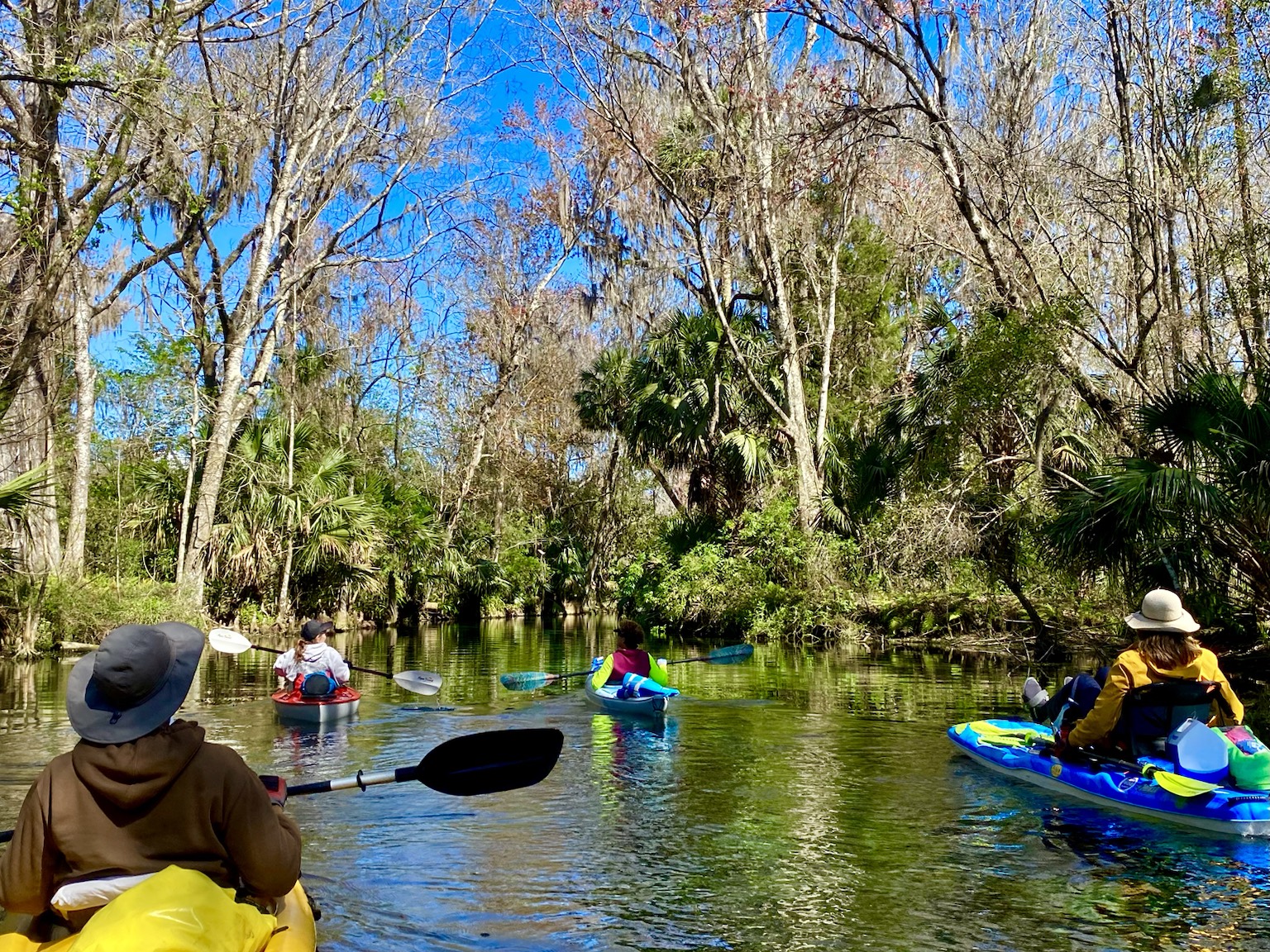
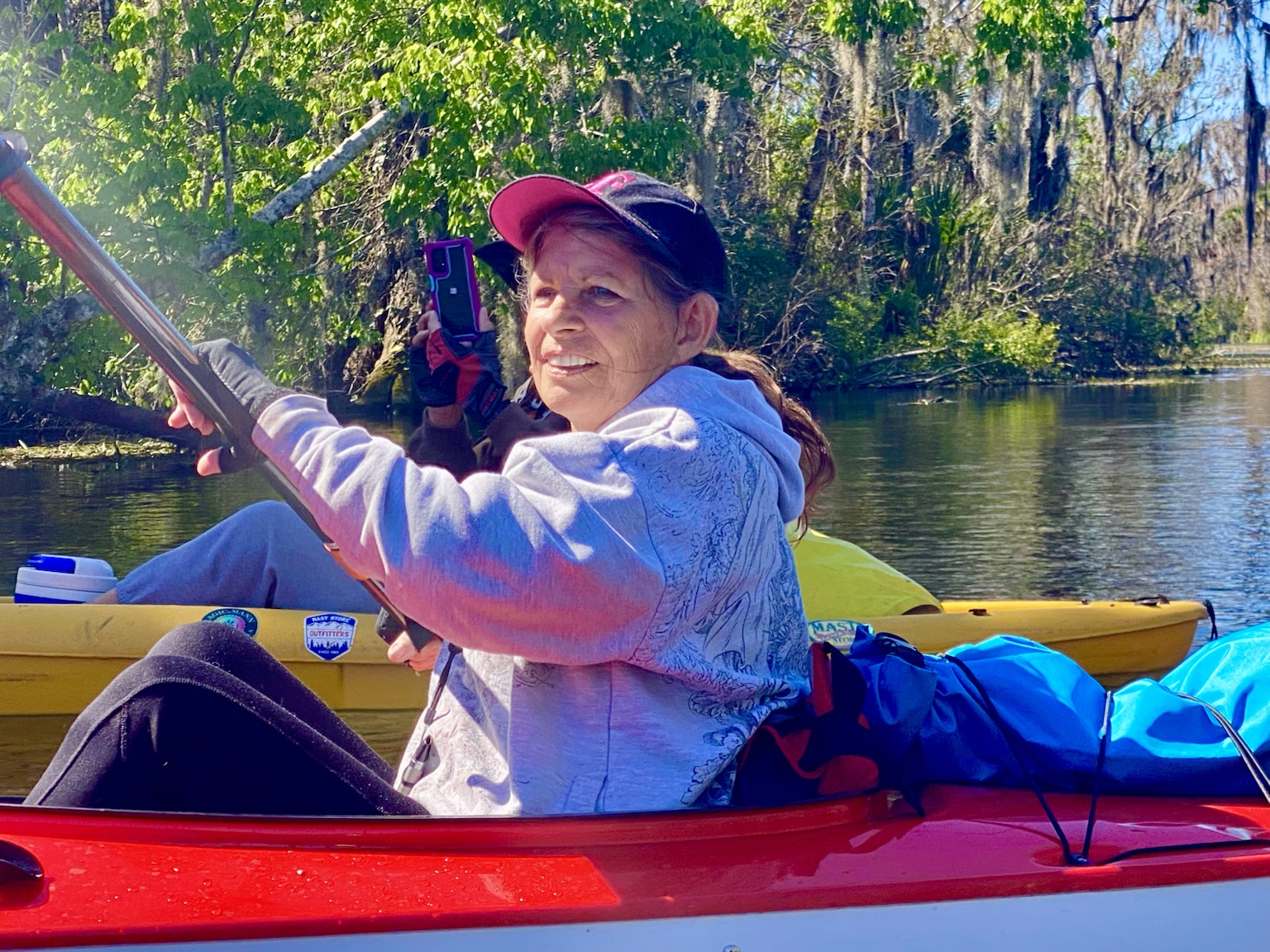
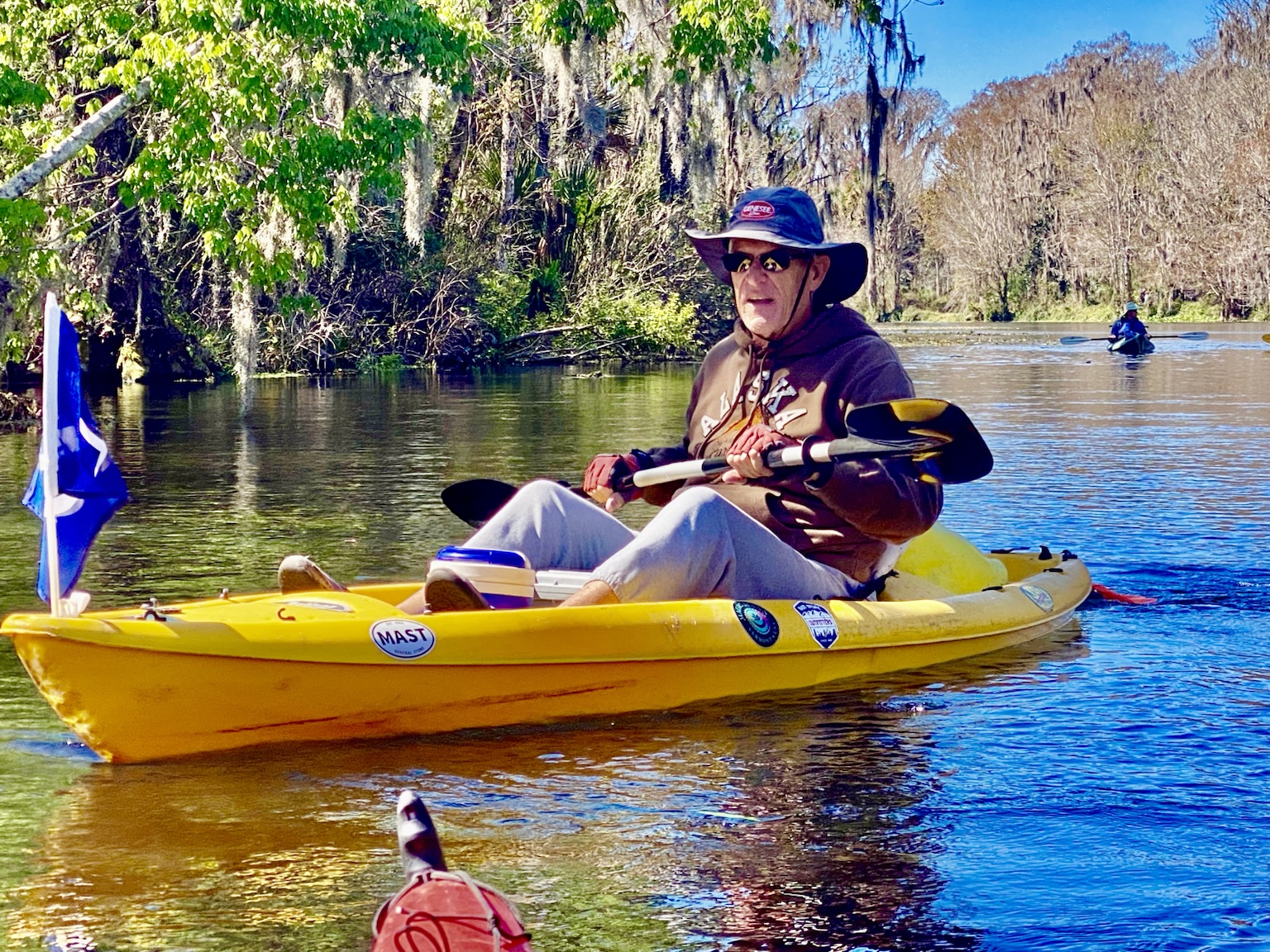
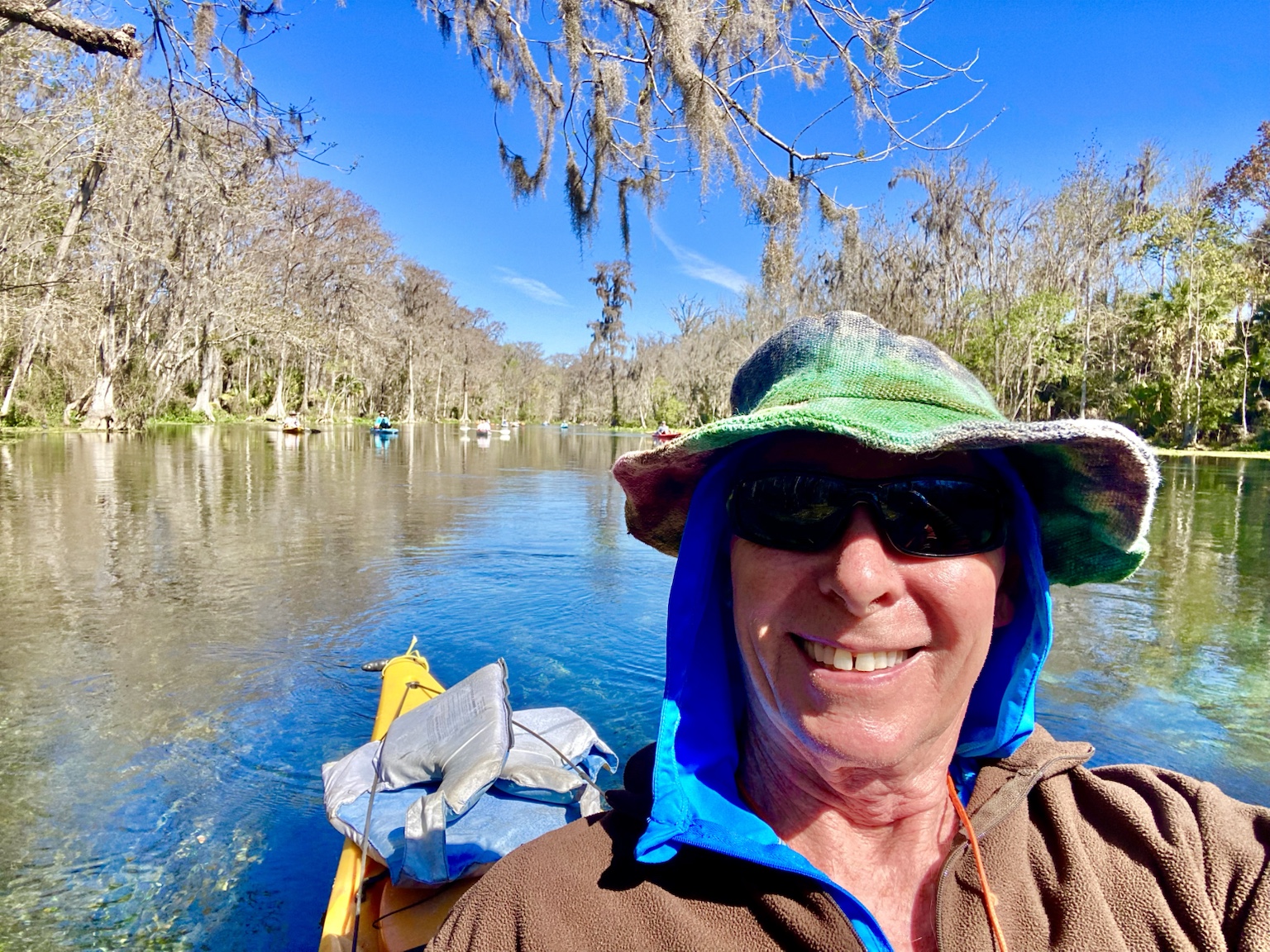
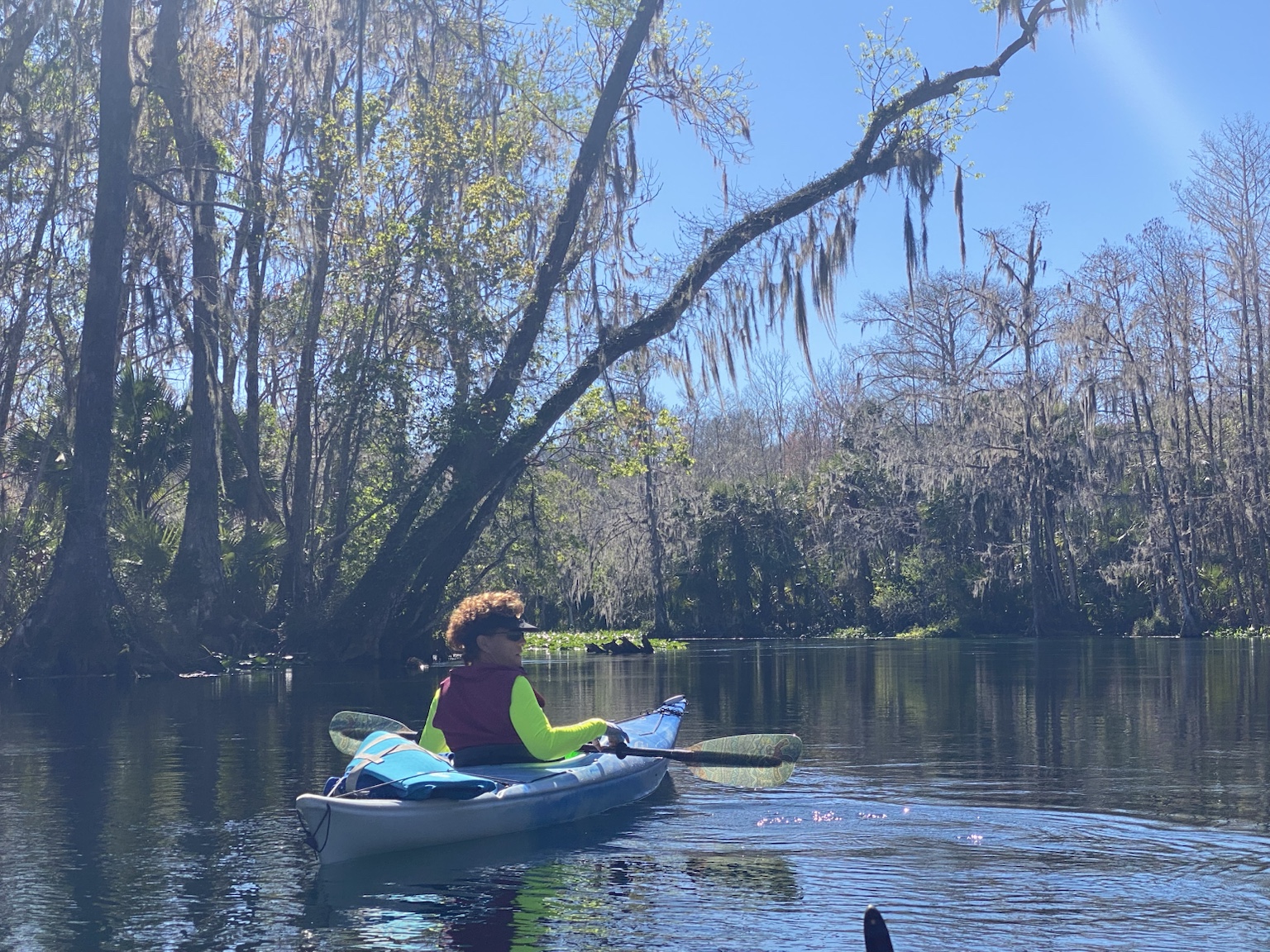
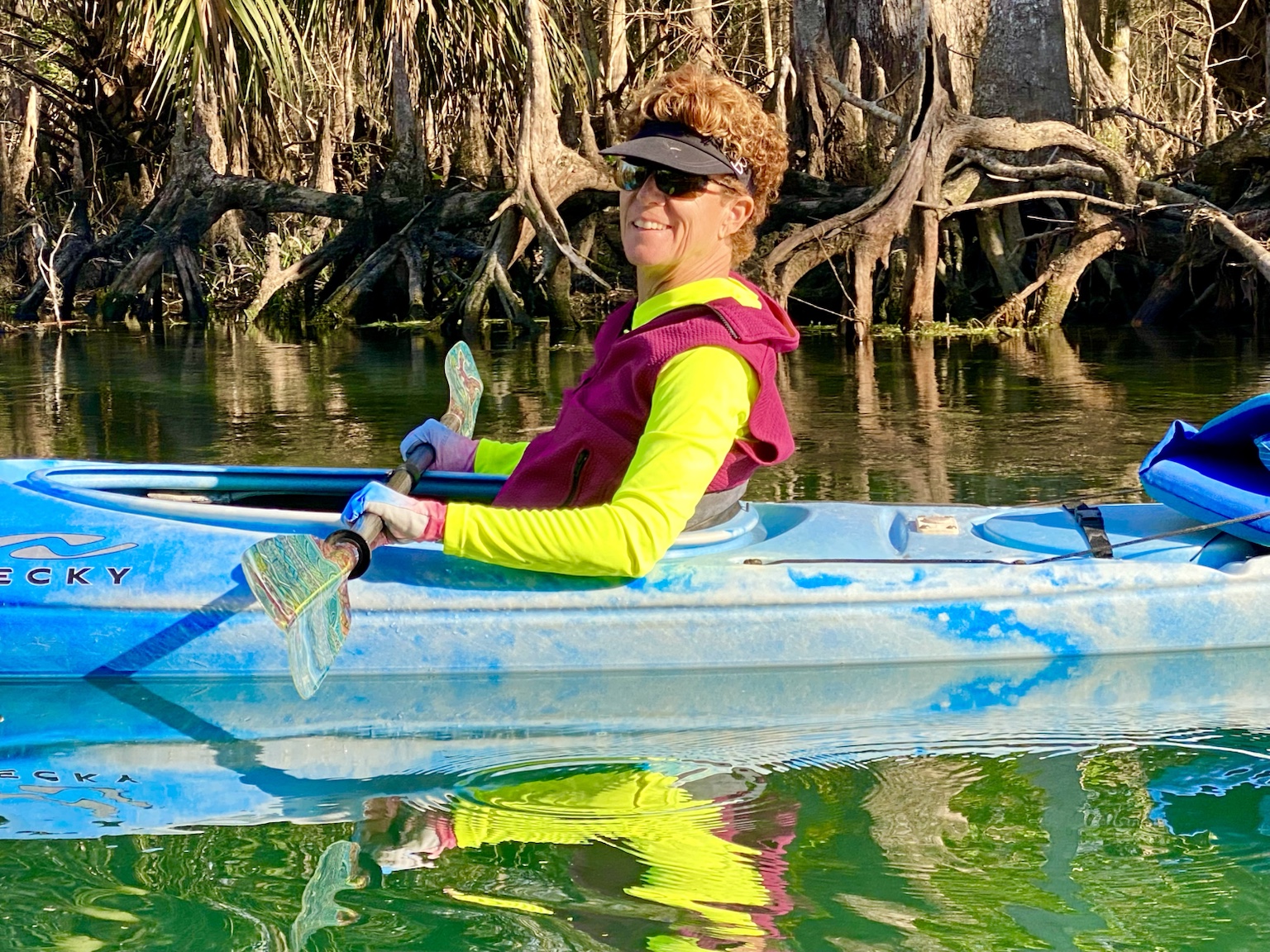
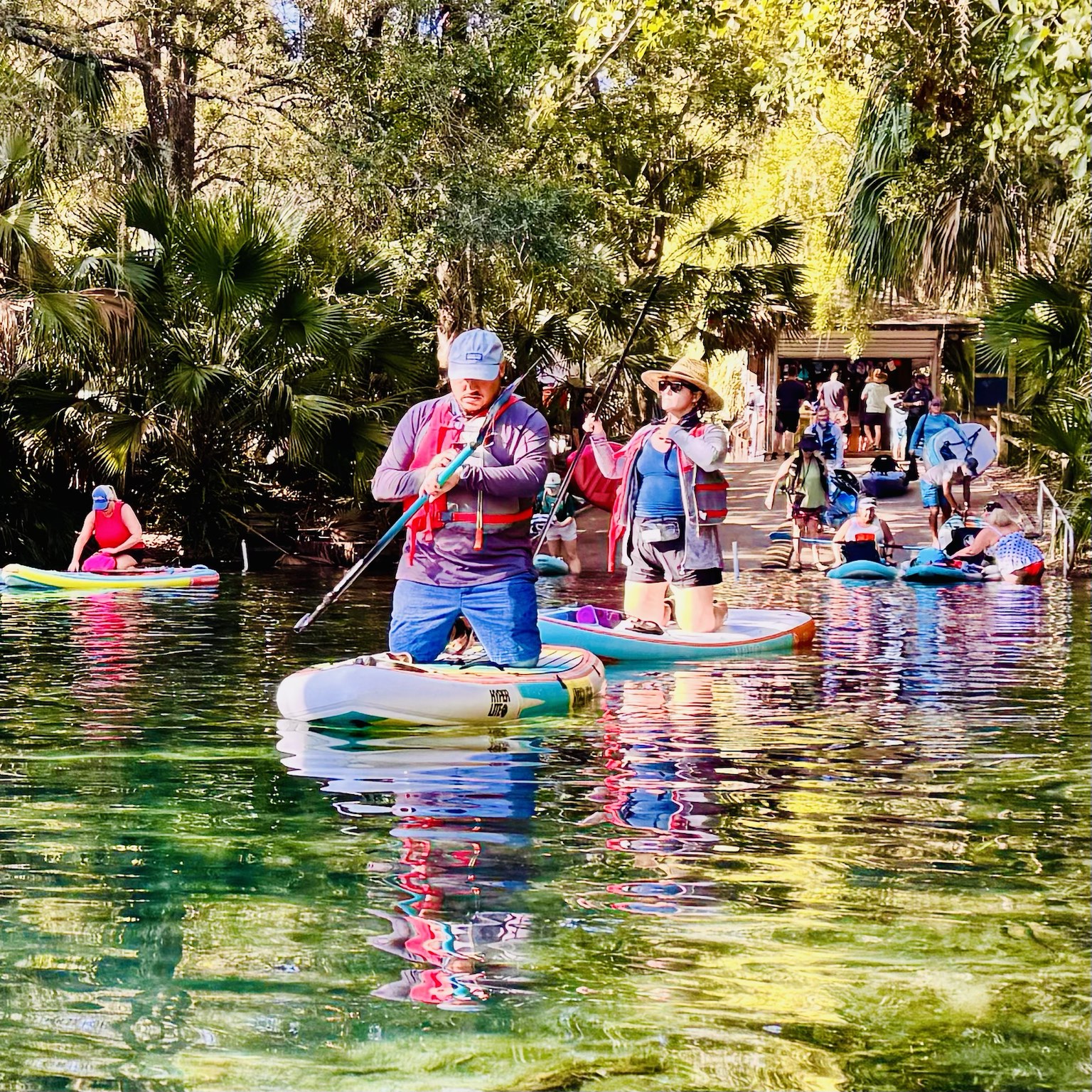
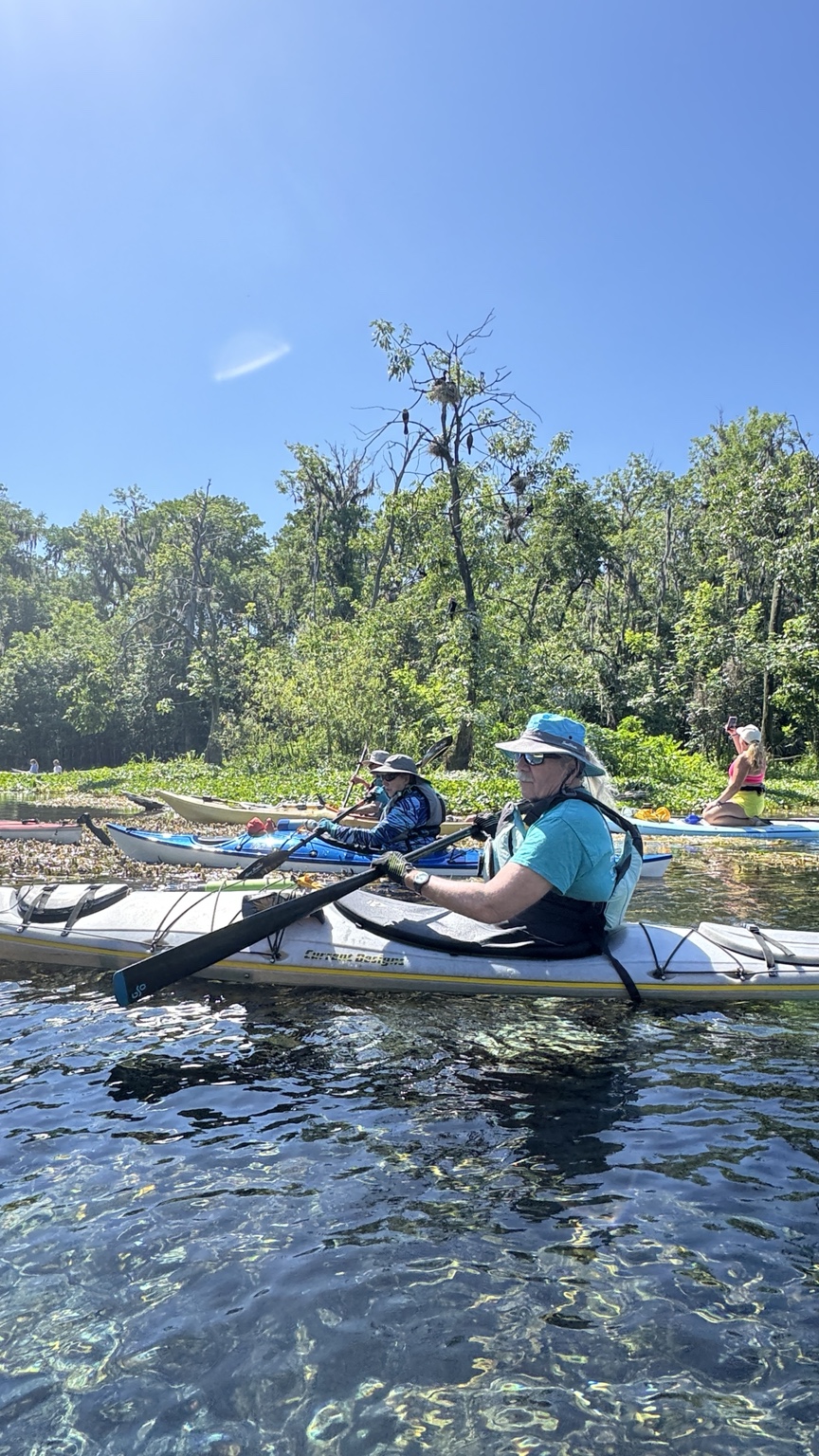
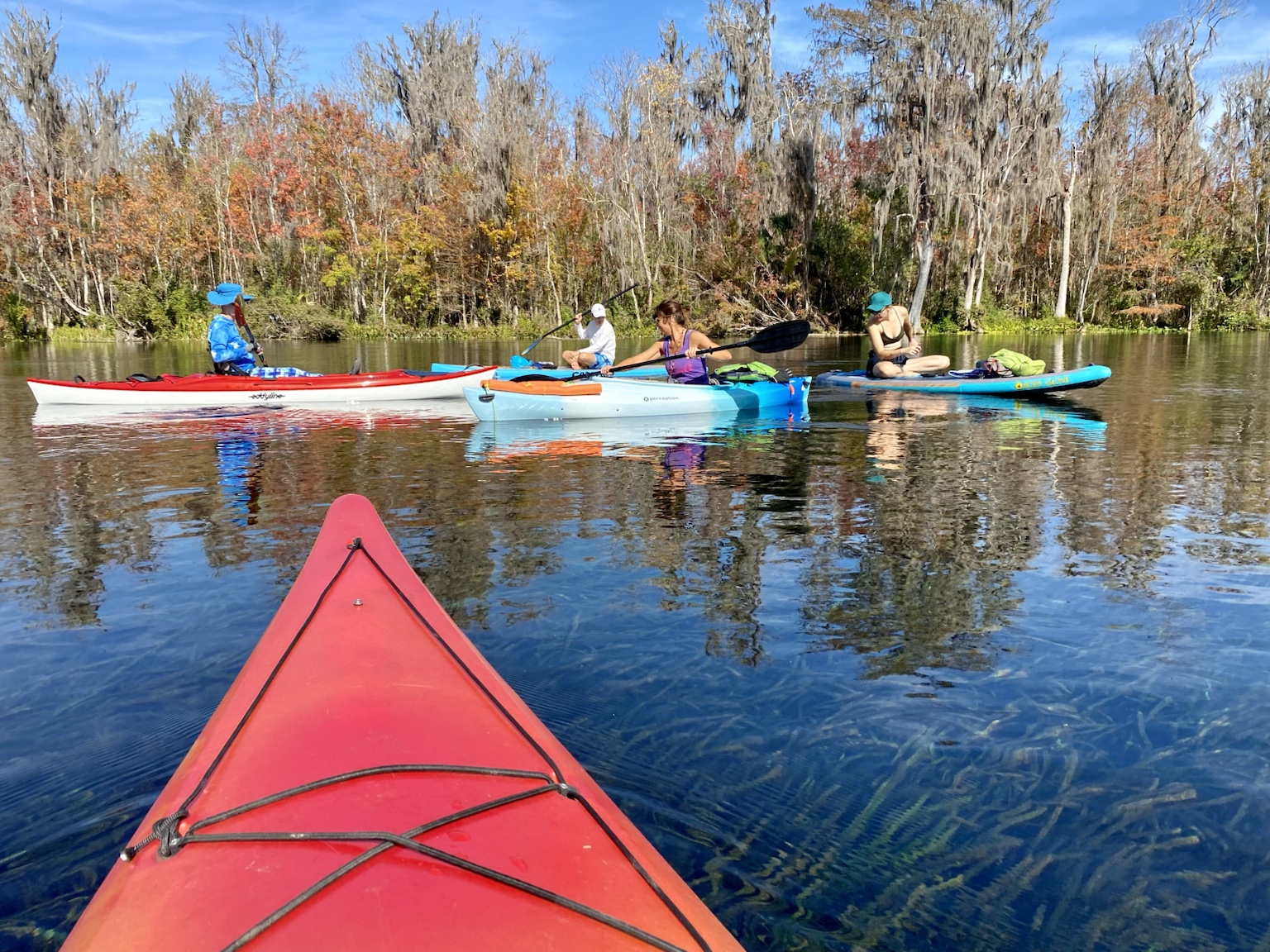
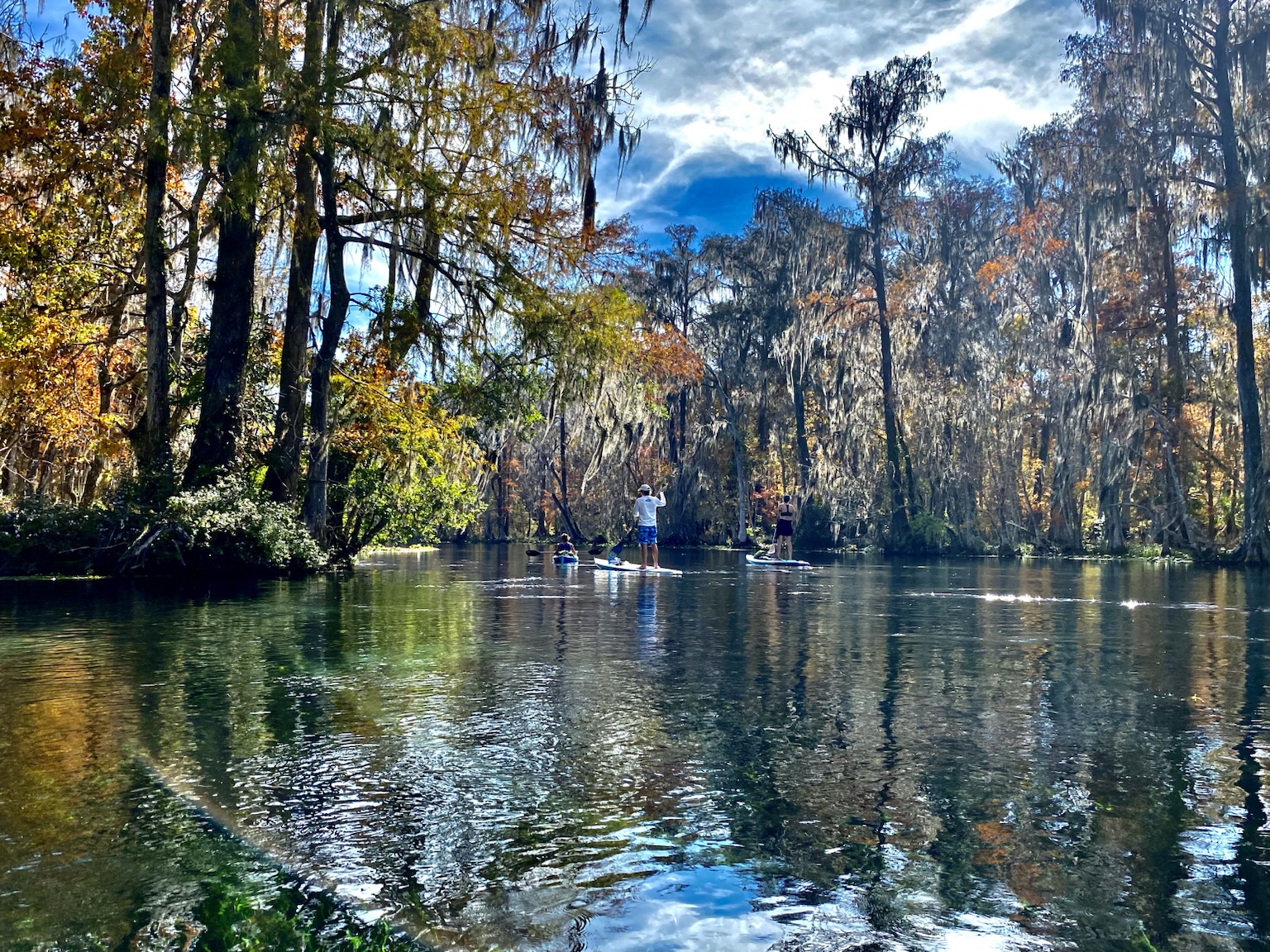
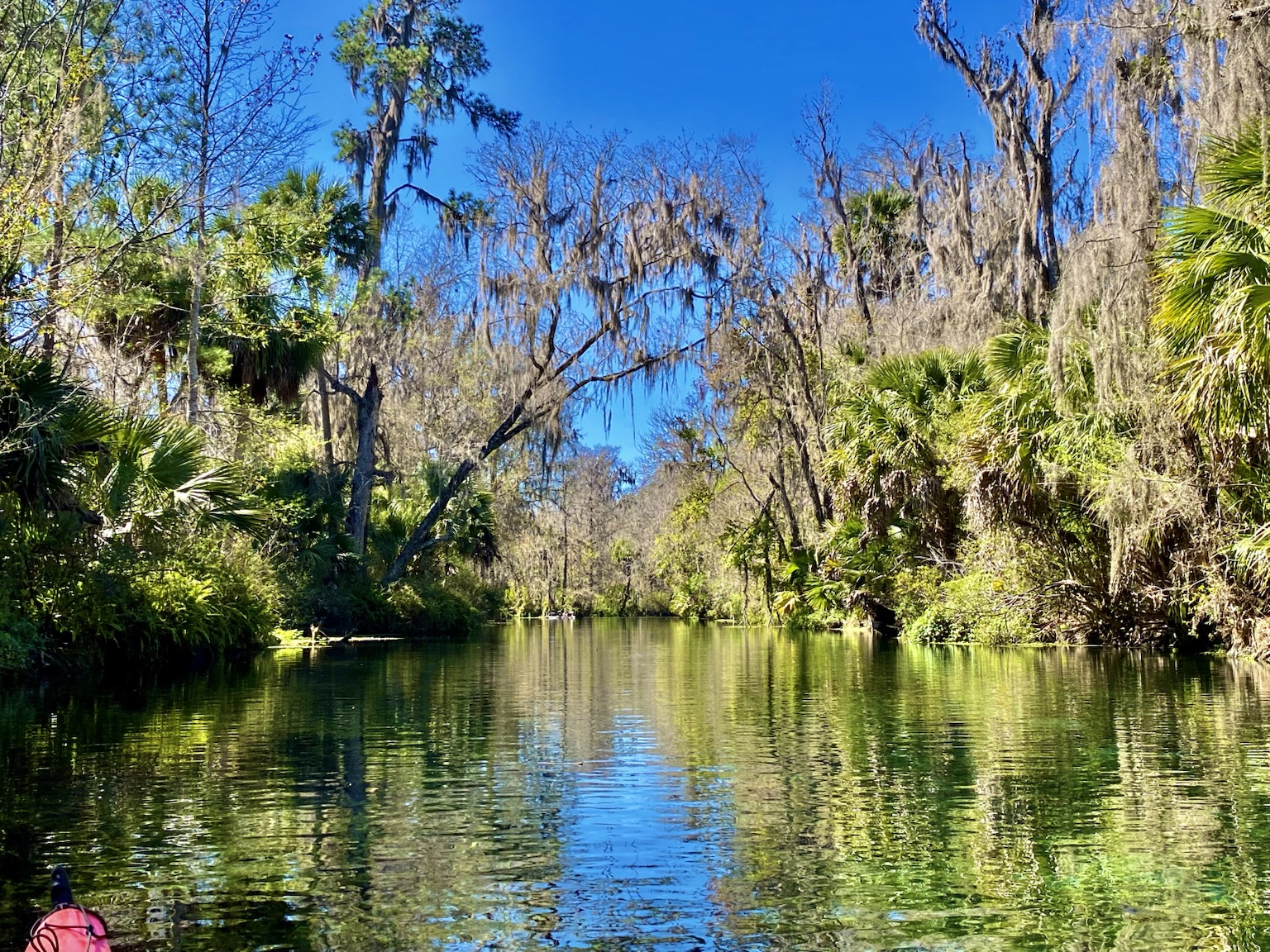
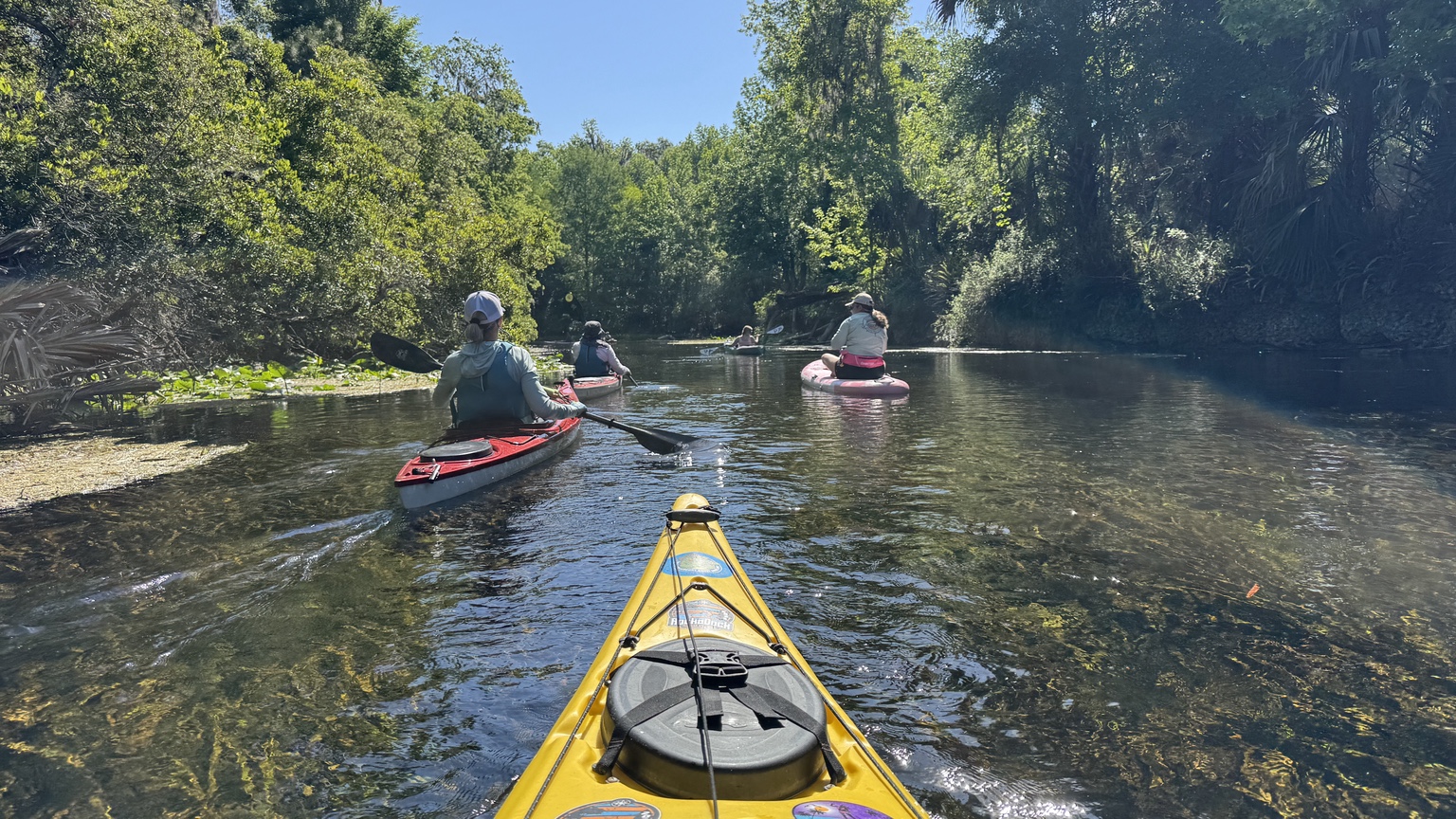
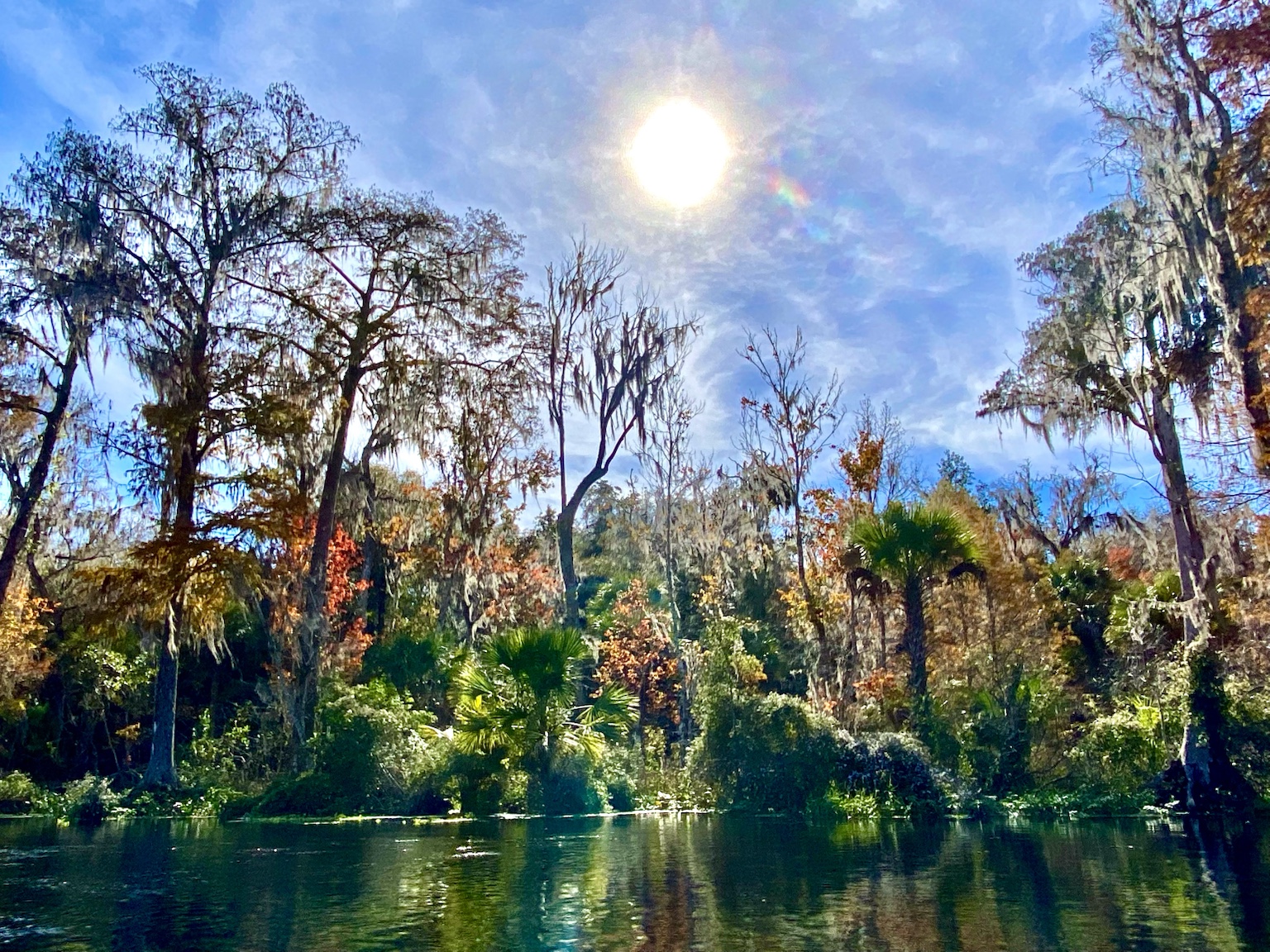
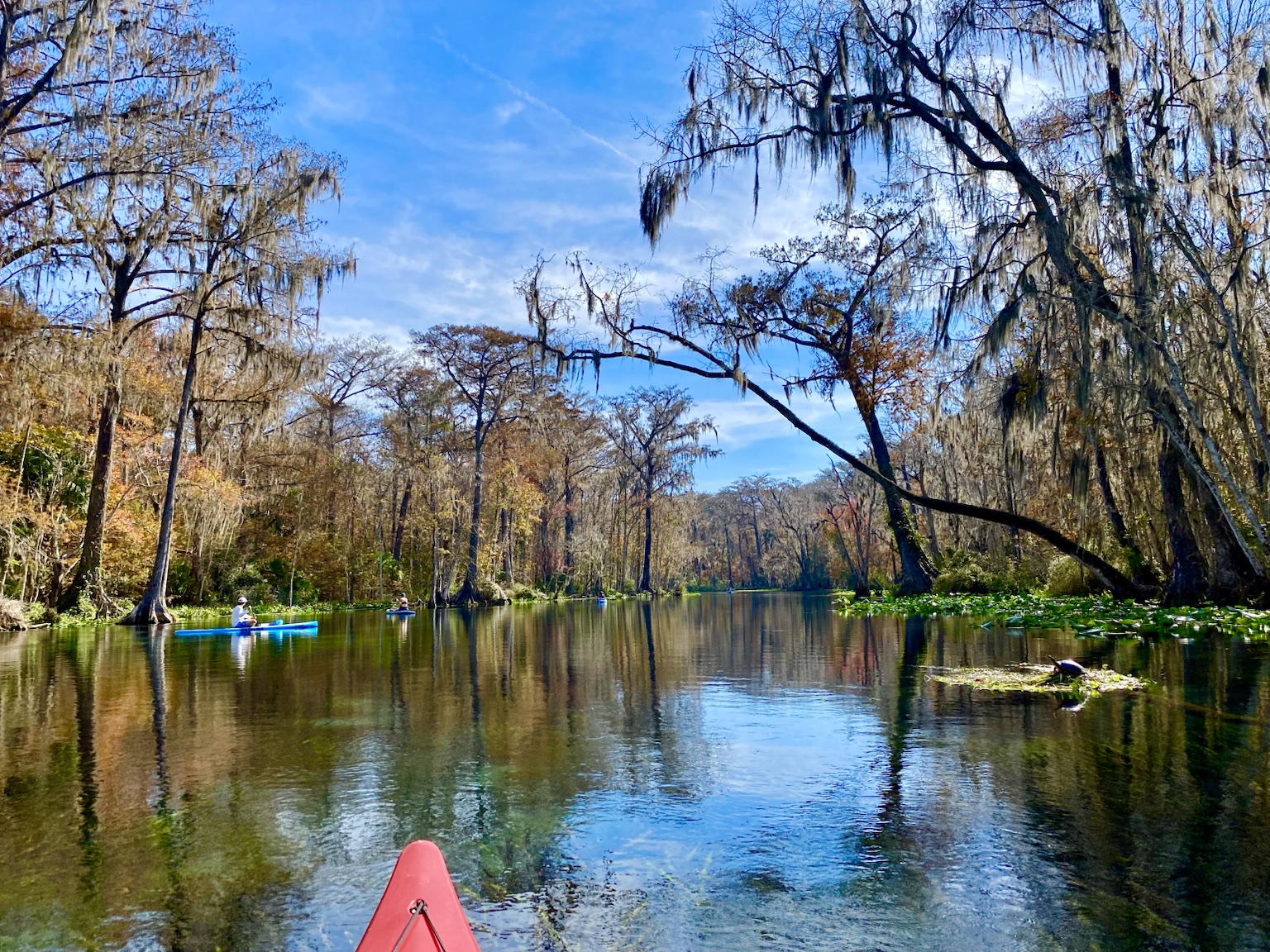
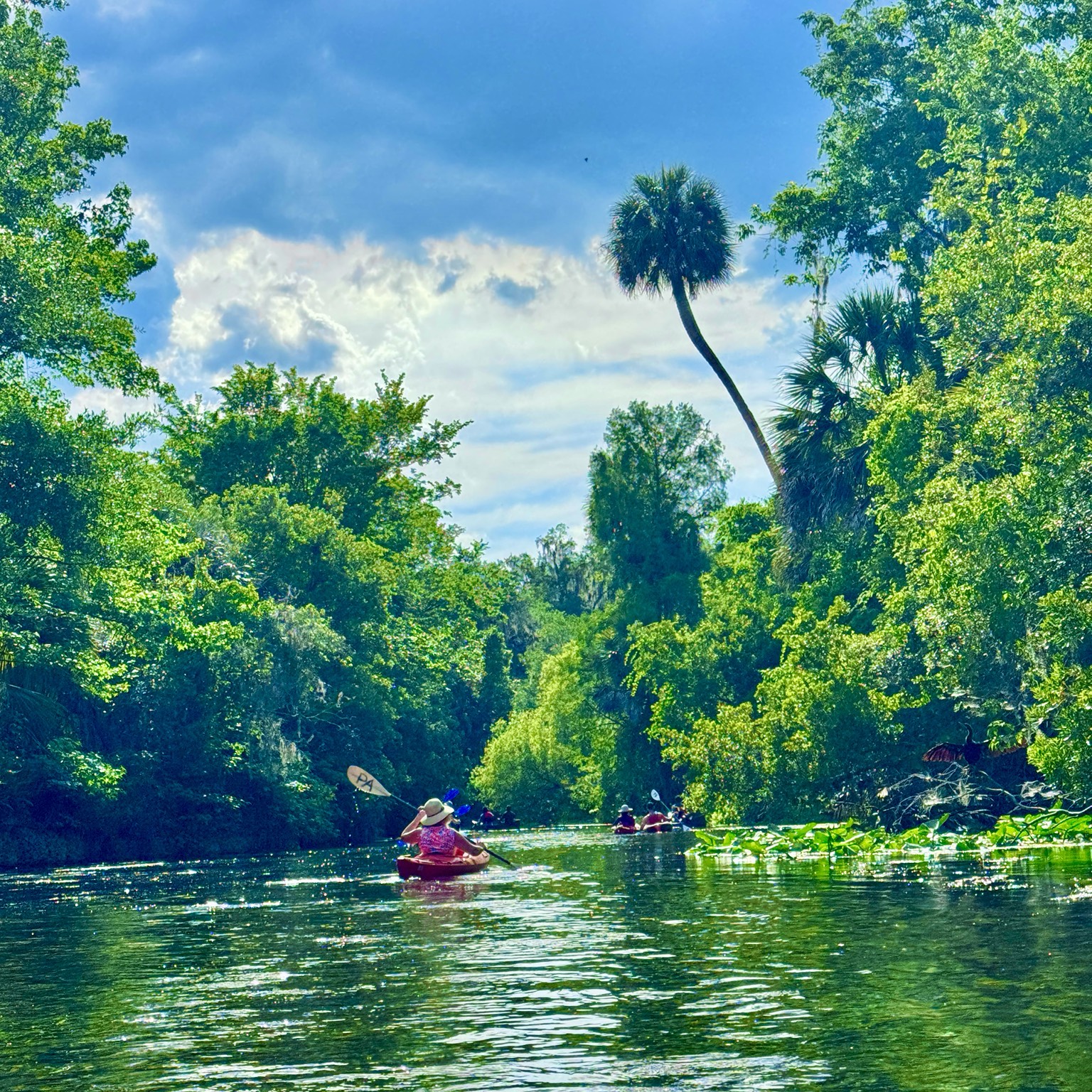
When I returned as an adult, I no longer saw the river only through the floor of a tour boat. I could move through it at water level in a kayak, drift above the spring vents, watch fish beneath me, and follow the river through cypress, palms, live oaks, Spanish moss, and thick Florida forest.
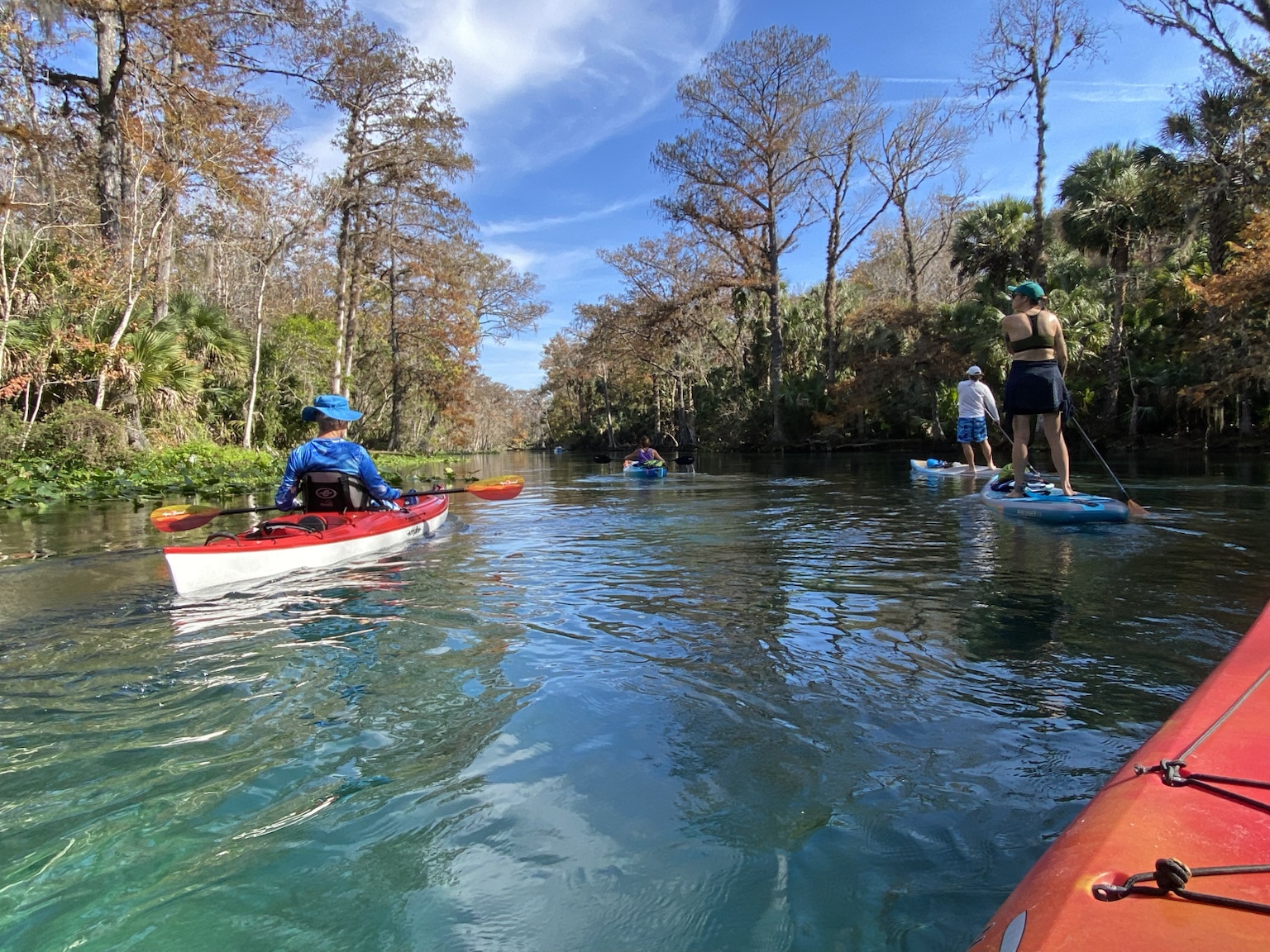
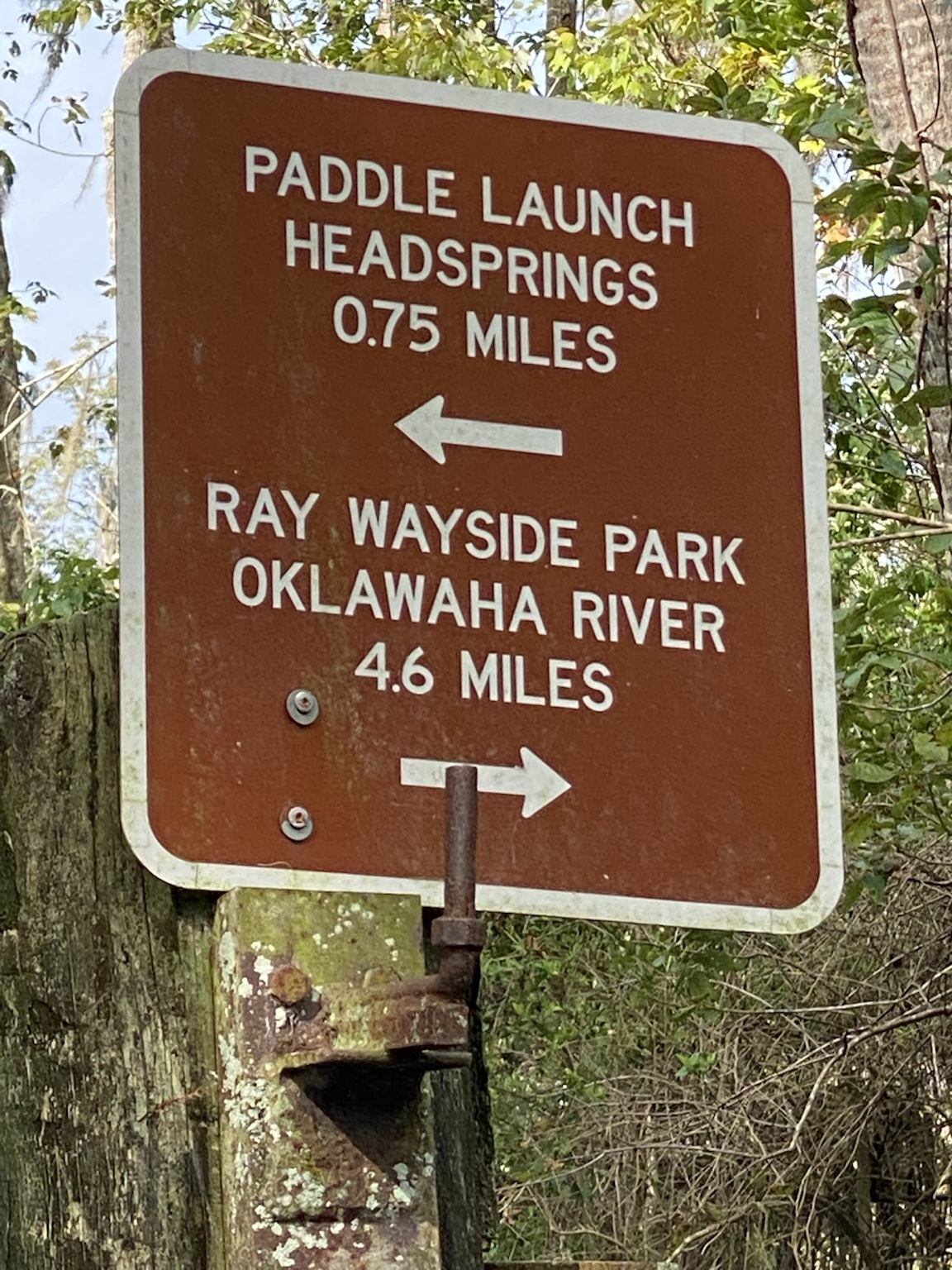
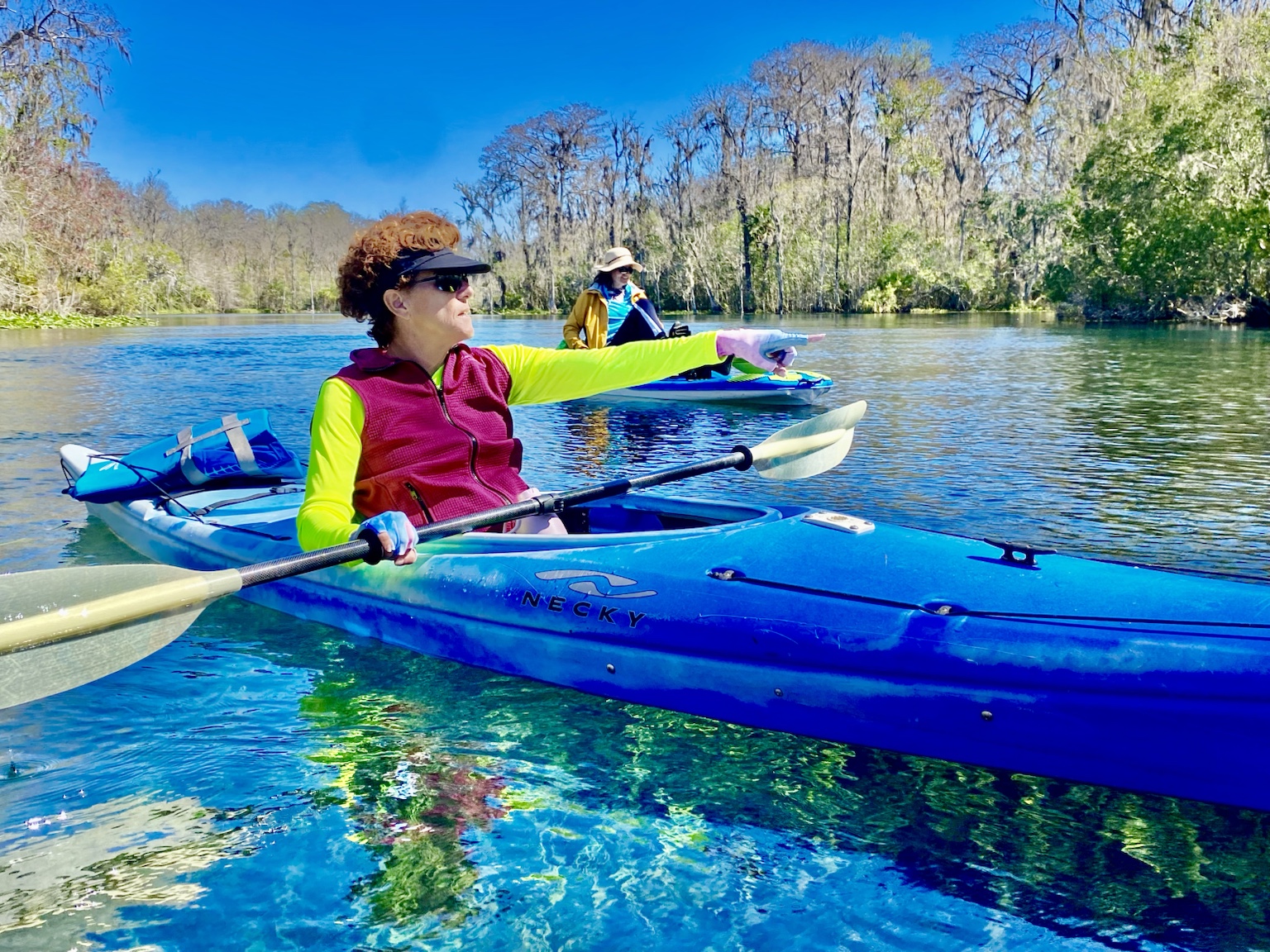
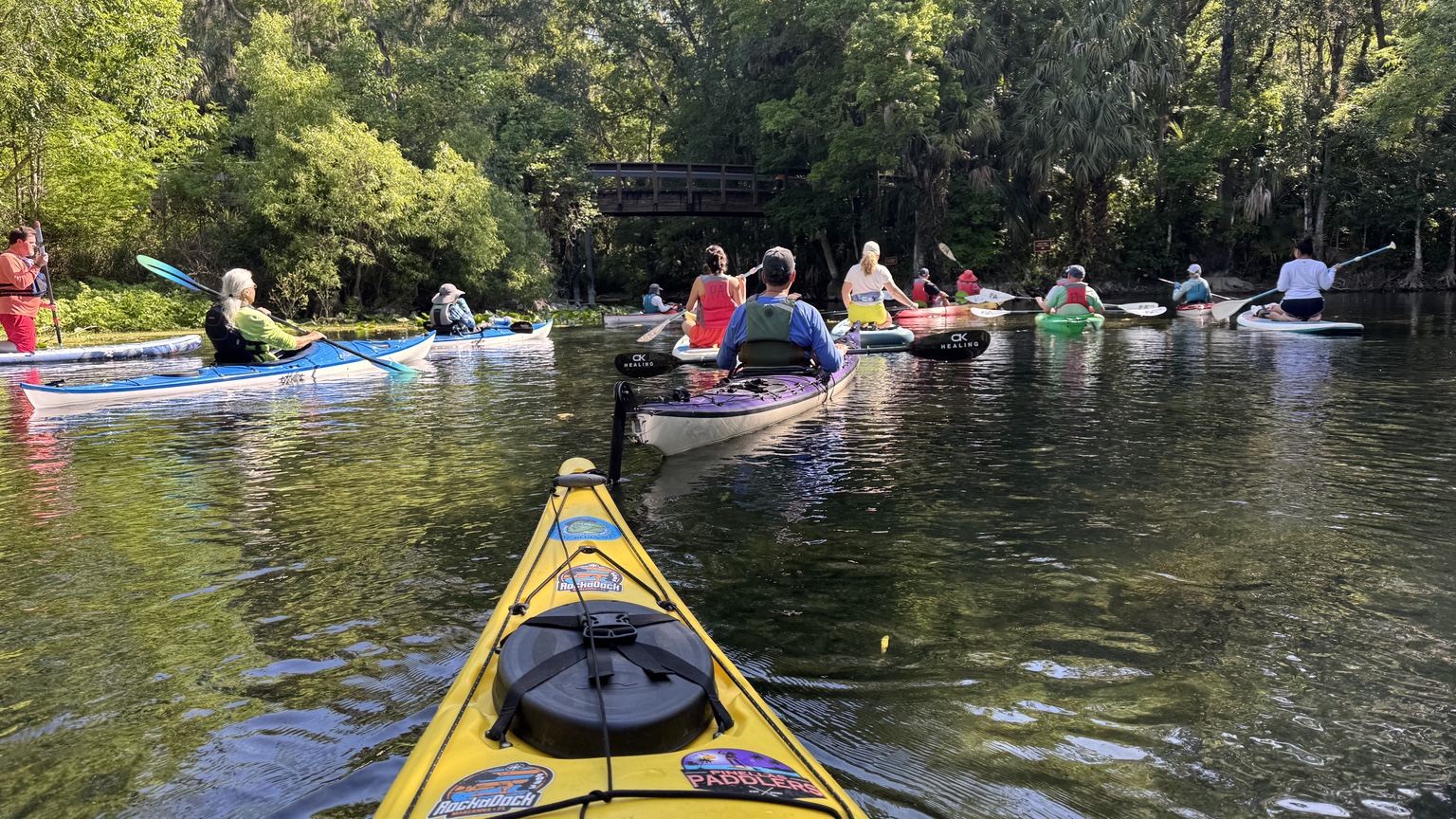
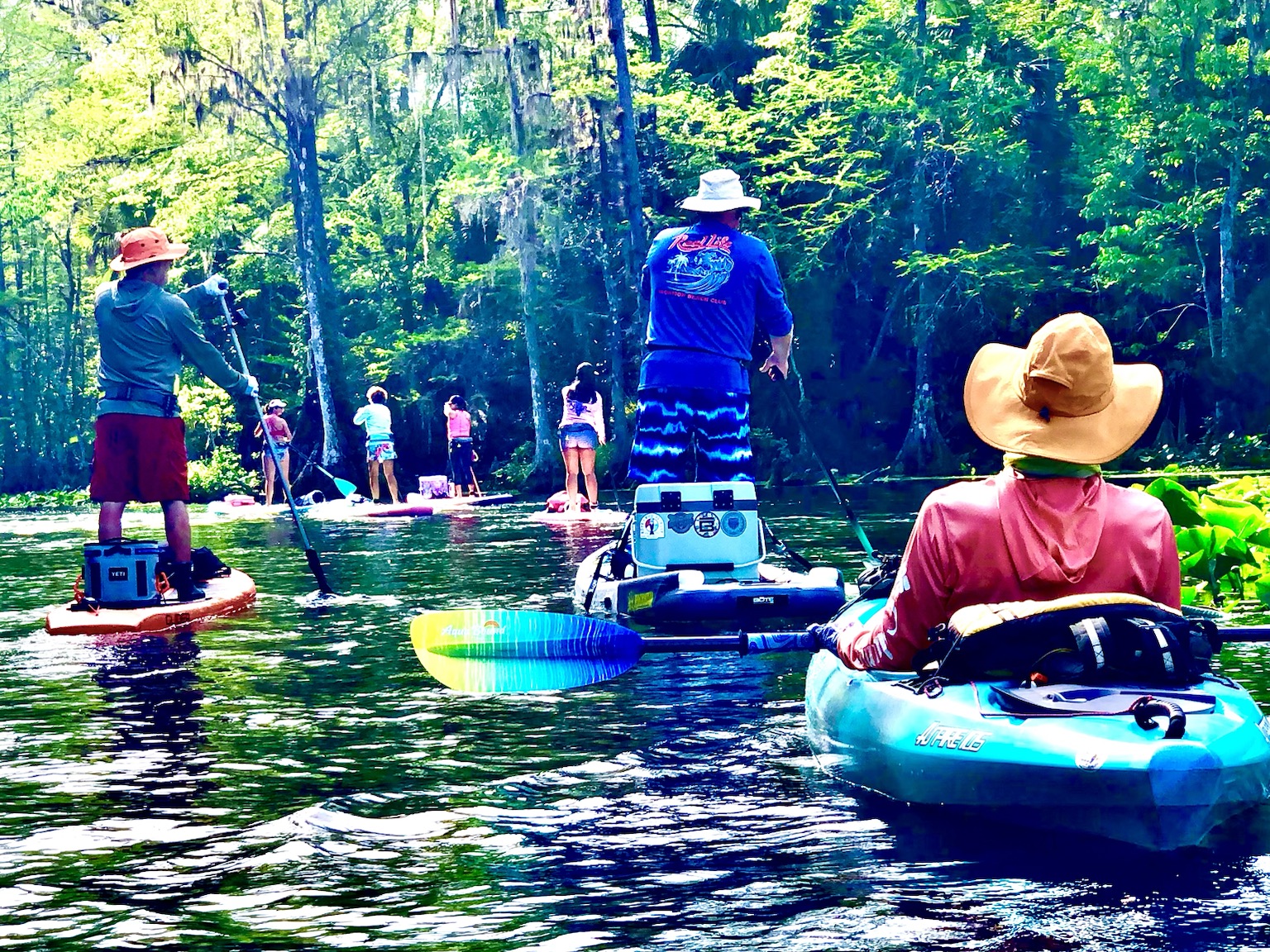
The paddle from Ray Wayside to the head springs is about 4.6 miles upstream. That makes the full outing a substantial paddle, especially against the steady spring flow. It is worth every bit of the effort. I have made the trip many times and often brought friends or groups because Silver River is one of those places that consistently impresses people.
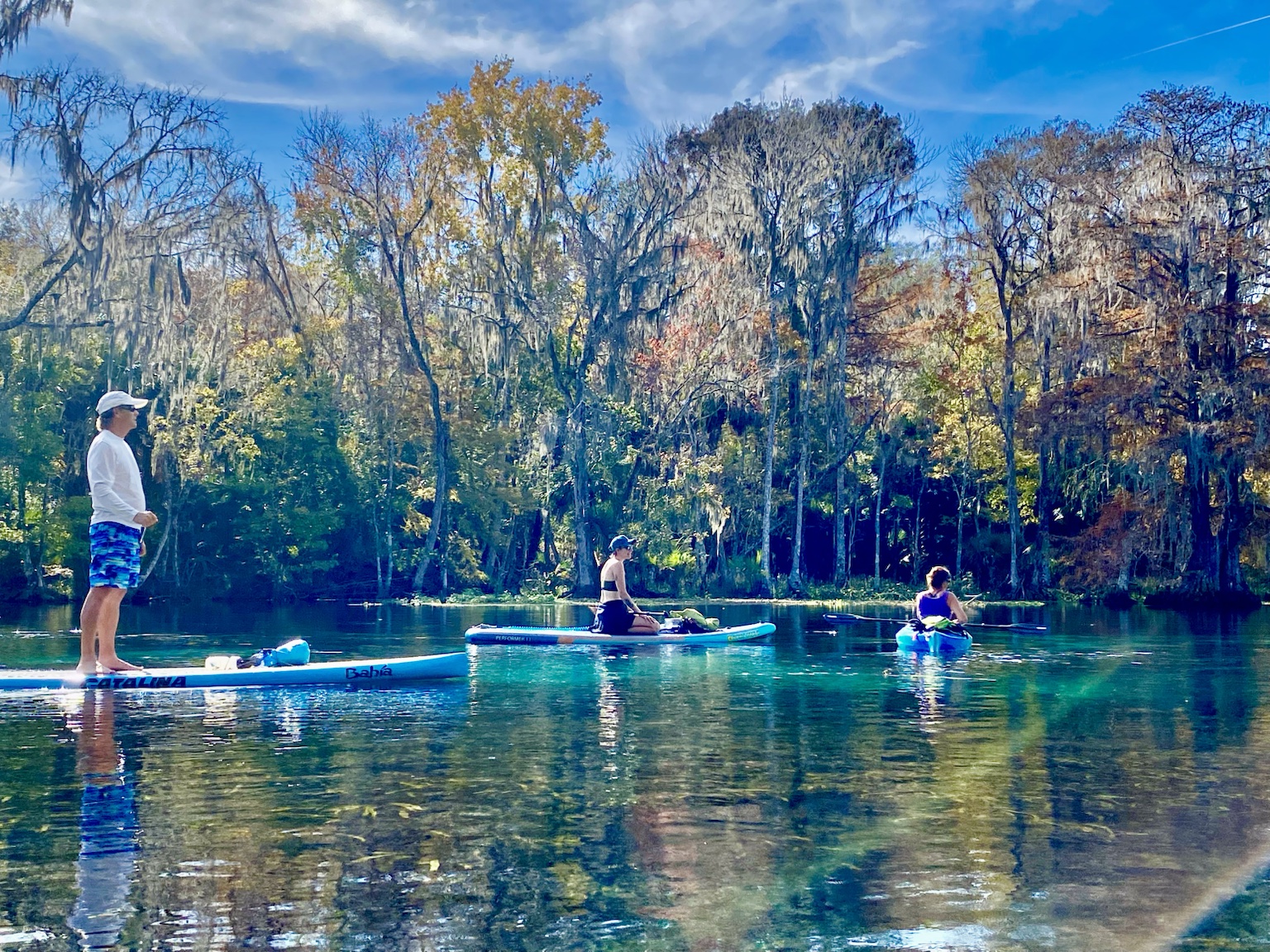
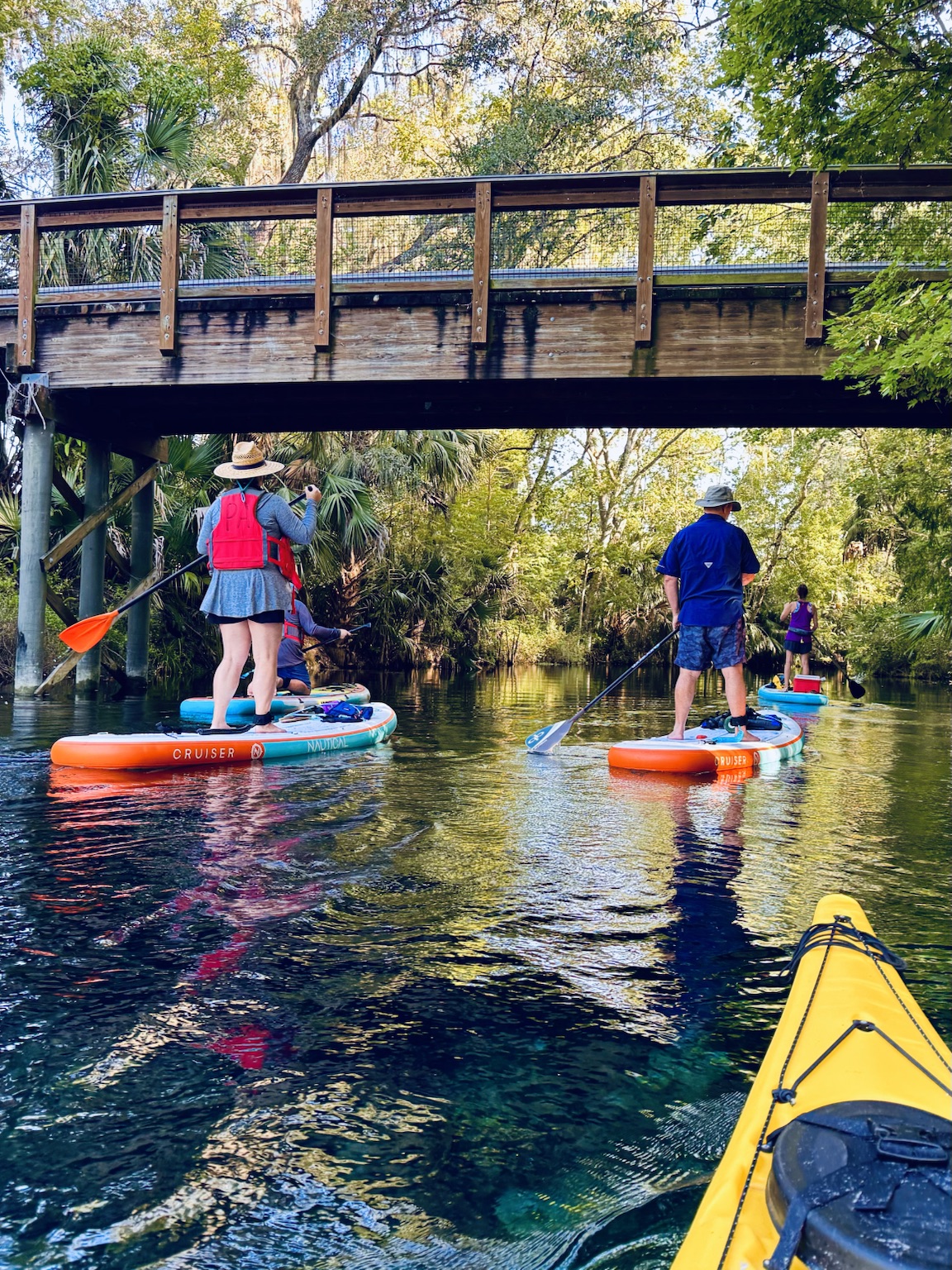
The transparent water changes the entire experience. In many rivers you see only the surface. Here, the river bottom, fish, vegetation, manatees, logs, and sunlight are visible beneath the boat. You are paddling through the landscape and looking down into it at the same time.
Clear water that changes everything
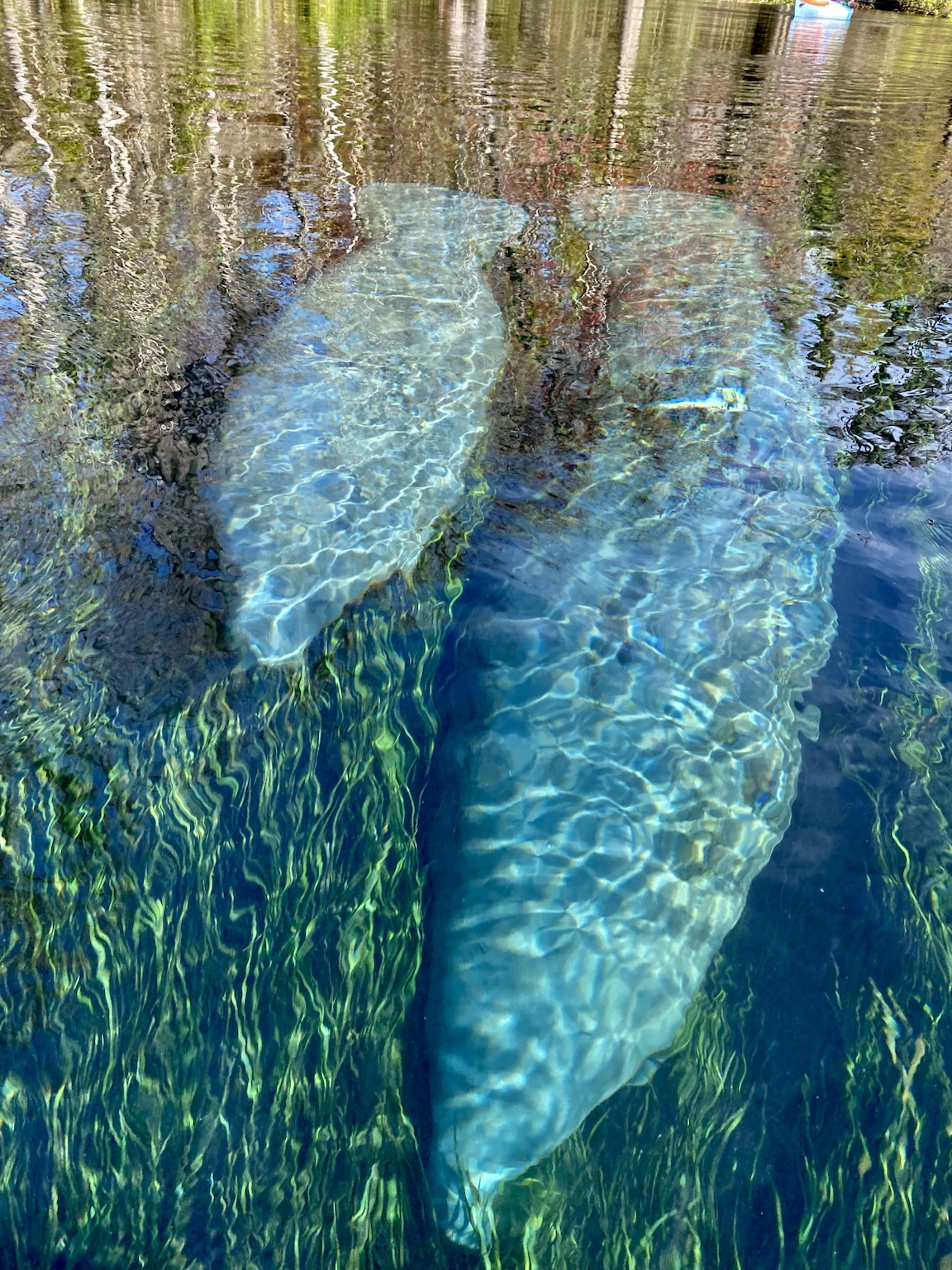
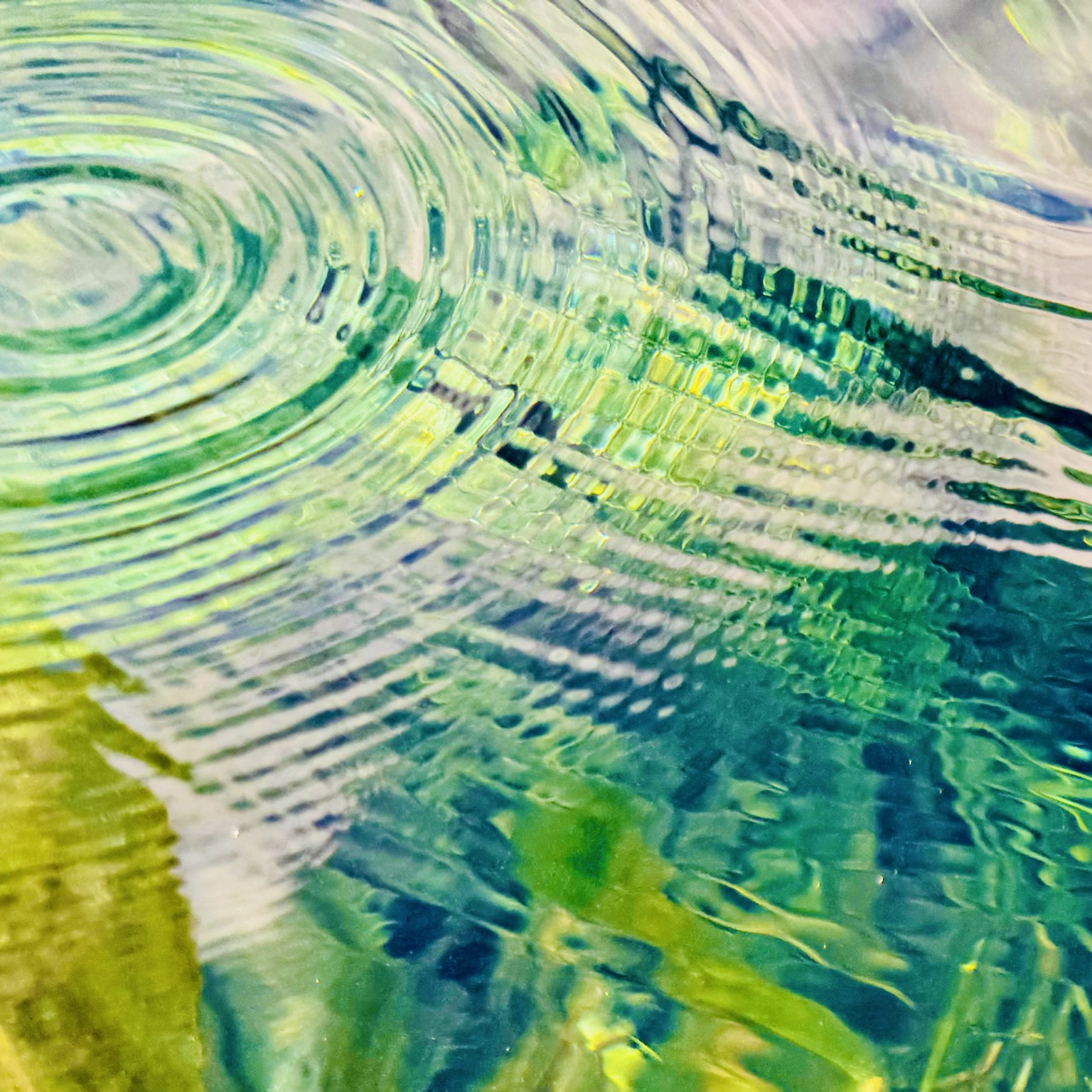
The clarity is what makes Silver River unforgettable. Sunlight reaches the sandy bottom and creates moving patterns. Fish seem to float in open air. A manatee can appear below the boat as a pale, enormous shape. Kayaks cast shadows on the riverbed, and springs reveal themselves as bright openings in the bottom.
This is one of the reasons Silver River feels so different from Weeki Wachee, dark tannic rivers, mangrove creeks, or open Gulf water. Each is beautiful in its own way, but Silver River gives you an almost continuous view into the underwater ecosystem.
A river crowded with wildlife
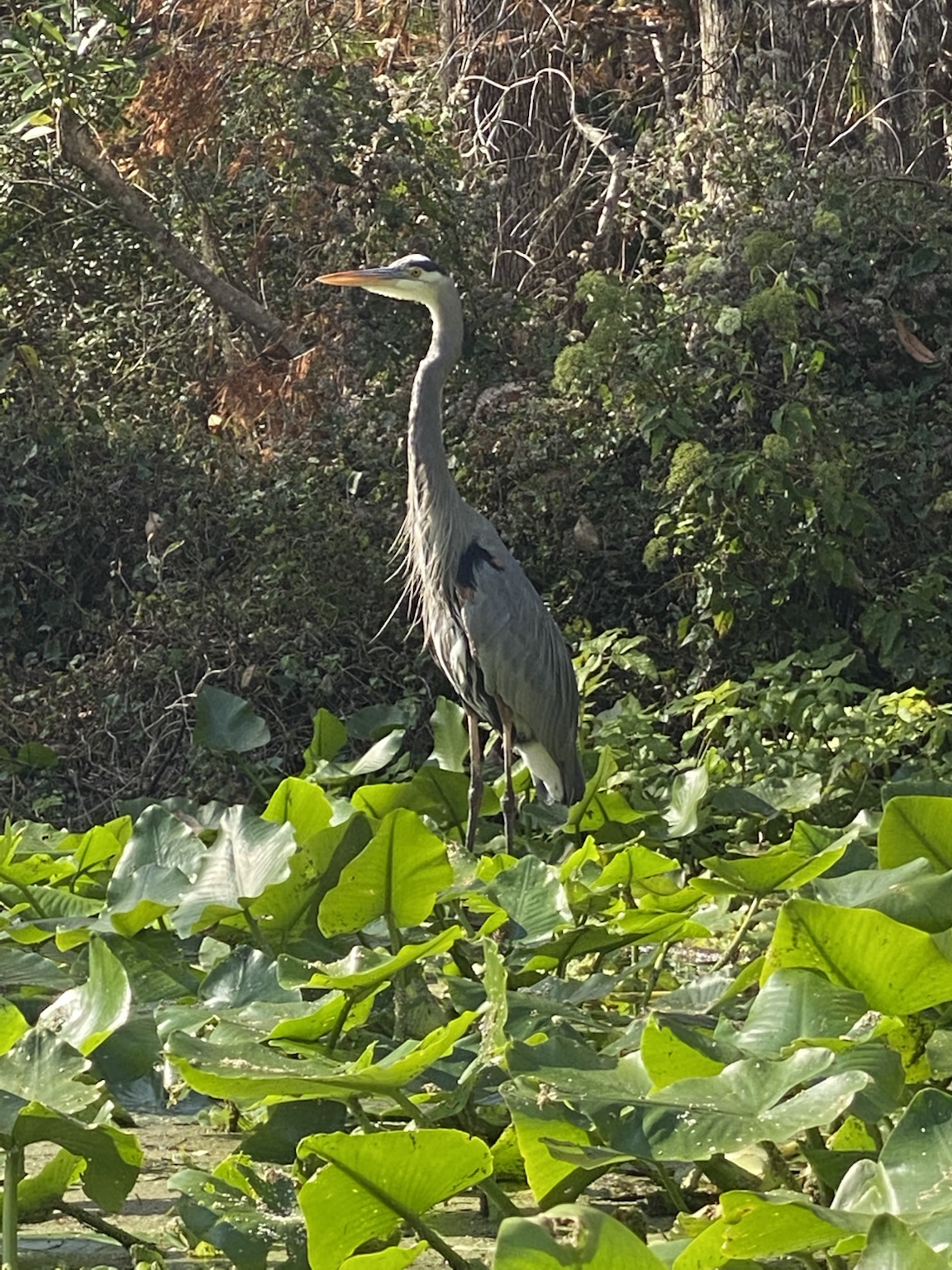
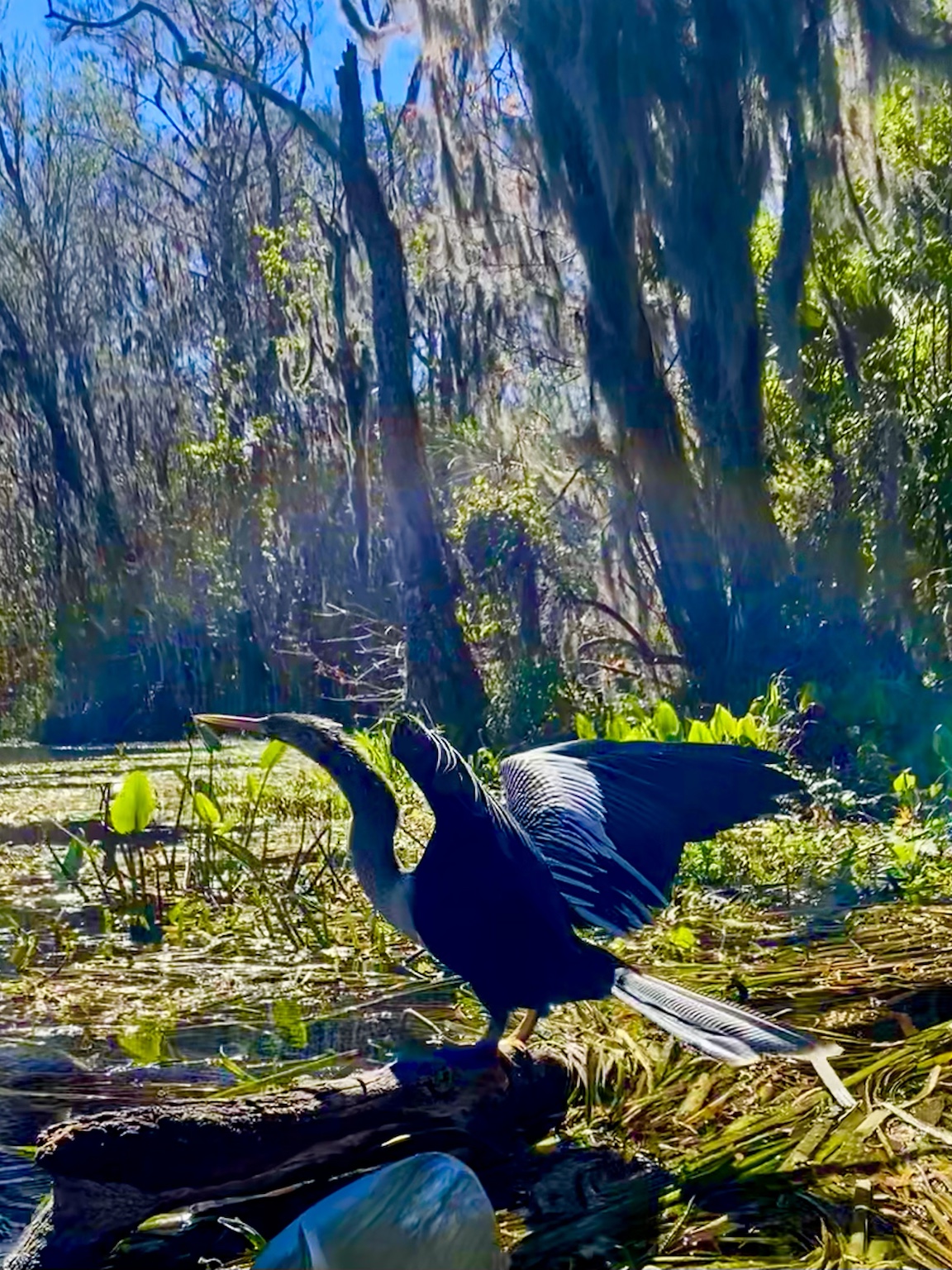
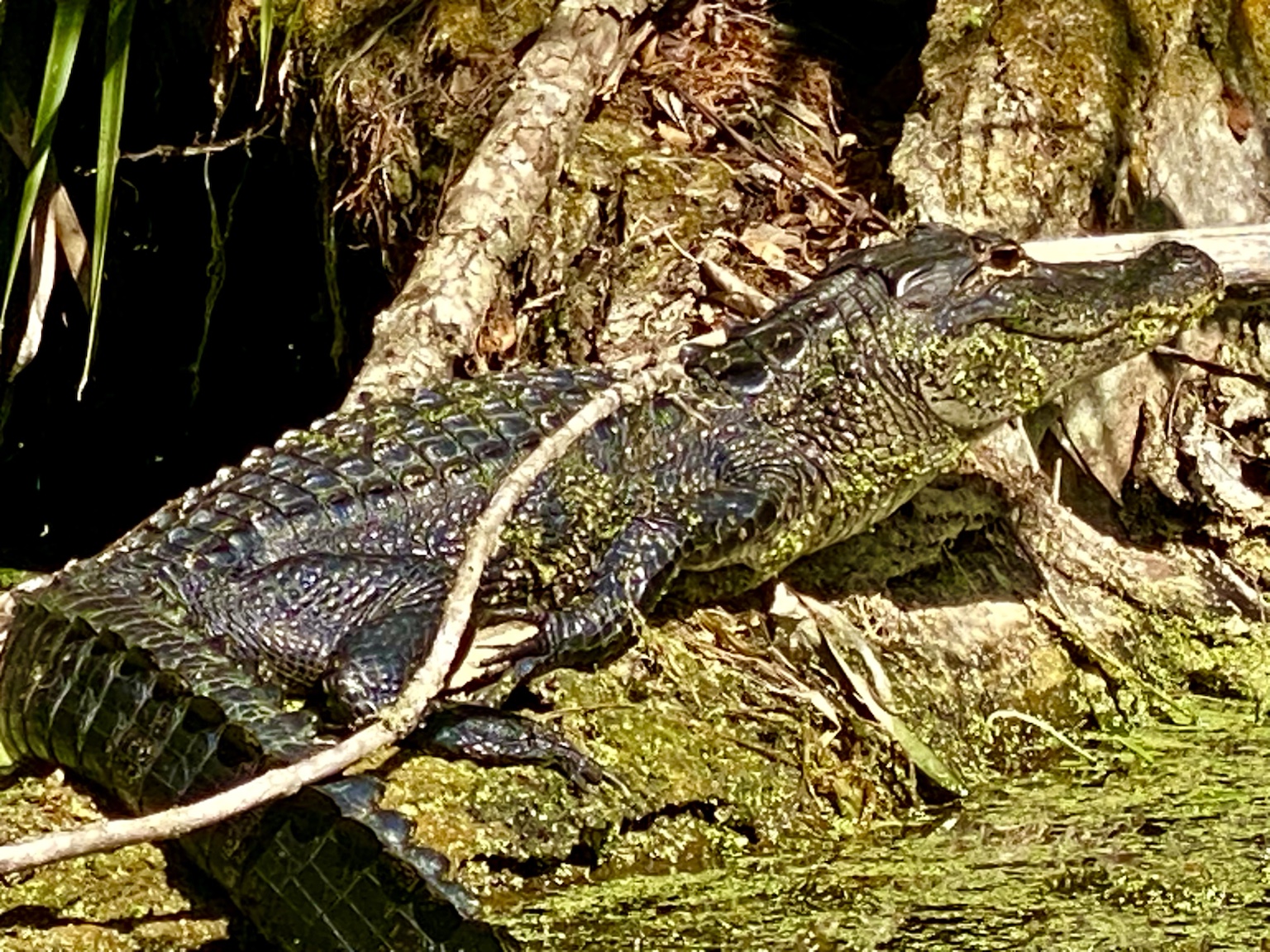
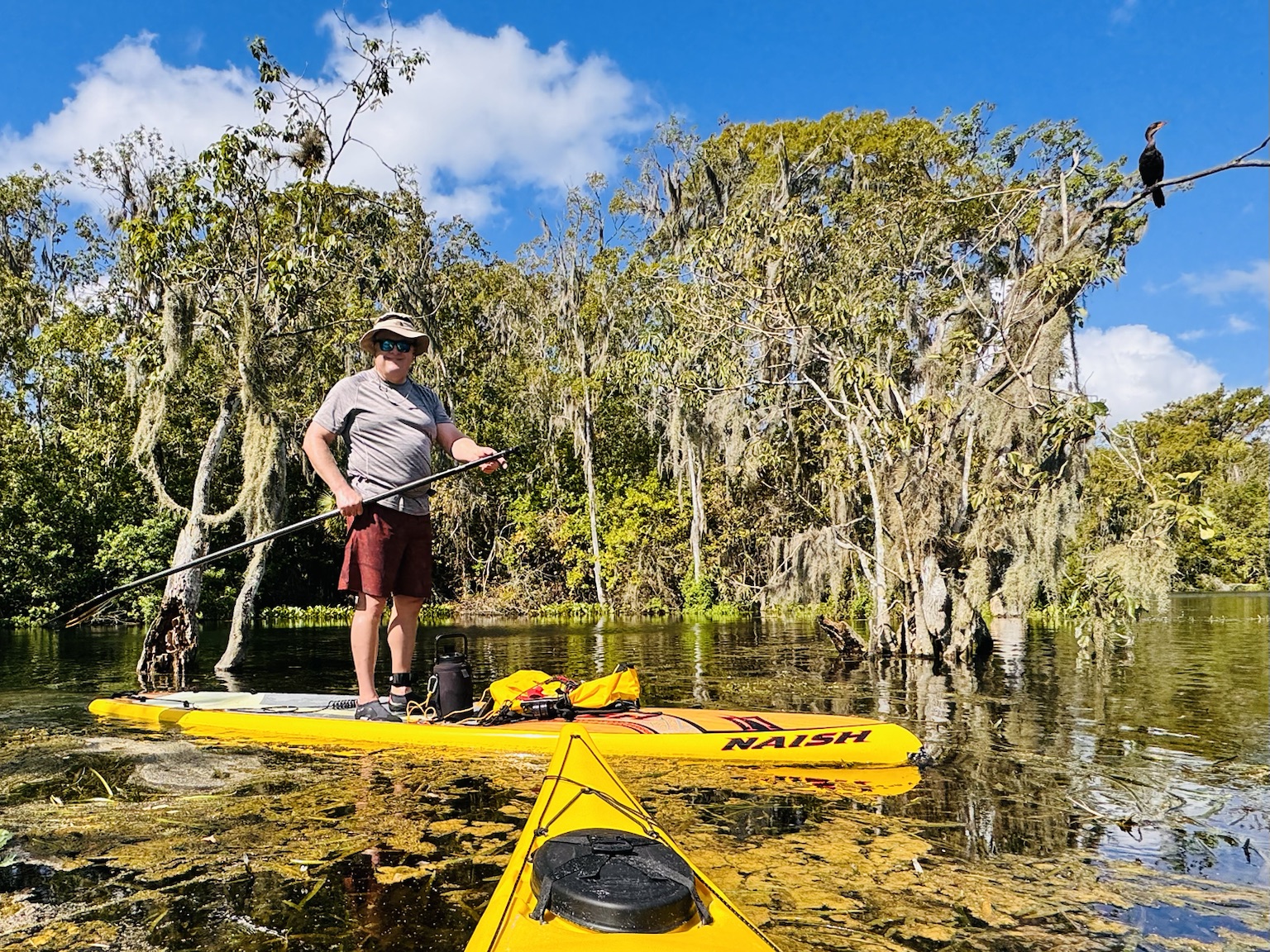
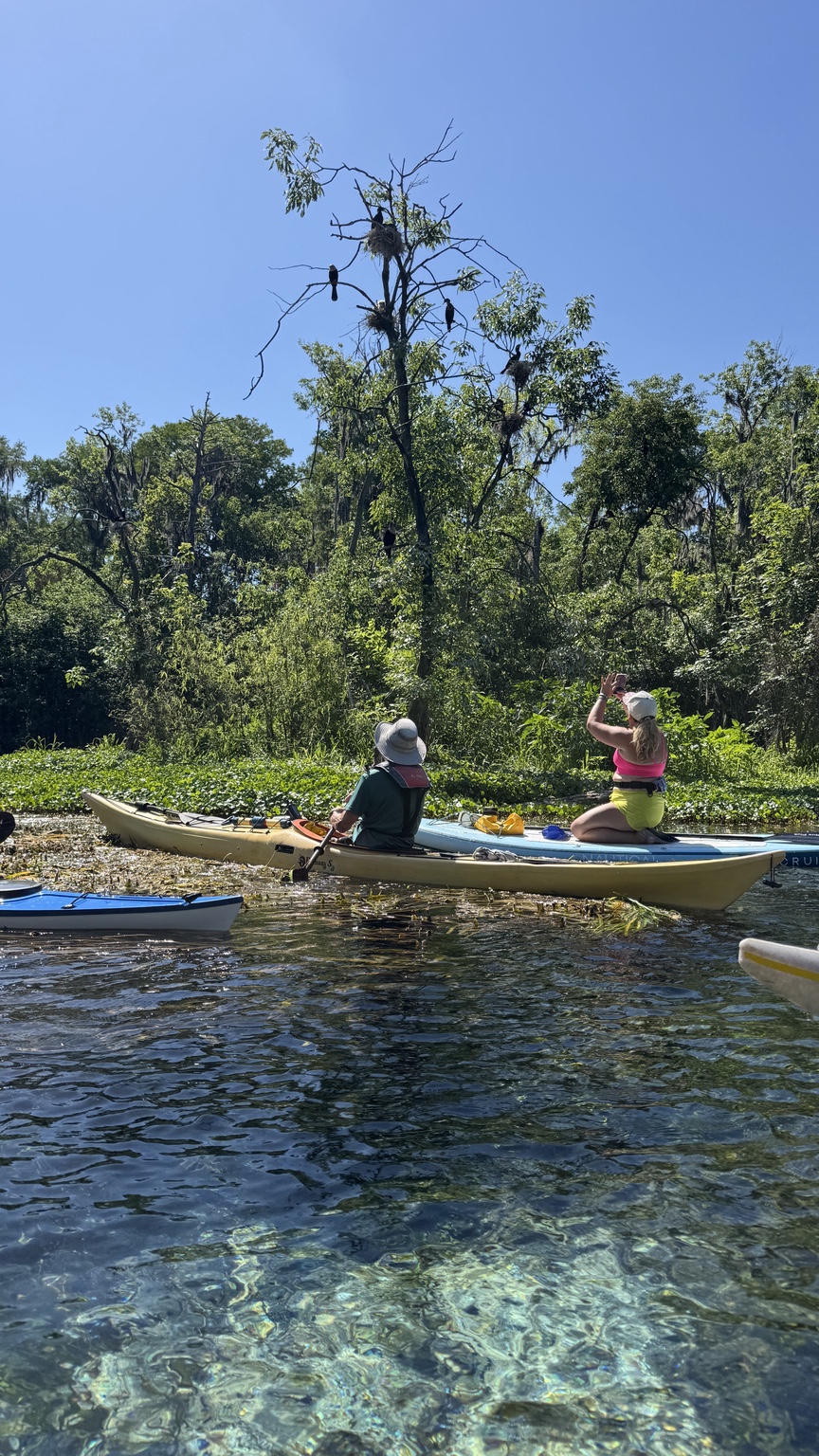
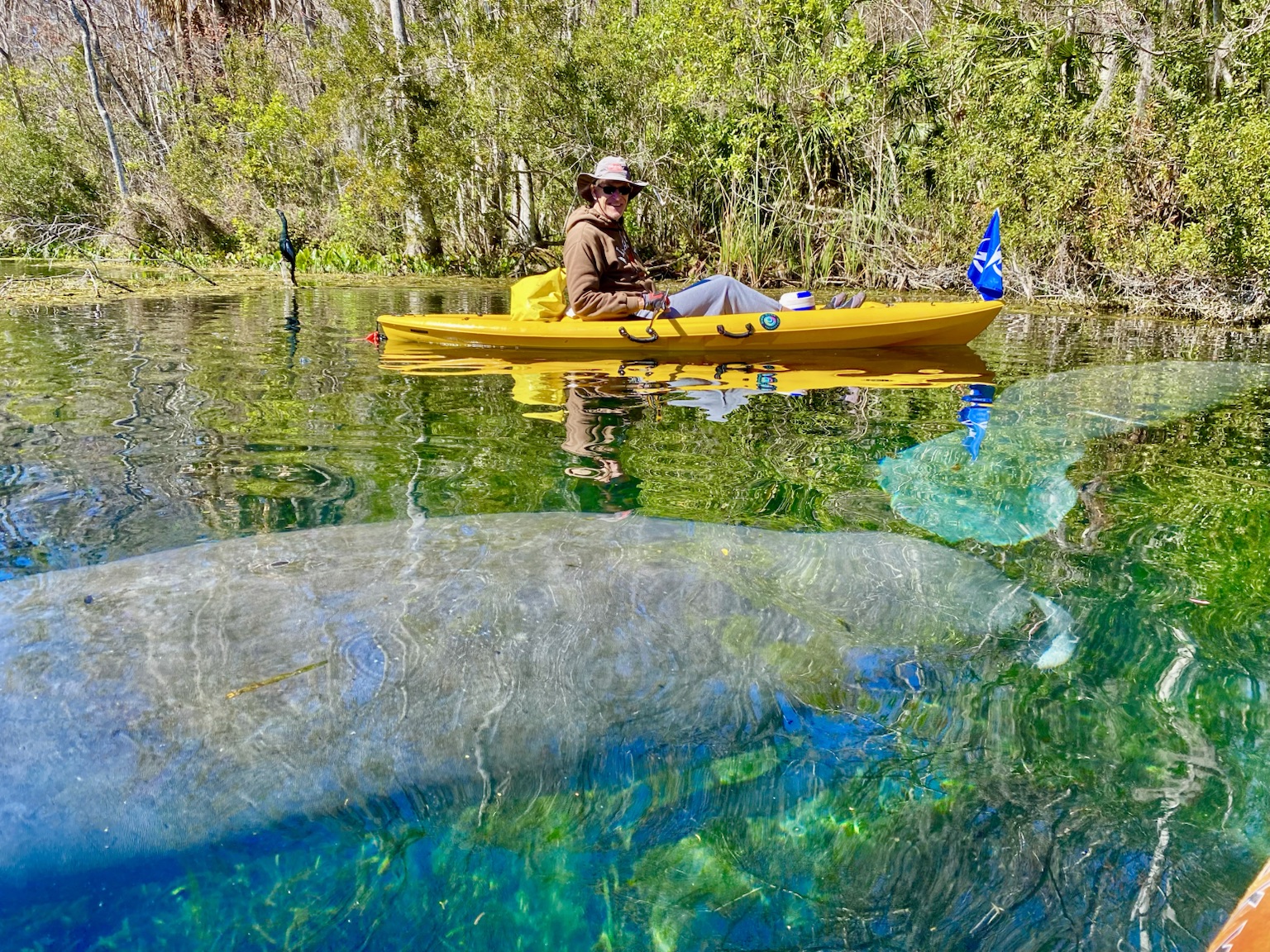
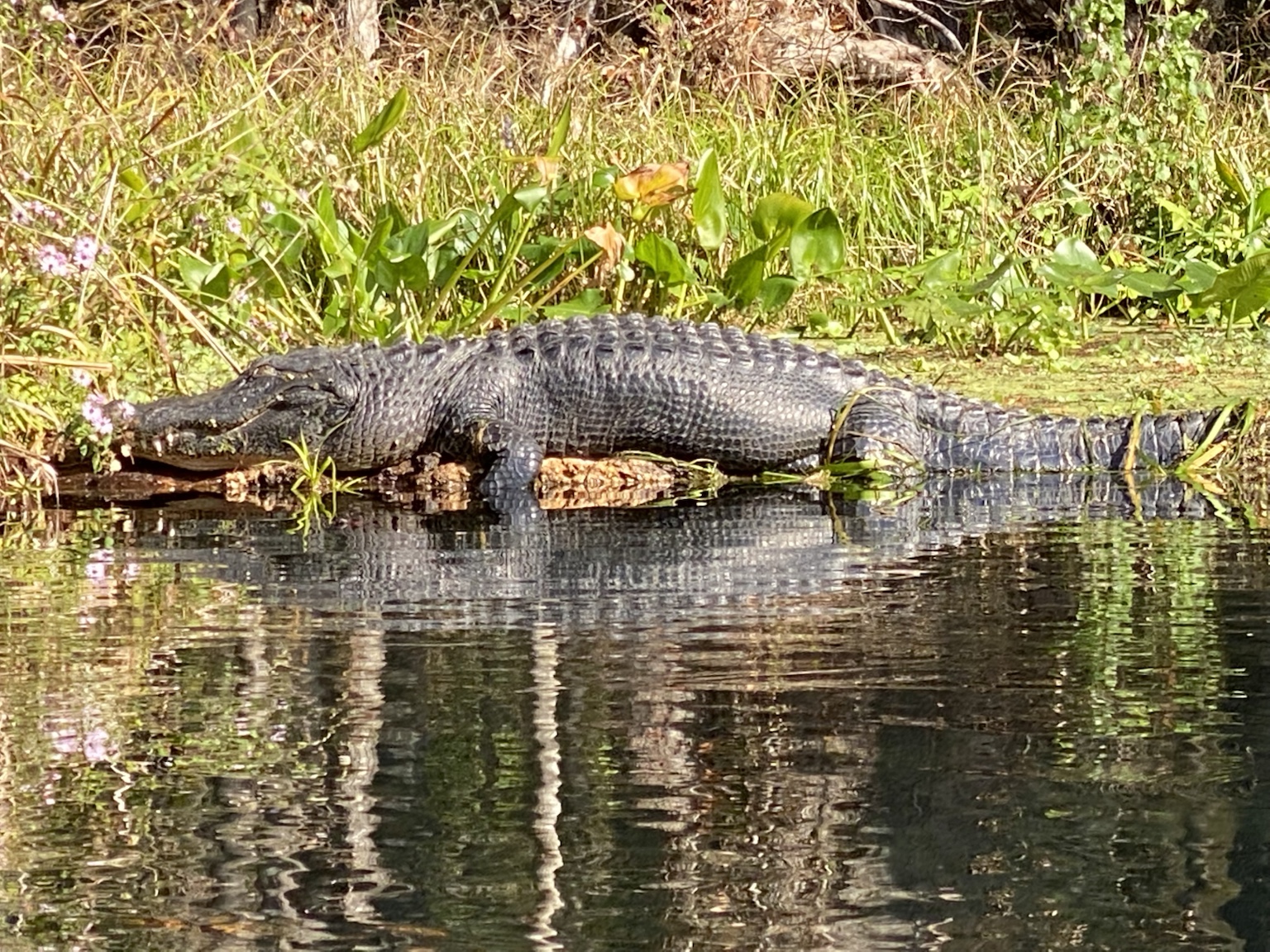
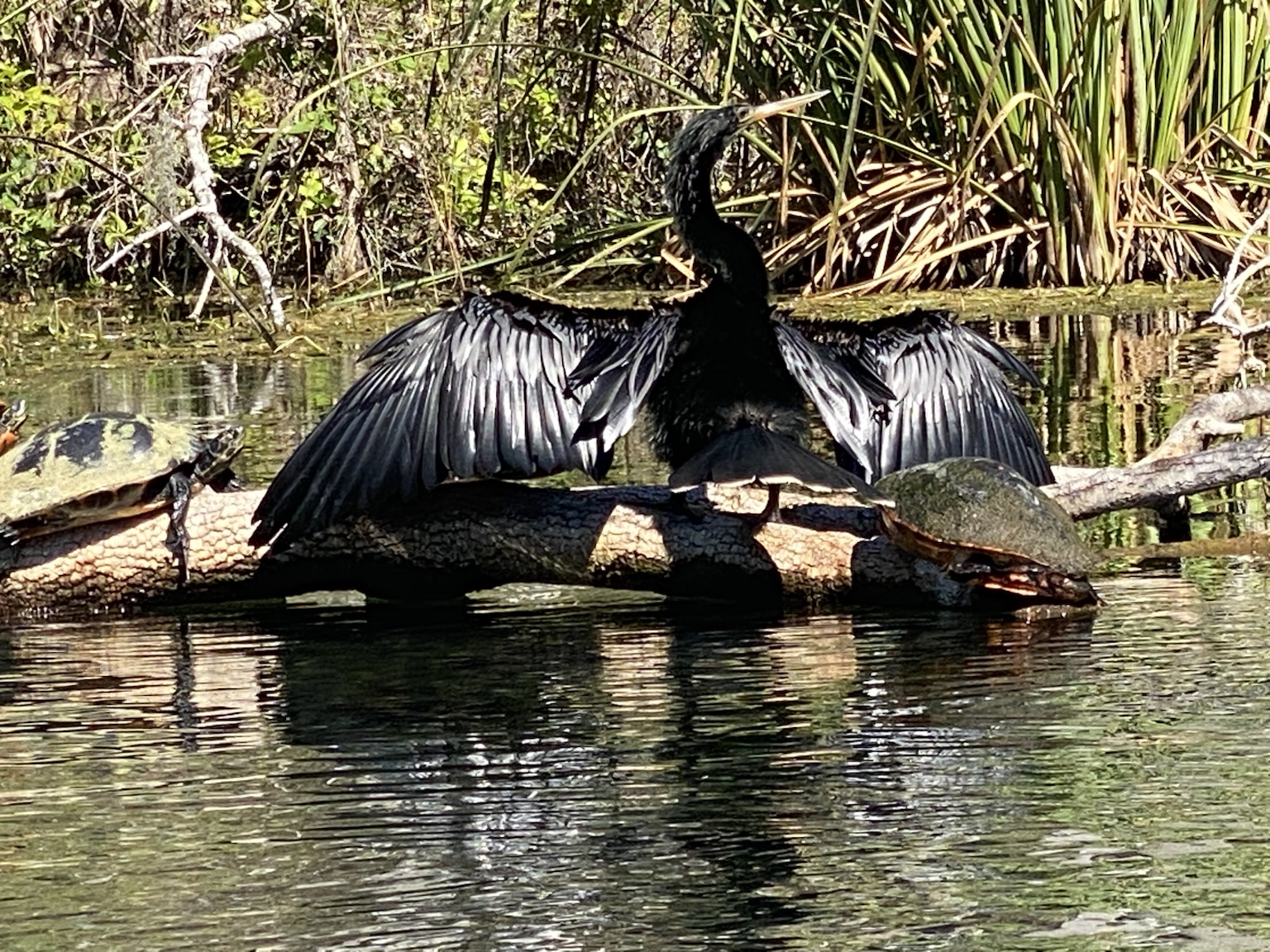
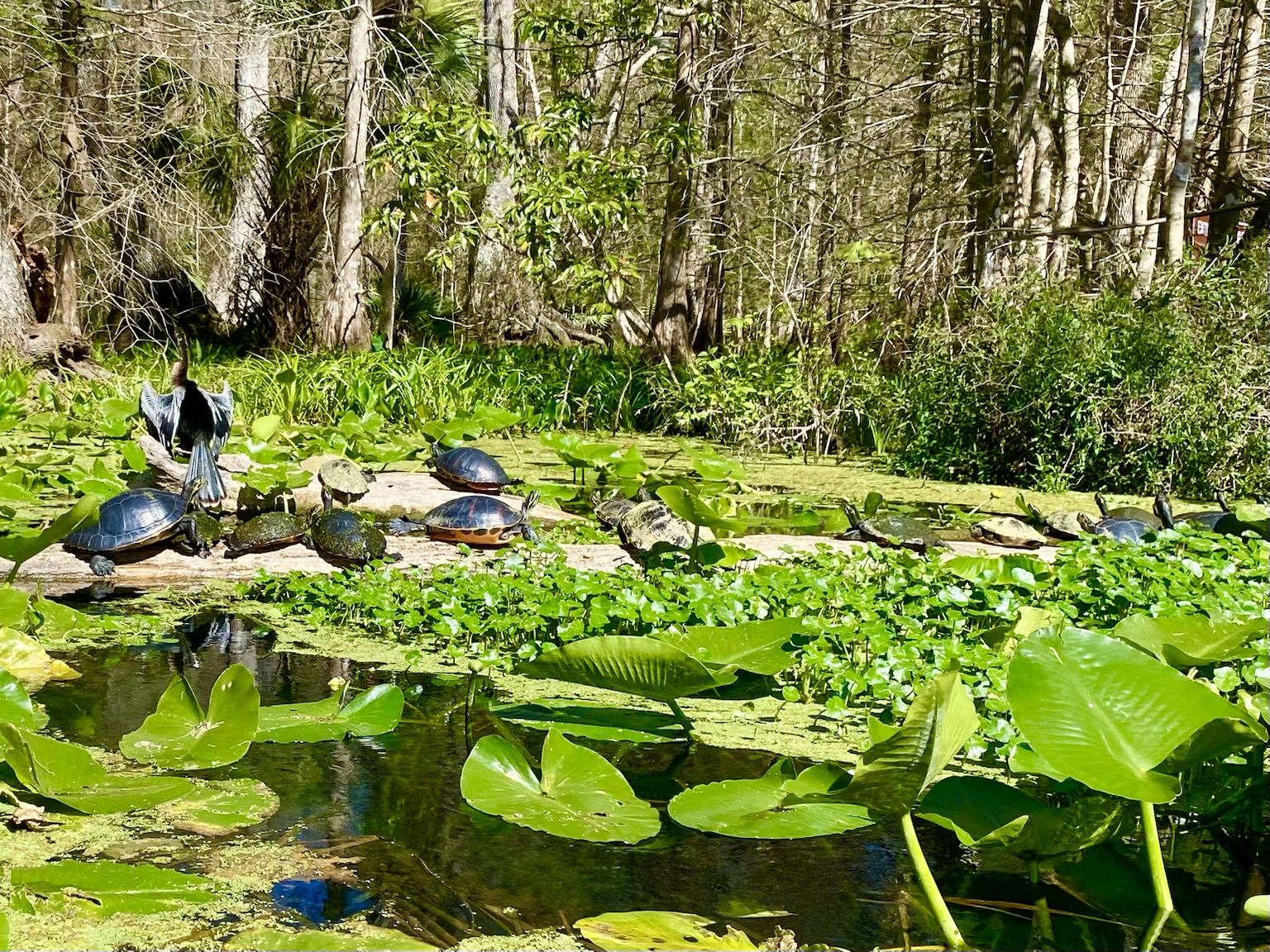
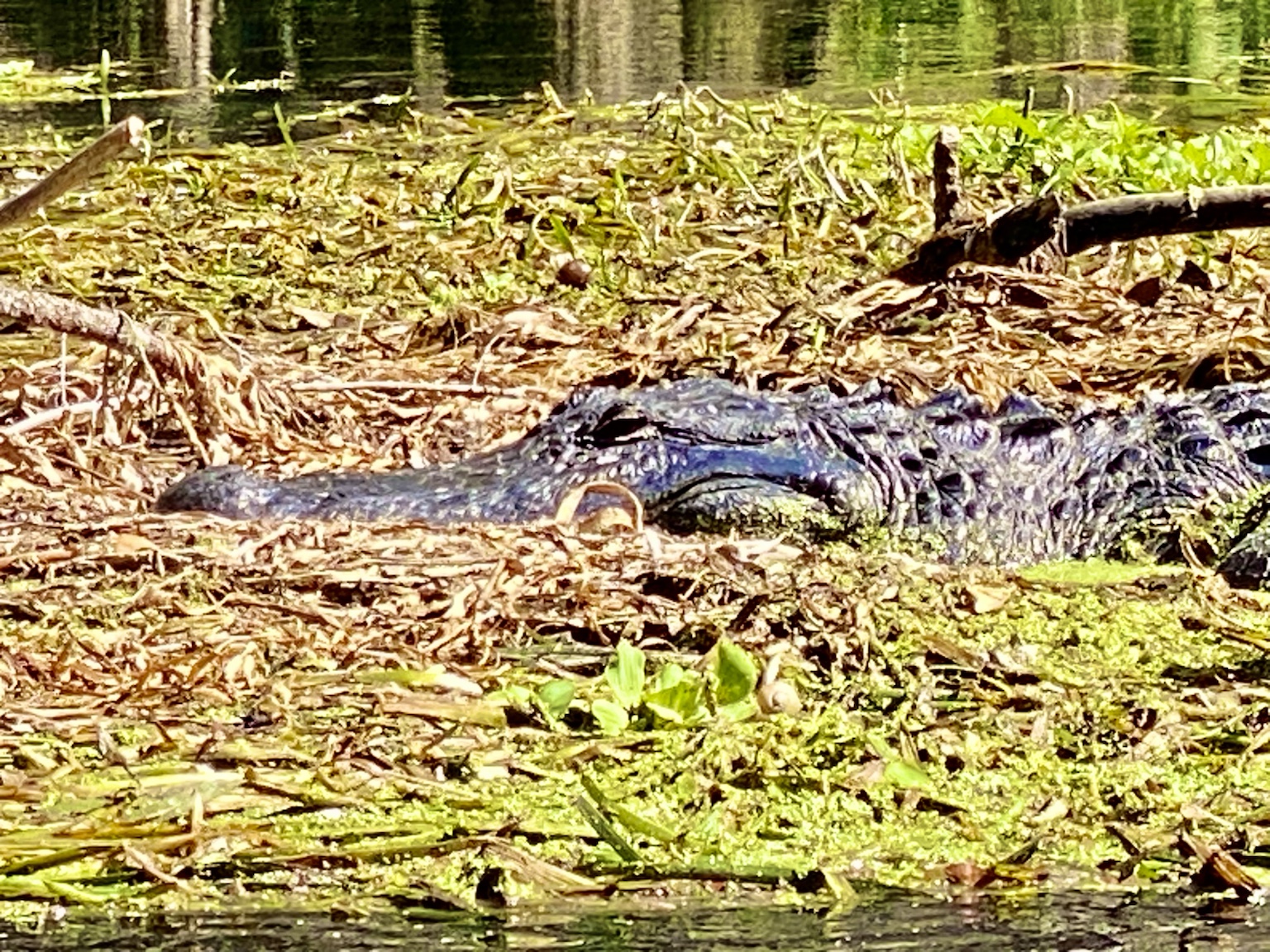
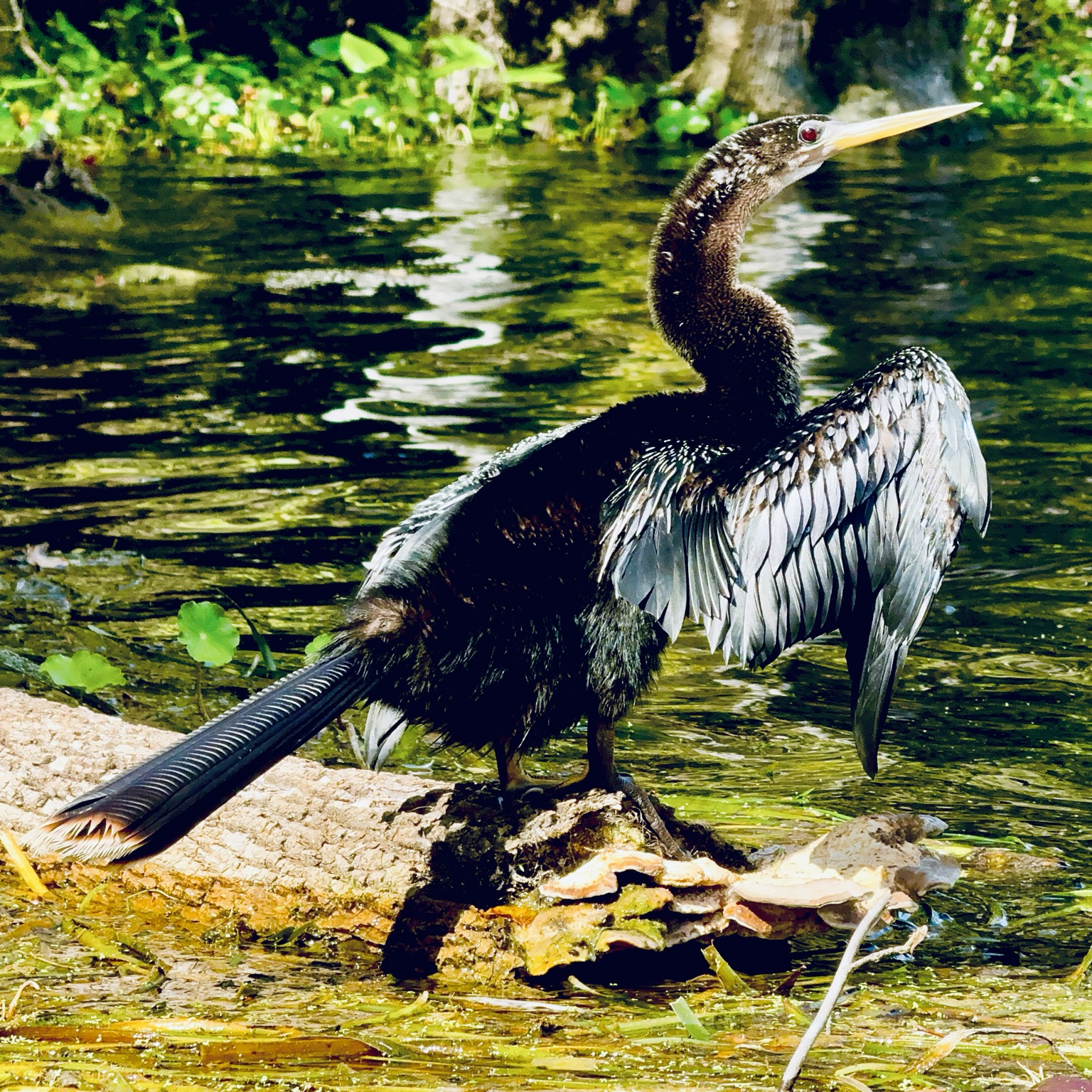
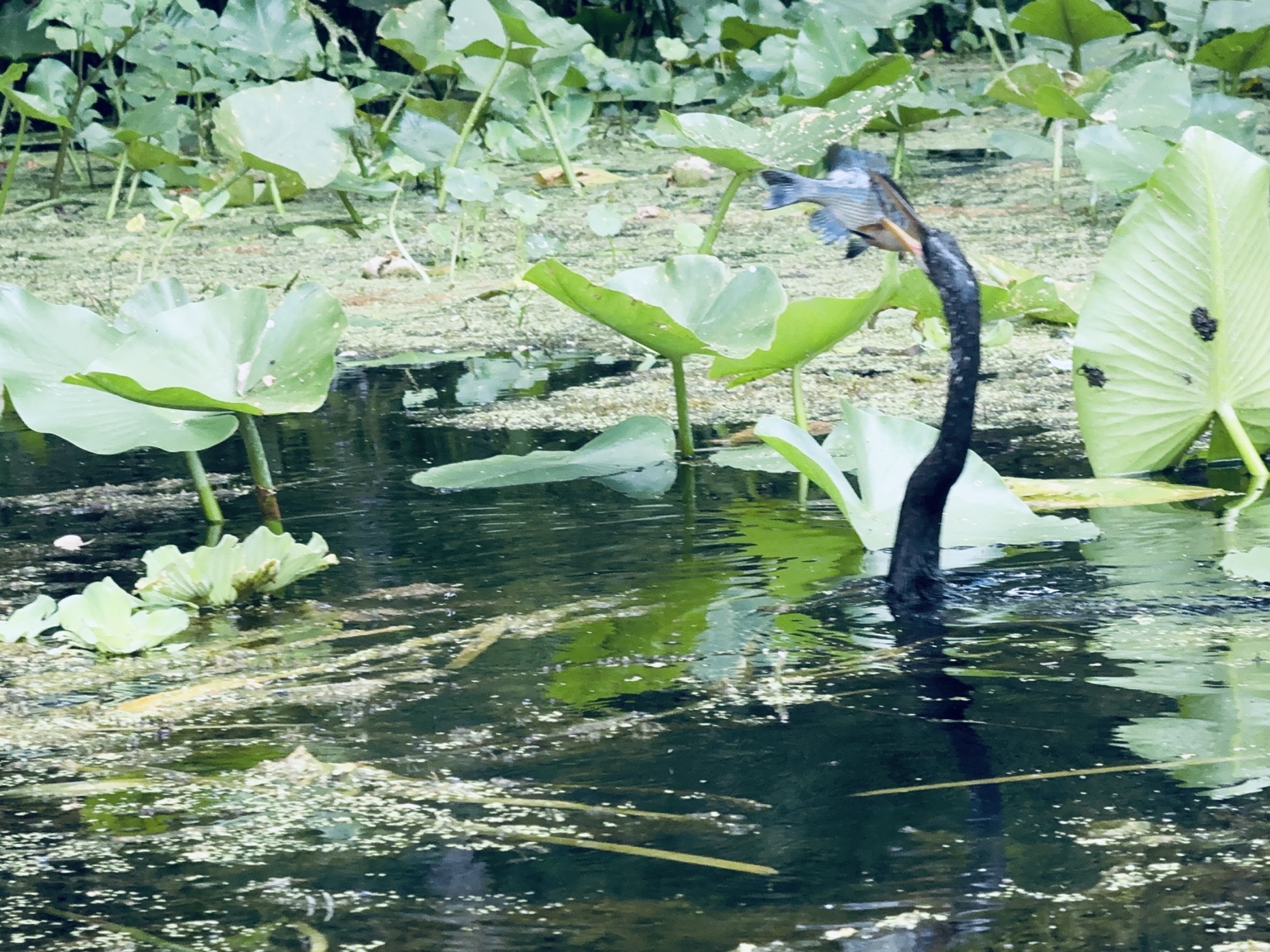
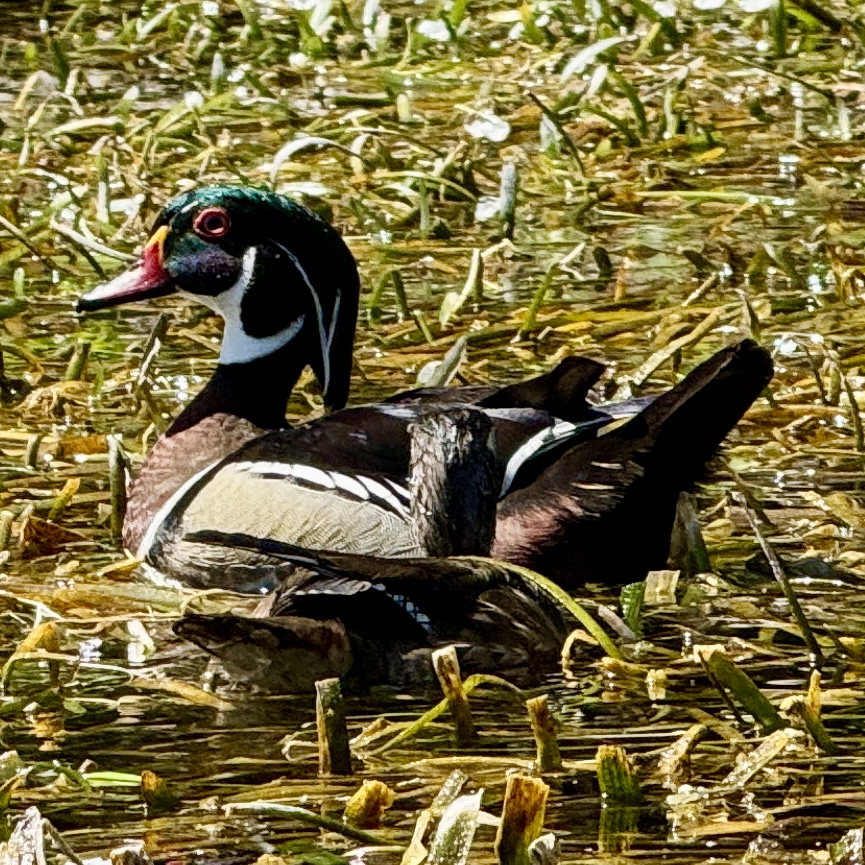
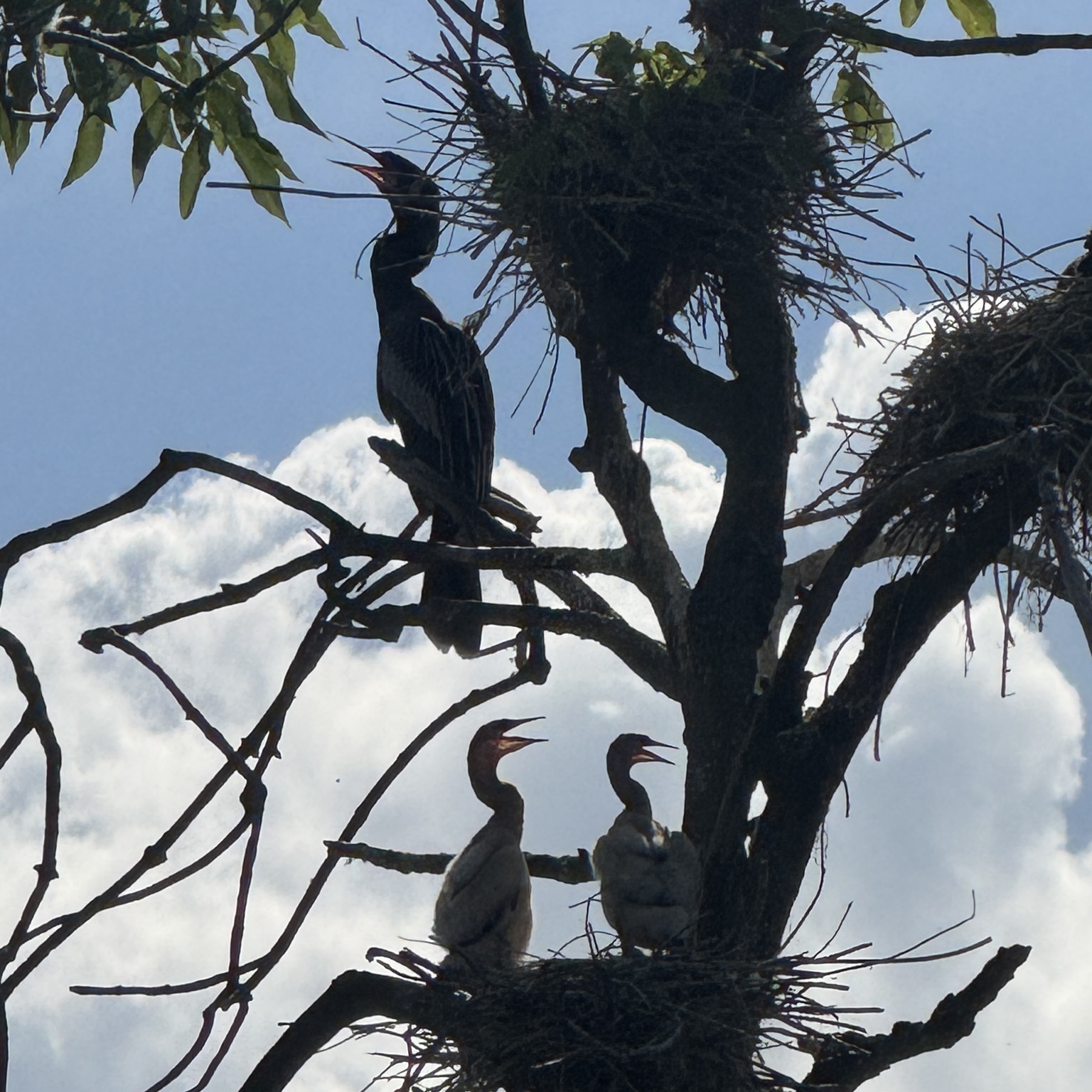
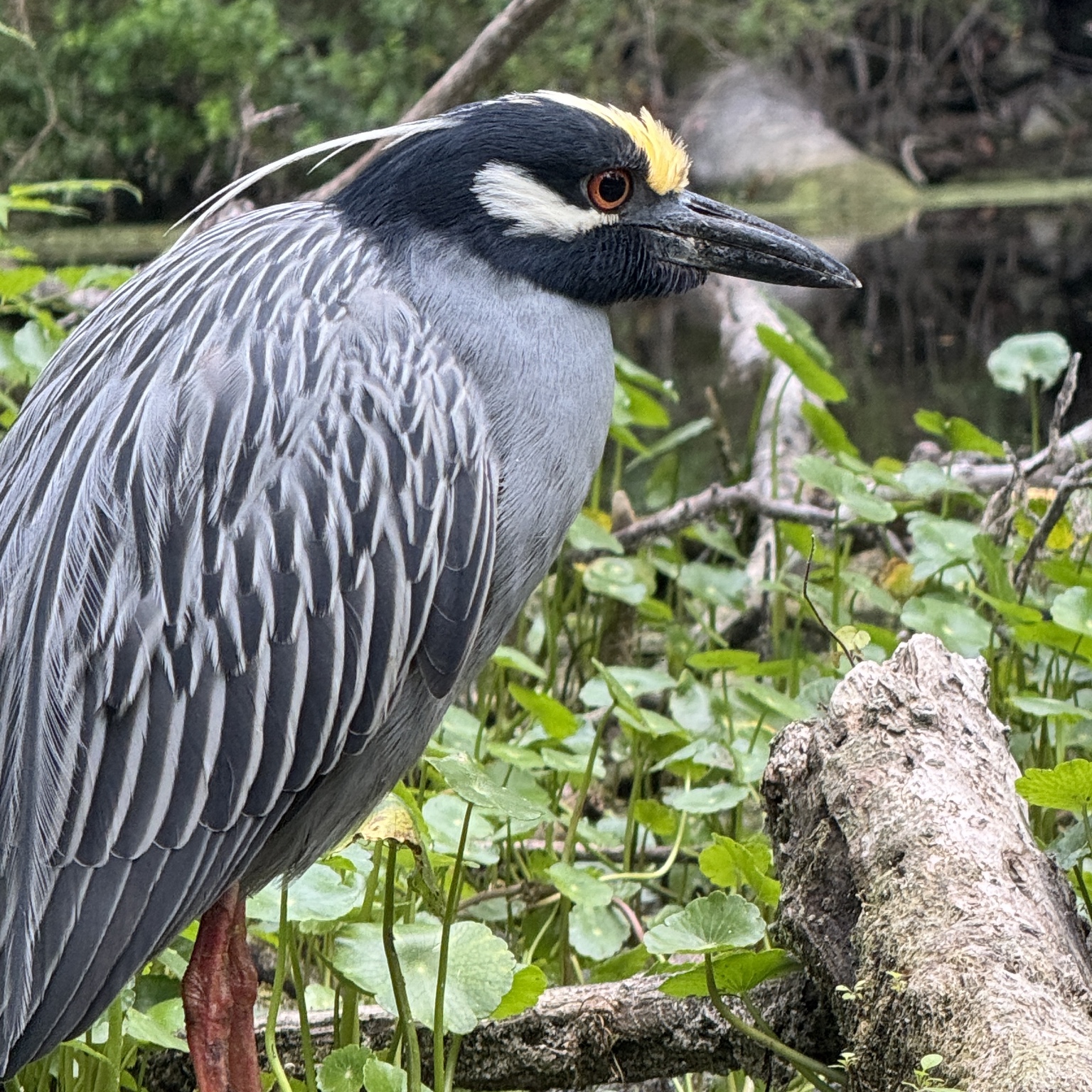
Every trip can produce something different: alligators warming on the bank, turtles stacked on logs, manatees beneath the kayak, wood ducks among the plants, herons close enough to study feather by feather, and anhingas diving for fish or spreading their wings in the sun.
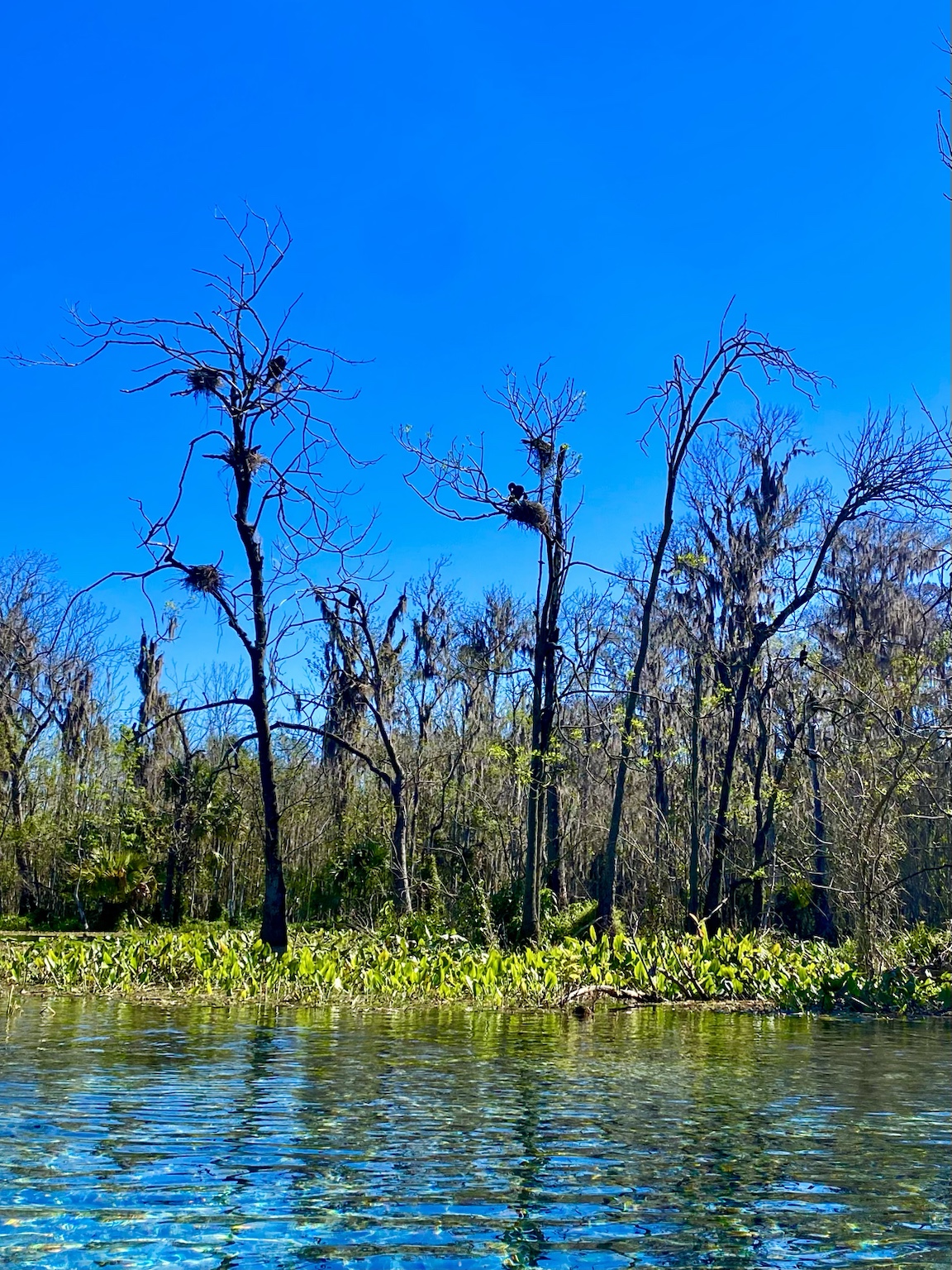
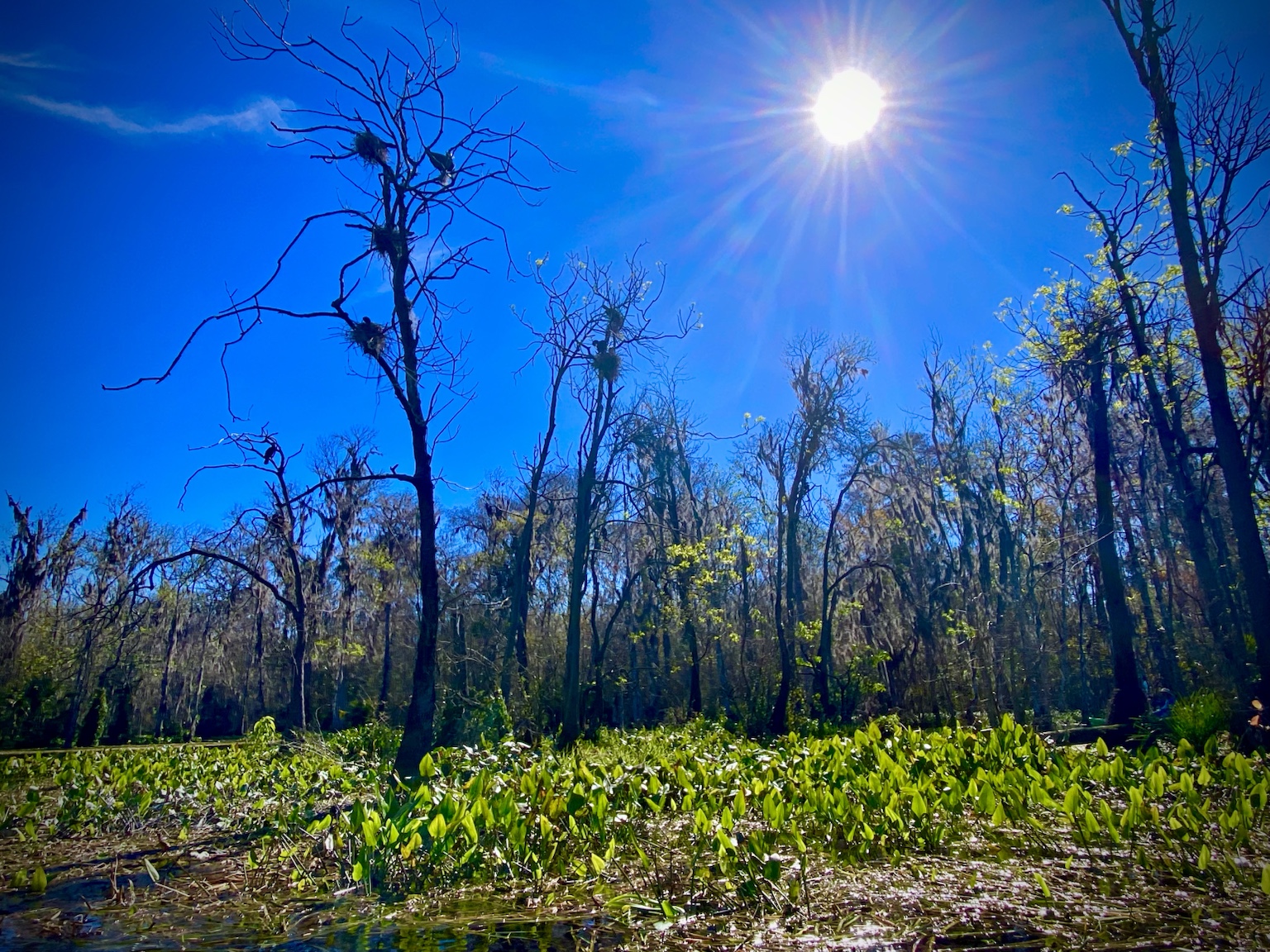
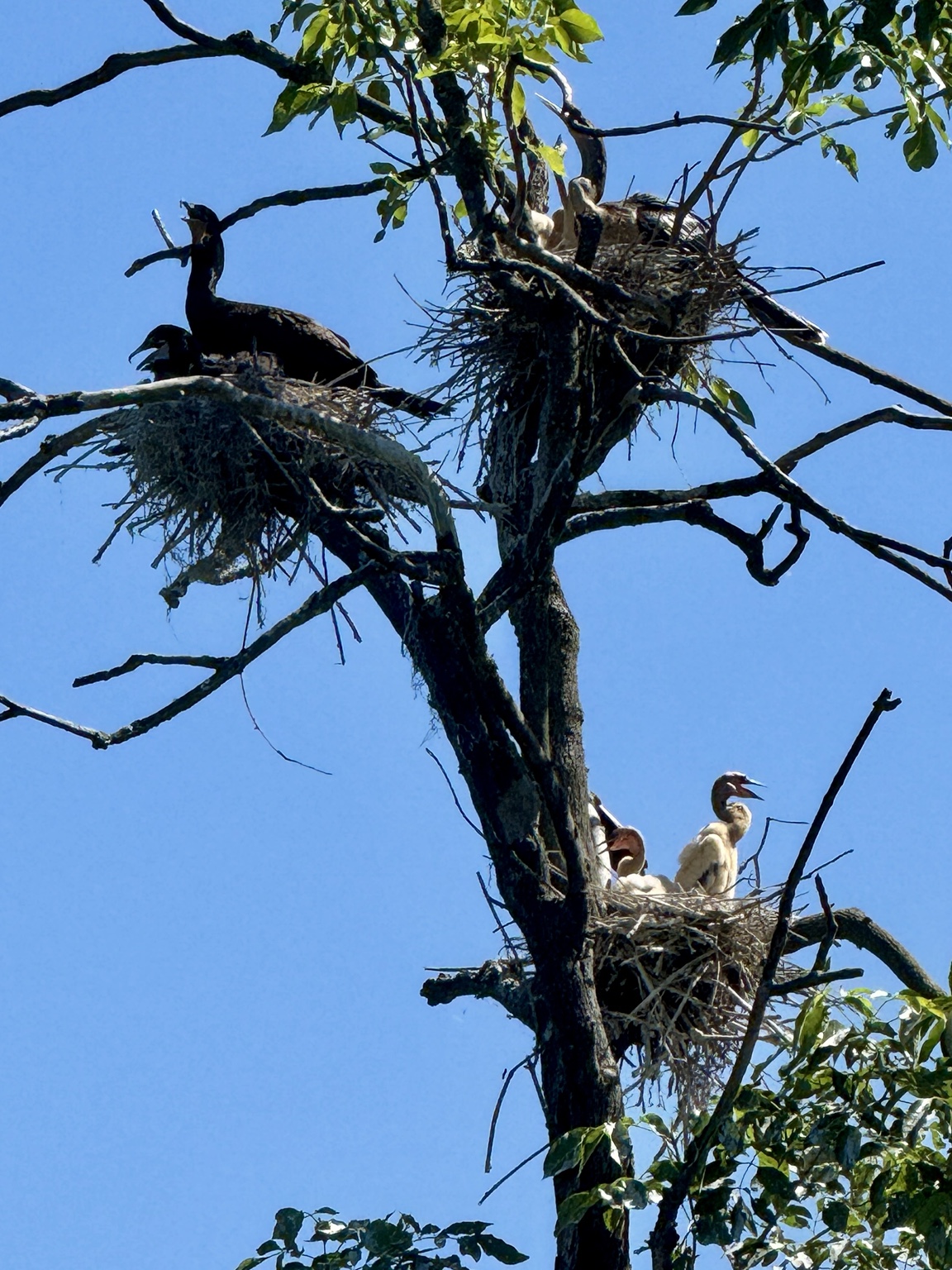
One of the most memorable sights is the nesting colony high in the trees. Adult birds perch around multiple nests while young birds call loudly above the paddlers. The whole tree can feel alive with movement and sound.
The monkeys of Silver River
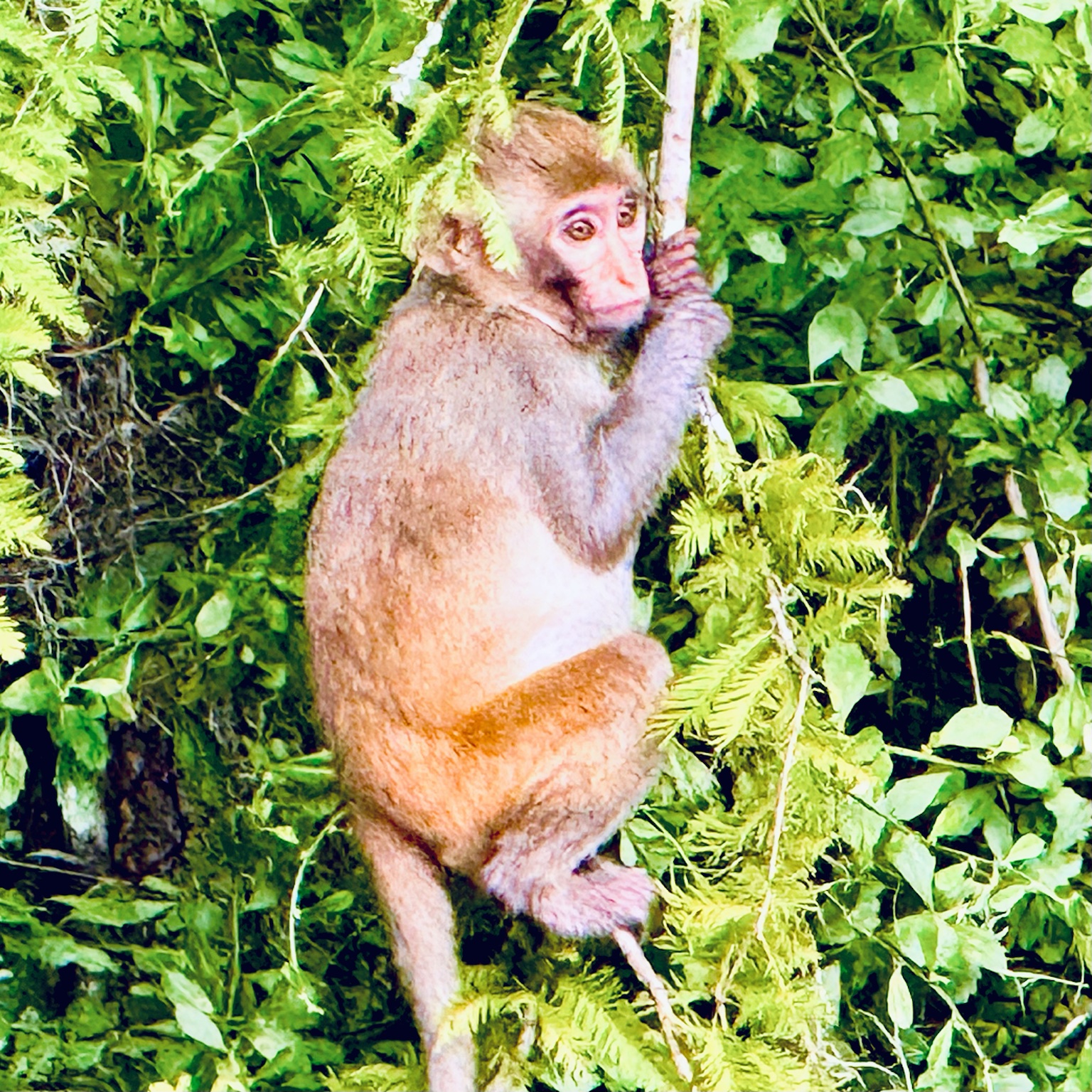
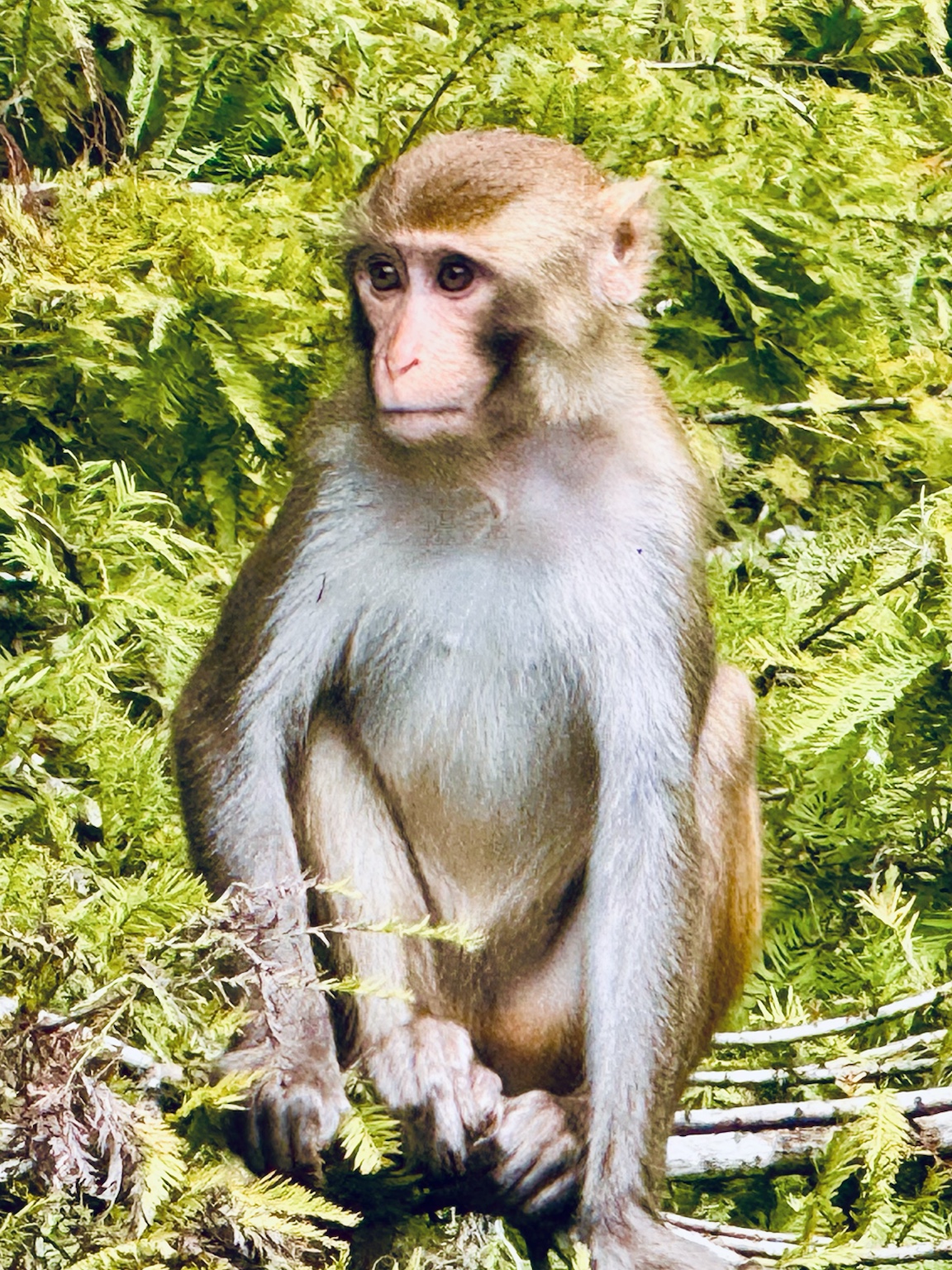
And then there are the monkeys. Rhesus macaques have lived along the river for generations, and seeing one from a kayak is always startling. You are paddling through a Florida spring river expecting alligators, turtles, and birds, and suddenly a monkey is sitting in the vegetation watching you.
They are part of the unusual human and natural history of Silver Springs. They also need to be treated as wild animals, not approached or fed. Their presence makes an already extraordinary river even stranger.
Movie sets, old landings, and structures being reclaimed by the forest
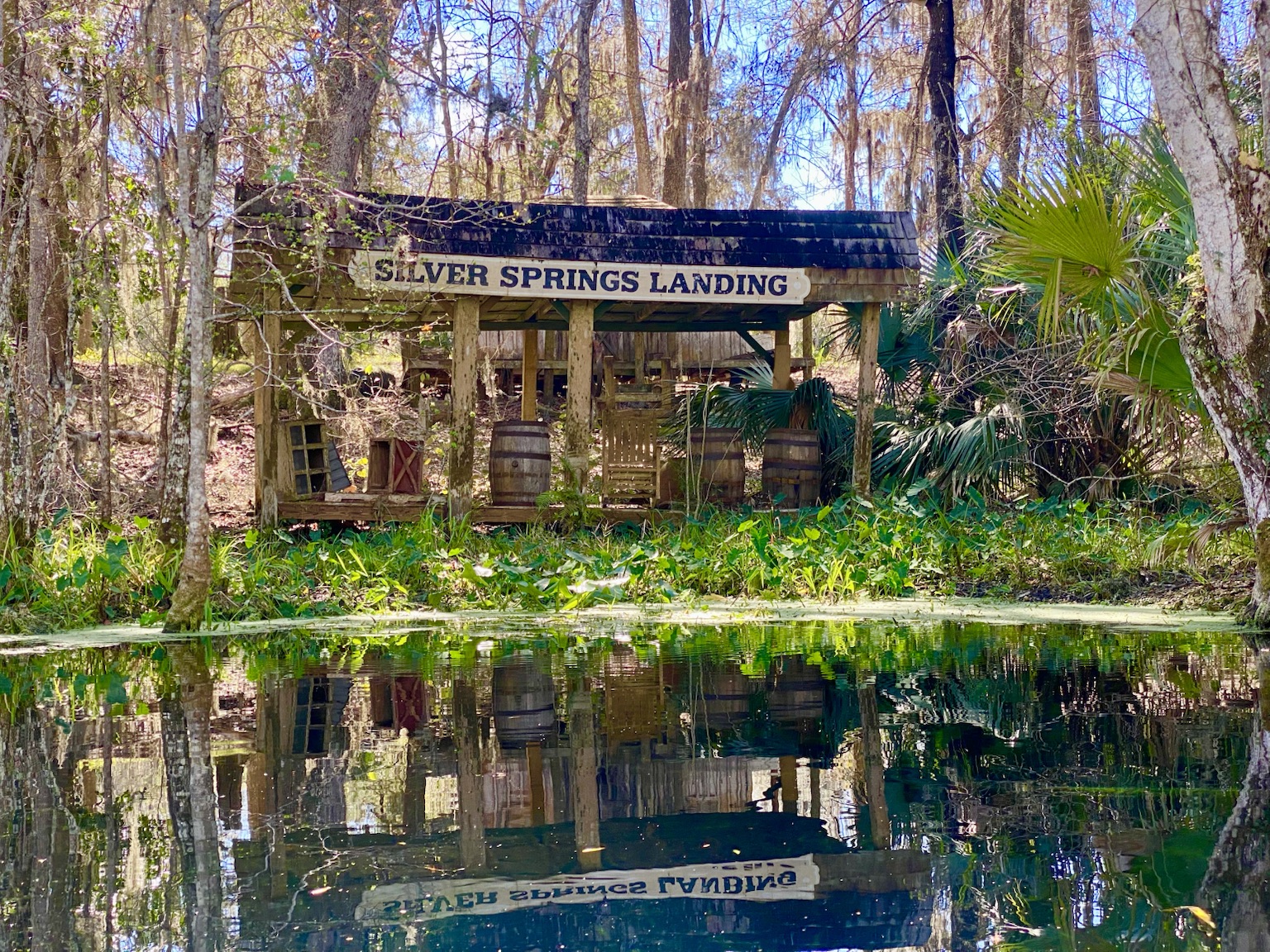
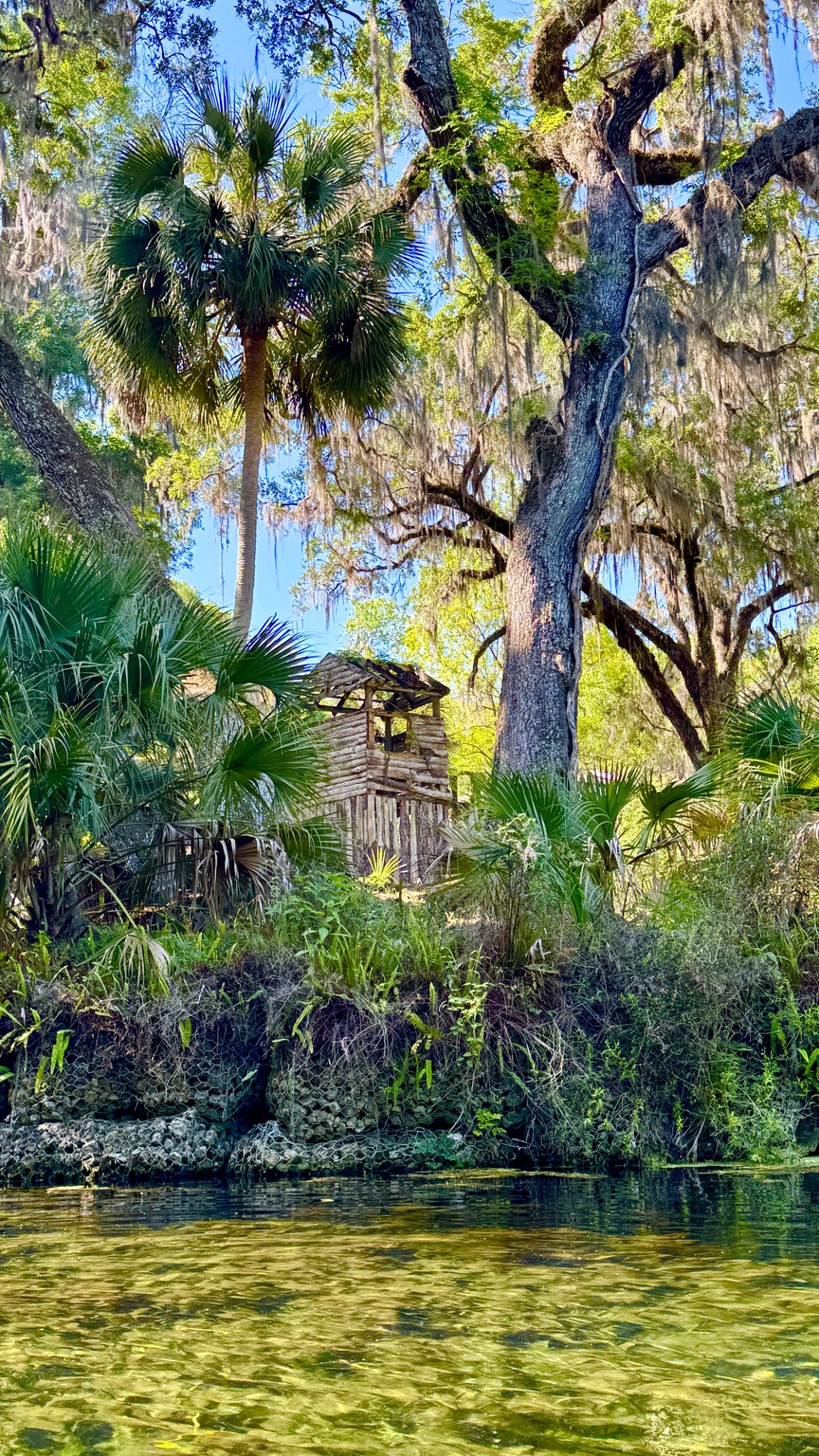
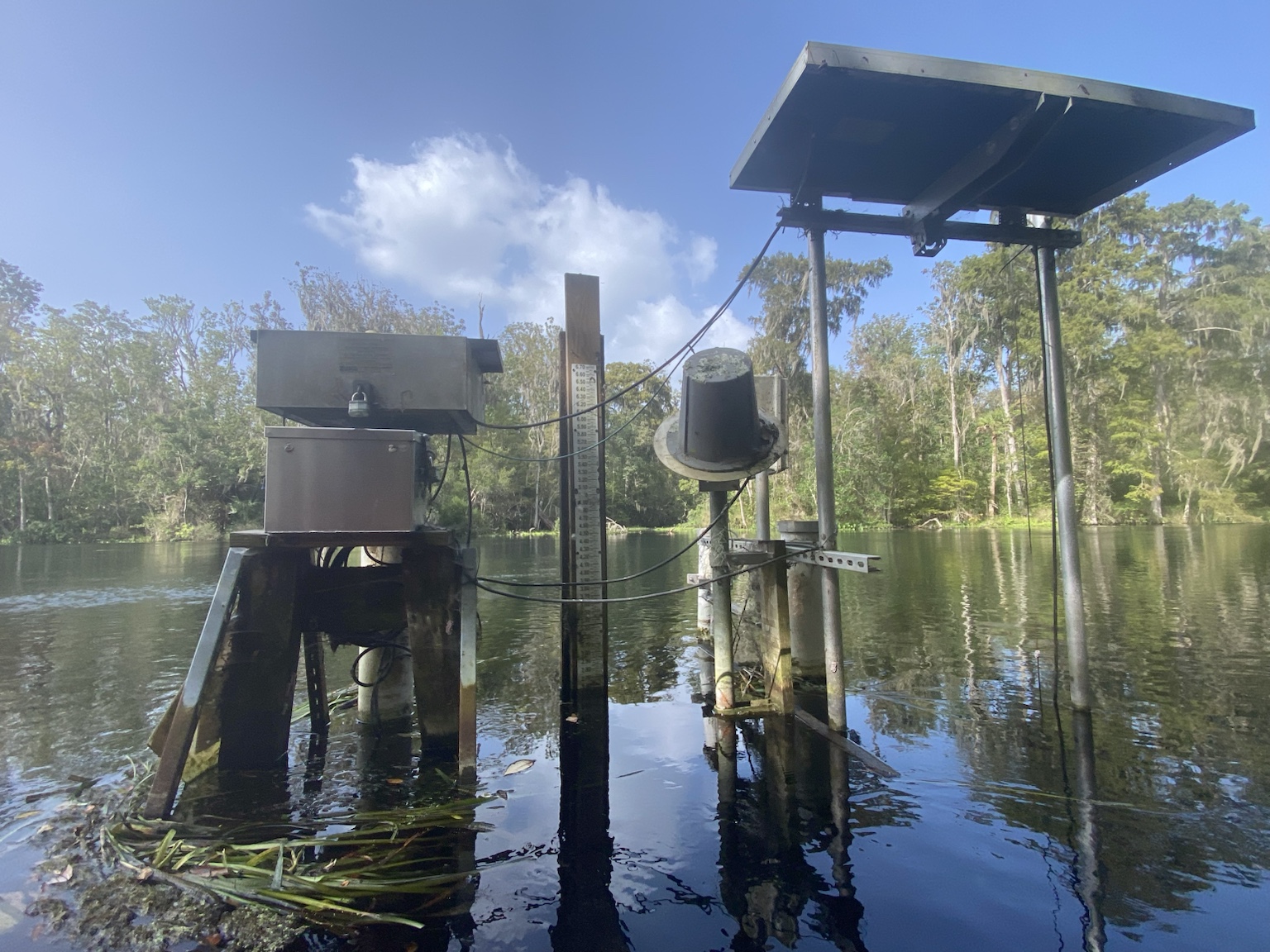
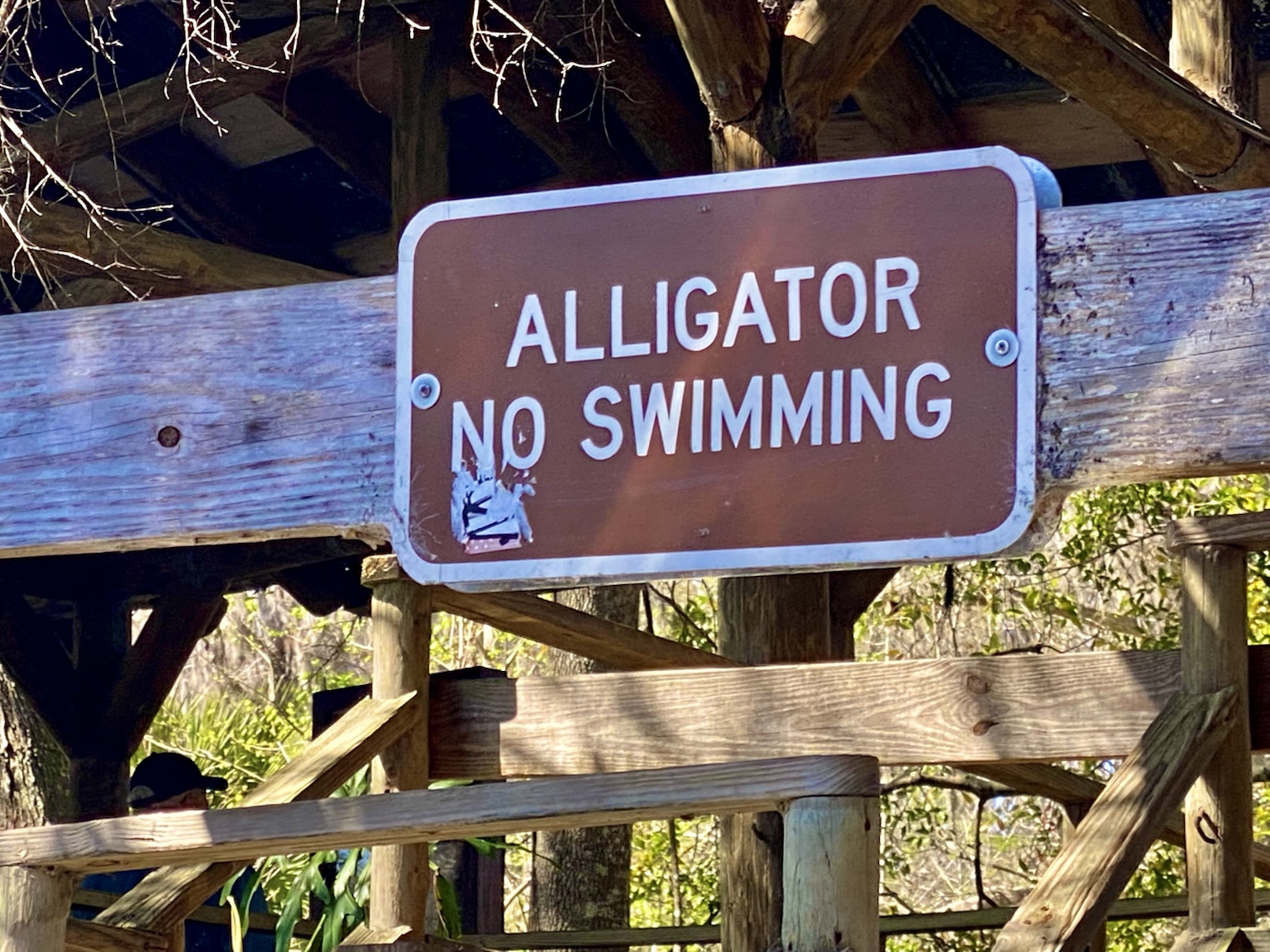
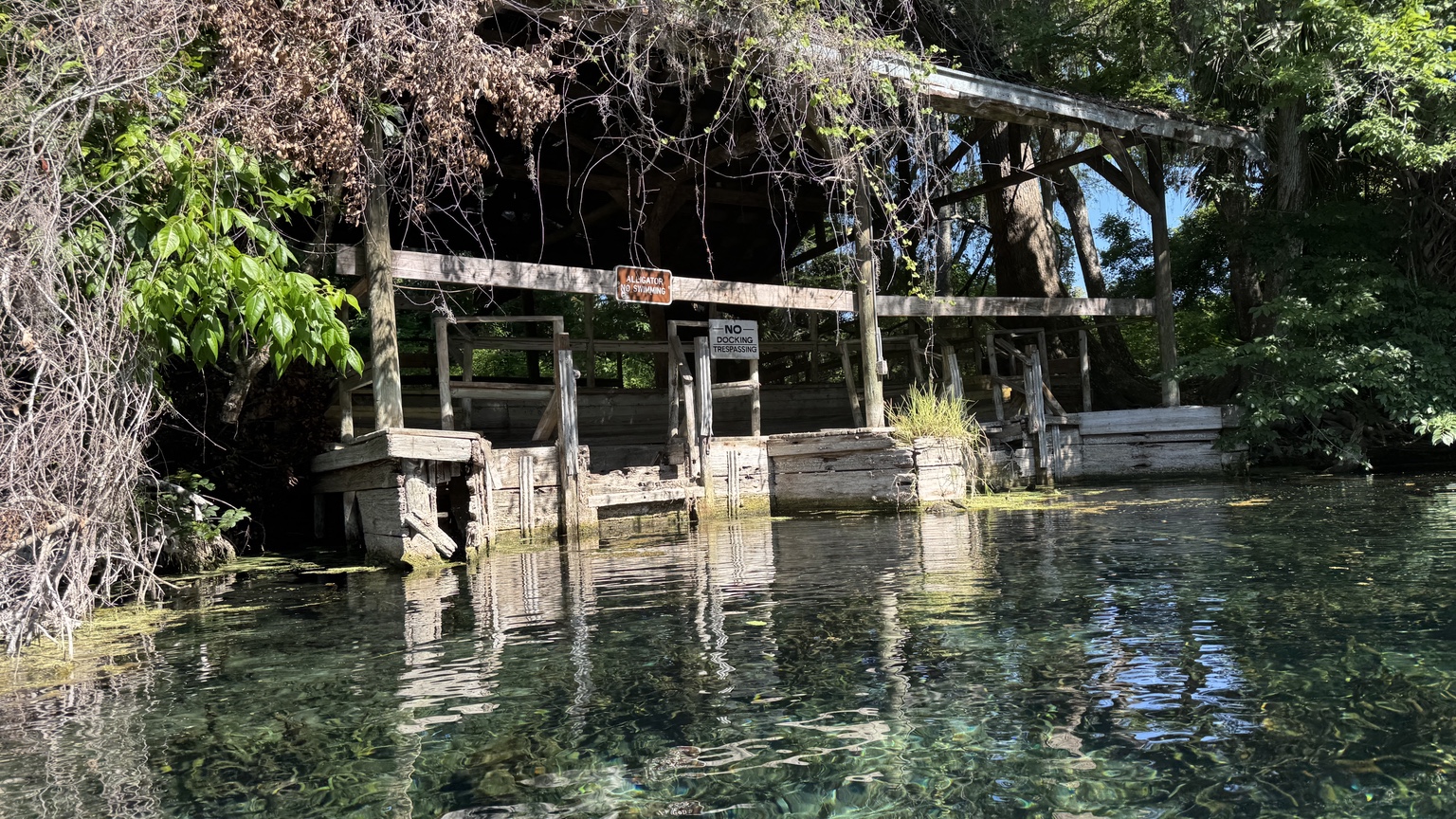
Silver Springs was used for movies and television because the water was so clear and the surrounding forest could stand in for a tropical jungle. Old structures still appear along the river, half hidden behind palms and Spanish moss. Some look like abandoned docks, landings, observation structures, or remnants from the attraction’s earlier years.
That decaying history adds another dimension to the paddle. The river is wild, but traces of generations of visitors remain. Wood darkens, vines take over, and the forest slowly absorbs what people left behind.
Why Silver River belongs on every Florida list
Silver Springs connects nearly every part of my Florida story: childhood, family, fish, reptiles, old attractions, clear water, environmental science, kayaking, wildlife photography, paddling groups, and the continuing joy of discovering what is around the next bend.
It is about a two-hour drive from where I live, but it remains one of the first places I think of when visitors want to see a Florida river. The paddle takes effort, but the reward is a river unlike almost anywhere else.
Complete Silver Springs gallery
All 59 photographs are included below. Every image opens the full-size renamed photograph from the silver folder.