If you live in Florida, surrounded by warm water and tropical marine life, diving is absolutely incredible—and much of it is right in our backyard. Growing up in Fort Lauderdale, the beach was free, close, and easy, so all of us learned to swim before we were two years old. Some days we spent five or six hours in the surf, riding the waves and exploring the big rock jetties where tropical fish gathered in remarkable numbers.
Those childhood hours made the water feel completely natural. Long before I wore a scuba tank, I was already fascinated by the world beneath the surface.
from a YMCA pool to open water
While I was in college, I saw an advertisement for a YMCA basic scuba course. It cost about $195, including equipment rental, and lasted five or six weeks in the pool. The skills came fairly easily because I had always been so comfortable in the water.
Our certification dive was in a northern lake. At roughly forty feet there was not much to see, and after becoming certified around 1985 I did little diving for the next decade. The certification stayed with me, though, waiting for the right trip to bring it back to life.
Utila changed everything
In 1995, while traveling through Central America without much of an itinerary, nearly every traveler I met said I had to visit the Bay Islands of Honduras—especially Utila and Roatán. Utila was known as one of the least expensive places in the world to continue scuba training, so naturally I went.
I joined a course that had begun with only one other student, a woman from the Netherlands, which meant we received almost private instruction. We selected specialty dives that included navigation, night diving, wreck diving, and a naturalist dive. During the deep dive we descended to roughly a hundred feet, and the instructor gave us a humorous written quiz to see whether our thinking remained clear at depth.
The night dive was unforgettable. We turned off our lights and disturbed tiny bioluminescent organisms with our hands, producing quick flashes like underwater sparks.
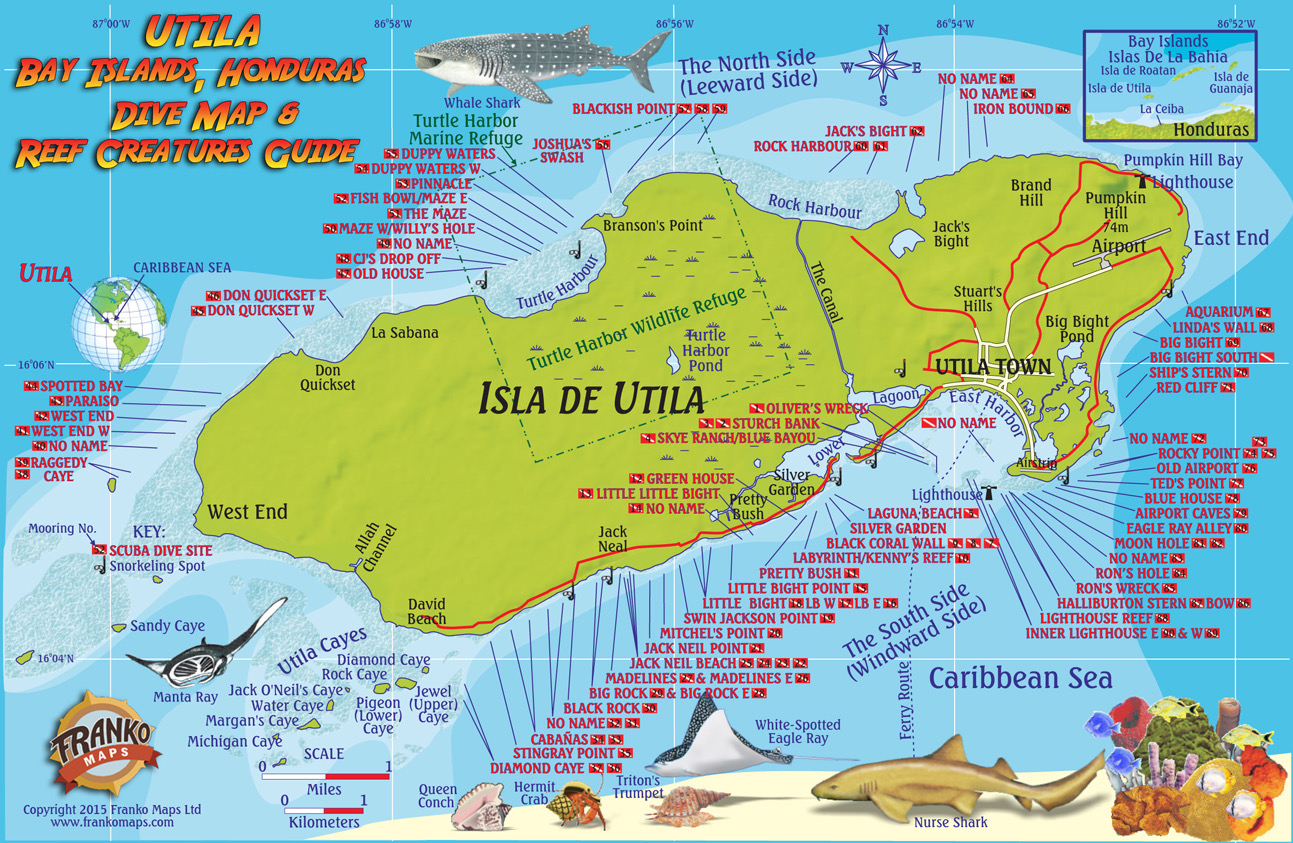
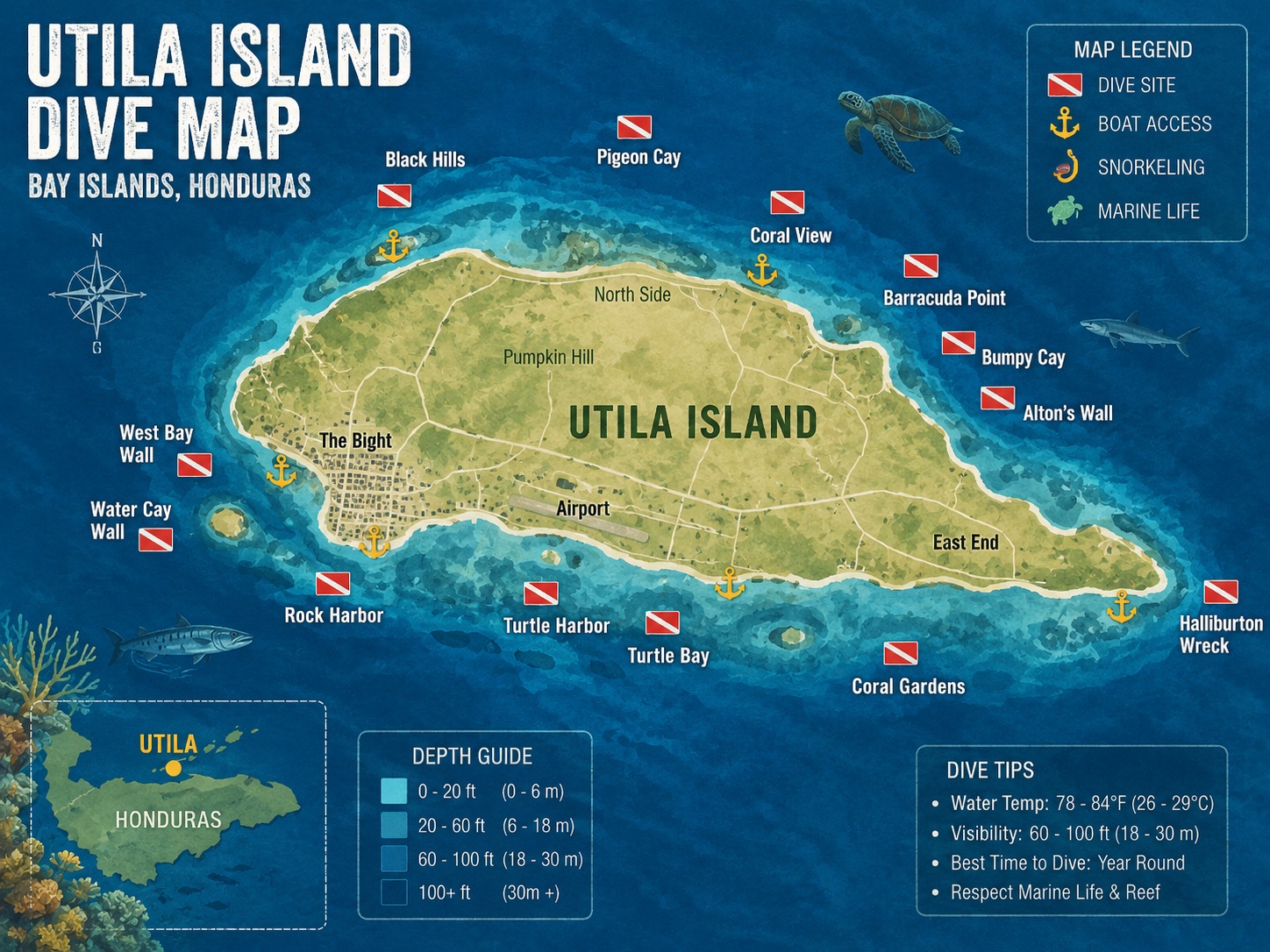
The maps show why Utila became such a diving destination. Reefs, walls, wrecks, coral gardens, and sheltered sites surround much of the island, allowing dive operators to choose locations based on wind, currents, and daily conditions.
the rhythm of life on Utila
I completed twenty-one dives during that part of the trip, including twenty around Utila. Diving was amazingly inexpensive. We often did two dives in a day, with a surface interval on a tiny island where everyone warmed up in the sun, ate hamburgers, and got to know one another.
It was the entire rhythm that made Utila memorable: boats, reefs, sunshine, cheap food, new friends, and the freedom of having nowhere else I needed to be.
an unforgettable shore dive
On Roatán, three other travelers convinced me to join them for a shore dive. We rented equipment and walked into the water. The dive remains one of the best I have ever done.
We moved through a maze of underwater canyons, caverns, and openings, repeatedly descending and rising as we crossed from one passage to another. Enormous groupers moved through the reef. The return swim against the current was difficult, but the exploration was worth every kick.
I stayed at Jimmy's Backpacker Hostel, essentially a bar filled with hammocks and mattresses, for only about $1.50 a night. I remained on the island for eight days before finally flying home.
returning to tropical water
Around 2003, my friend Julie came from London and we spent about a week traveling through the Florida Keys. We both completed a refresher course and then dived Looe Key and another nearby site. The water was beautiful, and one dive had the effortless feeling of drifting with the current.
I have snorkeled in the Keys many times since but have not returned for scuba. Living in Florida, it remains one of those extraordinary adventures sitting almost in my backyard.
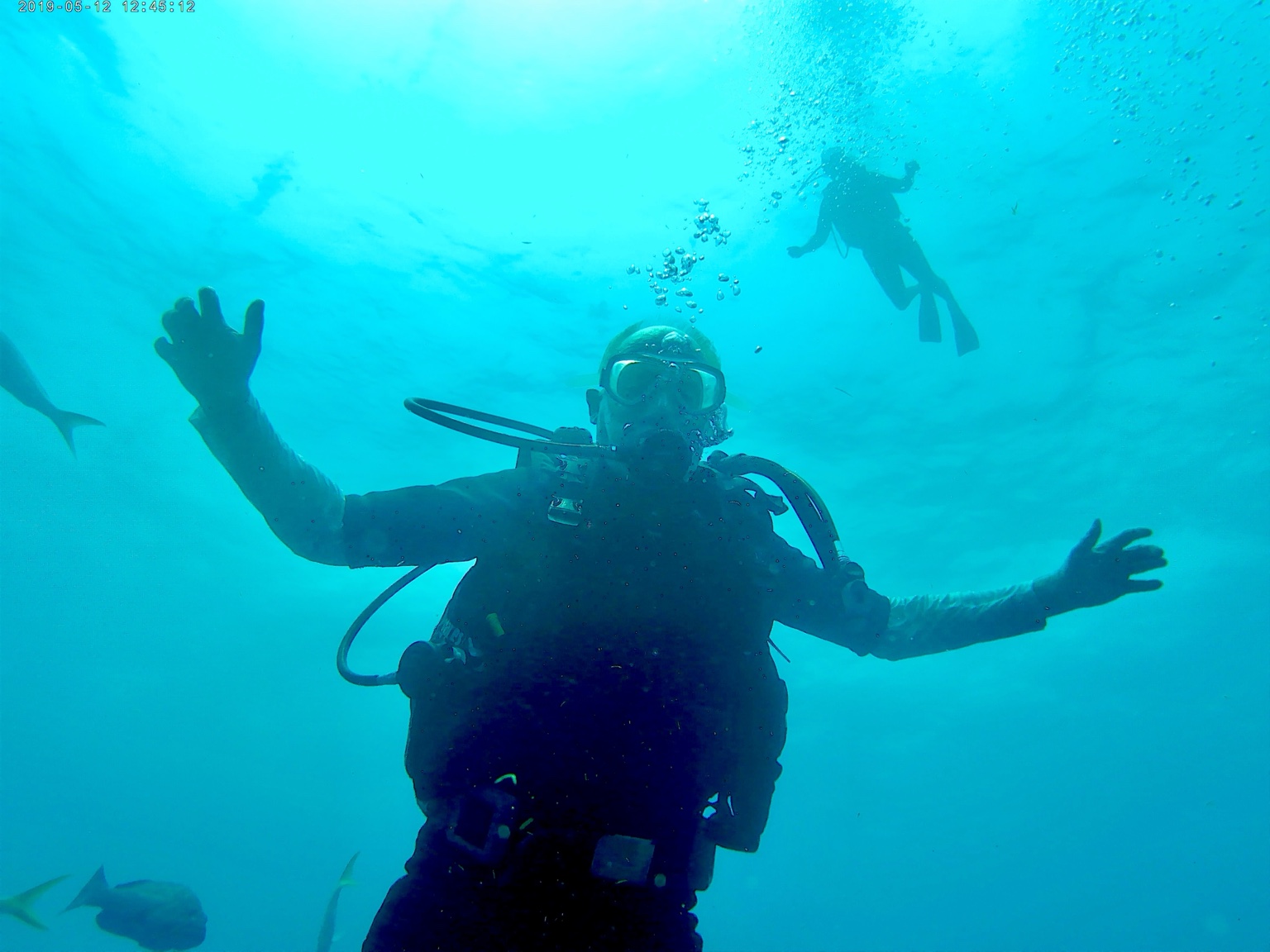
diving the walls and coral gardens of Belize
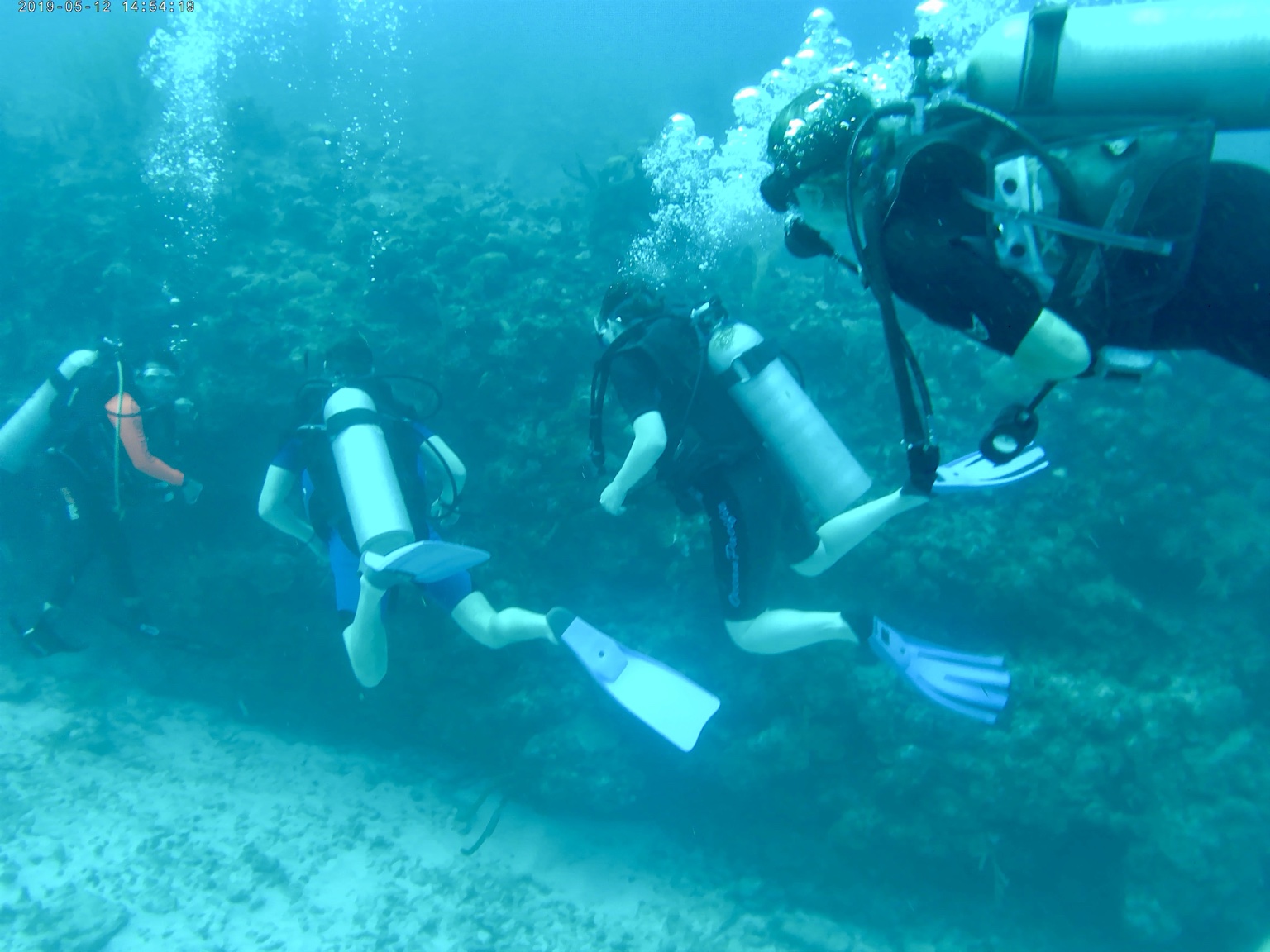
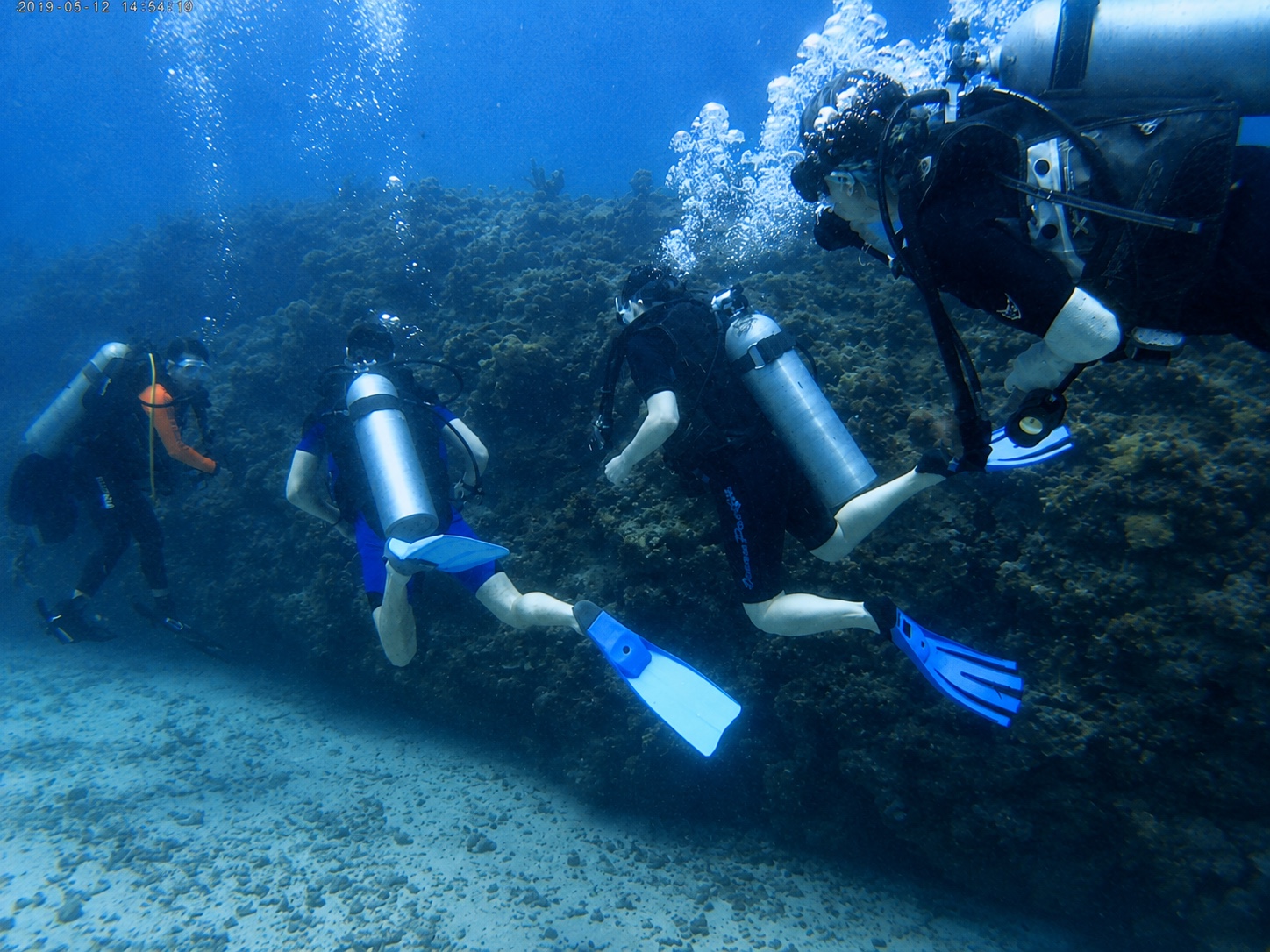
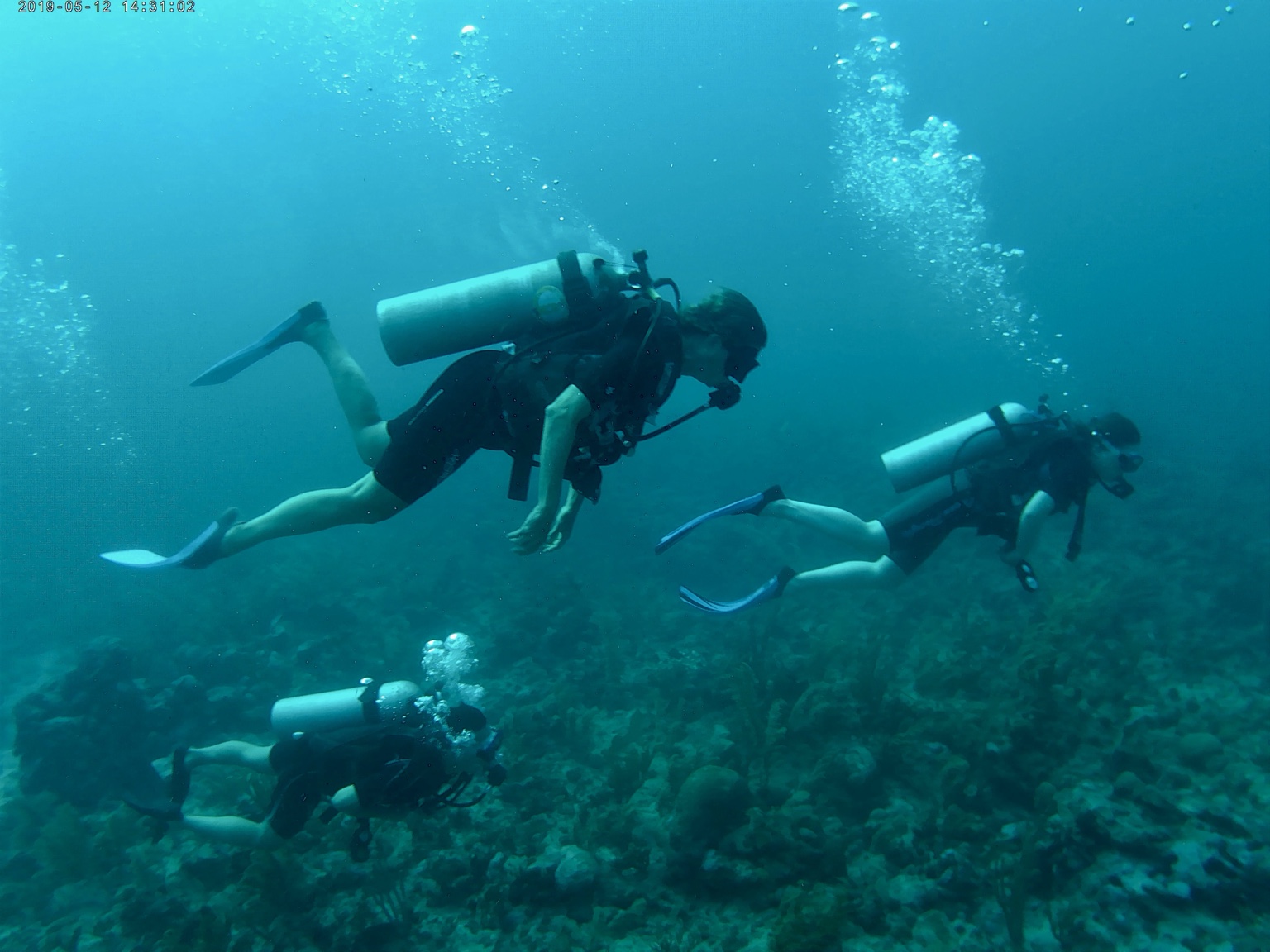
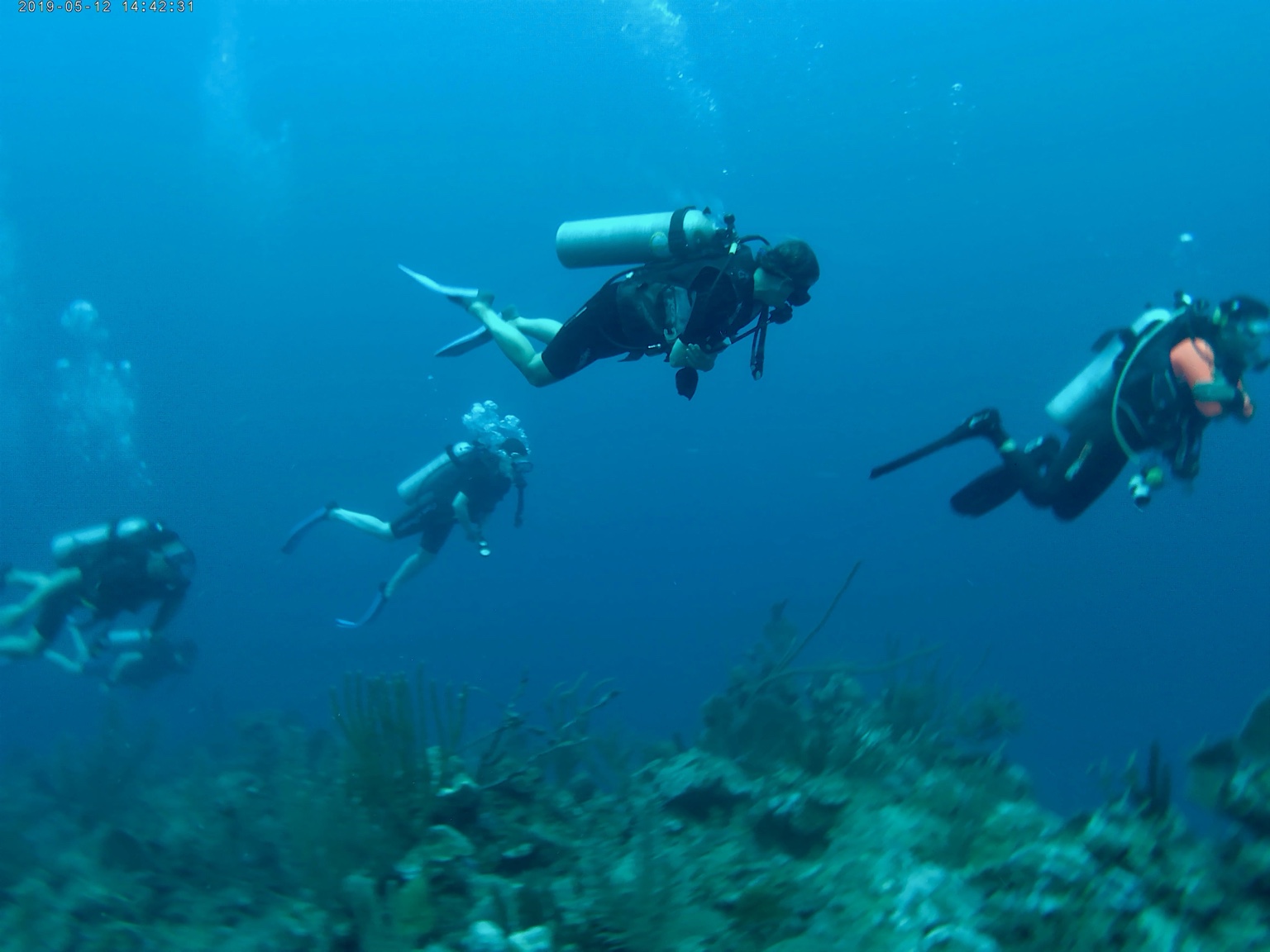
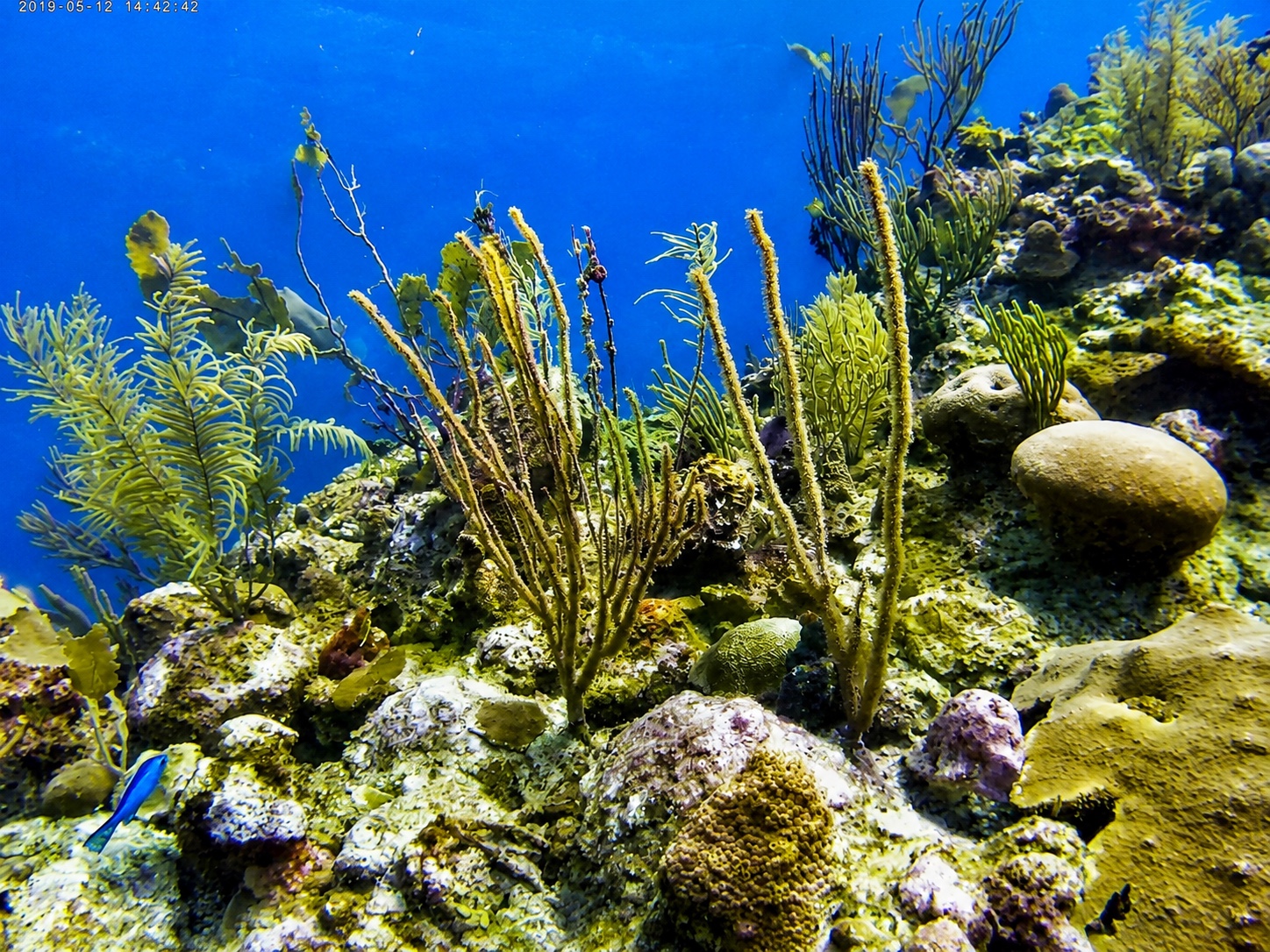
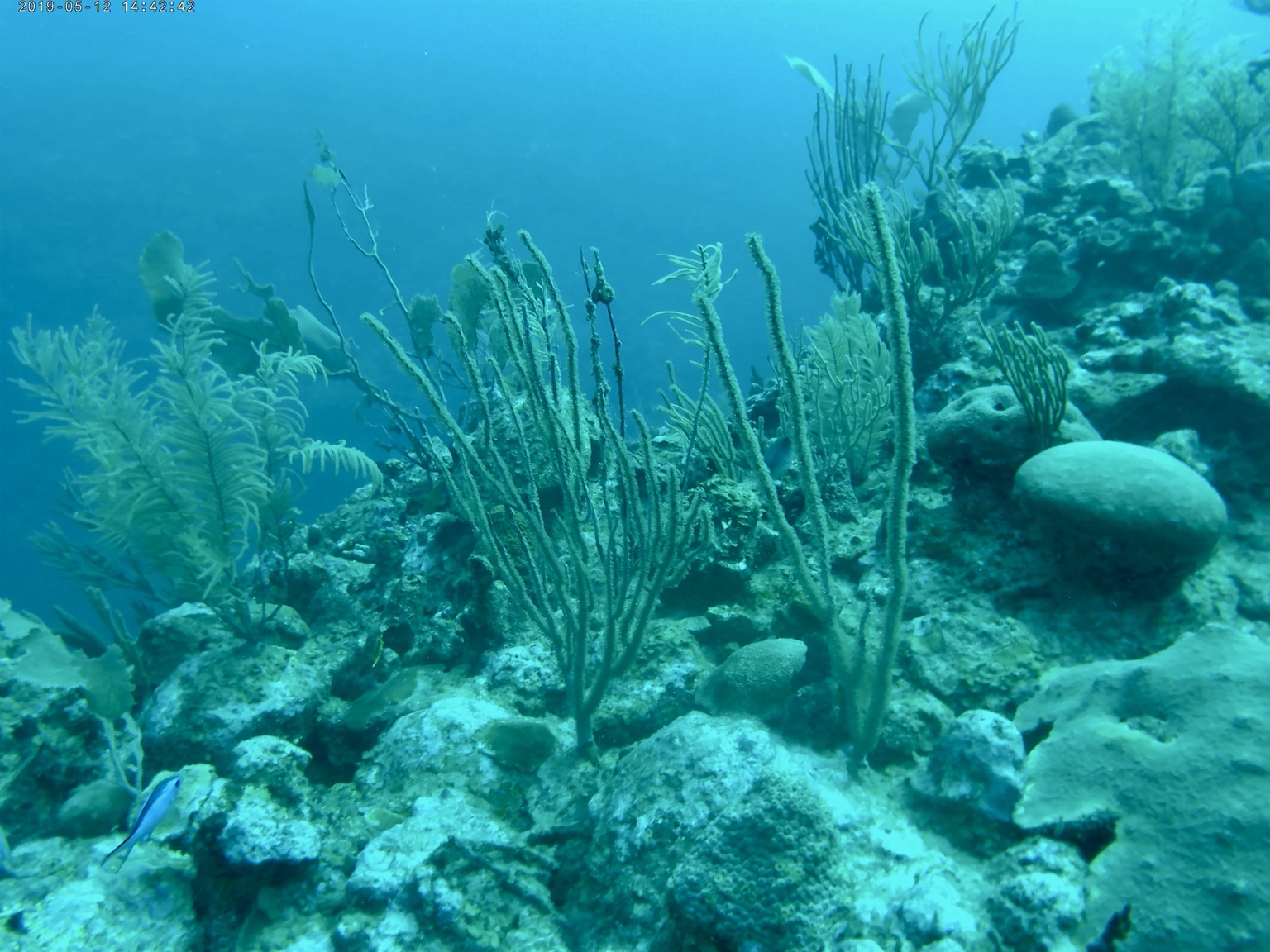
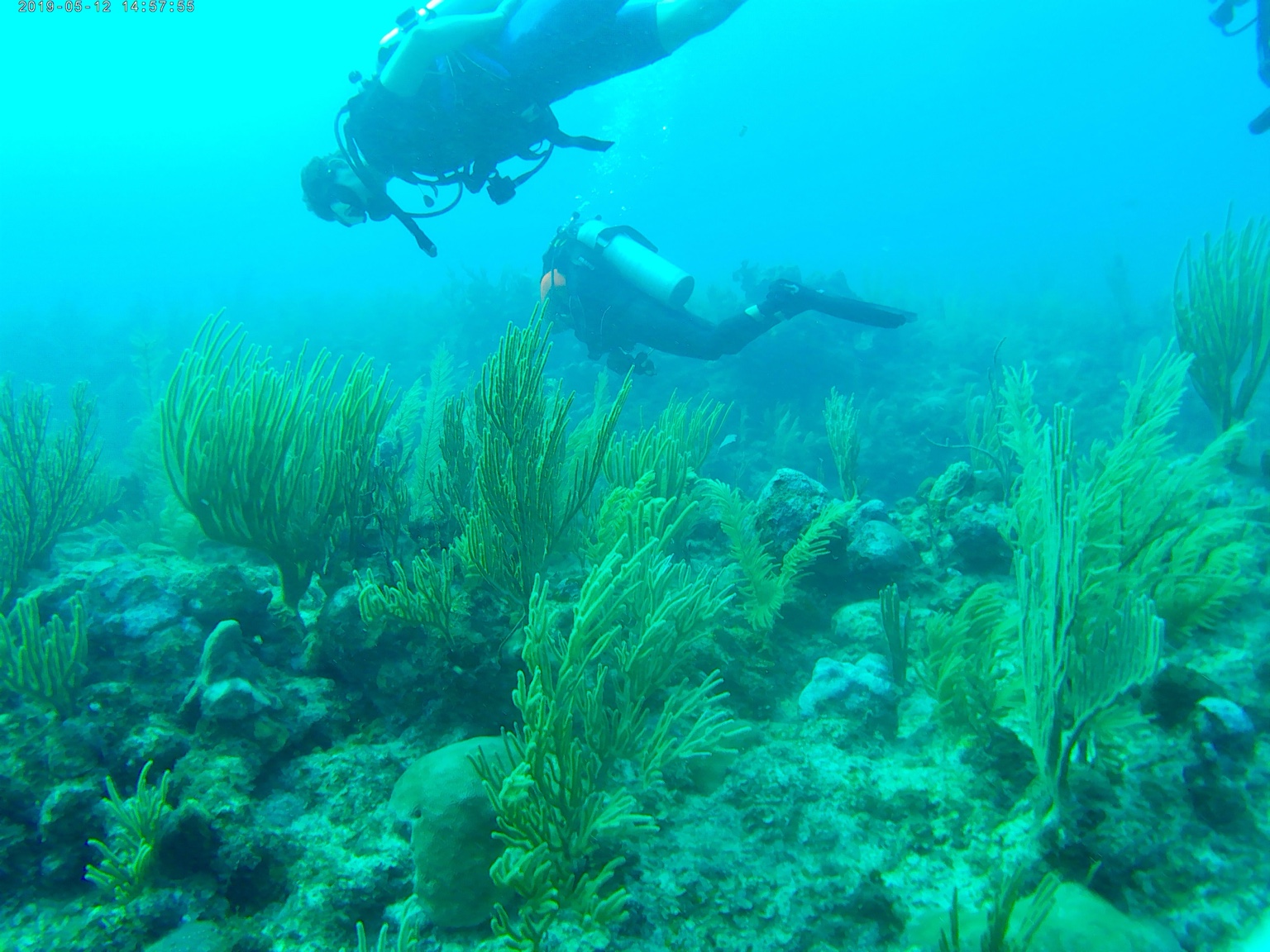
Belize became the visual centerpiece of this story. We spent several days diving, and the dives seemed to become progressively deeper and more spectacular. Belize is famous for its walls. Descending beside them felt like passing through stacked ecosystems, with the character of the reef changing as the light faded and the depth increased.
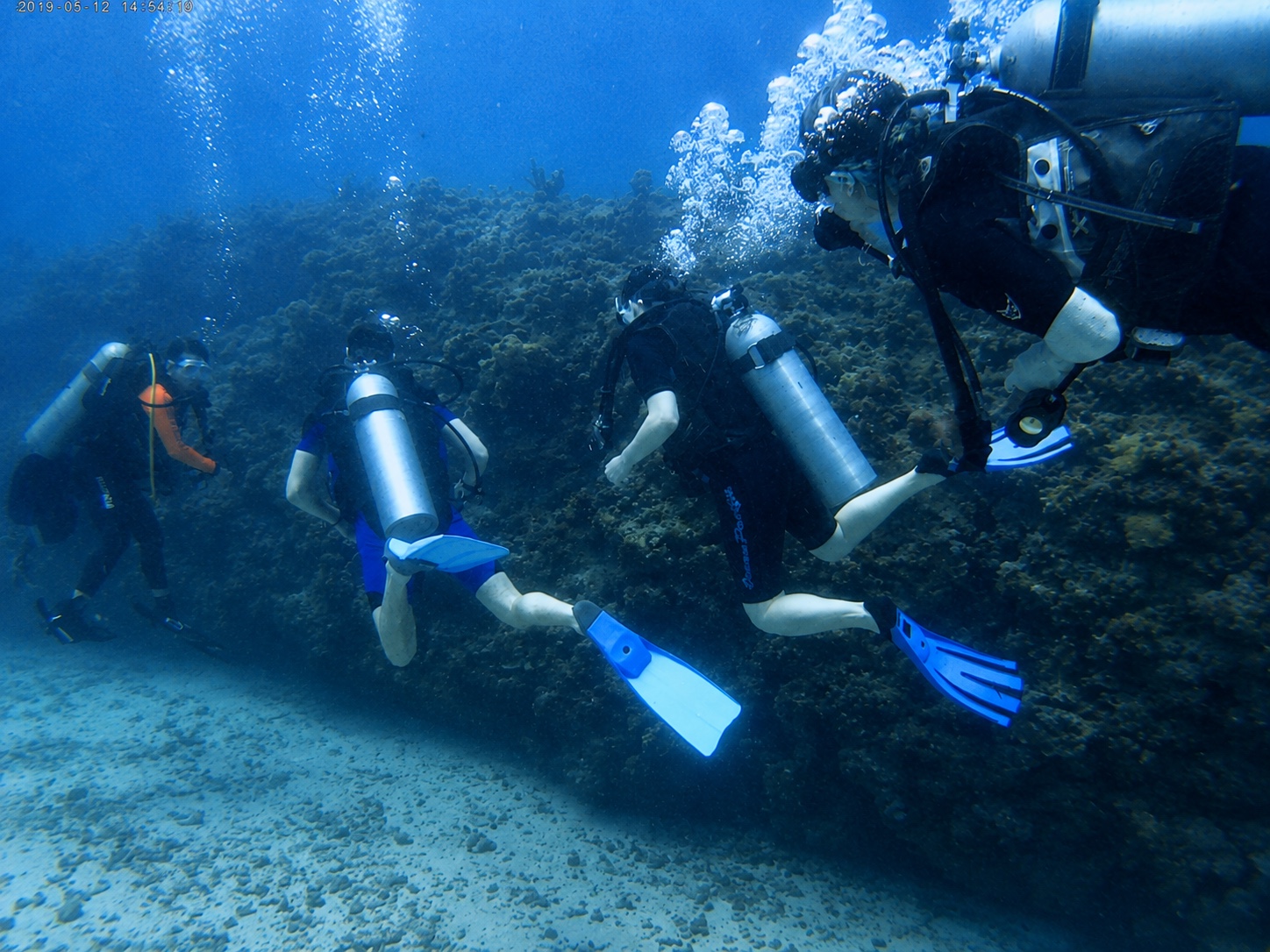
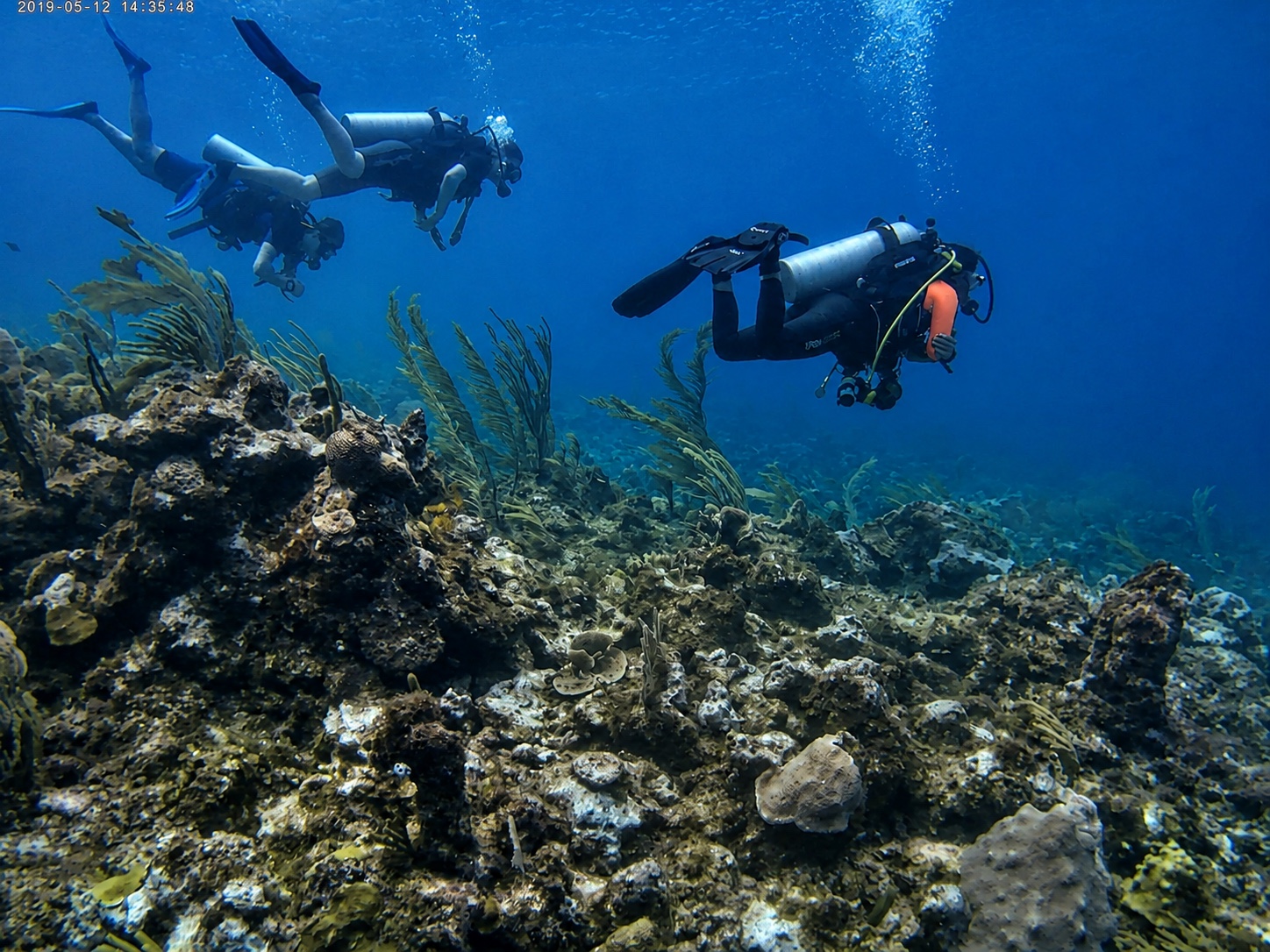
The restored photographs capture the steady rhythm of the group moving along the reef—bubbles rising, sea fans bending gently, tanks flashing in the blue light, and divers spreading out as we followed the terrain.
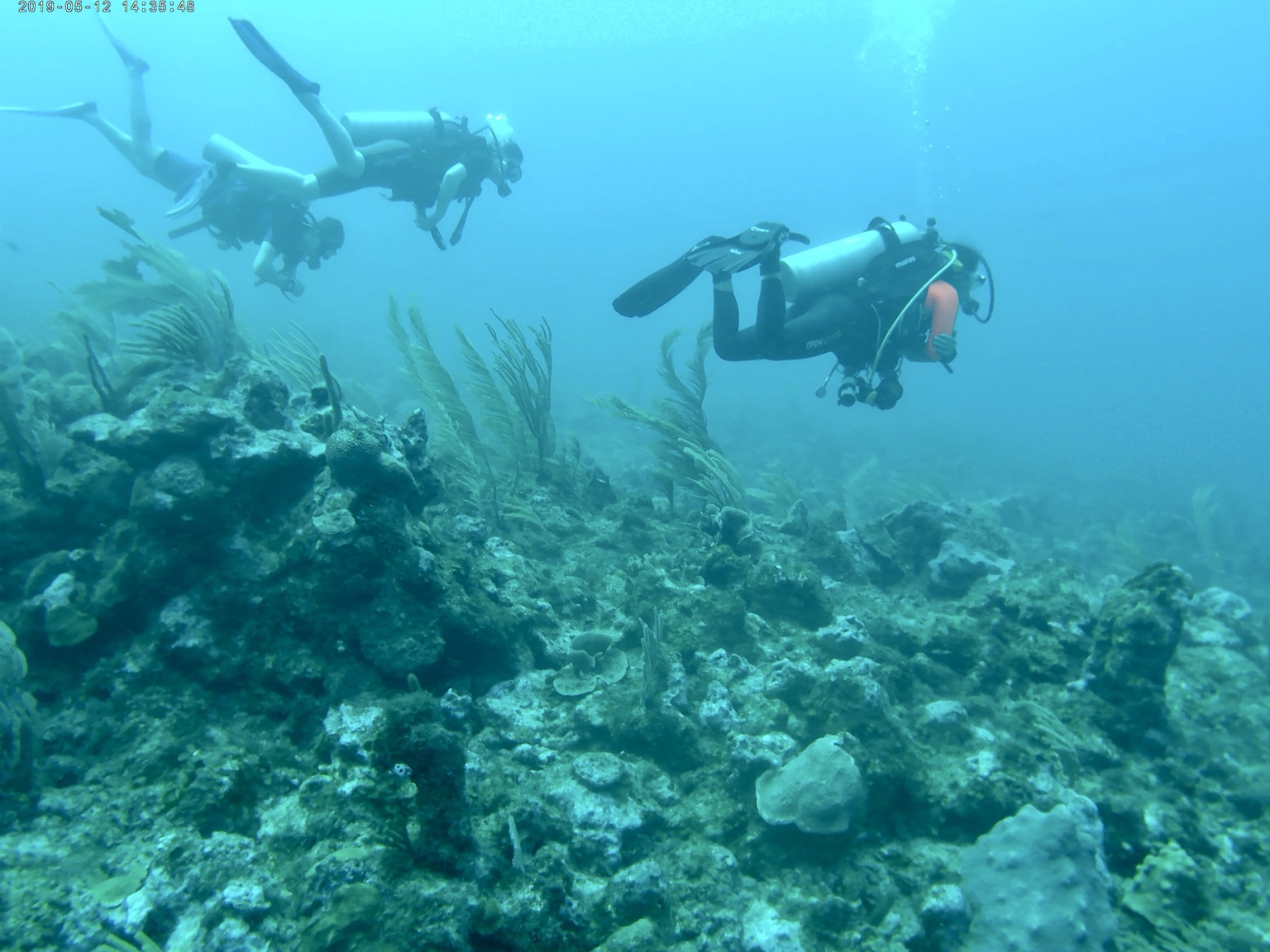
coral architecture
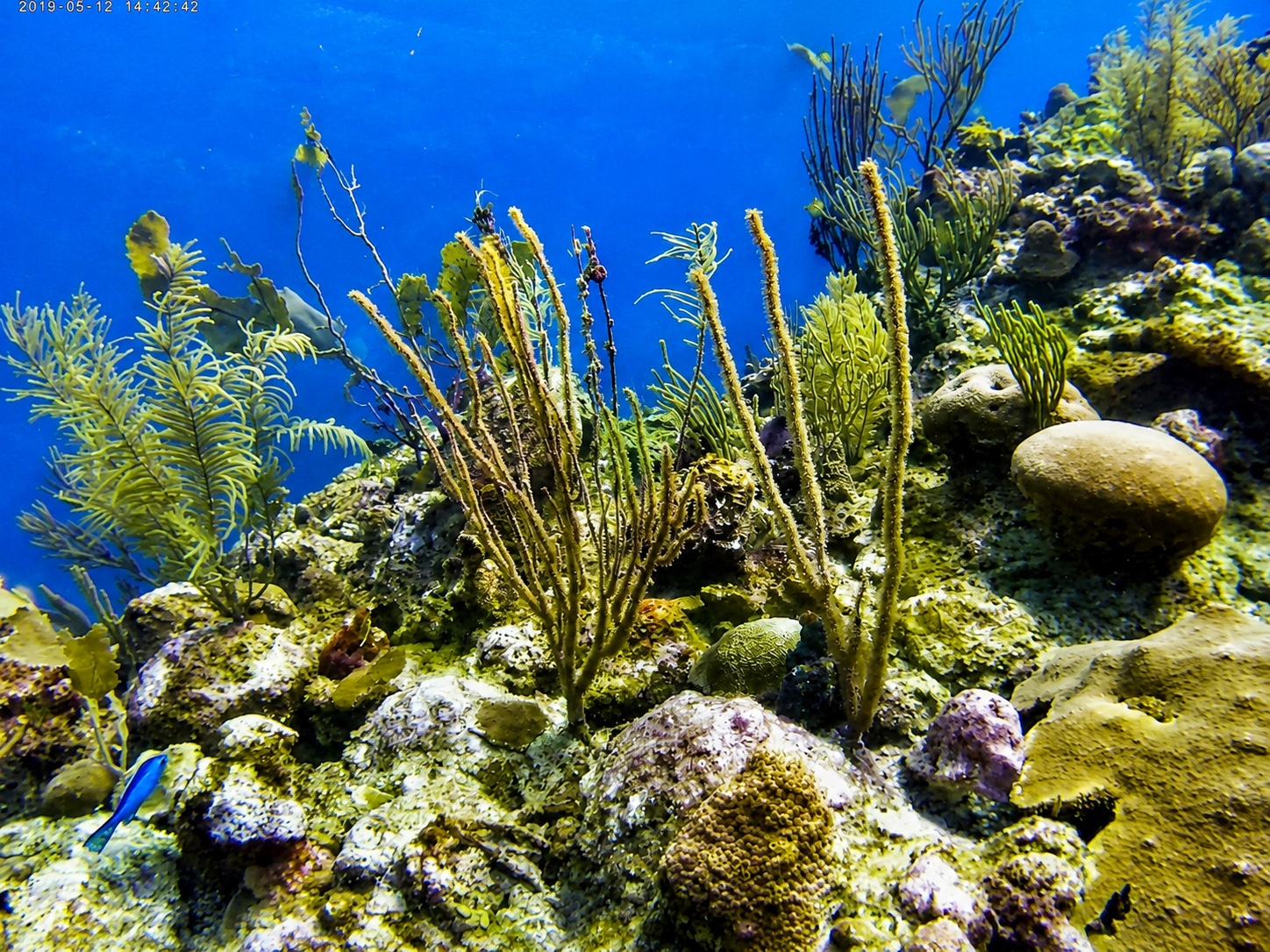
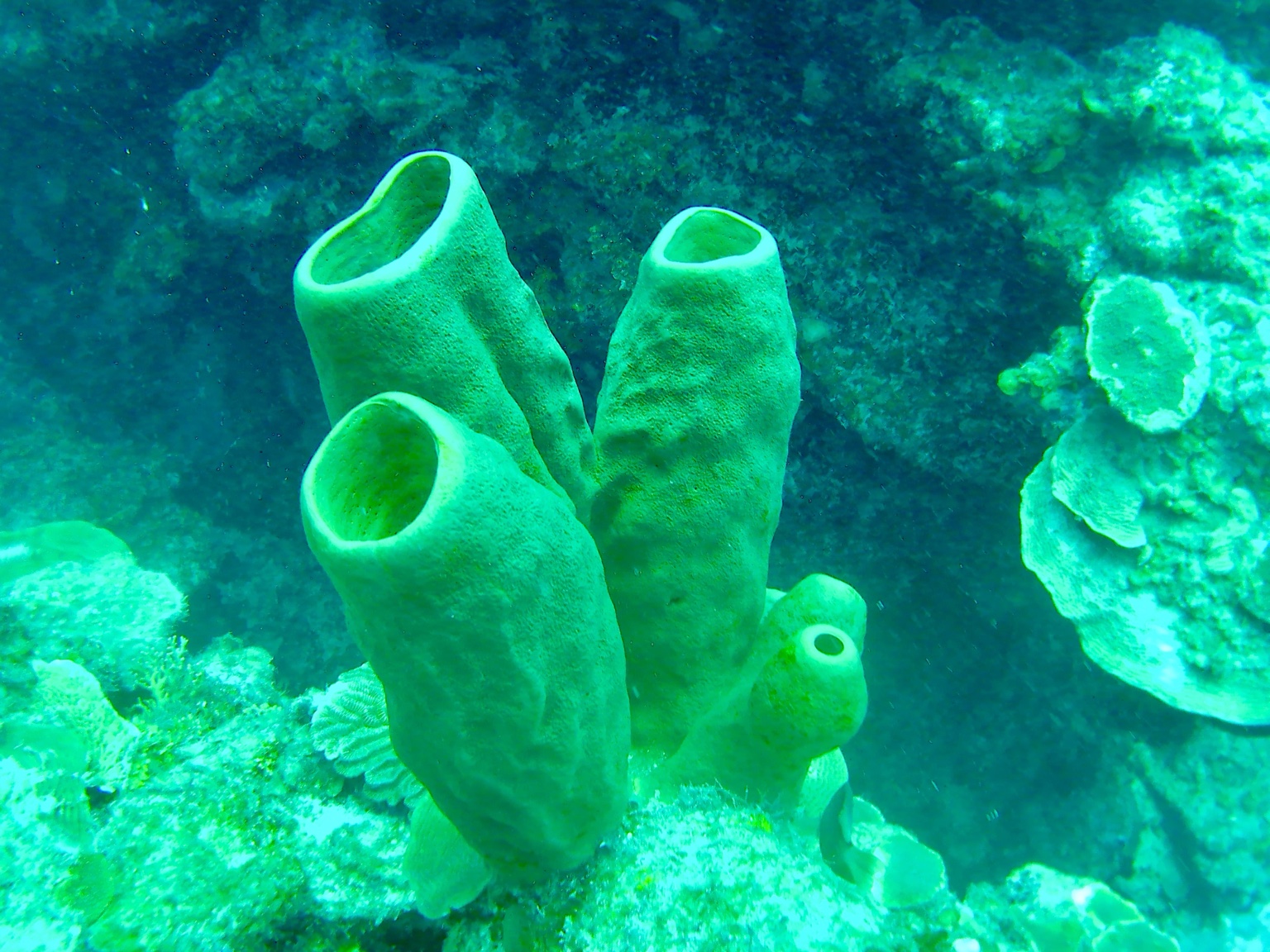
The reef was not one uniform surface. It was an elaborate landscape of tube sponges, coral heads, sea rods, fans, cracks, ledges, and open passages. Every few yards brought a different shape and texture.
Some of my favorite moments were the quiet ones: hovering above a coral garden, watching the reef move with the water, and realizing how much life was packed into every small area.
the people in the water
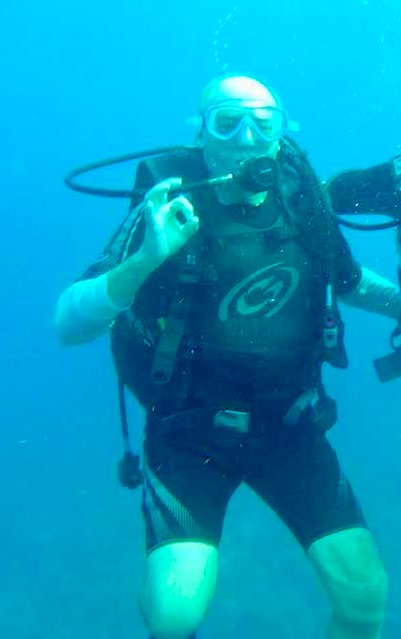
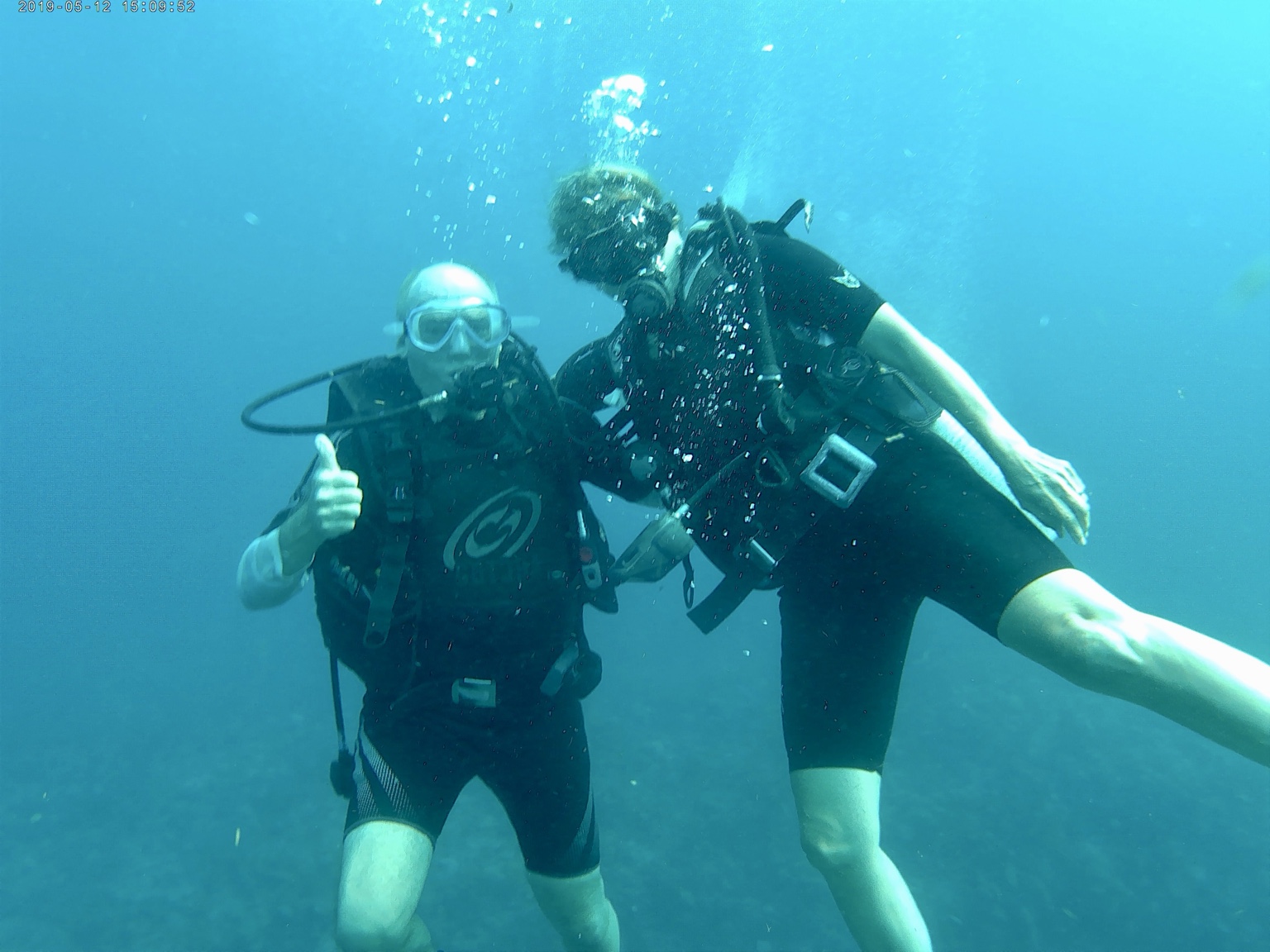
Diving is intensely personal, but it is also built on trust. You watch your buddy, track the group, communicate with simple hand signals, and share an experience that is almost impossible to describe later on land.
The portraits and group photographs preserve that human part of the trip—the smiles hidden behind regulators, the OK signs, and the easy weightlessness of floating together in blue water.
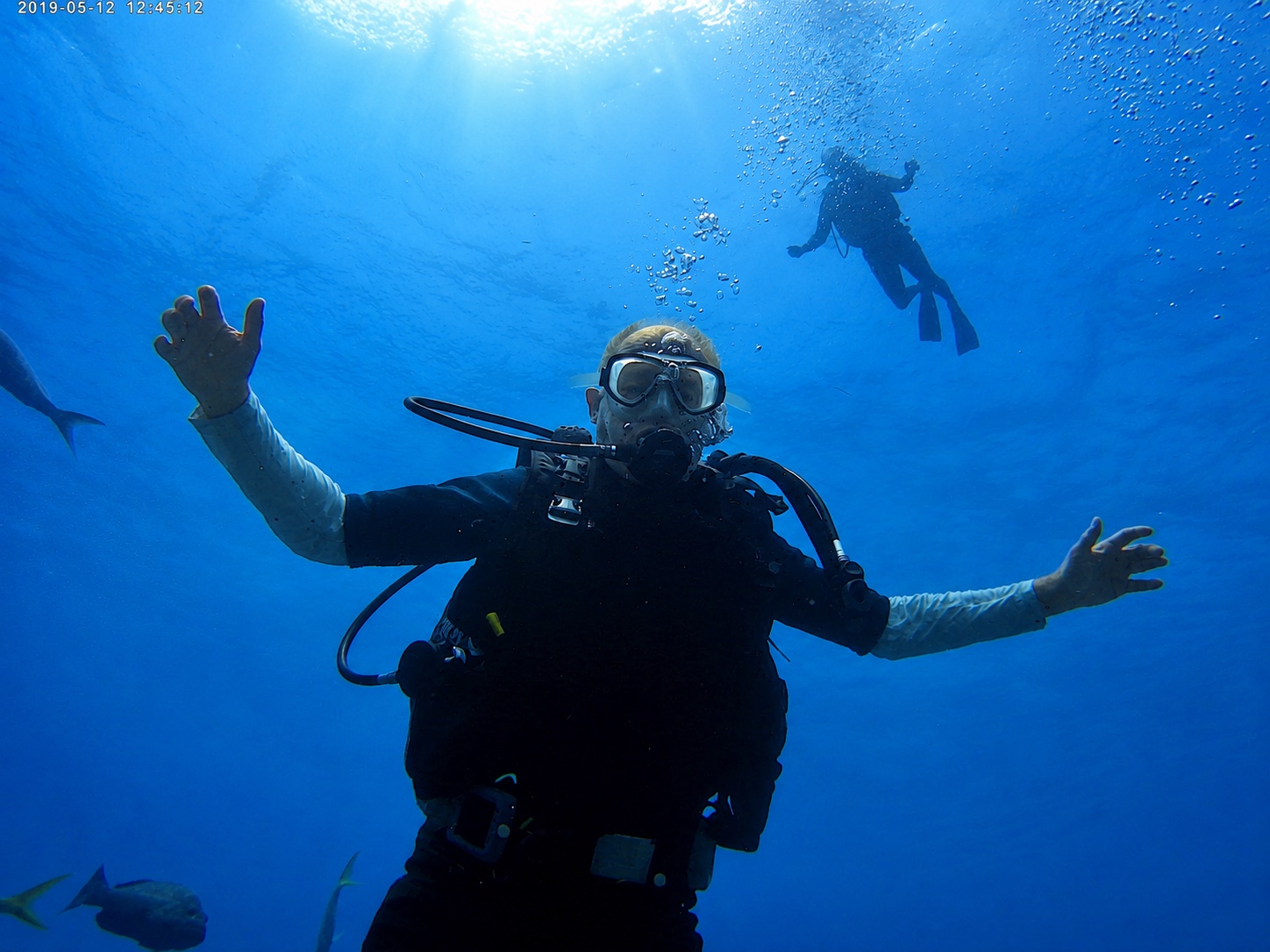
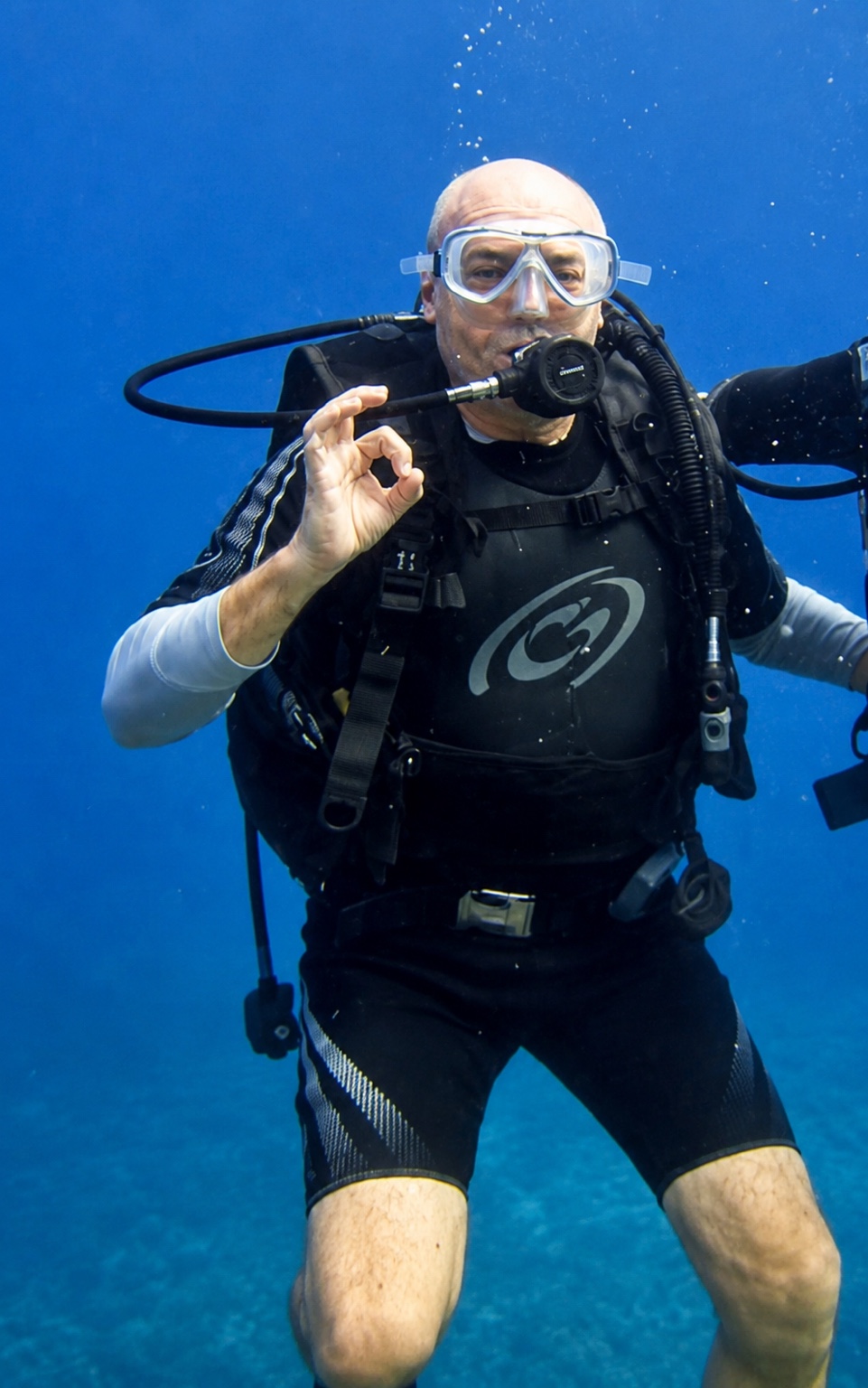
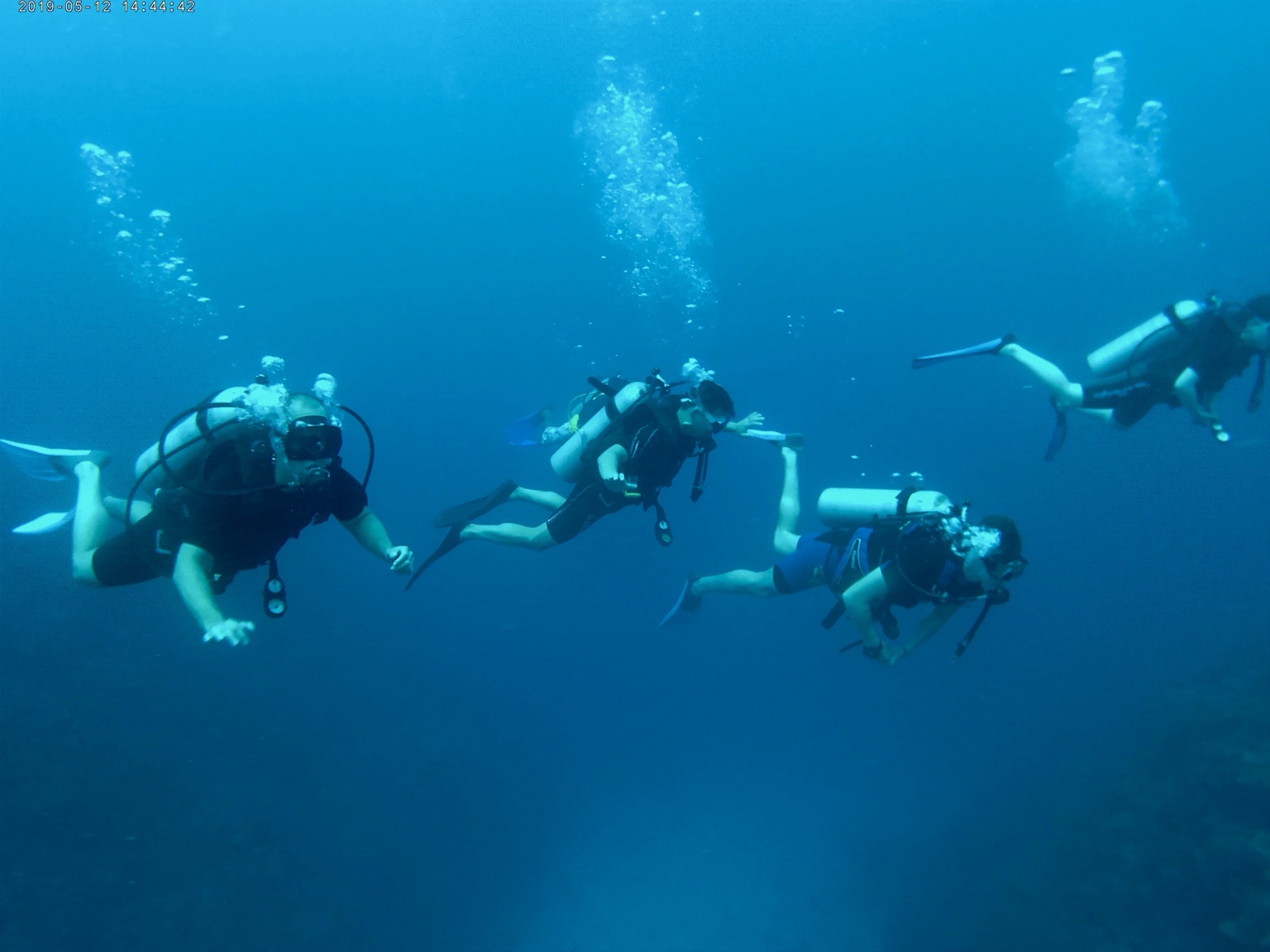
Belize remains very high on my list of places I would love to revisit. Clear tropical water, dramatic walls, abundant reef life, and the sense of moving through another world made it one of my finest underwater experiences.
snorkeling three or four times every day
Although we did not do any actual scuba diving in the Galápagos Islands, we spent an enormous amount of time snorkeling—often three or four times every day. Part of the reason was practical: the equatorial sun could be hot, and slipping into the cool Pacific water was a wonderful way to cool off. The real reason, though, was the wildlife.
Every excursion offered something extraordinary. We watched sea lions move through the water with effortless speed, saw sea turtles, reef fish, marine iguanas, and many other animals, and even snorkeled near the famous Galápagos penguins. On land they can look awkward and endearing; underwater they become fast, agile little torpedoes.
Small inflatable dinghies carried us from the larger boat to rocky coves, sheltered beaches, and snorkeling sites. The excursions made the Galápagos feel less like a sightseeing trip and more like living inside a wildlife documentary.
southamerica/galapagos-bridgette-yifatt-dingy.jpg and southamerica/galapagos-snorkleboat.jpg. They will display when scuba.html is placed in the website's main directory.
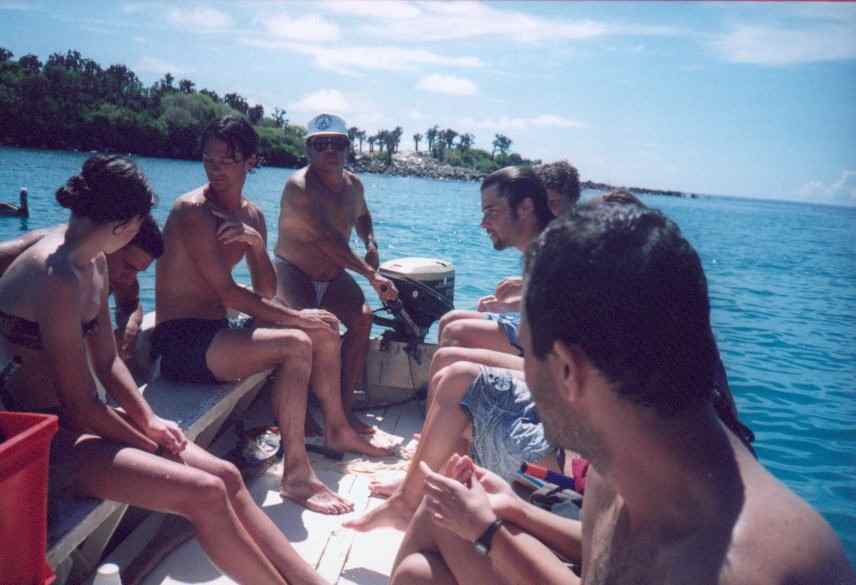
Some of my strongest memories of the Galápagos came not from standing on shore, but from floating quietly at the surface and watching an underwater community that seemed to have no fear of us.
marine biology in the saline ponds
In graduate school, I took a ten-day tropical marine biology course in the Bahamas. We spent long hours snorkeling in inland saline ponds connected to the ocean through old subterranean passages. Their water levels rose and fell with the tides, creating unusual habitats.
We helped map polychaete worms and found one that appeared to be new to science. I was invited to help with the eventual publication, but I was busy chasing other adventures and did not follow through. That remains one of my regrets.
an underwater world in our backyard
Much of my other underwater time has been snorkeling around Florida beaches, jetties, reefs, and springs. Whenever I go to the beach, I like to bring a mask. Florida's springs feel cold to me, but I own a wetsuit, so I have no good excuse not to explore more of them.
Scuba has never been only about depth, equipment, or certification cards. It is the privilege of entering another world—one filled with reefs, walls, glowing organisms, fish, and tiny creatures most people never notice.
From the Fort Lauderdale jetties of my childhood to Honduras, the Florida Keys, Belize, the Galápagos, and the Bahamas, the water has connected many different chapters of my life.
full-size scuba gallery
Every photograph below is clickable and opens the full-size file. Belize photographs are identified as restored versions so they remain easy to distinguish from the original files.