Film Beginnings
120 film, Kodak 126 and 110 Instamatics, drugstore processing, mail-order film, and the excitement of opening a fresh envelope of prints.
A Life Seen Through a Camera
“Wow, I had completely forgotten about that.” Preserving family, adventures, wild places, and the fleeting moments that become priceless with time.
I have never thought of myself primarily as a photographer. Most of the time I was a hiker, climber, paddler, traveler, field biologist, husband, father, or simply a curious person who happened to be carrying a camera. But when I look back now, photography has been woven through nearly every part of my life. The photographs preserved people, places, trips, family history, and moments I might otherwise have forgotten. They also became the raw material for much of the story I am now telling on this website.
My love of photography began with my father. He was serious about it long before cameras became automatic, digital, or easy. He understood light, focus, shutter speed, aperture, tripods, timers, and patience. Watching him taught me that a photograph was not just something you snapped. It was something you thought about.
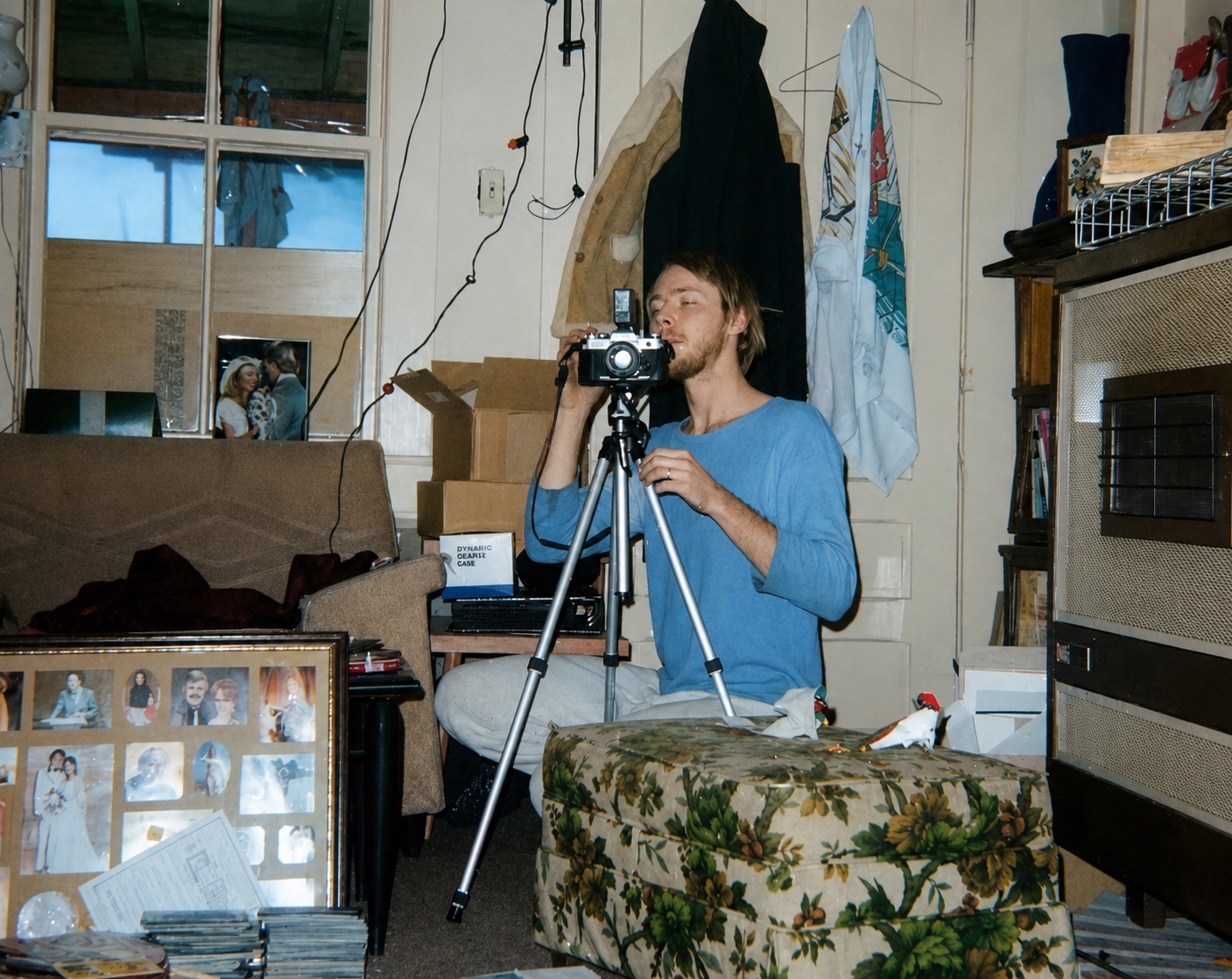
My dad was big into photography through all of the early years of our family. I especially remember a small German camera that I believe he bought in Hong Kong. It was completely manual. He had to set the aperture, choose the shutter speed, focus the lens, and think about every exposure. He often used a tripod, especially when he wanted to be in the photograph himself.
That camera had a self-timer, which was a much bigger deal in those days than it sounds now. Because of it, so many of our early family photographs actually include my father. He would compose the picture, set the camera on a tripod, start the timer, and hurry into place beside my mother or the rest of us. Looking back through the photographs I have been scanning, I realize how lucky we are that he made the effort. He did not remain the invisible person behind the camera.
In a way, he was taking “selfies” decades before anyone used the word.
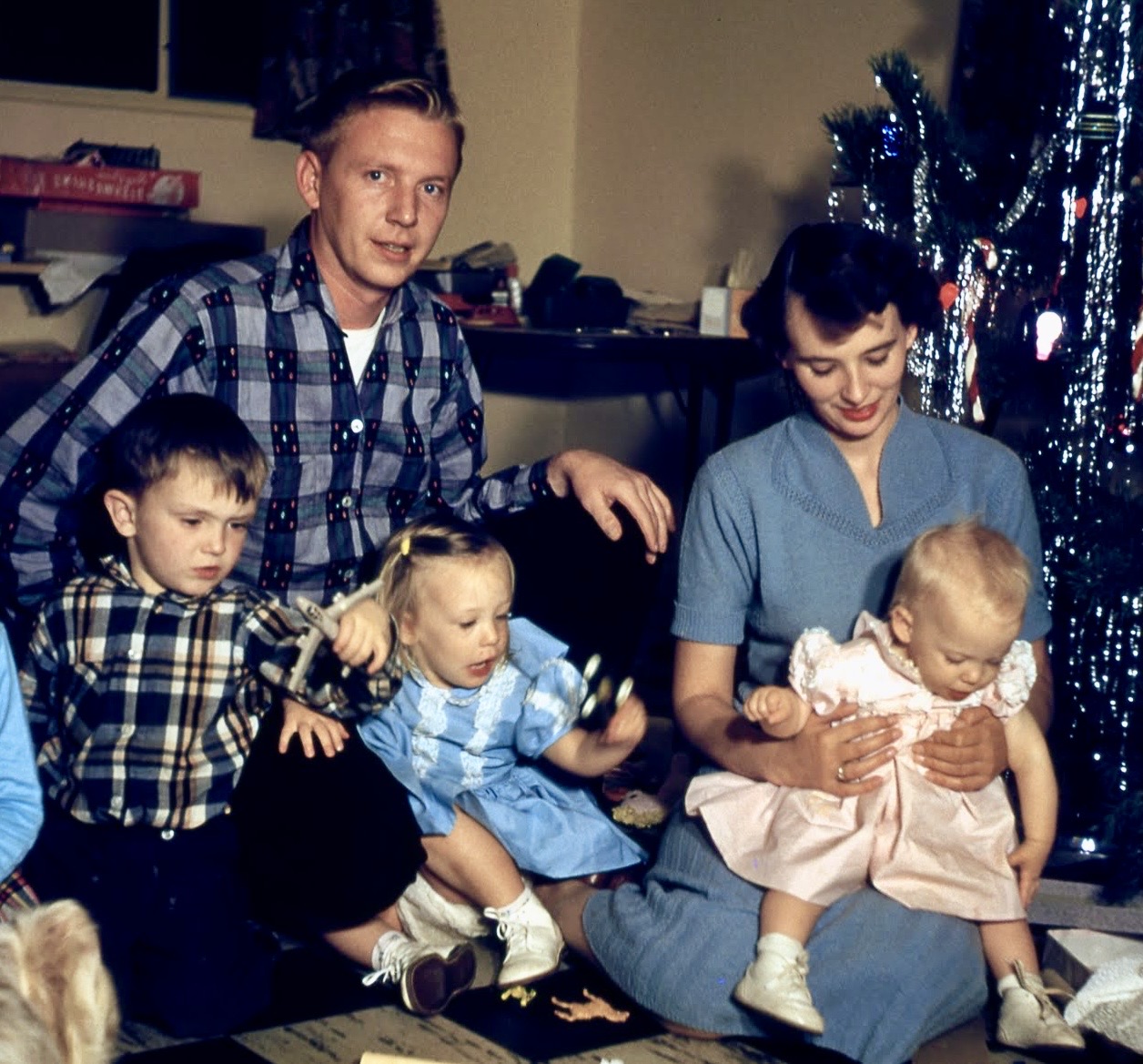
Before I was a teenager, we used to have family movie nights and slide nights after dinner. My father would set up an old-fashioned slide projector and a movie projector, pull down the screen, turn off the lights, and we would all sit together watching scenes from our lives.
We watched old movies and slides of my parents, of ourselves, of family trips, beaches, and whatever adventures had been recorded. I don't remember whether my sisters enjoyed those nights as much as I did, but I thought they were really cool. There was something almost magical about the room going dark and our family history appearing in light on the screen.
Very few families sit together and do that anymore. Today we have thousands of photographs buried on phones and computers, but in some ways we look at them less. Those evenings showed me that photographs were meant to be shared, remembered, talked about, and enjoyed together.
My father later bought me a cheap little plastic camera that used 120 film. It was not fancy, but it was mine, and I learned how to use it. It even had a tripod socket, so I could set it up and experiment.
I remember trying to photograph an eclipse in Florida. The camera did not have a self-timer, and I had to hold the shutter open with my finger. The photographs did not come out very well, but that was part of learning. Photography in those days involved trying something, waiting days or weeks for the film to be developed, and only then finding out what worked.
After that came the familiar Kodak 126 Instamatic cameras, followed later by Kodak 110 cameras. I used them constantly. At first we took the film to a drugstore or photo counter. Later we mailed rolls away to companies such as Clark Film. It might cost only two or three dollars to develop a roll of 24 or 36 exposures, but every frame still mattered. You could not fire off hundreds of pictures and immediately delete the bad ones
Photography taught patience. You composed the picture, pressed the shutter, mailed the film away, and sometimes waited weeks to discover whether you had captured what you saw.
In high school I was fortunate to take Photography I and Photography II. We learned how cameras really worked, including focus, aperture, shutter speed, depth of field, exposure, and composition. We were given projects that made us look differently at the world. One assignment focused on reflections—in mirrors, windows, and water—and I still have some of those photographs.
More importantly, we worked in the darkroom. We developed black-and-white film, made contact sheets, exposed photographic paper under an enlarger, and watched images slowly appear in trays of chemicals. Learning to make a photograph from beginning to end gave me a much deeper appreciation for the process.
My father eventually let me use his good German camera for class. That gave me the opportunity to work with a truly capable camera and learn all of its manual controls. I also ended up with some excellent photographs of myself and my friends from those years—pictures that are much more valuable now than I ever could have understood then.
When I was in college, pure luck put me in a large house with a group of guys that felt almost like a fraternity house. One of them, Kevin, was also into photography and had a darkroom in the basement. We spent countless hours down there developing black-and-white film and experimenting.
We did all kinds of trick photography long before Photoshop made those effects simple. In one photograph, someone was going up for a basketball layup, but we switched the basketball and the player’s head so that the ball had a face and the player appeared to be holding his own head.
We also made double exposures in the dark basement. We would lock the shutter open, photograph someone sitting on one side of a couch playing chess, fire a flash, then have the person change shirts and move to the other side. A second flash made it look as though he was playing chess against his twin brother. We had a great time convincing people at work that the picture was real.
Today those effects can be created in seconds on a computer or phone. We created them with cameras, darkness, timing, film, chemicals, and a lot of trial and error.
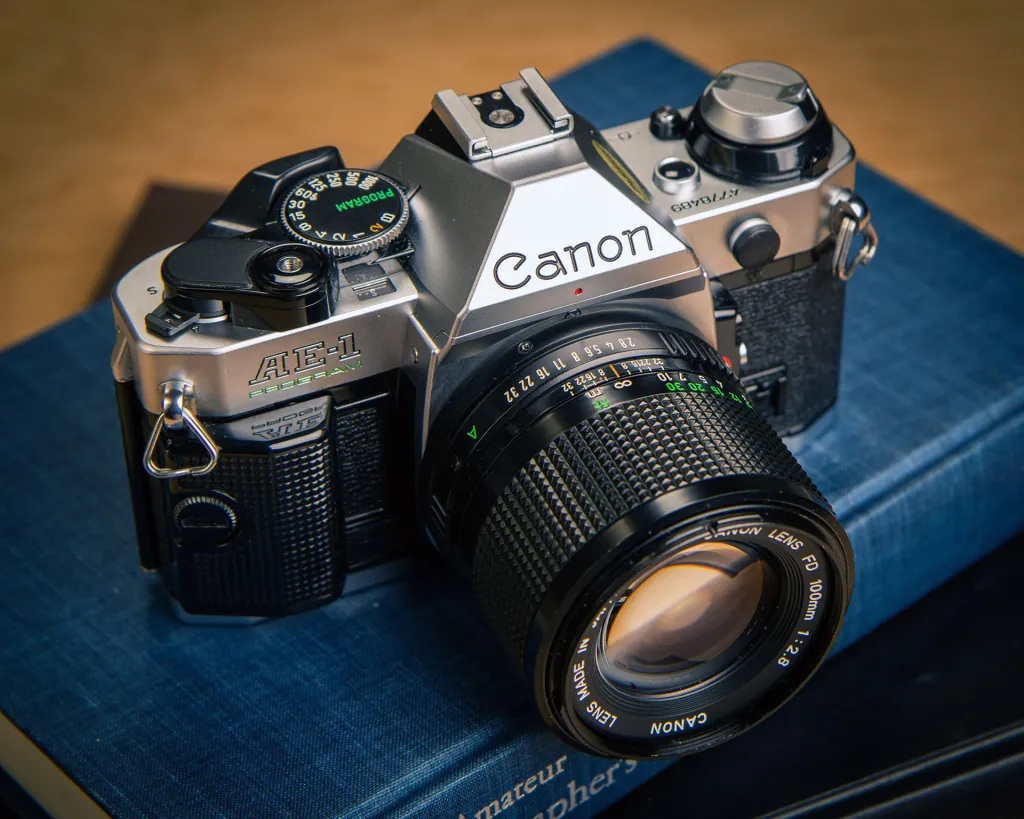
After I got married, a grandmother gave us a Canon AE-1. The “AE” stood for automatic exposure, and that camera represented a major leap forward. It still gave us plenty of control, but it could handle part of the exposure process automatically, making it faster and easier to work in changing situations.
The Canon became our main camera for our honeymoon and many trips afterward. We shot roll after roll of film. When we returned home, the film would often be mailed out for processing, sometimes by Marty, and then we would wait for the envelopes of prints to come back.
We selected our favorite wedding photographs, travel scenes, and nature images and occasionally had 8-by-10 enlargements made. I still have many of those prints. They are beautiful objects, although today it is harder to know how best to display all of them when so much photography has moved to electronic screens.
The biggest breakthrough in my photography came in about 1985 or 1986, during a solo hike on Mount Washington. I was hiking the Edmands Path and stopped at a beautiful outlook in the woods. I stood there for a while, taking in the view, and then noticed a group of burned matches on the ground. Nearby, partly buried and sticking out of the snow, was a camera.
I pulled it out, brushed it off, and put it in my backpack. When I reached the summit, I looked at it more closely. It was soaked and still had a roll of film inside. I removed the film and took the wet camera home. I left it on the dashboard of my car in the sun for a day to dry out.
At first it did not work. Then I realized it had a battery. I replaced the battery, loaded film, and tried it again. Amazingly, it worked—and the photographs were excellent.
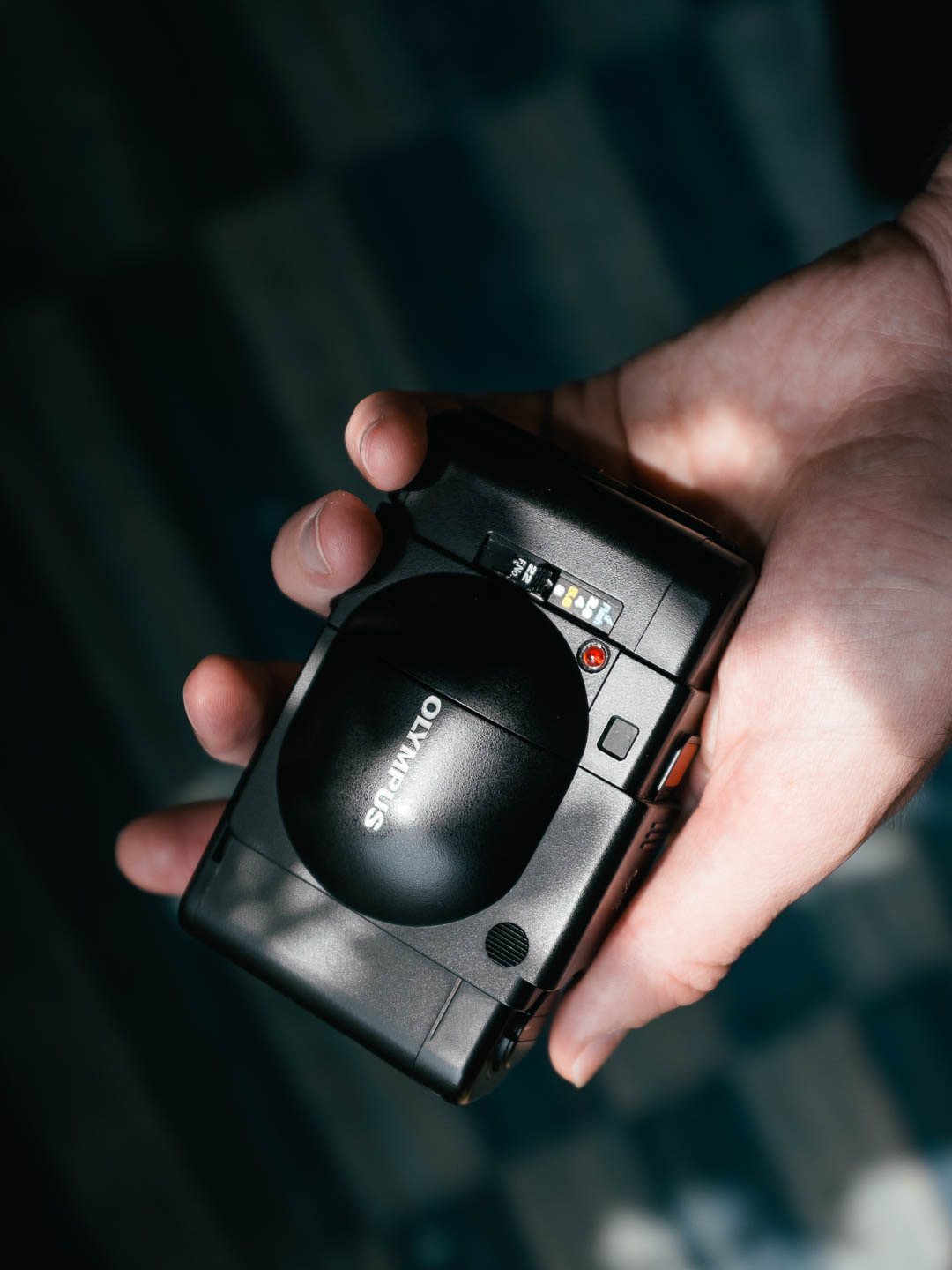
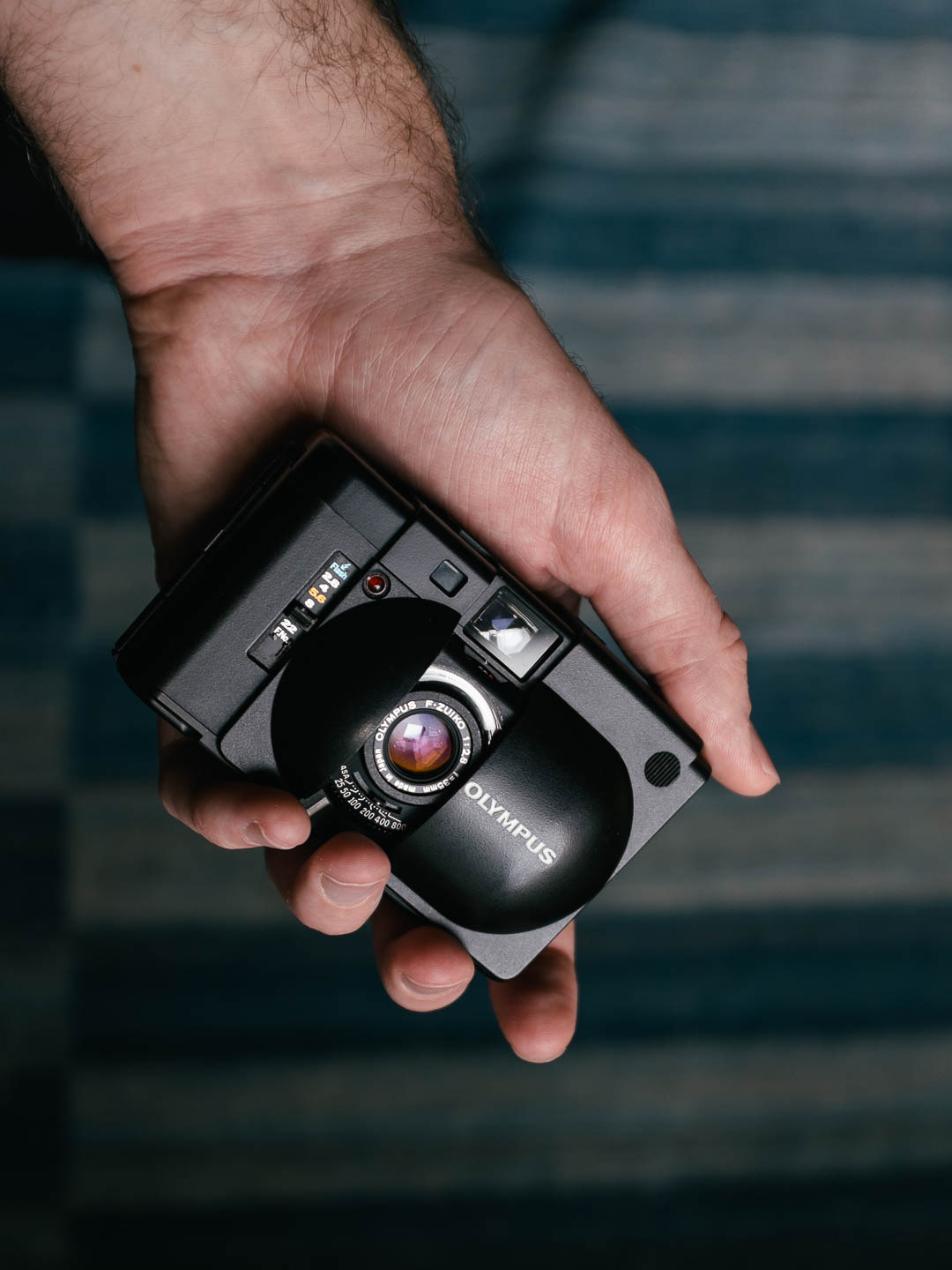
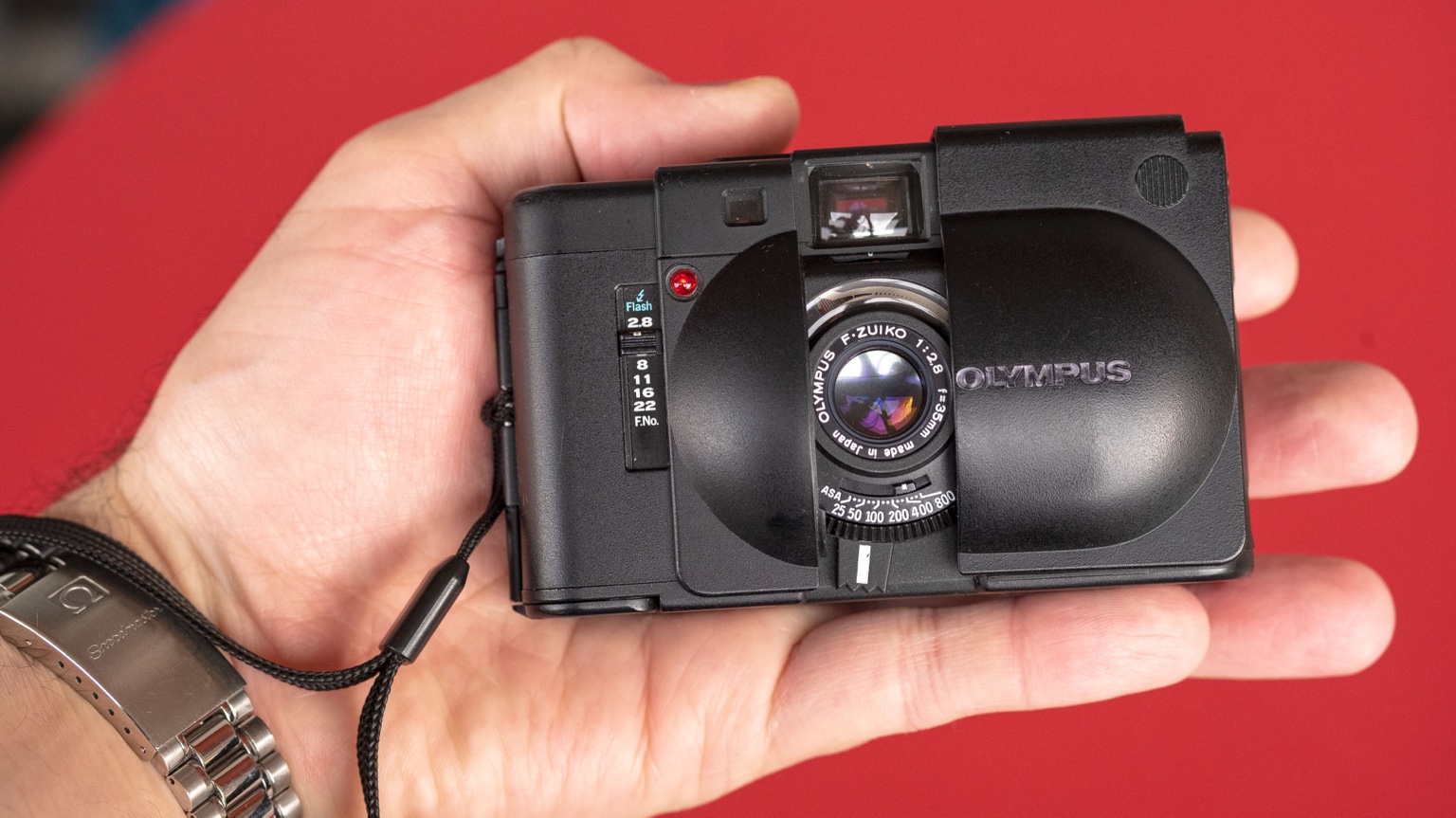
The camera was an Olympus XA, a remarkably small true rangefinder with an excellent lens, a built-in light meter, a self-timer, and a flat base. I could set it on a rock, a table, a wall, or almost any level surface and photograph myself wherever I happened to be. I still had to focus it and choose the aperture, so it retained the thoughtful, hands-on quality I had learned from my father.
That little camera became my camera for life. I carried it on hikes, travels, and adventures for years. I believe I have only one photograph of myself actually holding it, taken by Beth in Guatemala. Since then, I have bought several Olympus XA cameras, and I gave one to my niece Michelle when she was first becoming interested in photography.
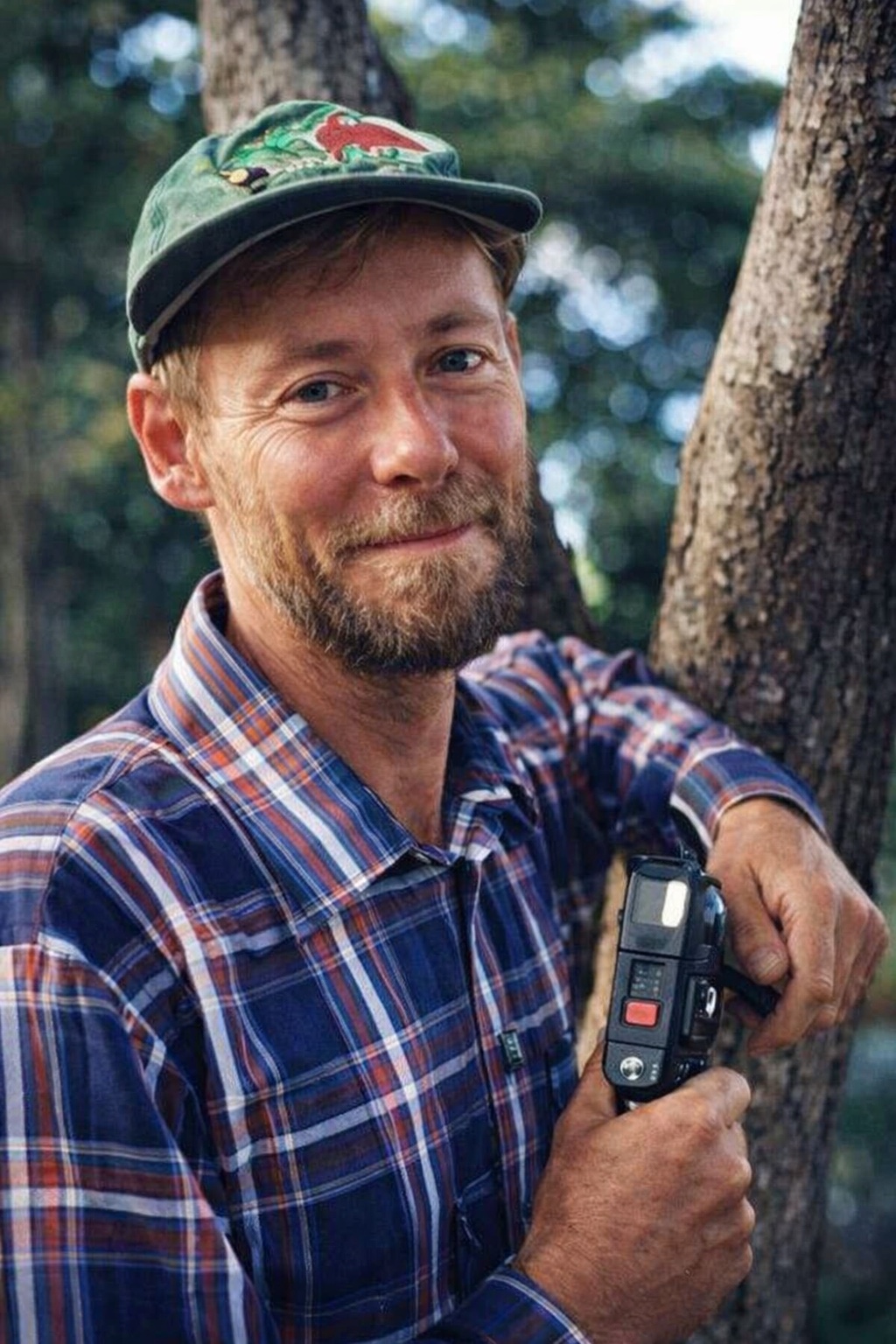
I continued using that same Olympus XA through nearly all of my adventures between college and the beginning of my career. I carried it throughout my travels out West, into the mountains, along rivers, on paddling trips, and almost everywhere else I went.
My father’s German camera had a self-timer attachment that had to be screwed onto the camera. The Olympus XA had a ten-second timer built right into it. That was an amazing feature in the 1980s. I could place the camera on its flat base on a rock, a stump, a picnic table, the hood of a vehicle, or almost any other reasonably level surface, press the timer, and run into the scene.
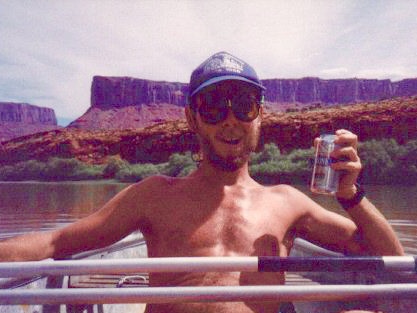
My sister Jody likes to tell people that I invented the selfie because I have so many photographs of myself alone in the mountains, beside rivers, with boats, or in the middle of some adventure. Of course I did not invent it, but I was certainly using the idea long before phones put a front-facing camera in everyone’s pocket.
I am extremely glad that I took the time to make those photographs. Without them, the person carrying the camera would have disappeared from much of the story. Instead, I have proof that I was actually there—and those photographs often bring back details that I had completely forgotten.
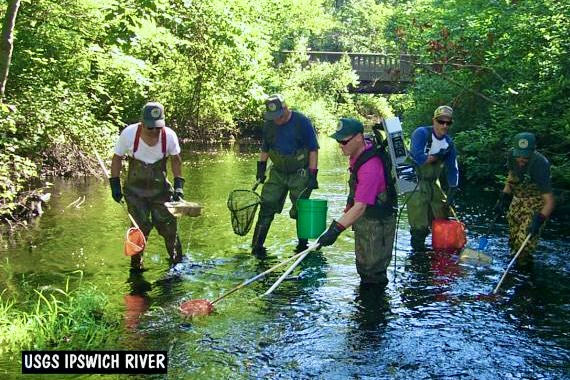
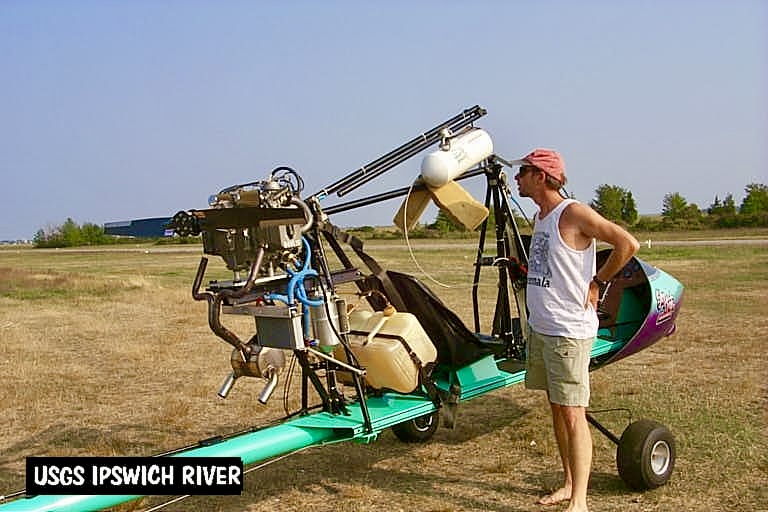
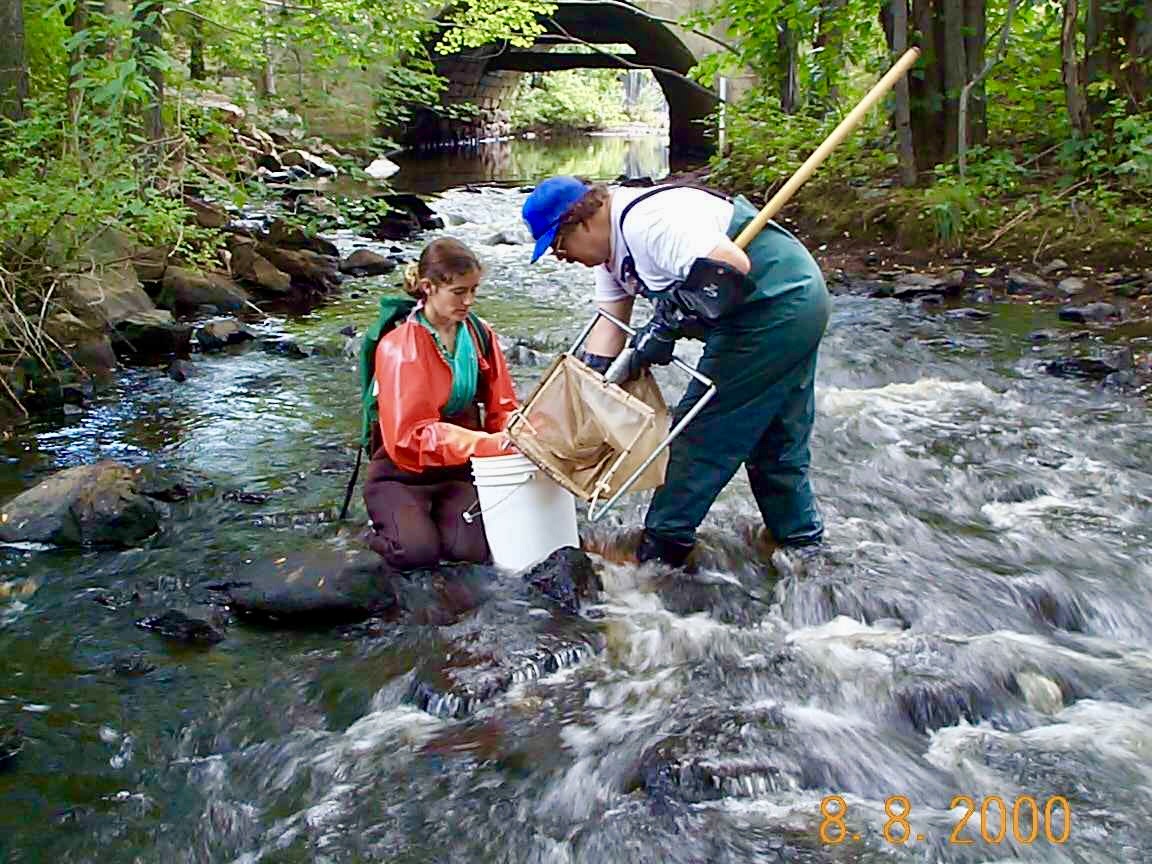
My first real experience with digital photography came in 1998, when I began working for Dave at the U.S. Geological Survey. We were documenting habitat and low-flow conditions along the Ipswich River, and it was important to create a thorough visual record of what we were seeing in the field.
Dave used a significant part of his project budget to buy a high-quality digital camera. Compared with today’s cameras, its specifications would sound primitive, but at the time we were blown away. We could take a photograph, review it without developing film, and use the image immediately as part of the scientific record.
Many of the older photographs on my website that show USGS fieldwork came from that camera. Dave and I used it extensively on the job, and I sometimes borrowed it on weekends so I could practice with the settings and learn how digital photography differed from film.
For field science, digital photography changed everything. We could document river channels, habitat conditions, instruments, water levels, vegetation, erosion, flood damage, and unusual conditions with much greater completeness. We were no longer rationing every frame because each exposure cost money to develop.
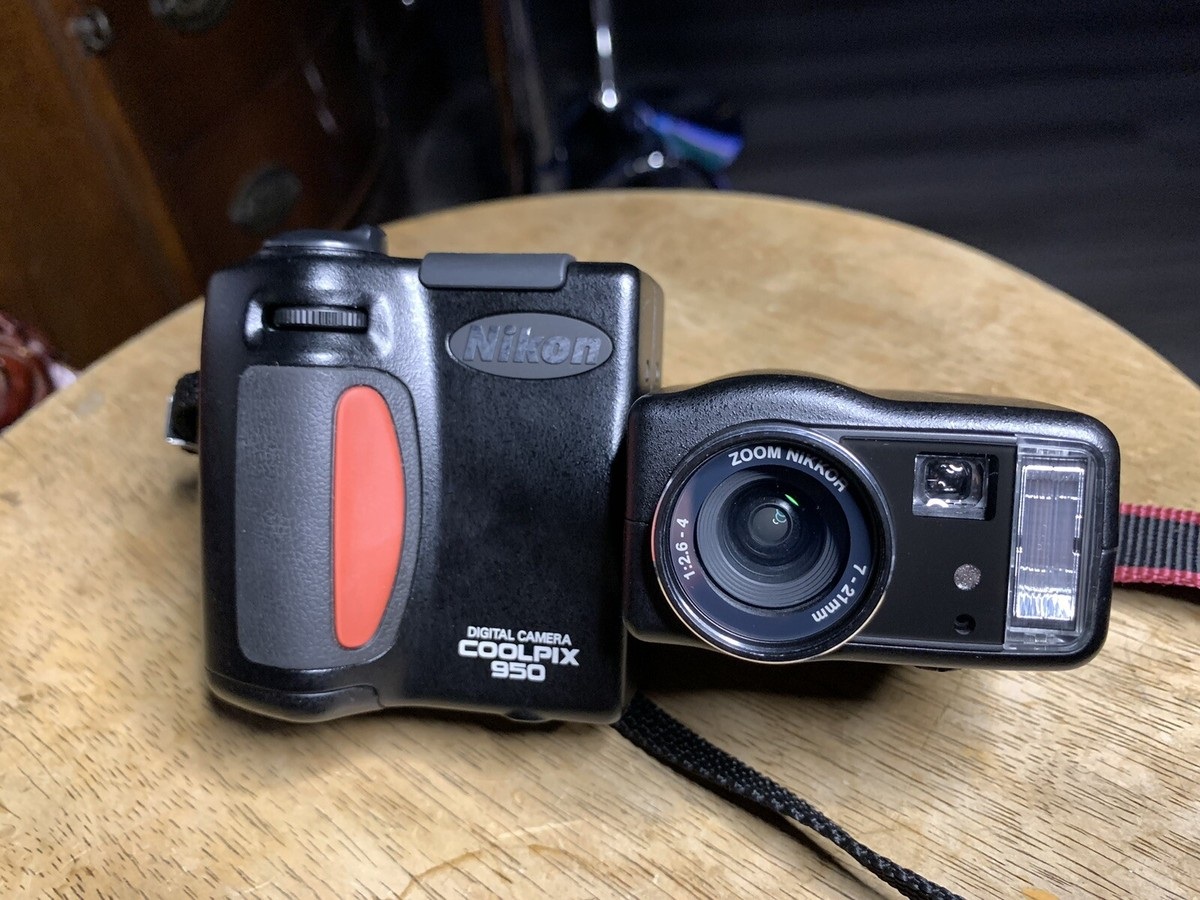
Once I had enough money to buy a serious digital camera of my own, I purchased a Nikon Coolpix 950. It remains one of the most interesting and capable cameras I have ever owned.
The camera had an unusual swiveling body that allowed the lens to point independently from the viewing section. I could hold it high, low, sideways, close to the ground, or at awkward angles and still compose the photograph. It also had a remarkable macro function and could capture incredibly detailed close-ups.
I paid more than $800 for it in 1998—well over a thousand dollars in today’s buying power. I also bought a 256-megabyte memory card for about $249, which seems almost unbelievable now. Today, storage many thousands of times larger costs a tiny fraction of that amount.
I used that Coolpix constantly for perhaps seven, eight, or ten years, and eventually bought another one. It helped carry me fully from the film era into digital photography. After that I owned a long succession of smaller digital cameras that were easier to carry on family trips, vacations, paddles, and everyday adventures. I probably still have ten of those older cameras tucked away.
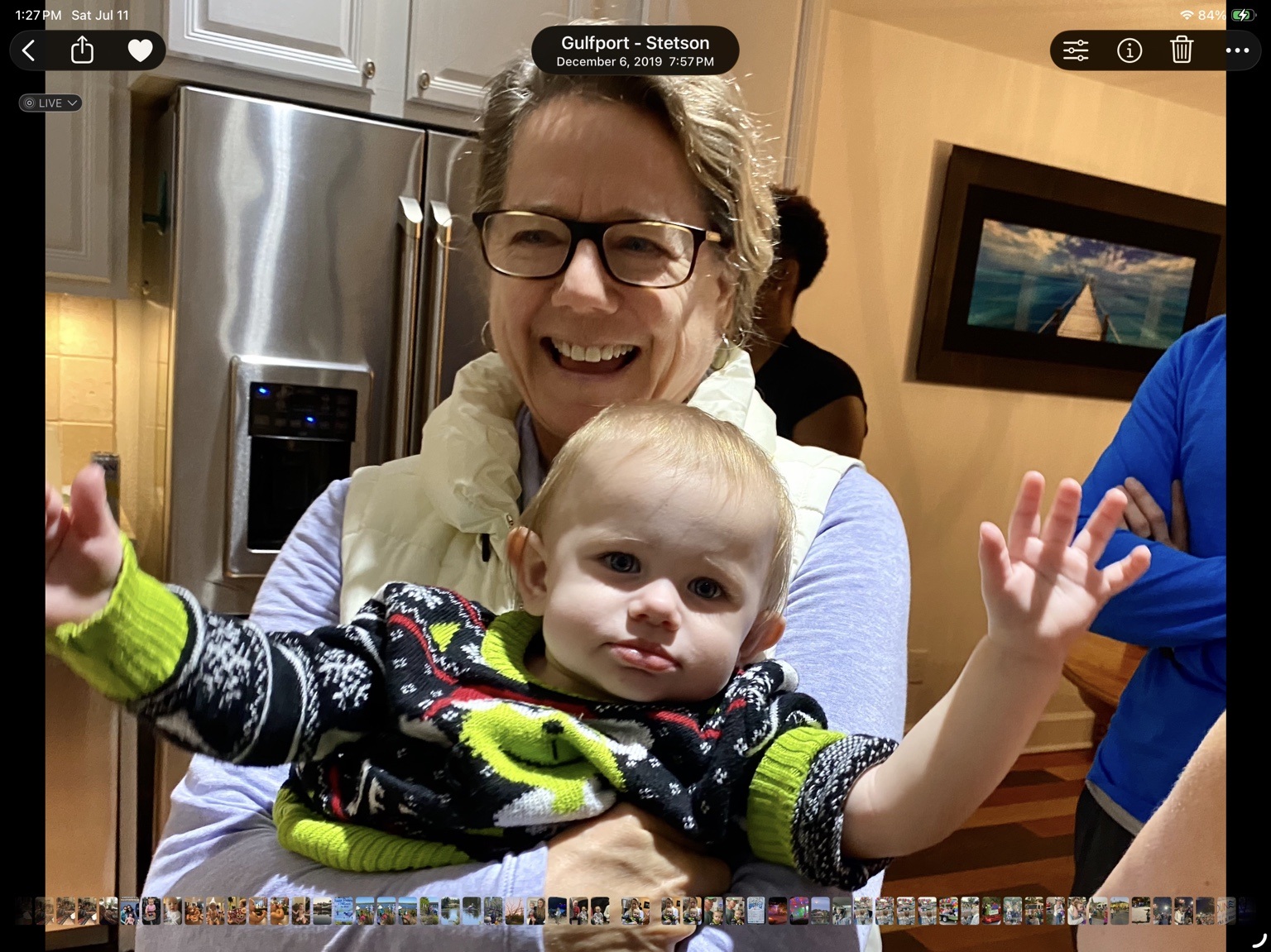
As digital cameras became smaller and easier to use, I carried one almost everywhere. I photographed family vacations, weddings—especially gatherings with Cindy’s family—state fairs, county fairs, pig shows, senior proms, first dates, holidays, and countless ordinary days that later became anything but ordinary.
I was rarely trying to make money from those photographs. I simply enjoyed taking them for other people. I would shoot a large number, select the useful ones, and give everyone the photographs on a thumb drive or send them by email.
I also began posting photographs on webpages so friends and family could see them. Back then, many services allowed people to build a simple site and store photographs for free. The images were tiny by modern standards and internet connections were slow, but it felt amazing to make an entire album available to people without mailing prints.
Because I kept doing it, I now have photographs of nieces and nephews growing up, painting pumpkins, catching their first “big daddy” fish, going too fast in a boat, laughing at family gatherings, and experiencing hundreds of moments that might otherwise have vanished. One glance at a photograph can have everyone laughing and saying, “Remember that day? I had completely forgotten about that.”
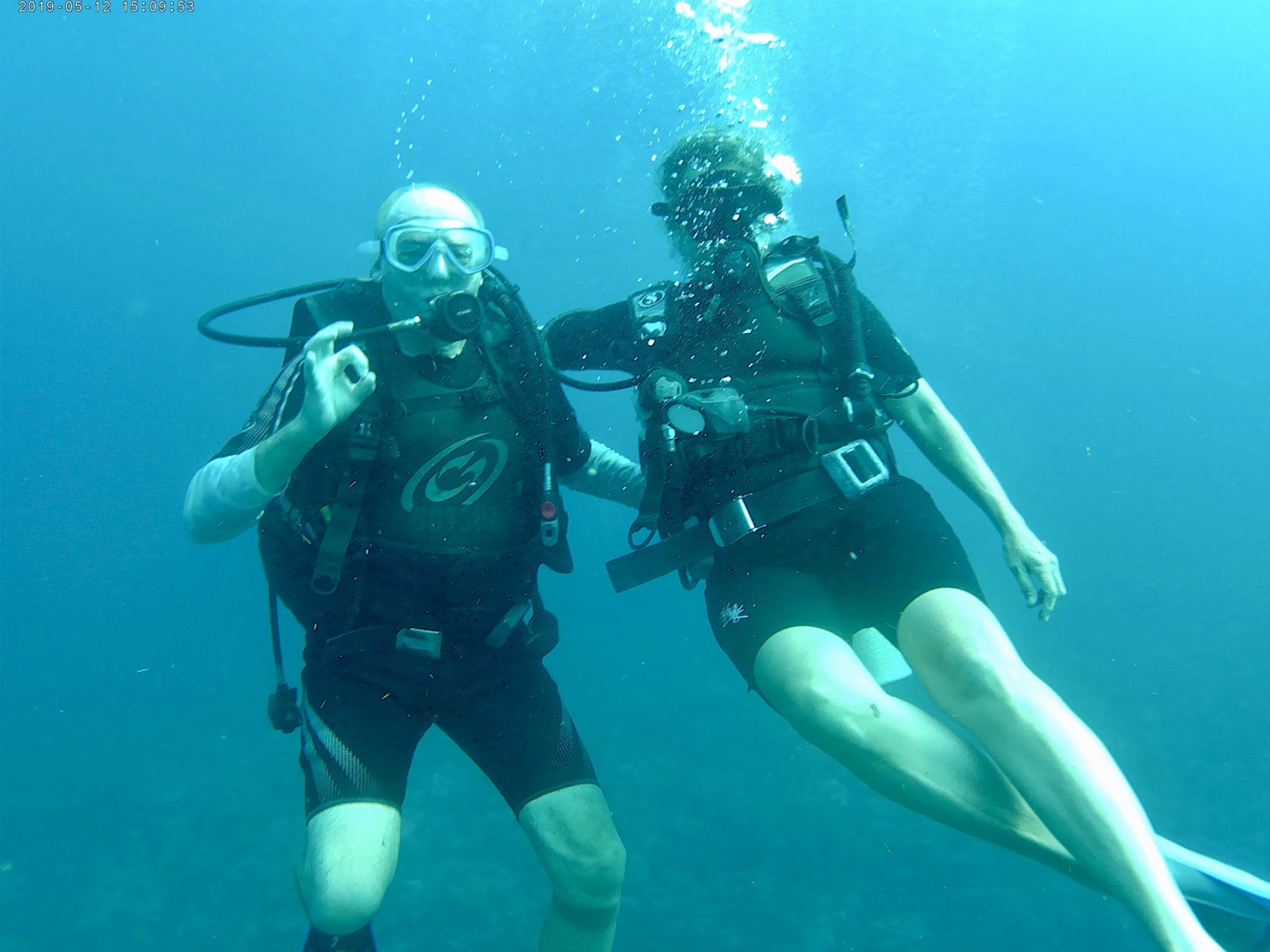
I eventually bought several waterproof and underwater cameras for diving, kayaking, beaches, rivers, and wet outdoor work. A camera that could survive spray, rain, a wet cockpit, or an accidental dunk opened up an entirely different world of photography.
I used underwater cameras while diving in Belize, including dives down around 100 feet—deeper than we probably should have been going and beyond the rated depth of at least one of the cameras. Somehow it stayed dry, continued working, and recorded excellent images.
Later waterproof digital cameras, including Fuji XP-series cameras, became dependable companions for paddling. They allowed me to photograph dolphins, manatees, mangroves, springs, storms, sandbars, wildlife, and other paddlers without constantly worrying that one splash would destroy the camera.
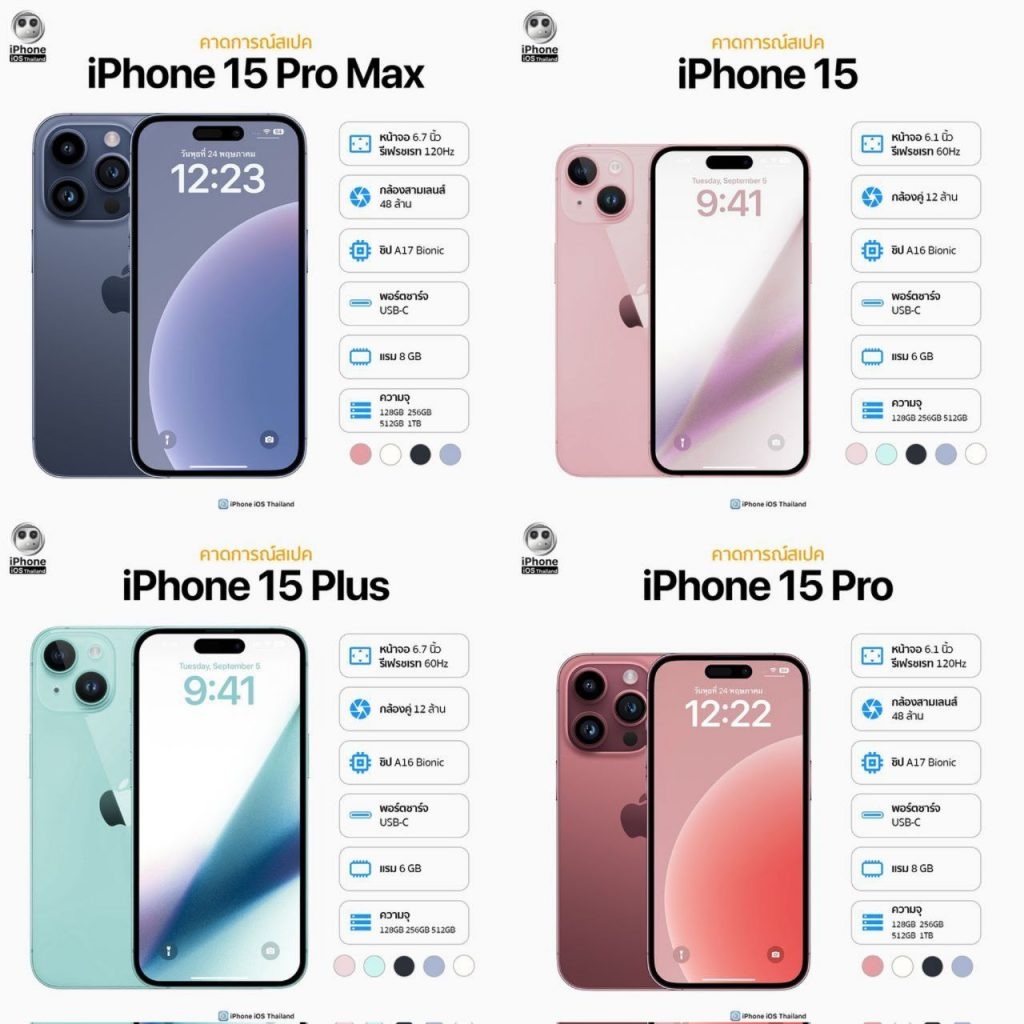
Photography changed again when phones began including genuinely excellent cameras. Today almost all of my photography is done with my iPhone 15 Pro Max. I use it extensively while paddling, traveling, attending festivals, walking, exploring, or simply noticing something interesting.
I no longer hesitate to take a couple hundred photographs during an outing. There is no film cost, I can check the results immediately, and I can delete the misses. When I return home and put the phone on its charger, the photographs sync to my iPad, where the larger screen makes it easier to review them. I may keep only the best five percent and discard the rest.
The fundamentals I learned were composition, exposure, and light. Those still matter, but phones have changed how forgiving photography can be. Exposure can be adjusted after the fact. A wide photograph can be cropped to isolate the real subject. Shadows can be opened, highlights reduced, horizons straightened, and contrast or color adjusted within seconds.
Most of my editing is still simple: straighten, crop, adjust exposure, add a little contrast, and occasionally strengthen the color. I have experimented with shooting RAW images because they contain much more information and allow greater adjustment later. But an unedited RAW image often appears flat, gray, and washed out, which means it demands additional work. I would rather spend my time outside trying to make a good capture than sit for endless hours editing every frame.
I could learn much more about Lightroom, Photoshop, and sophisticated post-processing, but that is not the part of photography that interests me most. I still prefer to find the subject, notice the light, compose it well, and capture the moment in the field.
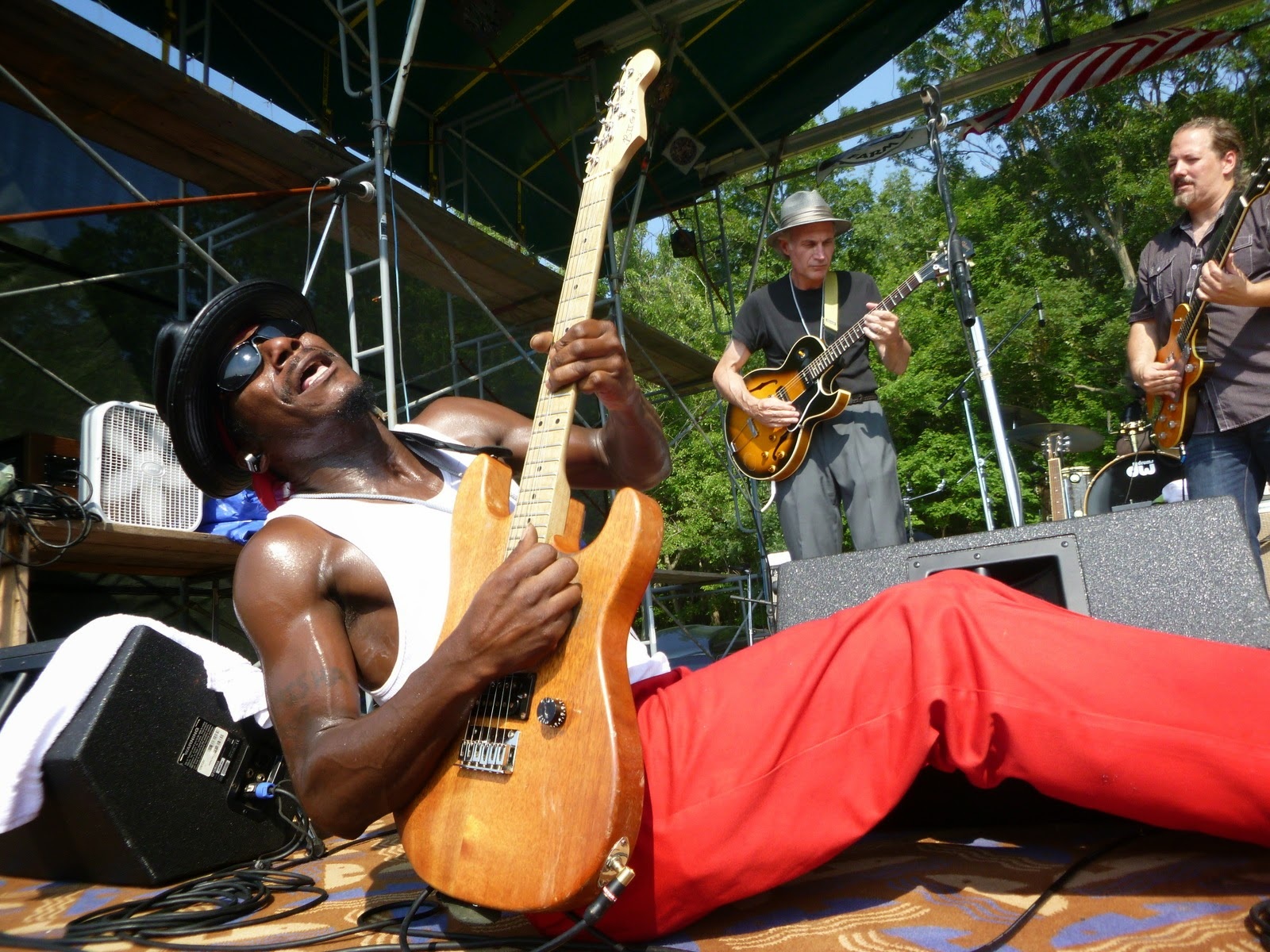
I also take many photographs and videos at music festivals and post the videos on YouTube. At Prog on the Ranch, I was recently asked whether I would serve as the official videographer in exchange for admission and food passes. It was a generous offer and a real compliment.
I decided not to do it, at least for now. I love photographing musicians, the crowd, the energy, and the little moments surrounding a festival. But I also want to talk with people, wander around, listen to the music, socialize, and have fun. Once I become responsible for capturing everything someone else needs, the experience begins to feel like work.
I have seen the same thing happen in outdoor sports. Rafting guides, paddling guides, paragliding instructors, and other people sometimes turn an activity they love into a job, only to discover that obligation changes the experience. I have worked enough in my life. Photography is fun, and I am cautious about turning it into another schedule and another list of requirements.
I still waver. There may come a time when I decide to photograph music professionally, work from the pit, or accept paid assignments. People tell me that I am good at it, and I know I capture some excellent photographs and videos. For now, I prefer the best of both worlds: I photograph what interests me, offer the work freely to artists and friends, and share it on YouTube and my website without allowing it to take over the experience.
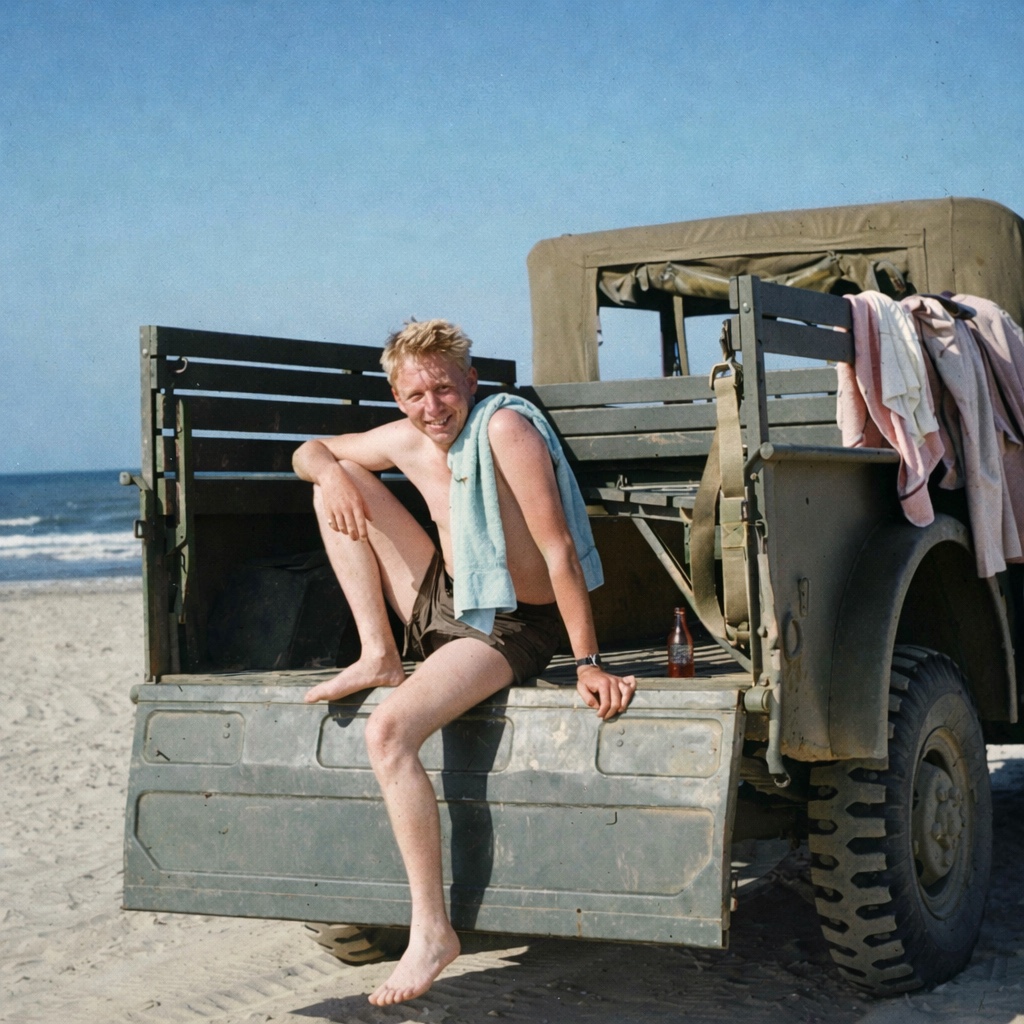
120 film, Kodak 126 and 110 Instamatics, drugstore processing, mail-order film, and the excitement of opening a fresh envelope of prints.
High-school classes, black-and-white darkrooms, the Canon AE-1, rangefinders, tripods, timers, light meters, and deliberate exposures.
Waterproof cameras, iPhones, instant review, thousands of travel images, scanning old prints, and building a visual memoir online.
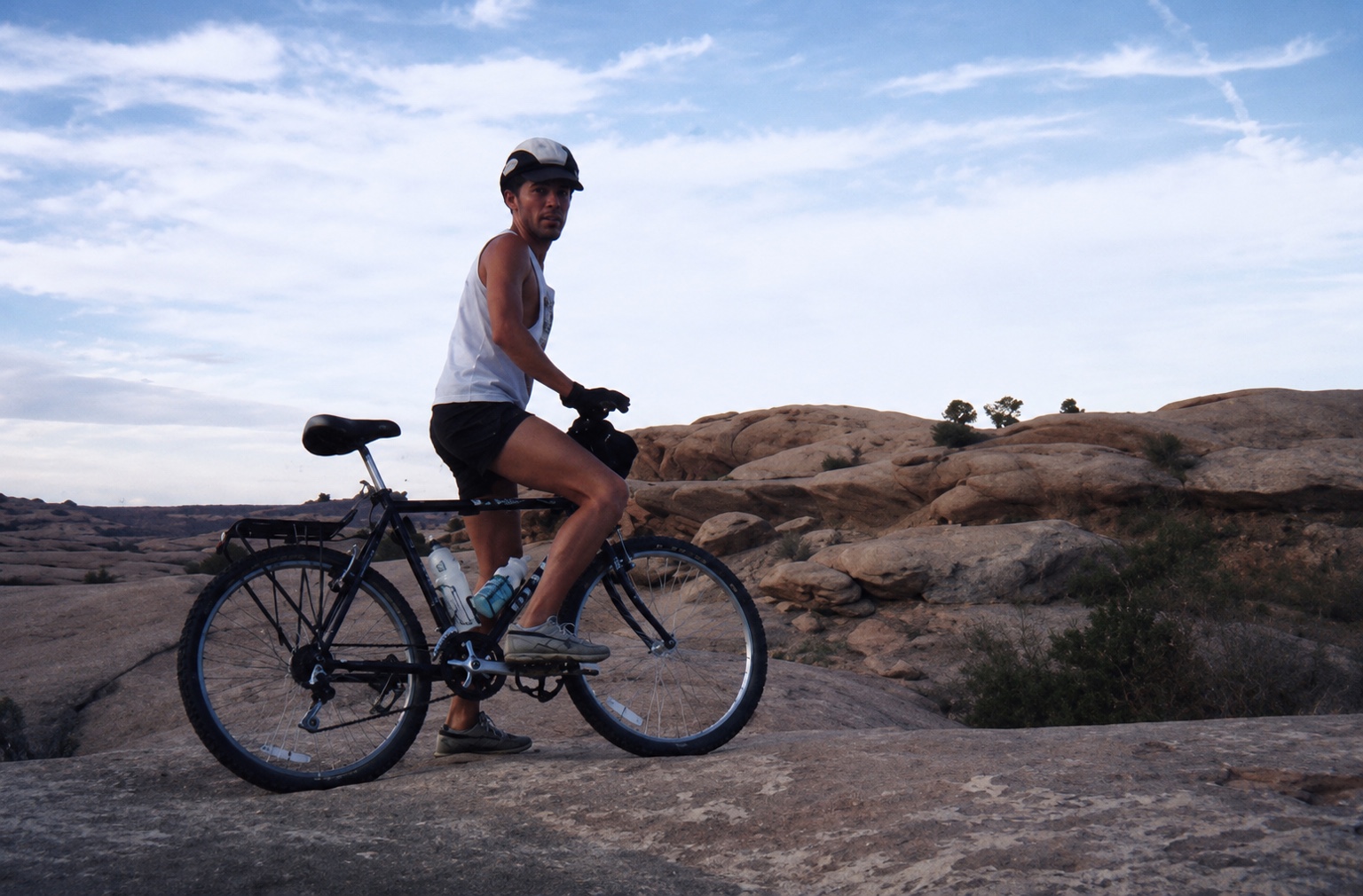
Photography naturally became part of everything else I loved doing. I carried cameras while hiking, backpacking, rock climbing, mountaineering, paddling, fishing, traveling, doing field biology, exploring national parks, and working on rivers and floods with the USGS.
Outdoor photography always involved compromises. A camera had to be light enough to carry, quick enough to reach, and durable enough to survive water, cold, dust, drops, sweat, and rough use. That was one reason I loved the Olympus XA. Later, waterproof digital cameras such as the Fuji XP120 and XP130 became especially useful around kayaks, rivers, rain, and beaches. Today my iPhone 15 Pro Max is usually the camera I have with me, and its quality would have seemed impossible during the film years.
Some activities produced many more photographs than others. Hiking and paddling make it easy to stop, look around, and take pictures. Biking and technical climbing are different. When you are moving continuously, concentrating on balance, safety, weather, traffic, or the next pitch, very few photographs get taken. That is why some of the most important periods of my life have surprisingly few images.

Over the years, I photographed far more than beautiful landscapes. I photographed friends, family, campsites, climbing partners, weather, wildlife, rivers, floods, old foundations, trail signs, boats, gear, strange roadside discoveries, and the small details that help a memory come back decades later.
A perfect landscape photograph is wonderful, but sometimes the most valuable picture is an ordinary one: the car parked at a trailhead, the inside of a hostel, a friend cooking dinner, a wet tent, a handwritten sign, a beat-up backpack, or somebody laughing around a campfire. Those pictures may not have seemed important when I took them, but years later they often tell the story better than the postcard views.
I also learned that it is important to occasionally hand the camera to someone else. Otherwise, the person documenting everything can disappear from his own life story. My father understood that with his tripod and self-timer, and the Olympus XA helped me continue the tradition.
Because I had always taken so many photographs at family gatherings, Christmases, holidays, weddings, and summer vacations, photography naturally became one of the main gifts I gave my family at Christmas.
I would order reprints and assemble enormous albums—sometimes around 300 photographs—for each of my siblings. They were not simply identical copies. I often chose different photographs for each of my sisters, concentrating on the people and memories that would mean the most to each one.
As I scanned photographs from my parents, I included many of those older pictures too. Each album became a combination of recent family life and much older family history. It gave everyone printed copies of images that might otherwise have remained in one box or one person’s house.
Those albums took a lot of time, but they may have been among the most meaningful presents I ever gave. Clothes wear out and electronics become obsolete. Family photographs become more valuable every year.
One of the biggest reasons I created this website is to bring the photographs out of boxes, albums, hard drives, and forgotten folders and make them available to anyone who wants to travel down memory lane.
TimDriskell.com is gradually becoming a giant digital family album as well as a record of my adventures. My sisters, partners, nieces, nephews, old friends, coworkers, and people I met along the way can look back whenever they choose.
Nearly every photograph carries far more memory than what appears inside its frame. I may see one person, campsite, Christmas tree, riverbank, or vehicle, but my mind begins reconstructing the entire day—the conversations, weather, people nearby, what happened next, and why we were there.
As I get older and my memory naturally changes, these photographs will become even more valuable. They give me a way to relive the experiences, keep old friendships alive, and return to parts of my life that might otherwise fade.
Another unexpected gift of photography is the way old pictures influence my dreams. I dream vividly and often, and my dreams frequently revolve around whatever has occupied my thoughts lately.
If I spend an evening scanning photographs of old friends, coworkers, family members, or adventures, those people and places often return during the night. I may wake six or eight times after vivid dreams of being back on an old mountain trail, paddling a river, working with a USGS crew, traveling through the West, or continuing an adventure that ended decades ago.
Sometimes the dreams replay something that really happened. Other times my mind invents a new chapter. The same people are there and the landscape feels familiar, but the adventure continues along a path we never actually took.
For a little while, I am not merely remembering the past—I am living inside it again. Photographs do more than preserve memories. Sometimes they wake those memories so completely that they continue into our dreams.
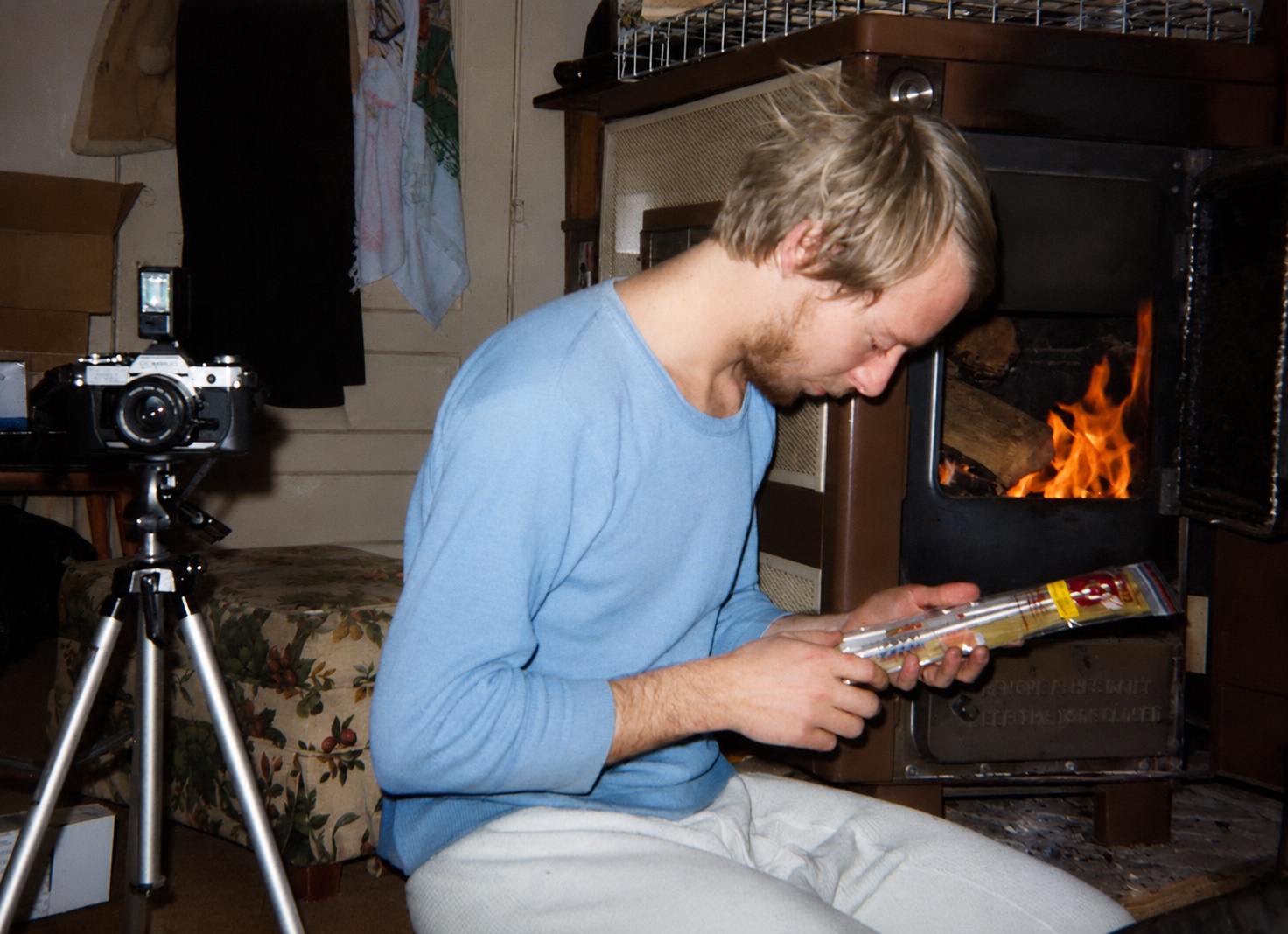
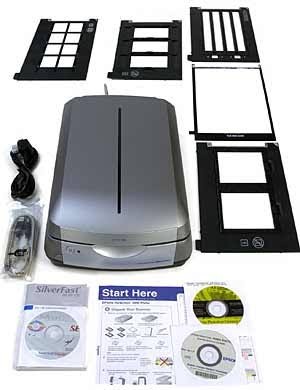
One of my biggest photography projects now is preserving the past. I have boxes of prints, slides, negatives, albums, and enlargements from many different periods of my life. I have been scanning older photographs with an Epson 4990, using VueScan and digital restoration tools such as Topaz to recover faded color, sharpen details, remove damage, and make old images usable again.
Scanning is slow, but it has been worth it. Every batch brings back people, trips, and memories I may not have thought about in years. Some images answer questions. Others create new ones. A single photograph can bring back the weather, the smell of a place, the people who were there, the vehicle we drove, and the story surrounding that moment.
Those restored photographs are now becoming part of TimDriskell.com. The website gives me a way to combine the pictures with the stories behind them—something a box of prints or a phone gallery cannot do by itself.
The tools have changed completely. I began with film, hand-held meters, manual focus, mailed processing, enlargers, chemical trays, and red darkroom lights. Now I can take a photograph on a phone, adjust it immediately, back it up, share it with family, and place it on a webpage within minutes.
Digital tools can also restore old photographs in ways that once would have required a professional laboratory. But the basic lessons remain the same: pay attention to the light, think about the background, compose carefully, focus on what matters, include the people, and take the photograph while you have the chance.
No amount of technology can recreate a moment that was never photographed.
These placeholders can later be replaced with full-size, clickable photographs from different periods of your life.
I have tens of thousands of photographs—probably well into the hundreds of thousands by now. So much of life happens as a fleeting moment, even when the moment is part of an incredible event. I have forgotten easily ninety-something percent of the fun things I have done, the conversations, the people who were present, the details of the place, and the little incidents surrounding the main story.
Then I see one photograph and an entire flood of memory returns. I remember who was there, what happened before and afterward, what the weather felt like, what we were laughing about, where we stayed, and why that day mattered. A photograph can unlock a room in the brain that seemed to have been closed for decades.
There are also adventures for which I have no photographs. I remember that something wild, funny, difficult, or beautiful happened, but I can barely retrieve the details. I know the memory is stored somewhere, yet without a visual key it can remain just out of reach. That is one of the strongest reasons I encourage people who enjoy photography to take the picture. One thing I've discovered recently though, is that often times, sitting with plant medicine, especially under the guidance of a shaman, can help me remember adventures where no photos were taken, but that are stored in the brain somewhere...... just gotta go back in time and find them!🍄
Photography is also a window into the world. This planet is astonishing, and any one of us will see only a tiny fraction of it firsthand. Through photographs we can visit distant mountains, oceans, cultures, wildlife, families, celebrations, disasters, and ordinary lives completely different from our own.
Not everyone needs to become a photographer, and no one should feel obligated to experience life through a screen. But for those who enjoy it, do not hesitate. Use the phone already in your pocket. Photograph the great views, but also photograph the people, the strange signs, the campsites, the kitchens, the muddy shoes, the old cars, the children painting pumpkins, the fish someone proudly caught, and everyone laughing in the boat.
Someday, one of those apparently ordinary photographs may cause an entire family to stop, laugh, and say, “Oh my God—remember that day? I had completely forgotten about that.”
A photograph can never replace the experience itself. But it can open the door and let the experience come alive again.