Tim Driskell's Adventures

Fungi

Mushrooms, mycelium, decomposition, forest ecology, and the hidden life beneath our feet.

A hidden kingdom

Fungi are among the easiest things to overlook in the woods, yet once I began paying attention to them, I started seeing them everywhere. I've taken hundreds of photos of them, and these are just a few, and are mostly from my decades in Massachusetts. They appeared on old logs, damp soil, fallen branches, tree trunks, and leaf litter—sometimes plain and earth-colored, sometimes bright enough to stop me in my tracks. When I lived deep in the forest in Ashburnham, they were everywhere!

The mushroom we see is only the fruiting body. Most of the organism is hidden in the soil or wood as a network of threadlike mycelium. That unseen network breaks down organic matter, releases nutrients, and often forms close partnerships with tree roots. A healthy forest depends on fungi far more than most people realize.
Did you know? A mushroom is usually only the visible reproductive structure. The main body of the fungus may extend through soil or decaying wood as a vast network of mycelium.
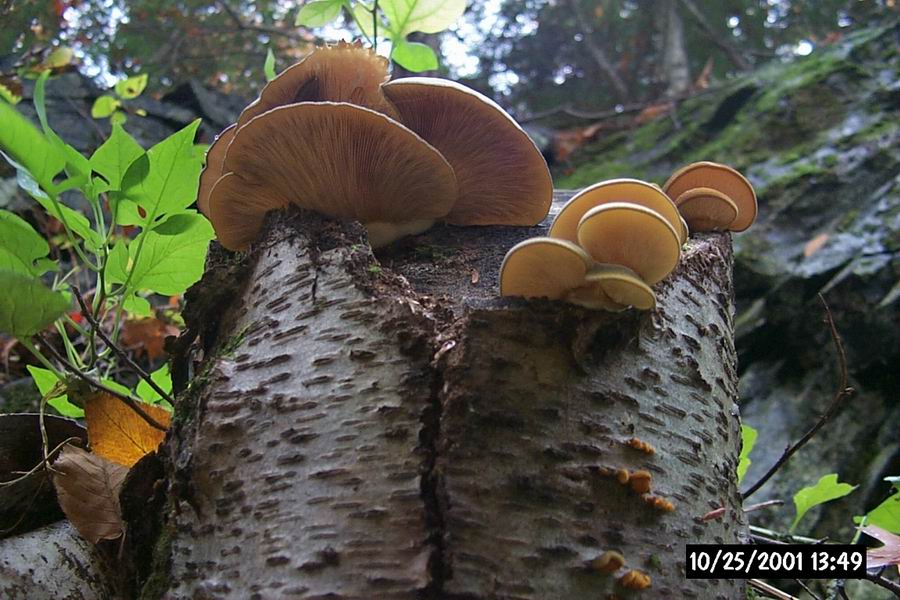
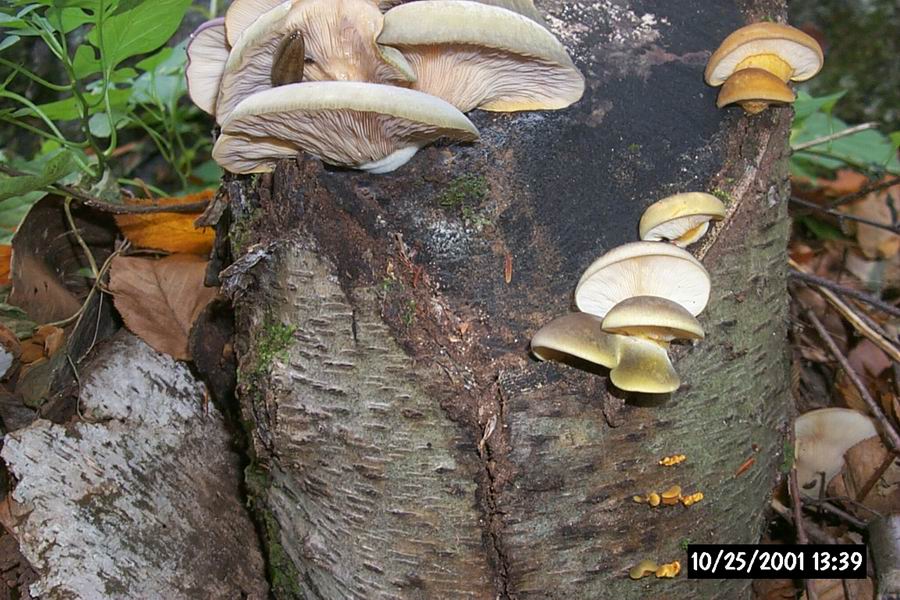
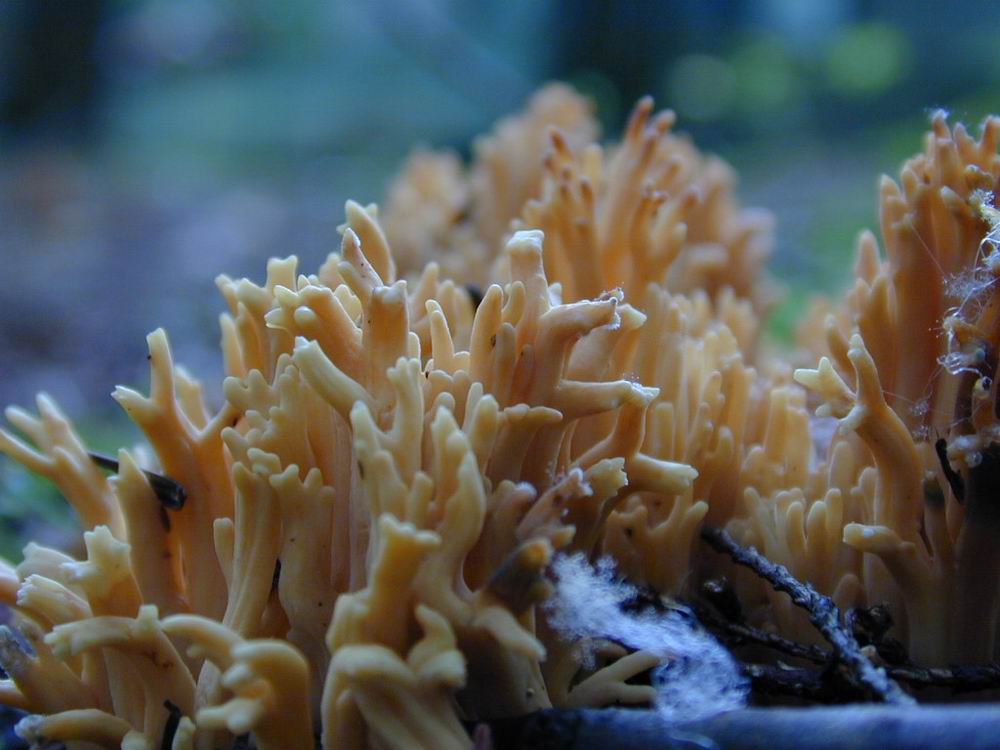
A striking cluster of fungi emerging from the forest floor.

Learning to slow down

Photographing fungi made me slow down. Hiking can easily become a matter of covering miles, reaching a summit, or getting to the next campsite. Mushrooms invite a different kind of attention. They reward the person who stops, looks closely, circles a log, kneels beside the trail, and notices what is happening at ground level.

That habit of looking closely has been part of my life for a long time. Whether I was studying insects, streams, wetlands, or forests, I was always fascinated by the smaller pieces that reveal how an ecosystem works. Fungi fit perfectly into that curiosity.

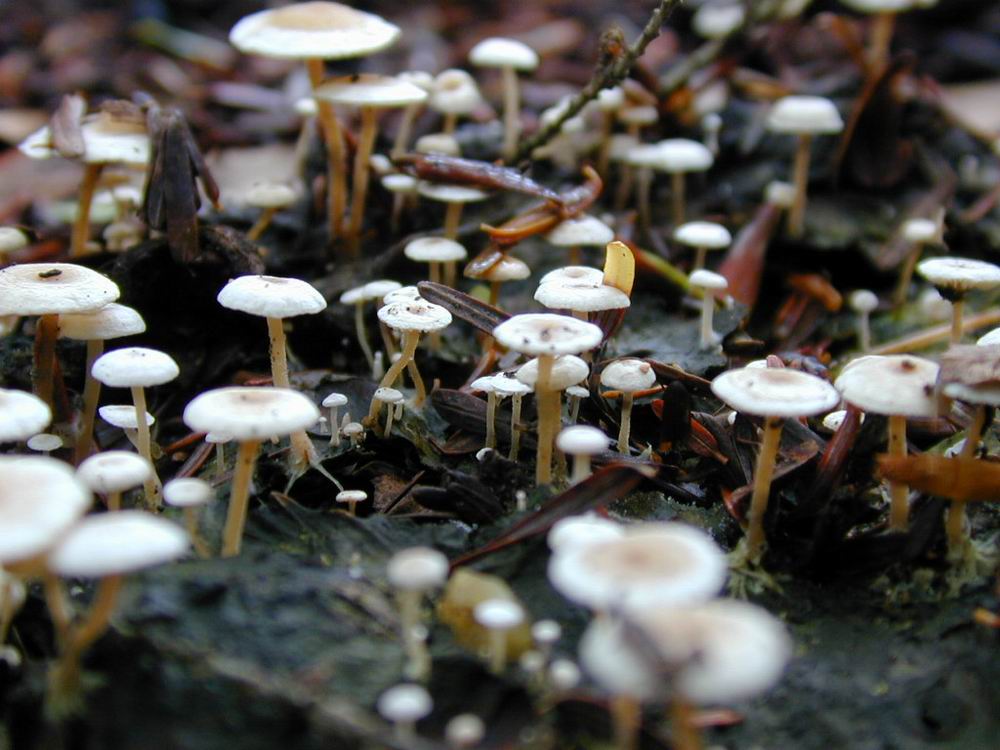
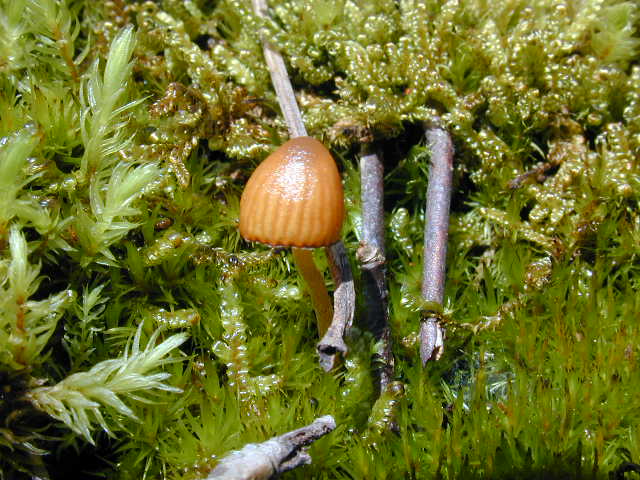
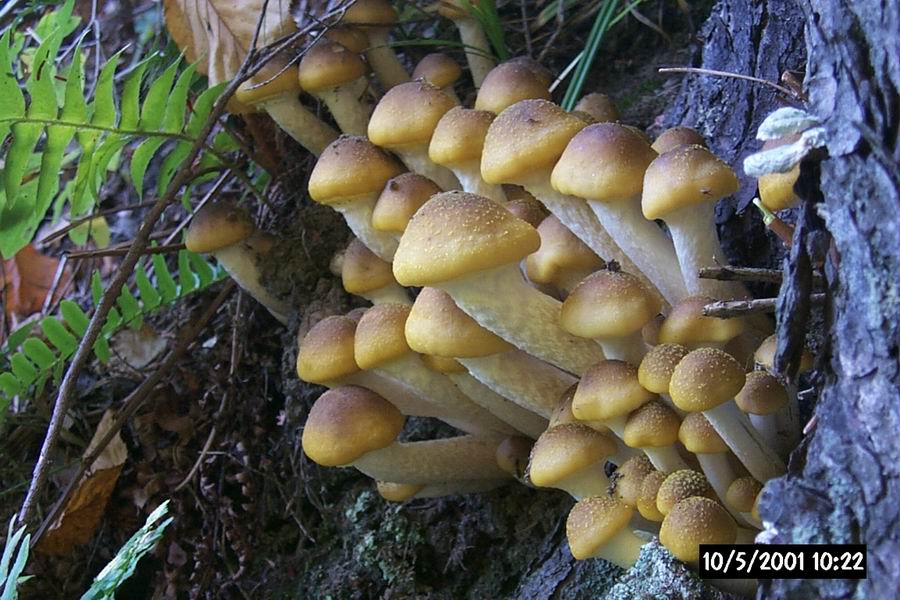
Mushrooms rising from damp woodland soil after favorable growing conditions.

Nature's recycling system

Without fungi, forests would be buried under dead wood and leaves. Fungi are some of the world's most important decomposers. They break down material that many other organisms cannot, returning nutrients to the soil and making them available again to plants.

Some fungi also form mycorrhizal relationships with trees. Their underground filaments help roots absorb water and nutrients, while the trees provide sugars produced through photosynthesis. It is a quiet exchange taking place beneath our feet, and it is one of the reasons forests can function as complex living communities.

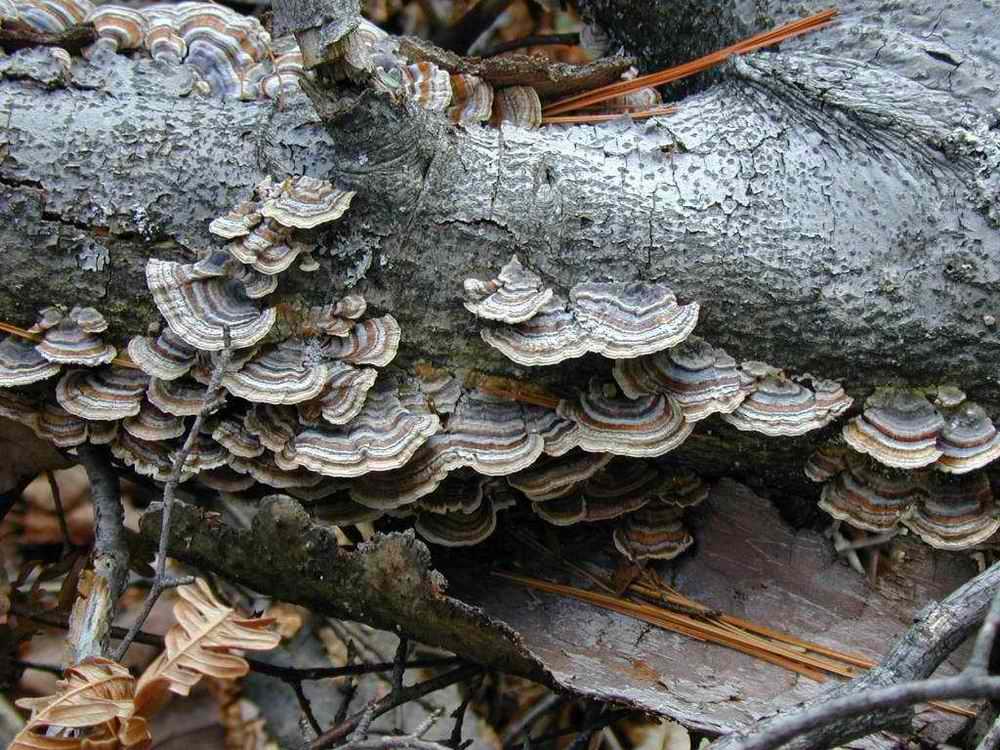
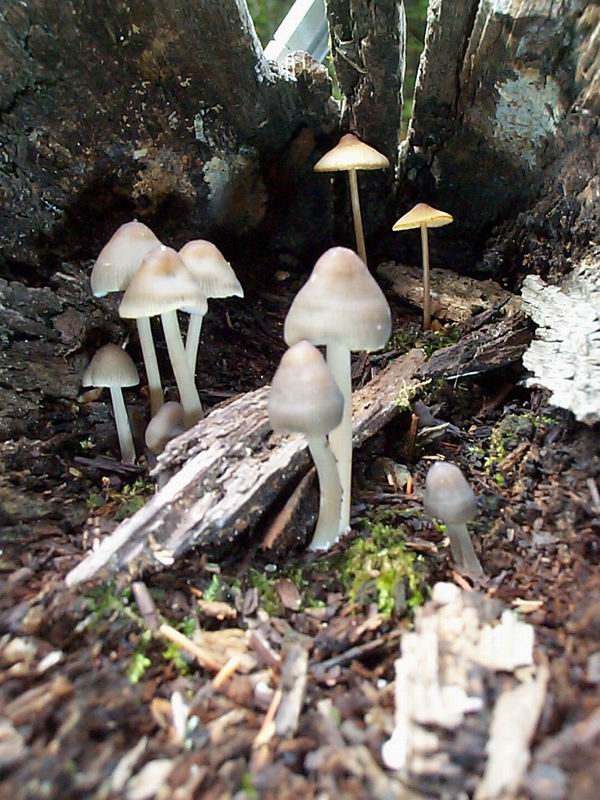
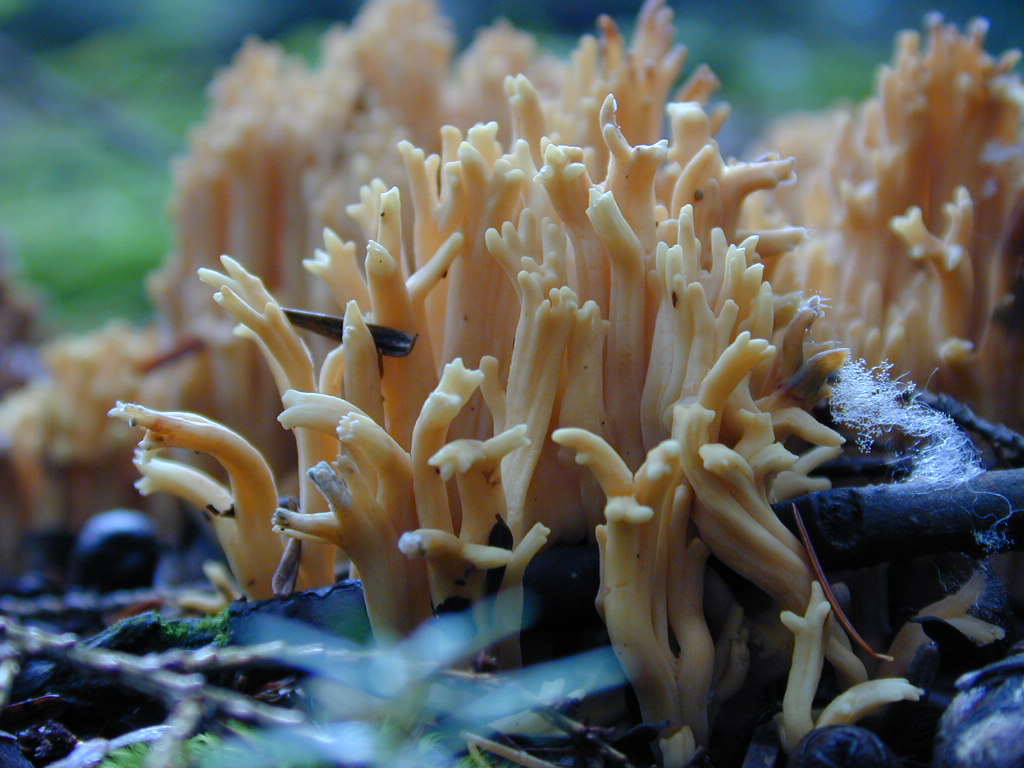
Woodland fungi photographed near West Deerfield, where moisture and decaying wood support an extraordinary variety of life.
Woodland fungi photographed near West Deerfield, MA, where moisture and decaying wood support an extraordinary variety of life.

A lifetime of curiosity

My interest in fungi connects naturally with the rest of my life outdoors. As a child growing up in South Florida I was fascinated by insects and small creatures. In 1997, immediately after returning from four weeks in the Amazon with the Smithsonian, I began graduate school, and my first graduate course was Entomology. Later, my USGS work brought me into streams and wetlands where I studied the biological signs of ecosystem health.

Fungi belong in that same story. They are another reminder that some of the most important parts of nature are easy to miss unless we make the effort to look.

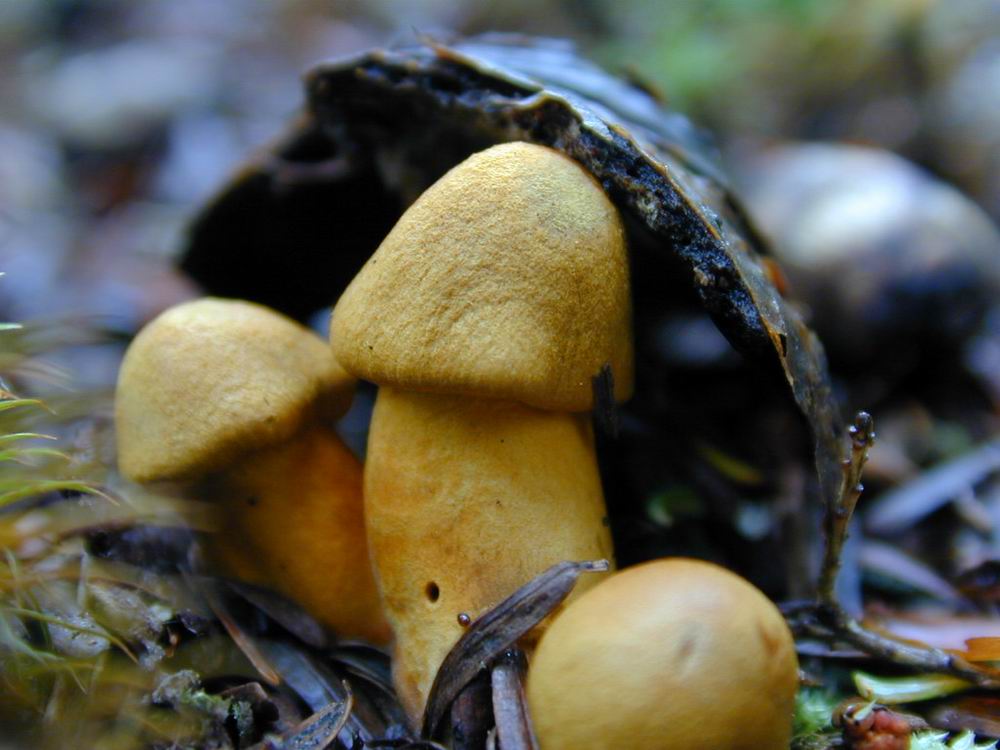
A seasonal flush of mushrooms, one of the most visible signs of the much larger fungal network below ground.

A different chapter in the fungi story

Although this page focuses on fungi in general, I have also created a separate page devoted to the history, biology, culture, and modern scientific research surrounding psychedelic mushrooms.

My own interest in the subject grew after Kym and I stumbled upon a remarkable community high in the rural mountains of central Mexico. The area has a long tradition associated with mushroom ceremonies and has attracted curious visitors, researchers, writers, and explorers from around the world for decades. Visiting the region gave me a much deeper appreciation for both the cultural history and the growing scientific interest in these remarkable fungi.

Visit the Magic Mushrooms Page

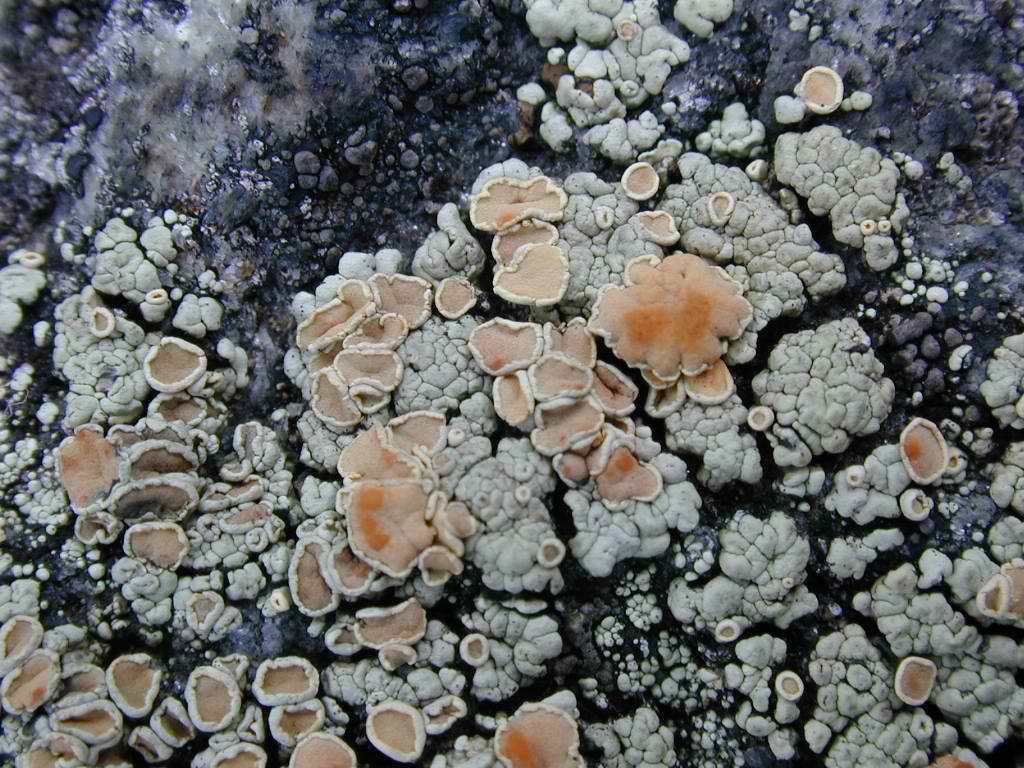
Forest fungi representing another chapter in the cultural and scientific story of mushrooms.
Fungi have inspired scientific study, cultural traditions, and human curiosity in many different parts of the world.

Photo Gallery

Every photograph currently in the fungi folder is included below at large size. Click any image to open the full-resolution original.