Some of my favorite adventures were never planned. They began with a side road that looked interesting, a cliff above the highway, an old forest road disappearing through the trees, a dry wash beneath a bridge, or the simple thought that there might be something worth seeing around the next bend.
My neck has always been on a swivel when I drive. I am constantly looking off to the side for a canyon, gully, ridge, rock slide, ledge, dirt road, or opening in the trees. My foot comes off the gas, I slow down, and I start thinking, That looks interesting. Maybe I should go check it out. Thousands of times in my life, I have done exactly that.
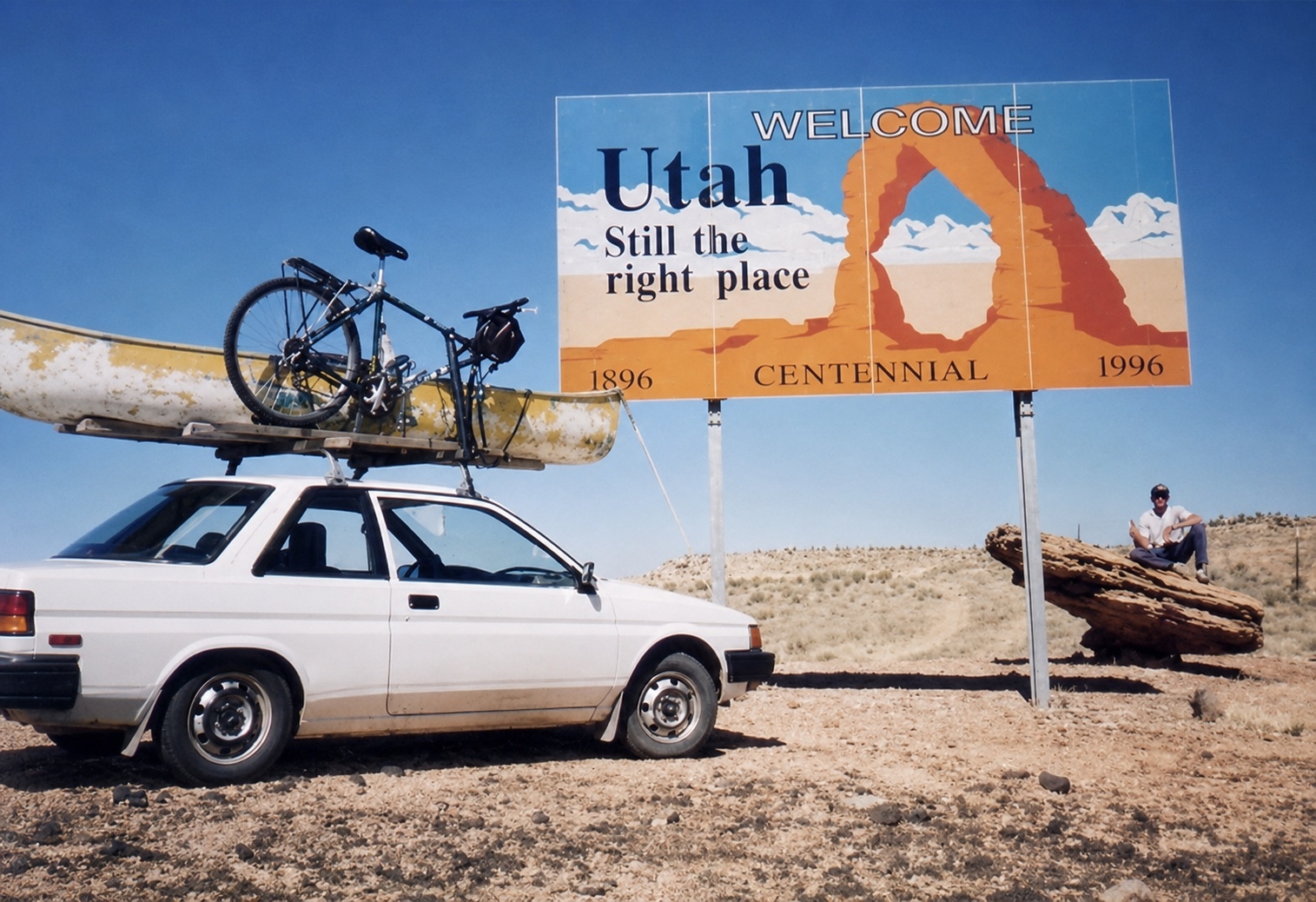
Following Whatever Looks Interesting
Sometimes I see a cliff or a line of rock ledges high above the road and wonder whether I can get there. I pull over at the first convenient place that looks promising—perhaps a gully, canyon, drainage, ridge line, game trail, or faint path. I leave the vehicle near landmarks I can recognize from a distance, put water, food, a wind jacket, and an extra layer into my pack, and begin working out a route.
The route does not need to lead anywhere famous. The pleasure is in figuring it out: following a drainage until it narrows, climbing a ridge until the view opens, or discovering an entire hidden place that people driving past never realize is there.
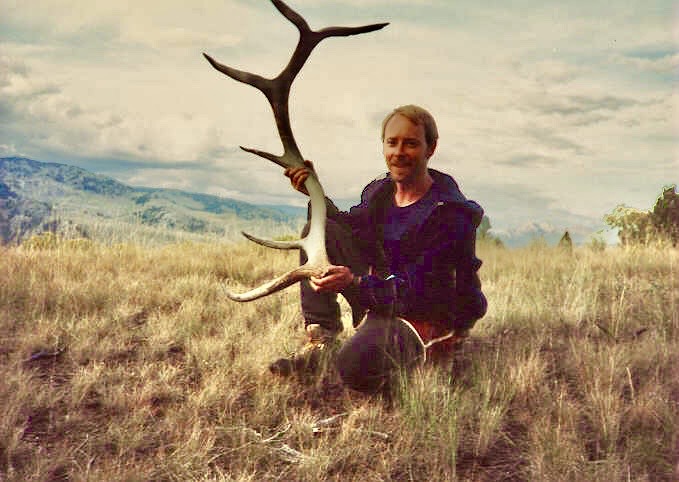
Yellowstone Beyond the Road
The Lamar Valley in Yellowstone is a perfect example. I can head down a trail and then, where it is lawful and safe, wander away from the usual route simply to see what is there. That is how I have found all kinds of wild things, including the large shed antler in this photograph. The real reward is not just the object itself, but the feeling of moving through a broad, living landscape and discovering something that could never have been scheduled.
Exploration still requires judgment. I keep my distance from wildlife, respect closures and protected areas, avoid damaging fragile ground, and make sure I can navigate back. Going without a rigid plan does not mean going without common sense.
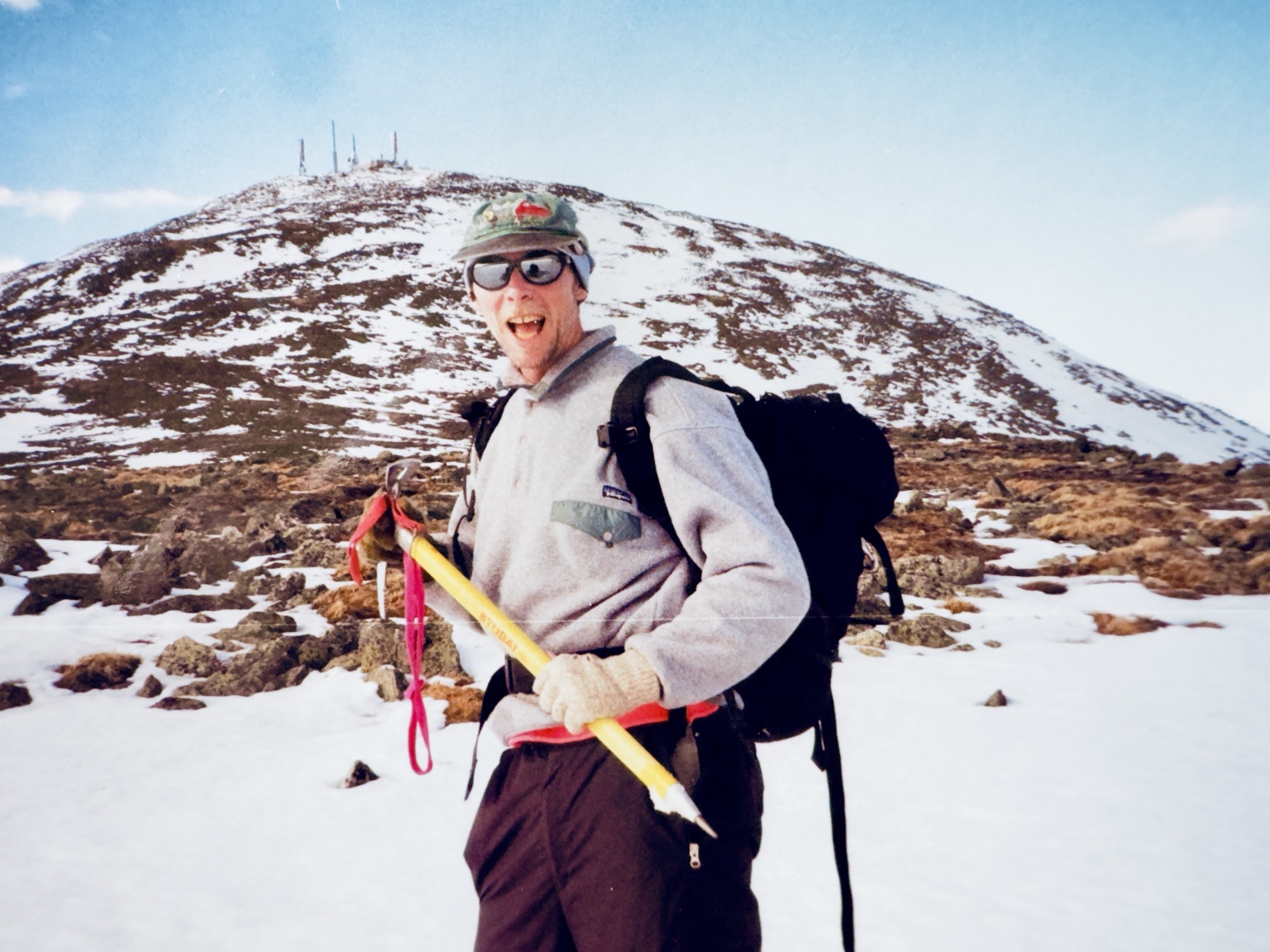
The Same Curiosity in Winter
That instinct followed me into the mountains of New England as well. In winter, the landscape changes completely. A familiar trail can disappear beneath snow, a rocky slope can become an icy route, and wind and visibility can determine whether you keep climbing or turn around. The freedom of exploration only works when it is paired with careful observation and the willingness to change the plan.
Years of hiking, backpacking, climbing, and mountaineering taught me to pay attention to the sky, wind direction, temperature, snow conditions, and the way the terrain funnels weather. Those lessons made it possible to explore farther while still understanding that getting home safely is always part of the adventure.
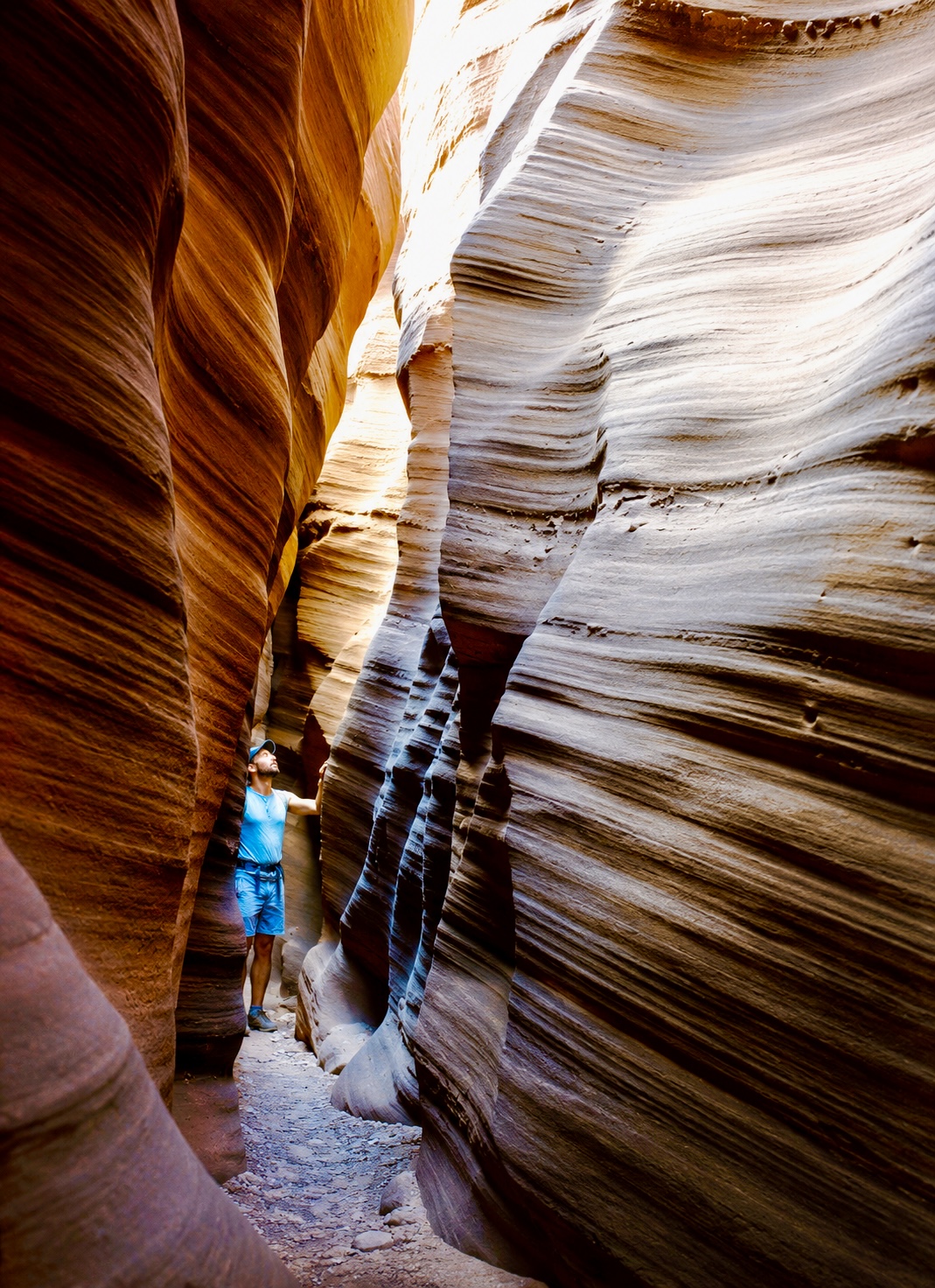
Slot Canyons and the Public-Land West
In Utah and Arizona, that same instinct leads into an entirely different world. At countless bridges, pullouts, and road crossings, you can stop and walk down into a dry wash. Follow it far enough and it may divide into smaller drainages. Follow one of those uphill and the walls may begin to close in until the wash becomes a small slot canyon.
Many slots continue only a short distance, but that hardly matters. The sculpted walls, reflected light, potholes, side passages, and feeling of entering a hidden place can make even a brief exploration unforgettable. Slot canyons demand special caution because storms many miles away can produce sudden flash floods, so weather, drainage size, and a clear escape route always matter.
The Grand Circle Is Made for Exploring
One of the best trips anyone could possibly take is the Grand Circle—sometimes called the Grand Tour—through southern Utah and northern Arizona. I have taken versions of that trip probably six or seven times, perhaps even eight. The national parks are spectacular, but the parks are only part of what makes the region extraordinary.
Between Zion, Bryce Canyon, Capitol Reef, Canyonlands, Arches, Monument Valley, the Grand Canyon, and the other famous destinations is an enormous amount of public land, especially Bureau of Land Management land and national forest land. That is one of the best reasons to explore this region when you want to get away from a fixed itinerary. There are dirt roads, dry washes, slickrock benches, unnamed side canyons, and long open stretches where curiosity can still determine the route.
For someone who wants to go off trail, use good navigation, and explore responsibly, it is hard to imagine a better place. The famous parks give the trip its framework, but the BLM lands and back roads between them are often where the most personal adventures happen.
Never Following the Simple Path
I have done the same kind of exploring all over New England, Cape Cod, Florida, and while traveling for the U.S. Geological Survey. Dirt roads, old bridges, rivers, forests, wetlands, cliffs, and trails kept appearing in front of me, and life was good enough to give me the time and curiosity to follow many of them.
I have never been one to follow the simple path in life. The unknown has always interested me more than the familiar. Some of my greatest memories began when I pulled over for no reason other than curiosity, grabbed my pack, and asked one simple question:
Life has been good to me so far.
A big part of the reason is that I have spent so much of it exploring.