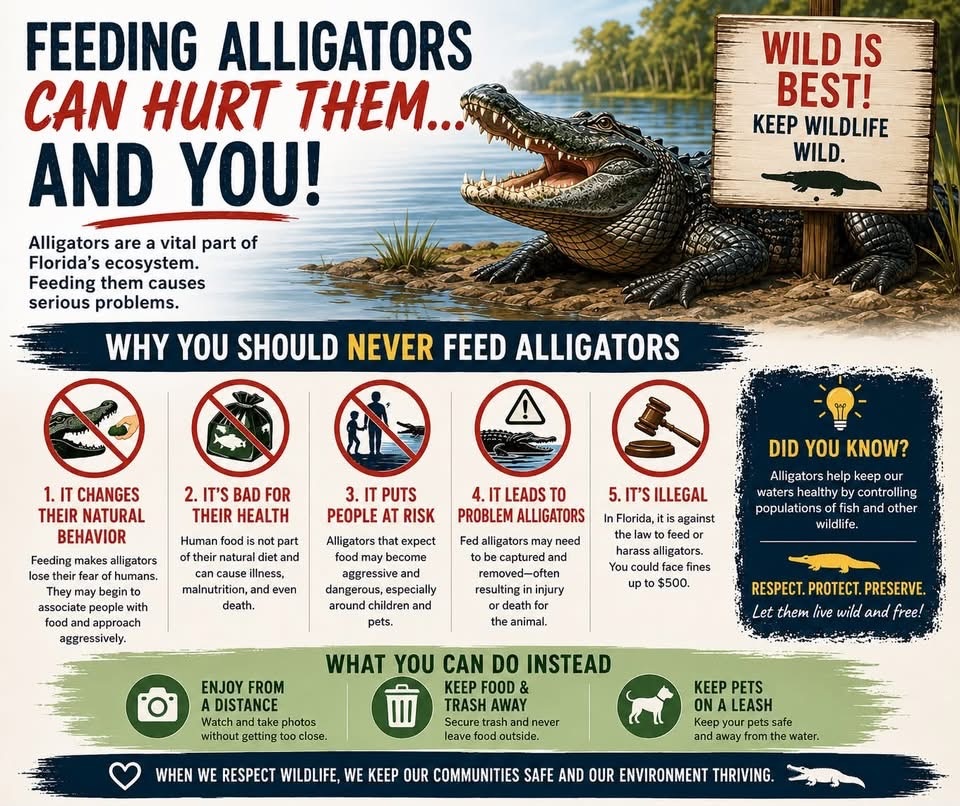
They Are Simply Part of Florida
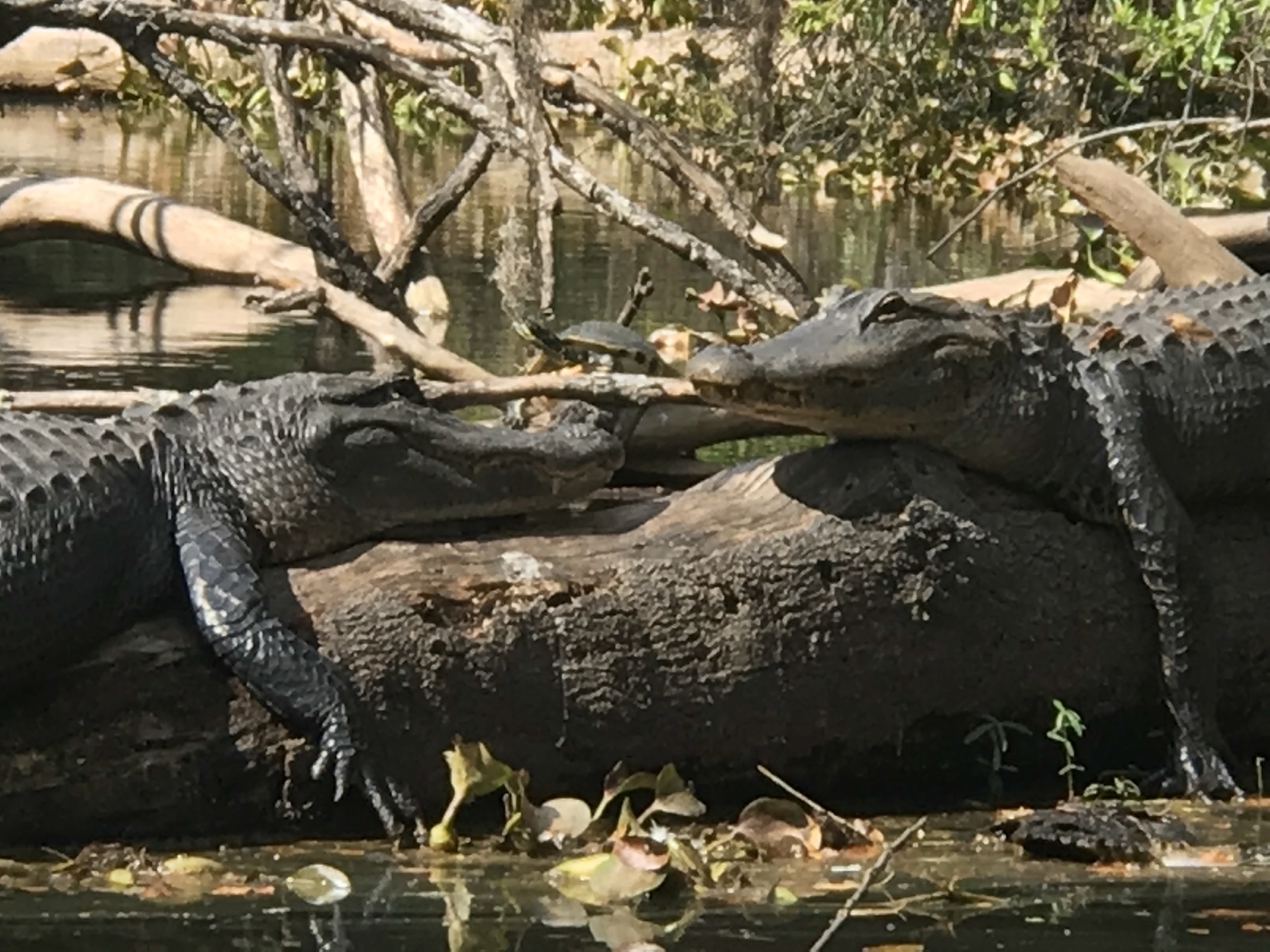
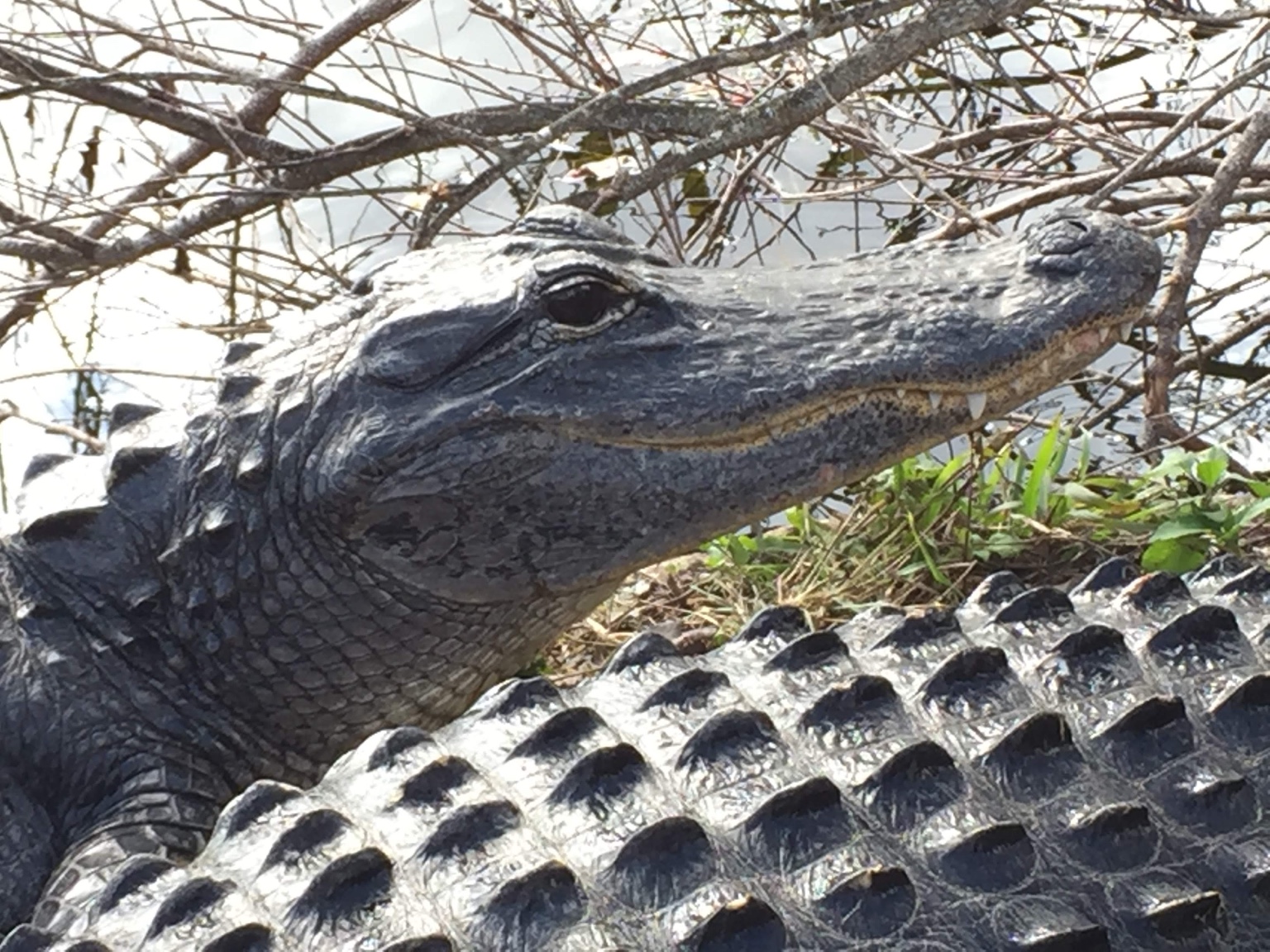
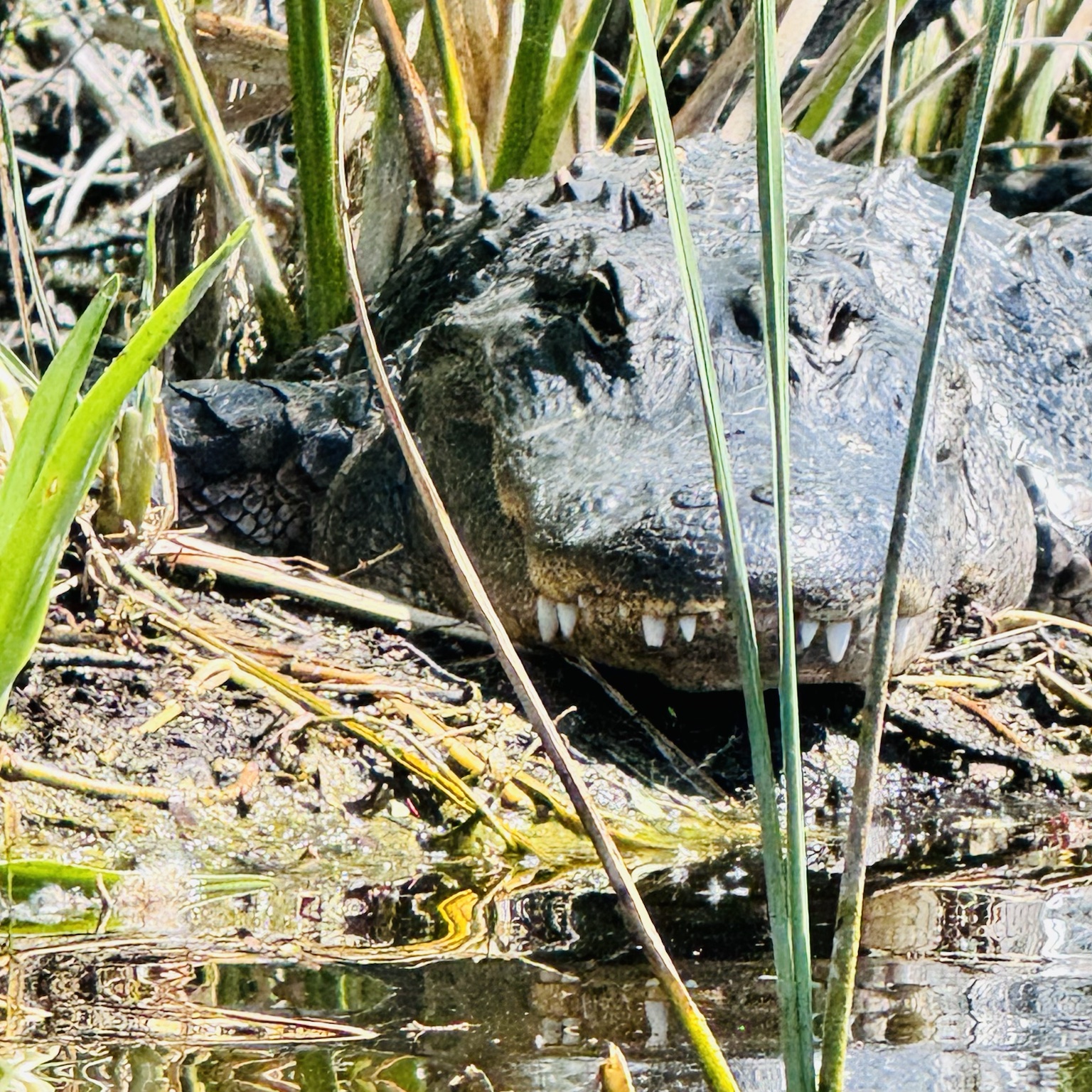
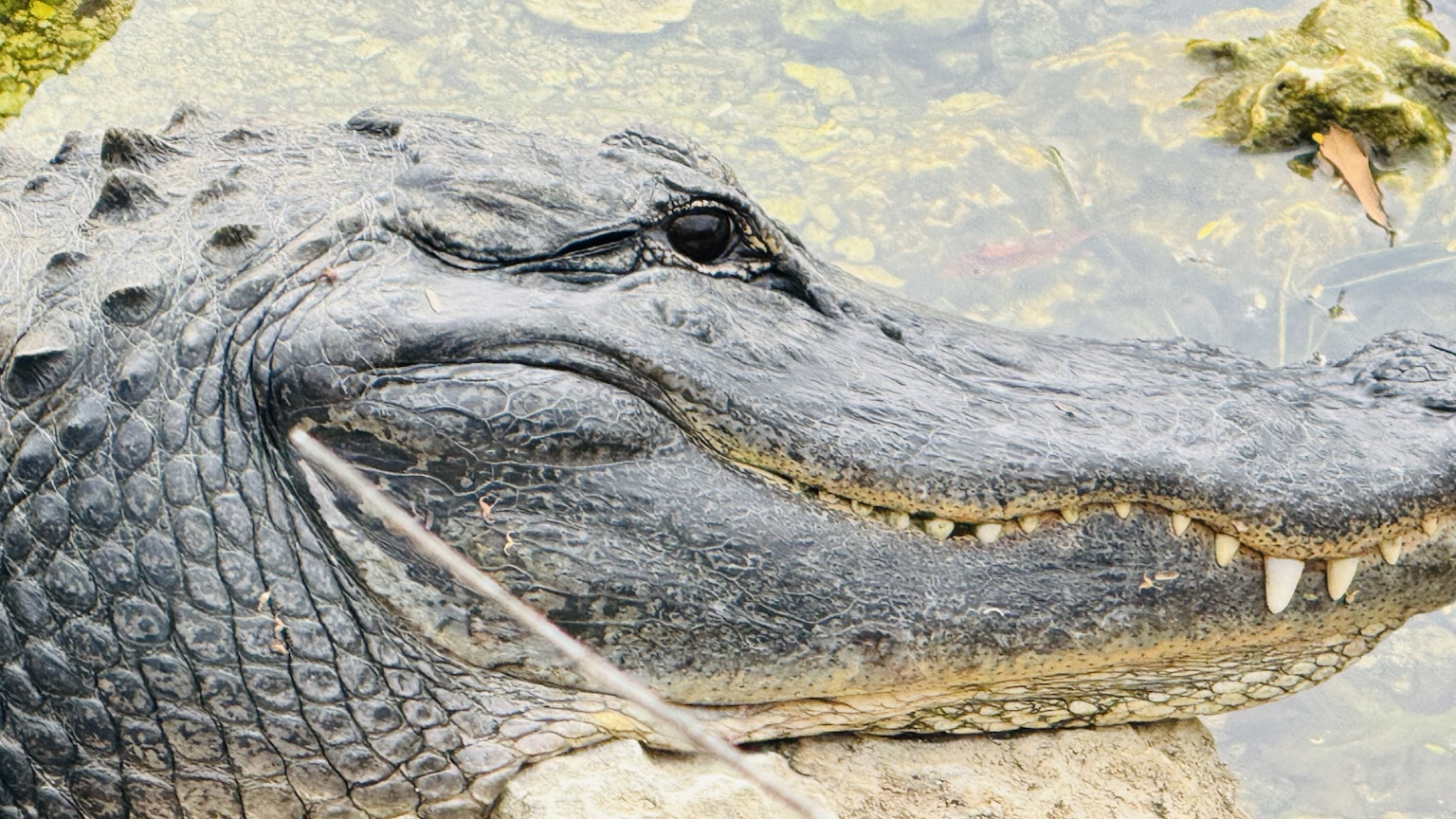
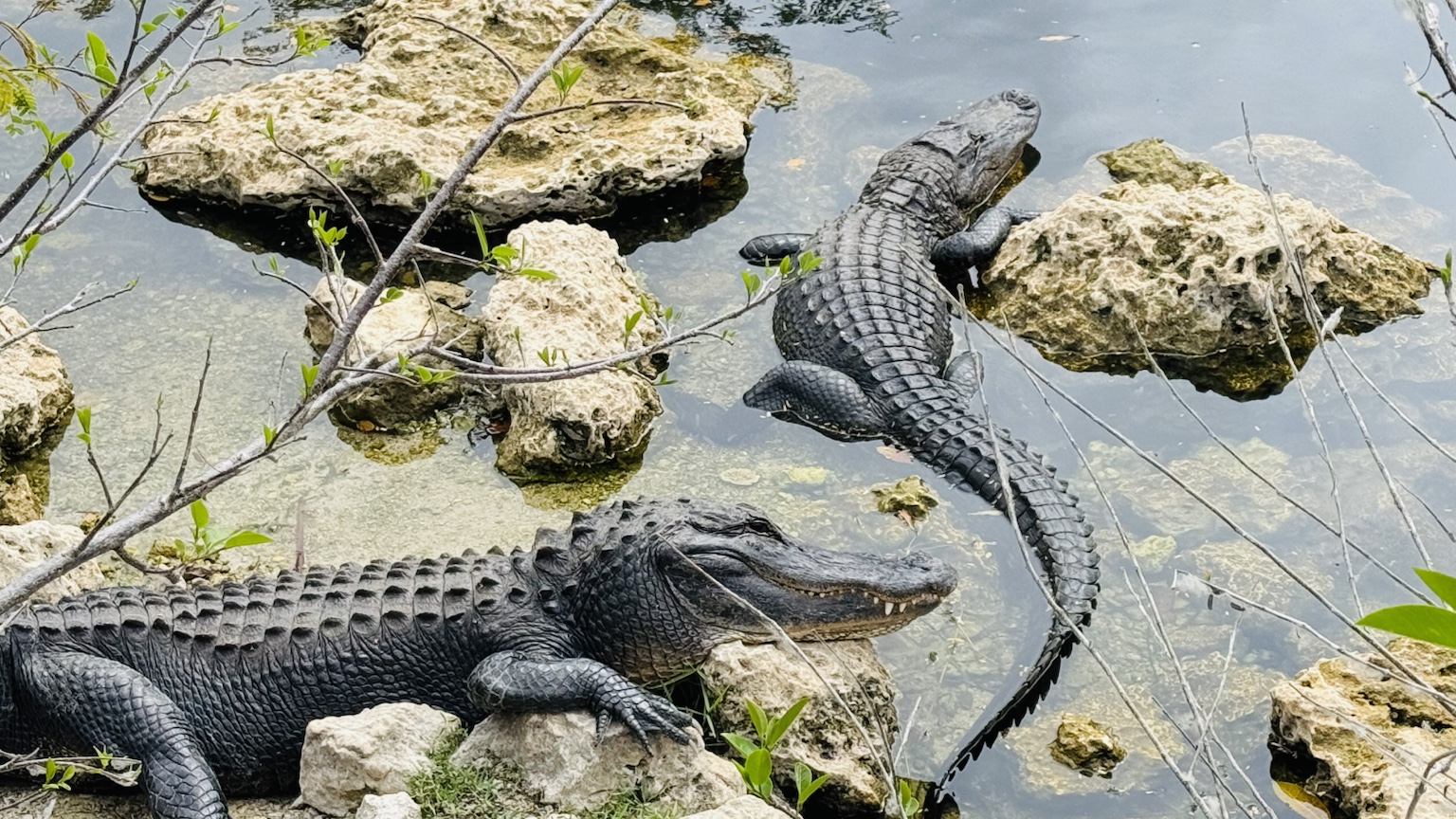
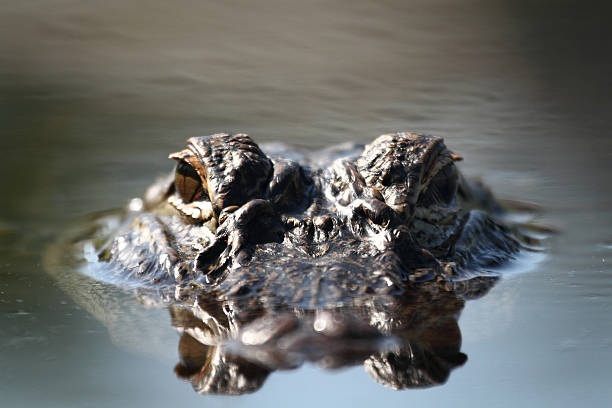
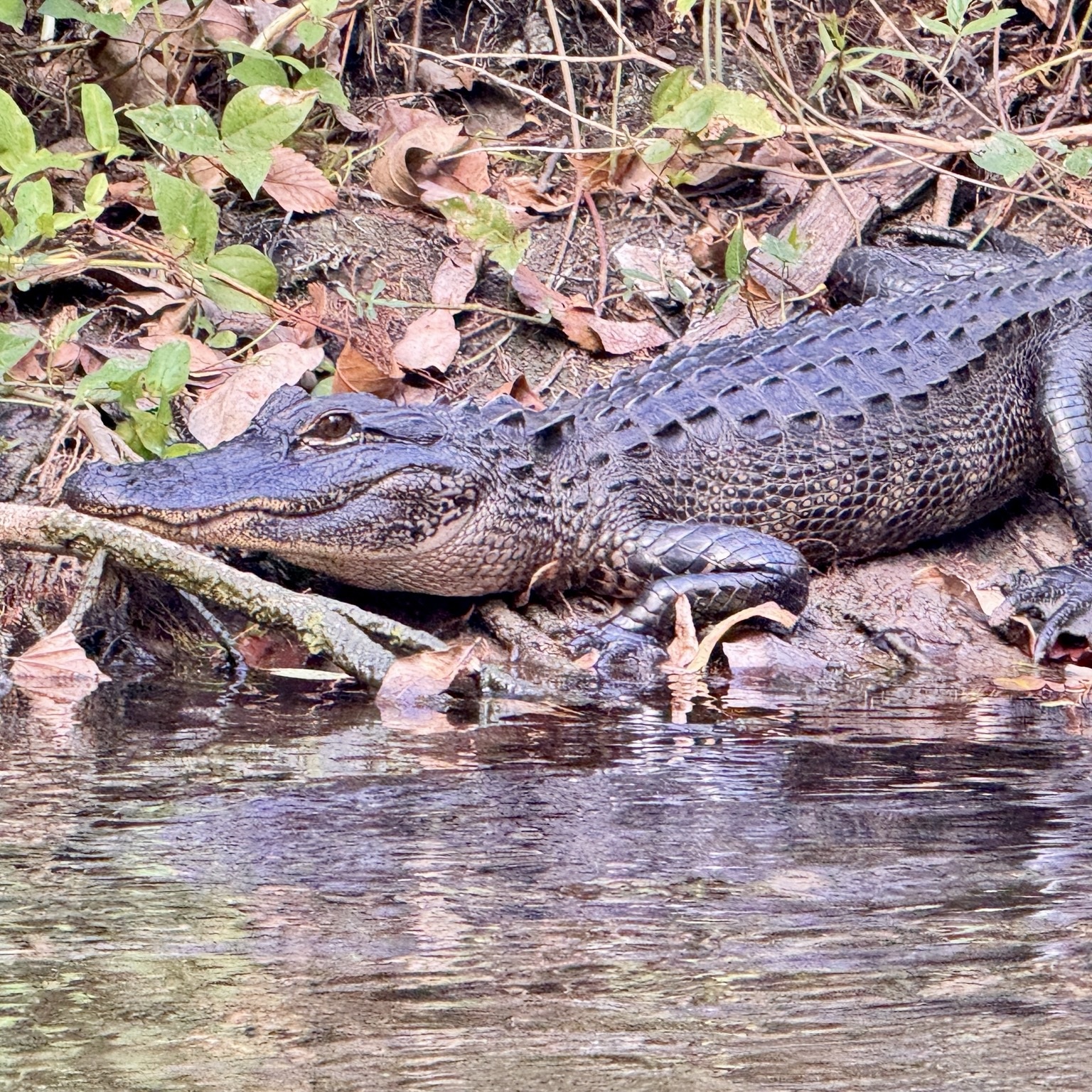
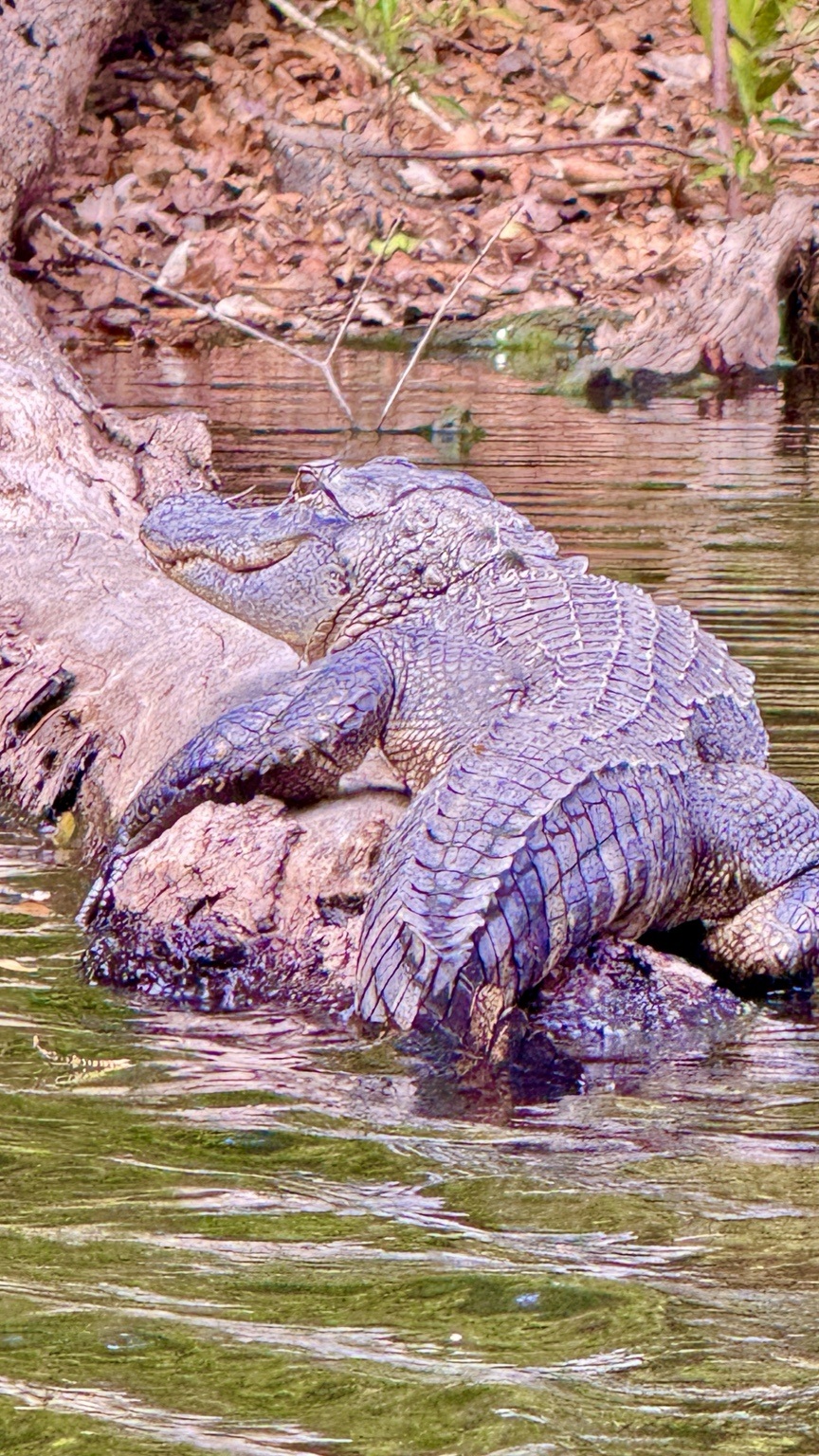
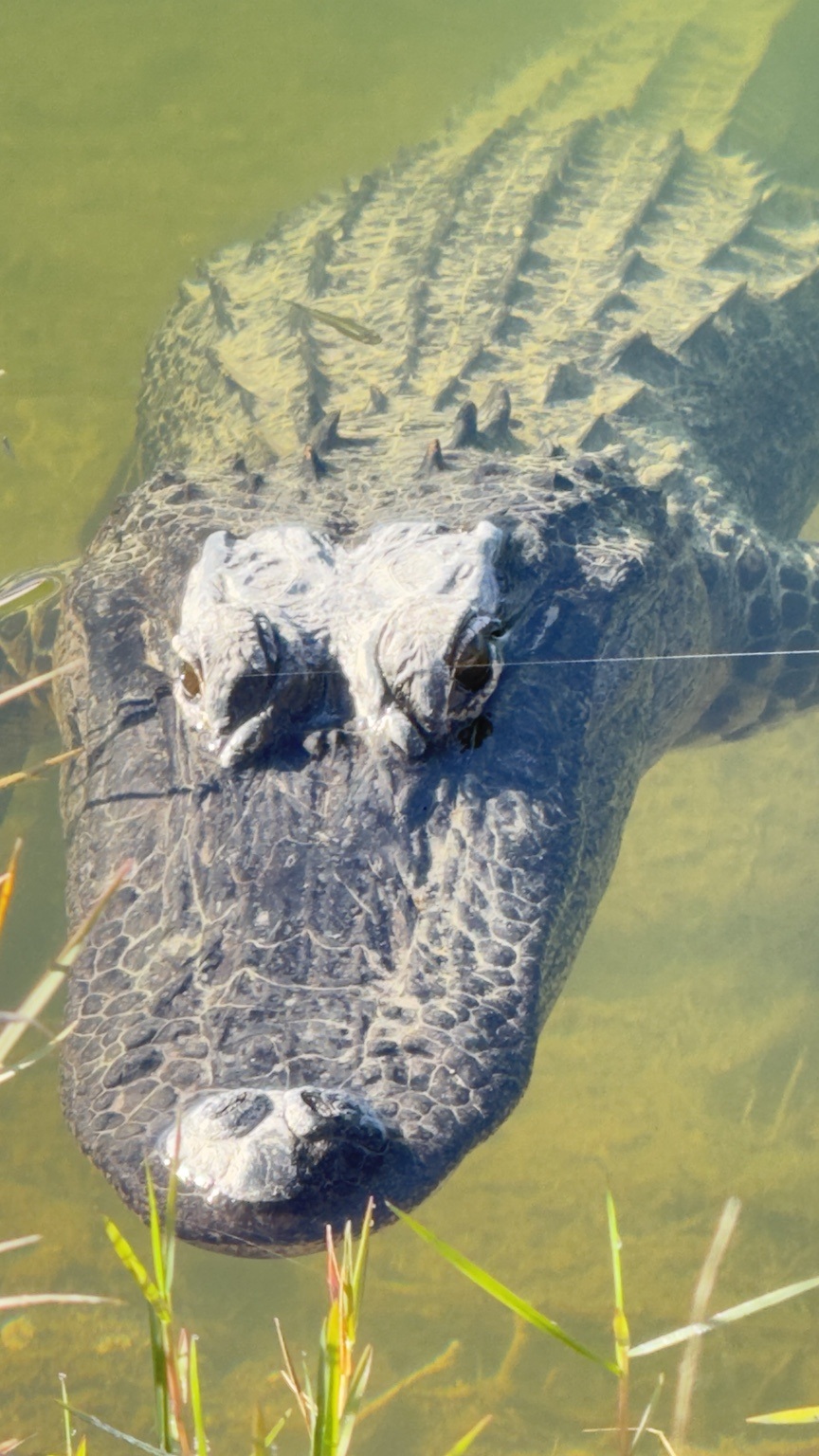
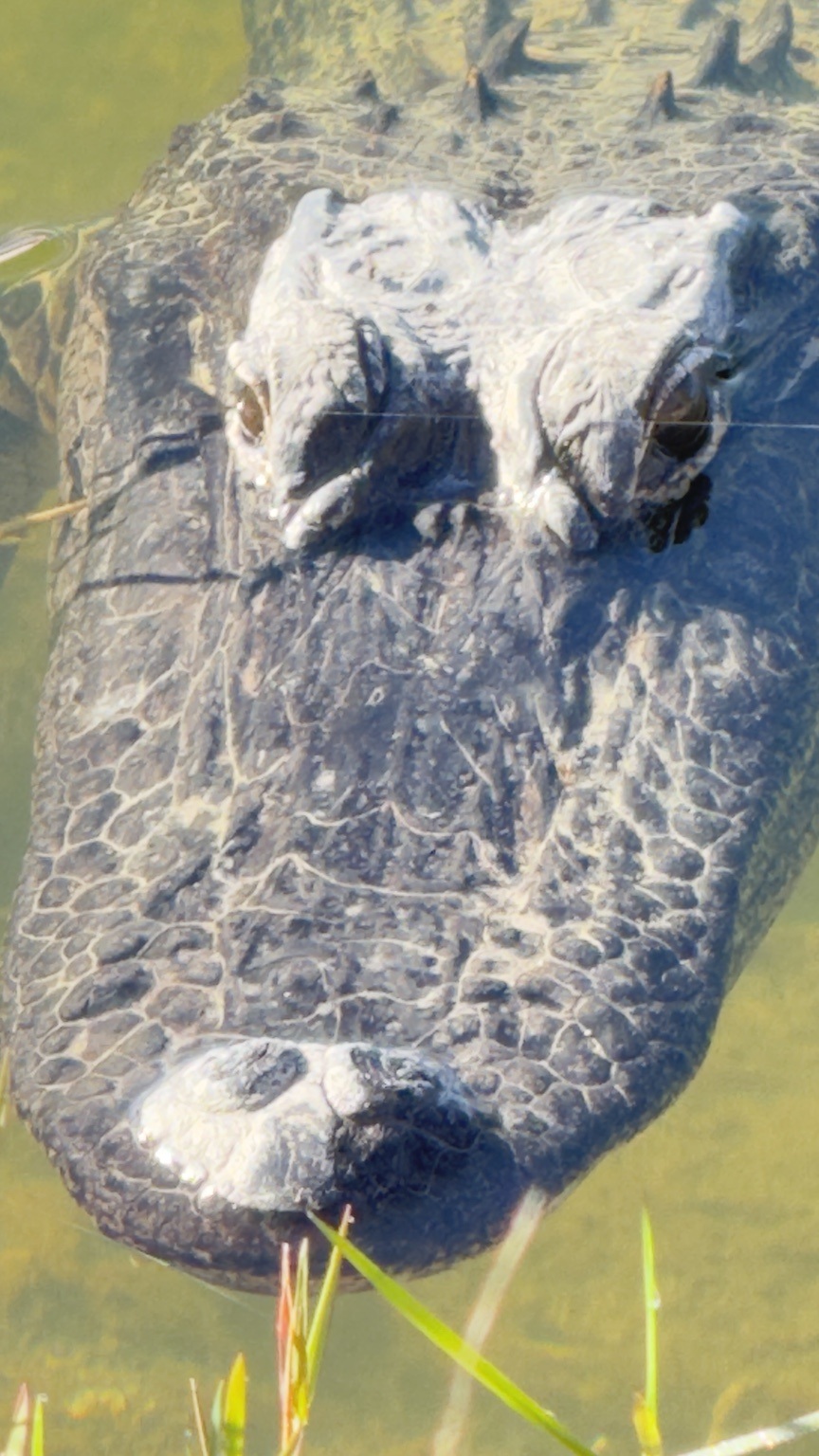
Since moving to Florida, I have encountered alligators all the time. I see them while doing field work, while kayaking rivers and spring runs, beside ponds, along canals, and sometimes in places where people who are new to Florida would never expect them. After a while, spotting a pair of eyes at the surface or a dark armored back along the bank becomes another part of reading the landscape.
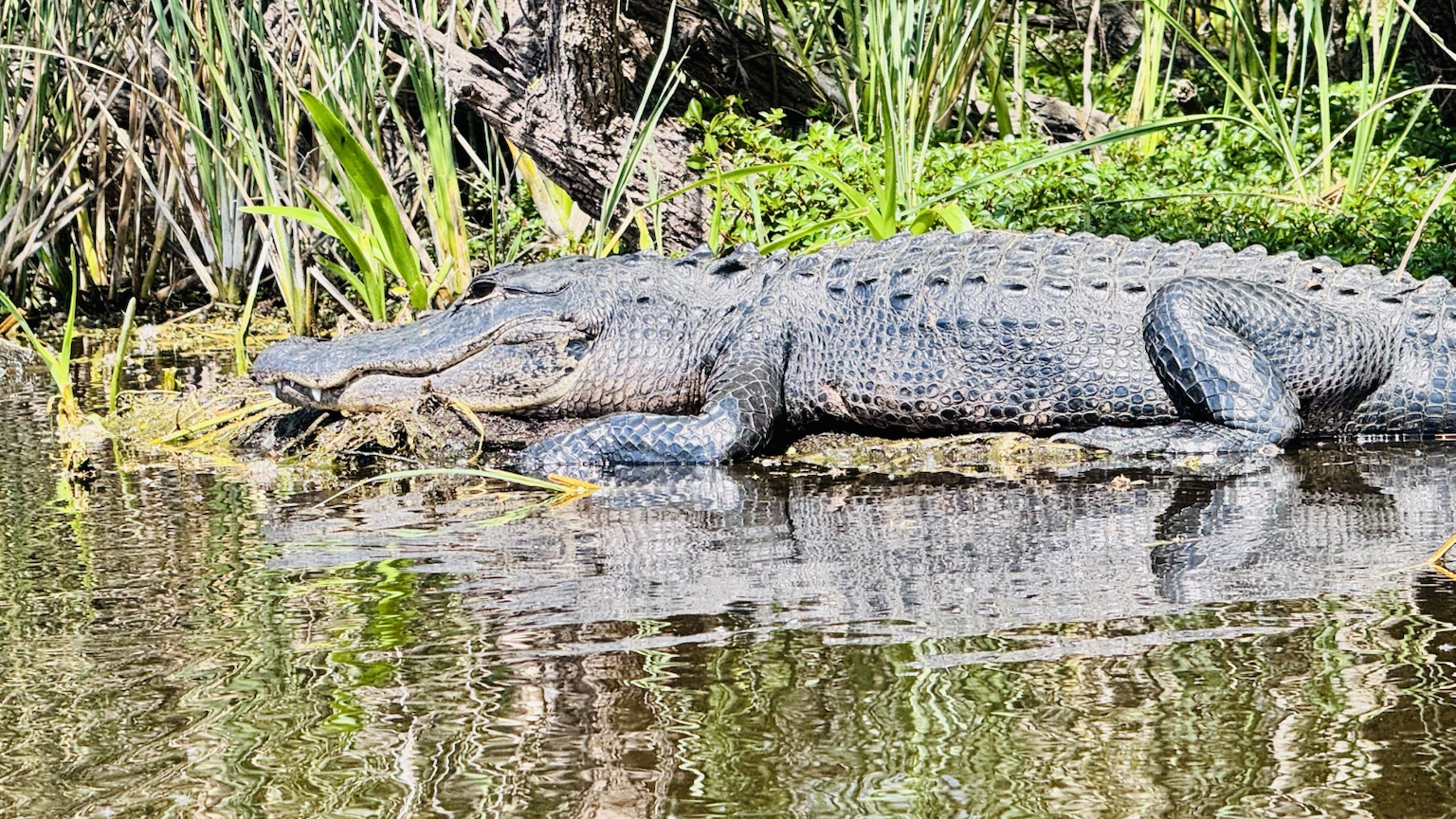
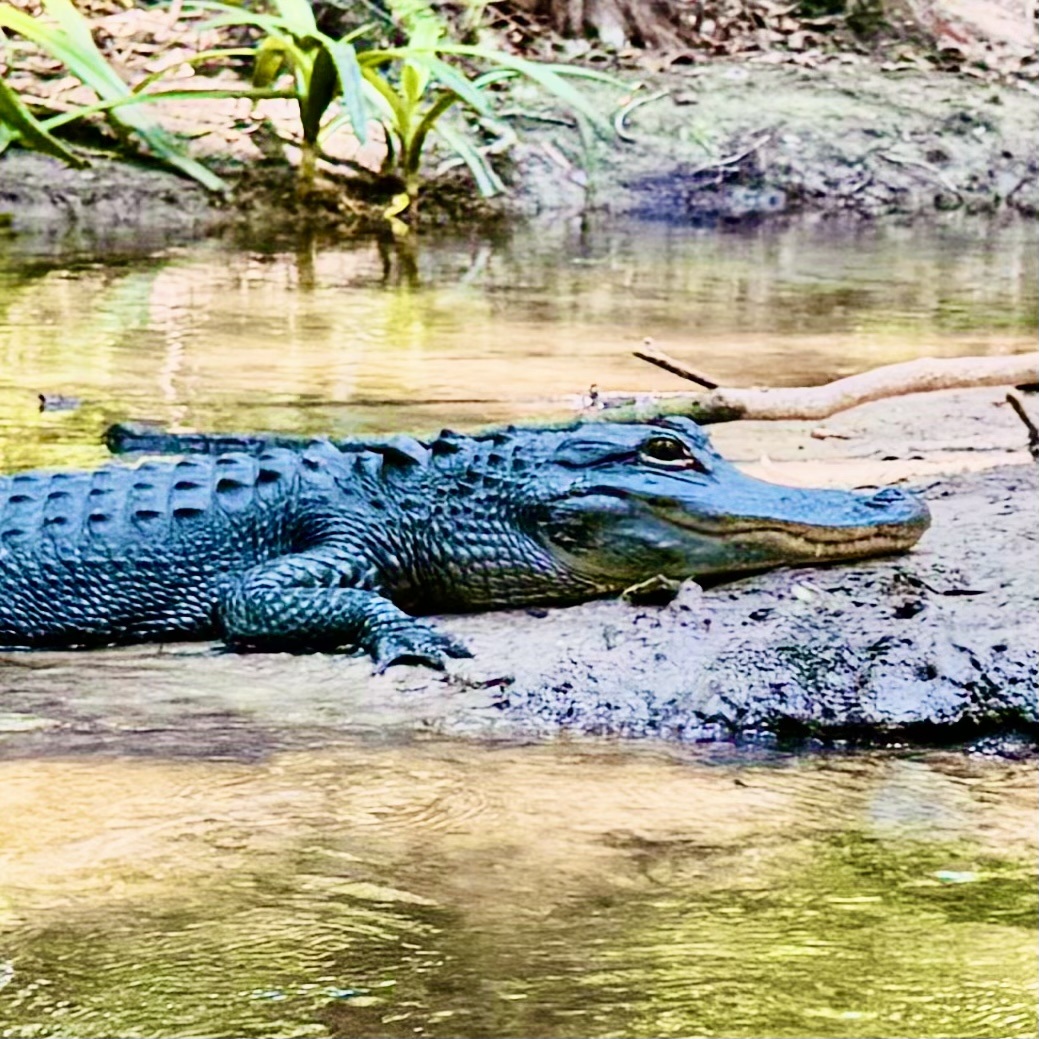
I do not think of every alligator as an emergency. Most are trying to conserve energy, warm themselves in the sun, cool off in the water, or move away from people. The key is not pretending they are harmless. It is understanding that they are powerful wild animals, recognizing what they are doing, and giving them the distance and escape route they need.
Field Work and Kayaking
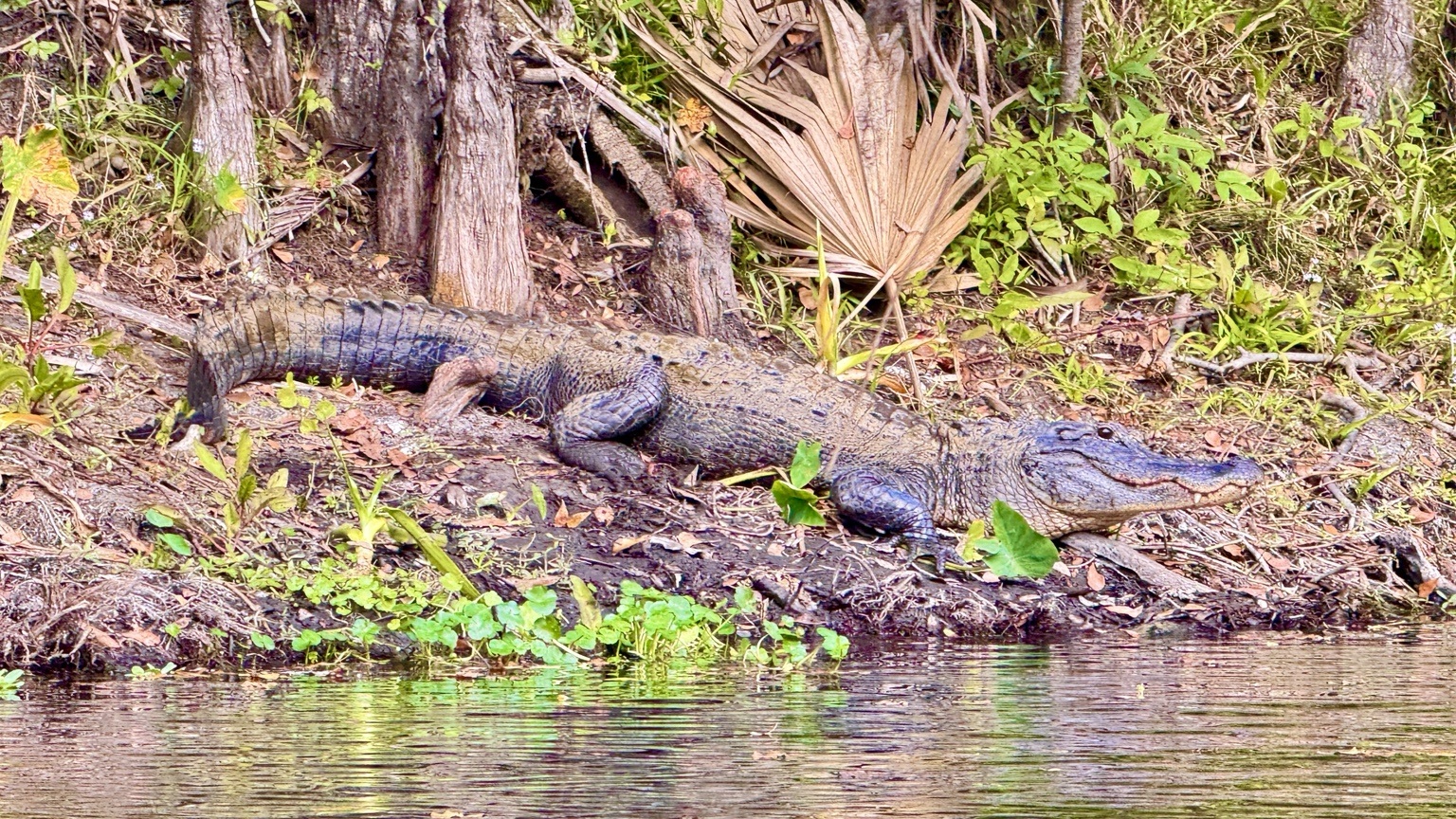
During years of field work, I often had to work in exactly the places alligators prefer: quiet backwaters, marsh edges, boat ramps, riverbanks, culverts, and slow-moving freshwater. Kayaking puts me in the same world. From a low boat, an alligator can be close before you notice it, especially when it is hidden under vegetation or resting at the edge.
My usual response is simple: stay calm, stop closing the distance, and paddle away without splashing or cornering the animal. An alligator that slips quietly into the water is usually leaving, not launching an attack. I never paddle toward one for a closer photograph, block its path, or come between a female and a nest or young.
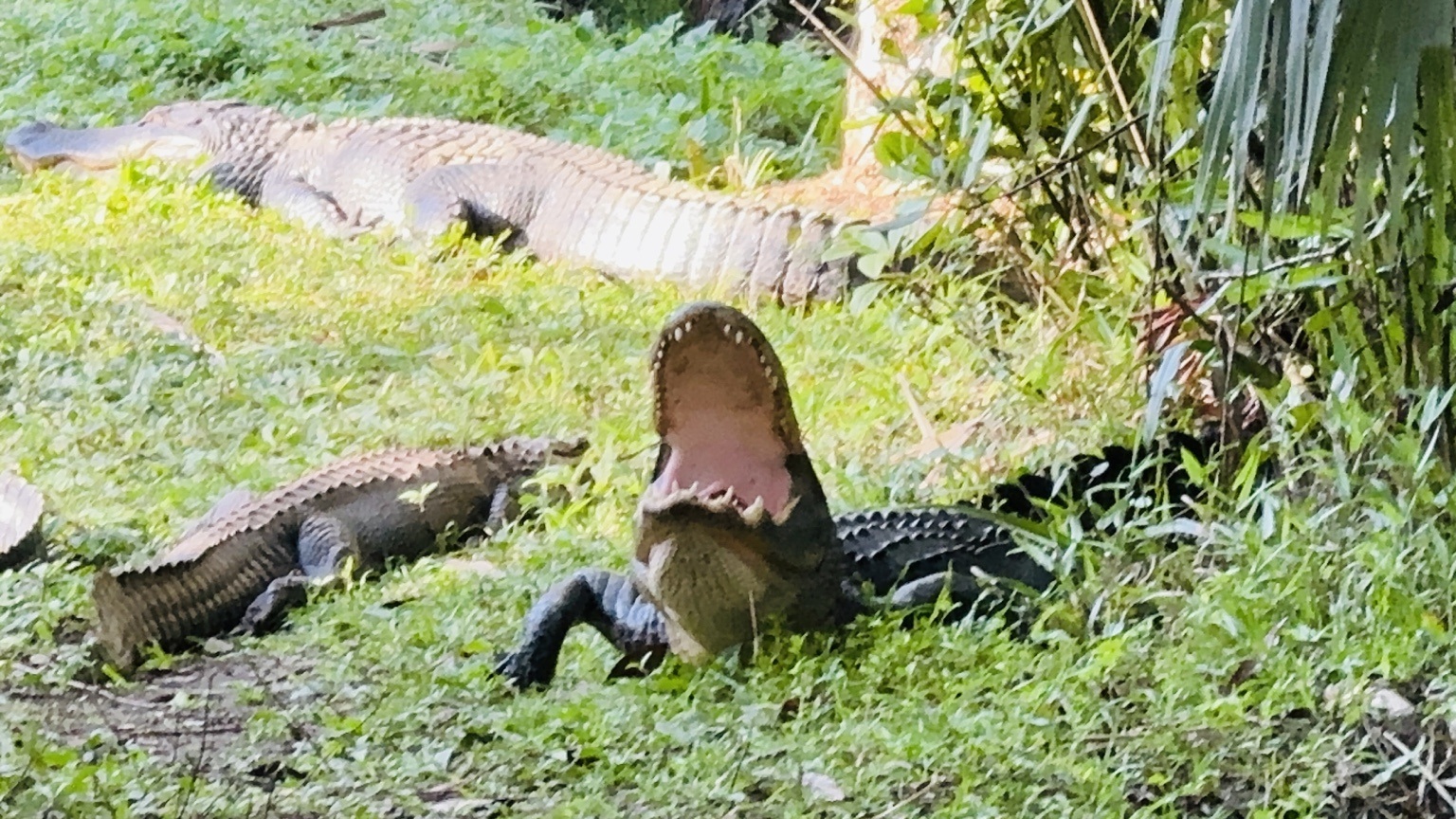
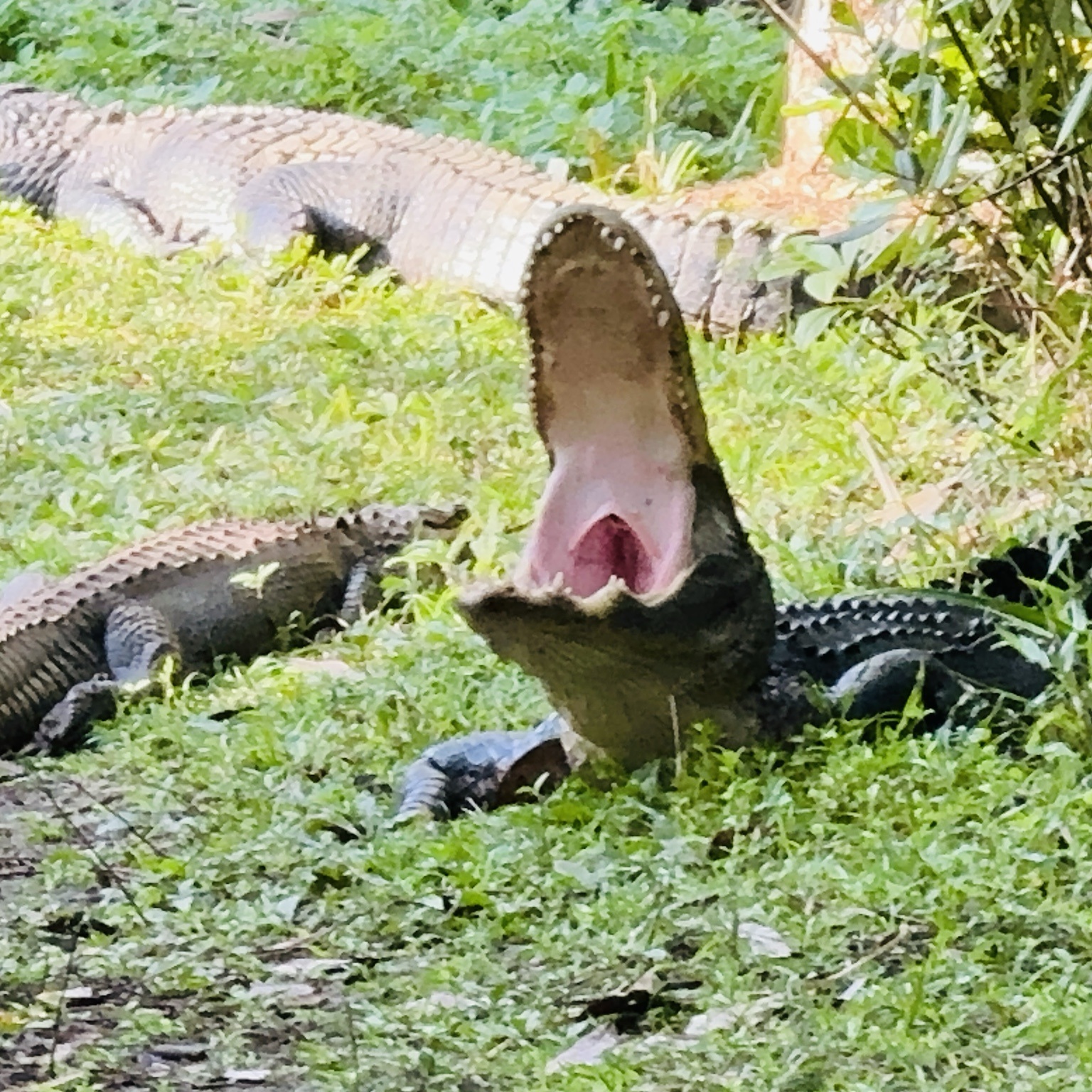
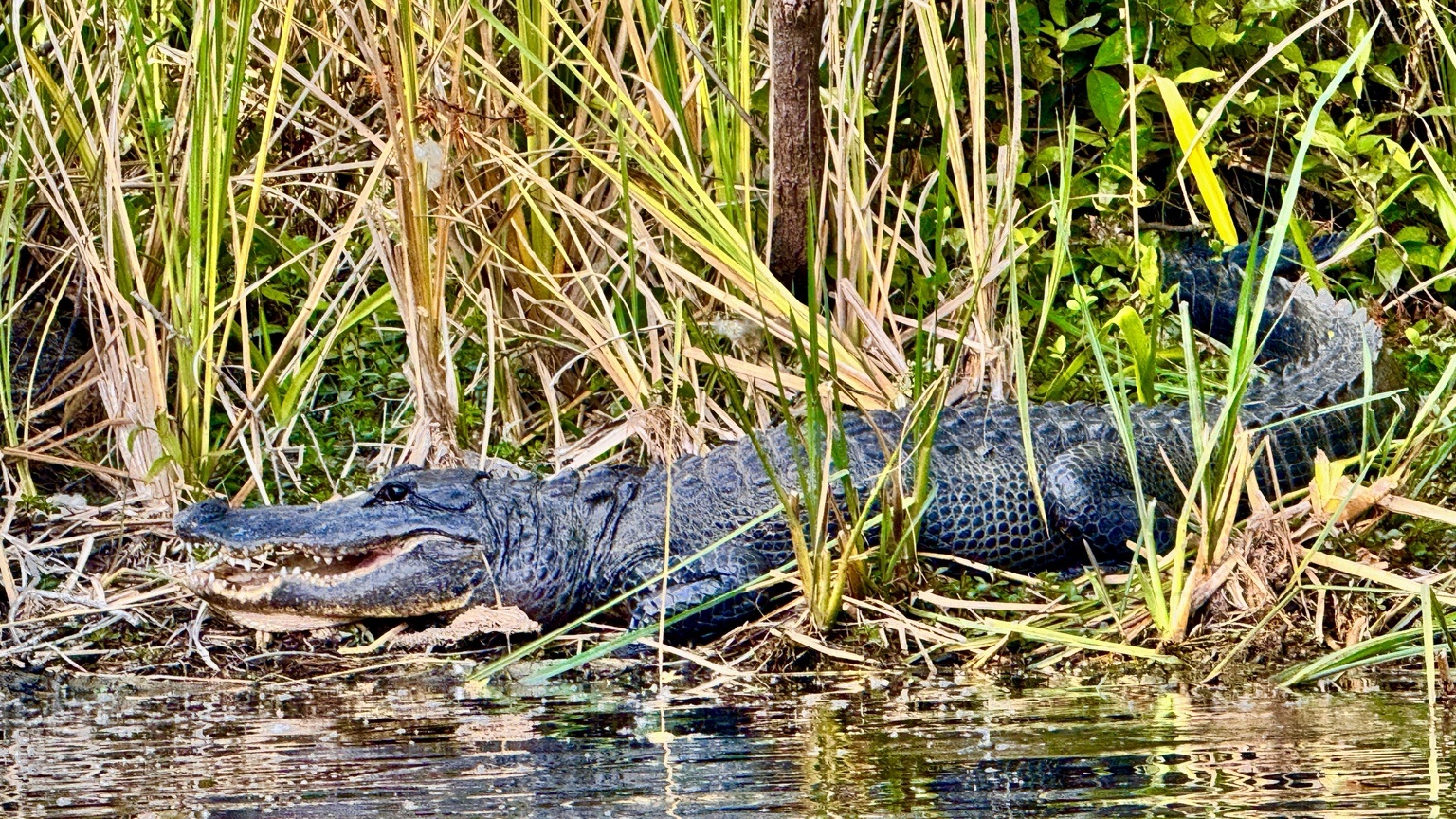
Knowing the difference between a basking animal, an animal trying to retreat, and one giving a defensive open-mouth warning is far more useful than treating every sighting as a crisis.
Gators in the Backyard
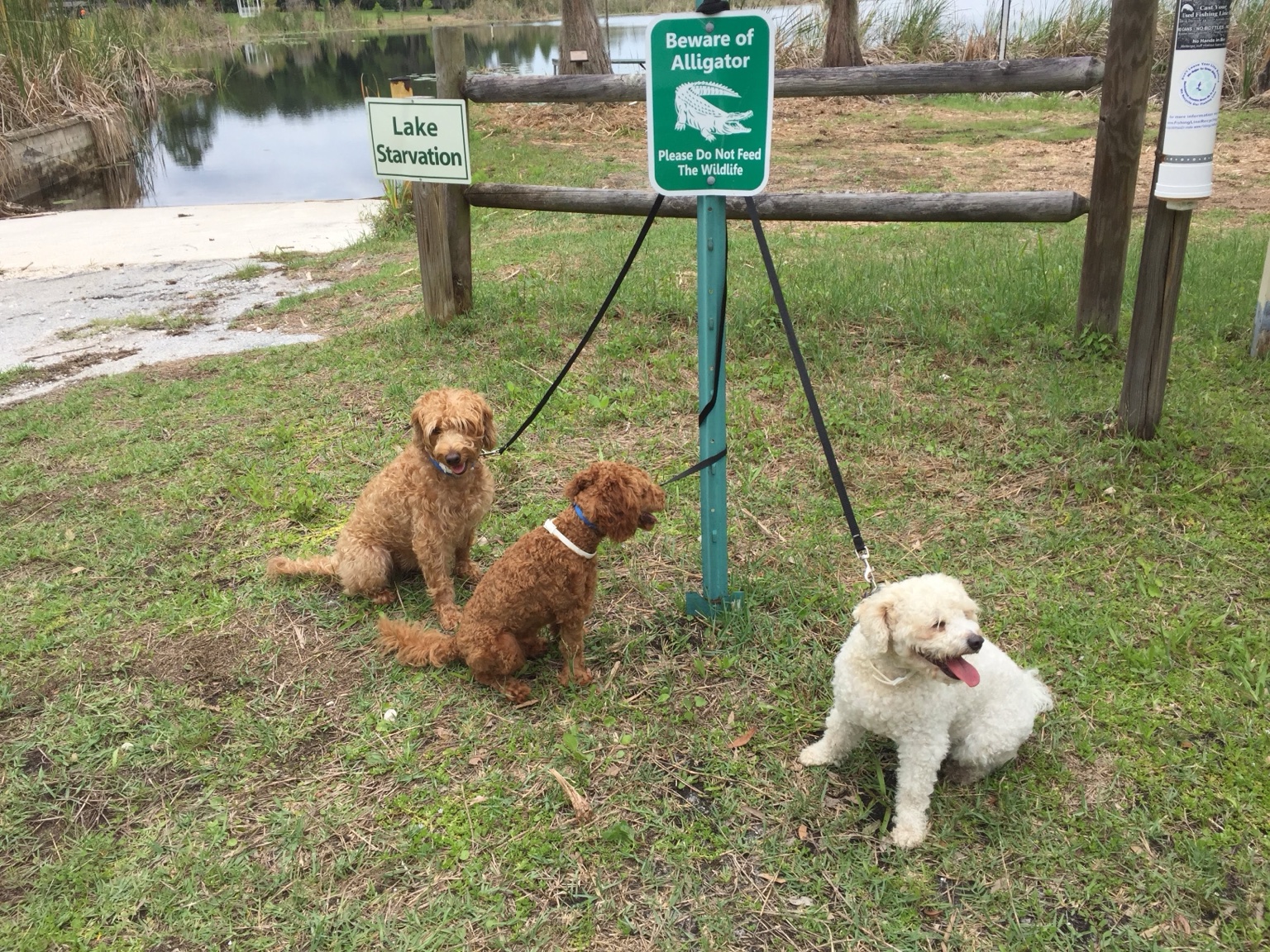
There have usually been alligators near my backyard wherever I have lived beside Florida water, and there are alligators here at Kym's place too. That is not unusual. Any freshwater or brackish pond, canal, lake, creek, or retention basin in Florida can potentially hold an alligator, even when none is visible.
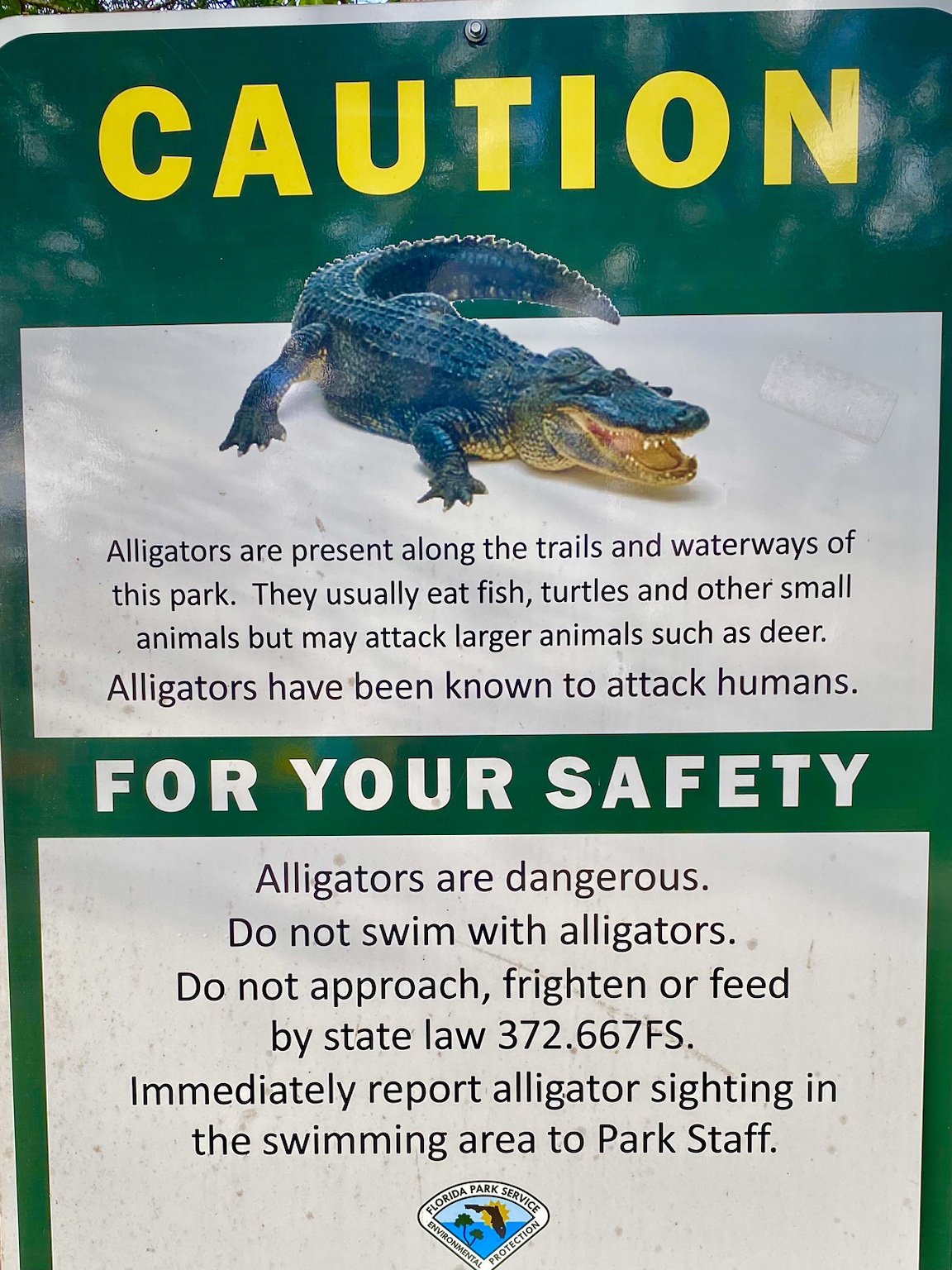
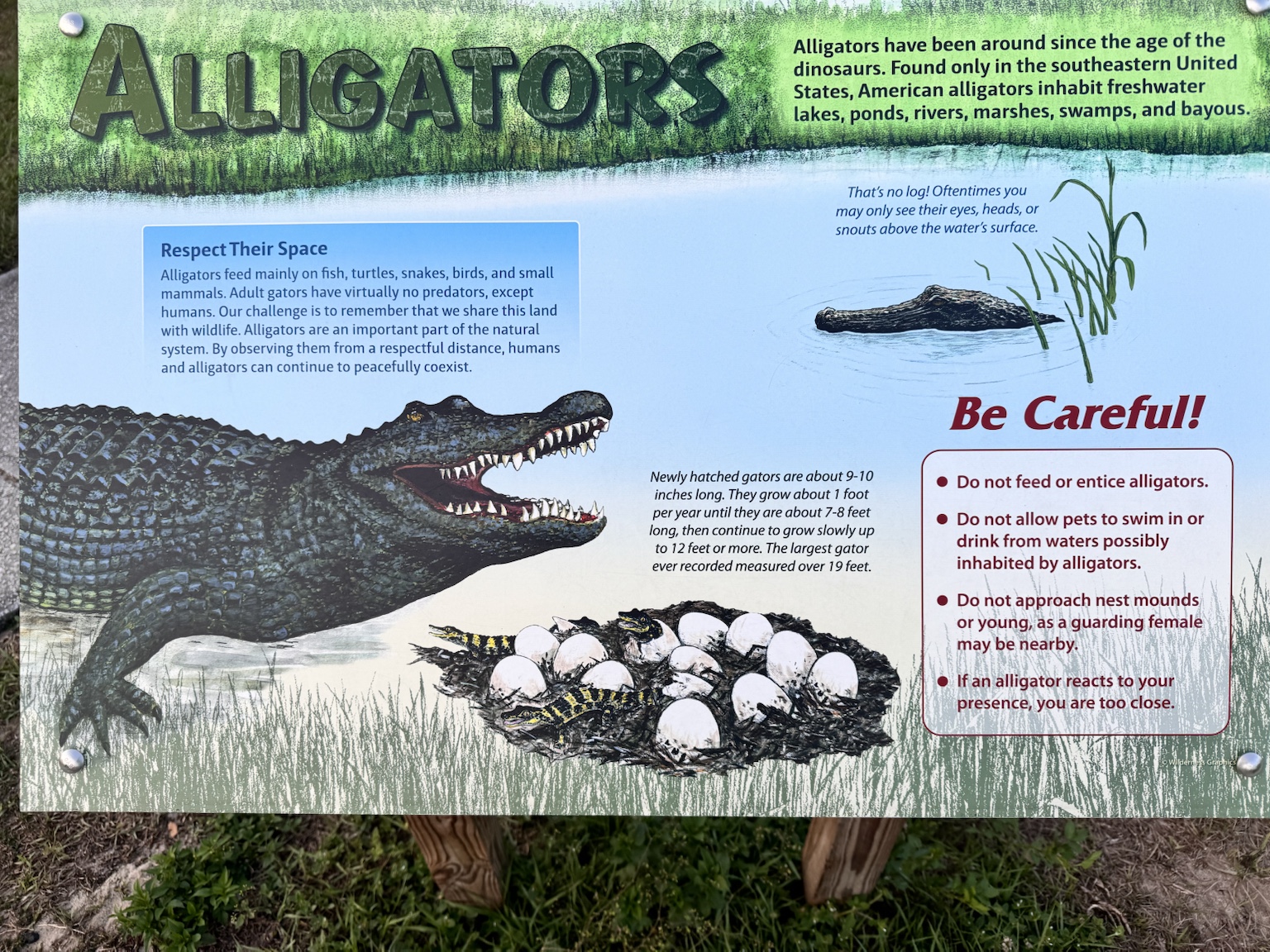
That changes the way I think about the shoreline. I do not let familiarity turn into carelessness. Pets stay controlled and away from the water, especially around dawn, dusk, and at night. Food scraps and fish remains do not go into the water. Most importantly, nobody feeds a gator. Once an alligator connects people with food, the animal becomes more dangerous and often ends up being removed and killed because of someone else's bad decision.
Knowing What to Do
Most safe encounters are handled before anything dramatic happens. These are the habits I rely on around Florida water:
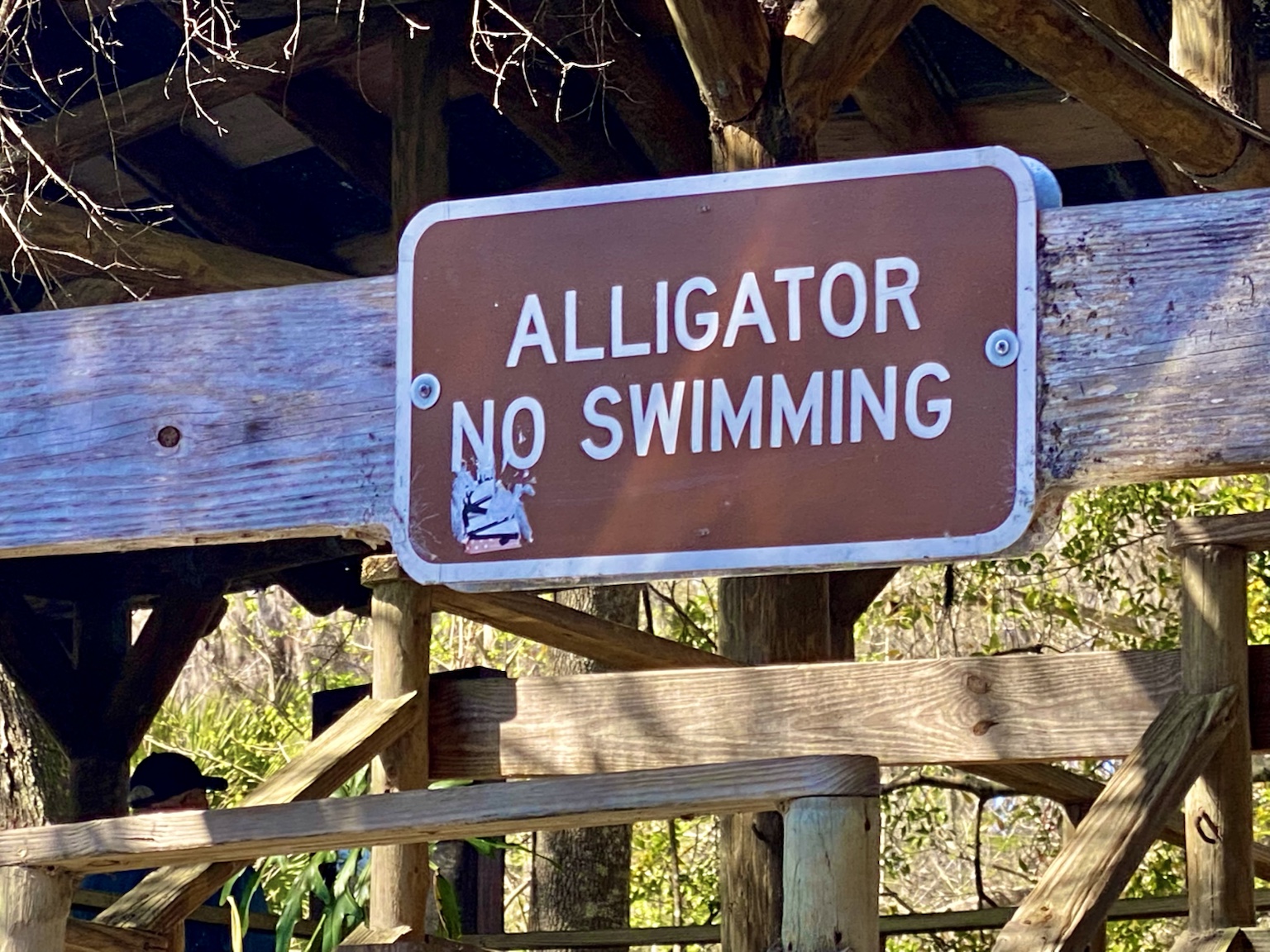
Safety guidance follows the Florida Fish and Wildlife Conservation Commission and University of Florida recommendations: never feed or approach alligators, keep pets away from the water, swim only in designated areas during daylight, and calmly create distance during paddling encounters. For a threatening alligator in Florida, call the FWC Nuisance Alligator Hotline at 866-392-4286.
Alligator Encounters
Click or tap any photograph to open the full-size image.